
Growing Zucchini: Maximizing Your Harvest

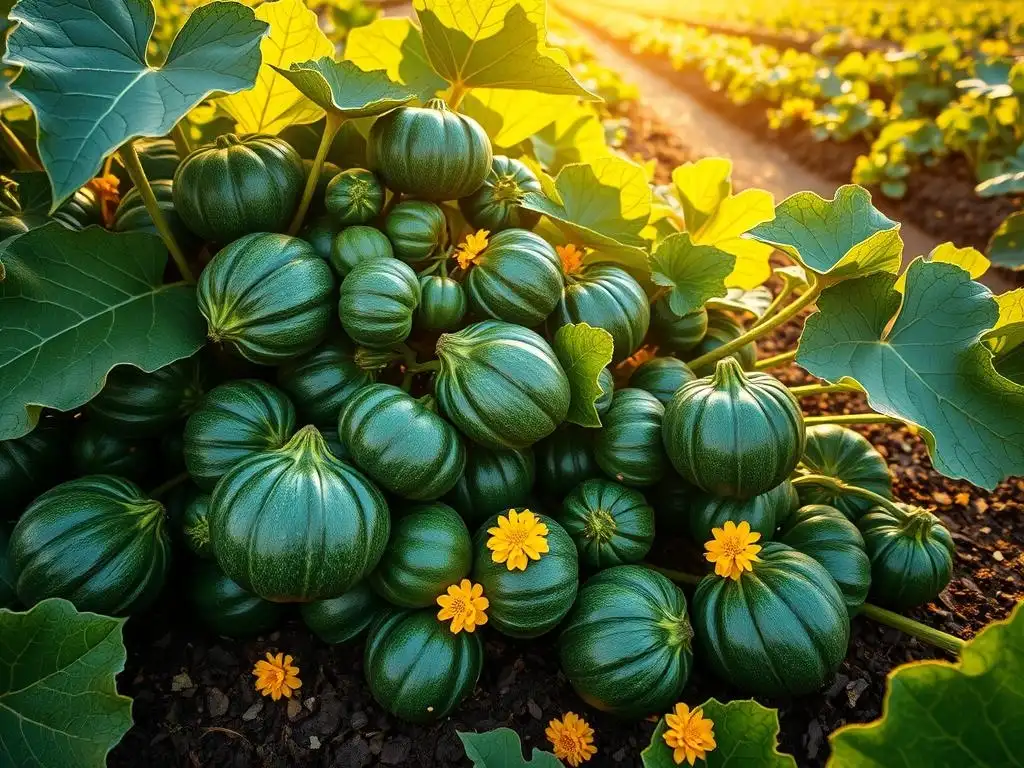
Welcome to CultivateYourFood, your guide to a thriving, sustainable garden! Ready to unlock the secrets to bountiful harvests? We're diving deep into the best ways to grow zucchini, ensuring your garden overflows with these delicious summer squash. Discover expert tips and tricks for planting, nurturing, and harvesting, all while embracing organic and eco-friendly practices. Let's get growing!
- Choosing the Best Zucchini Varieties for Abundant Yields
- Preparing Your Garden for Optimal Zucchini Growth
- Planting Your Zucchini: A Step-by-Step Guide
- Providing Optimal Care for Lush Zucchini Growth
- Harvesting Your Zucchini for Maximum Yield
- Troubleshooting Common Zucchini Growing Problems
- Best Ways to Grow Zucchini: Advanced Techniques for Abundant Harvests
- Preserving Your Zucchini Harvest
- Frequently Asked Questions
- Final Reflection: The Bountiful Harvest of Patience and Knowledge
- Unlock Your Zucchini's Full Potential!
Choosing the Best Zucchini Varieties for Abundant Yields
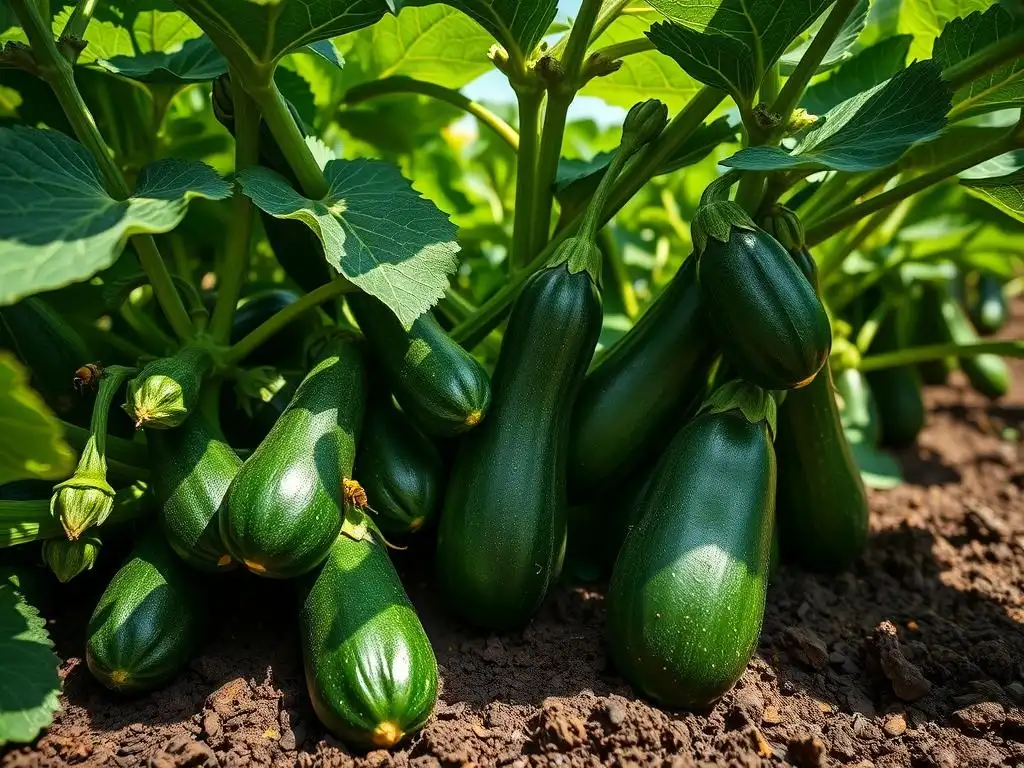
Zucchini, a summer squash prized for its versatility and prolific nature, is a rewarding addition to any home garden. This guide delves into the best ways to grow zucchini, focusing on techniques to maximize your harvest and ensure a bountiful supply of this delicious vegetable throughout the growing season. We'll explore everything from selecting the right seeds and varieties to understanding the nuances of different growth habits, ultimately empowering you to cultivate a thriving zucchini patch in your own backyard.
Mastering these techniques will transform your gardening experience, leading to abundant yields and the satisfaction of enjoying fresh, homegrown zucchini. This comprehensive guide aims to provide you with the knowledge and strategies to achieve the best possible results when growing this popular summer squash, helping you answer the question: what are the best ways to grow zucchini?
Selecting High-Yielding Zucchini Seeds
Choosing the right zucchini seeds is paramount to achieving a large harvest. Not all zucchini varieties are created equal; some are bred specifically for high yields. Look for seed packets that explicitly mention "high yield" or "abundant production". Furthermore, consider the maturity time; choosing varieties with a shorter time to maturity allows for multiple harvests within a single growing season. When purchasing seeds, carefully read the description on the packet.
Pay close attention to details like average fruit size and the plant's growth habit (bush or vine). Consider factors like disease resistance as well; choosing disease-resistant varieties can significantly reduce potential yield losses. Remember, investing in high-quality seeds is an investment in a successful harvest. Choosing the right seeds is one of the most crucial steps in answering the question, "What are the best ways to grow zucchini?"
Identifying Zucchini Varieties Suitable for Your Climate
Understanding your local climate is crucial for selecting the appropriate zucchini variety. Different varieties exhibit varying degrees of tolerance to heat, cold, and other environmental factors. For regions with short growing seasons, choosing early-maturing varieties is essential. Conversely, regions with long, warm summers might benefit from varieties that produce continuously throughout the season.
Researching zucchini varieties specifically suited for your USDA Plant Hardiness Zone will greatly improve your chances of success. Consult local gardening resources or experienced gardeners in your area to gain insights into which varieties perform best in your specific climate. This step will significantly contribute to answering the question: what are the best ways to grow zucchini?
Understanding the Differences Between Bush and Vine Zucchini
Zucchini plants are broadly classified into two types: bush and vine. Bush zucchini plants are compact, remaining relatively small and spreading outwards. They are ideal for smaller gardens or containers, offering a manageable size. Vine zucchini, on the other hand, are vigorous growers that can produce significantly more fruit but require more space to spread.
The choice between bush and vine depends largely on the available space in your garden and your desired level of harvest. While vine varieties often yield more, bush varieties provide a convenient option for those with limited space. Understanding these differences is key to selecting a variety that fits your garden's dimensions and your harvesting goals. This is another crucial factor in determining the best ways to grow zucchini.
Preparing Your Garden for Optimal Zucchini Growth
This section focuses on the crucial preparatory steps to ensure a bountiful zucchini harvest. We'll explore ideal location selection, soil preparation, and essential amendments, all key components for maximizing your yield using the best ways to grow zucchini. Remember, a little extra effort upfront translates to significantly better results later.
Selecting the Ideal Location for Your Zucchini Plants
Zucchini thrives in sunny locations. Aim for at least six to eight hours of direct sunlight per day. The best ways to grow zucchini involve choosing a spot that receives ample morning sun, as this helps the plants dry quickly after watering, reducing the risk of fungal diseases. Consider the following factors when selecting your location:
- Sunlight Exposure: As mentioned, prioritize areas with maximum sun exposure. Observe your garden throughout the day to identify the sunniest spots.
- Wind Protection: Zucchini plants are relatively delicate and can be damaged by strong winds. Plant them in a sheltered location, perhaps near a fence or wall, to provide some protection.
- Soil Drainage: Zucchini dislikes soggy soil. Choose a location with well-drained soil to prevent root rot. Avoid low-lying areas where water tends to accumulate.
- Proximity to Other Plants: Allow ample space between zucchini plants and other vegetables to prevent overcrowding and competition for resources. Proper spacing is crucial for maximizing yield and minimizing disease.
Preparing Nutrient-Rich Soil for Zucchini Cultivation
Zucchini are heavy feeders, demanding nutrient-rich soil for optimal growth and abundant fruit production. Preparing the soil before planting is paramount for achieving the best ways to grow zucchini. Here's how to create the perfect soil environment:
- Soil Testing: Conduct a soil test to determine its pH level and nutrient content. Ideally, your soil should have a slightly acidic to neutral pH (6.0-7.0). A soil test kit can be purchased at most garden centers.
- Soil Improvement: Amend heavy clay soils with organic matter, such as compost or well-rotted manure, to improve drainage and aeration. Sandy soils benefit from the addition of organic matter to improve water retention. The goal is to achieve a loose, fertile soil structure that allows for easy root penetration and nutrient uptake.
- Till the Soil: Till the soil to a depth of at least 12 inches to break up compacted soil and incorporate the amendments evenly. This ensures that the soil is well-prepared to support healthy root development.
Essential Soil Amendments for Healthy Zucchini Growth
Beyond basic soil preparation, specific amendments further enhance zucchini growth and yield. These additions provide vital nutrients and improve soil structure, contributing to the best ways to grow zucchini:
- Compost: Compost is a fantastic all-around soil amendment, adding essential nutrients and improving soil structure. Incorporate a generous amount of compost into the soil before planting.
- Well-rotted Manure: Manure provides a rich source of nitrogen, phosphorus, and potassium, crucial nutrients for zucchini growth. Ensure the manure is well-rotted to avoid burning the plants.
- Bone Meal: Bone meal is a slow-release phosphorus source that benefits zucchini plants throughout their growing season. It contributes to strong root development and abundant flowering.
- Epsom Salts: Epsom salts (magnesium sulfate) can help prevent magnesium deficiency, which can manifest as yellowing leaves. A small amount added to the soil can prevent this issue.
Remember, consistent monitoring and adjustments are part of the best ways to grow zucchini. Observe your plants regularly and address any deficiencies promptly to ensure a thriving and productive zucchini patch. 🌱
Building Raised Beds for Improved Drainage and Soil Control
Zucchini, like many squash varieties, thrives in well-drained soil. Poor drainage can lead to root rot and significantly reduce your harvest. Building raised beds offers a fantastic solution, providing superior control over soil composition and drainage. This is especially beneficial if your existing soil is heavy clay, prone to waterlogging, or lacks essential nutrients.
Constructing raised beds isn't overly complex. You can use readily available materials like untreated lumber (cedar or redwood are excellent choices for longevity), recycled pallets (ensure they are pesticide-free! ), or even large, sturdy stones. The height of your bed is a matter of preference, but 12-18 inches is generally ideal for zucchini. This allows for sufficient soil volume and root development while still being manageable for planting and harvesting.
Before filling your raised beds, consider amending the soil. Zucchini prefers slightly acidic to neutral soil (pH 6.0-7.0). You can test your existing soil's pH using a home testing kit readily available at most garden centers. Amendments like compost, well-rotted manure, and peat moss can help adjust the pH and improve soil structure. Aim for a rich, loamy soil that retains moisture but drains well. Avoid using fresh manure, as it can burn the delicate zucchini seedlings.
Proper drainage within the raised bed is crucial. You can improve drainage by adding a layer of gravel or coarse sand at the bottom of the bed before adding your amended soil. This creates a layer that allows excess water to easily escape, preventing waterlogging around the zucchini roots. Consider also the placement of your raised beds. Avoid low-lying areas where water tends to collect.
A slightly sloped area will facilitate natural drainage. Remember to regularly check the moisture level of your soil, adjusting watering as needed to avoid both underwatering and overwatering. Observing the soil's drainage is a key part of mastering the best ways to grow zucchini. Proper drainage is crucial for healthy root development and a bountiful harvest. Don't underestimate the importance of this step in maximizing your zucchini yield!
Planting Your Zucchini: A Step-by-Step Guide

This section details the best ways to grow zucchini, focusing on planting techniques to maximize your harvest. We'll explore optimal timing, direct sowing, and transplanting—providing you with the knowledge to choose the method best suited to your climate and gardening style. Remember, proper planting is crucial for achieving abundant zucchini yields!
Timing Your Zucchini Planting for Success
The key to successful zucchini cultivation lies in understanding the plant's temperature requirements. Zucchini thrives in warm weather, with soil temperatures ideally reaching at least 60°F (15°C). Planting too early can result in stunted growth or even plant death. Conversely, planting too late shortens the growing season, limiting your harvest.
To determine the best planting time for your region, consult a local frost date calendar. Generally, you should wait until all danger of frost has passed. In many areas, this falls between late spring and early summer. However, you can use cold frames or row covers to extend the growing season by a few weeks.
Here's a helpful table summarizing optimal planting times based on climate zones (this example uses simplified zones, adjust based on your specific location):
| Climate Zone | Approximate Planting Time | Notes |
|---|---|---|
| Zone 7-10 | April-May | Can start earlier with protection |
| Zone 5-6 | May-June | Warmer areas may allow earlier planting |
| Zone 3-4 | June-July | Later planting is necessary in cooler climates |
Remember that these are just estimates. Monitor your soil temperature using a soil thermometer for the most accurate assessment. Consistent soil temperatures above 60°F (15°C) are essential for optimal germination and growth. Using a soil thermometer will help you become a more efficient and successful gardener!
Sowing Zucchini Seeds Directly into the Ground
Direct sowing is a simple and effective method, especially in warmer climates. Choose a sunny location with well-drained soil rich in organic matter. Prepare the soil by loosening it to a depth of about 12 inches (30 cm), removing any weeds or rocks.
Follow these steps for direct sowing:
- Dig small holes, about 1 inch (2.5 cm) deep and 2-3 inches (5-7.5 cm) apart.
- Place 2-3 seeds in each hole. This accounts for potential germination failure.
- Cover the seeds with soil and gently water.
- Keep the soil consistently moist until germination, which usually takes 5-10 days.
- Once seedlings emerge, thin to the strongest plant per hole.
This method is cost-effective and allows the roots to establish directly in their final location, minimizing transplant shock. However, it might be less successful in areas with unpredictable weather or cooler temperatures.
Transplanting Zucchini Seedlings for a Head Start
Transplanting zucchini seedlings provides a head start, particularly beneficial in shorter growing seasons or cooler climates. Start seeds indoors 4-6 weeks before the last expected frost. Use seed starting mix, not garden soil.
Here's a detailed guide for transplanting:
- Seed Starting: Sow seeds about ½ inch deep in small pots or seed trays. Keep consistently moist and warm (70-75°F or 21-24°C).
- Hardening Off: Gradually acclimate seedlings to outdoor conditions a week before transplanting. This involves progressively exposing them to sunlight and cooler temperatures.
- Transplanting: Once seedlings have several true leaves and the soil is warm enough, carefully transplant them into the prepared garden bed, maintaining the same depth as in their original containers. Space plants 2-3 feet apart.
- Watering: Water deeply after transplanting to help the seedlings establish. Consistent watering is crucial for successful transplanting.
Transplanting offers more control over the growing process and potentially a faster harvest, but it requires more effort and careful handling to avoid damaging the delicate seedlings. Choose the method that best suits your experience and local conditions. 🌱
Spacing Zucchini Plants for Maximum Air Circulation
Proper spacing is crucial for maximizing your zucchini harvest. Cramped plants are more susceptible to fungal diseases like powdery mildew, which thrives in humid, poorly ventilated conditions. Adequate spacing allows for better air circulation, reducing humidity and minimizing the risk of disease outbreaks. This translates directly to healthier plants and a more abundant yield. Think of it like this: each zucchini plant needs its own "breathing room."
The recommended spacing depends on the variety of zucchini you're growing. Bush varieties, which remain more compact, require less space than vining varieties that can spread considerably. For bush zucchini, a spacing of 18-24 inches between plants is generally sufficient. However, vining zucchini will need significantly more room, often requiring 2-3 feet between plants and even more between rows.
Overcrowding leads to competition for resources like sunlight, water, and nutrients, resulting in smaller, less productive plants. Remember to account for the mature size of your chosen zucchini variety when planning your garden layout. Failing to provide adequate spacing can severely impact your harvest, rendering otherwise healthy plants less productive.
Prioritize proper spacing for a healthier and more bountiful zucchini patch. This is one of the best ways to grow zucchini and ensure a successful harvest. Careful planning and observation will ensure your plants thrive, leading to more delicious zucchini for your table!
Providing Optimal Care for Lush Zucchini Growth
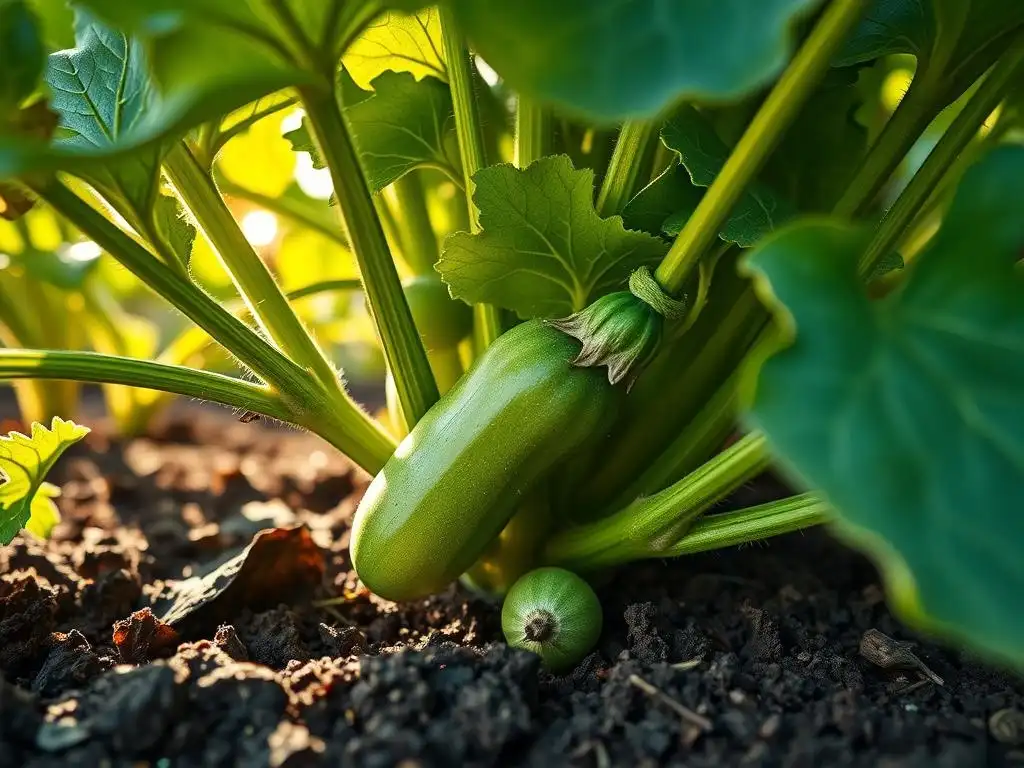
This section focuses on the best ways to grow zucchini, ensuring a bountiful harvest. We'll delve into crucial care practices that significantly impact the yield and overall health of your zucchini plants. Remember, consistent attention to these details is key to maximizing your zucchini production. Following these steps will help you achieve the best possible results and enjoy abundant harvests of this delicious summer squash.
Watering Your Zucchini Plants Effectively
Zucchini plants, like many summer squashes, are thirsty creatures! Consistent watering is critical, especially during hot, dry periods. Underwatering leads to stunted growth and reduced fruit production. Overwatering, however, can lead to root rot, a devastating fungal disease. Finding the sweet spot is crucial for optimal zucchini growth.
The best approach is to water deeply and less frequently, encouraging deep root growth. Aim for about 1-2 inches of water per week, depending on rainfall and weather conditions. Check the soil moisture regularly by inserting your finger a few inches into the soil. If it feels dry, it's time to water.
Water at the base of the plant, avoiding wetting the leaves to prevent fungal diseases. Consider using a soaker hose or drip irrigation system for efficient and even watering. This method minimizes water waste and delivers moisture directly to the roots, promoting healthy root development and reducing the risk of fungal pathogens. Remember, consistent moisture is a key element in the best ways to grow zucchini.
A good rule of thumb is to water in the morning, allowing the foliage to dry before nightfall, thus reducing the risk of fungal diseases. The use of mulch (discussed below) can also significantly improve water retention, reducing the frequency of watering.
Implementing a Regular Fertilization Schedule for Zucchini
Zucchini are heavy feeders, requiring consistent fertilization to produce abundant fruit. Nutrient deficiency will manifest in poor growth, fewer fruits, and smaller zucchini. A balanced fertilization program is crucial for maximizing yields and ensuring healthy plants.
Begin by amending your soil with compost before planting. Compost provides essential nutrients and improves soil structure, creating an optimal growing environment. Once your plants are established, you can supplement with a balanced liquid fertilizer every 2-3 weeks. Follow the instructions on the fertilizer packaging carefully, avoiding over-fertilization, which can harm your plants. Look for fertilizers specifically formulated for vegetables or squashes. Using organic fertilizers is a great way to promote healthy soil and avoid introducing harmful chemicals. Remember, choosing the best fertilizer is key for the best ways to grow zucchini.
You can also use a slow-release granular fertilizer at planting time, providing a continuous supply of nutrients throughout the growing season. Observe your plants carefully. Signs of nutrient deficiency, such as yellowing leaves or stunted growth, indicate the need to adjust your fertilization strategy. Regular soil testing can help you determine the specific nutrient needs of your plants and tailor your fertilization accordingly.
Mulching Techniques to Retain Soil Moisture and Suppress Weeds
Mulching is a crucial practice in optimizing zucchini growth and maximizing your harvest. It offers several benefits that contribute to healthier, more productive plants. By implementing a proper mulching technique, you’ll improve your chances of achieving the best ways to grow zucchini.
Applying a 2-4 inch layer of organic mulch, such as straw, shredded leaves, or wood chips, around your zucchini plants provides several advantages. First, it helps retain soil moisture, reducing the frequency of watering and saving you time and water. Second, it suppresses weed growth, reducing competition for nutrients and water. Third, it helps regulate soil temperature, protecting roots from extreme heat and cold. Finally, as the mulch decomposes, it adds valuable organic matter to the soil, improving its structure and fertility.
Ensure that the mulch is not piled directly against the stems of your zucchini plants, as this can lead to rot. Leave a small gap between the mulch and the base of the plants for proper air circulation. Regularly replenish the mulch layer as it decomposes to maintain its effectiveness throughout the growing season. Implementing this simple yet highly effective technique is among the best ways to grow zucchini.
Protecting Your Zucchini Plants from Common Pests and Diseases
Zucchini, while generally robust, are susceptible to several pests and diseases that can significantly impact yield. Understanding these threats and implementing preventative measures is crucial for maximizing your harvest. Proactive pest and disease management is far more effective than reactive treatment, often minimizing the need for harsh chemicals.
One of the most common zucchini pests is the squash bug. These insects, identifiable by their brown, shield-shaped bodies, suck sap from the plants, causing wilting and stunted growth. Adult squash bugs lay eggs in clusters on the undersides of leaves. Regularly inspecting your plants, particularly the undersides of leaves, is key to early detection. Handpicking eggs and adult bugs is an effective, organic control method for small infestations. For larger infestations, consider using insecticidal soap or neem oil, always following the product's instructions carefully. Diatomaceous earth can also be a helpful deterrent.
Another significant pest is the squash vine borer. The larvae of this moth bore into the stems of zucchini plants, causing wilting and eventual death. Protecting the base of the plant with a barrier, such as a collar of aluminum foil or row cover, can prevent the female moths from laying eggs near the stem.
Regular monitoring for wilting and carefully inspecting the stems for entry holes are crucial for early detection. If you find borer damage, you can try to carefully remove the larvae or use a systemic insecticide as a last resort. However, preventative measures are far more effective.
Fungal diseases, such as powdery mildew, are also a common concern. Powdery mildew appears as a white, powdery coating on the leaves, hindering photosynthesis and reducing plant vigor. Good air circulation is crucial to prevent powdery mildew. Space your plants appropriately to ensure adequate airflow. Avoid overhead watering, which creates humid conditions favorable to fungal growth. If you notice powdery mildew, you can try removing affected leaves and applying a fungicide containing potassium bicarbonate or neem oil. Remember that preventative measures are essential, as powdery mildew can spread rapidly.
Downy mildew is another serious threat, presenting as yellowing or browning of leaves with a fuzzy, purplish growth on the undersides. It's often favored by cool, wet conditions. Choose disease-resistant varieties whenever possible. Ensure good air circulation and avoid overhead watering. Copper-based fungicides can sometimes help control downy mildew, but they are best used preventatively.
Finally, bacterial wilt can be devastating. This disease causes wilting and yellowing of the leaves and is often spread through contaminated soil or infected plants. Crop rotation is a crucial preventative measure, avoiding planting zucchini in the same location for consecutive years. Removing and destroying infected plants immediately can help prevent the spread of the disease. Sadly, there’s no cure for bacterial wilt once a plant is infected.
By implementing these preventative measures and monitoring your plants regularly, you can significantly reduce the risk of pest and disease problems, ensuring a healthy and bountiful zucchini harvest. Remember that organic solutions are often the most effective and environmentally friendly approach to pest and disease management, allowing you to cultivate healthy zucchini using sustainable and organic practices, contributing to your own personal "best ways to grow zucchini" strategy.
Harvesting Your Zucchini for Maximum Yield
This section focuses on maximizing your zucchini harvest by implementing optimal harvesting practices. Getting the timing and technique right is crucial for both abundant yields and high-quality fruit. We'll explore the key indicators of ripeness, the ideal size for harvesting, and the best techniques to ensure your plants remain healthy and productive throughout the growing season. Mastering these steps will significantly improve your chances of getting the best ways to grow zucchini.
Recognizing the Signs of Ripe Zucchini
Knowing when to harvest your zucchini is paramount to maximizing your yield. Harvesting too early results in smaller, less flavorful zucchini, while waiting too long leads to tough, seedy fruit that can hinder future production. Here's what to look for:
- Size and Shape: Generally, zucchini are ready for harvest when they reach a length of 6-8 inches, though this can vary depending on the variety. They should be firm to the touch and have a smooth, unblemished skin. Avoid harvesting overly large zucchini, as they tend to be tough and less flavorful. Oversized zucchini also put a strain on the plant, potentially reducing the overall yield.
- Color: The color of ripe zucchini varies depending on the cultivar. Most common varieties are a deep, dark green, although some may exhibit lighter green or even yellow hues when mature. Look for a vibrant, consistent color throughout the fruit. Fading or dull coloration might indicate over-ripeness.
- Skin Texture: The skin should be smooth and slightly glossy. A dull, rough, or wrinkled skin is a sign that the zucchini is past its prime.
- Seed Development: While not always visible externally, the seeds inside will begin to develop and harden as the zucchini matures. This isn't always a reliable indicator for home growers, but it’s a factor in commercial harvesting.
Harvesting Zucchini at the Optimal Size for Flavor and Quality
The "best ways to grow zucchini" also involve optimizing flavor and quality. While size is a factor, it's not the only one. Harvesting at the optimal size ensures the best balance of flavor, texture, and yield.
The ideal size for most zucchini varieties is between 6 and 8 inches in length and about 2-3 inches in diameter. Zucchini harvested at this size are typically tender, moist, and have a delicate flavor. Smaller zucchini (under 6 inches) may lack flavor, while larger ones (over 8 inches) tend to be tough, stringy, and seedy.
Consider these points for optimal flavor:
- Regular Harvesting: Frequent harvesting encourages the plant to produce more zucchini. Harvesting every other day or even daily, depending on the plant's vigor, is ideal. This prevents overcrowding and ensures that the plant's energy is directed towards producing new fruit rather than supporting oversized ones.
- Variety Selection: Choosing zucchini varieties known for their flavor and tenderness can also significantly enhance your harvest's quality. Research different cultivars to find those best suited to your climate and preferences.
Proper Harvesting Techniques to Prevent Damage to the Plants
Gentle harvesting is crucial for maintaining the health and productivity of your zucchini plants. Rough handling can damage the plant, leading to reduced yields or even disease.
Here's how to harvest zucchini correctly:
- Use a sharp knife: A sharp knife makes for a clean cut, minimizing damage to the plant's stem. Avoid pulling or twisting the zucchini off the vine, as this can damage the plant.
- Cut the zucchini at the stem: Cut the zucchini cleanly at the stem, leaving about ½ inch of stem attached to the fruit. This prevents the entry of pathogens.
- Handle with care: Avoid dropping or bruising the harvested zucchini. Gently place the harvested fruit in a container to prevent damage.
- Inspect the plant: After harvesting, take a moment to inspect the plant for any signs of disease or pests. Early detection and treatment can help prevent problems from escalating.
By following these guidelines, you can significantly improve your zucchini harvest and enjoy a bountiful supply of delicious, high-quality fruit. Remember, consistent attention to detail from planting to harvesting is key to achieving the best ways to grow zucchini. Happy harvesting!
Extending the Zucchini Harvesting Season
Extending your zucchini harvest beyond the typical growing season requires strategic planning and careful execution. One of the best ways to grow zucchini and prolong its yield is through succession planting. Instead of planting all your zucchini seeds at once, stagger your plantings every two to three weeks. This ensures a continuous supply of young plants reaching maturity, thus offering a consistent harvest throughout a longer period. For example, if your first planting goes in early May, subsequent plantings in late May and mid-June will extend your harvest well into the fall.
Another key strategy is selecting the right zucchini variety. Some varieties are known for their longer harvest periods and tolerance to slightly cooler temperatures. Research varieties specifically bred for extended harvests and consider your local climate when making your selection. Look for descriptions that highlight late-season production or extended fruiting periods. This careful selection can significantly impact the length of your harvest.
Protecting your plants from early frosts is paramount to a prolonged harvest. Consider using row covers or low tunnels to shield your plants from unexpected temperature drops. These protective measures create a microclimate around your plants, allowing them to continue producing even when nighttime temperatures dip below freezing. You can even use simple techniques like placing buckets or containers over individual plants on particularly cold nights.
Finally, consistent care throughout the growing season is crucial. This includes regular watering, especially during dry spells, and fertilization to ensure your plants remain vigorous and productive. A healthy plant is far more likely to produce fruit for a longer period. Consider using compost tea or other organic fertilizers to promote strong growth and continuous flowering, which directly translates to more zucchini on your vine. Remember, consistent care is one of the best ways to grow zucchini and extend the season.
Troubleshooting Common Zucchini Growing Problems
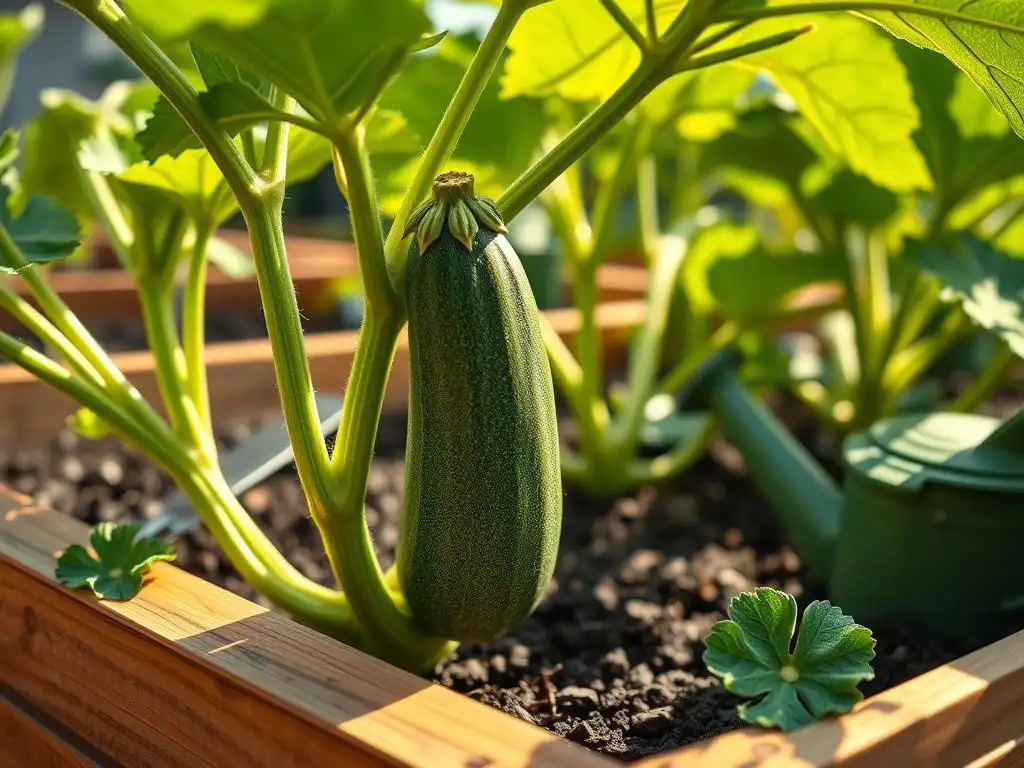
Growing zucchini, while generally straightforward, can present some challenges. Understanding and proactively addressing these issues is key to maximizing your harvest and enjoying abundant, healthy zucchini. This section focuses on three common problems: blossom end rot, powdery mildew, and pest infestations. By implementing the preventative measures and solutions outlined below, you'll significantly increase your chances of a bountiful zucchini season. This guide will help you find the best ways to grow zucchini, even when faced with adversity.
Dealing with Zucchini Blossom End Rot
Zucchini blossom end rot, characterized by a dark, leathery spot at the blossom end of the fruit, is a common problem stemming from inconsistent calcium uptake. This isn't a disease, but rather a physiological disorder. The plant struggles to transport calcium to the rapidly growing fruit, often due to fluctuating soil moisture.
Several factors contribute to blossom end rot:
- Inconsistent Watering: Erratic watering patterns – alternating between very dry and very wet soil – disrupt calcium absorption. The plant needs consistently moist soil, but not soggy.
- Soil pH: Soil that's too alkaline (high pH) can hinder calcium uptake. Aim for a slightly acidic to neutral pH (6.0-7.0).
- Nutrient Imbalances: An excess of potassium or magnesium can interfere with calcium absorption. A balanced fertilizer is crucial.
- High Temperatures and Drought: Extreme heat and drought stress exacerbate the problem.
To prevent blossom end rot:
- Maintain Consistent Soil Moisture: Water deeply and regularly, especially during dry spells. A soaker hose or drip irrigation is ideal for consistent moisture delivery.
- Improve Soil Drainage: Well-drained soil allows for better nutrient and water absorption. Amend heavy clay soils with compost or other organic matter to improve drainage.
- Soil Testing: Test your soil pH and adjust accordingly with lime (to raise pH) or sulfur (to lower pH).
- Balanced Fertilization: Use a balanced, slow-release fertilizer formulated for vegetables. Avoid over-fertilizing, particularly with potassium.
- Mulching: Applying a layer of mulch helps retain soil moisture and regulate soil temperature.
Addressing Zucchini Powdery Mildew
Powdery mildew, easily identified by the characteristic white powdery coating on leaves, stems, and fruit, can significantly reduce zucchini yield and quality. This fungal disease thrives in humid conditions with poor air circulation.
The best ways to manage powdery mildew involve a multi-pronged approach:
- Prevention: Proper spacing between plants ensures good air circulation, reducing humidity and the risk of infection. Choose disease-resistant varieties whenever possible.
- Cultural Controls: Remove and destroy infected leaves promptly to prevent the spread of the disease. Avoid overhead watering, as wet foliage favors fungal growth.
- Natural Treatments: Baking soda sprays (1 tablespoon baking soda, ½ teaspoon liquid soap, 1 gallon water) can be effective in controlling mild infestations. Neem oil is another natural option with fungicidal properties.
- Chemical Controls: In severe cases, fungicides may be necessary. Always follow label instructions carefully.
Managing Common Zucchini Pests (Squash Bugs, Squash Vine Borers)
Squash bugs and squash vine borers are two significant pests that can devastate zucchini plants. Early detection and proactive management are crucial for protecting your harvest.
Squash Bugs: These piercing-sucking insects feed on plant sap, causing wilting and stunted growth. Signs include yellowing leaves and black spots on the underside of leaves.
- Control: Handpicking adult bugs and egg masses is effective for small infestations. Row covers can protect young plants. Insecticidal soaps can also provide control.
Squash Vine Borers: These larvae bore into the stems of zucchini plants, causing wilting and ultimately plant death. Signs include wilting vines and sawdust-like frass (insect excrement) near the base of the plant.
- Control: Preventative measures include covering the base of plants with floating row covers. Monitoring for signs of infestation is essential. If you find borers, you can try to remove them manually with a knife or use a systemic insecticide as a last resort. Always prioritize preventative measures and less toxic options.
Remember, consistent monitoring and proactive pest and disease management are essential for successful zucchini cultivation. By implementing these strategies, you'll be well on your way to enjoying a plentiful harvest. 🎃
Recovering from Zucchini Plant Damage
Zucchini plants, while generally robust, can suffer damage from various sources, including pests, diseases, and environmental stressors. Successful recovery depends heavily on the extent and type of damage. Minor damage, such as a few nibbled leaves from insects, often requires minimal intervention. The plant's resilience will usually allow it to overcome this relatively quickly, with new growth compensating for the loss. However, more significant damage necessitates a more proactive approach.
For instance, if a significant portion of the foliage has been consumed by pests like squash bugs or vine borers, immediate action is crucial. First, identify the culprit. Closely examine the plant for signs of infestation, such as the characteristic piercing-sucking mouthparts of squash bugs or the tell-tale sawdust-like frass indicative of vine borers. Once identified, implement appropriate control measures. This may involve hand-picking pests, introducing beneficial insects like ladybugs, or resorting to organic pesticides like neem oil. Remember to always follow the product instructions carefully and consider the safety of pollinators and other beneficial insects in your garden.
Beyond pest damage, diseases like powdery mildew can significantly impact zucchini yield. This fungal disease manifests as a white, powdery coating on leaves, hindering photosynthesis and ultimately reducing fruit production. Early detection is key. If you notice powdery mildew, promptly remove affected leaves and improve air circulation around the plants by thinning out dense foliage. Consider using a fungicide spray made from baking soda and water or opt for a commercially available organic fungicide. Proper sanitation, including removing plant debris at the end of the season, helps prevent the disease from recurring the following year.
Finally, environmental stressors like extreme temperatures or insufficient watering can also cause damage. Wilting leaves are a clear sign of water stress, while scorched leaves indicate sunscald. Addressing these issues involves providing adequate watering during dry periods and ensuring proper shade during extremely hot days. Mulching around the plants helps retain soil moisture and regulate temperature fluctuations, minimizing the risk of future damage. Remember, a healthy and well-cared-for zucchini plant is better equipped to withstand and recover from various challenges. Regular monitoring and prompt action are essential for maximizing your harvest.
Best Ways to Grow Zucchini: Advanced Techniques for Abundant Harvests
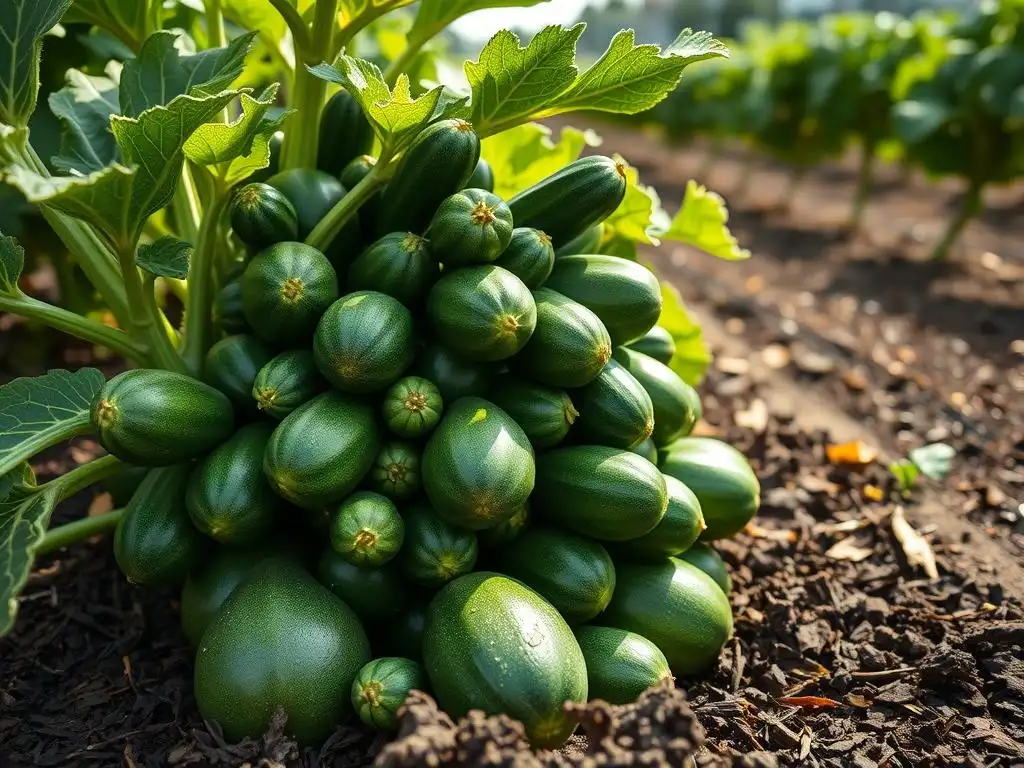
This section delves into advanced techniques to maximize your zucchini harvest, going beyond the basics. We'll explore methods proven to boost yield and improve the overall health of your plants. Remember, even with the best techniques, consistent monitoring and care are crucial for success. The goal is to discover the best ways to grow zucchini, resulting in a bountiful harvest.
Utilizing Trellising or Support Structures for Vine Zucchini
Zucchini plants, especially the vining varieties, can sprawl across the ground, leading to reduced sunlight penetration, increased pest issues, and rotting fruit due to contact with damp soil. Utilizing trellising or other support structures is a game-changer for maximizing yield and preventing these problems. Proper support allows for better air circulation, reducing fungal diseases and improving fruit quality. Think of it as giving your zucchini plants the best possible growing environment.
Several options exist for supporting your zucchini vines:
- Trellises: These can be simple A-frame structures or more elaborate systems. A sturdy trellis prevents the vines from sprawling and keeps the fruit elevated, reducing rot and making harvesting easier.
- Cages: Wire cages offer excellent support, particularly for bush-type zucchini varieties. They create a contained space for the plant to grow upwards, keeping the fruits off the ground.
- Vertical stakes: Driving strong stakes into the ground and tying the vines to them is a simple yet effective solution.
Consider the size of your zucchini variety when choosing a support system. Larger vining varieties require more robust structures than smaller, bushier types. Regularly tying the vines to the support structure is crucial to ensure the plant grows vertically and receives optimal sunlight. This simple act dramatically improves your chances of obtaining the best ways to grow zucchini for a plentiful harvest.
Implementing Crop Rotation for Healthy Soil and Pest Control
Crop rotation is a cornerstone of sustainable gardening practices and is fundamental when considering the best ways to grow zucchini. It involves planting different types of crops in the same area each year, preventing the depletion of specific nutrients and reducing the buildup of soilborne pests and diseases. Zucchini, like other members of the squash family (Cucurbitaceae), can be susceptible to certain soilborne pathogens. Rotating your crops helps break these cycles.
A good rotation plan might involve planting zucchini in an area where legumes (like beans or peas) were grown the previous year. Legumes enrich the soil with nitrogen, a crucial nutrient for zucchini growth. Avoid planting zucchini in the same spot for consecutive years; instead, opt for a three-to-four-year rotation schedule. This helps prevent the buildup of soilborne diseases and pests specific to the cucurbit family. This is an essential aspect of finding the best ways to grow zucchini. For instance, a sample rotation could be:
| Year | Crop |
|---|---|
| 1 | Legumes |
| 2 | Leafy Greens |
| 3 | Root Vegetables |
| 4 | Zucchini |
Utilizing Companion Planting to Enhance Zucchini Growth and Deter Pests
Companion planting leverages the synergistic relationships between different plant species to improve overall garden health and yield. Certain plants can deter pests that attack zucchini, while others can enhance its growth. This is one of the best ways to grow zucchini organically.
Effective companion plants for zucchini include:
- Marigolds: These brightly colored flowers repel many common garden pests, including squash bugs and aphids.
- Basil: Basil's strong aroma can deter some pests and attract beneficial pollinators.
- Nasturtiums: These edible flowers attract aphids away from the zucchini plants.
- Chives: The pungent aroma of chives can deter some pests.
Avoid planting zucchini near members of the same family (like cucumbers or melons) as they share the same pests and diseases. Careful planning and selection of companion plants can significantly improve the health and productivity of your zucchini plants, contributing to a bountiful harvest. This is a key factor in understanding the best ways to grow zucchini and achieve superior results.
Employing Organic Pest Control Methods for Zucchini
Protecting your zucchini plants from pests organically is crucial for maintaining a healthy and productive harvest while adhering to sustainable gardening practices. Chemical pesticides can harm beneficial insects, contaminate the soil, and ultimately end up in your food. Fortunately, several effective organic methods exist to keep pests at bay.
One of the most effective strategies is preventative care. This involves ensuring your plants have the best possible growing conditions. Well-drained soil rich in organic matter provides a strong foundation for healthy plants that are better able to withstand pest infestations. Regular watering, especially during dry spells, is also essential. Stressed plants are more susceptible to pests. Proper spacing between plants improves air circulation, discouraging fungal diseases that can attract pests.
Monitoring your plants regularly is paramount. Early detection of pests allows for quicker intervention, preventing significant damage. Regularly inspect the leaves, stems, and fruits for any signs of infestation, such as holes in leaves, wilting, or unusual discoloration. Identifying the specific pest is key to choosing the appropriate control method.
Several organic pest control methods can be employed. Beneficial insects, like ladybugs and lacewings, are voracious predators of common zucchini pests like aphids and spider mites. Attracting these beneficial insects to your garden through planting nectar-rich flowers nearby is a highly effective, natural pest control strategy.
Another option is using diatomaceous earth (DE). This naturally occurring sedimentary rock, when finely ground, creates microscopic shards that cut into the exoskeletons of insects, dehydrating and killing them. Apply DE as a dust around the base of the plants and on the leaves, focusing on areas where pests are concentrated. Remember to use food-grade DE.
Neem oil is another powerful organic insecticide derived from the neem tree. It disrupts the life cycle of many insects, preventing them from feeding and reproducing. Apply neem oil according to the package instructions, ensuring thorough coverage of the plants, but avoid spraying during the hottest part of the day to prevent leaf burn.
Finally, consider using companion planting. Certain plants, when planted near zucchini, can deter pests. For example, marigolds are known to repel many common garden pests. Strategically planting marigolds amongst your zucchini plants can help create a less hospitable environment for pests. Remember to research companion plants that are beneficial for zucchini specifically. Implementing a combination of these organic methods will provide the best defense against pests and contribute to a bountiful and sustainable zucchini harvest. Remember to always carefully follow the instructions on any organic pest control product you use.
Preserving Your Zucchini Harvest
Zucchini, with its prolific growth, often results in an abundance beyond what a family can consume fresh. Knowing the best ways to grow zucchini also means knowing how to preserve the bounty! Proper preservation extends the enjoyment of your homegrown zucchini and minimizes waste.
This section focuses on effective strategies for storing fresh zucchini and transforming the surplus into delicious, long-lasting treats. Learning these techniques is crucial to maximizing the yield from your zucchini plants and ensuring you reap the rewards of your hard work throughout the year. The best ways grow zucchini involve not just planting, but also smart preservation strategies.
Methods for Storing Fresh Zucchini
Fresh zucchini is best enjoyed immediately after harvesting, as its flavor and texture degrade quickly. However, you can extend its shelf life for a few days by following these simple steps:
- Proper Selection: Choose firm, blemish-free zucchini with a deep green color. Avoid those that are soft, wilted, or have any signs of damage.
- Gentle Handling: Handle zucchini carefully to avoid bruising. Bruising accelerates spoilage.
- Refrigeration: Store zucchini in the refrigerator's crisper drawer. Do not wash it before storing, as moisture can promote decay. Place them loosely in a plastic bag to maintain humidity but allow for air circulation. Expect to use the zucchini within 3-5 days for optimal quality.
- Avoiding Overcrowding: Don't overcrowd the crisper drawer. Proper air circulation is essential to prevent rot.
Recipes and Ideas for Preserving Zucchini (Pickling, Freezing)
While refrigeration extends the shelf life of fresh zucchini, preserving it through pickling or freezing offers a much longer storage period, allowing you to enjoy the taste of summer zucchini year-round. These methods are among the best ways grow zucchini and utilize its potential.
- Pickling: Pickling zucchini is a classic preservation method that creates a tangy and delicious side dish. Numerous recipes exist, ranging from simple bread-and-butter pickles to more complex recipes incorporating spices and herbs. The pickling process involves submerging the zucchini slices in a brine solution of vinegar, water, salt, and sugar, then processing in a hot water bath to ensure sterility and a longer shelf life. This method allows for extended storage, often lasting several months or even longer if stored properly in a cool, dark place.
- Freezing: Freezing is another excellent way to preserve zucchini. The best ways grow zucchini also include understanding how to properly freeze it. Blanching the zucchini slices before freezing is crucial. This involves briefly submerging them in boiling water, then immediately plunging them into ice water to stop the cooking process. This helps retain the zucchini's color, texture, and nutritional value. After blanching, pat the zucchini dry and package it in freezer-safe bags, removing as much air as possible. Properly frozen zucchini can last for 8-12 months.
| Preservation Method | Shelf Life | Preparation Steps | Notes |
|---|---|---|---|
| Refrigeration | 3-5 days | Choose firm zucchini, store in crisper drawer | Avoid washing before storing; ensure proper air circulation. |
| Pickling | Several months | Slice zucchini, prepare brine, process in hot water bath | Requires sterilization; follow recipe instructions carefully for best results. |
| Freezing | 8-12 months | Blanch zucchini slices, pat dry, freeze in airtight bags | Blanching is crucial for preserving color, texture, and nutrients. |
Remember, proper sanitation and adherence to recommended procedures are vital for safe and effective food preservation. Enjoy the fruits (or rather, vegetables!) of your labor!
Frequently Asked Questions
What is the best way to plant zucchini seeds?
Directly sow seeds after the last frost into well-drained soil that receives at least six hours of sunlight daily. Plant seeds about an inch deep and a couple of inches apart.
How much space do zucchini plants need?
Zucchini plants are vigorous growers and need ample space. Allow at least two to three feet between plants to prevent overcrowding and improve air circulation, reducing disease.
How often should I water my zucchini plants?
Water deeply and regularly, especially during hot and dry weather. Aim for consistently moist soil, but avoid overwatering, which can lead to root rot.
What are some common zucchini pests and diseases?
Watch out for squash bugs, squash vine borers, and powdery mildew. Implementing preventative measures like crop rotation and companion planting can help.
When is the best time to harvest zucchini?
Harvest zucchini when it's young and tender, typically 6-8 inches long. The skin should be smooth and glossy. Harvest frequently to encourage more production.
Final Reflection: The Bountiful Harvest of Patience and Knowledge
The art of growing zucchini, far from being a simple task, is a microcosm of the larger human endeavor to nurture and cultivate abundance. Mastering this seemingly straightforward process reveals profound truths about patience, observation, and the interconnectedness of nature and human effort. The seemingly simple act of planting a seed blossoms into a rewarding experience, teaching us valuable lessons applicable far beyond the garden gate.
The impact of understanding the nuances of zucchini cultivation extends beyond the immediate reward of a plentiful harvest. It fosters a deeper appreciation for the natural world and the delicate balance required for successful growth. The glory of gardening: hands in the dirt, head in the sun, heart with nature. To nurture a garden is to feed not just the body, but the soul.
This quote perfectly encapsulates the holistic experience of gardening, and the satisfaction derived from nurturing life from seed to fruition is a powerful reminder of our connection to the earth. It's a lesson that resonates far beyond the vegetable patch, influencing our approach to other aspects of life that require dedication and careful attention.
Now, consider your own garden—be it a literal space filled with soil and seeds, or the metaphorical garden of your aspirations and dreams. What seeds are you nurturing? What conditions are you providing to ensure their growth? Take the lessons learned from cultivating zucchini—the importance of sunlight, water, and fertile soil—and apply them to the cultivation of your own potential. Embrace the challenges, celebrate the successes, and remember that the most bountiful harvests are often the result of patience, persistence, and a deep understanding of the process.
Unlock Your Zucchini's Full Potential!
Thank you for learning how to maximize your zucchini harvest! We hope you've gained valuable insights and are ready to cultivate an abundance of delicious zucchini. Now it's time to put your knowledge into practice.
- Start a zucchini journal: Track planting dates, watering schedules, and harvest yields. This simple step can dramatically improve your results over time!
- Share your successes (and challenges!) with our community in the comments below. Let's learn from each other's experiences.
- Experiment with companion planting next season. Consider planting marigolds or basil to deter pests and improve soil health, potentially optimizing your yield.
Ready to transform your garden into a zucchini paradise?