
How to Harvest Peas at Their Peak of Flavor

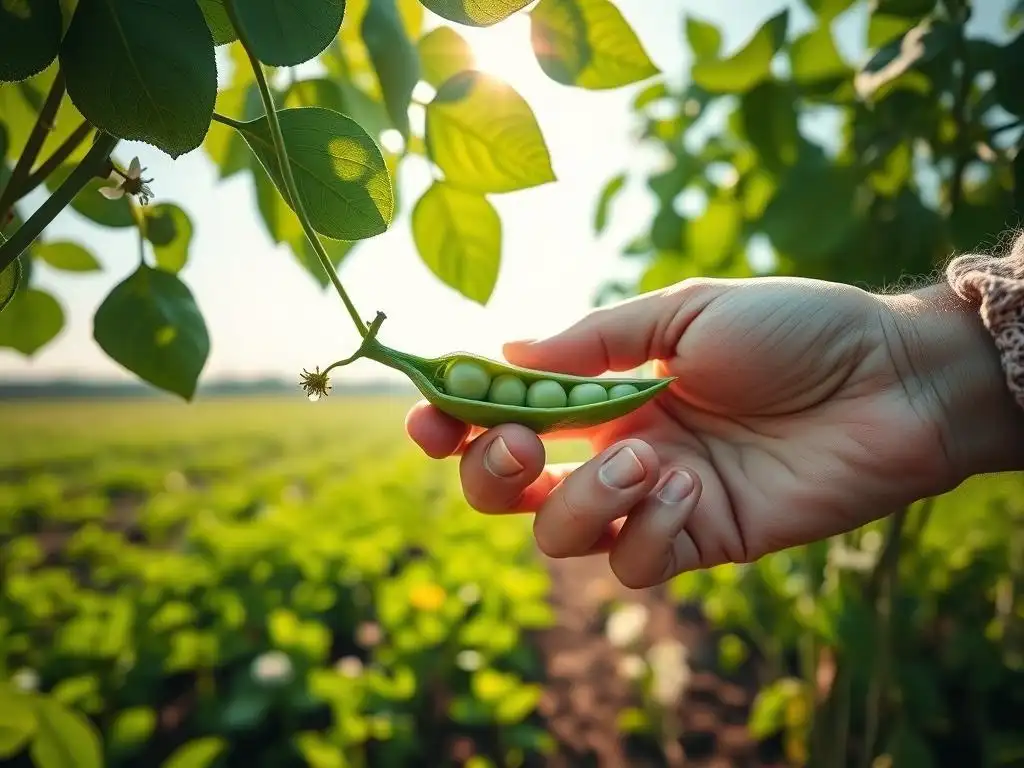
Ready to unlock the secrets to exceptional homegrown flavor? At CultivateYourFood, we empower you to cultivate your own vibrant fruits, vegetables, and herbs using sustainable, organic methods. Discover the perfect moment to harvest your peas for the most delicious flavor—learn the art of harvesting peas at their peak in our latest "Vegetable Gardening" article, "How to Harvest Peas at Their Peak of Flavor." Let's dive in and transform your garden into a haven of fresh, flavorful bounty!
- Understanding Pea Development for Optimal Harvesting
- Harvesting Techniques for Maximum Flavor Retention
- Post-Harvest Handling for Preserving Pea Flavor
- Tips for Immediate Use: Preparing and Cooking Freshly Harvested Peas
- Extending the Harvest: Techniques for Continuous Pea Production
- Troubleshooting Common Pea Harvesting Issues
- Maximizing Your Pea Harvest: Tips for Next Year
- Frequently Asked Questions
- Final Reflection: The Sweetness of Patience and the Bounty of the Garden
- Unlock the Sweetness: Your Next Perfect Pea Harvest Awaits!
Understanding Pea Development for Optimal Harvesting
Harvesting peas at their peak of flavor is a crucial step in enjoying the fruits – or rather, the pods – of your labor. This guide will walk you through the process of identifying perfectly ripe peas, ensuring you get the sweetest, most delicious harvest possible. Knowing when to harvest directly impacts the taste and texture of your peas, transforming them from slightly sweet to intensely flavorful.
We'll explore the different stages of pea growth, the visual cues indicating ripeness, and the importance of precise timing to avoid both underripe and overripe peas, maximizing your yield of delectable, homegrown goodness. Mastering this skill will elevate your pea-growing experience and reward you with a consistently superior harvest, year after year. This is key for achieving the best flavor when you harvest peas, a goal that many home gardeners strive for.
Identifying Pea Maturity: Stages of Growth and Flavor Development
Peas develop through several distinct stages, each impacting their flavor profile. Understanding these stages is fundamental to harvesting at the optimal time for maximum sweetness.
The early stages involve rapid vegetative growth, focusing on leaf and vine development. The pods are small and underdeveloped, containing immature, tiny peas. At this point, the peas are generally quite bland and lack the sweetness characteristic of mature peas.
As the plant matures, the pods begin to swell, and the peas inside grow larger and fuller. The pods will transition from a bright green to a slightly darker, richer green. This is where the subtle sweetness starts to emerge. However, waiting for the next stage is crucial for peak flavor.
The optimal stage for harvesting is when the pods are plump and firm, but still relatively tender. The peas inside should be well-developed, plump, and easily visible through the pod's skin. At this point, the sugar content is at its highest, creating that intensely sweet and desirable taste.
Finally, overripe peas will have large, hard, and sometimes wrinkled peas inside. The pods will feel tough and dry, and the peas themselves may start to lose their vibrant green color. While still edible, their flavor will be significantly less sweet, and the texture will be less desirable. The process of identifying the ideal stage is fundamental for harvesting peas with the best flavor.
Recognizing the Signs of Ready-to-Harvest Peas: Size, Color, and Texture
Knowing what to look for is key to harvesting peas at their peak flavor. Here's a breakdown of the key indicators:
- Size: The pods should be plump and well-filled, not skinny or small. A good size is usually around 2-3 inches long, depending on the pea variety.
- Color: The pods should be a vibrant, deep green. Fading or yellowing indicates overripeness. The peas inside should also be a bright, fresh green.
- Texture: Gently squeeze the pod. It should feel firm but not hard or woody. Overripe pods will feel tough and leathery. The peas themselves should have a pleasingly firm texture when gently pressed.
Using a combination of these visual and tactile cues ensures you harvest peas at their optimal flavor and texture. It's a hands-on process, so don't hesitate to gently examine several pods before deciding to harvest. Regular monitoring of your pea plants allows for optimal timing.
The Importance of Timing for Sweetest Peas: Avoiding Overripe and Underripe Harvesting
The timing of your pea harvest is paramount. Harvesting too early results in bland, underdeveloped peas. Harvesting too late leads to tough, less flavorful pods.
Underripe peas: Lack sweetness and are small, underdeveloped. They lack the characteristic sugary flavor that makes peas so desirable.
Overripe peas: Become starchy and lose their sweetness. The pods become tough and leathery, and the peas inside can become wrinkled and hard. This dramatically reduces the overall quality and taste of your harvest.
Aim for consistent harvesting every 2-3 days during the peak harvest season. This allows you to pick only the pods that meet the criteria mentioned above and prevents overripening. Regular harvesting also encourages the plant to produce more pods, leading to a more abundant and flavorful harvest overall. This attention to detail is essential for achieving the best flavor when harvesting peas.
Harvesting Techniques for Maximum Flavor Retention
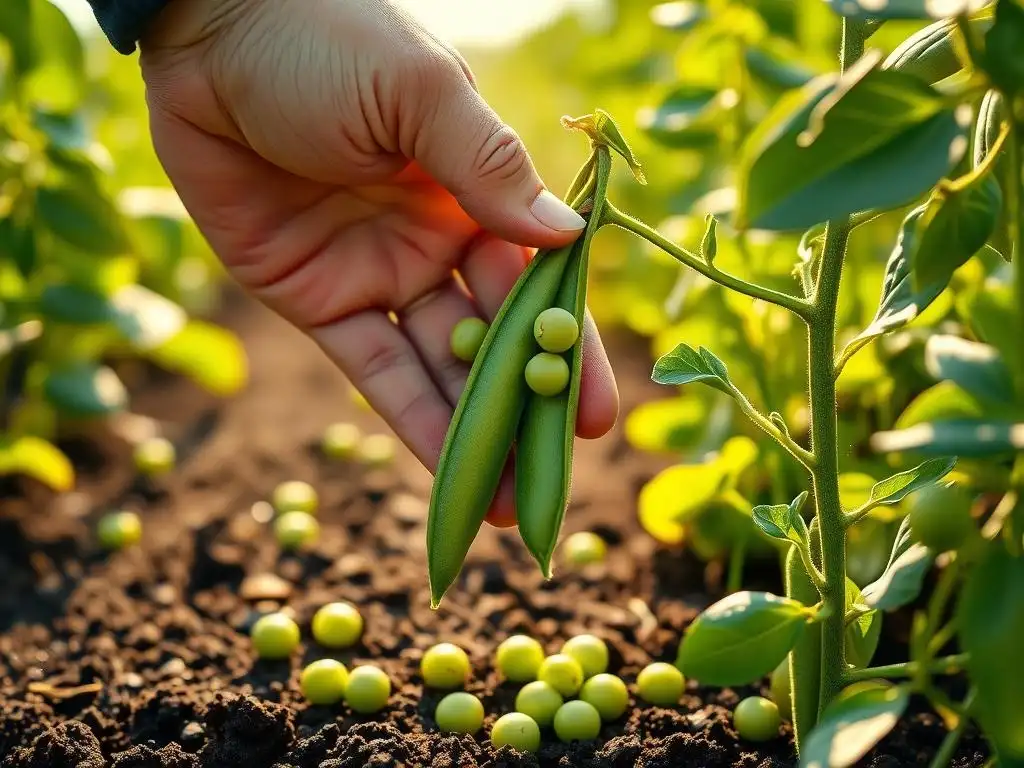
This section delves into the crucial techniques for harvesting peas at their peak flavor, focusing on minimizing damage to the plants and maximizing the sweetness and tenderness of the pods. Proper harvesting significantly impacts the overall quality and taste of your homegrown peas. Remember, the goal is to "harvest peas best flavor," and these techniques will help you achieve that.
Gentle Harvesting Methods: Preventing Damage to Plants and Pods
The key to harvesting peas for optimal flavor lies in gentle handling. Roughly pulling or tugging at the pods can damage the plant, leading to reduced yield and potentially introducing diseases. Instead, employ these methods:
- Pinch and Pull: Gently pinch the pod just below its stem, then gently pull it away from the plant. Avoid yanking or twisting, which can damage the delicate vines.
- Use Sharp Shears/Scissors: For thicker stems or hard-to-reach pods, use sharp, clean pruning shears or small scissors. This provides a clean cut, minimizing damage to the plant.
- Support Your Plants: Proper plant support, such as using stakes or netting, keeps the vines off the ground, preventing rot and making harvesting easier and less damaging. This is particularly important for climbing pea varieties.
- Regular Harvesting: Frequent harvesting (every 2-3 days, depending on the variety and growing conditions) encourages the plant to produce more pods. Leaving pods on the vine for too long can result in tough, less flavorful peas.
Think of it like this: you wouldn't aggressively pluck a ripe strawberry from its stem! The same gentle approach applies to peas. Harvesting regularly and carefully ensures a continuous supply of delicious, sweet peas throughout the season. This consistent care directly translates to a better "harvest peas best flavor" experience.
The Best Time of Day to Harvest Peas: Morning Dew and Temperature Considerations
The time of day you harvest your peas significantly impacts their flavor and quality. Harvesting in the morning, after the morning dew has dried but before the midday sun heats up the pods, is generally recommended. Here's why:
- Reduced Water Content: Morning harvesting minimizes water content in the pods, resulting in sweeter, more concentrated flavor. Overly hydrated peas can be less flavorful and more prone to spoilage.
- Optimal Temperature: Cooler morning temperatures help preserve the peas' delicate enzymes and sugars, which contribute to their sweetness and overall taste. Hot midday sun can cause the peas to lose their freshness and become less flavorful.
- Ease of Handling: Cooler temperatures also make the pods easier to handle, reducing the risk of damage during harvesting. This is especially important for delicate varieties.
While the ideal time might vary slightly depending on your climate and specific pea variety, aiming for a morning harvest generally yields the best results for achieving peak flavor. This contributes to your overall success in the quest for "harvest peas best flavor."
Harvesting Tools and Equipment: From Simple Handpicking to Specialized Tools
While handpicking is often sufficient for small gardens, specialized tools can significantly improve efficiency and reduce the risk of damage, especially for larger harvests.
| Tool | Description | Advantages | Disadvantages |
|---|---|---|---|
| Hands | The most basic method. | Simple, requires no additional investment. | Can be time-consuming and less efficient for large harvests. |
| Pruning Shears/Scissors | Small, sharp shears for cutting stems. | Precise cutting, reduces damage to plants. | Requires more precision and may be slower than handpicking. |
| Harvesting Basket/Bucket | Container for collecting harvested peas. | Prevents damage to pods and keeps them clean. | Requires carrying and emptying. |
| [Specialized Pea Picker] | [Description pending: Information on specialized harvesting tools needed] | [Advantages pending] | [Disadvantages pending] |
Remember, the goal is to "harvest peas best flavor," and choosing the right tools helps you achieve that. The best tool depends on your garden size, pea variety, and personal preferences. Experiment to find what works best for you. 🌱
Post-Harvest Handling for Preserving Pea Flavor
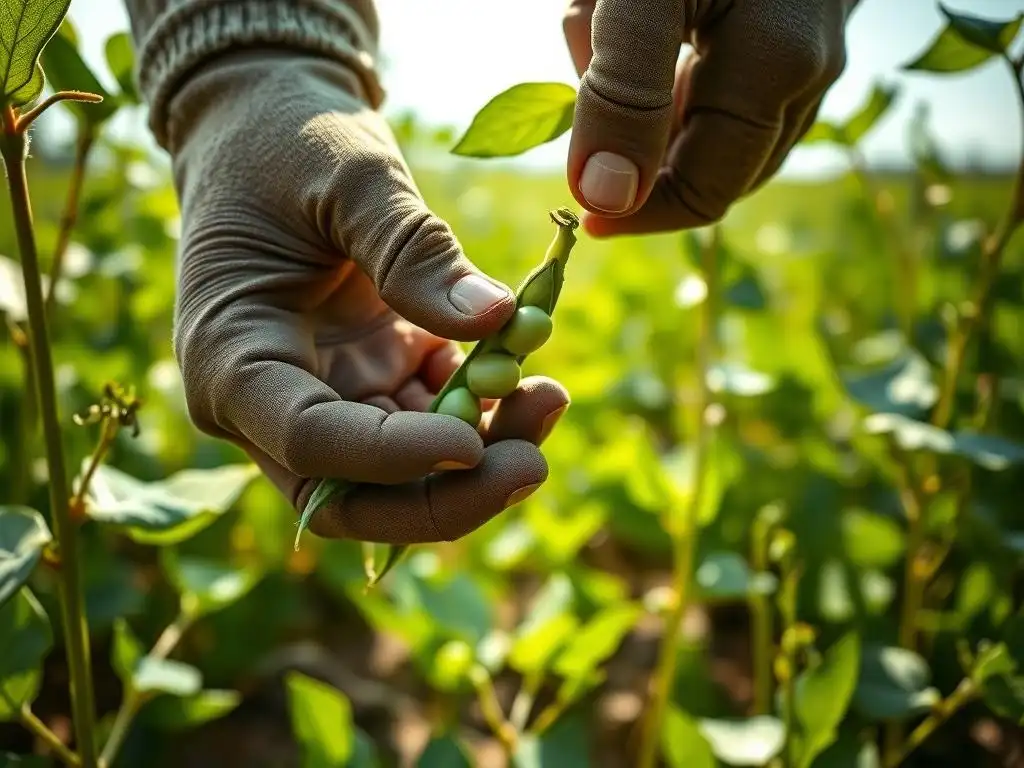
Proper handling after harvesting is crucial for maintaining the sweet, delicate flavor of your peas. Delaying this process even for a short time can lead to a noticeable decline in quality, as enzymes within the peas begin to break down sugars and starches, impacting both taste and texture. The goal is to get your peas from vine to processing or consumption as quickly as possible. The "harvest peas best flavor" approach relies heavily on this immediate action.
Proper Storage Techniques: Refrigerating, Freezing, and Canning Peas
Several methods exist for preserving your harvest, each with its own advantages and disadvantages regarding flavor retention and longevity.
Refrigeration: This is ideal for short-term storage (1-2 days) if you plan to consume your peas immediately. Gently wash your peas and store them in an airtight container lined with a paper towel to absorb excess moisture. Refrigeration slows down enzymatic activity but doesn't stop it completely. You'll notice a gradual decline in flavor and sweetness over time.
Freezing: Freezing is a superior method for long-term preservation of pea flavor. Blanching the peas before freezing is essential. This involves briefly submerging them in boiling water, then immediately plunging them into ice water to stop the cooking process. Blanching deactivates enzymes, preventing flavor loss and maintaining vibrant color. After blanching, pat the peas dry thoroughly and package them in freezer-safe bags, removing as much air as possible. Frozen peas can retain their flavor and quality for up to 12 months.
Canning: Canning offers the longest shelf life, but it can slightly alter the flavor profile of your peas. Proper canning techniques are crucial to avoid spoilage. The high heat involved in canning can result in a slightly softer texture compared to fresh or frozen peas. However, canned peas can remain edible for several years when stored correctly. Consider using a pressure canner for optimal safety and preservation. Always follow established canning guidelines to ensure safe food preservation.
Tips for Immediate Use: Preparing and Cooking Freshly Harvested Peas
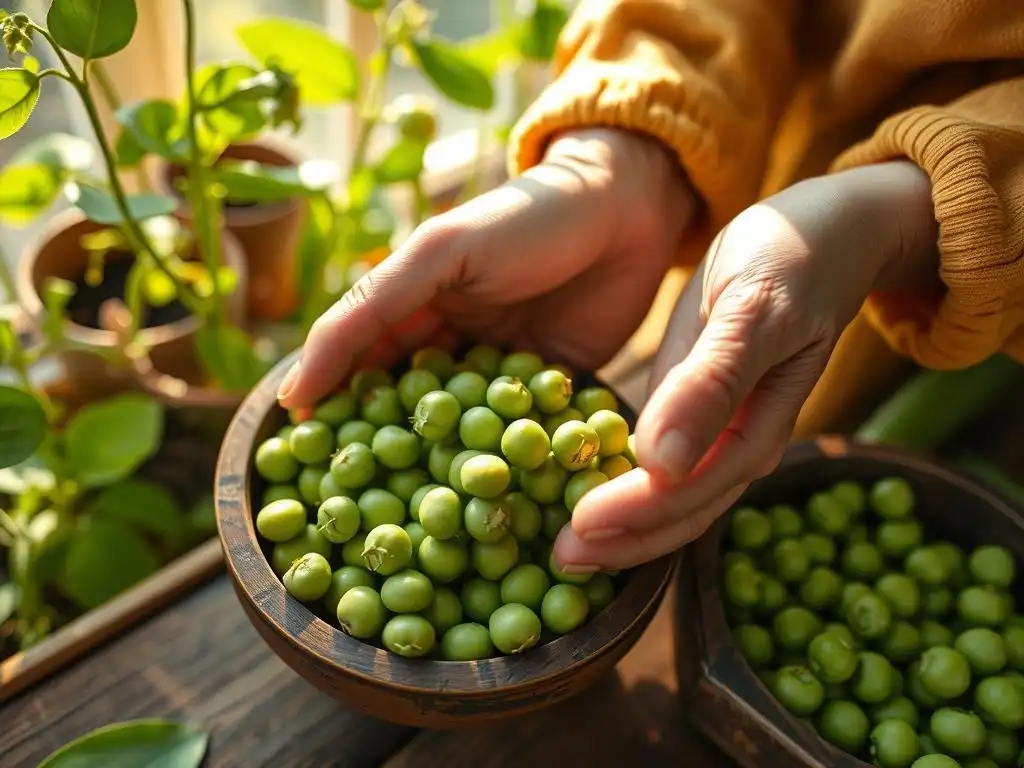
For the best flavor, consume your peas as soon as possible after harvesting. The sooner you cook them, the better they will taste. Here are some tips for preparing and cooking freshly harvested peas:
- Shelling: Shell your peas gently to avoid bruising. Discard any damaged or discolored pods.
- Washing: Rinse the peas under cold water to remove any dirt or debris.
- Cooking Methods: Steaming is generally preferred for preserving the peas' delicate flavor and nutrients. Avoid overcooking, which can lead to mushy peas and flavor loss. Lightly sautéing in butter or olive oil also enhances the sweetness. Adding peas to soups or stews towards the end of the cooking process retains their texture and flavor.
Remember, minimizing cooking time is key to retaining the "harvest peas best flavor".
Extending the Harvest: Techniques for Continuous Pea Production
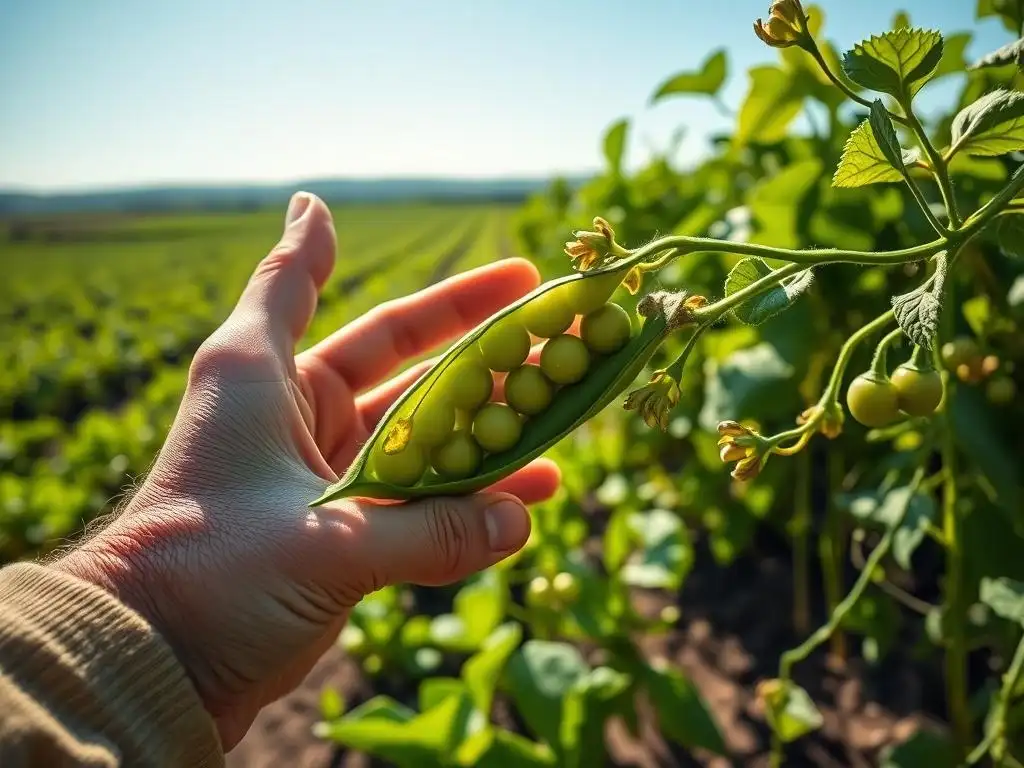
To enjoy fresh peas throughout a longer period, consider these techniques for extending your harvest:
- Successive Planting: Plant your peas in several batches at intervals of 2-3 weeks. This staggered approach ensures a continuous supply of fresh peas over an extended period. Experiment with different pea varieties with varying maturity times to further extend your harvest.
- Variety Selection: Choose pea varieties with different maturity dates. This allows for a longer harvest season, even with a single planting. Some varieties are better suited for succession planting and continuous harvest than others. Consult seed catalogs for details on maturity times.
- Plant Care: Consistent watering, fertilization, and pest control are essential for maximizing yields and extending the harvest season. Addressing these factors helps maintain the plant's health and thus, the quality of the peas produced. Healthy plants produce sweeter, more flavorful peas.
This approach to harvesting and handling helps optimize the "harvest peas best flavor" experience, ensuring you enjoy the peak quality of your homegrown produce.
Troubleshooting Common Pea Harvesting Issues
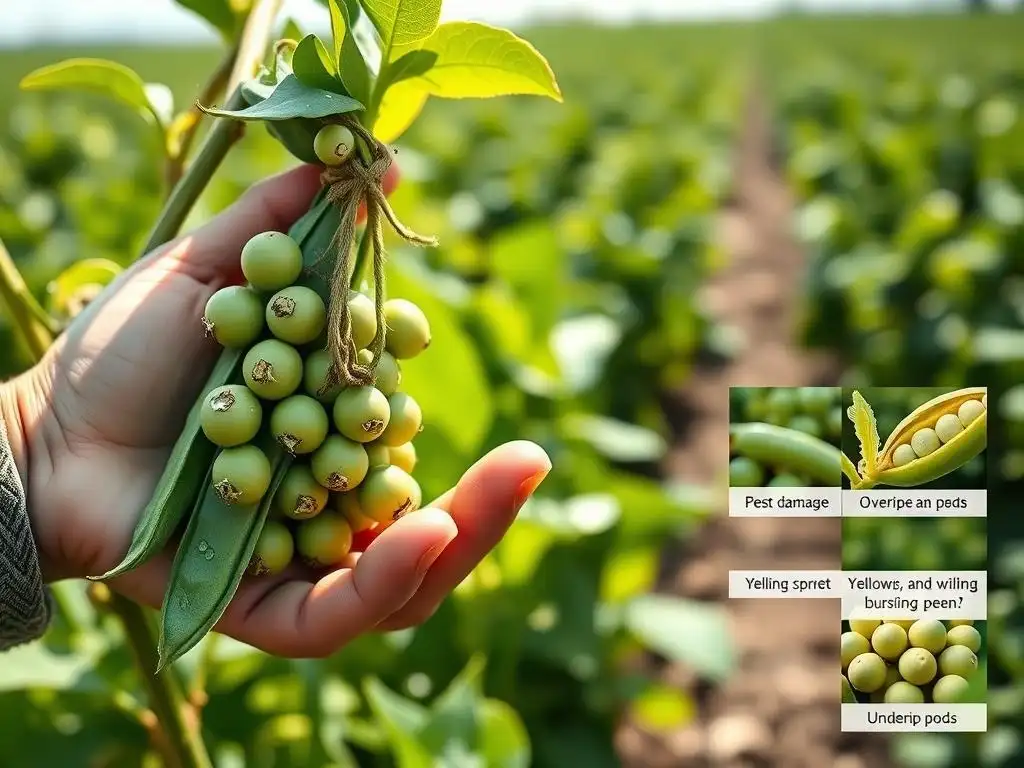
Harvesting peas at their peak flavor requires attention to detail and a proactive approach to potential problems. While following optimal growing practices significantly reduces issues, understanding how to address common challenges is crucial for maximizing your harvest and enjoying the sweetest, most tender peas possible. This section will equip you with the knowledge to troubleshoot common problems and ensure a bountiful harvest of delicious peas. Remember, consistent monitoring of your pea plants is key to early problem detection and successful intervention.
Dealing with Pests and Diseases Affecting Pea Harvest
Pests and diseases can significantly impact the quality and quantity of your pea harvest, affecting both the pods and the peas themselves. Early detection is paramount. Regular inspection of your plants for signs of infestation or disease is essential. Common culprits include aphids, pea weevils, powdery mildew, and fusarium wilt.
Aphids, tiny sap-sucking insects, can weaken plants and stunt growth. Monitor leaves for clusters of these pests. Controlling aphids organically can be achieved through strong water sprays to dislodge them or introducing beneficial insects like ladybugs. Pea weevils, on the other hand, lay eggs inside developing pods, resulting in damaged peas. Rotating crops yearly helps mitigate weevil infestations. Careful removal and destruction of infected pods can also limit their spread.
Fungal diseases like powdery mildew manifest as a white, powdery coating on leaves and stems. Good air circulation through proper spacing and avoiding overhead watering can help prevent its occurrence. Organic fungicides, such as neem oil, can be effective in treating mild infections. Fusarium wilt, a soilborne fungus, causes wilting and yellowing of plants. Sadly, there's no cure, but preventative measures, such as using disease-resistant varieties and crop rotation, are crucial.
| Pest/Disease | Symptoms | Organic Control Methods |
|---|---|---|
| Aphids | Clusters of small insects on leaves, stunted growth | Strong water spray, introduction of ladybugs |
| Pea Weevils | Damaged peas inside pods | Crop rotation, removal of infected pods |
| Powdery Mildew | White powdery coating on leaves and stems | Improved air circulation, neem oil |
| Fusarium Wilt | Wilting, yellowing of plants | Disease-resistant varieties, crop rotation |
Remember, prevention is always better than cure. Choosing disease-resistant pea varieties, practicing crop rotation, and maintaining good garden hygiene are crucial steps in preventing pest and disease problems. Early intervention with organic methods is often sufficient to manage minor infestations or infections.
Addressing Problems with Pod Development and Ripening
Issues with pod development and ripening can significantly impact the quality and yield of your pea harvest. Several factors can contribute to these problems, including insufficient pollination, nutrient deficiencies, and unfavorable weather conditions.
Insufficient pollination can lead to fewer pods and smaller pea yields. Ensure adequate bee activity in your garden by planting bee-attracting flowers nearby. Wind pollination can also play a role; ensure good air circulation around your pea plants. Nutrient deficiencies, particularly nitrogen deficiency, can cause stunted growth and reduced pod production. Regular soil testing and the application of organic fertilizers can help ensure adequate nutrient levels. Extreme temperatures, either too hot or too cold, can also negatively impact pod development and ripening. Consider providing shade during hot spells and protecting plants from frost with row covers if necessary.
Specific examples of nutrient deficiencies and their impact on pea development:
Nitrogen deficiency manifests as pale green or yellow leaves, stunted growth, and reduced pod production. Phosphorus deficiency can result in delayed flowering and reduced pod set. Potassium deficiency can lead to weak stems, poor pod development, and susceptibility to disease.
Careful monitoring of your plants throughout the growing season will allow you to identify and address these issues promptly, maximizing your harvest.
Resolving Issues with Uneven Pea Maturity in the Garden
Harvesting peas requires careful timing to ensure optimal flavor and texture. Uneven maturity, where some peas are ready while others are still developing, is a common challenge. This can be due to several factors, including inconsistent planting, variations in soil conditions, and differing sun exposure across the garden.
Inconsistent planting times can result in a staggered harvest. Planting peas in successive sowings, at intervals of a couple of weeks, can help spread the harvest over a longer period and mitigate uneven maturity. Variations in soil conditions, such as differences in water retention or nutrient levels, can also lead to uneven growth. Amending the soil with compost before planting can help improve consistency. Finally, differing sun exposure can affect plant growth and maturity. Ensure your pea plants receive adequate sunlight, ideally at least six hours per day.
To address uneven maturity, consider harvesting in stages. Pick the ready peas first, leaving the less mature ones to continue developing. This "successive harvesting" approach ensures you get the best flavor from each pod while allowing the rest to ripen fully. Remember that the best time to harvest peas is when the pods are plump but still tender, before they become hard or overly fibrous. Regular monitoring and diligent harvesting will help you overcome the challenge of uneven pea maturity and enjoy a continuous supply of delicious, homegrown peas.
Maximizing Your Pea Harvest: Tips for Next Year
This section focuses on strategies to improve your pea harvest next year, ensuring you enjoy the best flavor and maximum yield. We'll explore choosing the right pea variety, optimizing your planting schedule, and ensuring your soil provides optimal growing conditions. Remember, the key to harvesting peas at their peak flavor is proactive planning and preparation.
Selecting the Right Pea Variety for Your Climate and Growing Season
Choosing the right pea variety is crucial for maximizing flavor and yield. Different pea varieties have varying maturity times and cold hardiness. Consider your specific climate and growing season length when making your selection.
For example, in shorter growing seasons, early-maturing varieties like 'Early Alaska' or 'Little Marvel' are excellent choices. These will give you a quicker harvest, even if your summer is short. Conversely, areas with longer growing seasons can benefit from later-maturing varieties offering a prolonged harvest period and potentially larger yields. 'Oregon Sugar Pod II' is a great example of a late-season pea known for its sweet flavor.
Another factor to consider is your climate's typical temperatures. Some varieties are more tolerant of heat and drought than others. If you live in a hotter climate, look for heat-tolerant varieties to prevent premature bolting (flowering and producing seeds too quickly, resulting in less flavorful peas).
Finally, think about the type of pea you prefer. There are shelling peas (where you remove the peas from the pod), and snow peas (where you eat the entire pod). Each type has its own optimal harvest time and flavor profile. Understanding these nuances will help you select the best variety for your needs and maximize your enjoyment of homegrown peas.
Planning Your Pea Planting Schedule for a Continuous Harvest
To enjoy a continuous harvest of sweet, flavorful peas throughout the season, strategic planting is essential. Instead of planting all your peas at once, consider a succession planting strategy. This involves planting small batches of peas at two- to three-week intervals.
This staggered approach ensures that you'll have peas ready for harvesting over an extended period. For example, you could plant your first batch in early spring, a second batch three weeks later, and a third batch another three weeks after that. This will provide you with a longer harvest window.
Careful planning is key. You'll need to account for the days to maturity listed on the seed packet for each variety. This will help you predict when each batch will be ready for harvest, ensuring a steady supply of fresh peas. Consider using a garden planner or calendar to keep track of your planting schedule and anticipate your harvest. A continuous harvest means more opportunities to enjoy those delicious, freshly-picked peas.
Soil Preparation and Nutrient Management for Abundant Pea Production
The health of your soil directly impacts the flavor and yield of your peas. Before planting, ensure your soil is well-prepared. Peas thrive in loose, well-drained soil rich in organic matter. Amend heavy clay soils with compost or other organic materials to improve drainage and aeration. Similarly, sandy soils may benefit from adding organic matter to improve water retention.
Nutrient management is also critical. Peas are nitrogen-fixing plants, meaning they enrich the soil with nitrogen. However, they still benefit from additional nutrients, especially phosphorus and potassium. A soil test can help determine the nutrient levels in your soil, allowing you to amend it accordingly. You can use balanced fertilizer formulated for vegetables, following the package instructions carefully. Avoid over-fertilizing, which can negatively impact the flavor and quality of your peas.
Remember, healthy soil contributes significantly to the overall success of your pea crop. By preparing your soil properly and providing adequate nutrients, you'll maximize your chances of a bountiful harvest of delicious, flavorful peas. This translates to more opportunities to enjoy the fruits (or rather, vegetables!) of your labor.
Frequently Asked Questions
When is the best time to harvest peas for the best flavor?
The best time to harvest peas is when the pods are plump and well-filled, but still bright green and tender. Delaying harvest results in tough, starchy peas.
How can I tell if my peas are ready for harvesting?
Gently squeeze a pea pod. If it feels firm and full, it's likely ready. Overripe peas will feel hard and less plump.
What's the difference between harvesting sugar snap peas and snow peas?
Sugar snap peas are harvested when the pods are tender and slightly swollen. Snow peas are harvested while the pods are still flat and young, before the peas inside develop fully.
How do I harvest peas without damaging the plant?
Harvest peas by gently snapping or twisting the pods from the vine. Avoid pulling or yanking to prevent damaging the plant and reduce future harvests.
Can I harvest all the peas from a plant at once?
No, it's best to harvest peas regularly, every few days, to encourage continued production and maintain optimal flavor. Leaving pods to overripen will halt the plant's production.
Final Reflection: The Sweetness of Patience and the Bounty of the Garden
The art of harvesting peas at their peak flavor isn't just about picking the right pod; it's about understanding the delicate dance between nature's timing and our own intention. This seemingly simple act connects us deeply to the cycle of growth, reminding us that patience and observation yield the sweetest rewards. The seemingly mundane task of pea harvesting becomes a microcosm of mindful living, a lesson in appreciating the nuances of the natural world.
The impact of this simple act extends beyond the plate. It fosters a deeper connection to our food, reminding us of the effort and care that goes into producing even the smallest, seemingly insignificant vegetable. The glory of gardening: hands in the dirt, head in the sun, heart with nature. To nurture a garden is to feed not just the body, but the soul.
This quote beautifully captures the essence of what we've explored – the profound satisfaction derived from nurturing life and harvesting its fruits, both literally and metaphorically. It's a connection that's increasingly vital in our fast-paced, disconnected world.
Now, I invite you to consider your own relationship with food, with nature, and with the simple pleasures of life. Take a moment to reflect on the patience and observation required to achieve any goal, whether it's harvesting perfectly sweet peas or pursuing a larger ambition. Embrace the process, savor the journey, and remember the sweetness that comes from mindful engagement with the world around you. Go forth and harvest not only peas, but also the abundant rewards of a life lived with intention and appreciation.
Unlock the Sweetness: Your Next Perfect Pea Harvest Awaits!
Thank you for exploring the art of harvesting peas at their peak flavor! We hope you feel confident in selecting the perfect pods. Ready to put your knowledge to the test?
- Immediately harvest some of your sweetest peas and enjoy them raw – the ultimate test of ripeness!
- Share your pea-picking expertise with friends and family; show off your perfectly plump pods!
- Consider experimenting with different pea varieties next season to discover your new favorite.
What other techniques will you use to make your pea harvest even more delicious?