
How to Harvest Peppers: Ripeness Indicators for Sweet and Hot Varieties

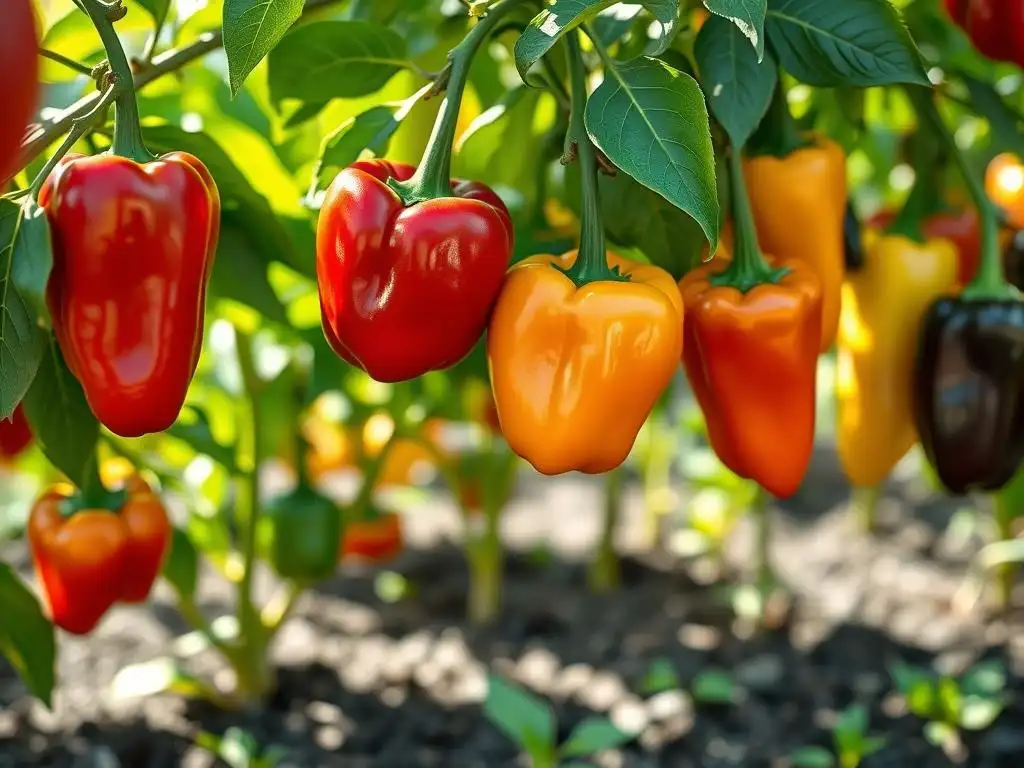
Ready to unlock the secrets of a bountiful harvest? At CultivateYourFood, we empower you to grow your own delicious fruits, vegetables, and herbs using sustainable methods. But knowing when to harvest is crucial! Discover the telltale signs of perfectly ripe peppers—from sweet bell peppers to fiery chilies—in our comprehensive guide on harvest peppers ripeness indicators. Learn the techniques that will transform your home garden into a vibrant, productive oasis. Let's get growing!
- Understanding Pepper Ripeness: Key Indicators for Optimal Harvest
- The Best Time to Harvest Peppers: Timing for Maximum Flavor
- Harvesting Techniques for Sweet and Hot Peppers
- Post-Harvest Handling and Storage of Peppers
- Troubleshooting Common Pepper Harvesting Problems
- Frequently Asked Questions
- Final Reflection: The Bounty of the Harvest: Understanding Pepper Ripeness
- Unlock Your Pepper Harvest: Fresh Flavor Awaits!
Understanding Pepper Ripeness: Key Indicators for Optimal Harvest
Harvesting peppers at the perfect moment is crucial for achieving the best flavor and texture. This guide will walk you through the essential ripeness indicators for both sweet and hot pepper varieties, ensuring you get the most out of your homegrown harvest. Knowing when to pick your peppers isn't just about aesthetics; it directly impacts the intensity of flavor, the level of heat (in hot peppers), and the overall quality of your culinary creations. We'll explore visual cues like color changes, and tactile indicators like texture and firmness, providing you with the knowledge to confidently harvest peppers at their peak ripeness.
This will help you maximize your yield and enjoy the fruits (or rather, vegetables!) of your labor. Mastering pepper harvesting is a key step in successful vegetable gardening, and understanding ripeness indicators is the first crucial step towards that mastery. Let's dive in!
Visual Cues: Color Changes in Sweet and Hot Peppers
The most obvious indicator of pepper ripeness is color change. However, this varies significantly depending on the variety. Sweet peppers, for example, often transition from a green, immature stage to vibrant colors like red, yellow, orange, or even purple, depending on the cultivar. The color change is often gradual, with peppers showing a mix of colors as they mature. A fully ripe sweet pepper will be uniformly colored, bright, and glossy.
Hot peppers, on the other hand, also exhibit color changes, but the range and intensity of colors can be even more diverse. Some hot peppers will turn bright red, while others may become orange, yellow, purple, or even brown. Again, a uniform color is a key indicator of ripeness.
It's important to note that some varieties are harvested when still green, even for hot peppers, as they are perfectly ripe at this stage and offer a specific flavor profile. Always check the specific variety information for best results. This visual guide helps to avoid premature harvesting, which leads to a less flavorful and less intense pepper.
Here's a simplified table summarizing common color changes:
| Pepper Type | Immature Color | Ripe Color(s) |
|---|---|---|
| Sweet Bell Pepper | Green | Red, Yellow, Orange, Purple |
| Jalapeño | Green | Red |
| Serrano | Green | Red |
| Poblano | Dark Green | Dark Brown/Almost Black |
| Habanero | Green | Red, Orange, Yellow |
Remember to consult the seed packet or plant tag for specific color indications for your pepper variety. Using a color chart for your specific pepper variety can be extremely helpful!
Texture and Firmness: A Guide to Perfectly Ripe Peppers
Beyond color, the texture and firmness of the pepper are equally important ripeness indicators. A ripe pepper will feel firm to the touch, but not hard. Avoid peppers that are overly soft or mushy, as these are likely overripe and may be damaged or rotting. An overripe pepper will also likely show signs of wrinkles or blemishes.
Conversely, a pepper that is still too firm and unyielding is likely underripe. These peppers will generally have a less developed flavor and a lower heat level (in hot peppers). The ideal pepper will have a smooth, firm skin with a slight give when gently squeezed. This tactile assessment, combined with the visual cues of color, ensures that you're harvesting peppers at their peak quality.
The subtle difference between a slightly underripe and perfectly ripe pepper can significantly impact the final taste and texture in your dishes. Pay attention to this important detail to ensure your culinary creations are the best they can be! 🌶️
Harvesting Sweet Peppers: Recognizing Ripeness
Sweet peppers, prized for their juicy flesh and mild flavor, offer a vibrant array of colors when ripe. Understanding the nuances of their ripeness is crucial for harvesting the most flavorful peppers. The color is the most obvious indicator, but texture and firmness also play significant roles. Many sweet pepper varieties, such as bell peppers, transition through various color stages during maturation. They may start green, then progress to yellow, orange, and finally red.
However, the "best" color depends on personal preference. Some people prefer the slightly tart flavor of green bell peppers, while others favor the sweetness of red ones. Green peppers are technically still immature and will be less sweet. The transition to red indicates full maturity and maximum sweetness.
Optimal Harvesting Time for Sweet Peppers
The ideal time to harvest sweet peppers is when they've reached their peak color and firmness. This typically occurs 60-80 days after transplanting seedlings, though this can vary based on the specific variety and growing conditions. Avoid harvesting peppers that are too young, as they will lack flavor and sweetness. A fully mature sweet pepper will feel firm to the touch, with smooth, unblemished skin.
The pepper should be plump and heavy for its size, indicating it's full of juice and flavor. Regularly checking your plants, ideally every few days, is crucial to catch peppers at their optimal ripeness. Remember to use sharp, clean pruning shears or a knife to prevent damaging the plant.
Signs of Overripe Sweet Peppers
Overripe sweet peppers can become soft, wrinkled, or even begin to rot. Their color might become dull or faded, and they may lose their firmness. These peppers will have a less desirable flavor, often becoming less sweet and more bitter. Sometimes, you might notice small blemishes or discoloration, indicating the beginning of decay.
While still edible in some cases (if the rot is minimal), overripe peppers are generally not ideal for fresh consumption. They are better suited for processing, such as making sauces or jams, where the less-than-perfect texture and flavor are less noticeable. Prompt harvesting prevents significant losses and maximizes the enjoyment of your homegrown peppers.
Harvesting Hot Peppers: Identifying Ripeness
Hot peppers, known for their fiery heat and intense flavor, also have specific ripeness indicators. Unlike sweet peppers, the color change isn't always as dramatic, though it still serves as a key indicator. Many hot pepper varieties mature to a deep red, but some turn orange, yellow, or even purple. Pay close attention to the pepper's firmness.
Just like sweet peppers, a fully ripe hot pepper should be firm to the touch. Avoid picking peppers that are too young, as they may lack the characteristic heat and flavor. The level of heat can also vary depending on the pepper's maturity; some varieties increase in heat as they ripen.
Optimal Harvesting Time for Hot Peppers
The optimal harvesting time for hot peppers is when they have reached their full color and are firm to the touch. This usually occurs 70-90 days after transplanting seedlings, but this varies considerably based on the specific variety and growing conditions. A ripe hot pepper will feel heavy for its size, indicating it's full of flavor and heat. Use clean, sharp pruning shears or a knife to carefully harvest the peppers, minimizing damage to the plant. Gloves are highly recommended when handling hot peppers, especially the spicier varieties, to avoid skin irritation.
Signs of Overripe Hot Peppers
Overripe hot peppers will exhibit similar signs to their sweet counterparts: softening, wrinkling, and potential rotting. The color might become dull or faded, and they may develop blemishes. While the heat might not diminish significantly, the overall flavor and texture will be compromised. Overripe hot peppers are often less flavorful and may have a slightly bitter taste.
As with sweet peppers, overripe hot peppers are better suited for processing than fresh consumption. Consider using them in sauces, salsas, or drying them for powder, mitigating any textural issues. Consistent monitoring and timely harvesting will ensure you maximize the yield and quality of your hot peppers.
The Best Time to Harvest Peppers: Timing for Maximum Flavor
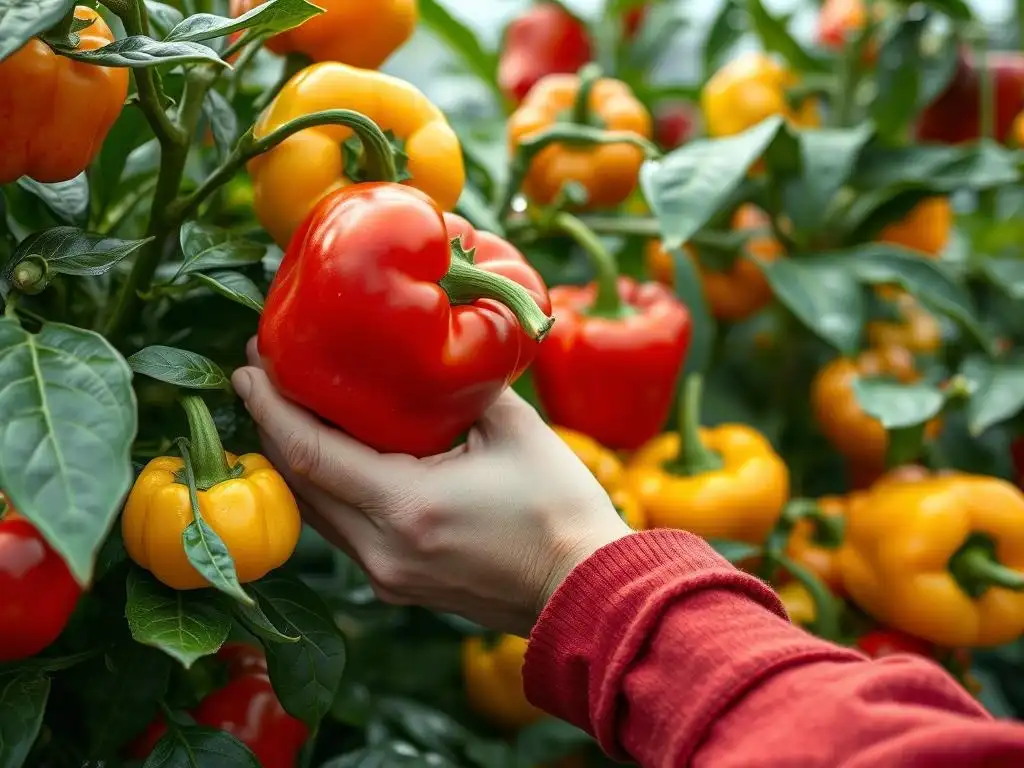
Harvesting peppers at the optimal time is crucial for achieving the best flavor and texture. Waiting too long can result in tough, bitter peppers, while harvesting too early yields under-developed and less flavorful fruits. The ideal time depends on the pepper variety (sweet or hot) and the desired level of ripeness. Generally, the most flavorful peppers are harvested when they've reached their full color and size, but are still firm to the touch.
Avoid harvesting peppers that are soft, wrinkled, or showing signs of disease or insect damage. Remember, even within a single plant, peppers may ripen at slightly different rates, so regular checks are essential. This means you'll be checking your plants frequently for optimal harvest times – which is a rewarding aspect of growing your own peppers!
Sweet Pepper Harvesting Calendar
Sweet peppers are typically harvested when they reach their mature color, which varies depending on the cultivar. Green bell peppers, for instance, are often harvested when they’re fully green and firm, even before they’ve reached their maximum size. However, for maximum sweetness, many gardeners prefer to let them mature to a slightly yellow or even red color.
This ripening process significantly affects the sugar content, resulting in a sweeter and richer flavor. Below is a sample calendar, remember that these are estimates and actual harvest times may vary depending on your climate and growing conditions. Always check the individual pepper for firmness and color.
| Month | Sweet Pepper Variety | Ripeness Indicators | Notes |
|---|---|---|---|
| July | Early Season Bell Peppers | Deep green, firm, glossy skin | Expect smaller yields, but earlier harvest. |
| August | Bell Peppers (various colors) | Vibrant color (green, yellow, orange, red), firm skin | Harvest regularly as peppers ripen. |
| September | Larger Bell Peppers | Full size, vibrant color, firm skin | May require staking or support for larger varieties. |
| October | Late Season Sweet Peppers | Deep color (depending on variety), firm, slightly glossy | Protect plants from early frost if possible. Harvest remaining peppers. |
Remember to use sharp pruning shears or a knife to cleanly remove the pepper from the plant, avoiding damage to the stem or the surrounding peppers. This helps prevent disease and encourages further growth.
Hot Pepper Harvesting Calendar
Hot peppers, unlike sweet peppers, often develop their full heat and flavor as they ripen to their mature color. While some hot peppers are harvested green, many gardeners prefer to wait until they turn red, orange, purple, or another characteristic color—depending on the specific cultivar. The color change signals the development of capsaicin, the compound responsible for the pepper's heat. The longer you leave them on the plant, generally the spicier they will become. However, overripe peppers can become wrinkled and lose some of their flavor.
This calendar provides a general guideline; actual harvest times can vary significantly based on specific pepper varieties and your local climate. Always check the pepper's firmness and color to ensure optimal ripeness.
| Month | Hot Pepper Variety | Ripeness Indicators | Notes |
|---|---|---|---|
| July | Early Season Jalapeños | Deep green, firm, glossy skin | Harvest frequently as peppers ripen. |
| August | Jalapeños, Serranos | Vibrant color (depending on variety), firm, glossy skin | Use gloves when handling hot peppers. |
| September | Poblanos, Anaheims | Mature color (green, red, or other), firm, slightly glossy | These peppers can be harvested at various stages of ripeness. |
| October | Cayenne, Habaneros | Bright color (red, orange, yellow), firm, slightly glossy | These peppers often become significantly hotter as they fully ripen. |
| November | Late Season Hot Peppers | Mature color (varies by variety), firm | Protect plants from frost; harvest remaining peppers. |
🧤 Remember to always wear gloves when handling hot peppers to avoid skin irritation. 🌶️ Proper harvesting techniques, including using clean tools, are essential to maintain the health of your pepper plants and ensure a bountiful harvest.
Harvesting Techniques for Sweet and Hot Peppers
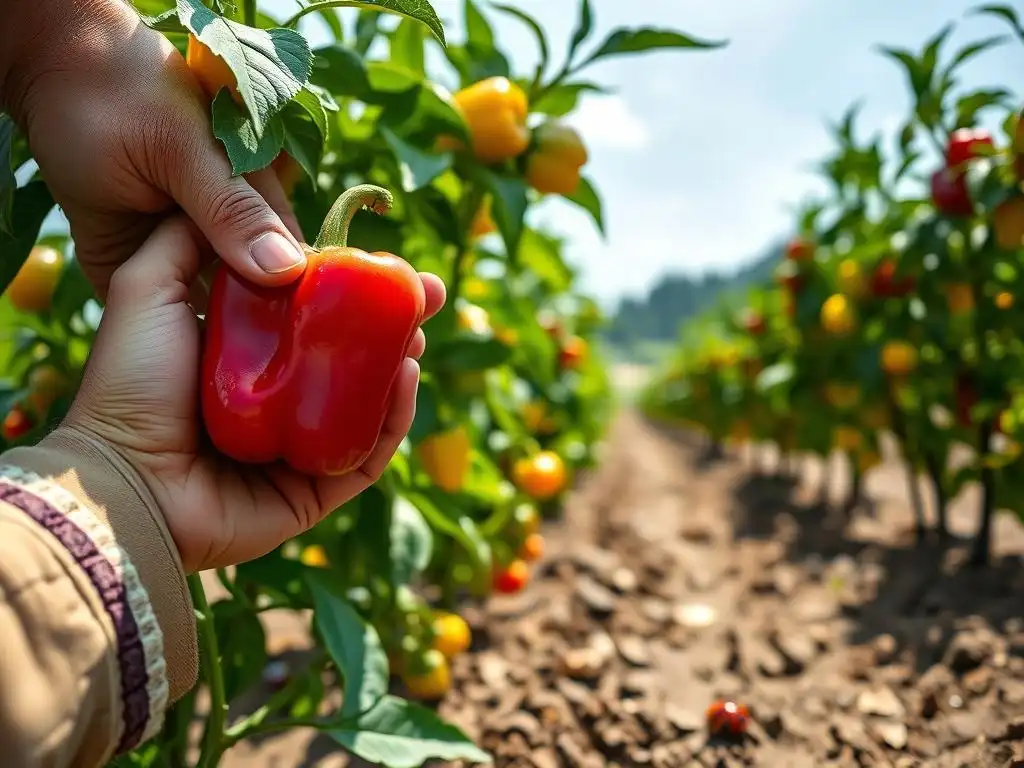
This section delves into the practical aspects of harvesting your pepper crop, ensuring you get the maximum yield while maintaining the quality and flavor of your peppers. Remember, proper harvesting techniques are crucial for maximizing your harvest and preventing plant stress. Careful consideration of ripeness (covered in other sections of this article) is paramount before you even begin.
Proper Harvesting Tools and Methods
Harvesting peppers doesn't require specialized, expensive equipment. However, the right tools make the job easier and less damaging to your plants. Here's a breakdown:
- Sharp, clean scissors or pruners: These are ideal for cleanly snipping peppers from the plant, minimizing the risk of tearing or bruising. Dull tools can crush the stem and introduce disease. Always disinfect your tools with rubbing alcohol between uses to prevent the spread of any potential pathogens. 🧼
- Gloves (optional but recommended): Especially for those with sensitive skin, gloves protect your hands from the oils of hot peppers, which can cause irritation or burning. Some varieties, even sweet peppers, can have surprisingly potent oils.
- Harvesting bag or basket: A lightweight, breathable container keeps your harvested peppers safe from damage and allows for easy transport. Avoid using plastic bags as they can trap moisture and lead to premature spoilage.
The method itself is straightforward:
- Identify ripe peppers: Refer to the ripeness indicators described elsewhere in this article to ensure you're harvesting at the optimal time.
- Locate the stem: Gently grasp the pepper near its stem.
- Cut cleanly: Using your sharp scissors or pruners, make a clean cut just above the stem. Avoid pulling or twisting the pepper, which can damage the plant.
- Inspect the plant: After harvesting, take a moment to inspect the plant for any signs of disease or pests. Early detection is key to preventing widespread problems.
- Store appropriately: Place your harvested peppers in your container and store them in a cool, dry place.
Remember, consistency is key. Regular harvesting encourages the plant to produce more peppers, leading to a larger overall yield. Think of it as a positive feedback loop—the more you harvest, the more the plant produces! 📈
Avoiding Damage During Harvesting
Even with the right tools, improper harvesting techniques can damage your pepper plants. Here are some common mistakes to avoid:
- Pulling peppers: Pulling peppers off the plant instead of cutting them can damage the stem and weaken the plant, reducing its ability to produce more fruit. This can also open the plant up to infection.
- Bruising peppers: Rough handling can bruise the peppers, shortening their shelf life and impacting their quality. Handle the peppers gently, using a light touch.
- Harvesting immature peppers: Harvesting peppers too early can result in smaller, less flavorful peppers. Always wait until the peppers reach their optimal ripeness, as indicated by color and firmness.
- Over-harvesting: While regular harvesting is beneficial, be careful not to over-harvest. Stripping the plant bare can stress it and reduce its productivity. Aim for a balance between harvesting and allowing the plant to replenish itself.
By following these guidelines, you can minimize damage to your plants and ensure a bountiful and healthy harvest. Careful handling and proper techniques contribute significantly to the overall health and longevity of your pepper plants, maximizing your yield and minimizing waste. Happy harvesting! 🌶️
Post-Harvest Handling and Storage of Peppers
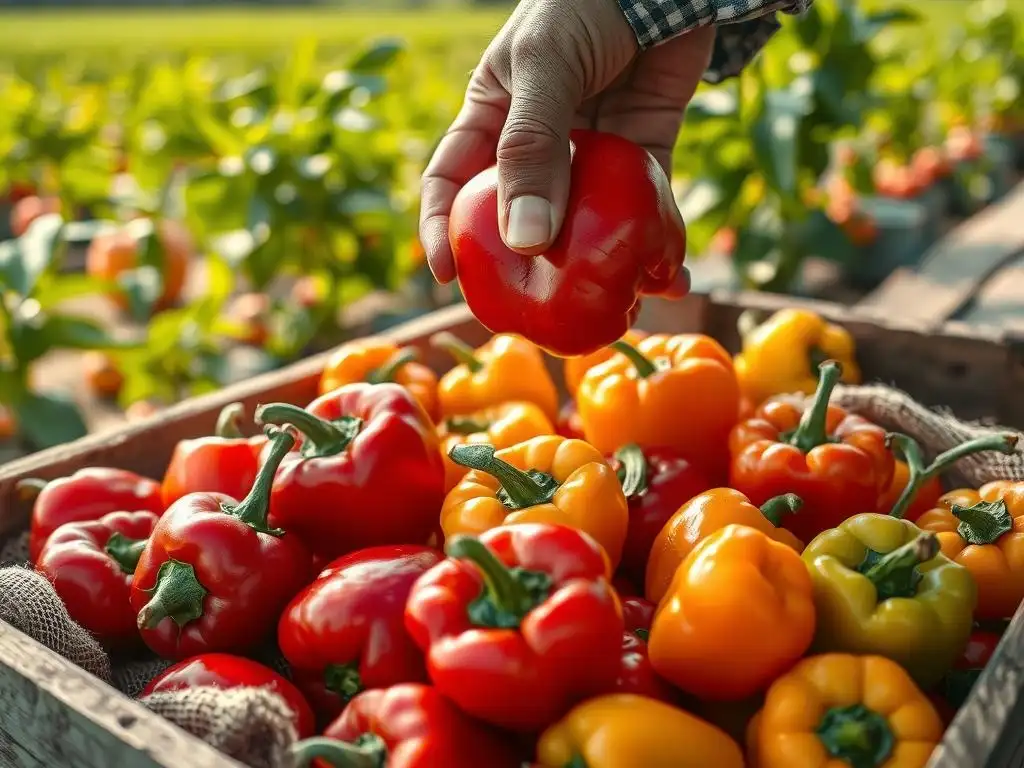
Proper post-harvest handling significantly impacts the shelf life and quality of your harvested peppers. Gentle handling is key to preventing bruising and damage, which can lead to premature spoilage. Harvesting at the optimal ripeness, as detailed in the previous sections regarding ripeness indicators for sweet and hot pepper varieties, is the first step in ensuring long-lasting freshness.
Remember, even minor damage can create entry points for pathogens, reducing the storage time significantly. Therefore, careful handling from the plant to the storage location is crucial for maximizing the benefits of your hard work. This section will guide you through the best practices for extending the life of your peppers.
Cleaning and Preparing Peppers for Storage
Before storing your peppers, cleaning them is crucial to remove any dirt, debris, or insects that may have accumulated during growth. A gentle rinse under cool, running water is sufficient. Avoid soaking the peppers, as excess moisture can promote the growth of mold and bacteria. After rinsing, thoroughly pat the peppers dry with a clean, soft cloth or paper towel.
This drying process is essential to prevent moisture buildup during storage. Inspect each pepper carefully for any signs of damage, such as bruises, cuts, or blemishes. Discard any peppers showing signs of spoilage or damage to prevent contamination of the rest. Proper cleaning and preparation are fundamental steps to achieving optimal storage results and maximizing the shelf life of your harvest.
Storage Methods for Maintaining Pepper Freshness
Several methods can help maintain pepper freshness for several days or even weeks. The best method depends on the type of pepper and the desired storage duration.
- Refrigerator Storage: This is the most common method for short-term storage. Place peppers in a perforated plastic bag or a paper bag to allow for proper ventilation. Avoid storing peppers in airtight containers, as this can trap moisture and lead to spoilage. Store them in the crisper drawer of your refrigerator, where the temperature and humidity are relatively controlled. With proper refrigeration, many pepper varieties can retain their freshness for up to a week.
- Cool, Dark Place: For a short-term solution, a cool, dark, and well-ventilated area can help extend the shelf life of peppers. This method is ideal if your refrigerator space is limited. Avoid direct sunlight or high temperatures, which can quickly accelerate ripening and decay. This method is best suited for peppers that are already ripe and ready to be used soon.
| Storage Method | Expected Shelf Life | Ideal for | Considerations |
|---|---|---|---|
| Refrigerator (crisper) | 1-2 weeks | Most pepper varieties | Proper ventilation, avoid airtight containers |
| Cool, Dark Place | 3-5 days | Ripe peppers ready for use | Avoid direct sunlight and high temperatures |
Preserving Peppers for Long-Term Storage
For longer-term storage, preserving your peppers is essential. Several preservation methods allow you to enjoy your harvest throughout the year.
- Freezing: Freezing is a simple and effective method for preserving peppers. Blanching the peppers before freezing helps to retain their color, texture, and flavor. After blanching, allow the peppers to cool completely before packing them into freezer-safe bags or containers. Frozen peppers can be stored for up to 12 months.
- Pickling: Pickling is a traditional method of preserving peppers. Pickling involves submerging the peppers in a brine solution, which inhibits the growth of microorganisms. The pickling process not only preserves the peppers but also adds a unique flavor profile. Pickled peppers can last for several months, even a year or more, if stored properly.
- Drying: Drying is another excellent method for long-term preservation. Peppers can be dried using various methods, including air drying, sun drying, or using a food dehydrator. Dried peppers retain their flavor and can be stored for several months in an airtight container in a cool, dark place.
Remember to always practice safe food handling techniques during all preservation methods to avoid spoilage and maintain the quality of your preserved peppers. The choice of preservation method depends on your preferences and the amount of peppers you want to preserve. Properly preserved peppers can provide delicious flavor and nutrients throughout the year, extending the enjoyment of your homegrown harvest.
Troubleshooting Common Pepper Harvesting Problems
Harvesting peppers can sometimes present challenges, even for experienced gardeners. Understanding the common issues and implementing preventative measures can significantly improve your yield and the quality of your peppers. This section focuses on troubleshooting problems that may arise during the pepper harvest, focusing specifically on the impact on ripeness indicators. We'll explore solutions to ensure you get the most out of your pepper plants.
Dealing with Premature Pepper Drop
Premature pepper drop, where peppers fall from the plant before reaching their optimal ripeness, is a frustrating but common problem. Several factors can contribute to this, impacting the harvest and the accuracy of ripeness indicators. These include:
- Water stress: Inconsistent watering can cause the plant to prematurely abort its fruits to conserve resources. Ensure consistent moisture, avoiding both overwatering and underwatering. Deep, infrequent watering is generally better than shallow, frequent watering. Monitor soil moisture regularly, especially during hot and dry periods. Aim for consistently moist but not waterlogged soil.
- Nutrient deficiencies: Lack of essential nutrients, particularly potassium and calcium, can weaken the plant and lead to blossom-end rot, which eventually causes fruit drop. Regular soil testing and fertilization with a balanced, organic fertilizer can prevent this. Consider using compost tea for a natural boost of nutrients.
- Pest infestations: Certain pests, like aphids or spider mites, can damage the plant and cause peppers to drop. Regularly inspect your plants for pests and take appropriate action, using organic pest control methods whenever possible. This preventative measure will help maintain the plant's health and prevent premature harvest.
- Disease: Fungal diseases like verticillium wilt or bacterial spot can weaken the plant and cause fruit drop. Practicing crop rotation and ensuring good air circulation can help prevent disease. Removing infected plants promptly is crucial to preventing the spread.
Identifying and Addressing Pests and Diseases Affecting Pepper Ripening
Pest and disease pressure can significantly affect the ripening process of peppers, making it difficult to rely on visual ripeness indicators. Early detection and appropriate treatment are key to maximizing your harvest.
| Pest/Disease | Symptoms | Control Methods | Impact on Ripeness Indicators |
|---|---|---|---|
| Aphids | Sucking sap, leaf curling, stunted growth | Insecticidal soap, neem oil, ladybugs | Peppers may not fully ripen, appear stunted and discolored. |
| Spider mites | Fine webbing, stippling on leaves | Miticides, predatory mites | Similar to aphids, affecting overall plant health and ripening. |
| Bacterial spot | Brown spots on leaves and fruit | Crop rotation, disease-resistant varieties, copper fungicide (organic options available) | Spots may interfere with color assessment, leading to premature harvest. |
| Verticillium wilt | Wilting, yellowing leaves | Crop rotation, disease-resistant varieties | Peppers may not ripen properly due to overall plant decline. |
Remember to always identify the specific pest or disease before applying any treatment. Organic methods are generally preferred for sustainable pepper cultivation. Regular monitoring is vital for early detection.
Solving Problems with Uneven Ripening
Uneven ripening, where some peppers on a plant ripen faster than others, is a common occurrence. This can make harvesting decisions more challenging, as ripeness indicators might not be consistent across the entire plant. Several factors contribute to this issue:
- Light exposure: Insufficient sunlight can lead to uneven ripening. Ensure adequate sunlight for your pepper plants, ideally at least 6-8 hours of direct sunlight daily. Rotate plants periodically if necessary to ensure even sun exposure.
- Temperature fluctuations: Extreme temperature variations can disrupt the ripening process. Consider using row covers or other methods to protect your plants from extreme heat or cold.
- Water stress (again): As mentioned previously, inconsistent watering significantly impacts the plant’s ability to ripen fruits evenly. Maintain consistent soil moisture.
- Nutrient imbalances: Similar to premature drop, nutrient deficiencies can lead to uneven ripening. Regular soil testing and fertilization are crucial for balanced plant growth.
Addressing these issues proactively will improve the consistency of your pepper harvest, making it easier to determine optimal harvest times based on reliable ripeness indicators and reduce the impact of uneven ripening on your yield. Pay close attention to your plants, and don't hesitate to adjust your growing practices as needed.
Frequently Asked Questions
How can I tell if my peppers are ready for harvest?
The best indicator of pepper ripeness is color. Sweet peppers typically change from green to red, yellow, or orange, while hot peppers may turn red, orange, yellow, purple, or brown, depending on the variety. Feel the pepper; it should be firm.
What is the optimal time of day to harvest peppers?
Harvest your peppers in the morning after the dew has dried. This helps prevent the spread of diseases and allows the peppers to dry slightly before storage.
Do I need to use special tools to harvest peppers?
No, you can usually harvest peppers by gently twisting or snapping them off the plant at the stem. Sharp pruning shears can be used for thicker stems, ensuring a clean cut to avoid damaging the plant.
How do I store harvested peppers to maintain freshness?
Store peppers in a cool, dry place or in the refrigerator. Avoid storing them in direct sunlight or in plastic bags, which can trap moisture and cause decay. Proper storage will extend their shelf life.
What are some signs that my peppers are past their prime?
Overripe peppers will often be soft, wrinkled, or show signs of browning or decay. Harvest peppers before they reach this stage for the best flavor and quality.
Final Reflection: The Bounty of the Harvest: Understanding Pepper Ripeness
Knowing when to harvest your peppers is more than just timing; it's the key to unlocking their full flavor potential. A perfectly ripe pepper, whether sweet or fiery hot, offers a culinary experience far beyond what an unripe fruit can provide. This knowledge, once acquired, transforms the simple act of gardening into a rewarding journey of taste discovery.
The impact of understanding pepper ripeness extends beyond the individual gardener. It connects us to a deeper appreciation for the natural world and the cyclical nature of growth and harvest. This understanding fosters a sense of connection to our food, from seed to table, a connection often lost in our modern, fast-paced world. The glory of gardening: hands in the dirt, head in the sun, heart with nature. To nurture a garden is to feed not just the body, but the soul.
This quote perfectly encapsulates the profound satisfaction derived from cultivating and harvesting our own food, and understanding the nuances of ripeness is a crucial part of that process.
Now, consider your own garden, or even the peppers you buy at the market. Take a moment to examine the color, texture, and even the scent of the peppers before you. Apply the knowledge you've gained from this article to make informed choices about when to harvest, and savor the difference a perfectly ripe pepper makes in your meals. Let this be a reminder that even the smallest act of mindful cultivation can yield extraordinary results, both in the kitchen and in the heart.
Unlock Your Pepper Harvest: Fresh Flavor Awaits!
Thank you for learning about harvesting peppers! You now have the knowledge to pick perfect peppers every time. Ready to try out your new skills?
- Harvest your peppers today! Look for vibrant colors and firm peppers on your plants—enjoy the fruits of your labor!
- Share your pepper harvest photos with us on social media! We'd love to see what you've grown. Use #CultivateYourFoodHarvest.
- Next season, experiment with different pepper varieties and discover exciting new flavors.
What delicious pepper dish will you create with your abundant harvest?