
How to Make Onion Powder at Home

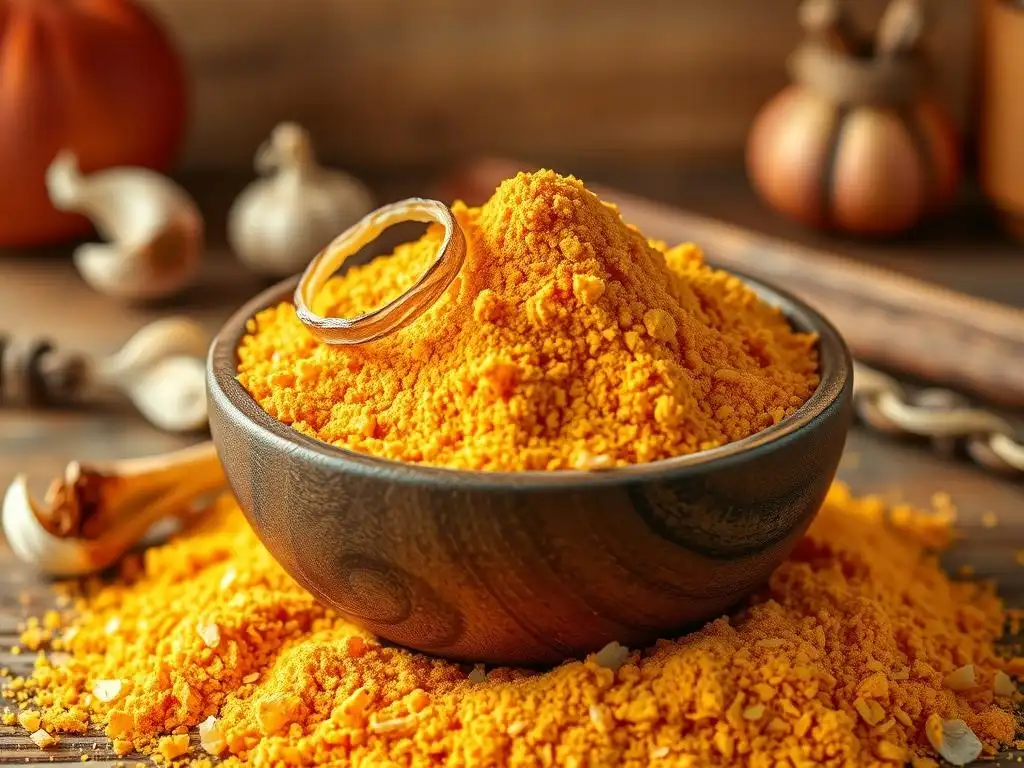
Ready to unlock the secrets of a truly flavorful and sustainable kitchen garden? At CultivateYourFood, we empower you to grow your own fruits, vegetables, and herbs using organic methods. Discover the satisfying process of creating your own ingredients, starting with our guide on Homemade Organic Onion Powder – a simple recipe that will elevate your cooking and reduce your environmental footprint. Learn how to harness the power of nature, from planting to pest control, and transform your garden into a thriving, delicious ecosystem. Let's get growing!
Harvesting Onions for Homemade Onion Powder
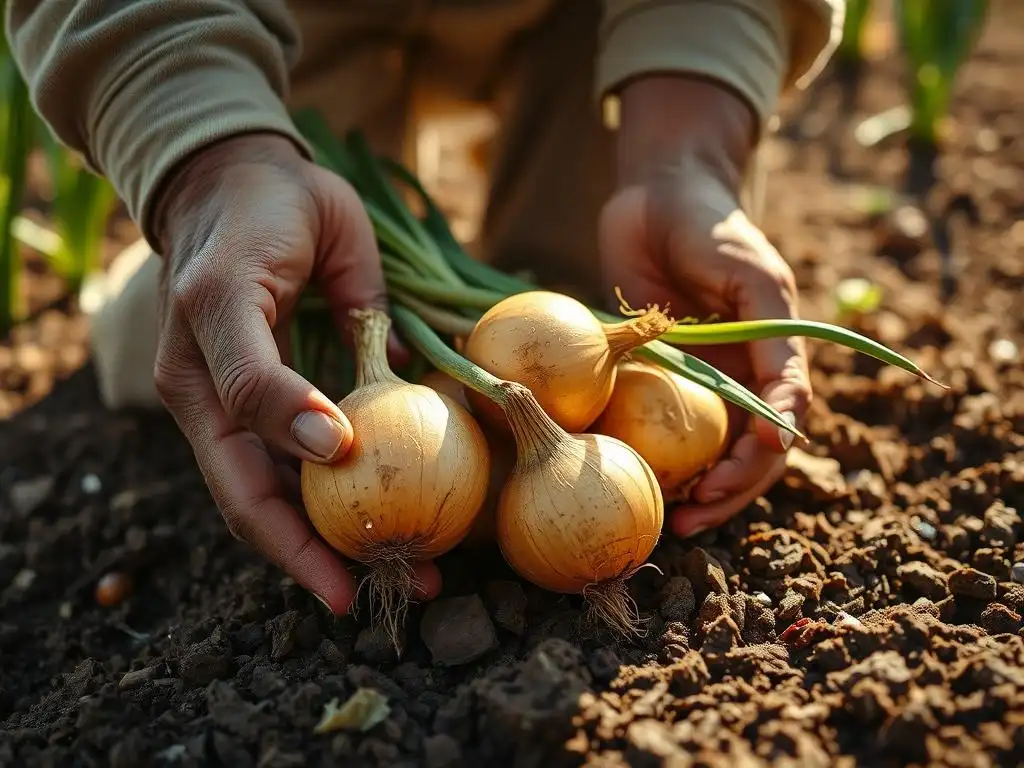
Making your own organic onion powder is a rewarding experience, offering superior flavor and quality compared to commercially produced options. This guide will walk you through the entire process, from selecting the right onions to achieving perfectly dried and powdered results. By following these sustainable and organic practices, you'll not only save money but also enjoy the satisfying knowledge of creating a high-quality ingredient from your own homegrown produce.
This detailed approach ensures you'll produce homemade organic onion powder that's bursting with flavor and free from unwanted additives. We'll cover everything from selecting the perfect onions to the final stages of powdering, ensuring you achieve a consistently excellent result every time. This process is a fantastic way to maximize the yield from your onion harvest and preserve the taste of your homegrown produce for year-round enjoyment.
Selecting the Right Onions for Drying and Powdering
Choosing the right onions is crucial for making high-quality onion powder. Avoid onions with blemishes, bruises, or signs of disease. The best onions for drying and powdering are those that are fully mature, firm, and have dry, papery outer skins. Here's a breakdown of what to look for:
- Variety: While many onion varieties work well, those known for their strong flavor and good storage qualities are ideal. Yellow onions are a popular choice, but red and white onions can also produce excellent powder, each offering a slightly different flavor profile.
- Size: Medium-sized onions are generally preferred for drying. Larger onions might take longer to dry completely, increasing the risk of spoilage. Smaller onions can also work, but you'll likely need a larger quantity to achieve your desired yield.
- Condition: Inspect each onion carefully. Reject any that are soft, mushy, or show signs of sprouting. These onions are less suitable for drying and may lead to a less flavorful powder, or even mold growth.
Remember, using organically grown onions ensures your homemade onion powder remains completely free from harmful pesticides and chemicals, aligning perfectly with the sustainable ethos of CultivateYourFood.
Optimal Harvesting Time for Maximum Flavor in Onion Powder
The timing of your onion harvest significantly impacts the flavor of your resulting powder. Harvesting too early results in weak flavor and a lower yield, while harvesting too late can lead to the onions becoming overly pungent or even starting to decompose. The ideal time to harvest is when the onion tops have naturally begun to fall over and the outer layer of the onion feels dry and papery to the touch.
Here's a more detailed look at the optimal harvesting period:
- Visual Cues: Look for the tops of the onions to have fallen over and turned brown or yellow. This indicates that the onion's bulb has reached its full maturity and is ready for harvesting.
- Feel: Gently squeeze the onion bulbs. They should feel firm and fully developed. Avoid harvesting onions that are too soft or spongy.
- Timing: This usually occurs late summer or early fall, depending on your climate and the specific onion variety you're growing. Consult your seed packet or local gardening resources for specific information on your chosen variety.
Properly Curing Onions Before Drying: Essential Steps for High-Quality Powder
Before drying, onions require a curing period. Curing allows the onions to dry out their outer layers, reducing moisture content, and minimizing the risk of spoilage during the drying process. This step is critical for producing high-quality, long-lasting onion powder.
The curing process involves:
- Gentle Handling: Carefully remove the onions from the ground, ensuring not to damage the bulbs. Avoid pulling them out forcefully, as this can damage the outer layers.
- Air Circulation: Spread the onions in a single layer in a well-ventilated, dry area, ideally with good air circulation. A screen or mesh surface works well.
- Duration: Allow the onions to cure for approximately 10-14 days, or until the outer layers are completely dry and papery. The ideal environment is a dry, well-ventilated space with temperatures between 60-70°F (15-21°C). Avoid direct sunlight, which can cause the onions to dry out too quickly and potentially damage them. Proper curing prevents spoilage and ensures your homegrown onion powder remains flavorful and safe to use for months to come. This step is essential for maximizing the shelf life and quality of your homemade organic onion powder.
Drying Onions for Homemade Onion Powder
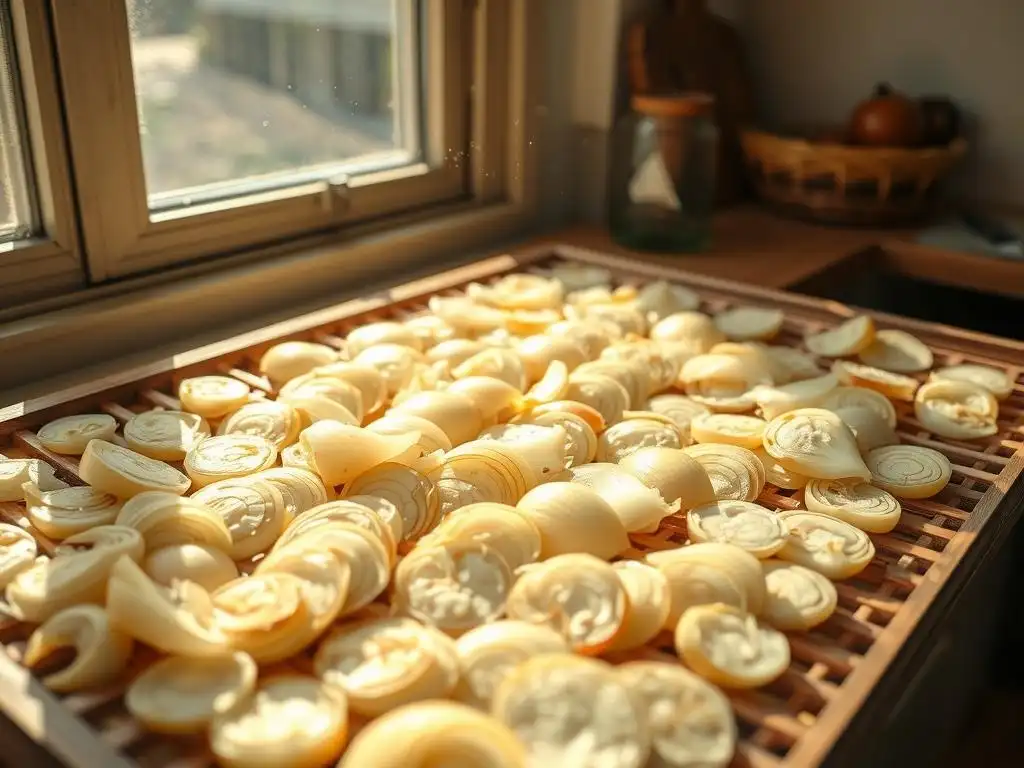
This section details the crucial first step in creating your own homemade organic onion powder: drying the onions. Proper drying ensures the best flavor and longest shelf life for your final product. The method you choose will influence the time it takes and the final texture of your powder. Let's explore the most common and effective drying techniques for achieving superior homemade organic onion powder. Remember, using organically grown onions will further enhance the quality of your end product, maximizing the flavor and nutritional benefits.
Sun-Drying Onions: A Natural and Sustainable Method
Sun-drying is a time-honored, sustainable method for preserving onions, perfect for creating homemade organic onion powder. It leverages the power of nature to gently dehydrate the onions, resulting in a deeply flavorful powder. However, it's crucial to consider weather conditions and potential insect infestations.
To sun-dry onions, start by choosing mature, firm onions with minimal blemishes. Slice them thinly – about ⅛ inch thick – for even drying. Avoid using overly thick slices, as the center may not dry completely, leading to spoilage. Arrange the slices in a single layer on clean, mesh trays or screens. These allow for optimal airflow, preventing mold growth.
Place the trays in a location that receives direct sunlight for at least 6-8 hours daily. Ideally, choose a well-ventilated area, sheltered from rain and excessive humidity. Cover the trays loosely with cheesecloth to protect them from insects and dust. The drying time will vary depending on the weather conditions, but it typically takes 7-14 days. Regularly check the onions for dryness; they should be brittle and easily crumble. Properly sun-dried onions will have a deep, concentrated flavor, characteristic of homemade organic onion powder.
Oven-Drying Onions: A Faster Alternative for Onion Powder
For a quicker approach to making homemade organic onion powder, oven-drying is a convenient alternative. This method significantly reduces drying time compared to sun-drying, making it ideal for smaller batches or when weather conditions aren't ideal.
Preheat your oven to the lowest setting, typically between 170-200°F (77-93°C). Again, slice your onions thinly and arrange them in a single layer on baking sheets lined with parchment paper. It's important to avoid overcrowding the sheets to ensure even drying. The oven door should remain slightly ajar to allow moisture to escape.
Check the onions regularly, flipping them halfway through the drying process. The drying time will depend on your oven and the thickness of the onion slices, but generally, it takes 4-6 hours. The onions are ready when they are completely dry and brittle. This method provides a convenient way to achieve homemade organic onion powder even during unfavorable weather.
Dehydrator Method for Making Onion Powder: Achieving Consistent Results
A food dehydrator provides the most consistent and controlled environment for drying onions to make homemade organic onion powder. This method minimizes the risk of spoilage and produces a consistently high-quality product.
Slice your onions thinly as described in the previous methods. Arrange them in a single layer on the dehydrator trays, ensuring adequate spacing for airflow. Follow the manufacturer's instructions for your specific dehydrator model, but generally, the temperature should be set between 135-145°F (57-63°C).
The drying time will vary depending on the dehydrator and the thickness of the onion slices, but it usually takes 6-12 hours. The onions are ready when they are completely dry and brittle. The dehydrator method offers a reliable way to produce high-quality homemade organic onion powder with consistent results, minimizing the variables associated with other drying techniques. This method is particularly useful for larger quantities.
This detailed approach to drying onions ensures you'll have the perfect base for your homemade organic onion powder. Remember to always prioritize cleanliness and proper storage to maintain the quality and extend the shelf life of your finished product. Enjoy the superior flavor of your homemade spice!
Making Onion Powder from Dried Onions
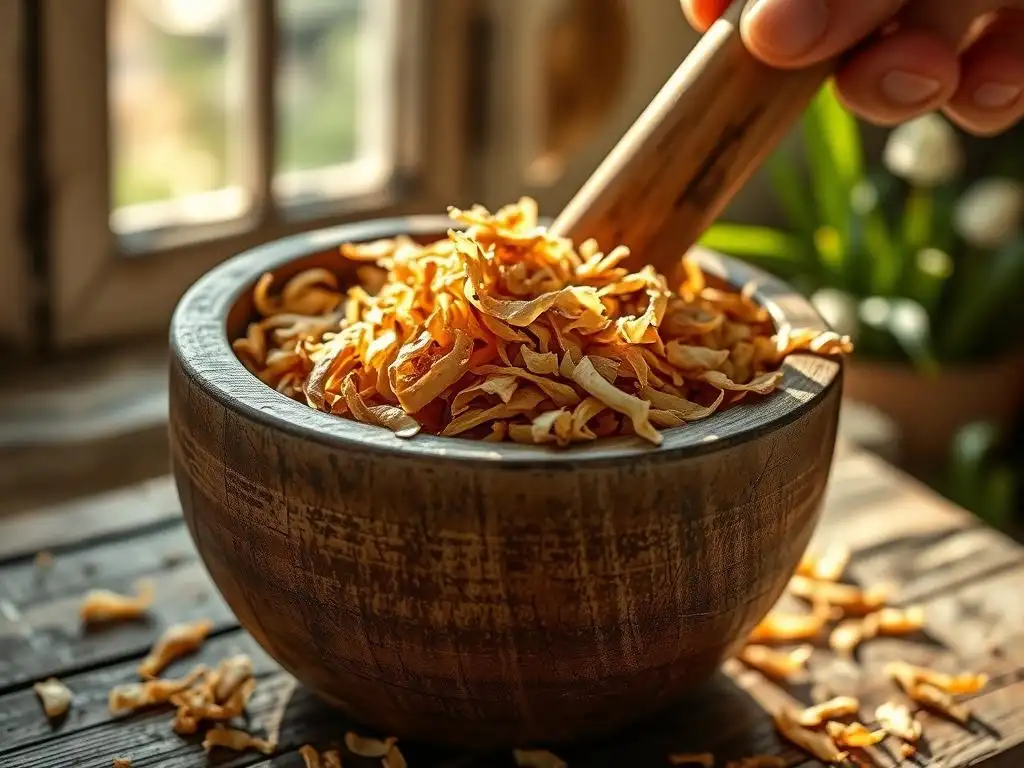
This section details the process of creating homemade organic onion powder, a valuable addition to any home cook's spice rack. Using your homegrown onions ensures a superior product, free from additives and preservatives often found in commercially produced powders. This method focuses on maximizing flavor and aroma while preserving the nutritional benefits of the onion.
The resulting powder is perfect for soups, stews, rubs, and countless other culinary applications. We'll cover the process from preparing your dried onions to storing your finished product for optimal freshness and quality. Remember, the key to excellent homemade organic onion powder lies in starting with high-quality, organically grown onions.
Preparing Dried Onions for Powdering: Cleaning and Removing Imperfections
Before you begin grinding, meticulous preparation of your dried onions is crucial for achieving a high-quality, flavorful powder. Begin by inspecting each dried onion for any remaining blemishes or imperfections. Carefully remove any mold, discolored spots, or debris that might impact the final taste and appearance of your powder. A small, sharp knife or even clean kitchen shears are ideal tools for this task. Pay close attention to the outer layers, which might have accumulated more dirt or damage during the drying process.
Next, gently brush off any remaining dust or loose particles. A soft-bristled brush works well, but a clean cloth can also be effective. Remember, even small impurities can dramatically affect the overall quality of your homemade organic onion powder. Thorough cleaning ensures a superior, pure product free from unwanted elements. This step, while seemingly minor, is vital to the success of this endeavor. Consider using a low-power vacuum cleaner with a brush attachment for a more efficient cleaning.
Once you've cleaned the onions, you'll want to consider the size of your dried onion pieces. Larger pieces will require more grinding time and may result in uneven powder consistency. For optimal results, consider chopping or slicing the dried onions into smaller, more manageable pieces before grinding. This improves the efficiency of the grinding process and results in a finer, more consistent powder.
Grinding Dried Onions into Powder: Techniques and Tools for Homemade Onion Powder
Several methods exist for grinding dried onions into a fine powder. The choice depends on your available equipment and desired level of fineness.
- Using a Food Processor: This is arguably the most efficient method for larger batches. Pulse the dried onions in short bursts to avoid overheating and clumping. Be mindful of the processing time; over-processing can lead to a pasty consistency. Check the powder's consistency frequently to achieve your desired texture.
- Using a Mortar and Pestle: A more traditional approach, this method offers a greater degree of control but is more labor-intensive, especially for larger quantities of onions. Grind the onions in a circular motion, applying consistent pressure. This method is excellent for small batches and allows for a personalized touch.
- Using a Spice Grinder/Coffee Grinder: A spice grinder provides a convenient and efficient method for smaller batches. Grind the dried onions in short bursts, ensuring not to overload the grinder. Clean thoroughly after each use to prevent cross-contamination of flavors.
Regardless of the chosen method, remember to grind until the onion is a fine, consistent powder. The texture should be smooth and free of any large pieces. This consistency is crucial for ease of use in cooking and ensures even distribution of flavor. The finer the powder, the better it will blend into your dishes. Consider using a sieve for an extra smooth consistency, removing any larger pieces.
Sifting and Storing Homemade Organic Onion Powder: Maintaining Quality and Freshness
Once the onion is ground into a powder, sift it through a fine-mesh sieve to remove any remaining larger pieces or clumps. This ensures a consistent texture and prevents unwanted bits from affecting the final product. This step is essential for creating a professional-quality homemade organic onion powder. Discard any larger pieces that don't pass through the sieve.
Proper storage is crucial for maintaining the freshness, aroma, and flavor of your homemade onion powder. Store your powder in an airtight container, preferably one made of dark glass or opaque plastic, to protect it from light and moisture. These containers help prevent oxidation, which can degrade the quality of the powder over time. A cool, dark, and dry place, away from direct sunlight and heat, is the ideal storage location. Proper storage can extend the shelf life of your homemade organic onion powder for several months. Always label your container with the date of preparation.
Remember, proper handling and storage are key to enjoying the benefits of your homemade organic onion powder for an extended period. Following these steps ensures a high-quality product that will enhance your culinary creations for many months to come. 🎉
Utilizing Your Homemade Organic Onion Powder
This section explores the versatility and benefits of using your homemade organic onion powder in various culinary applications. By making your own, you control the quality and freshness, resulting in a superior flavor profile compared to commercially produced options. This homemade powder is a powerhouse of flavor, offering a concentrated punch of oniony goodness without the moisture and potential for spoilage of fresh onions.
Culinary Applications of Homemade Onion Powder: Enhancing Your Dishes
Homemade organic onion powder transcends simple seasoning; it elevates dishes. Its concentrated flavor adds depth and complexity to a wide range of recipes. Think beyond just sprinkling it on your eggs!
- Savory Dishes: Use it liberally in soups, stews, and chili for a robust flavor base. A teaspoon or two can transform a simple tomato soup into a rich and savory delight. It's also fantastic in casseroles, adding a subtle oniony warmth without the overwhelming bite of fresh onions. Experiment with its use in meat rubs for grilling or roasting – it adds incredible depth of flavor.
- Baking and Breads: Surprisingly, onion powder finds its place in baking. Add a pinch to your favorite quick bread recipes (like cornbread or muffins) for a savory-sweet twist. It can also enhance the flavor of savory scones or biscuits. Just remember to use it sparingly, as a little goes a long way.
- Dry Rubs and Marinades: Onion powder forms the perfect base for dry rubs for meats like chicken, pork, or beef. Combine it with other spices like paprika, garlic powder, and black pepper for a flavorful and aromatic crust. In marinades, it adds a subtle oniony depth without overwhelming the other ingredients.
- Seasoning Blends: Create your own custom seasoning blends by combining homemade onion powder with other herbs and spices. Experiment with combinations like onion powder, garlic powder, paprika, and oregano for a versatile all-purpose seasoning.
Storage Tips for Homemade Organic Onion Powder: Preserving Flavor and Aroma
Proper storage is crucial for preserving the flavor and aroma of your homemade organic onion powder. Air and moisture are the enemy of potent spices.
- Airtight Containers: Store your powder in airtight glass jars or containers. This prevents moisture from entering and helps to maintain the integrity of the powder's flavor and aroma. Avoid plastic containers, as they can absorb odors and affect the taste.
- Cool, Dark, and Dry Place: Keep the container in a cool, dark, and dry location. Avoid areas with high humidity or direct sunlight, as these can degrade the quality of the powder over time. A pantry cupboard is ideal.
- Shelf Life: With proper storage, your homemade organic onion powder should retain its optimal flavor and aroma for approximately 6-12 months. However, always check for any signs of clumping or changes in color or smell before using it. If you notice any changes, it's best to discard it.
- Freezing for Extended Storage: For even longer storage, you can freeze your onion powder. Place the powder in a freezer-safe bag or container and store it in the freezer. This can extend its shelf life to up to 2 years. Remember to label the container with the date.
Comparing Homemade Organic Onion Powder to Store-Bought Alternatives
The benefits of making your own organic onion powder are numerous. While store-bought options are convenient, they often contain additives, preservatives, and may not be as flavorful or fresh.
| Feature | Homemade Organic Onion Powder | Store-Bought Onion Powder |
|---|---|---|
| Freshness | Maximum freshness due to immediate processing. | Can vary greatly depending on age and storage conditions. |
| Flavor | Richer, more intense onion flavor. | Often milder and less intense due to processing methods. |
| Ingredients | Pure dehydrated onions. | May contain additives, fillers, and preservatives. |
| Cost | Potentially more economical in the long run. | Can be more expensive per unit of flavor. |
| Control | Complete control over quality and ingredients. | No control over ingredients or processing methods. |
| Sustainability | Environmentally friendly due to reduced packaging. | Often comes in single-use packaging. |
Making your own homemade organic onion powder offers superior quality, freshness, and control over ingredients. It's a rewarding project that significantly enhances your culinary experiences. The subtle differences in flavor and aroma are noticeable, making it a worthwhile endeavor for any home cook committed to quality and sustainability. 🧅
Frequently Asked Questions
How long does homemade onion powder last?
Properly stored in an airtight container in a cool, dark place, your homemade onion powder should last for 6-12 months. Its potency may decrease over time.
What are the benefits of making my own onion powder?
Making your own onion powder allows you to control the quality and freshness of your ingredients, ensuring it's organic and free from additives. You also save money in the long run.
Can I use any type of onion to make onion powder?
While you can use various onions, yellow onions are generally preferred for their strong flavor and ability to produce a vibrant colored powder. Experiment with different varieties to find your preference.
How do I ensure my homemade onion powder is completely dry?
Thorough drying is crucial to prevent mold. Use a dehydrator or low oven temperature (170°F/77°C) and ensure the slices are thinly cut for even drying. Check frequently for dryness.
What are some ways to use homemade organic onion powder?
Homemade organic onion powder is versatile! Use it to season soups, stews, and sauces, as a dry rub for meats, or to enhance the flavor of dips and dressings. It's a great way to add a flavor punch to many dishes.
Final Reflection: The Humble Onion, Magnified
The ability to create your own organic onion powder at home isn't just a culinary skill; it's a powerful act of self-sufficiency in a world increasingly concerned with food sourcing and quality. In a time of rising food costs and questions surrounding the purity of commercially produced spices, knowing how to transform simple, fresh onions into a potent and flavorful powder offers a tangible solution. This control over your ingredients allows you to prioritize health and taste, creating a product you can truly trust.
The journey from fresh onion to fragrant powder is a small but significant act of reclaiming control over our food systems. It's a reminder that even the simplest ingredients can hold immense power, both in the kitchen and in our relationship with the food we consume. The best things in life are simple,
a common saying reminds us, and this process perfectly embodies that sentiment. The satisfaction of creating something delicious and healthy from scratch is deeply rewarding, fostering a connection to the food we eat that’s often lost in the convenience of pre-packaged products.
Now, consider the possibilities. Imagine the vibrant flavors you can create, knowing exactly what went into your onion powder. Picture the satisfaction of sharing this simple yet impactful skill with friends and family. You've learned more than just a recipe; you've learned a valuable life skill, a connection to your food, and a way to enhance your culinary creations. Take this knowledge, this empowerment, and use it to enrich your cooking and your life. Go forth and create your own delicious, organic onion powder!
Unleash Your Inner Chef: Homemade Onion Powder Awaits!
Thanks for learning how to make your own delicious onion powder! You've discovered a secret to fresher, more flavorful cooking. Ready to try it out?
- Make a batch of homemade onion powder today! Use up those extra onions and enjoy the incredible difference in taste.
- Share your homemade onion powder creations (and any creative recipes) on our social media! Let's inspire each other!
- Experiment with different onion varieties to find your favorite flavor. What will you try first?
What delicious dish will you enhance with your freshly made onion powder?