
Natural Fertilizers for Tomatoes: Feeding Your Plants the Organic Way

Ready to unlock the secrets to growing exceptionally juicy, flavorful tomatoes? At CultivateYourFood, we believe everyone can cultivate their own delicious, organic produce. This commitment to sustainable gardening begins with the right nutrients. Discover our collection of organic tomato fertilizer recipes—proven methods to nourish your plants naturally and achieve abundant harvests. Let's dive into the world of vegetable gardening and transform your backyard into a thriving oasis!
- Understanding the Nutritional Needs of Tomatoes
- Organic Tomato Fertilizer Recipes: DIY Solutions for Lush Tomatoes
- Sourcing Organic Materials for Tomato Fertilization
- Applying Natural Fertilizers to Your Tomato Plants
- Comparing Organic and Chemical Fertilizers for Tomatoes
- Troubleshooting Common Tomato Nutrient Issues
-
Frequently Asked Questions
- What are the benefits of using organic fertilizers for tomatoes?
- What are some common ingredients in organic tomato fertilizer recipes?
- How often should I fertilize my tomato plants with organic fertilizer?
- Can I make my own organic tomato fertilizer?
- What are the signs of nutrient deficiency in tomato plants, indicating a need for fertilizer?
- Final Reflection: Nurturing Growth, Naturally
- Unleash Your Tomato's Potential: Grow Bigger, Healthier Fruits!
Understanding the Nutritional Needs of Tomatoes
Growing plump, juicy, and flavorful tomatoes requires more than just sunlight and water; it demands a deep understanding of the plant's nutritional needs. This article delves into the world of organic tomato fertilization, providing you with effective and sustainable recipes to nourish your plants and achieve bountiful harvests. We'll explore the essential macronutrients and micronutrients that contribute to healthy tomato growth, and how to identify nutrient deficiencies to prevent yield loss and ensure the vibrant health of your tomato plants.
Choosing organic fertilizers not only benefits your plants but also contributes to a healthier environment, reducing reliance on synthetic chemicals and promoting soil biodiversity. This commitment to sustainable gardening practices allows you to cultivate delicious, nutrient-rich tomatoes while minimizing your environmental impact. Let's embark on this journey towards cultivating the perfect organic tomato harvest!
Essential Macronutrients for Healthy Tomato Growth
Tomatoes are heavy feeders, requiring a substantial supply of macronutrients to thrive. These essential elements are needed in larger quantities compared to micronutrients and play critical roles in various plant processes. Let's examine the key macronutrients and their importance for optimal tomato growth:
- Nitrogen (N): Crucial for vigorous vegetative growth, promoting lush foliage and abundant leaf production. Nitrogen deficiency manifests as pale, yellowish leaves, stunted growth, and reduced flowering. Organic sources include composted manure, blood meal, and alfalfa meal.
- Phosphorus (P): Essential for root development, flowering, and fruit production. Phosphorus deficiency results in poor root growth, delayed flowering, and small, underdeveloped fruits. Good organic sources include bone meal, rock phosphate, and bat guano.
- Potassium (K): Plays a vital role in disease resistance, fruit quality, and overall plant vigor. Potassium deficiency can lead to weak stems, leaf scorch (brown leaf margins), and reduced fruit size and flavor. Organic sources include wood ash, kelp meal, and greensand.
The optimal NPK ratio for tomatoes varies depending on the growth stage. Generally, a balanced ratio, such as 5-10-10 or 4-8-8, works well during the growing season. However, you might need to adjust the ratio based on your soil test results and the specific needs of your plants. Remember to always follow the instructions on the packaging of your chosen organic fertilizer.
Micronutrients and Their Role in Tomato Development
While macronutrients are essential in larger amounts, micronutrients are equally critical, albeit in smaller concentrations. These trace elements play pivotal roles in various enzymatic processes and overall plant health. Here are some key micronutrients for healthy tomato development:
- Iron (Fe): Essential for chlorophyll production and photosynthesis. Iron deficiency shows up as yellowing between leaf veins (interveinal chlorosis), particularly in younger leaves.
- Zinc (Zn): Important for enzyme function and growth regulation. Zinc deficiency can lead to stunted growth, small leaves, and reduced flowering.
- Manganese (Mn): Involved in chlorophyll formation and photosynthesis. Manganese deficiency can cause similar symptoms to iron deficiency, with yellowing between leaf veins.
- Boron (B): Crucial for cell wall formation and pollen development. Boron deficiency can result in deformed fruits, blossom-end rot, and poor fruit set.
- Copper (Cu): Plays a role in enzyme activity and photosynthesis. Copper deficiency is less common but can lead to stunted growth and wilting.
- Molybdenum (Mo): Essential for nitrogen metabolism. Molybdenum deficiency can cause similar symptoms to nitrogen deficiency, with pale leaves and stunted growth.
It's crucial to remember that a deficiency in one micronutrient can mask the symptoms of another, making accurate diagnosis challenging. Soil testing is highly recommended to determine the specific needs of your soil and plants. Using a diverse range of organic amendments helps to ensure a balanced supply of all essential micronutrients.
Recognizing Nutrient Deficiencies in Tomato Plants
Identifying nutrient deficiencies early is vital to prevent significant yield losses and maintain healthy tomato plants. Visual symptoms are often the first indication of a problem. By carefully observing your plants, you can often pinpoint the lacking nutrient:
| Nutrient Deficiency | Symptoms |
|---|---|
| Nitrogen | Pale green or yellow leaves, stunted growth |
| Phosphorus | Stunted growth, dark green leaves, poor flowering |
| Potassium | Leaf scorch (brown leaf margins), weak stems |
| Iron | Yellowing between leaf veins (interveinal chlorosis) |
| Zinc | Stunted growth, small leaves |
| Manganese | Yellowing between leaf veins (interveinal chlorosis) |
| Boron | Deformed fruits, blossom-end rot |
| Copper | Stunted growth, wilting |
| Molybdenum | Pale leaves, stunted growth |
Remember, these are general symptoms, and other factors could also cause similar issues. For a precise diagnosis, a soil test is invaluable. This will reveal your soil's nutrient content and guide you in selecting the appropriate organic fertilizer to address specific deficiencies and support healthy tomato growth. Don't forget to adjust your fertilization strategy based on the growth stage of your plants. Early-season fertilization focuses on vegetative growth, while later stages prioritize fruit development. 🍅
Organic Tomato Fertilizer Recipes: DIY Solutions for Lush Tomatoes
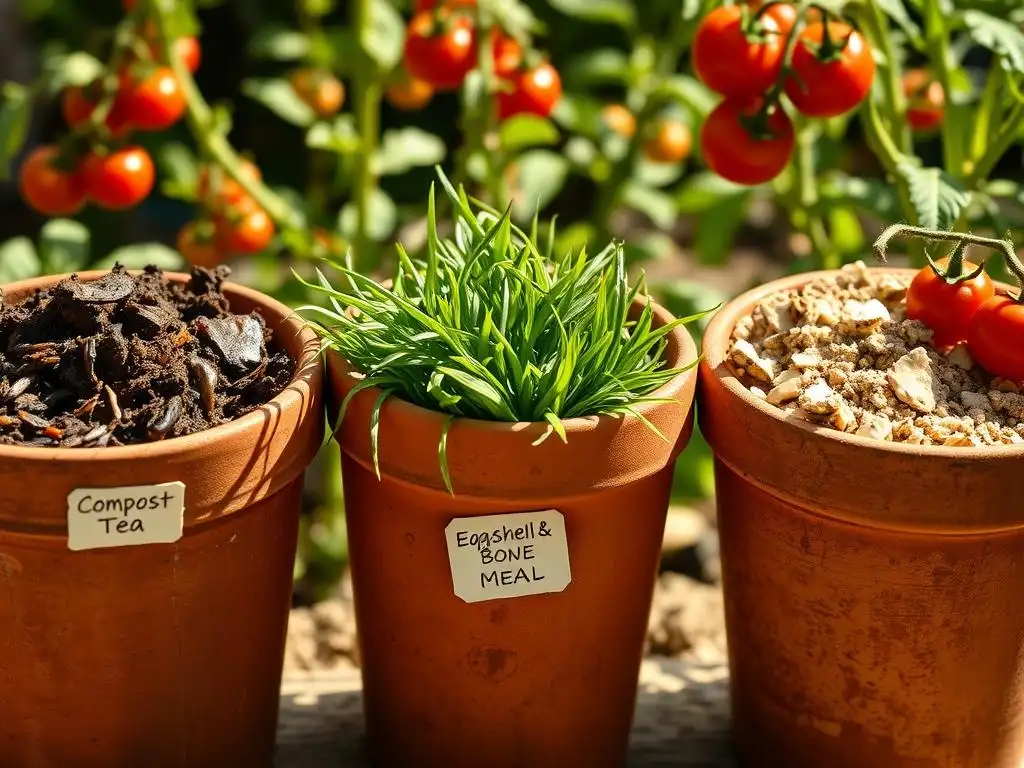
This section explores several organic tomato fertilizer recipes, offering DIY solutions to nurture your tomato plants naturally and sustainably. These recipes avoid harmful chemicals, promoting healthy growth and delicious, organic tomatoes. Remember that consistent application, according to the specific recipe instructions, is key to optimal results. Always monitor your plants' growth and adjust fertilization as needed. Over-fertilizing can be just as detrimental as under-fertilizing.
Composting for Tomatoes: A Rich Source of Organic Nutrients
Composting is a cornerstone of organic gardening, providing a wealth of nutrients for your tomato plants. Compost improves soil structure, aeration, and water retention – all crucial factors for healthy tomato growth. There are two primary ways to utilize compost for your tomatoes: creating a compost tea, and using finished compost as a soil amendment.
Creating a Compost Tea for Tomato Plants
Compost tea is a liquid fertilizer brewed from compost. It's rich in beneficial microbes that improve soil health and enhance nutrient uptake by your tomato plants. To make compost tea, you'll need:
- 1 cup of finished compost
- 1 gallon of water
- An aeration device (optional, but recommended)
Instructions:
- Place the compost in a breathable container (a burlap sack works well).
- Submerge the container in the water.
- If using an aeration device, aerate the mixture for 24-48 hours. This ensures sufficient oxygen for microbial activity. If not using aeration, steep for 24 hours, stirring occasionally.
- Remove the compost. The resulting liquid is your compost tea.
- Dilute the tea with water at a ratio of 1:10 before applying to your tomato plants. Apply directly to the soil, avoiding contact with the plant's foliage.
Utilizing Finished Compost as a Soil Amendment for Tomatoes
Finished compost, dark and crumbly, can be directly incorporated into your soil before planting or as a top dressing throughout the growing season. This improves soil structure, providing essential nutrients and enhancing drainage. Aim for a layer of 2-3 inches of compost around your tomato plants, taking care not to bury the stems. This slow-release fertilizer provides a consistent supply of nutrients throughout the growing season. Regularly monitor the soil moisture levels, as compost improves water retention.
Homemade Liquid Fertilizers for Tomatoes
Beyond composting, several other household materials can be transformed into effective liquid fertilizers for your tomatoes. These offer readily available nutrient sources, promoting vigorous growth and abundant yields.
Effective Fermented Banana Peel Fertilizer for Tomatoes
Banana peels are a surprisingly rich source of potassium, an essential nutrient for tomato fruit development. Fermenting them creates a nutrient-rich liquid fertilizer.
Instructions:
- Collect banana peels and place them in a jar.
- Cover the peels with water, ensuring they are fully submerged.
- Allow the mixture to ferment for 2-3 weeks, stirring occasionally. You'll know it's ready when it has a slightly sour smell.
- Dilute the fermented liquid at a ratio of 1:10 with water before applying to your tomato plants. Apply directly to the soil, avoiding the foliage.
Remember to always monitor your plants for any signs of over-fertilization, such as leaf burn or excessive growth. Adjust the application frequency and dilution accordingly.
Nutrient-Rich Nettle Tea Fertilizer for Tomatoes
Nettle tea is another excellent homemade organic fertilizer, packed with nitrogen, iron, and other essential micronutrients. This natural fertilizer boosts plant vigor and enhances overall health.
Instructions:
- Collect fresh nettle leaves, avoiding contact with the stinging hairs (wear gloves! ).
- Fill a container with the nettle leaves, ensuring they are loosely packed.
- Cover the leaves with water and let them steep for 2-3 weeks, stirring occasionally.
- Strain the liquid to remove the nettle leaves.
- Dilute the nettle tea at a ratio of 1:20 with water before applying to your tomato plants. Apply directly to the soil, avoiding the foliage. The strong concentration of nettle tea can potentially harm your plants if not properly diluted.
This comprehensive guide provides various organic tomato fertilizer recipes, empowering you to cultivate healthy, thriving tomato plants using sustainable practices. Remember that consistent observation and adjustment are key to achieving optimal results with any organic fertilizer. Happy gardening! 🍅
Using Eggshells as a Natural Calcium Supplement for Tomatoes
Eggshells are a fantastic source of calcium, a crucial nutrient for strong tomato plant growth and fruit development. Calcium deficiency in tomatoes can lead to blossom-end rot, a condition where the bottom of the fruit develops a leathery, dark brown spot, rendering it inedible. Providing your tomato plants with a supplemental calcium source, like eggshells, can significantly reduce the risk of this common problem.
To utilize eggshells effectively, you'll need to prepare them correctly. First, thoroughly wash the eggshells to remove any residual egg residue. Then, let them dry completely before crushing them. You can crush them by hand or use a blender or food processor for a finer consistency. Avoid using extremely fine powder, as this can sometimes clog watering systems. A slightly coarse texture works best.
There are several ways to incorporate crushed eggshells into your tomato plant care routine. One method is to simply sprinkle the crushed shells around the base of your tomato plants, working them gently into the top layer of soil. This provides a slow-release source of calcium as the shells decompose.
Another option is to create a liquid fertilizer by soaking the crushed eggshells in water for a few days. This creates a calcium-rich solution that you can then dilute and apply directly to the soil or as a foliar spray (making sure to avoid spraying during the hottest part of the day to prevent leaf burn). Remember to strain the liquid before application to remove any larger shell fragments.
It's important to note that eggshells alone won't provide all the nutrients your tomatoes need. They are best used as a supplemental calcium source in conjunction with a balanced organic fertilizer regime. Overusing eggshells can also potentially alter the soil pH, so it's crucial to monitor your soil's pH levels and adjust accordingly. Regular soil testing is recommended to ensure you're maintaining a healthy growing environment for your tomatoes.
Consider using a soil pH testing kit to monitor the soil's acidity or alkalinity levels. A balanced approach, combining eggshells with other organic matter, is key to achieving optimal results. This ensures your plants receive a comprehensive array of nutrients for robust growth and plentiful yields of delicious, healthy tomatoes. Remember, consistent monitoring and adjustments are vital for successful organic gardening.
Sourcing Organic Materials for Tomato Fertilization
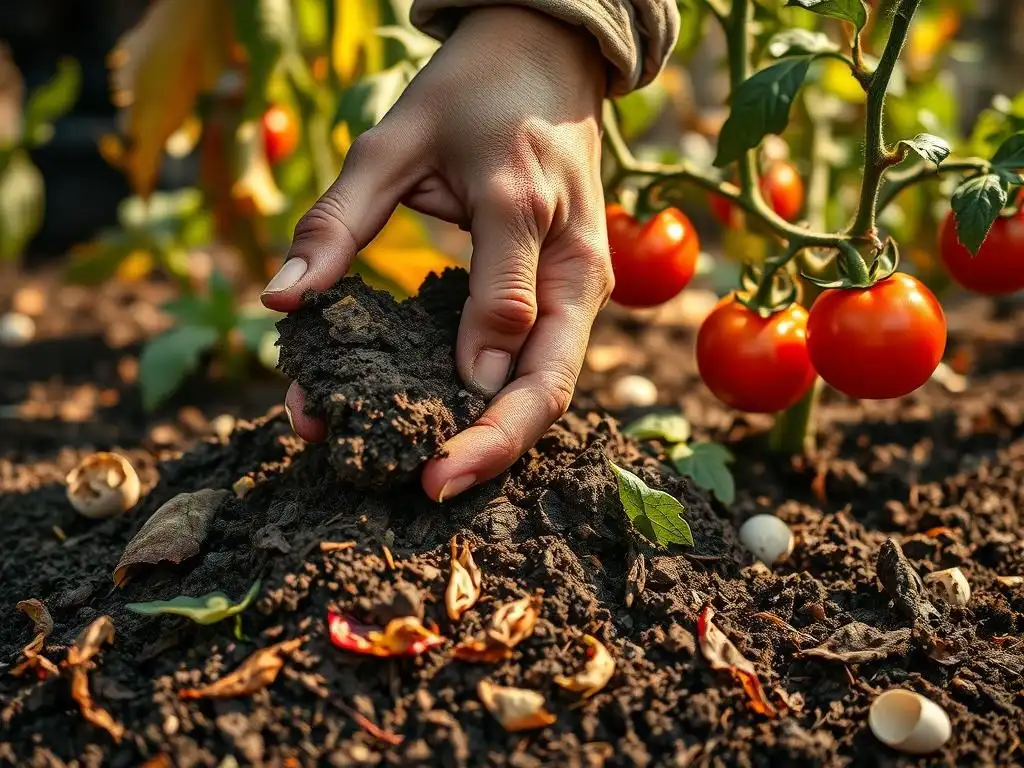
This section delves into the crucial first step in creating effective organic tomato fertilizer recipes: sourcing high-quality, readily available organic materials. Remember, the success of your organic fertilization strategy hinges on the quality of the ingredients. Using substandard or contaminated materials can harm your plants, negating the benefits of organic gardening. Therefore, careful sourcing is paramount. We'll explore several avenues for acquiring the essential components.
Finding Quality Compost and Organic Matter
Compost forms the backbone of many successful organic tomato fertilizer recipes. It provides a balanced mix of nutrients and improves soil structure, crucial for optimal tomato growth. However, not all compost is created equal. Avoid using compost from unknown sources, as it might contain harmful contaminants or weed seeds. Ideally, you should aim for a dark, crumbly compost with a pleasant earthy smell – a sign of proper decomposition.
Several options exist for obtaining high-quality compost:
- Homemade Compost: The most rewarding (and often most cost-effective) method involves creating your own compost bin. This allows complete control over the ingredients, ensuring they are free of pesticides and herbicides. You can easily incorporate kitchen scraps, yard waste, and brown materials (like dried leaves) to produce rich, nutrient-dense compost.
- Local Compost Suppliers: Many nurseries and garden centers sell high-quality compost made from locally sourced organic materials. Inquire about their composting methods to ensure they align with sustainable practices. Look for compost specifically labeled as "organic" or "certified organic."
- Community Gardens: Many community gardens have established composting programs and may offer their compost to members or the public. This is a great way to support local initiatives and acquire high-quality compost.
Remember to test your soil's pH before applying compost. Adjusting the pH to a slightly acidic range (6.0-6.8) is beneficial for most tomato varieties. You can use a soil testing kit readily available from most garden supply stores.
Utilizing Kitchen Scraps for Tomato Fertilization
Kitchen scraps represent a readily available and sustainable source of organic matter for your tomato plants. By repurposing food waste, you reduce landfill waste and enrich your garden soil simultaneously. However, it's crucial to select the right materials and avoid those that might attract pests or introduce diseases.
Here's a guide to selecting suitable kitchen scraps for your tomato fertilizer:
- Suitable Scraps: Fruit and vegetable peels (avoid citrus peels due to their acidity), coffee grounds (add slowly as they can be acidic), eggshells (crushed for calcium), and tea bags (remove staples).
- Unsuitable Scraps: Meat, dairy products, oily foods, and diseased plants should be avoided as they can attract pests and create unpleasant odors.
- Preparation: Chop or crush larger scraps to accelerate decomposition. Mix them with other organic materials like brown leaves or shredded paper to balance the carbon-to-nitrogen ratio. You can either add these directly to your compost pile or create a liquid fertilizer, as described in the next section. This involves soaking the scraps in water for several days, then diluting the resulting liquid before applying it to your plants.
Worm Castings: A Superfood for Your Tomato Plants
Worm castings, the excrement of earthworms, are widely regarded as a "superfood" for plants. They are rich in essential nutrients, beneficial microbes, and growth hormones. Worm castings improve soil aeration, water retention, and nutrient uptake, all of which contribute to healthier, more productive tomato plants. Adding worm castings to your organic tomato fertilizer recipes can significantly enhance their effectiveness.
Several ways to incorporate worm castings into your fertilization regimen:
- Direct Application: Mix worm castings directly into the soil before planting or as a top dressing around the base of your tomato plants. A rate of 1-2 cups per plant is generally sufficient.
- Tea Brewing: Create a worm casting tea by steeping worm castings in water for a few days. Dilute the resulting liquid before applying it to your plants as a foliar spray or soil drench. This method delivers nutrients directly to the plant's leaves and roots.
- Compost Enhancement: Incorporate worm castings into your homemade compost to enhance its nutrient content and overall quality. This method provides a slow-release fertilizer that feeds your plants over an extended period.
The use of worm castings, alongside other organic materials, contributes to a robust and effective organic tomato fertilizer recipe, promoting healthy growth and abundant yields. Remember consistent monitoring and adjustments based on plant health are crucial for optimal results.
Applying Natural Fertilizers to Your Tomato Plants
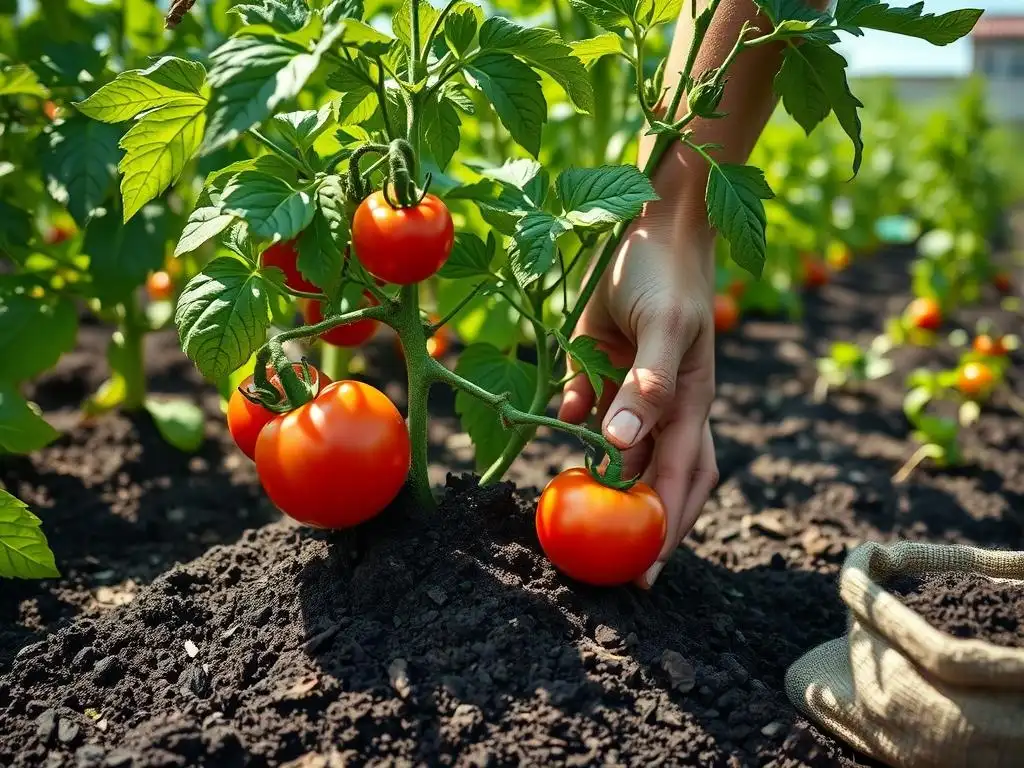
This section details the best practices for applying your homemade organic tomato fertilizer recipes, ensuring your plants receive optimal nutrition without harming them. Remember, even organic fertilizers can cause problems if misapplied. The key is balance and observation.
Best Practices for Applying Organic Fertilizers
Applying organic fertilizers effectively involves more than just dumping them around the base of your plants. Proper application maximizes nutrient uptake and minimizes waste. Here's a breakdown of best practices:
- Watering in: Always water your plants thoroughly before and after applying any fertilizer. This helps dissolve the nutrients and prevents burning the roots. Think of it as pre-watering to prepare the soil and post-watering to move the nutrients deep into the root zone.
- Method of application: For liquid fertilizers, use a watering can with a rose head to distribute the solution evenly around the base of the plants, avoiding direct contact with the stems and leaves. For solid fertilizers like compost tea or aged manure, gently work them into the top few inches of soil around your tomato plants, but not directly against the stem.
- Avoid contact with foliage: Direct contact with leaves can lead to fungal diseases. Always apply fertilizers to the soil, ensuring they're well-watered in.
- Soil type considerations: Sandy soils drain quickly, requiring more frequent, smaller applications of fertilizer. Clay soils retain moisture and nutrients longer, allowing for less frequent applications. Observe your soil and adjust accordingly. A soil test can help you determine your soil's composition and nutrient levels.
- Mulching: Applying a layer of mulch (such as straw or shredded leaves) around your tomato plants after fertilization helps retain moisture, suppress weeds, and regulate soil temperature. This creates a more consistent environment for nutrient uptake.
Timing and Frequency of Fertilizer Application
The timing and frequency of fertilizer application depend on several factors, including the type of fertilizer used, the growth stage of your tomato plants, and the soil conditions.
- Seedlings/Young Plants: During the seedling stage, your plants need a balanced nutrient profile to promote strong root development. Opt for a fertilizer with a higher nitrogen content, such as diluted compost tea, to encourage leafy growth. Apply every 2-3 weeks.
- Flowering and Fruiting Stages: As your tomato plants begin to flower and produce fruit, their nutrient needs shift. They require more phosphorus and potassium for flower and fruit development. Continue using your chosen organic fertilizer, but perhaps consider a fertilizer blend with a higher phosphorus and potassium ratio during these stages. Apply every 1-2 weeks.
- Mature Plants: Once your plants are mature and producing a significant amount of fruit, reduce the frequency of fertilization to avoid over-fertilization. You may only need to fertilize once a month or even less frequently, depending on your soil's fertility and your plants' health.
- Observational Approach: Pay close attention to your plants. Yellowing leaves can indicate nutrient deficiencies, while overly lush growth might suggest an excess of nitrogen. Adjust your fertilization schedule accordingly. Healthy, vibrant green foliage is a good indicator of proper nutrient levels. This is crucial for successfully using organic tomato fertilizer recipes.
Avoiding Over-Fertilization of Tomato Plants
Over-fertilizing, even with organic materials, can be detrimental to your tomato plants. Excessive nutrients can lead to:
- Excessive vegetative growth: Your plants might produce lots of leaves but fewer flowers and fruits. This is often a sign of too much nitrogen.
- Root burn: High salt concentrations from fertilizers can damage the roots, hindering nutrient uptake and overall plant health. Always dilute liquid fertilizers according to instructions and avoid applying too much solid fertilizer at once.
- Fruit splitting: Rapid growth from over-fertilization can cause the fruit to split.
- Increased susceptibility to pests and diseases: Plants that are overly vigorous due to excessive fertilization are sometimes more vulnerable to pests and diseases.
To prevent over-fertilization, always follow the instructions on your chosen organic fertilizer, and prioritize observation. Healthy, balanced growth is the ultimate goal. Remember that healthy soil is the foundation for healthy plants – using organic tomato fertilizer recipes is a key part of that foundation.
Comparing Organic and Chemical Fertilizers for Tomatoes
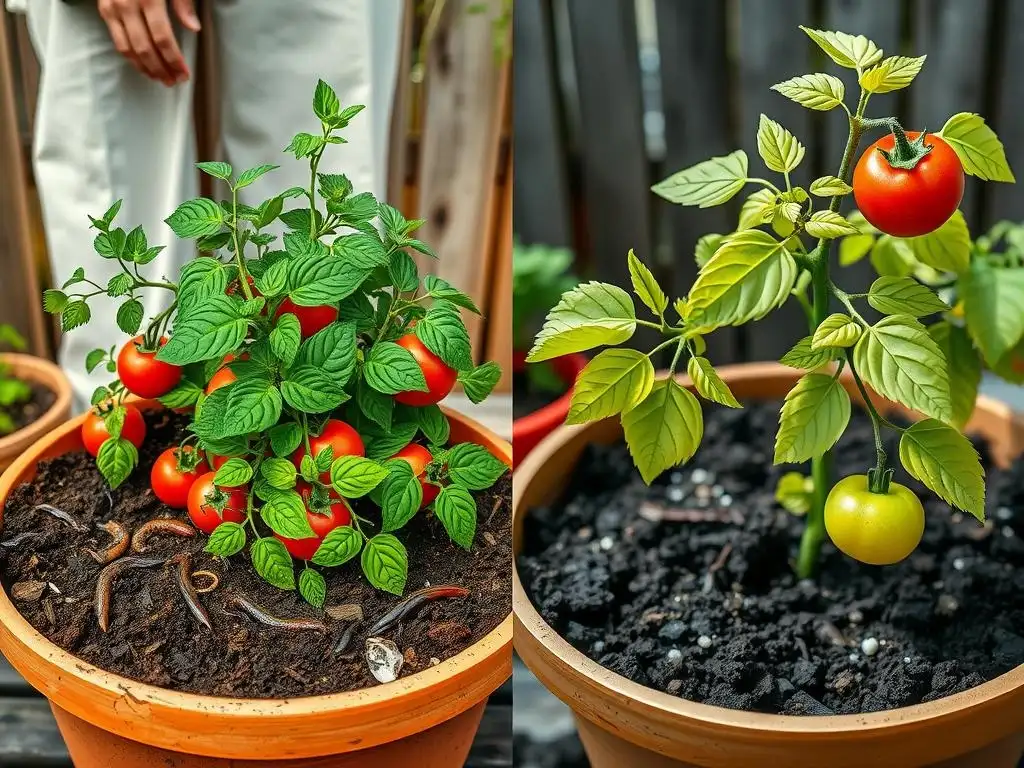
Choosing the right fertilizer is crucial for a bountiful tomato harvest. While chemical fertilizers offer a quick boost of nutrients, organic options provide long-term benefits for your plants and the environment. Let's delve into a comparison:
The Benefits of Organic Tomato Fertilization
Organic tomato fertilization offers a multitude of advantages over its chemical counterpart. Firstly, it promotes healthier, more robust plants. Organic fertilizers, such as compost tea or worm castings, release nutrients gradually, allowing the tomato plants to absorb them at their own pace. This slow-release mechanism prevents nutrient burn, a common problem with chemical fertilizers that can damage delicate roots.
Secondly, organic fertilizers improve soil structure. They enhance soil aeration, drainage, and water retention, creating a more hospitable environment for root growth. This translates to healthier plants that are more resistant to diseases and pests. Finally, organic methods contribute to a richer flavor profile in your tomatoes.
Many gardeners report that tomatoes grown with organic fertilizers have a more intense, complex flavor compared to those grown with chemical fertilizers. The difference is subtle but noticeable to discerning palates. Consider this anecdote: a seasoned gardener using composted manure noticed a significant increase in the sweetness and overall flavor of his Roma tomatoes compared to previous years when he used a chemical fertilizer.
Environmental Impact of Chemical vs. Organic Fertilizers
The environmental impact of fertilizer choice is a significant factor for environmentally conscious gardeners. Chemical fertilizers, while effective in providing a rapid nutrient boost, can have several negative consequences. Runoff from chemical fertilizers can contaminate waterways, leading to algal blooms and harming aquatic life. These fertilizers also contribute to greenhouse gas emissions during their production and transportation. In contrast, organic fertilizers are significantly more sustainable.
They reduce reliance on fossil fuels, minimize water pollution, and promote biodiversity in the soil. Composting, for example, reduces landfill waste and creates a valuable soil amendment. Choosing organic fertilizers is a proactive step towards minimizing your environmental footprint and contributing to a healthier ecosystem. A study by [Specific Study Name Pending] showed a significant reduction in nitrate leaching in soil treated with compost compared to chemically fertilized soil. This highlights the environmental benefits of organic approaches.
Long-Term Soil Health and Organic Gardening
The long-term effects of fertilizer choice are paramount in sustainable gardening practices. Chemical fertilizers, while providing immediate results, can deplete soil nutrients over time, leading to soil degradation and a dependence on ever-increasing amounts of fertilizer. This creates a vicious cycle that harms soil health and reduces the long-term viability of the garden. Organic fertilizers, on the other hand, build soil health gradually.
They improve soil structure, increase microbial activity, and enhance nutrient retention. This leads to healthier, more fertile soil that requires less fertilizer over time. The result is a self-sustaining ecosystem where your plants thrive year after year, reducing your input and maximizing your yield.
Think of it as an investment: the initial effort in creating healthy soil with organic methods pays dividends in the long run, leading to less work and more rewarding harvests. This approach aligns perfectly with the principles of organic tomato fertilizer recipes, focusing on building soil fertility rather than simply supplementing nutrients. The long-term benefits for your garden and the environment are undeniable.
Troubleshooting Common Tomato Nutrient Issues
Growing healthy, vibrant tomatoes relies heavily on proper fertilization. While organic tomato fertilizer recipes offer a sustainable approach, understanding how to diagnose and address nutrient deficiencies is crucial for a bountiful harvest. This section explores common tomato problems linked to nutrient imbalances and provides solutions using organic methods. We'll focus on effective strategies for addressing these issues, helping you nurture your plants towards optimal growth and fruiting.
Yellowing Leaves and Nutrient Deficiencies
Yellowing leaves on your tomato plants can signal various nutrient deficiencies. The location and pattern of yellowing often provide clues. For example, overall yellowing, often starting with older leaves, might indicate a nitrogen (N) deficiency. However, yellowing between leaf veins, while the veins remain green, frequently suggests a lack of iron (Fe) or manganese (Mn). These micronutrients are essential for chlorophyll production, and a deficiency directly impacts photosynthesis.
Identifying the Culprit:
To accurately diagnose the problem, consider the following:
- Severity: Is the yellowing affecting a few leaves, or is it widespread?
- Leaf Age: Are older, lower leaves affected first, or are younger, upper leaves showing symptoms?
- Vein Color: Are the leaf veins green or yellow?
- Soil Conditions: Is your soil well-drained and appropriately pH balanced? (Optimal pH for tomatoes is generally between 6.0 and 6.8).
Organic Solutions:
- Nitrogen Deficiency: Use a compost tea enriched with nitrogen-rich materials like alfalfa meal or seaweed. You can also side-dress your plants with well-rotted manure. Avoid over-fertilizing, as excessive nitrogen can lead to lush foliage but reduced fruit production.
- Iron or Manganese Deficiency: These micronutrients can be less available in alkaline soils. Applying an organic chelated iron supplement, available at most garden centers, can help improve uptake. Ensuring proper soil pH is also crucial. Adding organic matter like compost helps improve soil structure and nutrient availability.
Blossom-End Rot and Calcium Deficiency
Blossom-end rot, characterized by a dark, leathery spot at the blossom end of the tomato fruit, is a common problem often associated with calcium (Ca) deficiency. While calcium is abundant in most soils, its availability to plants can be hindered by inconsistent watering practices. Fluctuations in soil moisture stress the plant, reducing its ability to absorb calcium.
Preventing Blossom-End Rot:
- Consistent Watering: Maintain consistent soil moisture. Avoid letting the soil dry out completely between waterings, then overwatering. Deep, infrequent watering encourages deeper root growth, improving calcium uptake.
- Soil pH: Ensure your soil pH is within the optimal range (6.0-6.8). Extreme pH levels can affect calcium availability.
- Mulching: Applying a thick layer of organic mulch helps regulate soil moisture and temperature, reducing stress on the plants.
- Calcium Supplements: In severe cases, you can apply a calcium-based organic fertilizer, but consistent watering is often the most effective solution.
Data Point: Studies have shown that a consistent soil moisture level is significantly more effective in preventing blossom-end rot than calcium supplements alone. 1
Stunted Growth and Nitrogen Deficiency
Stunted growth in tomato plants often points to a nitrogen deficiency. Nitrogen is a vital component of chlorophyll, the pigment responsible for photosynthesis. A nitrogen deficiency limits the plant's ability to produce energy, resulting in smaller, weaker plants with pale green or yellow leaves. The lower leaves are usually affected first.
Addressing Nitrogen Deficiency:
- Compost Tea: Regular applications of compost tea, rich in readily available nitrogen, can significantly improve plant vigor.
- Cover Crops: Planting nitrogen-fixing cover crops, such as legumes, in the off-season can enrich the soil with nitrogen naturally.
- Organic Nitrogen Sources: Consider incorporating nitrogen-rich organic amendments like alfalfa meal, blood meal, or cottonseed meal into your soil before planting. These release nitrogen gradually, providing a sustained supply.
Optimizing Nitrogen Uptake: Healthy soil microbes play a crucial role in nitrogen availability. Maintaining a diverse and thriving soil ecosystem through the addition of compost and avoidance of harsh chemicals improves nitrogen uptake and overall plant health. Remember that organic methods require patience; results may not be immediate but will contribute to long-term soil health and sustainable tomato production.
1 [Specific study details pending]
Frequently Asked Questions
What are the benefits of using organic fertilizers for tomatoes?
Organic fertilizers improve soil health, leading to stronger, healthier plants and tastier tomatoes. They also avoid the harmful effects of chemical fertilizers on the environment and your health.
What are some common ingredients in organic tomato fertilizer recipes?
Many recipes utilize readily available materials such as compost, worm castings, banana peels, eggshells, and seaweed. These provide essential nutrients for optimal tomato growth.
How often should I fertilize my tomato plants with organic fertilizer?
The frequency depends on the type of fertilizer and your soil's condition. Generally, a monthly application of a diluted liquid fertilizer or a slow-release granular fertilizer every few months is sufficient. Always follow the specific instructions on your chosen recipe.
Can I make my own organic tomato fertilizer?
Absolutely! Many simple and effective recipes exist, utilizing kitchen scraps and readily available materials. Check out the various recipes on CultivateYourFood for easy-to-follow instructions and tips.
What are the signs of nutrient deficiency in tomato plants, indicating a need for fertilizer?
Look for yellowing leaves, stunted growth, or poor fruit production. These could indicate a lack of essential nutrients and may require fertilization. Always consider soil testing for a precise diagnosis.
Final Reflection: Nurturing Growth, Naturally
The resurgence of interest in organic gardening reflects a growing awareness of the interconnectedness between our food, our environment, and our health. Choosing natural fertilizers isn't just a trend; it's a conscious decision to cultivate a healthier planet and a more nutritious table. The recipes explored in this article offer a practical pathway towards this goal, empowering individuals to take control of their food production and contribute to a more sustainable future.
The shift towards organic practices is more than just a change in gardening techniques; it's a reflection of a deeper societal shift towards mindful consumption and environmental stewardship. We do not inherit the earth from our ancestors, we borrow it from our children.
This quote encapsulates the responsibility we have to nurture the land and leave it better than we found it. By embracing organic methods like those detailed here, we actively participate in this crucial responsibility, ensuring the health of our soil, our plants, and ultimately, ourselves.
You now possess the knowledge to create your own organic tomato fertilizer, fostering vibrant growth and delicious harvests. Consider the impact of your choices – not just on your tomatoes, but on the wider ecosystem. Will you commit to nurturing your plants, and by extension, the planet, with natural methods? This isn't just about better tomatoes; it's about building a healthier, more sustainable world, one plant at a time.
Unleash Your Tomato's Potential: Grow Bigger, Healthier Fruits!
Thank you for learning about nurturing your tomatoes with natural fertilizers! You've discovered the key to healthier, more vibrant plants. Ready to put your knowledge into practice?
- Start your own compost bin: This is fundamental to organic gardening, allowing you to recycle kitchen scraps and yard waste into nutrient-rich fertilizer for your tomatoes.
- Experiment with various organic materials: Adding materials like banana peels, eggshells, or coffee grounds to your soil can significantly benefit your plants. Observe which combinations yield the best results.
- Share your tomato-growing journey! Tell us about your experience using natural fertilizers on our CultivateYourFood community forum – we'd love to hear your tips and tricks.
What natural fertilizer will you try first to boost your tomato harvest this year?