
How to Protect Blueberries from Frost Damage: Early Spring Precautions

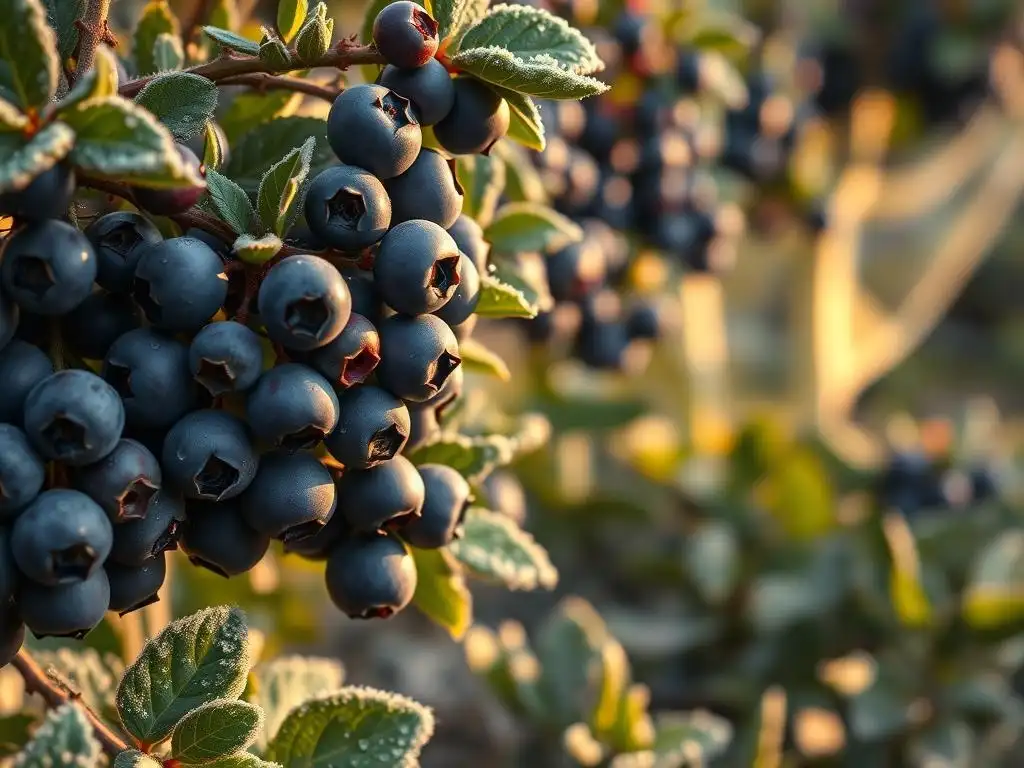
Ready to unlock the secrets of a bountiful harvest, right in your own backyard? CultivateYourFood is your guide to sustainable and organic gardening, empowering you to grow vibrant fruits, vegetables, and herbs. But with the unpredictable nature of early spring, protecting your precious plants is crucial. Learn how to effectively Protect blueberries early spring frost and avoid devastating losses – discover the essential techniques and strategies that will ensure a successful blueberry season. Let's get growing!
- Understanding the Threat of Early Spring Frost to Blueberries
- Protecting Your Blueberry Plants from Frost Damage
- Post-Frost Care for Your Blueberries
- Preventing Future Frost Damage to Blueberries
-
Frequently Asked Questions
- What is the biggest threat to blueberries in early spring?
- How can I tell if my blueberries are at risk of frost damage?
- What are some effective methods to protect blueberries from frost?
- When should I start protecting my blueberries from frost?
- What should I do if my blueberries have already suffered frost damage?
- Final Reflection: Safeguarding the Sweetness of Spring
- Safeguard Your Blueberry Harvest: Take Action Now!
Understanding the Threat of Early Spring Frost to Blueberries
Early spring brings the promise of bountiful harvests, but for blueberry growers, it also presents a significant challenge: frost damage. The delicate blueberry buds, bursting forth with the promise of juicy berries, are incredibly vulnerable to even a light frost. Protecting your blueberry plants from these unexpected temperature drops is crucial for a successful harvest. This article will guide you through effective strategies to safeguard your blueberry crop from the damaging effects of early spring frosts, ensuring a healthy and productive season.
We'll cover identifying the risk period for your specific region, monitoring weather forecasts, and implementing preventative measures to protect your precious blueberry plants. Learning these techniques will significantly increase your chances of enjoying a plentiful harvest of delicious, homegrown blueberries. This is particularly important for organic and sustainable blueberry cultivation, where the use of chemical frost protection methods may not be desirable.
The Vulnerability of Blueberry Buds to Late Frosts
Blueberry buds are particularly susceptible to frost damage during their blossoming period. These buds, which develop throughout the late winter and early spring, are extremely sensitive to temperatures below freezing (0°C or 32°F). Even a brief exposure to these low temperatures can cause irreparable harm, leading to:
- Flower damage: Frost can destroy the delicate flowers, preventing fruit set and resulting in a significantly reduced yield.
- Berry damage: If the frost occurs after the flowers have set fruit, the developing berries can be damaged, resulting in smaller, misshapen, or unmarketable berries.
- Reduced plant vigor: Severe frost damage can weaken the entire plant, making it more susceptible to diseases and pests, and potentially impacting future harvests. The plant will expend energy recovering from the frost, diverting resources from fruiting.
The extent of the damage depends on several factors, including the intensity and duration of the frost, the stage of bud development, and the hardiness of the specific blueberry cultivar. Some varieties are naturally more resistant to frost than others, but even the hardiest varieties can suffer damage under severe conditions. Therefore, proactive measures are essential to minimize the risk of frost damage.
Identifying the Risk Period for Your Region
Knowing when your region is most at risk of late spring frosts is the first step in protecting your blueberries. This varies significantly depending on your geographical location, altitude, and microclimate. Factors like proximity to bodies of water, topography, and local weather patterns all play a role.
While general frost dates are available from agricultural extension offices or online weather resources, it's crucial to understand that these are averages and might not reflect the specific conditions in your yard. For example, a low-lying area in your garden might experience frost even when higher areas are unaffected.
To accurately determine your region's risk period:
- Consult local weather records: Examine past weather data to identify the typical dates of the last frost in spring.
- Observe your own microclimate: Note any areas in your garden that are prone to frost pockets (colder areas).
- Talk to experienced local gardeners: They can offer valuable insights based on their own observations and experiences.
Monitoring Weather Forecasts for Frost Warnings
Once you've identified your region's typical frost risk period, diligent monitoring of weather forecasts becomes crucial. Pay close attention to:
- Temperature predictions: Look for forecasts that predict temperatures dropping below freezing (0°C or 32°F).
- Frost warnings: Be alert to official frost warnings issued by meteorological services. These warnings often provide specific timing and severity information.
- Wind chill: Remember that wind chill can further lower the perceived temperature, increasing the risk of frost damage.
Using a combination of long-term historical data and short-term weather forecasts allows you to anticipate and prepare for potential frost events effectively. This preparedness is key to minimizing the impact of frost on your blueberry crop. Staying informed and acting proactively will significantly enhance your chances of a successful blueberry harvest.
Protecting Your Blueberry Plants from Frost Damage
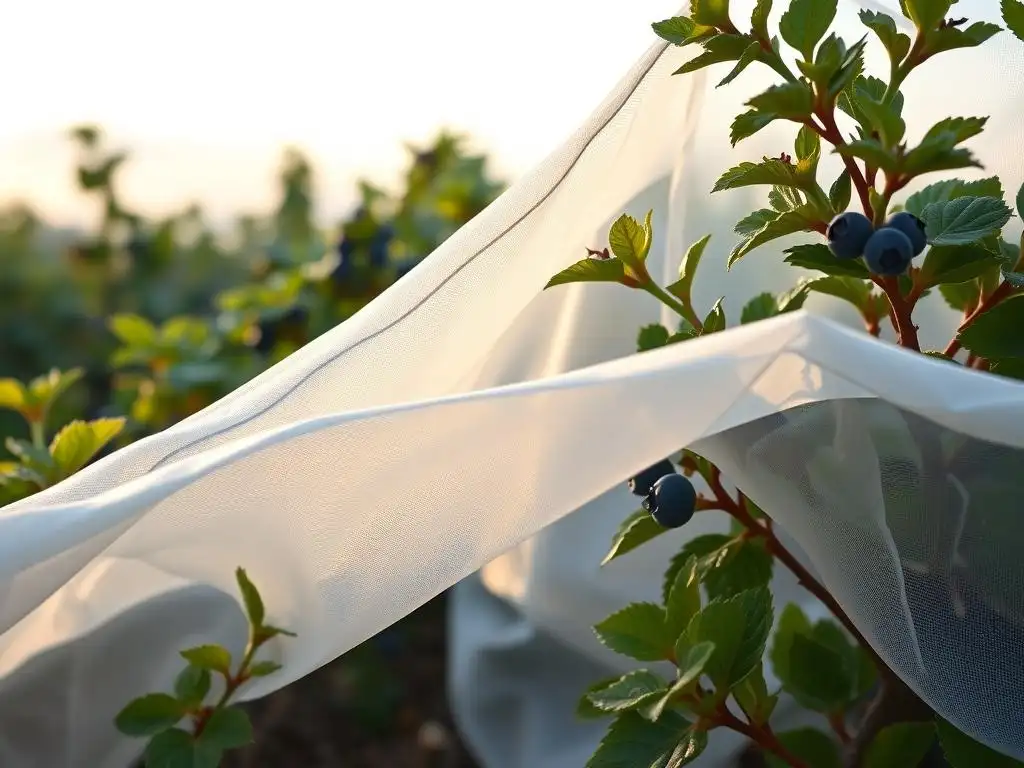
Protecting your blueberry harvest from the devastating effects of early spring frost is crucial for a successful growing season. Late frosts, often occurring in April or even May depending on your location, can inflict significant damage on blueberry buds and blossoms, leading to reduced yields or even complete crop failure. This section details effective strategies to safeguard your blueberry plants from these unexpected temperature drops, focusing on practical methods and considerations for optimal protection. Remember, proactive measures are key to protecting blueberries during early spring frost.
Using Row Covers for Frost Protection: A Comprehensive Guide
Row covers offer a versatile and effective method for protecting blueberries from frost. These lightweight, permeable fabrics create a microclimate around your plants, trapping heat and moderating temperature fluctuations. However, selecting the right material and implementing proper installation techniques are essential for maximizing their effectiveness.
Choosing the Right Row Cover Material
The ideal row cover material offers a balance of frost protection, breathability, and durability. Consider the following factors:
- Weight: Lighter weight covers (17-30 gsm) are suitable for milder frosts and provide better air circulation. Heavier covers (30-50 gsm) offer superior protection during more severe temperature drops, but can reduce light penetration and airflow.
- Material: Floating row cover materials, often made from spun-bonded polypropylene, are popular due to their lightweight nature and good light transmission. Other options include woven fabrics, but these tend to be less breathable.
- UV Resistance: Opt for UV-resistant materials to prevent degradation from prolonged sun exposure. This extends the lifespan of your row cover and ensures continued effectiveness.
Selecting the appropriate row cover material is crucial for achieving optimal frost protection while maintaining plant health. The weight and material of the chosen cover should match the severity of the expected frost and the specific needs of your blueberry plants.
Properly Installing and Securing Row Covers
Improper installation can significantly reduce the effectiveness of row covers. Ensure the following:
- Complete Coverage: The row cover should completely enclose the blueberry bushes, extending beyond the drip line to provide ample protection.
- Secure Anchoring: Use landscape staples, rocks, or other weights to secure the edges of the row cover, preventing it from being lifted by wind. Ensure the cover is taut to avoid pooling and uneven temperature distribution.
- Avoid Direct Contact: Leave some space between the cover and the blueberry plants to allow for air circulation and prevent moisture buildup, which can lead to fungal diseases.
Correct installation is pivotal for effective frost protection. Failure to adequately secure the row cover can render it useless during a strong wind, defeating the purpose of the protection.
Ventilation and Moisture Management Under Row Covers
While row covers provide excellent frost protection, they can also trap moisture and reduce airflow. This can lead to increased humidity and the development of fungal diseases. To mitigate these risks:
- Ventilation: On warmer days, consider partially lifting or removing the row cover to allow for ventilation. This helps to regulate humidity and prevent moisture buildup.
- Monitoring: Regularly inspect the plants under the row cover for signs of disease or excessive moisture. Take prompt action if necessary, such as adjusting the cover or improving air circulation.
Careful monitoring and ventilation are crucial aspects of using row covers effectively. Striking a balance between frost protection and maintaining a healthy environment for your blueberry plants is key to success.
Utilizing Frost Blankets for Effective Protection
Frost blankets provide another effective method for protecting your blueberries from frost damage. These specialized blankets are designed to trap heat and reflect radiant energy, creating a warmer microclimate around your plants.
Selecting Appropriate Frost Blankets
When choosing frost blankets, consider:
- Material: Look for blankets made from lightweight, breathable materials that offer good insulation. Materials like spun-bonded polypropylene are commonly used.
- Size: Ensure the blanket is large enough to completely cover your blueberry bushes, extending beyond the drip line.
- Weight: The weight of the blanket will influence its effectiveness; heavier blankets offer better insulation but can be more difficult to handle.
Choosing the right frost blanket ensures optimal protection without compromising plant health. The material and size should be appropriate for the size of your blueberry bushes and the expected severity of the frost.
Applying Frost Blankets to Blueberry Bushes
Proper application of frost blankets is crucial for maximizing their effectiveness:
- Drape Carefully: Gently drape the blanket over the blueberry bushes, ensuring complete coverage.
- Secure Edges: Use pins, clips, or weights to secure the edges of the blanket, preventing it from being blown away by wind.
- Avoid Overheating: Avoid completely sealing the blanket; leave some space for air circulation to prevent overheating.
Proper application ensures the blanket effectively traps heat and protects the plants from frost damage. Securing the blanket is essential, particularly in windy conditions.
Removing Frost Blankets After the Frost Threat Passes
Once the threat of frost has passed, promptly remove the frost blankets to prevent overheating and moisture buildup. This will help maintain optimal plant health and prevent the development of fungal diseases. Regular monitoring of weather forecasts is essential to determine the appropriate time to remove the blankets. Leaving them on for extended periods can be detrimental to the health of your blueberry plants.
Watering Your Blueberries Before an Expected Frost
Water helps moderate temperature fluctuations in the soil and plant tissue. Before a predicted frost, thoroughly watering your blueberry bushes can significantly improve their chances of survival. The water acts as a buffer, absorbing some of the cold energy and slowing down the freezing process. This is particularly important for young, newly planted bushes, which have less established root systems and are therefore more vulnerable.
The amount of water needed will depend on the size of your plants and the soil type. Clay soils retain moisture longer than sandy soils, so adjust your watering accordingly. A deep watering the day before the expected frost is generally recommended, allowing the moisture to penetrate the root zone. Remember, it's better to slightly overwater than underwater in this situation, as the goal is to maximize the soil's water content before the temperature drops.
The Role of Soil Moisture in Frost Protection
Soil moisture plays a crucial role in protecting plants from frost damage. Water has a high specific heat capacity, meaning it takes a considerable amount of energy to change its temperature. As the air temperature drops, the water in the soil releases heat, slowing down the rate at which the plant's tissues freeze. This slow freezing process allows the plant to better tolerate the cold temperatures.
Dry soil, on the other hand, offers little protection. It cools down rapidly, leading to faster freezing of the plant's tissues and increased risk of damage. The ice crystals that form in the plant's cells during rapid freezing can rupture cell walls, causing irreversible damage. Maintaining adequate soil moisture is, therefore, a key component of a comprehensive frost protection strategy for blueberries.
Effective Watering Techniques to Protect Blueberries
Effective watering involves more than just turning on a hose. For optimal frost protection, aim for a deep, slow watering that thoroughly saturates the soil around the blueberry plants. Avoid overhead watering just before a frost, as the water on the leaves can freeze and damage the plant. Instead, focus on watering the soil at the base of the plant.
Soaker hoses are an excellent choice for this purpose, as they deliver water slowly and directly to the root zone. Drip irrigation systems are another effective option, providing consistent and controlled watering. If using a sprinkler, ensure it's turned off before the temperature drops below freezing to avoid ice formation on the leaves. The key is to ensure the soil is thoroughly moist but not waterlogged.
Utilizing Water Sprinklers for Frost Protection
Water sprinklers provide a surprisingly effective method for protecting blueberries from frost damage. While it might seem counterintuitive to use water during freezing temperatures, the principle behind this technique lies in the release of latent heat as water transitions from liquid to solid. As the water droplets freeze on the plants, they release heat, preventing the plant tissues from dropping below the critical freezing point.
This method is particularly useful for protecting delicate blossoms and young leaves. This technique isn't a foolproof solution and its effectiveness depends on several factors, including the intensity of the frost, the ambient humidity, and the wind speed.
Understanding the Principles of Sprinkler Frost Protection
The effectiveness of sprinkler frost protection relies on the latent heat of fusion. When water freezes, it releases energy in the form of heat. This heat is transferred to the plant, helping to keep its temperature above freezing. The thin layer of ice that forms on the plant acts as an insulator, further protecting it from the cold air.
However, it's crucial to understand that this method only works if the water continues to freeze throughout the duration of the frost. If the water stops freezing, the protective effect is lost. Therefore, maintaining a consistent spray throughout the night is essential for optimal protection.
Setting Up and Operating Sprinklers for Frost Protection
Setting up sprinklers for frost protection requires careful planning. Ensure you have adequate water pressure and sufficient coverage to reach all your blueberry bushes. Start the sprinklers before the temperature drops significantly, ideally when the temperature approaches or slightly exceeds the freezing point. Maintain a light, consistent spray throughout the night, avoiding heavy flows that could damage the plants.
Monitor the temperature and adjust the sprinklers as needed. If the frost is particularly severe, you might need to supplement the sprinkler system with other frost protection measures, such as row covers or burlap wraps. Remember to turn off the sprinklers once the frost has passed and the temperature rises above freezing.
Considerations for Sprinkler System Effectiveness
Several factors affect the effectiveness of a sprinkler frost protection system. Strong winds can significantly reduce its effectiveness by blowing away the protective layer of ice. The type of sprinkler used also matters. Sprinklers with a fine mist are generally more effective than those producing larger droplets.
The ambient humidity influences the rate at which the water freezes, so a drier environment might require more frequent adjustments. Finally, the intensity of the frost is a major determinant of success. For extremely severe frosts, supplementary frost protection methods are often necessary to ensure the survival of your blueberry plants. Regular maintenance of your sprinkler system is vital to ensure its reliable performance during critical periods.
Post-Frost Care for Your Blueberries
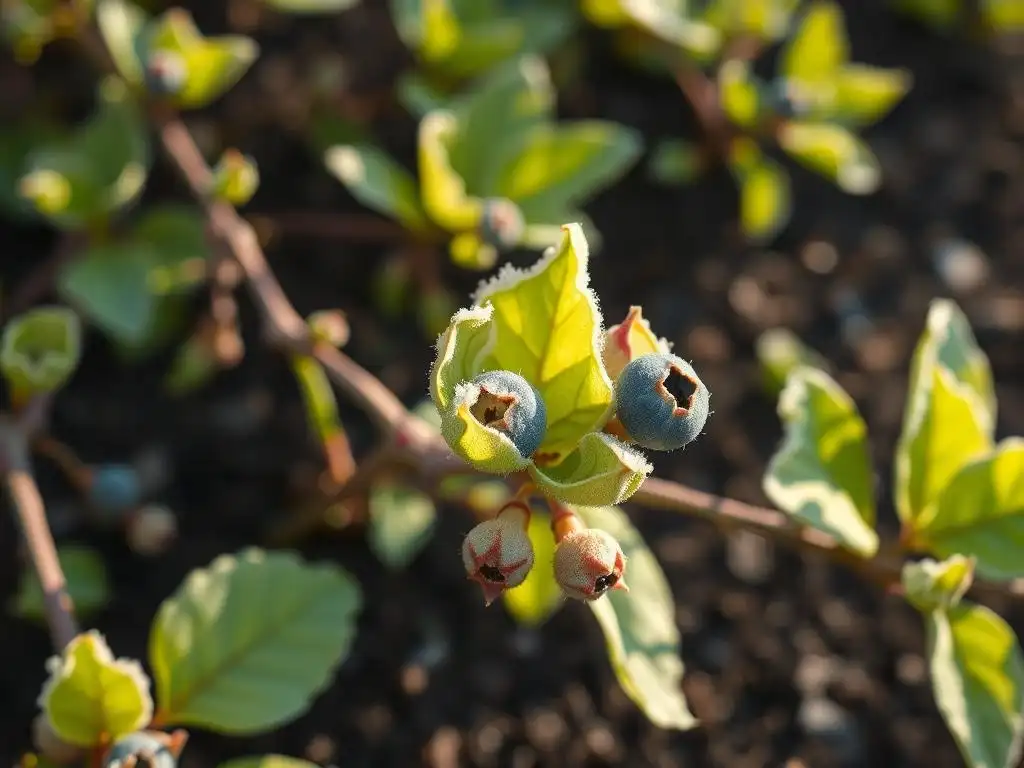
Protecting your blueberry bushes from early spring frost is crucial for a bountiful harvest. Even with preventative measures in place, some damage might occur. This section details the essential post-frost care steps to help your plants recover and thrive. Remember, early intervention is key to minimizing long-term effects and ensuring a successful blueberry season. This focuses on the crucial steps to take after a frost event to protect and revitalize your blueberry plants. We'll cover assessing the damage, pruning, and providing the necessary nutrients for recovery.
Assessing Frost Damage to Your Blueberry Plants
After a frost, carefully inspect your blueberry plants for signs of damage. Frost damage manifests in several ways. Young leaves and blossoms are particularly vulnerable. Look for:
- Wilting: Leaves might appear droopy and lackluster.
- Browning or Blackening: Affected leaves and blossoms will turn brown or black, sometimes appearing water-soaked.
- Brittle Branches: Damaged branches might be brittle and easily snap.
The severity of the damage will determine the extent of the necessary care. A light frost might only affect the blossoms, resulting in a reduced yield. A severe frost, however, can damage the entire plant, impacting its long-term health. Take detailed notes, documenting the extent of the damage on each bush. This information will guide your pruning and nutrient supplementation strategies.
Consider using a notebook or a digital record-keeping system to track this information for future reference and to better understand the impact of frost on your plants year over year. Accurate documentation will assist in adapting your frost protection strategies for future seasons. Remember to photograph the damage for comparison later. 📸
Pruning Damaged Branches and Shoots
Pruning is a crucial step in post-frost care for blueberries. Removing damaged branches and shoots allows the plant to focus its energy on healthy growth. This process also helps prevent the spread of disease and improves air circulation, reducing the risk of further problems.
Here's a step-by-step guide:
- Sharp Tools: Use clean, sharp pruning shears or loppers to make clean cuts. This minimizes damage to the remaining healthy tissue and prevents the spread of disease.
- Remove Damaged Growth: Carefully remove all browned, blackened, or brittle branches and shoots. Cut back to healthy, green wood. Don't hesitate to prune aggressively if necessary.
- Sanitize Tools: After pruning each plant, sanitize your tools with a solution of 10% bleach and water to prevent the spread of any potential diseases.
- Proper Disposal: Dispose of the pruned material properly. Do not compost severely frost-damaged material, as it might contain pathogens.
Remember, the goal is to remove damaged tissue and promote healthy new growth. This will ensure your blueberry bushes recover quickly and produce a healthy crop in the coming months. Pruning is a key part of protecting your blueberry plants from further issues and ensuring a successful harvest.
Nutrient Supplementation After Frost Damage
Frost damage can deplete your blueberry plants' nutrient reserves. Providing supplemental nutrients helps them recover and rebuild. A balanced fertilizer specifically formulated for blueberries is recommended.
Consider these factors:
- Soil Testing: Before fertilizing, consider conducting a soil test to determine the existing nutrient levels. This will help you tailor your fertilizer application to your plants' specific needs.
- Fertilizer Type: Opt for a slow-release fertilizer to provide a consistent supply of nutrients over time. Avoid using fertilizers high in nitrogen, which can promote leafy growth at the expense of fruit production.
- Application Method: Follow the fertilizer manufacturer's instructions carefully regarding application rates and methods. Generally, a granular fertilizer is applied around the base of the plant, while liquid fertilizers can be applied directly to the soil or as a foliar spray.
Providing your blueberry plants with the necessary nutrients after frost damage is vital for their recovery. This ensures that they have the resources they need to produce a healthy crop, even after experiencing a setback. Appropriate fertilization is a critical component of long-term blueberry bush care and protection against future stresses. Remember to monitor your plants closely after fertilization and adjust your approach as needed based on their response.
Monitoring for Disease and Pest Infestation Following Frost
Frost damage weakens blueberry plants, making them more susceptible to disease and pest infestations. Careful monitoring in the weeks following a frost is crucial for early detection and intervention. Inspect your plants regularly, paying close attention to leaves, stems, and berries. Look for signs of common blueberry diseases like anthracnose, which manifests as small, reddish-brown spots on leaves and fruit, eventually leading to leaf drop and fruit rot.
Similarly, look for signs of powdery mildew, a white powdery coating on leaves and stems, which can significantly reduce plant vigor and fruit production. Early detection of these diseases is key to effective management, often involving the application of appropriate fungicides according to label instructions and local regulations. Remember to always prioritize organic and sustainable pest control methods whenever possible.
Beyond fungal diseases, frost damage can also attract various pests. Increased vulnerability makes them more appealing targets for insects like aphids, spider mites, and various caterpillars. Aphids suck sap from the plants, causing leaf curling and stunted growth. Spider mites create fine webbing on leaves and cause stippling, while caterpillars can defoliate entire branches.
Regular visual inspections are essential to identify these pests early. Consider using beneficial insects, such as ladybugs for aphids, or employing organic pest control methods like insecticidal soap or neem oil. Always carefully follow the instructions on any pesticide you choose to use, ensuring you protect beneficial insects and pollinators whenever possible.
Remember to dispose of affected plant material properly to prevent the spread of diseases and pests. A proactive approach to monitoring and treatment will significantly improve your blueberry plants' chances of recovery and a healthy harvest. Documenting your observations, including the type and severity of damage, can be invaluable for future frost protection strategies.
Preventing Future Frost Damage to Blueberries
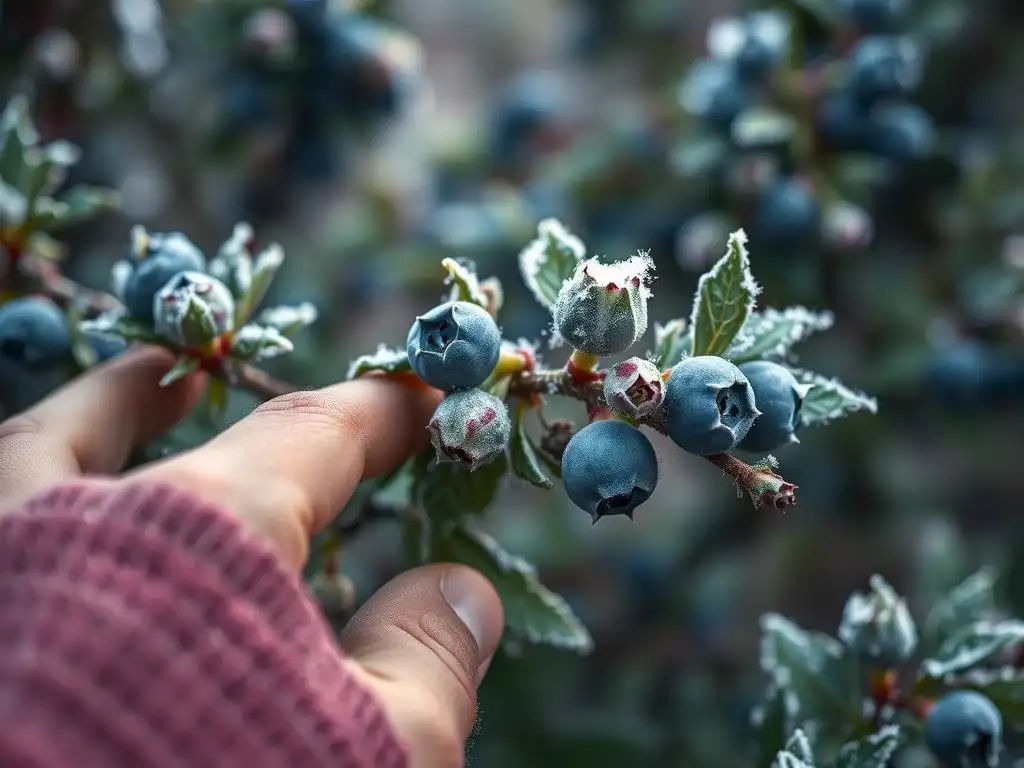
Protecting your blueberry bushes from early spring frost is crucial for a bountiful harvest. While this article focuses on immediate frost protection, understanding how to prevent future damage is equally important. This involves proactive measures that minimize the risk of frost damage year after year, ensuring healthy and productive blueberry plants. Let's explore key strategies for long-term frost protection.
Choosing Frost-Resistant Blueberry Varieties
One of the most effective ways to protect blueberries from frost damage is to select varieties known for their cold hardiness. Different blueberry cultivars possess varying degrees of tolerance to low temperatures. Researching and choosing appropriate varieties for your specific USDA hardiness zone is paramount.
For example, some northern highbush blueberry varieties are specifically bred to withstand extremely low temperatures, offering significantly greater frost protection compared to more delicate southern highbush varieties. Consult your local agricultural extension office or reputable nurseries for recommendations on frost-resistant varieties suitable for your region. This proactive step minimizes future risks considerably, simplifying your frost protection efforts in subsequent years.
Optimizing Planting Location for Frost Protection
The location you choose for your blueberry bushes significantly impacts their susceptibility to frost damage. Cold air tends to settle in low-lying areas, making them more vulnerable to frost. Planting blueberries on a slightly elevated slope or south-facing incline can help mitigate this risk. The increased air circulation and exposure to sunlight in these locations can help prevent the formation of frost.
Furthermore, consider the presence of windbreaks. Planting your blueberry bushes near a wall, fence, or a group of taller shrubs can create a microclimate that offers some protection against harsh winds and frost. Strategic planting significantly reduces the need for extensive frost protection measures in the long term.
Long-Term Frost Protection Strategies for Blueberry Cultivation
Beyond choosing resistant varieties and optimizing planting locations, implementing broader cultivation practices enhances long-term frost protection. Proper soil management plays a significant role. Well-drained soil promotes healthy root development, enabling the plants to better withstand stressful conditions, including frost. Avoid overwatering, as this can make plants more vulnerable to frost damage. Regular mulching around the base of your blueberry bushes offers insulation, protecting the roots from fluctuating temperatures.
This helps maintain a more consistent soil temperature, minimizing the impact of sudden drops in air temperature. Finally, consider the use of row covers or other protective structures as a last resort. While these are primarily used for immediate frost protection, having them readily available for unexpected late frosts ensures you’re prepared for any eventuality. A multifaceted approach incorporating these long-term strategies ensures the ongoing health and productivity of your blueberry plants, minimizing the impact of early spring frost.
Frequently Asked Questions
What is the biggest threat to blueberries in early spring?
Early spring frost is a major threat to blueberry buds and blossoms, potentially ruining the entire harvest. Protecting your plants from frost is crucial for a successful crop.
How can I tell if my blueberries are at risk of frost damage?
Monitor weather forecasts closely. Pay attention to temperatures dropping below freezing, especially during the crucial blooming period. Inspect your plants for signs of frost damage like blackened or wilted buds.
What are some effective methods to protect blueberries from frost?
Several methods exist, including covering plants with row covers or blankets, using sprinklers to create a layer of ice insulation, or employing wind machines to mix warmer air with colder air.
When should I start protecting my blueberries from frost?
Begin preparing as soon as frost is predicted. This might involve setting up protective coverings or sprinklers in advance so you're ready to act quickly when temperatures drop. Timing is key to preventing damage.
What should I do if my blueberries have already suffered frost damage?
Unfortunately, damaged buds and blossoms cannot be repaired. Prune away affected areas and focus on next year's crop by providing proper care and protection for the remaining healthy parts of the plant.
Final Reflection: Safeguarding the Sweetness of Spring
Protecting our blueberry harvests from early spring frost isn't just about preserving a delicious treat; it's about safeguarding a vital part of our ecosystem and food security. The unpredictable nature of spring weather makes proactive frost protection crucial, not just for commercial growers, but for home gardeners cherishing their blueberry bushes as well. The methods outlined in this article – from row covers and irrigation to strategic planting locations – represent a vital toolkit for ensuring a bountiful harvest, year after year.
The delicate dance between the promise of spring and the threat of frost has always held a certain fascination for me. It's a reminder of nature's power and the delicate balance we must strive to maintain. The earth laughs in flowers.
– Ralph Waldo Emerson. This quote perfectly encapsulates the joy of a successful blueberry harvest, a joy that can easily be snatched away by a single unexpected freeze. Understanding the vulnerability of these plants and taking preventative measures allows us to appreciate the sweetness of spring even more deeply, knowing we've played a part in its success.
Consider the simple act of covering your blueberry bushes on a frosty night. It's a small gesture, yet it represents a powerful connection to the land and the fruits of our labor. I urge you to take the knowledge gained here and apply it to your own gardens, whether large or small. Observe your plants, understand their needs, and become a proactive guardian of this delicious and vital crop. Let the sweetness of your harvest be a testament to your dedication and a celebration of the resilience of nature, nurtured by your care.
Safeguard Your Blueberry Harvest: Take Action Now!
Thank you for learning how to protect your blueberry bushes from frost! You now have the knowledge to save your precious berries from spring's unpredictable weather. Ready to put your new skills to the test?
- Prioritize vulnerable bushes: Focus on the plants most at risk and choose the best frost protection method for your situation. This might involve covering them with fabric, using sprinklers, or even moving potted plants to a sheltered location.
- Share your frost-fighting strategies! Tell us what methods you're using in the comments below. Let's build a community of successful blueberry growers.
- Seek expert advice: Visit your local gardening center for personalized advice and to find specialized frost protection materials.
What frost protection method will you use this season to ensure a bountiful blueberry harvest?