
How to Ripen Green Tomatoes Indoors: Extend Your Harvest Season

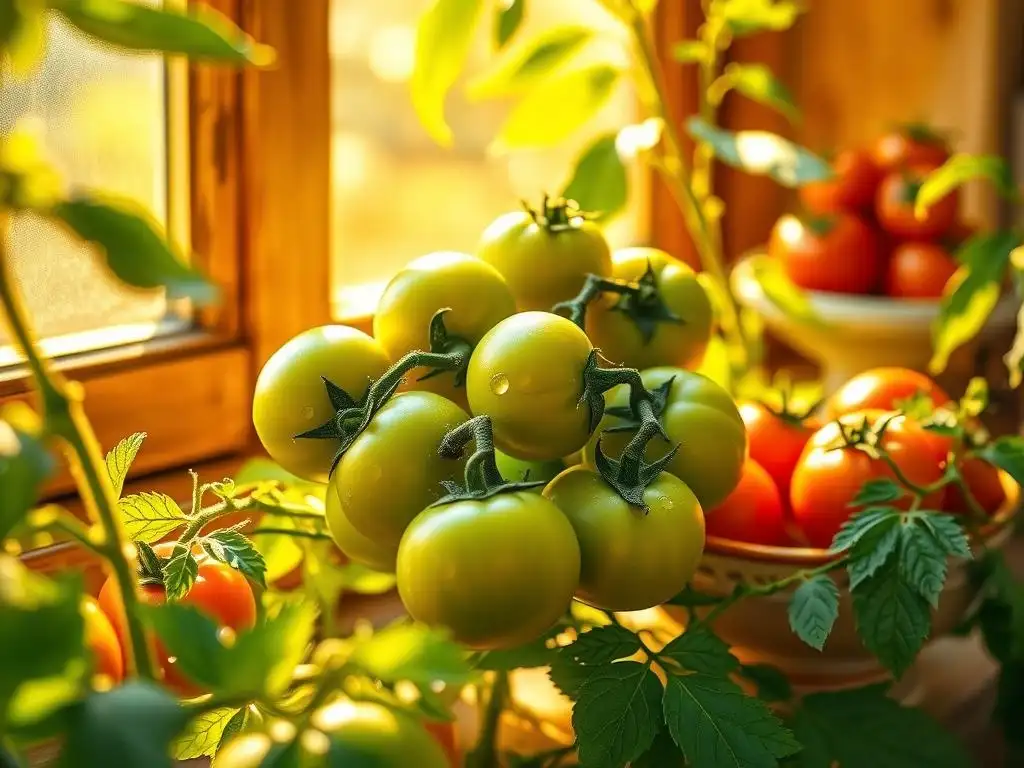
Ready to extend your harvest and enjoy the sweet taste of homegrown tomatoes long after the first frost? At CultivateYourFood, we empower you to grow your own fruits, vegetables, and herbs sustainably. Discover the secrets to ripening green tomatoes indoors fast, and unlock a world of organic gardening success. Learn proven techniques for planting, harvesting, composting, and pest control – transforming your home into a thriving edible oasis. Let's get growing!
- Understanding Green Tomato Ripening: Why and How
- Methods for Ripening Green Tomatoes Indoors Fast
- Storing and Using Your Ripened Tomatoes
- Troubleshooting Common Issues
- Ripening Green Tomatoes Indoors: A Sustainable Approach to Harvest Extension
- Frequently Asked Questions
- Final Reflection: Harvesting the Bounty of Patience
- Unlock the Flavor: Ripen Those Green Tomatoes Today!
Understanding Green Tomato Ripening: Why and How
Harvesting a bumper crop of tomatoes is a rewarding experience, but what happens when the first frost threatens your flourishing plants, leaving you with a basket of stubbornly green tomatoes? Don't despair! This article will guide you through the process of ripening green tomatoes indoors, allowing you to extend your harvest season and enjoy the fruits (or rather, vegetables!)
of your labor long after the outdoor growing season ends. We'll explore the science behind tomato ripening, teach you how to select the perfect candidates for indoor ripening, and reveal the key factors that influence how quickly your green tomatoes transform into delicious, red ones.
Learning how to ripen green tomatoes indoors fast is easier than you think, and this comprehensive guide will equip you with the knowledge and techniques to succeed, maximizing your yield and minimizing waste. This method is particularly useful for those aiming to achieve optimal ripening of their homegrown tomatoes, ensuring a longer enjoyment of their harvest and a smaller environmental footprint.
The Science Behind Tomato Ripening: Ethylene Gas and Chlorophyll Breakdown
The transformation of a green tomato into a ripe, red one is a fascinating process driven primarily by the plant hormone ethylene. Ethylene gas, naturally produced by ripening fruits, triggers a cascade of biochemical reactions. This includes the breakdown of chlorophyll, the green pigment responsible for the tomato's unripe color. As chlorophyll degrades, other pigments, like carotenoids (responsible for the yellow, orange, and red hues), become visible, resulting in the characteristic color change we associate with ripening.
Understanding this process is crucial for successfully ripening green tomatoes indoors, as we can manipulate factors like temperature and ethylene concentration to accelerate the ripening process. The rate of chlorophyll breakdown directly correlates with the speed of ripening, making it a key indicator of success. Interestingly, even slightly bruised or damaged tomatoes will produce more ethylene, potentially speeding up the ripening process.
Identifying Green Tomatoes Ready for Indoor Ripening: Selecting the Right Candidates
Not all green tomatoes are created equal when it comes to indoor ripening. The best candidates are those that have reached a certain stage of maturity, exhibiting a slight softening and a change in color towards a pale green or yellowish hue. Avoid selecting tomatoes that are still completely hard and bright green, as these are unlikely to ripen properly. Similarly, tomatoes that show signs of significant damage, such as large bruises or decay, should be discarded.
The ideal candidate should be firm to the touch but not rock-hard, indicating that the ripening process has already begun. Choosing the right tomatoes is crucial for successful indoor ripening and ensures you only use the best specimens. Consider carefully examining each tomato for even maturity before moving on to the ripening process.
Factors Affecting Indoor Ripening Speed: Temperature, Humidity, and Ethylene Production
Several factors significantly influence how quickly your green tomatoes ripen indoors. Optimal temperature plays a crucial role, with warmer temperatures (around 68-75°F or 20-24°C) generally accelerating the process. High humidity can also aid in ripening, preventing the tomatoes from drying out before they fully mature. Increasing ethylene production can also speed things up.
This can be achieved by placing the tomatoes in a paper bag with a ripe apple or banana, as these fruits release ethylene gas. However, be mindful not to overcrowd the bag, as this can lead to rotting. Monitoring these factors and making adjustments as needed will ensure that your green tomatoes ripen efficiently and evenly, resulting in a delicious harvest. Careful observation and slight adjustments in your approach can dramatically enhance your success rate.
Methods for Ripening Green Tomatoes Indoors Fast
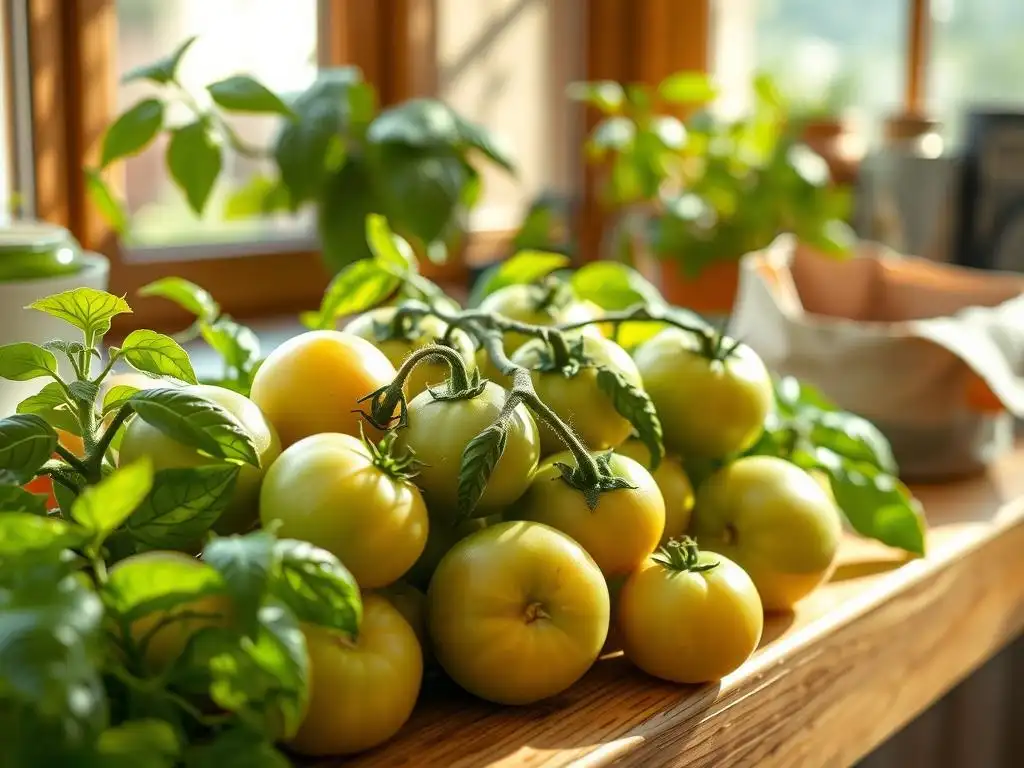
This section details effective methods to ripen green tomatoes indoors quickly, extending your harvest and minimizing waste. We'll explore simple techniques using readily available household items, as well as methods utilizing commercially available ethylene gas. Remember, the speed of ripening depends on several factors, including the tomato's maturity level and the ambient temperature.
The Paper Bag Method: A Simple and Effective Technique for Ripening Green Tomatoes Quickly
The paper bag method is a popular and effective way to ripen green tomatoes indoors fast. It leverages the natural ethylene gas produced by the tomatoes themselves, concentrating it within the enclosed space to accelerate the ripening process. This method is environmentally friendly and requires minimal materials.
Selecting the Right Paper Bag: Size and Material Considerations
Choosing the right paper bag is crucial for success. Avoid plastic bags, as they trap moisture and can lead to rot. Opt for brown paper bags; their breathability is essential for proper air circulation, preventing condensation and mold growth. The bag's size should accommodate your tomatoes without overcrowding. For a single tomato, a standard lunch-size bag works well; larger bags are suitable for multiple tomatoes. Overcrowding can slow down the ripening process. Ensure the bag is clean and free of any contaminants.
Optimizing the Paper Bag Method: Adding an Apple or Banana for Faster Ripening
Adding a ripe apple or banana to the paper bag can significantly speed up the ripening process. These fruits naturally release ethylene gas, a plant hormone that accelerates the ripening of other fruits and vegetables. The extra ethylene boosts the natural process within the bag, leading to faster color change and softening of the green tomatoes. One ripe apple or banana per bag is generally sufficient, even for multiple tomatoes. Remember to monitor the ripening process closely.
Monitoring the Ripening Process: Checking for Color Changes and Softness
Regularly check your tomatoes for signs of ripening. Once a day is sufficient. Look for changes in color, from a deep green to a lighter green, then yellowing, and finally, the characteristic red, pink, or other color depending on the variety. Feel the tomatoes gently; they will become softer as they ripen. If you notice any signs of rot or spoilage, remove the affected tomatoes immediately to prevent the spread of decay. Remember, patience is key; some varieties may take longer to ripen than others.
The Ethylene Gas Method: Accelerating Ripening with Commercially Available Ethylene
For those seeking even faster results, commercially available ethylene gas can significantly accelerate the ripening process. This method requires careful handling and adherence to safety guidelines.
Sourcing Ethylene Gas: Finding Reliable Suppliers and Products
Ethylene gas is available from various agricultural supply companies. Always purchase from reputable sources to ensure product quality and safety. Read product labels carefully and follow all instructions for safe handling and application. Note that the concentration of ethylene gas will vary depending on the product; follow the manufacturer’s instructions precisely to avoid damage to your tomatoes.
Safe Handling and Application of Ethylene Gas: Precautions and Best Practices
Ethylene gas is flammable and can be harmful if inhaled in high concentrations. Always work in a well-ventilated area. Wear appropriate personal protective equipment (PPE), such as gloves and a respirator. Follow the manufacturer's instructions regarding the application method and concentration. Never exceed the recommended dosage, as this can damage or spoil the tomatoes. Proper ventilation is crucial after application to avoid buildup of gas.
Monitoring Results and Adjusting Ethylene Exposure
Monitor the tomatoes closely after ethylene gas application. The ripening process should be significantly faster than with the paper bag method. However, overexposure can lead to spoilage. If the tomatoes ripen too quickly or show signs of damage, reduce the exposure time or concentration in subsequent applications. Observe the color changes and texture carefully to determine the optimal ethylene exposure for your specific tomatoes and the chosen product. Remember to always prioritize safety when working with ethylene gas.
The Sunlight Method: Utilizing Natural Light to Promote Ripening
Harnessing the power of the sun is a simple yet effective way to ripen green tomatoes indoors quickly. Sunlight provides the essential energy for the ripening process, converting chlorophyll into carotenoids, the pigments responsible for the vibrant red, yellow, or orange hues of ripe tomatoes. This natural method avoids the use of chemicals or artificial heat, aligning perfectly with sustainable and organic gardening practices. However, success depends heavily on the intensity and duration of sunlight your tomatoes receive.
Insufficient light will result in slow or incomplete ripening, while excessive exposure can lead to sunscald and damage. Therefore, careful monitoring and adjustment are key to achieving optimal results. The best results are achieved when you use a combination of direct sunlight and indirect light, which allows for even ripening without scorching delicate tomato skins. Remember, even on cloudy days, diffused sunlight can still contribute to the ripening process.
Positioning for Optimal Sunlight Exposure: Window Placement and Light Intensity
The placement of your green tomatoes is crucial for successful indoor ripening using sunlight. South-facing windows generally offer the most intense sunlight, ideal for accelerating the ripening process. However, even east- or west-facing windows can provide sufficient light, albeit with potentially less intensity. Consider the time of day the sun hits your chosen window. If the sun is directly hitting the tomatoes for only a short period, consider supplementing with grow lights to ensure adequate exposure.
Experiment with different window placements to find the sweet spot that provides ample light without causing scorching. Avoid placing tomatoes directly against the glass, as this can lead to extreme temperature fluctuations and potential damage. A few inches of space between the tomatoes and the windowpane is recommended. You might also consider using a sheer curtain to diffuse the sunlight and prevent direct, intense rays from harming the tomatoes.
Monitoring for Optimal Conditions: Temperature and Humidity Control
Maintaining the right temperature and humidity is vital for the efficient ripening of green tomatoes. Ideal temperatures generally range between 65-75°F (18-24°C). Temperatures that are too low will slow down the ripening process significantly, while excessively high temperatures can damage the tomatoes. Regularly monitor the temperature near your ripening tomatoes using a thermometer. Adjust the position of the tomatoes or open a window slightly to regulate the temperature as needed.
Humidity also plays a role; aim for a humidity level between 50-70%. A slightly humid environment can help prevent the tomatoes from shriveling during the ripening process. You can increase humidity by placing a tray of water near the tomatoes or using a humidifier. Consistent monitoring and adjustments will ensure your tomatoes ripen optimally without undue stress.
Identifying Signs of Overexposure and Under-ripening
Knowing the signs of both overexposure and under-ripening is crucial for successful indoor ripening using sunlight. Overexposure to sunlight manifests as sunscald: bleached or discolored patches on the tomato skin, sometimes accompanied by softening or even cracking. If you notice these signs, immediately relocate the tomatoes to a less sunny spot or use a sheer curtain to diffuse the light. Under-ripening, on the other hand, is characterized by slow or no color change, and the tomatoes may remain hard and green for an extended period.
If this happens, try moving the tomatoes to a sunnier location or supplementing with grow lights to increase light intensity. Regularly inspect your tomatoes for these signs, adjusting their position and environmental conditions accordingly. Remember, patience is key; ripening takes time, but careful monitoring ensures optimal results and a delicious harvest.
Storing and Using Your Ripened Tomatoes
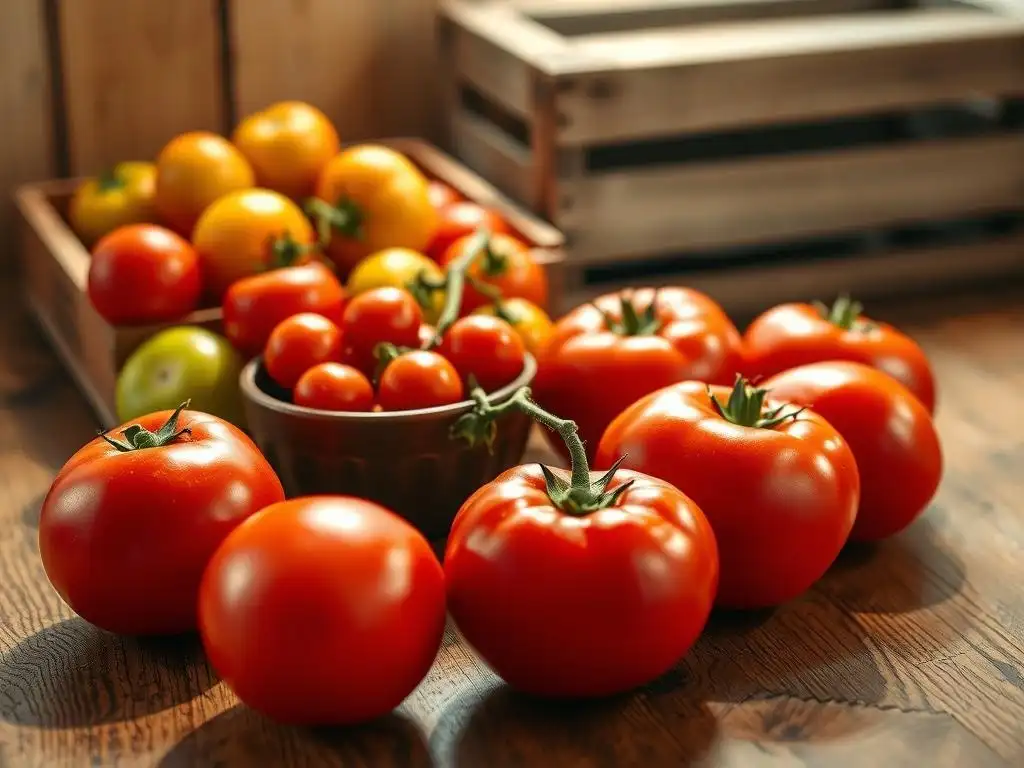
Successfully ripening green tomatoes indoors is only half the battle; proper storage and utilization are crucial to maximizing your harvest. Following these steps will ensure you enjoy the fruits (or rather, vegetables!) of your labor for as long as possible.
Proper Storage Techniques: Preserving Flavor and Quality
Once your green tomatoes have reached their peak ripeness, exhibiting a deep red or the desired color for your variety, proper storage is key to preventing spoilage and maintaining optimal flavor. Avoid storing them in the refrigerator, as this can actually hinder the ripening process and diminish their taste. Instead, opt for a cool, dark, and well-ventilated area. A countertop fruit bowl, a pantry shelf, or even a shaded windowsill can work wonders.
Remember, ethylene gas, a natural plant hormone, plays a significant role in ripening. Keeping your ripe tomatoes separate from ethylene-producing fruits and vegetables, such as apples and bananas, will help prolong their freshness. Overripe tomatoes should be separated from those still ripening to prevent rapid spoilage of the entire batch. Inspect your tomatoes daily, removing any showing signs of decay to prevent the spread of rot. Proper air circulation is key to preventing the build-up of moisture, which can encourage mold and bacterial growth.
| Storage Location | Advantages | Disadvantages | Ideal for |
|---|---|---|---|
| Cool, dark pantry | Prevents sun damage, maintains flavor and texture | May not be ideal in humid climates | Short-term storage (up to a week) |
| Countertop fruit bowl | Easy access, visually appealing | Susceptible to temperature fluctuations | Short-term storage (up to a week) |
| Paper bag (ventilated) | Slows down ripening, good for slightly underripe | May not be suitable for large quantities | Ripening slightly underripe tomatoes |
Utilizing Ripened Tomatoes: Recipes and Culinary Applications
Ripened tomatoes are incredibly versatile, adding flavor and nutrition to a wide array of dishes. Their sweetness and depth of flavor, particularly when ripened slowly, are superior to many store-bought tomatoes. Consider these culinary applications to fully appreciate your homegrown harvest:
- Salads: Add sliced or diced tomatoes to your favorite salads for a burst of freshness and juiciness.
- Sauces: Make homemade tomato sauce, salsa, or ketchup using your perfectly ripened tomatoes for an unparalleled taste.
- Roasted Tomatoes: Roasting brings out the natural sweetness of the tomatoes, creating a delicious side dish or topping for pasta and pizza.
- Tomato Soup: A classic and comforting dish, elevated by the rich flavor of your homegrown tomatoes.
- Preserves: Make tomato jam, chutney, or pickled tomatoes to enjoy the taste of summer throughout the year.
Extending Shelf Life: Freezing and Canning Methods for Long-Term Preservation
For long-term storage, freezing and canning are excellent methods to preserve your ripened tomatoes and maintain their quality. Both methods require proper preparation to ensure the best results.
Freezing:
Wash and thoroughly dry your tomatoes before freezing. You can freeze them whole, halved, diced, or pureed, depending on your preferred method of use. Freezing whole or halved tomatoes is ideal for later use in sauces or stews, while diced or pureed tomatoes are perfect for soups or other recipes. Ensure you use airtight containers or freezer bags to prevent freezer burn.
Canning:
Canning requires more preparation and attention to detail to ensure food safety. Follow established, safe canning procedures meticulously, paying close attention to processing times and temperatures. Water bath canning is a common method for preserving tomatoes. Properly canned tomatoes can last for a year or more. 🍅 Remember to always follow tested recipes and guidelines to avoid spoilage or foodborne illness. Accurate record-keeping of canning dates is also crucial.
Remember, the key to successfully ripening green tomatoes indoors fast and enjoying them for an extended period lies in careful attention to detail at each stage – from the ripening process itself to proper storage and preservation techniques. Happy harvesting!
Troubleshooting Common Issues
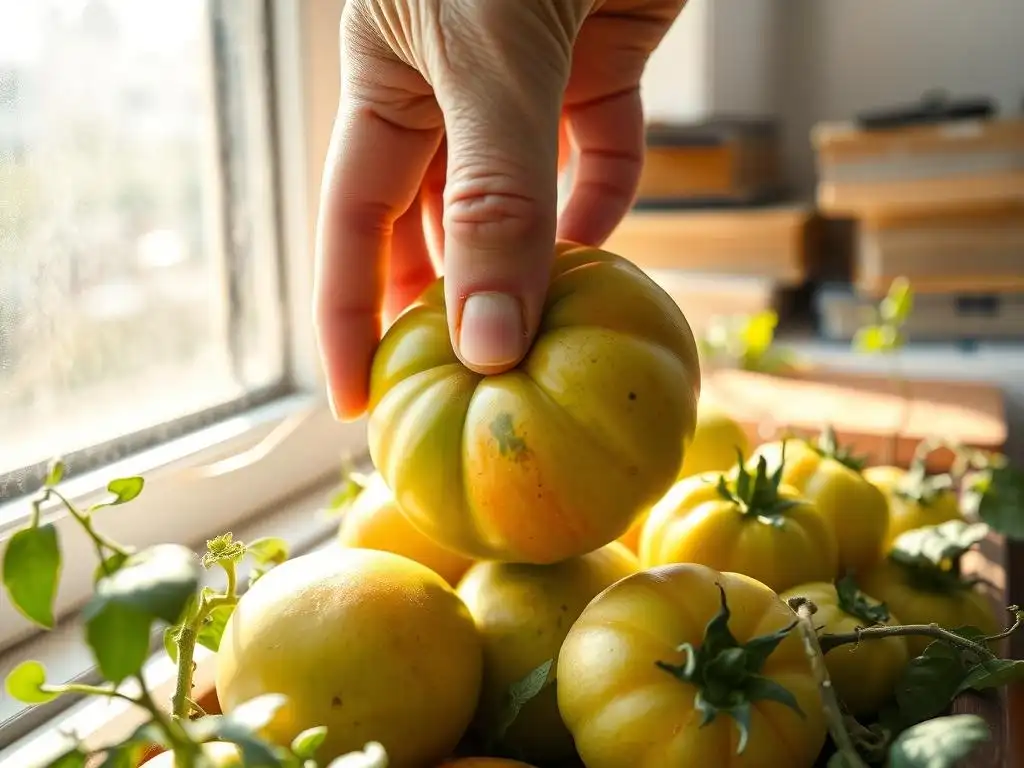
This section addresses common problems encountered when ripening green tomatoes indoors, offering practical solutions to help you achieve optimal results and maximize your harvest. Remember, patience is key – even with the best techniques, ripening takes time. However, understanding potential issues can significantly improve your success rate in ripening green tomatoes indoors fast.
Dealing with Rotting Tomatoes: Identifying and Preventing Spoilage
Rotting is a significant concern when ripening tomatoes indoors, as the controlled environment can sometimes promote fungal growth. Early detection and preventative measures are crucial. The most common culprit is Botrytis cinerea, a fungus that thrives in humid conditions. Symptoms include soft, mushy spots, often accompanied by a gray, fuzzy mold.
Several steps can help prevent rotting:
- Proper Selection: Choose only firm, blemish-free green tomatoes for indoor ripening. Avoid those with cuts, bruises, or existing signs of decay. Inspect each tomato carefully before placing it in your chosen ripening method.
- Controlled Humidity: Maintain moderate humidity levels. Excessive moisture encourages fungal growth. Good air circulation is key; avoid overcrowding your ripening area.
- Temperature Control: Maintain a consistent temperature within the ideal range (65-70°F or 18-21°C). Fluctuations can stress the tomatoes and increase susceptibility to rot.
- Regular Inspection: Check your tomatoes daily for any signs of rot. Remove any affected tomatoes immediately to prevent the spread of disease to healthy ones. Discard rotten tomatoes appropriately to avoid contaminating your compost.
- Sanitation: Keep your ripening area clean. Regularly wipe down surfaces to remove any spilled tomato juice or debris.
Addressing Slow Ripening: Identifying and Correcting Potential Problems
Sometimes, even with the best intentions, your green tomatoes ripen slower than expected. Several factors can contribute to this:
- Temperature: Temperatures that are too low (below 60°F or 15°C) significantly slow down the ripening process. Ensure your ripening area is adequately warm.
- Ethylene Production: Ethylene gas is crucial for ripening. If your ripening method isn't producing enough ethylene, the process will be sluggish. Methods like using a paper bag or alongside ripe bananas or apples can boost ethylene production.
- Tomato Variety: Some tomato varieties naturally ripen slower than others. Knowing your tomato type can help manage expectations. Consider researching the ripening characteristics of the specific variety you're working with.
- Immaturity: If the tomatoes were picked too early, they may take longer to ripen, even with ideal conditions. Aim to pick tomatoes that are still firm but showing some color change.
To accelerate ripening, consider increasing the ethylene levels by including ripe fruits like apples or bananas in the ripening container. Also, ensure the temperature is consistently within the optimal range.
Preventing Uneven Ripening: Ensuring Consistent Color and Texture
Uneven ripening, resulting in some areas of the tomato being red while others remain green, can be frustrating. Several factors can contribute to this:
- Sun Exposure (Indirect): While direct sunlight should be avoided, insufficient indirect light can lead to uneven ripening. Ensure adequate, but indirect, light exposure.
- Temperature Fluctuations: Significant temperature swings can disrupt the ripening process, leading to uneven color and texture. Maintaining a stable temperature is crucial.
- Overcrowding: Overcrowding prevents proper air circulation, which can inhibit even ripening. Ensure adequate spacing between tomatoes.
- Humidity Variations: Similar to temperature, fluctuating humidity levels can also contribute to uneven ripening. Maintaining a consistent, moderate humidity level is important.
To ensure even ripening, prioritize consistent environmental conditions—temperature, humidity, and indirect light exposure—and avoid overcrowding your ripening container. Regularly rotate the tomatoes to ensure all sides receive similar exposure. A properly managed environment will significantly improve the chances of getting consistently ripe tomatoes.
Ripening Green Tomatoes Indoors: A Sustainable Approach to Harvest Extension
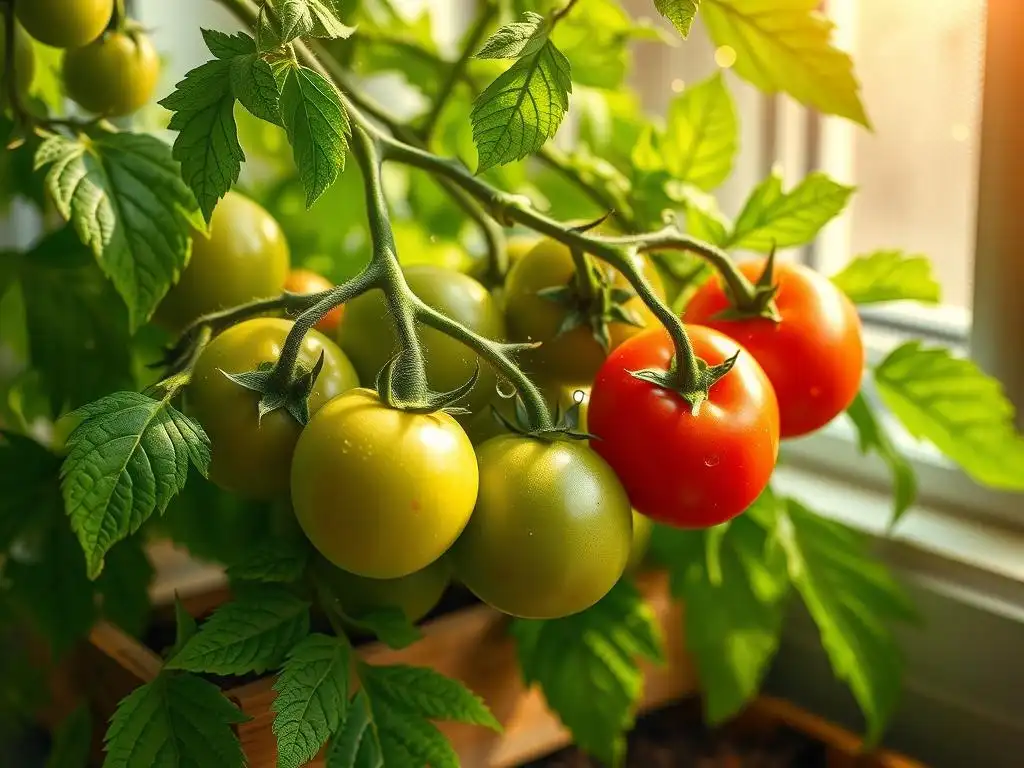
This section delves into the practical aspects of ripening green tomatoes indoors, focusing on efficient methods to achieve optimal results while minimizing waste and maximizing the yield from your tomato plants. We will explore techniques that align with sustainable and organic practices, ensuring a harvest that's both plentiful and environmentally friendly. Learning how to ripen green tomatoes indoors fast is a crucial skill for any home gardener, especially those striving for a longer harvest season and reduced food waste.
Reducing Food Waste: The Benefits of Indoor Ripening
The primary advantage of ripening green tomatoes indoors is the significant reduction in food waste. Many gardeners face the dilemma of unripe tomatoes left on the vine as the first frost approaches, leading to spoilage and a loss of potential yield. Indoor ripening allows you to harvest these green tomatoes before the cold sets in, preventing this loss.
This translates to a more sustainable gardening practice, reducing the environmental impact associated with food waste disposal. Consider this: a single tomato plant can produce dozens of tomatoes; even a small percentage of unripe tomatoes wasted represents a considerable loss. By ripening them indoors, you can salvage a significant portion of your harvest, transforming potentially wasted produce into delicious additions to your meals.
The economic benefits are also noteworthy; saving even a few pounds of tomatoes can add up over the course of a growing season. This is especially true for larger gardens or those growing multiple tomato varieties.
Extending the Growing Season: Maximizing Your Tomato Yield
Ripening green tomatoes indoors effectively extends your tomato growing season. Instead of a sharp cutoff imposed by the first frost, you can continue enjoying homegrown tomatoes well into the fall and even winter. This is particularly advantageous for gardeners in regions with shorter growing seasons. By harvesting green tomatoes earlier and allowing them to ripen indoors, you can effectively “trick” the plant into continuing its yield beyond its natural outdoor limitations.
This maximizes the overall yield from your plants and ensures a longer period of enjoying fresh, homegrown tomatoes. Data shows that indoor ripening can extend the harvest season by several weeks, sometimes even months, depending on the chosen method and environmental conditions. This extended season allows for more opportunities to utilize your tomatoes in various culinary creations.
Organic Practices for Indoor Ripening: Maintaining a Natural Approach
Maintaining organic practices during indoor ripening is crucial for preserving the natural quality of your tomatoes. Avoid using chemical ripening agents; these can compromise the flavor and nutritional value of your tomatoes. Instead, focus on creating a suitable environment that mimics the natural ripening process. This involves maintaining proper temperature and humidity levels, ensuring adequate airflow to prevent mold growth, and using natural methods to speed up the process if necessary.
For example, placing ripe bananas or apples in the same container can release ethylene gas, a natural plant hormone that accelerates ripening. This ensures your tomatoes ripen naturally, retaining their flavor, nutrients, and overall quality. The commitment to organic practices throughout the entire growing and ripening process ensures that you enjoy the fruits of your labor knowing that your tomatoes are both delicious and healthy. This holistic approach to gardening makes your efforts environmentally conscious and rewarding.
Frequently Asked Questions
How can I ripen green tomatoes indoors quickly?
The fastest way to ripen green tomatoes indoors is by using the ethylene gas method. Place them in a paper bag with a ripe apple or banana (which release ethylene), and keep them in a warm, dark place. Check daily for ripeness.
What if my green tomatoes are still hard after a few days?
If your tomatoes remain hard, they may need more time or a warmer environment. Try increasing the temperature slightly or using a different ripening method, such as placing them on a sunny windowsill.
Can I ripen green tomatoes in a plastic bag?
While possible, a paper bag is preferable to a plastic bag because it allows for better air circulation, preventing rot and mold. Plastic bags can trap moisture, leading to spoilage.
Will all green tomatoes ripen?
No, only green tomatoes that have reached their mature green stage will ripen successfully. Completely green, immature tomatoes are unlikely to ripen properly.
How long does it typically take to ripen green tomatoes indoors?
Ripening time varies, but you can expect to see results in a few days to a couple of weeks, depending on the method used and the initial ripeness of the tomatoes. Patience is key!
Final Reflection: Harvesting the Bounty of Patience
Extending the harvest season isn't just about adding days to our enjoyment of fresh tomatoes; it's about embracing resourcefulness and celebrating the fruits of our labor, even when nature throws us a curveball. The ability to ripen green tomatoes indoors quickly, as detailed in this article, offers a tangible solution to a common gardening frustration, transforming potential loss into delicious reward. This simple technique empowers home gardeners to maximize their yield and savor the taste of summer long after the first frost.
The act of coaxing ripe, red tomatoes from stubbornly green fruit feels deeply symbolic to me. It's a testament to the power of patience and the rewards of a little extra effort. The best things in life are worth waiting for,
a sentiment often repeated, takes on a new meaning when you're carefully monitoring your ripening tomatoes, anticipating the vibrant color and sweet flavor to come. This process transcends mere gardening; it's a metaphor for nurturing potential and seeing it blossom, a lesson applicable far beyond the kitchen windowsill.
Now, I invite you to consider your own "green tomatoes"—those projects, dreams, or relationships that seem stalled, unripe, and perhaps even destined for the compost heap. Can you apply the principles of patience, warmth, and a little strategic intervention to bring them to fruition? Take a moment to reflect on what needs nurturing in your life, and remember the rewarding journey of transforming the seemingly unripe into something beautiful and delicious. The harvest awaits.
Unlock the Flavor: Ripen Those Green Tomatoes Today!
Transform your stubbornly green tomatoes into delicious additions to your meals! This guide will help you extend your tomato harvest and avoid wasting perfectly good fruit. Ready to put your knowledge to the test?
- Start ripening your green tomatoes right away! Choose your preferred method from the article and don't let those perfectly good tomatoes go to waste.
- Share your successes (and challenges!) with our community in the comments below. Let's learn from one another!
- Try a new recipe featuring your perfectly ripened tomatoes—you might discover a new favorite!
What's your favorite way to use ripe tomatoes? Share your recipe ideas below!