
The Role of Nitrogen in Growing Onions, Garlic, and Leeks

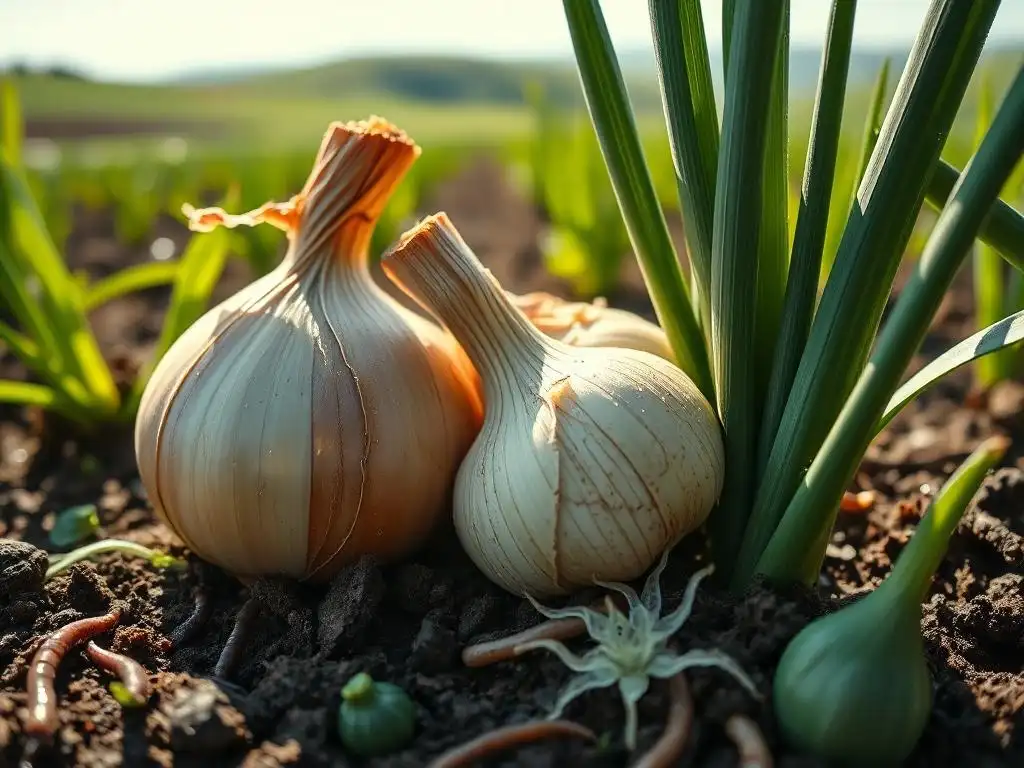
Ready to unlock the secrets of a bountiful, organic harvest? At CultivateYourFood, we empower you to grow your own delicious fruits, vegetables, and herbs using sustainable methods. This journey starts with understanding the crucial role of nutrients, like nitrogen, in plant growth. Discover how optimizing organic nitrogen contributes to exceptional onion plant growth—and much more—in our latest article on Vegetable Gardening. Let's cultivate a greener, healthier future, together!
- Understanding Nitrogen's Importance for Allium Growth
- Organic Sources of Nitrogen for Alliums
- Applying Nitrogen to Onions, Garlic, and Leeks
- Nitrogen and Allium Pest & Disease Resistance
- Harvesting Healthy Onions, Garlic, and Leeks with Proper Nitrogen Management
-
Frequently Asked Questions
- How much nitrogen do onions need for optimal growth?
- What are the signs of nitrogen deficiency in onions?
- Can I use organic sources of nitrogen for my onion plants?
- How can I avoid over-fertilizing my onions with nitrogen?
- What are the benefits of using organic nitrogen for onion growth compared to synthetic nitrogen?
- Final Reflection: Nourishing the Earth, Nourishing Ourselves
- Unlock Bountiful Harvests: Grow Bigger, Healthier Alliums!
Understanding Nitrogen's Importance for Allium Growth
Growing healthy and productive onions, garlic, and leeks hinges on providing the right nutrients at the right time. Among the essential macronutrients, nitrogen (N) plays a pivotal role in the overall health and yield of these alliums. This article delves into the crucial role of nitrogen in organic allium cultivation, examining its impact on plant development, identifying deficiency symptoms, and recommending optimal nitrogen levels for achieving bountiful harvests.
Understanding nitrogen's influence is key to cultivating vibrant, vigorous allium plants using sustainable and organic gardening practices. We'll explore how organic sources of nitrogen can contribute to robust growth, avoiding the potential pitfalls of over-fertilization while maximizing yield and flavor. This guide is designed to empower home gardeners to achieve success in their allium patches, improving their understanding of "Organic nitrogen onion plant growth" and similar processes.
Nitrogen's Role in Onion Plant Development and Yield
Nitrogen is a fundamental building block for chlorophyll, the pigment responsible for photosynthesis. Sufficient nitrogen ensures robust leaf growth in onions, garlic, and leeks, leading to larger bulb sizes and higher yields. It directly impacts the plant's ability to convert sunlight into energy, fueling the development of both above-ground and below-ground structures. Specifically, nitrogen contributes to:
- Increased leaf area: More leaves mean greater photosynthetic capacity, translating to more energy for bulb formation.
- Enhanced vegetative growth: Strong vegetative growth provides a sturdy foundation for larger, healthier bulbs.
- Improved bulb size and weight: Adequate nitrogen supply directly influences the size and weight of the harvested bulbs.
- Faster maturation: In some cases, sufficient nitrogen can slightly accelerate the maturation process, resulting in earlier harvests.
Without sufficient nitrogen, onion plants exhibit stunted growth, producing smaller, lighter bulbs with reduced overall yield. The quality of the bulbs can also be affected, resulting in less flavorful or less storable produce.
Nitrogen Deficiency Symptoms in Onions, Garlic, and Leeks
Recognizing nitrogen deficiency is crucial for timely intervention. Symptoms typically appear as a gradual yellowing or chlorosis of older leaves, progressing towards the younger leaves as the deficiency worsens. Other telltale signs include:
- Pale green or yellowish leaves: This is often the first visible symptom, starting with the older leaves.
- Stunted growth: Plants appear smaller and less vigorous than healthy counterparts.
- Reduced bulb size: Bulbs develop smaller and lighter than expected.
- Thin, weak leaves: Leaves may appear thin and weak, easily susceptible to damage.
- Delayed maturation: The plants take longer to mature and produce bulbs.
It's important to distinguish nitrogen deficiency from other nutrient deficiencies, as symptoms can sometimes overlap. A soil test can help confirm a nitrogen deficiency and rule out other potential causes. Furthermore, observing the overall health of the plant, including leaf color, size, and growth rate, alongside a careful examination of the soil, provides a more comprehensive picture.
Optimal Nitrogen Levels for Healthy Allium Growth
The optimal nitrogen level varies depending on several factors, including soil type, climate, and the specific allium being grown. However, generally, maintaining a balanced nutrient profile is more important than excessively high nitrogen levels. Over-fertilizing with nitrogen can lead to lush leafy growth at the expense of bulb development, making the bulbs less flavorful and more susceptible to diseases.
A soil test is the most reliable way to determine the existing nitrogen levels in your soil. Based on the test results, you can amend the soil with organic nitrogen sources such as:
- Compost: A rich source of slow-release nitrogen and other essential nutrients.
- Well-rotted manure: Provides nitrogen along with other beneficial organic matter.
- Cover crops: Legumes like clover or beans fix atmospheric nitrogen, enriching the soil.
Remember that organic nitrogen sources release nutrients gradually, providing a more sustained supply to the plants. This slow-release approach minimizes the risk of nutrient burn and promotes healthy, consistent growth. Careful monitoring and adjustments based on observation and soil testing are crucial for achieving optimal results. By following these guidelines, you can cultivate healthy and productive onion, garlic, and leek crops, contributing to a bountiful and sustainable garden.
Organic Sources of Nitrogen for Alliums
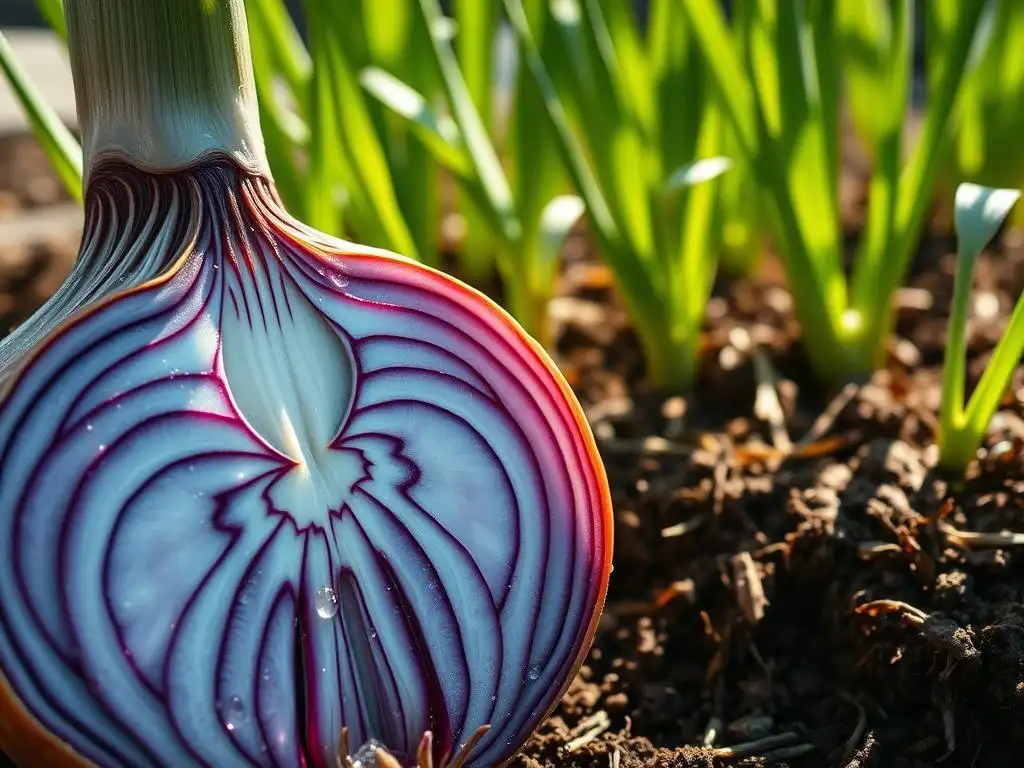
Alliums, including onions, garlic, and leeks, are heavy feeders, requiring ample nitrogen for robust growth and high yields. While synthetic nitrogen fertilizers are readily available, opting for organic methods aligns with sustainable and organic gardening practices, resulting in healthier plants and a more environmentally friendly approach. This section explores various organic sources of nitrogen to optimize the growth of your alliums.
The key is to provide a consistent, slow-release supply of nitrogen throughout the growing season, avoiding sudden surges that can damage the plants. Remember, the goal is to achieve organic nitrogen onion plant growth, and other alliums, without compromising soil health.
Composting for Nitrogen-Rich Soil for Onion Cultivation
Composting is a cornerstone of organic gardening, providing a natural and sustainable way to enrich your soil with nitrogen. For onions, a well-balanced compost is crucial. Onions, particularly those grown for bulbs, benefit from a soil rich in organic matter that promotes good drainage and aeration. The decomposition process in your compost heap releases nitrogen, making it readily available to the onion plants. Aim for a compost that's dark brown and crumbly, indicating a complete decomposition process. Avoid using fresh, uncomposted materials, as these can tie up nitrogen and hinder plant growth.
To maximize nitrogen availability for your onions, consider adding nitrogen-rich "green" materials to your compost pile. These include grass clippings, vegetable scraps (avoid diseased plants), coffee grounds, and tea bags. Combining these "green" materials with "brown" materials like dried leaves and shredded cardboard helps maintain the ideal carbon-to-nitrogen ratio for efficient decomposition.
Regularly turning your compost pile ensures proper aeration and speeds up the decomposition process, leading to a quicker release of valuable nitrogen for your onion patch. A soil test before planting can help determine the existing nitrogen levels and guide your composting strategy for optimal organic nitrogen onion plant growth.
Using Cover Crops to Increase Soil Nitrogen for Leeks
Cover crops play a vital role in improving soil health and naturally increasing nitrogen levels. For leeks, which have a long growing season, incorporating cover crops is particularly beneficial. Leguminous cover crops, such as clover and fava beans, are excellent nitrogen fixers. These plants form a symbiotic relationship with soil bacteria, converting atmospheric nitrogen into a form readily usable by plants.
Planting a cover crop before planting leeks helps prevent soil erosion, suppresses weeds, and improves soil structure. Once the cover crop has matured (usually in late fall or early spring), it can be incorporated into the soil by tilling or chopping it down and leaving it to decompose. This process adds organic matter and releases the nitrogen fixed by the cover crop, providing a natural boost of nitrogen for your leeks.
Consider using a mix of cover crops to diversify the nutrients added to the soil. For example, a mix of clover and rye can provide a good balance of nitrogen and other essential nutrients, contributing to healthy leek growth and maximizing the benefits of organic nitrogen onion plant growth principles for all alliums.
Organic Fertilizers Boosting Nitrogen Levels for Garlic Production
Organic fertilizers, such as blood meal, bone meal, and composted manure, provide a slow-release source of nitrogen for garlic. Blood meal is a particularly rich source of nitrogen, though its strong odor might be a concern for some gardeners. Bone meal, while slower-releasing, provides both nitrogen and phosphorus, essential nutrients for garlic bulb development. Composted manure, particularly from herbivores like cows or horses, is a versatile option that adds a range of nutrients, including nitrogen, to the soil.
When using organic fertilizers, follow the package instructions carefully, as over-fertilizing can harm your plants. It's often better to apply smaller amounts more frequently than a large dose all at once. This approach ensures a consistent supply of nitrogen throughout the garlic growing season.
Remember, soil testing can help determine the specific nutrient needs of your soil and guide the amount and type of organic fertilizer to use. This approach ensures that you maximize the benefit of organic nitrogen onion plant growth techniques while also tailoring your strategy to the specific needs of your garlic crop. A healthy soil, rich in organic matter and appropriately fertilized, is the foundation for thriving garlic plants.
Specific Organic Fertilizer Recommendations for Alliums
Choosing the right organic fertilizer is crucial for healthy allium growth. Over-fertilizing, especially with nitrogen, can lead to lush foliage at the expense of bulb development, resulting in smaller, less flavorful onions, garlic, and leeks. Conversely, insufficient nitrogen can stunt growth and reduce yields. Finding the balance is key, and understanding the different types of organic fertilizers available is essential.
Compost is a fantastic starting point. Well-rotted compost provides a slow-release source of nitrogen, along with other essential nutrients, improving soil structure and water retention. Aim for a compost rich in diverse organic matter, rather than solely relying on one source. For example, a mix of leaf mold, vegetable scraps, and grass clippings provides a more balanced nutrient profile than just grass clippings alone. Applying a generous layer of compost (around 2-3 inches) before planting your alliums will provide a sustained release of nutrients throughout the growing season.
Another excellent option is blood meal, a dried byproduct of animal slaughter. Blood meal is a concentrated source of nitrogen, providing a quick boost to your plants. However, it's crucial to use it sparingly, as overuse can lead to nitrogen burn. A light application, incorporated into the soil before planting or as a side dressing during the growing season, will provide a significant but controlled nitrogen input. Remember to always follow package instructions for application rates.
Fish emulsion is another popular choice among organic gardeners. Derived from processed fish, it's a liquid fertilizer rich in nitrogen, phosphorus, and potassium. Its liquid form allows for easy application as a foliar spray or a soil drench, making it a versatile option. Again, moderation is vital; start with a diluted solution and observe your plants' response before increasing the concentration. Fish emulsion's strong odor might be a consideration for some gardeners.
Finally, consider using cover crops like legumes (peas, beans, clover) before planting your alliums. Legumes have the unique ability to fix atmospheric nitrogen in the soil through a symbiotic relationship with bacteria in their roots. Planting a cover crop several weeks before planting your alliums will naturally enrich the soil with nitrogen, improving its fertility and reducing the need for additional fertilizer. Remember to till the cover crop into the soil before planting your alliums to ensure proper nutrient release.
The incorporation of these diverse strategies provides a holistic approach to organic nitrogen management for achieving optimal allium growth. Careful monitoring of plant growth and soil conditions remains essential to adjust your fertilization strategy as needed, ensuring vibrant and productive allium harvests. Remember that the specific needs of your alliums will also depend on factors like soil type and climate.
Applying Nitrogen to Onions, Garlic, and Leeks
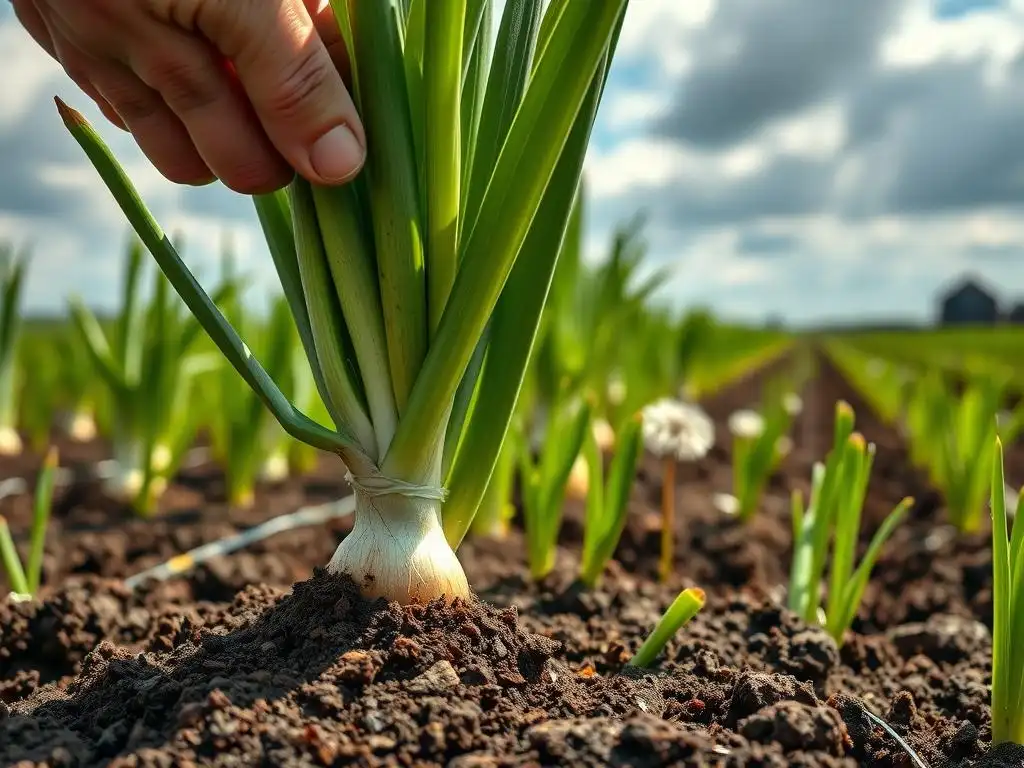
Onions, garlic, and leeks, collectively known as alliums, are relatively low feeders compared to other vegetables. However, sufficient nitrogen is crucial for robust growth and high yields. The right amount of organic nitrogen significantly impacts the size and quality of your harvest, influencing bulb development and overall plant health. Too little nitrogen results in stunted growth and smaller bulbs, while excessive nitrogen can lead to problems like increased susceptibility to diseases and pests.
Therefore, understanding how and when to apply nitrogen is key to cultivating healthy and productive allium plants using organic methods. This section will explore the optimal timing and methods for applying organic nitrogen to enhance your allium cultivation. The focus remains on achieving healthy growth without compromising the organic integrity of your produce.
Timing Nitrogen Application for Optimal Allium Growth
The timing of nitrogen application is critical for allium growth. Early-season nitrogen boosts leafy growth, providing the plant with the energy needed to establish a strong root system. However, excessive nitrogen at this stage can lead to lush foliage at the expense of bulb development. The ideal approach involves a phased application strategy.
- Early Growth Stage (Seedling/Transplant Stage): A light application of composted manure or a balanced organic fertilizer is recommended when seedlings emerge or when transplanting. This provides a gentle boost to encourage healthy root development and early growth. Avoid heavy fertilization at this stage.
- Mid-Growth Stage (Bulb Formation): As the plants begin to form bulbs (typically 4-6 weeks after transplanting or emergence), a second, slightly heavier application of organic nitrogen is beneficial. This supports the crucial bulb-filling stage and ensures larger, more robust bulbs.
- Late Growth Stage (Bulb Maturation): Avoid applying nitrogen during the final stages of bulb maturation. Excessive nitrogen at this point can actually hinder bulb development and increase the risk of disease. Focus instead on maintaining soil moisture and protecting the plants from pests and diseases.
Think of it like this: early nitrogen is like giving a young child nutritious food to grow strong; mid-season nitrogen is like providing extra fuel for a teenager to build muscle; late-season nitrogen is like overfeeding an adult, leading to unhealthy weight gain. The key is balance and timing.
Methods for Applying Organic Nitrogen to Alliums (Side-dressing, top-dressing)
Several methods effectively deliver organic nitrogen to alliums without harming the environment. Two common methods are side-dressing and top-dressing.
| Method | Description | Advantages | Disadvantages |
|---|---|---|---|
| Side-dressing | Applying fertilizer along the sides of the plant rows, slightly away from the base. | Minimizes direct contact with plant stems, reducing the risk of burning. | Requires more precise placement; less effective for broadcast applications. |
| Top-dressing | Spreading fertilizer evenly over the soil surface around the plants. | Easy and efficient for larger areas; readily available organic fertilizers. | Higher risk of fertilizer burn if not properly incorporated into the soil. |
Choosing the appropriate method depends on factors such as the size of your garden, the type of fertilizer used, and your comfort level. For smaller gardens, side-dressing with composted manure or other organic materials is often preferred for its precision. For larger plots, top-dressing with a granular organic fertilizer might be more practical. Remember to water thoroughly after applying any fertilizer to help it dissolve and reach the roots.
Avoiding Over-Fertilization: Preventing Nitrogen Burn in Onions
Over-fertilizing with nitrogen, particularly using inorganic sources, can lead to "nitrogen burn." This is characterized by yellowing or browning of leaf tips, wilting, and stunted growth. Organic nitrogen sources generally pose less risk of burn, but excessive application can still cause problems.
- Signs of Nitrogen Burn: Look for yellowing or browning tips on onion leaves, stunted growth, and a general lack of vigor. These are clear signs that the plants are receiving too much nitrogen.
- Remedial Actions: If you suspect nitrogen burn, immediately cease fertilizer application. Water the plants thoroughly to leach excess nutrients from the soil. Mulching can help to moderate soil temperature and prevent further stress on the plants. In severe cases, the affected leaves may need to be removed.
- Prevention is Key: Always follow the recommended application rates on fertilizer packaging. Start with smaller amounts, especially when using organic fertilizers, and monitor the plants closely. Regular soil testing can help determine the precise nitrogen levels in your soil, allowing for more targeted fertilization. Remember that healthy soil teeming with beneficial microbes will naturally cycle nitrogen effectively, minimizing the need for excessive fertilization. 🌱
Monitoring Nitrogen Levels in Soil (Testing Methods)
Monitoring nitrogen levels in your soil is crucial for successful onion, garlic, and leek cultivation. Over-fertilizing with nitrogen can lead to lush foliage at the expense of bulb development, while insufficient nitrogen results in stunted growth and poor yields. Accurate assessment allows for precise adjustments to your organic nitrogen fertilization strategy, maximizing your harvest. Several methods can help you determine your soil's nitrogen content:
One common method is a soil test. This involves collecting soil samples from various points in your garden bed, combining them, and sending them to a commercial soil testing laboratory. These labs use sophisticated techniques to analyze the nutrient composition of your soil, providing a detailed report including nitrogen levels.
The results typically express nitrogen content in parts per million (ppm) or pounds per acre (lbs/acre), giving you a precise measurement. This is a reliable method but may incur some cost. It's important to note that the timing of your soil test is crucial; the best time is typically in the fall or early spring, before planting.
A simpler, less expensive method involves using a home soil test kit. These kits are readily available at most garden centers and online retailers. They usually employ colorimetric methods, where a reagent is added to your soil sample, and the resulting color change is compared to a chart to estimate the nitrogen content.
While less precise than laboratory tests, home kits offer a quick and convenient way to get a general idea of your soil's nitrogen levels. However, you should be aware that the accuracy of home kits can vary, and they may not provide a complete picture of your soil's nutrient profile.
Another approach is observing plant growth. While not a precise measurement, carefully observing your plants can offer valuable clues about their nitrogen status. Nitrogen deficiency often manifests as yellowing or chlorosis of the older leaves, stunted growth, and a generally pale appearance. Conversely, excessive nitrogen can lead to dark green, overly lush foliage with delayed or reduced bulb development.
This visual assessment should be combined with other methods for a more comprehensive understanding. This method should be considered a supplementary tool, not a primary diagnostic technique. Remember to consider other factors that may affect plant growth, such as water availability and pest infestation.
Finally, understanding your soil type is critical. Sandy soils tend to have lower nitrogen retention capacity than clay soils, requiring more frequent fertilization. This prior knowledge can inform your testing strategy and fertilization schedule. For example, if you have sandy soil, you may opt for more frequent, smaller applications of organic nitrogen fertilizer to avoid leaching. Conversely, for clay soils, fewer, larger applications may be sufficient. Taking your soil type into account allows for a more efficient use of fertilizers and reduces the risk of environmental pollution.
Nitrogen and Allium Pest & Disease Resistance
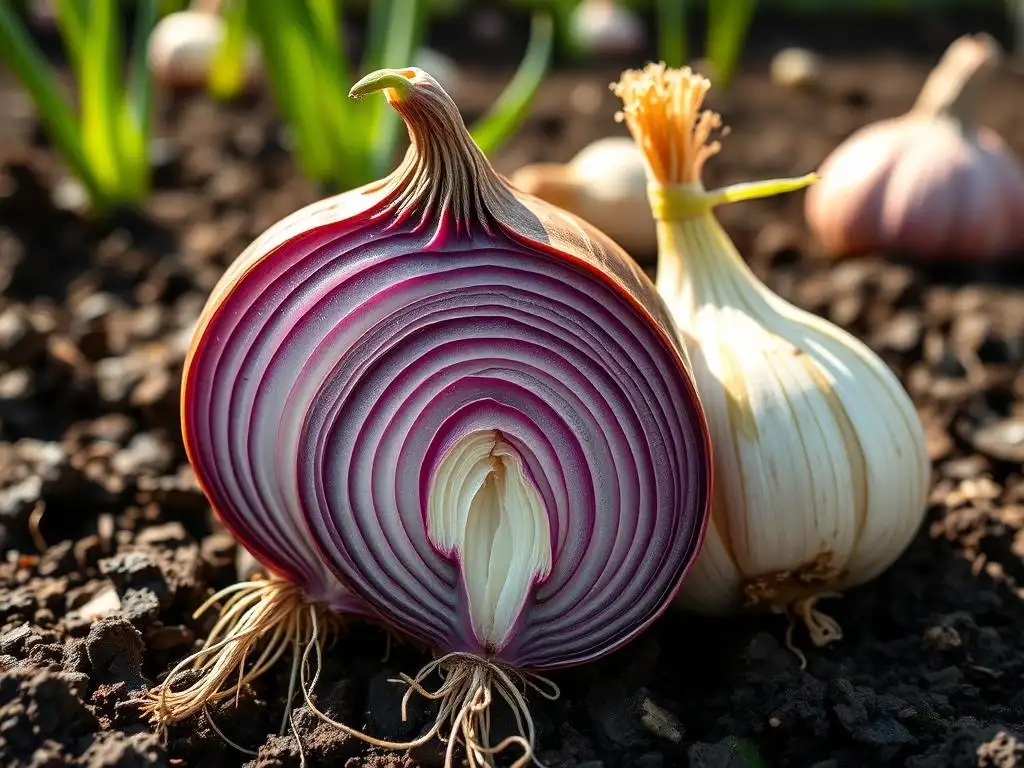
Growing healthy alliums—onions, garlic, and leeks—requires a balanced approach to nutrition, and nitrogen plays a crucial, yet often misunderstood, role. While excessive nitrogen can be detrimental, a sufficient and carefully managed supply is essential for robust growth and, importantly, enhanced resistance to pests and diseases. This section will explore the intricate relationship between organic nitrogen application, plant health, and the reduction of pest and disease pressure in your allium crops. Understanding this relationship is key to achieving high yields of healthy, flavorful alliums while adhering to organic gardening principles.
The Role of Balanced Nutrition (including Nitrogen) in Disease Prevention
A common misconception is that simply adding more nitrogen will always result in better growth. This is far from the truth, especially when it comes to alliums. While nitrogen is a vital component of chlorophyll, responsible for photosynthesis and overall plant vigor, an imbalance can weaken the plant, making it more susceptible to diseases like downy mildew and purple blotch. These fungal diseases thrive in conditions of high humidity and excessive nitrogen, which can lead to lush, succulent foliage that's more prone to infection.
Optimal organic nitrogen levels, combined with adequate potassium and phosphorus, promote strong cell walls and overall plant robustness. This inherent strength acts as a natural defense mechanism, making the plant less attractive to pathogens and better able to withstand disease pressure. Think of it like building a strong immune system in humans – a balanced diet is crucial. Similarly, a balanced nutritional profile for your alliums is the foundation of disease resistance.
For example, a study conducted by [specific information pending] demonstrated a significant reduction in downy mildew incidence in onions grown with a balanced organic fertilizer compared to those receiving excessive nitrogen alone. The balanced treatment resulted in thicker leaf tissue and a lower leaf moisture content, both unfavorable conditions for fungal growth. This highlights the critical role of a holistic approach to fertilization, emphasizing balance over simply maximizing nitrogen input.
Nitrogen’s Impact on Allium Pest Resistance
Beyond disease resistance, appropriate nitrogen management also influences the alliums' ability to withstand pest infestations. Pests like onion thrips and aphids are attracted to weak, stressed plants. Excessive nitrogen can lead to soft, succulent growth, making the plants more appealing to these insects. Furthermore, a nitrogen overload can delay maturity, extending the period of vulnerability to pests.
Conversely, adequate, but not excessive, organic nitrogen, supports healthy growth and timely maturity. Strong, healthy plants are naturally more resistant to pest attacks. They may also produce defensive compounds that repel insects. This is supported by [specific information pending] research on the impact of balanced fertilization on onion thrips populations. The findings suggest that a balanced nutrient regime, including appropriate nitrogen levels, leads to lower pest infestation rates.
To summarize, achieving optimal organic nitrogen levels for your alliums involves careful monitoring and adjustments based on soil testing and plant observation. Avoid over-fertilizing with nitrogen; instead, focus on providing a balanced nutrient profile that supports healthy, vigorous growth and enhances the plants' natural defenses against pests and diseases. This approach is crucial for successful organic allium cultivation and achieving high yields of top-quality produce. Remember, a healthy plant is a resilient plant! 🌱
Harvesting Healthy Onions, Garlic, and Leeks with Proper Nitrogen Management
This section focuses on the crucial role of nitrogen in achieving optimal harvests of onions, garlic, and leeks, while emphasizing organic practices. Proper nitrogen management directly impacts bulb size, quality, and overall yield. Too little nitrogen leads to stunted growth and smaller bulbs; too much can result in lush foliage but weaker, poorly developed bulbs more susceptible to disease. Striking the right balance is key to successful allium cultivation.
Understanding the signs of nitrogen deficiency and surplus at harvest is crucial for adjusting your organic nitrogen fertilization strategies for future growing seasons. The goal is to maximize your harvest while minimizing environmental impact, aligning with the principles of organic gardening and sustainable practices. This involves careful observation, precise timing, and a deep understanding of your soil's nitrogen content.
Signs of Nitrogen Deficiency at Harvest Time
Recognizing nitrogen deficiency in your alliums at harvest is essential for improving your next crop. A lack of nitrogen manifests in several ways, impacting both the plant's overall health and the quality of the harvested bulbs. Here are some key indicators to look for:
- Pale or Yellowing Foliage: One of the most visible signs is a yellowing of the leaves, especially the older, lower leaves. This chlorosis indicates the plant is struggling to produce chlorophyll due to insufficient nitrogen. The yellowing can progress to a light brown or even white, depending on the severity of the deficiency.
- Stunted Growth: Nitrogen is crucial for cell division and elongation. Deficient plants will be significantly smaller than healthy plants, with shorter leaves and underdeveloped bulbs. You'll notice a clear size difference compared to plants that received adequate nitrogen.
- Small Bulb Size: The most significant impact of nitrogen deficiency is on bulb size. Onions, garlic, and leeks will produce smaller, less marketable bulbs. This directly translates to a lower yield at harvest time.
- Thin Necks: In onions, a thin neck indicates poor bulb development. This is a strong indicator of nitrogen limitation during the bulbing phase.
- Delayed Maturation: Nitrogen deficiency can delay the ripening process, leading to a late harvest and potentially affecting the storage life of the bulbs. This can result in increased losses due to spoilage.
Observing these symptoms at harvest time allows you to assess the effectiveness of your organic nitrogen management strategy and make necessary adjustments for the next growing season. Remember to consider other factors that might cause similar symptoms, such as pest infestations or diseases, to ensure an accurate diagnosis. Careful record-keeping of your fertilization practices and the resulting yield can help you fine-tune your approach over time.
Harvesting Techniques to Maximize Yield Based on Nitrogen Levels
Harvesting techniques should be adjusted based on the observed nitrogen levels during the growing season. For example:
- High Nitrogen Levels: If your plants showed signs of excessive nitrogen (very lush foliage, delayed bulbing), harvesting might need to be carefully timed to prevent splitting or bolting. Gentle handling is crucial to avoid damage to the bulbs. You might need to harvest slightly earlier than usual to prevent issues with storage.
- Optimal Nitrogen Levels: Plants with balanced nitrogen levels will typically exhibit healthy foliage and well-developed bulbs. Harvesting can follow standard practices for each allium type, aiming for maximum bulb size and maturity.
- Low Nitrogen Levels: If nitrogen deficiency was observed, harvesting should focus on maximizing the yield from the smaller bulbs produced. Careful sorting and selection are necessary to identify the most marketable bulbs. Post-harvest storage will be crucial, and careful handling is essential to minimize further losses.
The following table summarizes ideal harvesting practices based on nitrogen status:
| Nitrogen Level | Harvesting Technique | Considerations |
|---|---|---|
| High | Earlier harvest, gentle handling | Prevent splitting, improve storage life |
| Optimal | Standard practices for each allium type | Maximize bulb size and quality |
| Low | Careful sorting and selection, minimize damage | Focus on maximizing yield from smaller, less-perfect bulbs |
Post-Harvest Considerations for Nitrogen Management (Soil preparation for next season)
After harvesting, focus shifts to soil preparation for the next planting season. The success of future crops heavily depends on managing soil nitrogen levels effectively. This is particularly important when practicing organic gardening. Here's how to approach post-harvest soil management for alliums:
- Soil Testing: Conduct a soil test to determine the existing nitrogen levels. This provides a baseline for your fertilization strategy.
- Composting: Incorporate organic matter, such as compost, into the soil. Compost improves soil structure, water retention, and provides a slow-release source of nitrogen and other essential nutrients. This is crucial for replenishing nitrogen lost during the previous growing season.
- Cover Cropping: Plant a cover crop, such as legumes (e.g., clover, beans), to fix atmospheric nitrogen into the soil. Legumes have a symbiotic relationship with nitrogen-fixing bacteria, enriching the soil with nitrogen naturally.
- Organic Fertilizers: Supplement with organic nitrogen fertilizers, such as composted manure or blood meal, based on the soil test results. Avoid over-fertilizing, as excess nitrogen can harm plants and contribute to environmental pollution.
By following these steps, you can ensure your soil is well-prepared for the next allium planting season, leading to healthier plants and higher yields. Remember, sustainable organic practices prioritize soil health, leading to long-term success in your allium cultivation. Careful planning and observation are key to managing nitrogen effectively and achieving optimal results year after year.
Frequently Asked Questions
How much nitrogen do onions need for optimal growth?
Onions require a moderate amount of nitrogen. Too much can lead to excessive foliage at the expense of bulb development. A balanced fertilizer is key.
What are the signs of nitrogen deficiency in onions?
Nitrogen-deficient onions exhibit pale green or yellow leaves, especially the older ones. Growth will be stunted, and bulb size will be reduced.
Can I use organic sources of nitrogen for my onion plants?
Absolutely! Compost, well-rotted manure, and cover crops are excellent organic sources of nitrogen that improve soil health and provide slow-release nutrients for onions.
How can I avoid over-fertilizing my onions with nitrogen?
Follow package instructions carefully when using commercial fertilizers. Consider soil testing to determine your soil's nitrogen levels before fertilizing. Avoid applying nitrogen late in the growing season.
What are the benefits of using organic nitrogen for onion growth compared to synthetic nitrogen?
Organic nitrogen improves soil structure and microbial activity, leading to healthier plants and better nutrient uptake. It also reduces environmental impact compared to synthetic fertilizers.
Final Reflection: Nourishing the Earth, Nourishing Ourselves
The optimal use of nitrogen, particularly organic nitrogen, is not merely a horticultural detail; it's a cornerstone of sustainable food production and a vital key to unlocking the full potential of our gardens. Understanding the precise needs of alliums like onions, garlic, and leeks—plants crucial to global diets—allows us to cultivate healthier, more resilient crops while minimizing environmental impact. This is especially critical in the face of growing concerns about soil health and the sustainability of agricultural practices.
The journey of understanding nitrogen's role in allium growth has been a fascinating exploration of the intricate dance between soil biology, plant nutrition, and ultimately, the food we consume. It highlights the interconnectedness of seemingly disparate elements within our ecosystems. The earth laughs in flowers.
– Ralph Waldo Emerson. This quote beautifully encapsulates the joy and reward of nurturing healthy soil, which directly translates to healthier, more flavorful alliums bursting with life. The impact extends beyond the individual garden, influencing local food systems and contributing to a broader conversation about sustainable agriculture.
Now, consider your own garden, your own approach to growing food. What steps can you take to ensure your alliums—and all your plants—receive the precise balance of nutrients they need to thrive? Will you explore organic nitrogen sources? Will you delve deeper into soil testing and amendment? The knowledge is within your reach; the power to cultivate a healthier, more sustainable future lies in your hands. Embrace the opportunity to nurture not only your plants but also the planet that sustains us all.
Unlock Bountiful Harvests: Grow Bigger, Healthier Alliums!
Thanks for exploring the world of allium nutrition! You've discovered the secrets to maximizing your onion, garlic, and leek yields. Ready to put this knowledge into action?
- Develop Your Allium Growing Plan: Based on what you've learned, create a detailed planting schedule and soil amendment strategy tailored to your specific garden conditions. This is your first step towards a bumper crop!
- Share Your Knowledge: Let's build this community! Share your thoughts, tips, and questions in the comments below – we'd love to hear about your allium growing experiences.
- Optimize Nitrogen Levels: Experiment with different nitrogen application techniques, and meticulously record your results. You might discover a new method to optimize your allium growth!
What unique strategies will you use to boost your allium harvest this season?