
The Secret to Growing Sweet and Crisp Lettuce: Tips and Tricks

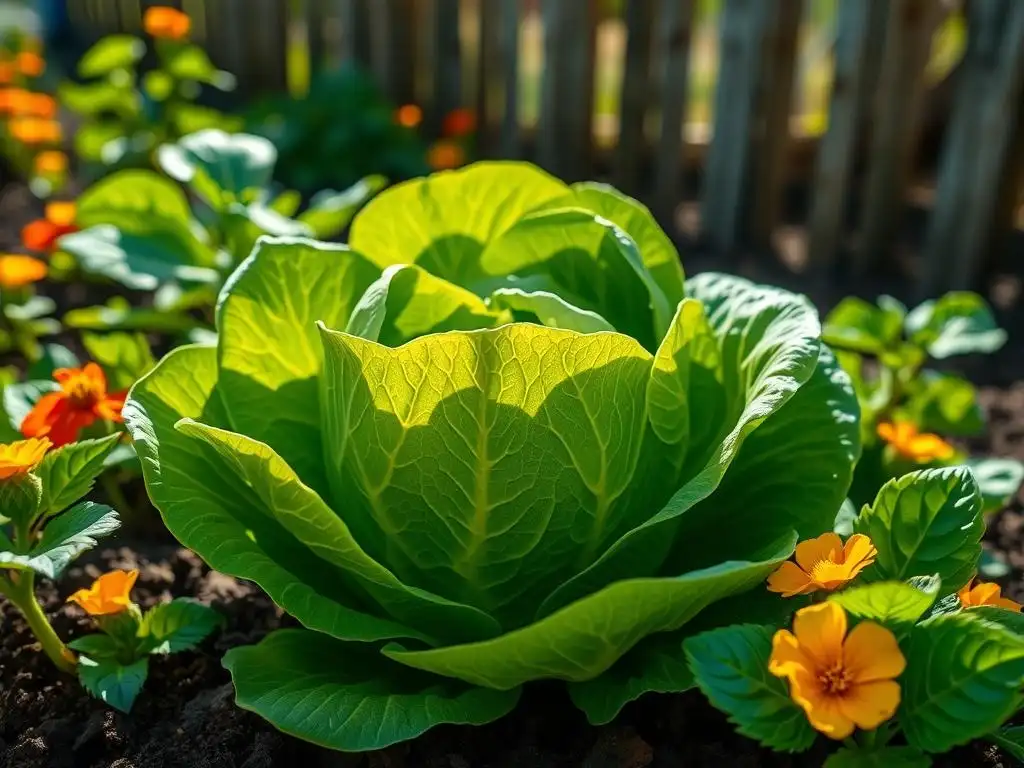
Ready to experience the unparalleled satisfaction of harvesting your own crisp, sweet lettuce? At CultivateYourFood, we empower you to cultivate a thriving garden using sustainable, organic methods. Discover the secrets to growing your own produce, from planting to pest control, and unlock the joy of homegrown goodness. Learn how to Grow crisp lettuce organically and embark on your journey towards a healthier, more fulfilling lifestyle. Let's get started!
- Understanding the Fundamentals of Growing Crisp Lettuce Organically
- Providing Ideal Growing Conditions for Crisp Lettuce
- Pest and Disease Management for Organic Lettuce Cultivation
- Harvesting and Storing Your Homegrown Crisp Lettuce
- Advanced Techniques for Exceptional Lettuce Growth
- Frequently Asked Questions
- Final Reflection: Harvesting the Bounty of Organic Crispness
- Unlock Your Green Thumb: Grow the Perfect Lettuce!
Understanding the Fundamentals of Growing Crisp Lettuce Organically
Growing crisp, sweet lettuce organically at home is a rewarding experience, bringing fresh, healthy greens directly to your table. This guide delves into the key aspects of cultivating delicious lettuce using sustainable practices, ensuring both a bountiful harvest and a minimal environmental footprint. We'll cover everything from selecting the perfect variety to mastering the art of organic pest control, empowering you to enjoy homegrown lettuce throughout the growing season.
This comprehensive approach emphasizes the importance of understanding your local climate and soil conditions, aligning your choices with nature's rhythm for optimal results. The journey to perfectly crisp lettuce begins with understanding the foundational principles of organic gardening and applying them specifically to this delightful leafy green. Let's embark on this journey together, learning how to grow crisp lettuce organically and reaping the rewards of your efforts.
Selecting the Right Lettuce Variety for Your Climate and Soil
Choosing the right lettuce variety is paramount to success. Different lettuce types thrive under varying conditions. Consider your climate and soil type carefully. For example, loose-leaf lettuces like 'Red Sails' or 'Black Seeded Simpson' are generally more heat-tolerant than crisphead varieties like 'Iceberg' which prefer cooler temperatures. Similarly, soil composition influences growth.
Well-drained soil is crucial to prevent root rot, a common lettuce problem. Consider your soil's pH level as well; lettuce prefers slightly acidic to neutral soil (pH 6.0-7.0). Researching varieties suited to your specific conditions is key to maximizing yield and quality. Here's a table summarizing some popular lettuce varieties and their ideal growing conditions:
| Lettuce Variety | Type | Heat Tolerance | Soil Preference | Notes |
|---|---|---|---|---|
| Red Sails | Loose-leaf | High | Well-drained | Excellent flavor, heat tolerant |
| Black Seeded Simpson | Loose-leaf | Medium | Well-drained | Classic variety, reliable performer |
| Iceberg | Crisphead | Low | Well-drained | Requires cooler temperatures, crisp texture |
| Romaine | Romaine | Medium | Well-drained | Sturdy, good for salads and wraps |
Remember to choose organically-grown seeds to maintain the integrity of your organic garden.
Soil Preparation for Optimal Lettuce Growth: Organic Methods
Preparing your soil is crucial for growing healthy, vibrant lettuce. Organic methods focus on enriching the soil naturally, improving its structure and nutrient content. Begin by conducting a soil test to determine its pH and nutrient levels. Amend the soil with compost, aged manure, or other organic matter to improve drainage, aeration, and fertility. This process improves the soil's water retention capacity, crucial for lettuce, which prefers consistently moist but not waterlogged soil.
Avoid using synthetic fertilizers; instead, opt for organic options like worm castings or seaweed extract. These provide essential nutrients without harming beneficial soil organisms. Proper soil preparation sets the stage for a successful and abundant lettuce harvest. Consider tilling or double-digging the soil to break up compacted areas and improve aeration. A healthy soil structure is the foundation for healthy lettuce plants.
Sowing Lettuce Seeds: Timing and Techniques for Success
Timing is everything when sowing lettuce seeds. Direct sowing is generally preferred for lettuce, avoiding the transplant shock associated with seedlings. The optimal time for sowing depends on your climate. In cooler climates, you can start sowing seeds as early as spring, while warmer climates may require fall sowing or even a summer sowing in shaded areas.
Plant seeds about ¼ inch deep and 1 inch apart. Keep the soil consistently moist until germination, which typically takes 7-10 days. Thin seedlings to the desired spacing once they have a few true leaves to prevent overcrowding. For a continuous harvest, sow seeds in succession every 2-3 weeks.
Using a seed starting mix that is rich in organic matter can also improve germination rates and early growth. Remember to protect your seedlings from pests and harsh weather conditions. Consistent moisture and proper spacing are key to achieving a dense, lush lettuce crop. Consider using row covers to protect from frost or extreme heat.
Providing Ideal Growing Conditions for Crisp Lettuce
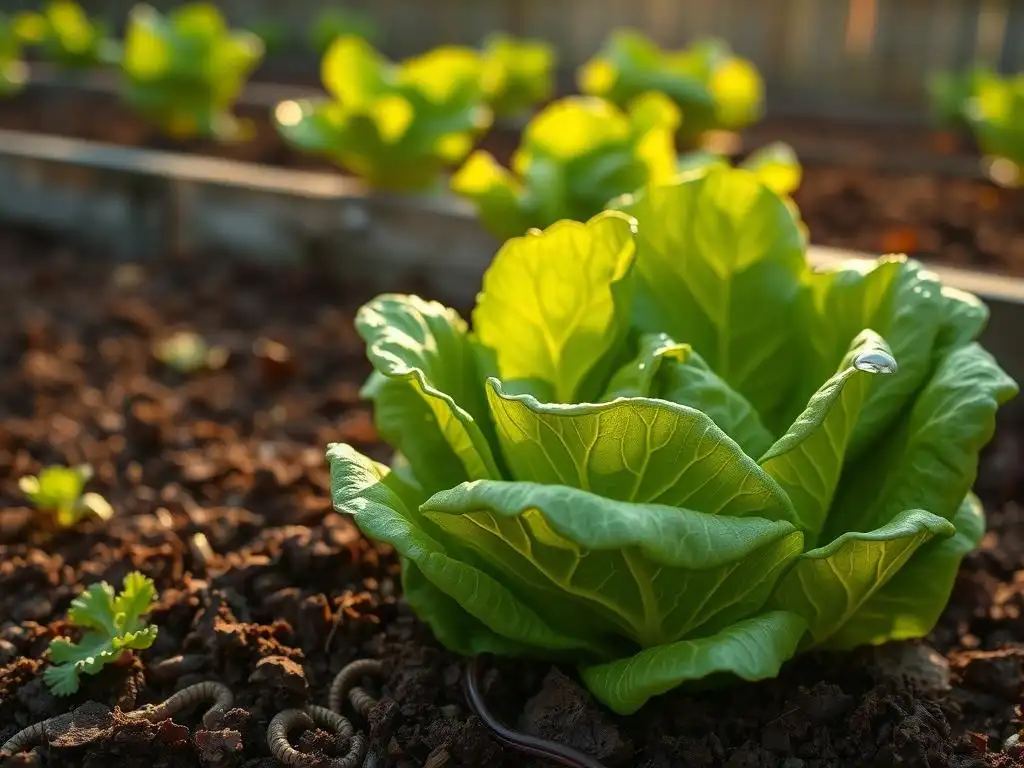
Growing crisp lettuce organically requires understanding and meeting its specific needs. This section delves into the crucial environmental factors that directly impact the texture and sweetness of your lettuce harvest. From sunlight exposure to precise watering techniques and organic fertilization, we'll explore the key elements for achieving that perfect, garden-fresh crunch. Let's cultivate the ideal conditions for your crisp lettuce ambitions!
Sunlight Requirements for Luscious Lettuce Leaves
Lettuce, while adaptable, thrives in partial shade. Direct, intense sunlight can scorch the leaves, leading to bitterness and a reduction in crispness. Aim for at least 4-6 hours of indirect sunlight daily. Morning sun is particularly beneficial, providing warmth without the harsh midday heat.
Consider planting your lettuce in a location that receives dappled shade from taller plants or structures, or utilize shade cloth during the hottest parts of the day, especially in warmer climates. Overexposure to intense sunlight can cause the leaves to bolt (flower prematurely), resulting in tough, bitter, and unappetizing lettuce. Remember, the goal is to grow crisp lettuce organically, and controlled sunlight exposure is a key component of that success. Monitoring your lettuce's growth and adjusting its exposure as needed will ensure optimal results.
Watering Techniques for Maintaining Crispness
Consistent moisture is paramount for crisp lettuce. Allowing the soil to dry out completely between waterings can lead to wilted, bitter leaves. Conversely, overwatering can cause root rot and other fungal diseases. The best approach is to maintain consistently moist but not soggy soil.
Water deeply and thoroughly, ensuring the water reaches the roots. A soaker hose or drip irrigation system is ideal for delivering water directly to the base of the plants without wetting the leaves, which can encourage disease. Mulching around the plants can help retain soil moisture and reduce the frequency of watering. Observe the soil's moisture level regularly, especially during hot and dry periods.
A simple finger test – inserting your finger about an inch into the soil – can help determine if watering is needed. Remember, the key to organically growing crisp lettuce is consistent, mindful watering. This prevents stress and promotes the development of succulent, crisp leaves.
Essential Nutrients for Sweet and Crisp Lettuce: Organic Fertilizing
Organic fertilization is crucial for growing sweet and crisp lettuce without resorting to synthetic chemicals. Choose a balanced organic fertilizer, such as compost tea, worm castings, or a well-rotted manure. Avoid fertilizers high in nitrogen, as this can promote leafy growth at the expense of flavor and crispness. A balanced nutrient profile will support healthy growth and enhance the lettuce's sweetness and texture.
Here's a simple table comparing common organic fertilizers:
| Fertilizer Type | Nitrogen (N) | Phosphorus (P) | Potassium (K) | Advantages | Disadvantages |
|---|---|---|---|---|---|
| Compost Tea | Moderate | Moderate | Moderate | Rich in micronutrients, easy to apply | Requires preparation, consistency varies |
| Worm Castings | Low | Moderate | Moderate | Excellent soil amendment, improves drainage | Can be expensive |
| Well-Rotted Manure | Moderate | Moderate | Moderate | Provides essential nutrients, improves soil structure | Can contain weed seeds, needs proper composting |
Applying fertilizer every 2-3 weeks, following the manufacturer's instructions, will help maintain a consistent nutrient supply for optimal lettuce growth. Remember to avoid over-fertilizing, as this can lead to nutrient burn and negatively impact the taste and texture of your lettuce. Regular soil testing can help determine the nutrient levels in your soil and guide your fertilization strategy. Growing crisp lettuce organically is an achievable goal with the right organic fertilization techniques.
Pest and Disease Management for Organic Lettuce Cultivation
Growing crisp lettuce organically requires a proactive approach to pest and disease management. Ignoring these aspects can quickly compromise your harvest, leading to wilted, damaged leaves, and ultimately, a disappointing yield. This section focuses on identifying common threats and implementing effective, sustainable solutions. Remember, prevention is always the best strategy! Consistent monitoring and prompt action are key to maintaining healthy, thriving lettuce plants.
Common Lettuce Pests and Organic Control Methods
Lettuce, with its tender leaves, is susceptible to a variety of pests. Understanding these pests and implementing effective organic control methods is crucial for a successful harvest. Let's explore some common culprits and the best ways to deal with them:
- Aphids: These tiny, soft-bodied insects suck sap from the leaves, causing stunted growth and leaf curling. A strong spray of water can dislodge them, while introducing beneficial insects like ladybugs can provide long-term control. Neem oil is also an effective organic pesticide, disrupting their life cycle. Regularly inspect your plants, especially the undersides of leaves, for early detection.
- Slugs and Snails: These slimy creatures feast on lettuce leaves, leaving behind characteristic silvery trails. Creating physical barriers, such as copper tape around the base of your plants, can deter them. Diatomaceous earth, a natural powder, also dehydrates and kills them. Handpicking at night is another effective, albeit time-consuming, method. Consider using beer traps strategically placed in your garden to attract and trap them.
- Leaf Miners: These larvae tunnel within the leaves, creating unsightly trails. While difficult to eliminate entirely, removing and destroying infested leaves can limit their spread. Introducing parasitic wasps, which prey on leaf miners, is a biological control option. Healthy, vigorous plants are less susceptible to leaf miner infestations.
- Cutworms: These caterpillars cut off young seedlings at ground level. Collars made from cardboard or plastic around the base of the plants can protect them. Handpicking at night is another effective control method. Bacillus thuringiensis (Bt), a naturally occurring bacterium, is a safe and effective organic insecticide targeting these pests.
| Pest | Organic Control Methods | Prevention Strategies |
|---|---|---|
| Aphids | Water spray, ladybugs, neem oil | Regular inspection, strong plant health |
| Slugs/Snails | Copper tape, diatomaceous earth, beer traps, handpicking | Physical barriers, clean garden debris |
| Leaf Miners | Remove infested leaves, parasitic wasps | Maintain plant health, monitor regularly |
| Cutworms | Collars around seedlings, handpicking, Bacillus thuringiensis | Clean garden debris, healthy soil |
Remember to always follow the instructions on any organic pesticide you choose to use. Rotating crops can also help prevent pest buildup over time. A diverse garden ecosystem encourages natural predators, further reducing pest pressure. Growing crisp lettuce organically requires diligence, but the reward of fresh, healthy produce is well worth the effort!
Preventing and Treating Common Lettuce Diseases Organically
Maintaining healthy soil and practicing good sanitation are crucial for preventing diseases in your lettuce crop. Let's examine some common diseases and organic approaches to manage them:
- Downy Mildew: This fungal disease thrives in cool, damp conditions. Ensure good air circulation between plants by avoiding overcrowding. Remove and destroy infected leaves promptly. Copper fungicides are an effective organic treatment option, but preventative measures are key.
- Bottom Rot: This fungal disease attacks the base of the plant, causing wilting and decay. Well-drained soil is essential to prevent this disease. Avoid overhead watering, which can increase soil moisture and promote fungal growth. Crop rotation helps break the disease cycle.
- Leaf Spot: Various fungal and bacterial pathogens can cause leaf spots. Good sanitation is crucial – remove and destroy infected leaves. Organic fungicides containing ingredients like neem oil or potassium bicarbonate can help control the spread. Improving plant vigor through proper fertilization and watering practices enhances disease resistance.
Further Considerations for Disease Prevention
Choosing disease-resistant lettuce varieties can significantly reduce the risk of infection. Regularly inspect your plants for early signs of disease and take prompt action to prevent widespread infestation. A healthy soil ecosystem, rich in beneficial microbes, helps to enhance plant immunity and resilience against pathogens. Maintaining optimal soil pH is also important for plant health and disease resistance.
By implementing these preventative measures and organic control methods, you can significantly improve your chances of growing crisp, healthy, and delicious lettuce organically. Remember that consistent observation and prompt action are essential for maintaining a thriving lettuce patch!
Harvesting and Storing Your Homegrown Crisp Lettuce
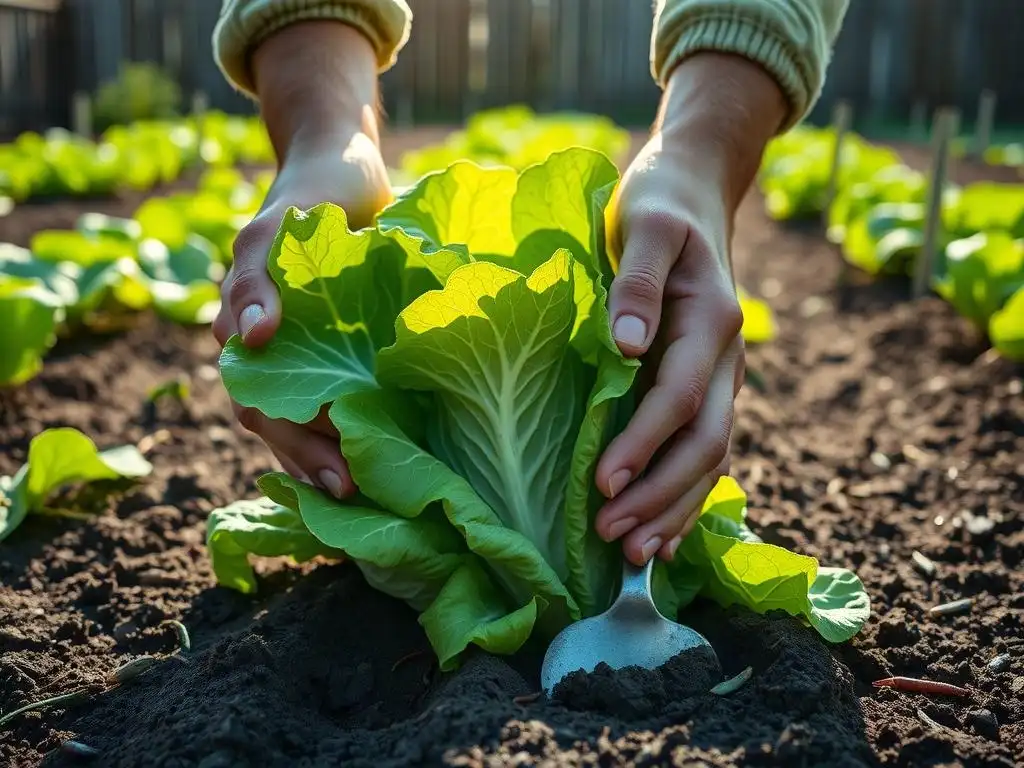
This section focuses on maximizing the crispness and longevity of your homegrown lettuce, a key element in achieving the goal of "Grow crisp lettuce organically". We'll cover the optimal harvesting time and effective storage techniques to keep your lettuce fresh and delicious for as long as possible.
Knowing When to Harvest for Maximum Crispness
The timing of your lettuce harvest significantly impacts its crispness. Harvesting too early results in small, underdeveloped leaves lacking the desired crunch. Conversely, harvesting too late leads to bitter, tough leaves that have bolted (gone to seed). The sweet spot lies in harvesting when the lettuce plants have reached maturity but before bolting.
Several factors influence optimal harvest time:
- Variety: Different lettuce varieties mature at different rates. Check the seed packet or plant tag for an estimated time to maturity. Generally, loose-leaf lettuces are harvested by picking individual leaves as needed, while head lettuces are harvested once the head is fully formed.
- Growing Conditions: Warm weather accelerates growth and can cause bolting, so monitor your plants closely, especially during hot spells. Cooler temperatures generally lead to slower growth and a longer harvest window.
- Plant Size and Appearance: Loose-leaf lettuces are ready when leaves are large enough for your needs. Look for vibrant, dark green leaves with a firm texture. For head lettuces, the head should be firm and tightly packed. Avoid harvesting if the inner leaves show signs of yellowing or discoloration.
Here's a simple guide:
| Lettuce Type | Harvest Indication |
|---|---|
| Loose-leaf Lettuce | Outer leaves are 4-6 inches long and firm. |
| Head Lettuce | Head is firm, tightly packed, and approximately 6-8 inches in diameter. |
Remember, you can harvest leaves from loose-leaf varieties continuously, promoting new growth and extending the harvest period. This is a sustainable way to enjoy fresh lettuce throughout the growing season. This method also contributes to the organic approach, as you avoid waste and encourage continuous growth.
Proper Storage Techniques to Maintain Lettuce Freshness
Even after harvesting, maintaining the crispness of your lettuce requires proper storage. Improper storage can lead to wilting, browning, and a significant reduction in shelf life. Here are some effective methods to keep your lettuce fresh and crunchy:
- Refrigeration: This is the most common method. Wrap your harvested lettuce loosely in paper towels to absorb excess moisture. Then, place it in a perforated plastic bag or a container with good ventilation to prevent condensation. Avoid airtight containers, as they can trap moisture and promote decay.
- Washing Before Storage: Avoid washing lettuce before storing it. Washing introduces moisture, which can accelerate spoilage. Wash only the amount you intend to consume immediately before preparing it.
- Freezing: Lettuce can be frozen, but it loses some of its crispness and texture upon thawing. Blanching the leaves before freezing helps to preserve their color and nutrients. To do so, briefly submerge the leaves in boiling water, then immediately plunge them into ice water to stop the cooking process. After drying thoroughly, you can freeze them in airtight bags or containers. This method extends the shelf life significantly, perfect for preserving your homegrown harvest for later use.
- Alternative Storage: Consider storing your lettuce in a cool, dark, and slightly humid environment. A root cellar or a cool basement could work well, but ensure proper ventilation to prevent rot.
By following these harvesting and storage techniques, you can significantly improve the quality and longevity of your homegrown lettuce, ensuring that you enjoy the fruits (or rather, leaves) of your labor for longer, while upholding your commitment to "Grow crisp lettuce organically". 🌱
Advanced Techniques for Exceptional Lettuce Growth
This section delves into advanced cultivation techniques to help you grow exceptionally sweet and crisp lettuce organically, surpassing basic gardening practices. We'll explore methods to enhance growth, protect your plants, and maintain a healthy, thriving lettuce patch. Remember, consistent organic practices are key to achieving the best results and cultivating flavorful, nutrient-rich lettuce.
Utilizing Row Covers for Protection and Improved Growth
Row covers offer several significant advantages for growing crisp lettuce organically. These lightweight fabrics create a microclimate, protecting delicate seedlings from harsh weather conditions and pests while simultaneously accelerating growth. The benefits extend beyond mere protection; row covers also help regulate soil temperature and moisture, crucial factors for optimal lettuce development.
Let's consider a practical example: Imagine a spring planting of lettuce threatened by unexpected late frosts. A simple row cover placed over the young plants can prevent frost damage, safeguarding your investment and ensuring a bountiful harvest. Similarly, during hot summer months, a light-weight row cover can offer shade, reducing heat stress and maintaining optimal leaf temperature for crispness.
Furthermore, row covers provide an effective barrier against many common lettuce pests, such as aphids and flea beetles. By preventing insect access, you minimize the need for chemical pesticides, aligning perfectly with organic gardening principles. This proactive approach reduces the risk of pest infestations and contributes to the overall health of your lettuce plants.
The selection of the appropriate row cover is paramount. Different materials offer varying degrees of protection and breathability. You'll need to choose a cover that suits your climate and the specific needs of your lettuce variety. Consider factors such as light transmission, air circulation, and durability when making your selection. Proper installation is also vital to ensure effectiveness and avoid harming your plants.
Using row covers is a sustainable and effective method to improve your lettuce yield and quality while adhering to organic growing practices. This investment in protection translates directly into healthier, crisper lettuce heads.
Implementing Organic Pest Control Strategies for Long-term Success
Organic pest control for lettuce necessitates a proactive and integrated approach, focusing on prevention and sustainable management rather than reactive chemical interventions. This strategy is crucial for maintaining healthy soil and avoiding the harmful effects of synthetic pesticides. Here, we outline some key organic pest control strategies for long-term success in growing crisp lettuce organically.
First and foremost, maintaining a healthy soil ecosystem is paramount. Healthy soil teeming with beneficial microorganisms naturally inhibits many common lettuce pests. Regular composting and the addition of organic matter enrich the soil, promoting strong plant growth and resilience to pests. This is the cornerstone of any successful organic pest management plan.
Secondly, companion planting can significantly reduce pest pressure. Certain plants, when planted near lettuce, can repel or confuse pests. For instance, planting basil or marigolds near your lettuce can deter aphids and other common pests. Researching suitable companion plants specific to your region and the prevalent pests is crucial for maximizing the effectiveness of this method.
Thirdly, regular monitoring is key. Regularly inspect your lettuce plants for signs of pests and diseases. Early detection allows for prompt intervention, minimizing the damage and preventing widespread infestations. This proactive approach is far more effective than waiting until a problem becomes severe.
Finally, consider using natural pest control methods such as insecticidal soaps or neem oil. These products are derived from natural sources and are less harmful to beneficial insects and the environment compared to synthetic pesticides. Always follow the instructions carefully and apply sparingly. Remember, organic gardening prioritizes the health of the entire ecosystem.
By implementing these organic pest control strategies, you can successfully grow crisp lettuce organically, ensuring healthy plants and a delicious harvest while minimizing environmental impact. This holistic approach prioritizes prevention and sustainable practices, contributing to long-term soil health and a thriving garden.
Frequently Asked Questions
How can I grow crisp lettuce organically?
To grow crisp lettuce organically, focus on consistent watering, loose, well-draining soil rich in organic matter, and sufficient sunlight (at least 6 hours). Avoid over-fertilizing, which can make lettuce bitter.
What type of soil is best for growing organic lettuce?
Lettuce thrives in loose, fertile soil with good drainage. Amend heavy clay soils with compost or other organic matter to improve drainage and aeration. A slightly acidic pH (6.0-6.8) is ideal.
How much sunlight does lettuce need to grow crisply?
Lettuce needs at least 6 hours of sunlight per day, but avoid intense afternoon sun, especially in hot climates. Partial shade during the hottest part of the day can prevent bolting (premature flowering). Morning sun is best.
How often should I water my organic lettuce?
Keep the soil consistently moist but not soggy. Water deeply and regularly, especially during dry periods. Avoid overhead watering to prevent fungal diseases. Use mulch to retain moisture.
What are some common organic pest control methods for lettuce?
Regularly inspect your lettuce for pests. Use diatomaceous earth or neem oil as natural pest controls. Consider companion planting with herbs like basil or nasturtiums to deter pests naturally. Hand-picking pests is also effective.
Final Reflection: Harvesting the Bounty of Organic Crispness
The quest for perfectly crisp, sweet lettuce, grown organically, is more than just a gardening pursuit; it's a reflection of our growing desire for healthy, sustainable food. The techniques explored in this article – from soil preparation and seed selection to mindful watering and pest control – are not merely steps in a process, but vital components in building a resilient and rewarding relationship with nature. This connection, forged through the simple act of growing our own food, offers a profound sense of accomplishment and a deeper understanding of where our food comes from.
The journey of cultivating organic lettuce has profoundly impacted my own understanding of food systems and the importance of mindful consumption. It's a journey of patience and observation, rewarding the gardener with a harvest far surpassing anything purchased from a store. The taste, the texture, the sheer satisfaction of eating something you've nurtured from seed to plate is unparalleled. The glory of gardening: hands in the dirt, head in the sun, heart with nature. To nurture a garden is to feed not just the body, but the soul.
This quote perfectly encapsulates the transformative power of growing your own food, a power that extends far beyond the simple act of cultivation.
Now, I invite you to consider your own relationship with food. Will you embark on the rewarding journey of growing your own crisp, organic lettuce? Perhaps this article has sparked a seed of inspiration within you, a desire to connect more deeply with the natural world and the food you consume. Take that first step, however small it may seem – whether it's planting a single seed in a pot on your windowsill or dedicating a patch of your garden to this delicious and fulfilling endeavor. The rewards, both tangible and intangible, await.
Unlock Your Green Thumb: Grow the Perfect Lettuce!
Thanks for exploring the secrets to growing delicious lettuce! We hope you feel confident and ready to cultivate your own crisp, sweet leaves. Ready to get started?
- Start your own lettuce seedlings today! Even a small windowsill pot can yield amazing results. Put your newfound knowledge to good use!
- Share your lettuce-growing journey! Post a picture of your thriving plants on social media using #CultivateYourLettuce. Let's inspire each other!
- Experiment with different lettuce varieties—you might discover a new favorite! Romaine, butterhead, and loose-leaf are all great options to explore.
What's your favorite lettuce variety, and what's your biggest challenge when growing it? Let's discuss in the comments below!