
The Secret to Sweet Strawberries: Soil pH and Nutrient Balance


Ready to unlock the secrets to juicy, sun-ripened strawberries bursting with flavor? At CultivateYourFood, we believe everyone can grow their own delicious produce. This journey begins with understanding the fundamentals, and today, we're diving deep into the crucial role of strawberry soil pH requirements in achieving a bountiful harvest. Discover how achieving the perfect nutrient balance can transform your garden and lead to sweeter, healthier strawberries than you ever thought possible. Let's get growing!
- Understanding Strawberry Soil pH Requirements
- Essential Nutrients for Luscious Strawberries
- Maintaining Soil Health for Abundant Harvests
- Troubleshooting Common Strawberry Growing Problems Related to Soil
- Frequently Asked Questions
- Final Reflection: Harvesting the Sweetness of Understanding
- Unlock Your Strawberry's Sweetest Potential!
Understanding Strawberry Soil pH Requirements
Achieving a bountiful harvest of sweet, juicy strawberries hinges on more than just sunshine and water. A crucial, often overlooked factor is soil pH. This article delves into the intricate relationship between soil pH and strawberry growth, providing you with the knowledge and tools to cultivate thriving strawberry plants in your home garden, using sustainable and organic practices.
We'll explore the ideal pH range, the consequences of imbalances, and simple methods to test and adjust your soil's pH for optimal strawberry production. Understanding these fundamentals is key to unlocking the secret to consistently sweet and abundant harvests, ensuring your homegrown strawberries are the envy of the neighborhood! This guide will empower you to cultivate healthy plants and reap the rewards of your labor, aligning with the CultivateYourFood ethos of sustainable and organic gardening.
Ideal pH Range for Strawberry Plants
Strawberry plants thrive in slightly acidic soil conditions. The ideal pH range for optimal growth and fruit production generally falls between 6.0 and 6.8 . Within this range, the plants can efficiently absorb essential nutrients from the soil, leading to vigorous growth and abundant fruiting. Falling outside this range, either too acidic or too alkaline, can hinder nutrient uptake, impacting plant health and yield.
Maintaining this slightly acidic environment is crucial for several reasons:
- Nutrient Availability: At the optimal pH, nutrients like iron, manganese, and zinc are readily available for absorption by the strawberry plant's roots. These micronutrients are vital for various metabolic processes, including chlorophyll production (essential for photosynthesis) and enzyme function. Deficiencies in these nutrients can manifest as yellowing leaves (chlorosis), stunted growth, and reduced fruit production.
- Root Health: A balanced pH promotes healthy root development, allowing the plant to effectively absorb water and nutrients. Extreme pH levels can damage the root system, restricting nutrient and water uptake, leading to wilting and poor growth.
- Disease Resistance: While not directly impacting disease, a healthy plant with optimal nutrient uptake is more resilient to various diseases and pests, reducing the need for chemical interventions.
The Impact of Incorrect pH on Strawberry Growth
Deviation from the ideal pH range can significantly impact strawberry plant health and yield. Let's examine the effects of both high and low pH:
| pH Level | Effect on Strawberry Plants | Symptoms | Corrective Action |
|---|---|---|---|
| Below 6.0 (Too Acidic) | Reduced availability of phosphorus and molybdenum; increased aluminum toxicity. | Stunted growth, yellowing leaves (chlorosis), poor fruit development. | Add lime to raise the pH. |
| Above 6.8 (Too Alkaline) | Reduced availability of iron, manganese, and zinc; increased risk of nutrient deficiencies. | Yellowing leaves (chlorosis), especially between the veins, reduced yield. | Add sulfur or other soil acidifiers to lower the pH. |
Incorrect pH levels can lead to a vicious cycle: poor nutrient uptake weakens the plant, making it more susceptible to pests and diseases, further impacting its ability to thrive. Therefore, maintaining the correct pH is a proactive measure to ensure a healthy and productive strawberry patch. Addressing pH issues early can prevent significant yield losses and maintain the long-term health of your plants.
Testing Your Soil pH: Simple Methods and Tools
Regular soil testing is crucial for maintaining the ideal pH for your strawberries. Fortunately, several methods are available, ranging from simple home tests to professional laboratory analysis:
- Home Soil Testing Kits: These readily available kits provide a quick and relatively inexpensive way to measure your soil's pH. Simply follow the instructions provided, usually involving mixing a soil sample with a solution and comparing the resulting color to a chart. While not as precise as laboratory tests, home kits offer a good indication of your soil's pH.
- Electronic Soil pH Meters: These digital meters provide a more accurate and immediate reading than home test kits. They are easy to use and offer a precise numerical value for your soil's pH. They are a worthwhile investment for serious gardeners who want to consistently monitor their soil's pH.
- Professional Soil Testing Labs: For the most accurate results, consider sending a soil sample to a professional laboratory. These labs provide a comprehensive analysis, including pH, nutrient levels, and other soil properties. This detailed information can help you fine-tune your soil management practices for optimal strawberry growth. This approach is especially valuable for large-scale strawberry cultivation.
Remember, consistent monitoring and adjustments are key to maintaining the optimal soil pH for healthy and productive strawberry plants. The effort invested in understanding and managing your soil's pH will be handsomely rewarded with a bountiful harvest of delicious strawberries! 🍓
Adjusting Soil pH: Lowering and Raising pH Levels
Achieving the optimal pH range for strawberries, ideally between 6.0 and 6.8, often requires adjusting your soil's existing pH. This isn't a quick fix; it's a process that requires patience and careful monitoring. The methods for lowering and raising pH differ, and the effectiveness depends heavily on your soil type and the severity of the pH imbalance. Remember to always test your soil's pH before and after any adjustments to gauge the impact of your efforts. Using a reliable soil testing kit is crucial for accurate measurements.
Lowering the pH (making the soil more acidic) is typically necessary in alkaline soils. This can be achieved through the application of elemental sulfur. Sulfur slowly oxidizes in the soil, releasing sulfuric acid which lowers the pH. The amount of sulfur needed depends on your soil's initial pH and its texture; heavier clay soils require more sulfur than lighter sandy soils. It's essential to follow the instructions on the sulfur product carefully, as over-application can harm your plants.
Applying sulfur in the fall allows it to work its way into the soil over the winter, yielding better results by springtime. Another effective method is using aluminum sulfate, which acts more quickly than sulfur. However, it's crucial to use this cautiously and follow instructions precisely, as it can also damage plants if overused. Regular soil testing is vital to prevent over-acidification.
Raising the pH (making the soil more alkaline) is needed when dealing with acidic soils. This is typically accomplished by adding lime to the soil. Different types of lime exist, including dolomitic lime (containing magnesium) and calcitic lime (primarily calcium). Dolomitic lime is generally preferred as it provides both calcium and magnesium, essential nutrients for plant growth. The amount of lime needed depends on several factors, including the desired pH increase, soil type, and the type of lime used.
Again, following product instructions is paramount. Lime works more slowly than aluminum sulfate, often requiring several applications over time to achieve the desired pH level. Incorporating the lime thoroughly into the soil is key to its effectiveness. Incorrect application can lead to localized pockets of high pH, potentially harming your strawberry plants.
Patience and consistent monitoring are critical when raising the soil pH. Remember, gradual adjustments are far safer and more effective than drastic changes. Always test your soil pH after applying lime and adjust your strategy based on the results. This iterative process ensures you achieve the optimal pH for healthy strawberry growth without harming your plants.
Essential Nutrients for Luscious Strawberries

Optimal strawberry growth hinges on providing the right balance of nutrients. Understanding the specific needs of your strawberry plants, particularly concerning macronutrients and micronutrients, is key to achieving a bountiful harvest of sweet, juicy berries. Ignoring these nutritional requirements can lead to stunted growth, reduced yields, and susceptibility to diseases, undermining your efforts in achieving the perfect strawberry patch.
This section delves into the specific nutritional requirements for thriving strawberry plants, focusing on both the essential macronutrients and often-overlooked micronutrients. Mastering this aspect of strawberry cultivation is crucial for maximizing your yields and ensuring the health of your plants. Let's explore the vital roles of these nutrients in detail.
Macronutrients: Nitrogen, Phosphorus, and Potassium for Strawberry Production
Macronutrients are the building blocks of healthy plant growth, and strawberries are no exception. Nitrogen (N), phosphorus (P), and potassium (K), often represented as NPK on fertilizer labels, are the primary macronutrients crucial for strawberry production. Each plays a distinct role in the plant's life cycle:
- Nitrogen (N): Essential for vigorous leaf growth and overall plant vigor. Nitrogen deficiency manifests as pale, yellowing leaves, especially older ones, and stunted growth. Think of nitrogen as the fuel for leafy growth. Too much nitrogen, however, can lead to excessive vegetative growth at the expense of fruit production.
- Phosphorus (P): Crucial for root development, flowering, and fruit formation. Phosphorus deficiency results in poor root systems, delayed flowering, and smaller, less flavorful berries. It's the key to strong roots and abundant blooms.
- Potassium (K): Improves disease resistance, enhances fruit quality, and contributes to overall plant hardiness. Potassium deficiency can lead to weak stems, poor fruit development, and increased susceptibility to diseases. It's the plant's defense mechanism and fruit quality enhancer.
Understanding the NPK ratio is vital. A balanced fertilizer, often recommended for strawberries, might have an NPK ratio like 10-10-10 or a slightly higher potassium value, reflecting the importance of potassium for fruit quality and disease resistance. Always follow the instructions on your chosen fertilizer, adjusting application rates based on your soil test results. Soil testing is crucial for determining existing nutrient levels and tailoring your fertilization strategy.
Micronutrients: The Often-Overlooked Elements for Optimal Growth
While macronutrients are essential in larger quantities, micronutrients are equally vital, even though needed in smaller amounts. These trace elements are often overlooked but play critical roles in various metabolic processes within the strawberry plant. Deficiencies can significantly impact growth and fruit quality. Some key micronutrients include:
- Iron (Fe): Essential for chlorophyll production, crucial for photosynthesis. Iron deficiency leads to chlorosis (yellowing of leaves).
- Manganese (Mn): Involved in enzyme activation and chlorophyll formation. Manganese deficiency can result in similar symptoms to iron deficiency.
- Zinc (Zn): Plays a role in various enzyme systems and hormone production. Zinc deficiency can cause stunted growth and reduced flowering.
- Boron (B): Crucial for cell wall formation and pollen development. Boron deficiency can lead to poor fruit set and misshapen berries.
- Copper (Cu): Involved in enzyme activity and chlorophyll synthesis. Copper deficiency can lead to stunted growth and wilting.
Regular soil testing can help identify any micronutrient deficiencies, allowing for targeted supplementation. Organic sources of micronutrients, such as composted manure or seaweed extract, often provide a balanced supply. Remember, a balanced approach to both macro and micronutrients is essential for optimal strawberry growth.
Organic Fertilizers for Strawberry Plants: Benefits and Application
Organic fertilizers offer a sustainable and environmentally friendly approach to nourishing your strawberry plants. These fertilizers, derived from natural sources, improve soil structure, enhance nutrient availability, and promote beneficial microbial activity. Some popular options include:
- Compost: A rich source of organic matter, compost improves soil drainage, aeration, and water retention, creating an ideal environment for strawberry roots. It also provides a slow-release source of various nutrients.
- Manure: Well-rotted animal manure (cow, horse, chicken) adds essential nutrients and improves soil fertility. However, ensure it's fully composted to avoid burning the plants.
- Seaweed Extract: A liquid fertilizer rich in micronutrients and growth hormones, seaweed extract can boost plant vigor and fruit production.
- Worm Castings: The excrement of earthworms, worm castings are a highly nutritious soil amendment packed with beneficial microorganisms.
Applying organic fertilizers correctly is crucial. Generally, you'll incorporate compost or manure into the soil before planting and then supplement with liquid fertilizers like seaweed extract during the growing season. Always follow the product instructions carefully to avoid over-fertilization. Remember, consistent monitoring and soil testing remain key to ensuring your plants receive the optimal balance of nutrients throughout their lifecycle. The resulting healthy, vibrant plants will reward you with abundant, delicious strawberries.
Recognizing Nutrient Deficiencies in Strawberry Plants
Strawberry plants, like all plants, require a balanced diet of essential nutrients to thrive and produce abundant, sweet fruit. Recognizing nutrient deficiencies early is crucial for successful strawberry cultivation, as untreated deficiencies can significantly reduce yield and fruit quality. Learning to identify these deficiencies visually is a key skill for any home gardener. Let's explore some common signs:
Nitrogen Deficiency: A nitrogen-deficient strawberry plant will exhibit stunted growth, with pale green or yellowish leaves, particularly older, lower leaves. The leaves may also appear smaller than usual and the overall plant will have a weak, spindly appearance. Severe nitrogen deficiency can result in premature leaf drop and reduced flowering. This is often one of the first deficiencies to appear, particularly in sandy soils with poor organic matter. Addressing this often involves applying a nitrogen-rich fertilizer, like aged compost or a balanced granular fertilizer.
Phosphorus Deficiency: Phosphorus is vital for root development, flowering, and fruit production. Plants suffering from phosphorus deficiency often show dark green or purplish-red coloration on the leaves, particularly on the lower leaves. Growth will be stunted, and flowering and fruiting may be significantly reduced or delayed. The plant’s overall vigor will be diminished, and the fruit may be smaller and less flavorful. Adding bone meal or a phosphorus-rich fertilizer can help rectify this issue.
Potassium Deficiency: Potassium plays a key role in overall plant health and disease resistance. Potassium deficiency symptoms often manifest as yellowing or scorching of leaf margins, starting at the edges and progressing inwards. The leaves may also become brittle and prone to wilting. Fruit production can be affected, resulting in smaller berries with reduced sugar content. Applying a potassium-rich fertilizer, or using wood ash (carefully, as it can alter pH), can often alleviate the problem.
Magnesium Deficiency: Magnesium is essential for chlorophyll production. A deficiency typically results in interveinal chlorosis (yellowing between the leaf veins) on the older leaves, while the veins remain green. The leaves may also become curled or distorted. This deficiency is often more pronounced in sandy soils. Epsom salts (magnesium sulfate) can be a quick and effective solution when applied as a foliar spray or soil amendment.
Micronutrient Deficiencies: Beyond the macronutrients (nitrogen, phosphorus, potassium, magnesium), strawberries also require micronutrients like iron, zinc, manganese, and boron in smaller amounts. Deficiencies in these micronutrients can manifest in various ways, often with subtle symptoms that can be difficult to diagnose without soil testing. For example, iron deficiency can cause interveinal chlorosis similar to magnesium deficiency, but it usually affects younger leaves first. A soil test is the best way to confirm micronutrient deficiencies and determine the appropriate corrective action. In many cases, well-balanced fertilizers will address these deficiencies.
Visual Diagnosis vs. Soil Testing: While visual observation provides valuable clues, it's crucial to understand that symptoms can overlap. A definitive diagnosis often requires a soil test. Soil testing determines the precise nutrient levels in your soil, allowing for targeted fertilization and avoiding unnecessary applications that could potentially harm your plants or the environment. It’s a worthwhile investment for serious strawberry growers. 🍓
Maintaining Soil Health for Abundant Harvests
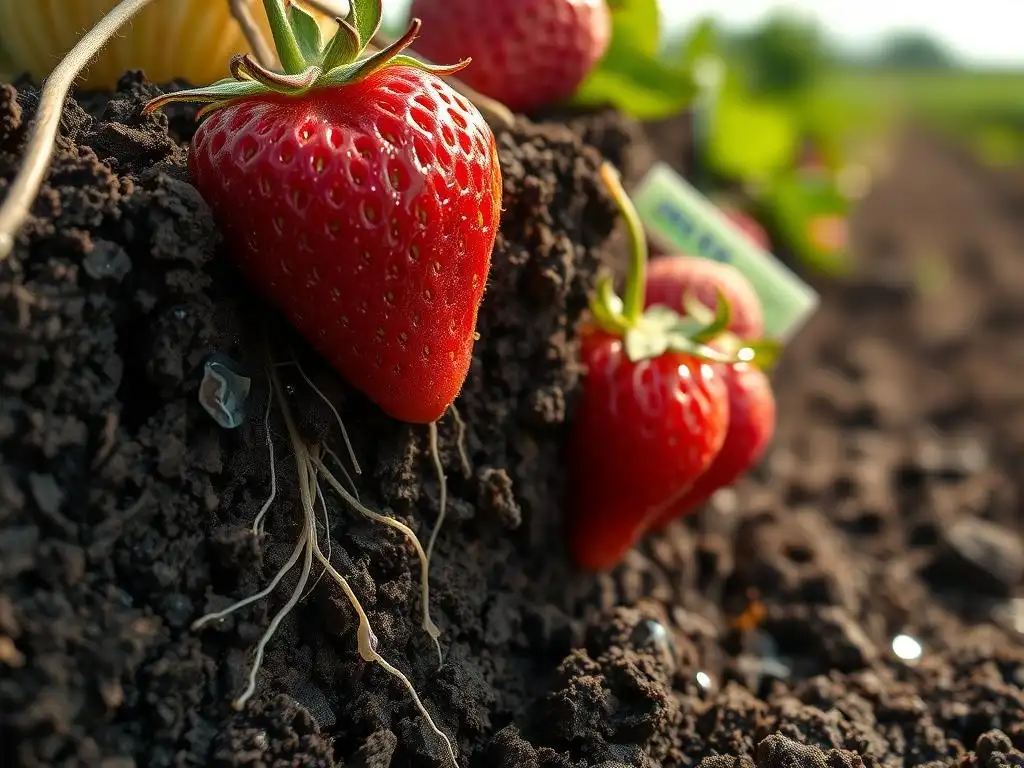
Maintaining optimal soil health is paramount for cultivating luscious, sweet strawberries. Ignoring soil health can lead to stunted growth, reduced yields, and susceptibility to diseases. Understanding the interplay between soil pH, nutrient availability, and overall soil structure is crucial for achieving a bountiful harvest. This section focuses on practical strategies to ensure your strawberry patch thrives. We'll explore how proper soil management directly impacts the achievement of ideal Strawberry soil pH requirements.
Soil Structure and Drainage for Strawberry Success
Strawberries thrive in well-drained, loose soil that allows for adequate aeration of the roots. Compacted soil restricts root growth, leading to poor nutrient uptake and increased vulnerability to fungal diseases. Ideal soil structure for strawberries is a loamy mix – a balance of sand, silt, and clay – offering excellent drainage while retaining sufficient moisture.
Before planting, amend heavy clay soils with organic matter like compost or well-rotted manure. This improves drainage and soil structure, creating a more hospitable environment for strawberry roots. Conversely, sandy soils, while well-draining, may require the addition of organic matter to improve water retention. The addition of organic matter not only improves soil structure but also gradually adjusts the soil pH towards the optimal range.
Regular soil testing is recommended to monitor improvements and adjust your approach as needed. Consider using a soil probe to assess drainage; if water sits on the surface for an extended period, you’ll need to improve drainage. For example, adding raised beds can dramatically improve drainage in clay-heavy soils.
Organic Mulching Techniques for Strawberry Beds
Organic mulching is a cornerstone of sustainable strawberry cultivation. It plays a crucial role in maintaining optimal soil moisture, suppressing weeds, regulating soil temperature, and improving soil structure over time. Several organic mulching options are suitable for strawberry beds:
- Straw: A traditional and effective choice, straw mulch helps retain moisture, suppresses weeds, and provides a clean surface for harvesting. However, ensure the straw is free from weed seeds.
- Wood chips: Larger wood chips decompose more slowly, providing long-term soil improvement. They offer excellent weed suppression and help regulate soil temperature.
- Shredded leaves: A readily available and cost-effective option, shredded leaves decompose relatively quickly, adding valuable nutrients to the soil. However, ensure the leaves are free from disease.
- Compost: Applying a layer of compost before mulching provides an immediate boost of nutrients. This practice enhances the overall soil health and encourages vigorous growth.
The optimal mulch layer thickness for strawberries is typically 2-4 inches. A thicker layer can hinder air circulation and increase the risk of fungal diseases. Regularly monitor the mulch layer and replenish it as needed throughout the growing season. This proactive approach is key to maintaining consistently beneficial soil conditions for your strawberry plants. Proper mulching is a key element in achieving the correct Strawberry soil pH requirements.
Preventing Soil Erosion and Maintaining Moisture Levels
Soil erosion can significantly impact strawberry yields by removing topsoil rich in organic matter and essential nutrients. Protecting your strawberry beds from erosion is crucial, especially on slopes or areas prone to heavy rainfall. Several techniques can effectively prevent soil erosion and maintain optimal moisture levels:
- Terracing: Creating level platforms on slopes reduces water runoff and minimizes soil erosion.
- Contour planting: Planting strawberries along the contours of the land slows down water runoff.
- Cover cropping: Planting cover crops like clover or rye during the off-season helps prevent erosion, improve soil structure, and add nutrients.
- Water conservation techniques: Employing drip irrigation or soaker hoses minimizes water runoff and promotes efficient water use, reducing erosion and maintaining soil moisture. Avoid overhead watering which can compact the soil and increase the risk of fungal diseases.
Regular monitoring of soil moisture levels is essential. Using a soil moisture meter can help you determine when to irrigate, preventing both overwatering and underwatering. Maintaining consistent moisture levels is crucial for optimal root development and nutrient uptake, contributing significantly to achieving a healthy soil pH for your strawberries. Consistent practices in preventing soil erosion and maintaining moisture directly contribute to maintaining the proper Strawberry soil pH requirements.
Composting and Soil Enrichment for Healthy Strawberry Plants
Composting plays a crucial role in achieving the ideal soil pH and nutrient balance for thriving strawberry plants. Strawberries, like many fruits, benefit from nutrient-rich, well-drained soil. Compost provides a slow-release source of essential nutrients, improving soil structure and water retention. This is especially important for strawberries, which are sensitive to both waterlogging and drought. By incorporating compost, you're essentially creating a "sponge-like" soil that can hold onto moisture without becoming waterlogged, making it easier to maintain the optimal moisture levels crucial for strawberry growth.
The benefits extend beyond just nutrient provision. Compost introduces beneficial microorganisms into the soil, enhancing its overall health and fertility. These microbes help break down organic matter, releasing nutrients and improving the soil's ability to absorb and retain water. A healthy microbial community also helps suppress soilborne diseases, reducing the likelihood of common strawberry ailments. Remember, a healthy soil ecosystem is fundamental to healthy plants.
When adding compost to your strawberry beds, aim for a well-rotted, dark brown compost that is free of weed seeds and other undesirable elements. Avoid using fresh compost, as this can introduce harmful pathogens or burn the delicate roots of your strawberry plants. Ideally, incorporate the compost into the soil several weeks before planting your strawberry crowns to allow it to fully integrate. A good rule of thumb is to mix in approximately 2-3 inches of compost into the top layer of soil.
The improvement in soil structure and nutrient content will significantly contribute to a bountiful strawberry harvest. You'll notice healthier, more vigorous plants with bigger, sweeter berries as a direct result of this soil enrichment strategy. Consider adding other organic amendments like aged manure or leaf mold to further enhance the soil's nutrient profile and improve its drainage.
Regular soil testing, however, remains crucial to fine-tune your soil management practices and ensure you're meeting the specific nutrient needs of your strawberry plants. Regular soil testing, particularly for pH levels, is absolutely essential to maintain the optimal growing environment for your strawberry plants. This proactive approach will ensure you're consistently addressing the specific needs of your plants, leading to healthier growth and a much larger yield.
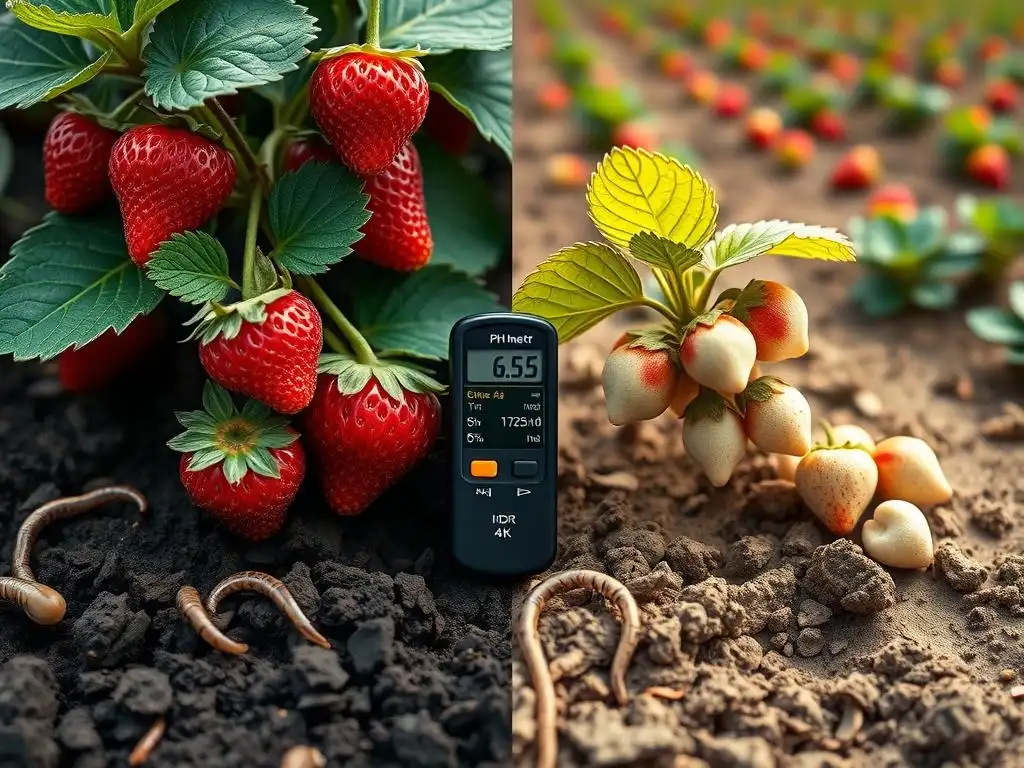
Maintaining the ideal soil conditions is paramount for a bountiful strawberry harvest. Ignoring soil health can lead to a range of issues, significantly impacting yield and fruit quality. This section focuses on diagnosing and resolving common strawberry growing problems directly linked to soil pH and nutrient balance, ensuring your "Strawberry soil pH requirements" are met.
Yellowing Leaves: Diagnosing and Addressing Nutrient Deficiencies
Yellowing leaves, or chlorosis, in strawberry plants often signals a nutrient deficiency, frequently linked to incorrect soil pH. While several nutrients can cause yellowing, iron (Fe) and manganese (Mn) deficiencies are particularly common in strawberries. These micronutrients become less available to the plant when the soil pH climbs above its optimal range (typically 6.0-6.5 for strawberries).
Several factors influence the severity of chlorosis. For example, the intensity of the yellowing can indicate the degree of deficiency. Pale yellow leaves might suggest a mild deficiency, while intensely yellow or even white leaves indicate a severe problem. Additionally, the location of the yellowing—whether it's affecting the older or younger leaves—can provide clues. Iron deficiency often starts in younger leaves, while other deficiencies might manifest in older leaves first.
Addressing this involves a two-pronged approach: soil testing and corrective action. A soil test will accurately determine your soil's pH and nutrient levels. Based on the test results, you can amend your soil. If the pH is too high (alkaline), you can lower it by incorporating organic matter like compost, peat moss, or elemental sulfur. If the pH is too low (acidic), you can raise it with lime. Remember to follow product instructions carefully. For severe deficiencies, direct application of chelated iron or manganese might be necessary.
Suboptimal strawberry yields are often a consequence of soil problems. Besides nutrient deficiencies (as discussed above), poor drainage, compacted soil, and unsuitable soil pH all contribute to reduced fruit production. Poor drainage leads to waterlogged roots, inhibiting nutrient uptake and increasing susceptibility to root rot. Compacted soil restricts root growth, limiting the plant's access to water and nutrients. An incorrect soil pH directly affects nutrient availability, as previously explained.
Let's consider a concrete example: a grower consistently experiences small, undersized strawberries despite seemingly adequate care. Soil testing reveals a pH of 7.5, significantly above the optimal range for strawberries. This high pH reduces the availability of essential nutrients like iron and manganese, directly impacting fruit development. The solution? Lowering the pH through the addition of organic matter and sulfur, as detailed in the previous section, alongside improving soil drainage with the incorporation of perlite or vermiculite.
To prevent future problems, regular soil testing is vital. Conducting soil tests annually allows for proactive adjustments, ensuring optimal conditions for maximum fruit production. Remember, prevention is always easier and more cost-effective than remediation. A healthy, well-balanced soil is the foundation for a successful strawberry crop.
Preventing Common Strawberry Diseases Through Proper Soil Management
Many strawberry diseases are exacerbated by poor soil conditions. For instance, fungal diseases like verticillium wilt and gray mold thrive in wet, poorly drained soils. Maintaining a well-drained soil with the appropriate pH is crucial for disease prevention. Good soil drainage reduces the duration of soil saturation, minimizing the risk of fungal infections. Moreover, proper soil pH optimizes nutrient uptake, strengthening the plant's immune system and making it more resistant to diseases.
Consider the case of a grower struggling with gray mold (Botrytis cinerea). This common fungal disease attacks flowers and fruits, causing significant yield losses. An investigation reveals poorly drained soil and a slightly alkaline pH. By amending the soil with organic matter to improve drainage and applying sulfur to lower the pH, the grower significantly reduces the incidence of gray mold in subsequent seasons. The improved soil conditions foster healthier plants better equipped to resist disease.
Remember, proactive soil management is key to preventing disease. This includes regular soil testing, maintaining appropriate drainage, and adjusting the pH as needed. By focusing on soil health, you'll build a strong foundation for a thriving strawberry patch, minimizing the need for chemical interventions and fostering a sustainable growing environment.
Maintaining healthy soil is crucial for preventing many common strawberry pests. A strong, balanced soil ecosystem promotes beneficial microorganisms that compete with harmful pests for resources and even prey on them. For example, nematodes, microscopic worms living in the soil, can attack strawberry roots, significantly impacting plant health and yield.
However, a healthy soil teeming with beneficial bacteria and fungi can reduce nematode populations naturally. This is achieved through practices like cover cropping, which adds organic matter and improves soil structure, creating a less hospitable environment for these pests. The addition of compost, rich in beneficial microbes, further strengthens the soil's natural pest defense mechanisms.
Furthermore, soil pH plays a significant role in pest susceptibility. An optimal pH range, typically between 6.0 and 6.5 for strawberries, discourages the proliferation of certain pests. Conversely, soils outside this range can weaken the plants, making them more vulnerable to attack.
For instance, an overly acidic soil (pH below 5.5) might encourage the development of fungal diseases, which can indirectly attract pests that feed on weakened or diseased plants. Similarly, alkaline soils (pH above 7.0) can lead to nutrient deficiencies, making strawberries more susceptible to pests seeking easy targets. Therefore, regular soil testing and pH adjustments are crucial steps in preventing pest infestations.
Beyond the microbial balance and pH, the nutrient content of the soil directly influences plant vigor and pest resistance. Strawberries require a balanced supply of essential nutrients, including nitrogen, phosphorus, and potassium, to grow strong and healthy. Nutrient deficiencies weaken plants, making them more susceptible to pests and diseases. For instance, a deficiency in potassium can make strawberries more vulnerable to aphids and other sap-sucking insects. Conversely, an overabundance of nitrogen can lead to lush foliage but weak stems and fruit, making them more attractive to pests.
Therefore, regular soil testing and fertilization with an appropriate balanced fertilizer tailored to strawberry needs is essential for maintaining optimal nutrient levels and promoting natural pest resistance. This approach is significantly more sustainable and environmentally friendly than relying on chemical pesticides. Remember to always prioritize organic fertilizers and soil amendments to maintain the health of your soil ecosystem. 📈
Frequently Asked Questions
What is the ideal soil pH for growing strawberries?
Strawberries thrive in slightly acidic soil with a pH range of 6.0 to 6.8. A pH level outside this range can hinder nutrient uptake and plant health.
How can I test the pH of my soil?
You can use a soil testing kit, readily available at most garden centers, or send a soil sample to a local agricultural extension office for analysis.
What happens if my soil pH is too high or too low for strawberries?
High pH (alkaline) soil can lead to iron deficiency, while low pH (acidic) can cause toxicity of certain nutrients. Adjusting the pH is crucial for healthy growth.
How can I adjust my soil pH to be ideal for strawberries?
To lower pH (increase acidity), add organic matter like compost or use elemental sulfur. To raise pH (decrease acidity), incorporate lime into the soil.
Besides pH, what other soil factors are important for growing strawberries?
Good drainage is essential, as well as nutrient-rich soil containing sufficient organic matter. Regular fertilization, using a balanced fertilizer, will also benefit your strawberry plants.
Final Reflection: Harvesting the Sweetness of Understanding
The quest for perfectly sweet strawberries isn't just about picking the right fruit; it's about understanding the intricate dance between soil pH and nutrient balance. This seemingly simple equation holds the key to unlocking bountiful harvests, impacting not only our individual gardens but also the larger agricultural landscape. Ignoring this fundamental relationship means accepting subpar yields and potentially contributing to unsustainable farming practices.
The journey of understanding optimal strawberry soil pH has been a fascinating one, revealing the delicate interconnectedness of nature. It’s a reminder that even the smallest details can have profound effects on the larger ecosystem. The earth laughs in flowers.
– Ralph Waldo Emerson. This quote beautifully encapsulates the joy and reward that comes from understanding and nurturing the soil, allowing it to flourish and, in turn, providing us with the sweet fruits of our labor. The impact extends beyond our personal gardens; understanding these principles is crucial for sustainable agriculture and ensuring food security for future generations.
Now, consider your own garden, your own patch of earth. What steps can you take to ensure your soil is perfectly balanced for the plants you nurture? Will you test your soil's pH? Will you adjust your fertilization techniques based on your findings? This isn't just about growing strawberries; it's about cultivating a deeper understanding of the natural world and our role within it. Embrace the challenge, embrace the learning, and savor the sweetness of success that comes from a harmonious relationship with the earth.
Unlock Your Strawberry's Sweetest Potential!
Thanks for learning about the crucial role of soil pH and nutrients in growing delicious strawberries! You now have the knowledge to cultivate truly exceptional fruit. Ready to put your new skills to the test?
- Amend your soil immediately: Based on your soil test results, adjust the pH and add the necessary fertilizers to ensure your strawberry plants thrive. This is the single most important step you can take now.
- Share your soil test results and planned amendments on our forum! Connect with fellow gardeners and share your successes (and challenges!). Let's learn from each other!
- Try a small-scale experiment: dedicate a small section of your garden to testing different fertilization and soil amendment techniques. You might discover surprising results!
So, what are you waiting for? Let's grow some unbelievably sweet strawberries together!