
Sunlight Requirements for Leafy Greens: Maximizing Growth and Yield

Ready to transform your backyard into a thriving oasis of fresh, organic produce? At CultivateYourFood, we empower you to grow your own fruits, vegetables, and herbs using sustainable methods. But first, let's unlock the secrets to abundant harvests! Discover the crucial role of sunlight in cultivating healthy leafy greens – understanding Sunlight needs leafy greens is the key to maximizing your yield. Dive in and learn how to harness the power of the sun for a bountiful garden!
- Understanding Sunlight Needs for Leafy Greens
- Sunlight and Leafy Green Growth Stages
- Providing Adequate Sunlight for Indoor and Outdoor Growing
- Troubleshooting Sunlight Issues in Leafy Green Production
- Maximizing Sunlight for Specific Leafy Greens
- Sustainable Practices for Sunlight Management in Leafy Green Farming
- Frequently Asked Questions
- Final Reflection: Harvesting the Sun's Bounty: A Legacy of Light
- Unleash Your Inner Gardener: Grow Lush Leafy Greens!
Understanding Sunlight Needs for Leafy Greens
Cultivating vibrant, healthy leafy greens at home hinges on understanding their sunlight requirements. This comprehensive guide delves into the optimal sunlight exposure needed for maximizing yield, exploring the nuances of light intensity's impact on growth, and highlighting the variations in sunlight needs across popular leafy green varieties like spinach, lettuce, and kale. Mastering these factors is crucial for achieving a bountiful harvest of nutrient-rich greens, all while adhering to sustainable and organic gardening practices.
Successfully meeting the sunlight needs of your leafy greens translates directly to healthier plants, increased yields, and ultimately, a more rewarding gardening experience. This guide will equip you with the knowledge to cultivate thriving leafy greens, regardless of your specific growing conditions. 🌱
Optimal Sunlight Exposure for Maximum Yield
Leafy greens, while generally considered shade-tolerant, still require sufficient sunlight for optimal growth and yield. The ideal amount of sunlight for most leafy greens is generally considered to be 4-6 hours of direct sunlight per day. However, the intensity of that sunlight plays a significant role. Harsh, midday sun can scorch delicate leaves, leading to wilting and reduced productivity. Therefore, it's often beneficial to provide some shade during the hottest part of the day, especially in warmer climates. This can be achieved through strategic planting (e.g., using taller plants to provide shade) or by utilizing shade cloth.
The benefits of sufficient sunlight are numerous: increased chlorophyll production (leading to richer green leaves), enhanced photosynthesis (resulting in faster growth), and improved nutrient absorption. Conversely, insufficient sunlight can lead to leggy growth, pale leaves, and reduced overall yield. Careful monitoring of your plants’ growth and adjusting their sun exposure accordingly is key to achieving maximum yield. Consider using a light meter to accurately measure the light intensity in your garden.
Light Intensity and Leafy Green Growth
The intensity of sunlight, not just the duration, significantly influences the growth of leafy greens. While 4-6 hours of direct sun is a good guideline, the intensity of that sun varies throughout the day and across seasons. During the peak summer months, intense midday sun can be detrimental, even if the total hours of sunlight are sufficient. Conversely, during shorter days in autumn and winter, plants might benefit from more direct sunlight if available.
Think of it this way: a gentle, diffused light during the early morning or late afternoon is often more beneficial than intense, direct sunlight at midday. This gentler light reduces the risk of leaf scorch while still providing sufficient energy for photosynthesis. Observing your plants for signs of stress (wilting, leaf burn) is crucial for determining the optimal light intensity for your specific location and time of year. Regular monitoring and adjustments will ensure your leafy greens thrive.
Variations in Sunlight Needs Across Leafy Green Varieties (Spinach, Lettuce, Kale)
While the general guideline of 4-6 hours of sunlight applies to many leafy greens, specific varieties have slightly different needs:
| Leafy Green Variety | Sunlight Preference | Notes |
|---|---|---|
| Spinach | Partial Shade (4-6 hours) | Tolerates more shade than lettuce or kale, but still needs sufficient light. |
| Lettuce | Partial Shade to Full Sun (4-6 hours) | More sun-tolerant than spinach, but avoid intense midday sun in hot climates. |
| Kale | Full Sun (6-8 hours) | More tolerant of full sun than spinach or lettuce, but still benefits from some afternoon shade in hot weather. |
It's important to note that these are general guidelines, and the actual sunlight requirements can vary depending on factors such as climate, soil conditions, and plant maturity. Always observe your plants closely for signs of stress or inadequate growth, and adjust their sun exposure accordingly. Remember that providing the right amount of sunlight is a crucial step in cultivating healthy and productive leafy greens.
Sunlight and Leafy Green Growth Stages
Understanding the sunlight needs of leafy greens is crucial for maximizing their growth and yield. Different growth stages have varying light requirements, and providing the correct amount of sunlight at each stage is key to a successful harvest. Ignoring these needs can lead to stunted growth, reduced yields, and even plant death.
This section delves into the specific sunlight needs of leafy greens at each key stage of their life cycle, helping you cultivate healthy and abundant crops. We'll explore the optimal light conditions for seed germination, vegetative growth, and finally, harvesting, ensuring you get the most out of your leafy green garden. Mastering these light requirements will significantly improve your chances of success in growing robust and flavorful spinach, lettuce, and kale.
Seed Germination and Light Requirements
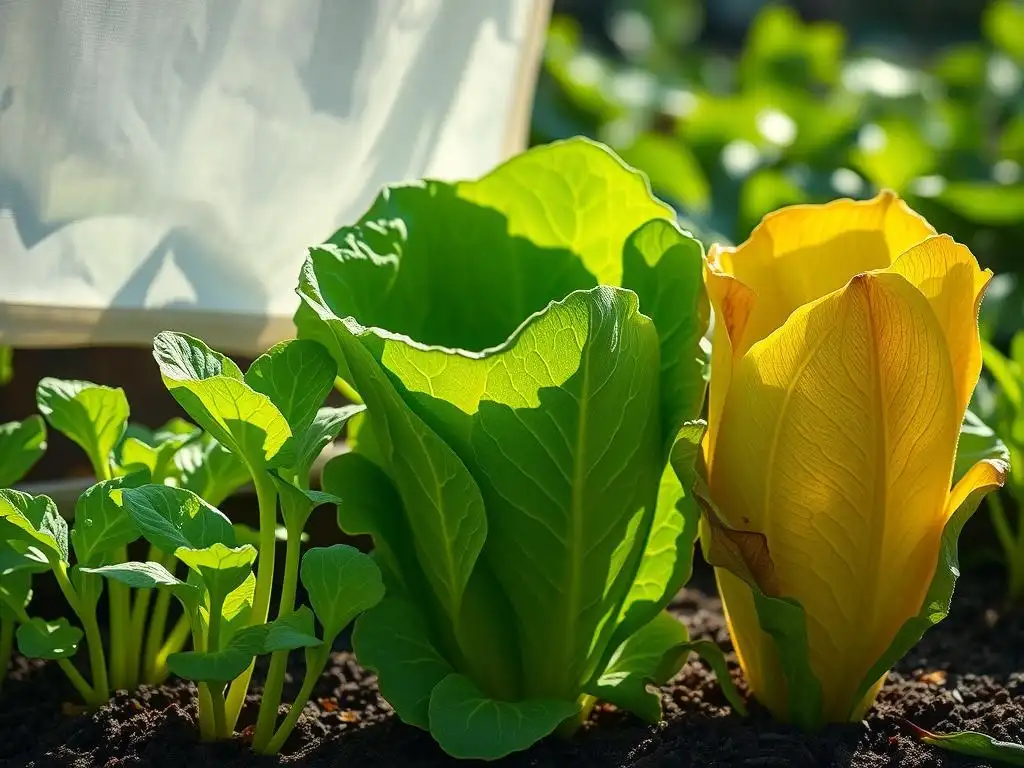
Seed germination for leafy greens generally doesn't require direct sunlight. In fact, excessive direct sunlight can actually harm delicate seedlings. Instead, indirect light or even shade is preferred during this crucial initial phase. Think of it like this: nature often provides a protective layer of leaf litter or soil cover for germinating seeds. Mimicking this in your home garden or raised beds is beneficial.
Many leafy green seeds will germinate successfully in low light conditions. A well-lit indoor space, away from direct sun, or a partially shaded outdoor location are ideal. Avoid placing seed trays in direct sunlight, especially during the hottest parts of the day. This prevents the soil from drying out too quickly and damaging the developing seedlings.
You can use a simple germination setup, such as a seed tray covered with a clear plastic dome or humidity dome to maintain moisture and warmth. This also helps to create a consistently humid microclimate which is beneficial to seed germination. Once the seedlings have emerged and developed their first true leaves (not the cotyledons), you can gradually introduce them to more light.
Here's a table summarizing ideal light conditions for seed germination:
| Leafy Green Type | Ideal Light Condition for Germination | Notes |
|---|---|---|
| Spinach | Indirect light, shaded area | Avoid direct sunlight |
| Lettuce | Indirect light, shaded area | Maintain consistently moist soil |
| Kale | Indirect light, shaded area | Good air circulation is important |
Sunlight Needs During Vegetative Growth
Once your leafy greens have sprouted and developed their first true leaves, their sunlight needs change dramatically. During the vegetative growth phase – the period of rapid leaf development – leafy greens require significantly more light. The amount of sunlight needed will vary depending on the specific leafy green variety, but generally, they thrive with at least 6-8 hours of sunlight per day. However, the intensity of that sunlight is also a critical factor.
While many leafy greens tolerate partial shade, full sun (meaning direct, unobstructed sunlight) for several hours each day is usually optimal for maximizing growth and yield. This is especially true for varieties like kale, which can become leggy and less productive in low light conditions. Lettuce tends to prefer slightly less intense sunlight. Therefore, you should consider the specific needs of the variety you are growing. In hotter climates, afternoon shade might be beneficial to prevent leaf scorch.
Insufficient light during vegetative growth will lead to etiolation – a condition where plants become tall and spindly due to stretching towards a light source. This results in weaker plants with fewer, smaller leaves, and consequently a lower yield. Conversely, excessive sunlight can lead to leaf burn and stunted growth. Observe your plants closely. Signs of insufficient light include pale green or yellow leaves and long, weak stems.
Light Exposure for Optimal Leafy Green Harvesting
The amount of sunlight your leafy greens receive directly impacts their quality and yield at harvest. Plants grown with adequate sunlight will have richer colors, denser leaves, and a more intense flavor. This is because sunlight is essential for photosynthesis – the process by which plants convert light energy into chemical energy for growth. This process also produces chlorophyll, the pigment that gives leafy greens their vibrant green color.
The ideal amount of sunlight for optimal harvesting remains consistent with the vegetative growth stage: 6-8 hours of direct sunlight per day is the target for most leafy greens. However, consider the specific needs of each variety. Some varieties, like certain types of lettuce, might prefer slightly less intense sunlight, especially during the hottest part of the day. Regular monitoring of your plants is critical to identify any signs of stress due to insufficient or excessive sunlight.
Remember that the quality of light also matters. The intensity and spectrum of sunlight can vary depending on factors such as time of day, season, and cloud cover. In areas with limited sunlight, supplemental lighting, such as grow lights, can be used to supplement natural sunlight and ensure optimal growth. This is especially helpful during the shorter days of winter or when growing leafy greens indoors. The use of grow lights allows you to precisely control the light intensity and duration, optimizing the conditions for your leafy greens and ensuring a bountiful harvest.
Providing Adequate Sunlight for Indoor and Outdoor Growing
Sunlight is the lifeblood of leafy greens, fueling photosynthesis and driving vigorous growth. Understanding the specific sunlight needs of different leafy greens is crucial for maximizing yield and quality. While all leafy greens require sunlight, their individual needs vary, influencing everything from leaf color and texture to overall plant health and disease resistance.
This section explores how to provide adequate sunlight for both indoor and outdoor cultivation, ensuring optimal conditions for your leafy green harvest. The key to success lies in understanding the balance between sufficient light and the potential for sun scorch, especially in warmer climates. Remember, even slight variations in sunlight exposure can significantly impact the final product.
Sunlight Requirements for Indoor Leafy Green Cultivation
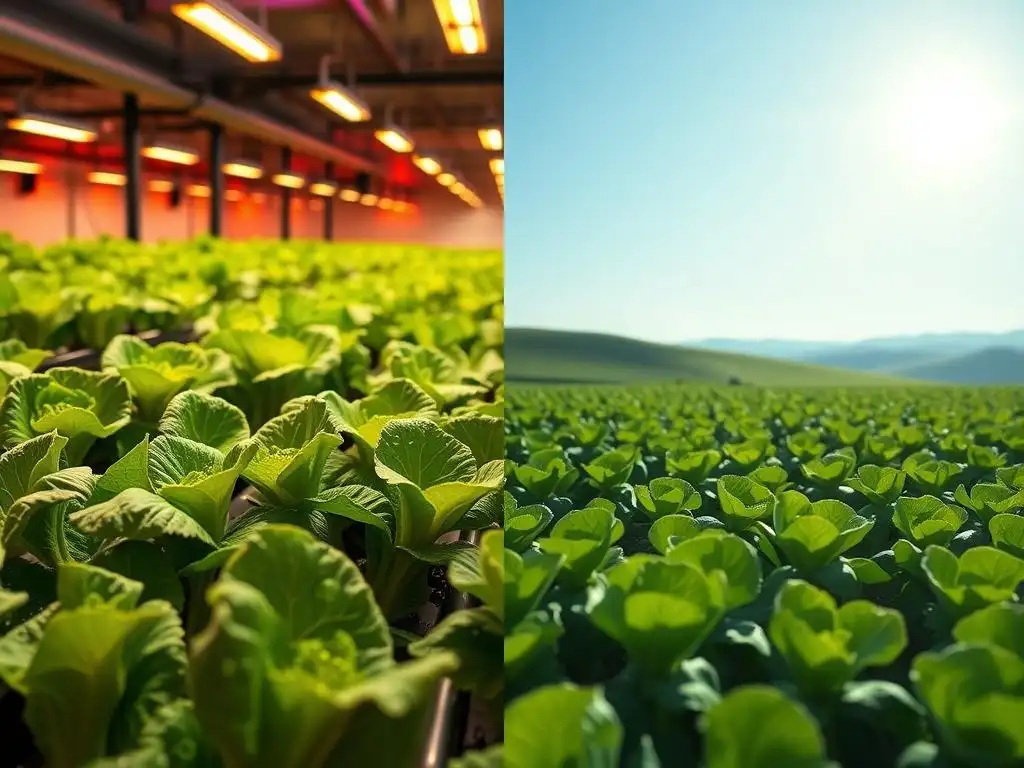
Growing leafy greens indoors presents unique challenges regarding sunlight exposure. Natural sunlight is often insufficient, especially during winter months or in locations with limited window access. Therefore, supplementing with artificial light sources, such as grow lights, becomes essential. The intensity and duration of light are critical factors. For example, lettuce varieties generally thrive with 6-8 hours of light daily, while spinach might benefit from slightly more, around 8-10 hours.
However, excessively long periods under intense light can lead to leaf burn. Consider using a light meter to monitor the light intensity (measured in PPFD, Photosynthetic Photon Flux Density) to prevent this. A PPFD range of 200-400 µmol/m²/s is generally suitable for most leafy greens. Furthermore, the spectral quality of the light is crucial. Full-spectrum grow lights, mimicking the natural sunlight spectrum, are ideal for promoting healthy growth and vibrant leaf color.
Remember to rotate your plants regularly to ensure even light distribution and prevent leggy growth. This simple step can significantly improve overall plant health and yield. Additionally, monitor your plants closely for signs of light stress, such as yellowing or browning leaves. Adjusting the light intensity or duration can help mitigate these issues. Careful planning and consistent monitoring are key to successful indoor leafy green cultivation. Using a timer for your grow lights ensures consistent light exposure, mimicking the natural day-night cycle and promoting healthy growth patterns.
Optimizing Sunlight Exposure in Outdoor Gardens
Outdoor cultivation offers the advantage of natural sunlight, but choosing the right location is crucial for maximizing yield. Leafy greens generally prefer partial shade or filtered sunlight, especially during the hottest parts of the day. Direct, intense sunlight can scorch delicate leaves, reducing their quality and overall yield. Therefore, selecting a location with morning sun and afternoon shade is often ideal.
The optimal amount of sunlight varies with the type of leafy green. For instance, kale is generally more tolerant of full sun than spinach, which prefers partial shade. Observe your specific leafy greens for signs of stress. Wilting leaves during the hottest part of the day may indicate a need for more shade, while slow growth or pale leaves can signal insufficient light.
Consider using shade cloth to provide protection from intense afternoon sun, particularly during the summer months. This simple measure can significantly improve leaf quality and prevent sun damage. Furthermore, proper spacing between plants is essential to ensure adequate sunlight penetration to all leaves. Overcrowding can lead to competition for light and hinder overall growth. Careful observation and adjustments based on the specific needs of your leafy greens and the prevailing weather conditions are key to optimizing sunlight exposure in your outdoor garden. Remember that even slight adjustments can greatly impact the success of your leafy green cultivation.
Using Grow Lights to Supplement Sunlight for Leafy Greens
While sunlight is preferable, supplementing with grow lights can significantly enhance leafy green production, especially in low-light conditions or during the shorter days of winter. This is particularly important for indoor cultivation, but also beneficial for extending the growing season outdoors. Selecting the right type of grow light is essential. Full-spectrum LED grow lights are becoming increasingly popular due to their energy efficiency and ability to mimic the natural sunlight spectrum. They provide the full range of wavelengths needed for healthy plant growth, including red and blue light, crucial for photosynthesis.
The distance between the grow lights and the plants is also a critical factor. Placing them too close can lead to leaf burn, while positioning them too far results in insufficient light. The recommended distance varies depending on the type and wattage of the grow light, so always consult the manufacturer's instructions. Regular monitoring of plant growth and adjustments to the light intensity and distance are necessary to maintain optimal conditions.
Consider using a light meter to ensure consistent light levels and prevent light stress. Careful planning and management of grow lights can significantly improve the yield and quality of your leafy greens throughout the year, maximizing your harvest regardless of the season or location. Implementing a grow light strategy ensures that your leafy greens receive consistent, high-quality light, regardless of external conditions.
Troubleshooting Sunlight Issues in Leafy Green Production
Sunlight is a crucial factor determining the success of your leafy green harvest. Understanding the specific sunlight needs of different leafy greens is only half the battle; knowing how to troubleshoot problems arising from both insufficient and excessive sun exposure is equally important. This section will guide you through identifying and addressing common sunlight-related challenges in your leafy green garden, helping you maximize your yield and produce healthy, vibrant plants. Optimizing your leafy greens' sunlight exposure is key to achieving a bountiful harvest. Let's explore the common problems and their solutions.
Identifying Symptoms of Insufficient Sunlight
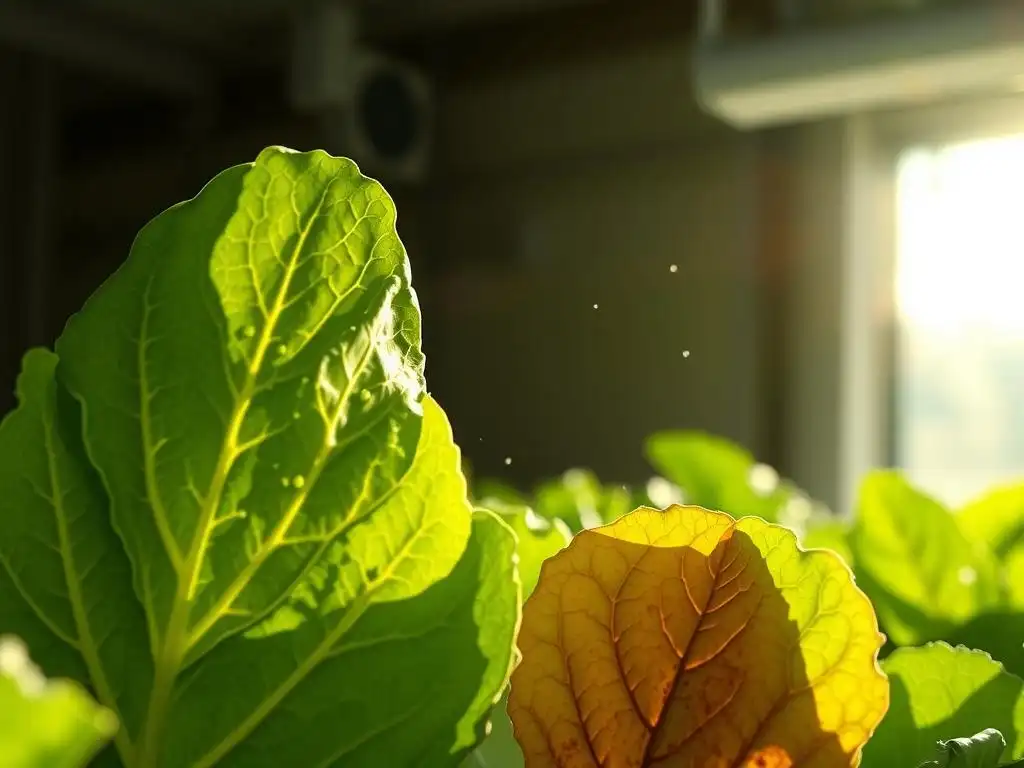
Insufficient sunlight is a common problem for home gardeners, especially those with limited space or shaded areas. Leafy greens exhibiting signs of etiolation – a condition characterized by pale, leggy growth with increased stem length and reduced leaf size – are clear indicators of insufficient sunlight. Plants will reach towards the light source, resulting in weak, spindly stems that are easily prone to damage.
Leaf color will be significantly lighter than usual, often appearing yellowish or pale green instead of the deep, vibrant green associated with healthy growth. Yield will be drastically reduced, and the leaves may taste less flavorful.
Furthermore, the internodes (the spaces between leaf nodes on the stem) will be longer than normal in plants starved of sufficient sunlight. This is the plant's attempt to reach for more light. You might also notice a significant decrease in the overall vigor of the plants; they will appear weaker and less resilient to pests and diseases. Observing these symptoms is crucial for initiating corrective action promptly. Early intervention is key to preventing significant yield loss.
A simple experiment to determine if sunlight is inadequate involves comparing the growth of plants in different locations within your garden. Observe the differences in growth rate, leaf color, and stem strength between plants receiving full sun and those in shadier spots. This comparison can provide valuable insights into your garden's sunlight distribution.
Addressing Issues with Excessive Sunlight Exposure
While insufficient sunlight is a major concern, excessive sunlight can also negatively impact leafy green growth. Many leafy greens, particularly spinach and lettuce, thrive in partial shade or dappled sunlight, and prolonged exposure to intense, direct sunlight can lead to sunburn. This manifests as bleached or brown spots on the leaves, often accompanied by wilting and leaf scorching. The leaves become brittle and lose their palatable quality. Excessive heat stress can also cause the plants to bolt (flower prematurely), reducing their leaf yield significantly.
Excessive heat can cause the plants to lose moisture rapidly, resulting in wilting even with adequate watering. The plants may appear stressed and their growth rate will significantly slow down. To address excessive sunlight, consider providing shade during the hottest part of the day. This can be achieved through the use of shade cloth, strategically placed taller plants, or even simple DIY structures. Consider the intensity and duration of the sunlight in your specific location. For example, afternoon sun can often be more intense than morning sun.
Strategies for Managing Shade in Leafy Green Gardens
For those with limited access to full sun, clever gardening strategies can significantly improve leafy green production, even in shady areas. Utilizing raised beds can improve drainage and soil warming, creating a more favorable environment for growth. Selecting shade-tolerant leafy greens, such as certain varieties of lettuce and kale, is also crucial. These varieties are specifically bred to thrive in lower light conditions. These varieties are usually identified on seed packets or plant tags.
Moreover, optimizing the space available can greatly improve light penetration. Pruning overhanging branches of trees or shrubs can significantly increase the amount of sunlight reaching your leafy greens. Reflecting sunlight with strategically placed mirrors or reflective mulch can also boost light levels in shaded areas. Consider planting taller plants around your leafy greens to create a microclimate that filters direct sunlight and reduces intense heat.
Regular monitoring and adjustments to your gardening practices will ensure optimal growth even in challenging light conditions. Proper soil management, including aeration and fertilization, are crucial for supporting robust growth in low-light conditions. Remember that even small improvements in light exposure can make a significant difference in the overall yield and quality of your leafy greens.
Maximizing Sunlight for Specific Leafy Greens
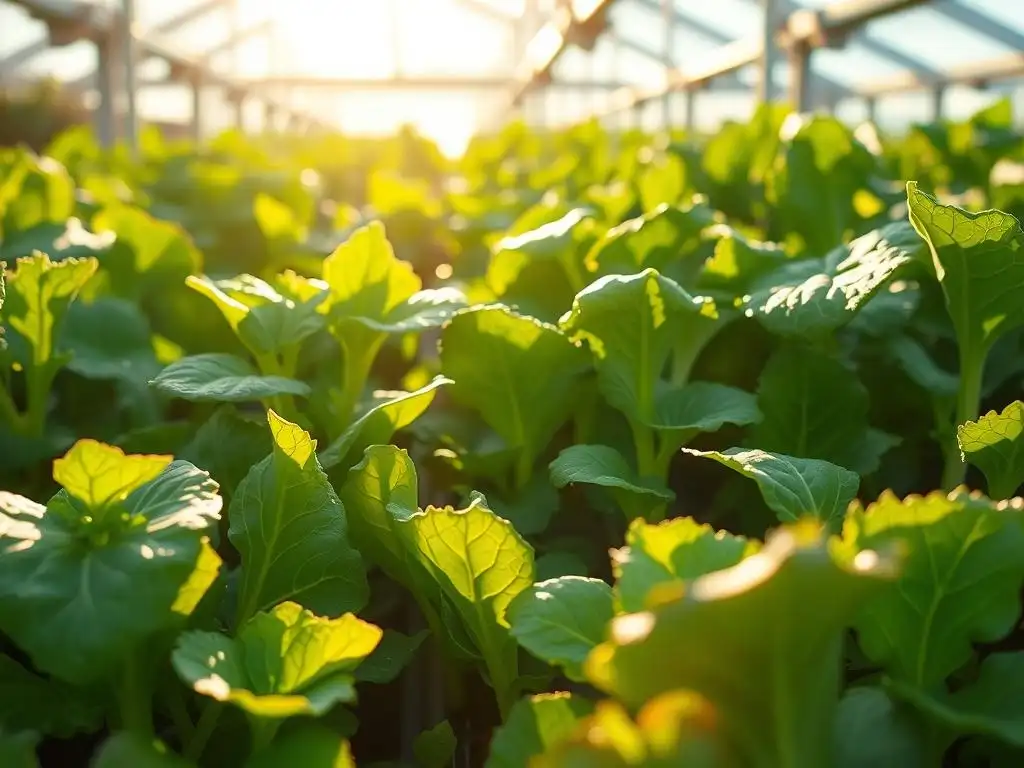
This section delves into the specific sunlight needs of popular leafy greens, providing detailed information to help you optimize your harvest. Understanding these nuances is crucial for maximizing yield and ensuring healthy plant growth. Remember that these are guidelines, and actual sunlight requirements can vary slightly based on your climate, soil conditions, and specific cultivar.
Sunlight Needs for Spinach Cultivation
Spinach, a cool-season crop, thrives in partial shade to full sun. However, the optimal amount of sunlight depends on the time of year and the specific variety. In warmer climates, or during the hotter months, too much direct sun can scorch the leaves and reduce yield. Aim for 4-6 hours of direct sunlight per day during the spring and fall. During summer, consider providing some afternoon shade, perhaps through the use of shade cloth or strategic planting.
Providing adequate sunlight is crucial for spinach's growth and nutrient content. Insufficient sunlight leads to leggy growth, pale leaves, and reduced vitamin content. Conversely, excessive sunlight can lead to bolting (premature flowering), making the leaves bitter and less palatable. Monitoring your spinach plants for signs of stress, such as wilting or discoloration, is key to adjusting your sun exposure accordingly. Consider rotating your spinach crops to different locations in your garden each season to ensure consistent sunlight exposure. This helps prevent nutrient depletion in the soil and reduces the risk of pest and disease buildup.
Light Requirements for Lettuce Growth
Lettuce, another cool-season crop, displays a wider tolerance for shade compared to spinach. While it prefers at least 4-6 hours of sunlight daily for optimal growth, it can tolerate some partial shade, particularly in hotter climates. However, it's important to note that insufficient sunlight will result in slower growth and looser leaf heads. In contrast to spinach, lettuce tends to be less susceptible to sun scorch.
Different lettuce varieties exhibit slightly different light preferences. Loose-leaf lettuces are generally more shade-tolerant than crisphead or butterhead varieties. Crisphead lettuces require more sunlight to form tight, dense heads. Understanding these varietal differences is key to optimizing your lettuce production. For example, planting loose-leaf lettuces in a slightly shadier area of your garden, while placing crisphead varieties in a sunnier spot, can enhance your overall yield and quality. Regular monitoring of your lettuce plants for signs of stress—such as slow growth, pale leaves, or poor head formation—will help you adjust your sun exposure strategy.
Sunlight Exposure for Optimal Kale Production
Kale, a hearty and cold-hardy leafy green, thrives in full sun. Unlike spinach and lettuce, it generally tolerates more intense sunlight and even benefits from it. Aim for at least 6-8 hours of direct sunlight per day for optimal growth and nutrient content. Kale's robust nature makes it less susceptible to sun scorch compared to other leafy greens.
However, even kale can benefit from some afternoon shade during the hottest part of the summer, especially in warmer climates. This can help prevent leaf burn and maintain optimal growth. Sufficient sunlight is critical for kale's development of its characteristic deep green color and its high nutritional value. Insufficient sunlight can result in pale, weak plants with fewer nutrients.
Moreover, consistent sunlight exposure encourages the development of robust stems, making the kale plants more resistant to pests and diseases. Proper sunlight management ensures a bountiful harvest of nutritious and flavorful kale throughout the growing season. Consider supplementing sunlight with grow lights during shorter days of the year, particularly for indoor cultivation.
Sustainable Practices for Sunlight Management in Leafy Green Farming
Sunlight is a crucial factor in the successful cultivation of leafy greens. Understanding and optimizing sunlight exposure is key to maximizing yield and producing healthy, vibrant plants. This section explores sustainable practices for managing sunlight in your leafy green garden, focusing on maximizing natural light and employing organic methods for shade control.
We'll also look at the vital interplay between water management and sunlight. Proper sunlight management directly impacts the quality and quantity of your harvest, aligning perfectly with our commitment to sustainable and organic gardening practices. The optimal sunlight needs for leafy greens vary depending on the specific type of leafy green, but understanding the basics can help you achieve success.
Natural Light Maximization Techniques
Optimizing natural light is the cornerstone of sustainable leafy green cultivation. This involves strategic planting and garden design choices. Consider these techniques:
- Plant Spacing: Proper spacing prevents plants from shading each other. Overcrowding leads to reduced sunlight penetration, resulting in etiolation (leggy growth) and lower yields. For example, lettuce varieties generally need 6-12 inches between plants, while kale might require 12-18 inches, depending on the specific cultivar. Careful spacing ensures each plant receives adequate direct sunlight.
- Garden Orientation: Orient your garden beds to maximize sun exposure. In the Northern Hemisphere, a south-facing garden receives the most sunlight throughout the day. This simple adjustment can significantly increase the daily light hours your plants receive.
- Plant Height Consideration: Taller plants should be positioned strategically to avoid shading shorter, more delicate leafy greens. Consider intercropping or companion planting techniques to optimize light distribution. For instance, you might plant shorter herbs between rows of taller kale.
- Pruning and Thinning: Regularly prune or thin out overcrowded plants to improve air circulation and allow more sunlight to reach lower leaves. This prevents fungal diseases and promotes healthier growth, maximizing the sunlight each plant receives.
- Reflective Mulching: Using reflective mulches, such as white plastic sheeting or light-colored gravel, can reflect sunlight onto the undersides of leaves, increasing overall light absorption. This is particularly beneficial in low-light conditions.
Organic Methods for Shade Management
While leafy greens generally require ample sunlight, excessive heat can negatively impact growth and quality. Organic shade management techniques are crucial for maintaining optimal growing conditions during hot periods.
- Shade Cloth: Using shade cloth provides a controlled amount of shade, reducing intense sunlight exposure without completely blocking it. The percentage of shade provided by the cloth can be adjusted based on the intensity of the sunlight and the specific needs of your plants.
- Strategic Planting of Shade Trees: Strategically positioned, taller shade trees can provide natural shade during the hottest parts of the day, especially in warmer climates. Consider deciduous trees that lose their leaves in winter to allow maximum sunlight during the colder months. Careful planning is needed to avoid excessive shading during critical growth periods.
- Living Mulch: Certain plants, acting as living mulch, can effectively provide partial shade while suppressing weeds and improving soil health. Careful selection of the living mulch is crucial to avoid competition for nutrients and water.
Water Management and Sunlight Interaction in Leafy Green Gardens
Water management is intricately linked to sunlight in leafy green cultivation. Overwatering can lead to fungal diseases, especially in shaded conditions where leaves remain wet for longer periods. Conversely, underwatering stresses plants, reducing their ability to utilize available sunlight for photosynthesis.
- Watering Techniques: Water deeply and less frequently, encouraging deeper root growth. Avoid overhead watering, especially during peak sunlight hours, to minimize leaf diseases. Drip irrigation or soaker hoses are excellent options for efficient and targeted watering.
- Soil Moisture Monitoring: Regularly monitor soil moisture levels using a moisture meter or by simply feeling the soil. Adjust watering schedules based on weather conditions and soil type. Well-draining soil prevents waterlogging, which can be detrimental under intense sunlight.
- Mulching: Applying organic mulch, such as straw or wood chips, helps retain soil moisture, reducing the frequency of watering and moderating soil temperature fluctuations. This is especially beneficial in sunny conditions. It also helps to suppress weeds, reducing competition for sunlight and water resources.
The effective management of sunlight, combined with thoughtful water management and organic practices, is fundamental to cultivating healthy, high-yielding leafy greens. By following these sustainable techniques, you can optimize your garden for success and enjoy a bountiful harvest. 🌱
Frequently Asked Questions
How much sunlight do leafy greens need?
Most leafy greens thrive in partial shade or indirect sunlight. Aim for at least 4-6 hours of sunlight daily, but avoid harsh, direct midday sun which can scorch the leaves. Consider using shade cloth if necessary.
What happens if leafy greens get too much sun?
Excessive sun exposure can lead to leaf scorch, wilting, and reduced growth. The leaves may become brittle and discolored. Provide shade during the hottest part of the day to prevent this.
Can leafy greens grow in full shade?
While some leafy greens tolerate low light, most need at least some sunlight to grow well. Full shade will result in slower growth, leggy plants, and potentially lower yields.
Which leafy greens are most tolerant of low light conditions?
Leafy greens like lettuce and spinach are relatively shade tolerant compared to others. However, even these benefit from some sunlight.
How can I tell if my leafy greens are getting enough sunlight?
Look for vibrant green leaves and strong, upright growth. Yellowing or pale leaves often indicate insufficient light, while scorched or wilted leaves suggest too much sun.
Final Reflection: Harvesting the Sun's Bounty: A Legacy of Light
Understanding the sunlight needs of leafy greens is not merely a horticultural detail; it's the key to unlocking abundant, nutritious harvests and ensuring food security for a growing global population. The precise balance of sunlight, crucial for photosynthesis and optimal growth, directly impacts the quality and quantity of our leafy green vegetables. This knowledge, once considered niche, is now more vital than ever in the face of climate change and increasing food demands.
The journey from seed to plate is profoundly impacted by the sun's energy, a truth deeply woven into the fabric of our agricultural heritage. The earth laughs in flowers.
This simple yet powerful statement highlights the inherent connection between sunlight, plant life, and the beauty of nature's bounty. Our exploration of sunlight requirements for leafy greens has revealed not only the scientific principles behind successful cultivation but also the profound impact of this relationship on our food systems, economies, and cultural practices. The ongoing research and innovation in areas like vertical farming and optimized lighting systems further underscore the enduring significance of this topic.
Consider the implications of this knowledge in your own life. Whether you cultivate a small herb garden on your windowsill or tend a larger plot, understanding the specific sunlight needs of your leafy greens empowers you to make informed decisions that lead to healthier plants and more bountiful harvests. Embrace the sun's power, nurture your greens, and savor the fruits – or rather, the leaves – of your labor. Let this knowledge inspire you to cultivate not only plants, but also a deeper appreciation for the natural world and its intricate processes.
Unleash Your Inner Gardener: Grow Lush Leafy Greens!
Thanks for exploring the world of leafy green cultivation! You've learned how sunlight affects plant health and growth. Ready to put your knowledge into practice?
- Choose the right location: Carefully assess the sunlight in your garden or growing area. Select a spot that receives the appropriate amount of sun for your chosen leafy green variety. This will significantly improve your harvest.
- Share your gardening journey! Tell us about your sunniest planting spot on our CultivateYourFood community forum – let's inspire each other!
- Try something new: This season, experiment with a leafy green variety that thrives in the sunlight conditions available to you.
Now that you understand the importance of sunlight, which leafy green are you most excited to grow?