
Troubleshooting Common Tomato Growing Problems: A Practical Guide

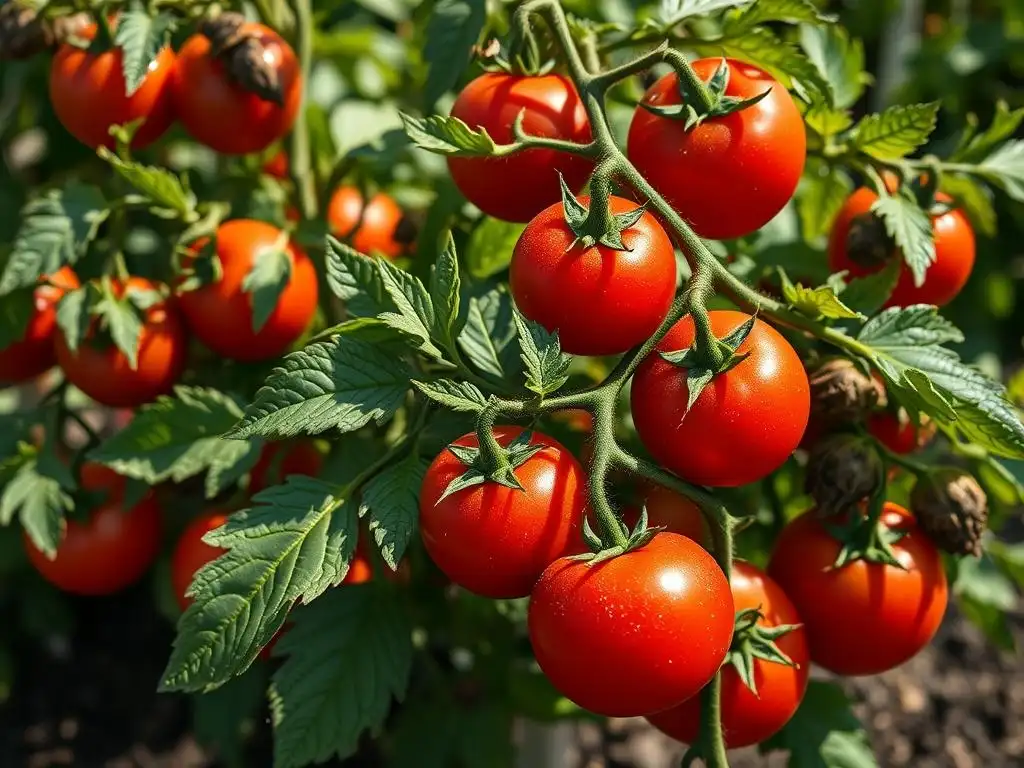
Ready to unlock the secrets to a bountiful tomato harvest? At CultivateYourFood, we empower you to grow your own delicious fruits, vegetables, and herbs organically. This guide tackles a common gardener's frustration: fixing common tomato plant problems. Discover practical solutions and sustainable strategies to nurture thriving plants, from seed to succulent tomato. Let's get growing!
-
Identifying and Fixing Common Tomato Plant Problems
- Diagnosing Yellowing Tomato Leaves: Causes and Solutions
- Addressing Blossom-End Rot in Tomatoes: Prevention and Treatment
- Dealing with Tomato Early Blight: Identification and Control
- Combating Late Blight in Tomatoes: Organic and Chemical Strategies
- Managing Tomato Pests: Identifying and Eliminating Common Insects
- Optimizing Tomato Plant Health for Abundant Yields
- Preventing Future Tomato Plant Problems
- Frequently Asked Questions
- Final Reflection: Cultivating Resilience, One Tomato at a Time
- Unleash Your Inner Gardener: Grow Juicy, Delicious Tomatoes!
Identifying and Fixing Common Tomato Plant Problems
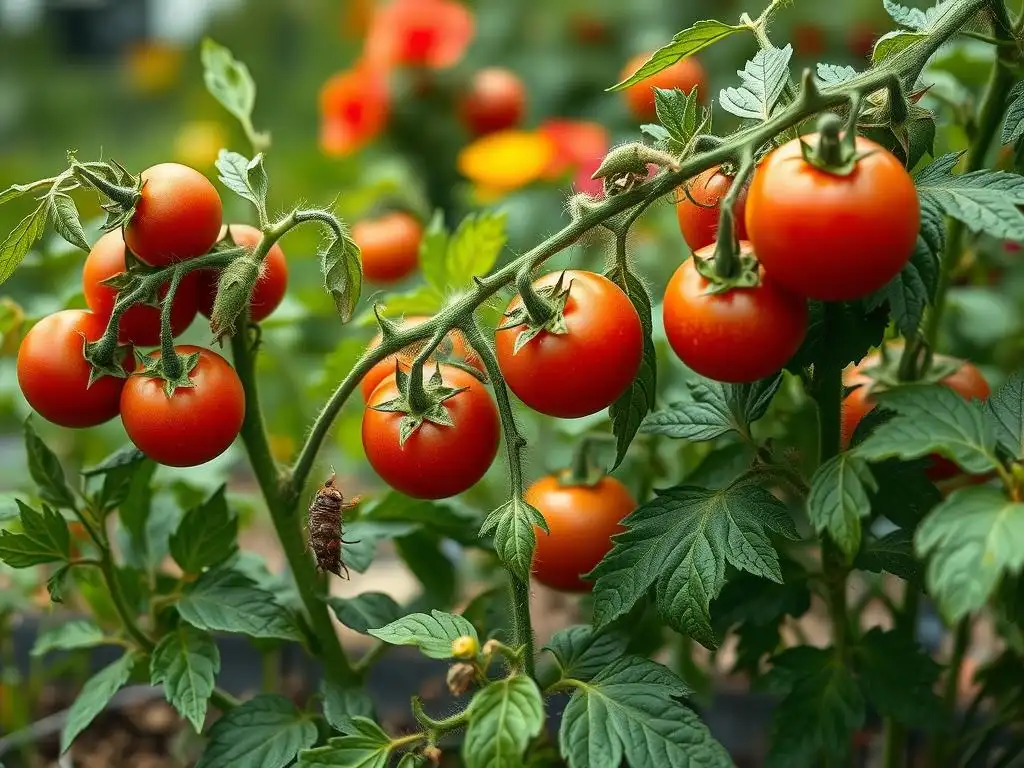
Growing juicy, flavorful tomatoes at home can be incredibly rewarding, but it's not always a smooth journey. This comprehensive guide tackles some of the most common tomato plant problems, providing practical solutions to help you cultivate a bountiful harvest using sustainable, organic methods. From understanding the tell-tale signs of nutrient deficiencies to mastering effective pest control, we'll equip you with the knowledge and techniques to overcome challenges and enjoy the fruits (or should we say, vegetables) of your labor.
We will cover effective strategies to fix common tomato plant problems, ensuring your plants thrive and produce a delicious yield. This guide focuses on organic and sustainable practices, minimizing the use of harmful chemicals and maximizing the health of your plants and the environment. Let's delve into the most frequent issues encountered by home tomato growers and discover how to effectively address them.
Diagnosing Yellowing Tomato Leaves: Causes and Solutions
Yellowing leaves are a common sign of distress in tomato plants, often indicating underlying issues that need attention. Several factors can contribute to this problem, including nutrient deficiencies, overwatering, underwatering, and diseases. Let's break down the common causes and their respective solutions:
- Nutrient Deficiencies: Yellowing leaves can signal a lack of essential nutrients like nitrogen, potassium, or magnesium.
- Nitrogen Deficiency: Often manifests as a general yellowing of older, lower leaves. Addressing this requires supplementing with an organic nitrogen-rich fertilizer, such as compost tea or aged manure.
- Potassium Deficiency: Usually shows up as yellowing between the leaf veins, starting with older leaves. Potassium-rich fertilizers like wood ash (used sparingly) can help.
- Magnesium Deficiency: Causes yellowing between the veins of older leaves, often with a characteristic interveinal chlorosis. Epsom salts (magnesium sulfate) dissolved in water can be applied as a foliar spray.
- Watering Issues: Both overwatering and underwatering can stress plants, leading to yellowing leaves.
- Overwatering: Leads to root rot, hindering nutrient uptake and causing yellowing. Improve drainage and ensure the soil is well-draining.
- Underwatering: Causes wilting and yellowing, particularly in the lower leaves. Establish a regular watering schedule, ensuring the soil is consistently moist but not soggy.
- Diseases: Certain diseases, such as Verticillium wilt or Fusarium wilt, can cause yellowing and wilting of leaves. Unfortunately, there's no cure for these fungal diseases; prevention through crop rotation and using disease-resistant varieties is crucial.
Addressing Blossom-End Rot in Tomatoes: Prevention and Treatment
Blossom-end rot, characterized by a dark, leathery spot at the blossom end of the tomato fruit, is a common problem resulting from inconsistent calcium uptake. This isn't a disease, but rather a physiological disorder that can be managed effectively:
- Calcium Deficiency: The primary cause is irregular watering, leading to fluctuations in calcium availability to the growing fruit. Consistent moisture is key to preventing this issue. Mulching helps retain soil moisture and regulate temperature.
- Soil pH: An overly alkaline soil pH can also hinder calcium uptake. Testing your soil pH and amending it with organic matter, like compost, can help balance the pH.
- Treatment: While you can't cure existing blossom-end rot, preventing it through consistent watering and proper soil management is crucial. Removing affected fruits prevents the spread of secondary infections.
Dealing with Tomato Early Blight: Identification and Control
Early blight, a fungal disease, is characterized by brown, concentric rings on the leaves and stems of tomato plants. It can significantly impact yield if left untreated:
- Identification: Look for small, dark brown spots on leaves, often with concentric rings. These spots enlarge, causing leaves to wilt and die. Stems can also be affected.
- Control:
- Sanitation: Remove and destroy infected plant debris to prevent the spread of the fungus. Practice crop rotation to avoid re-infection.
- Fungicides: While organic fungicides like copper-based sprays can help, prevention through good sanitation practices is more effective.
- Resistant Varieties: Choosing disease-resistant tomato varieties is a proactive approach to minimizing early blight.
Remember, preventing problems is often easier than curing them. By following good cultural practices, including proper watering, fertilization, and sanitation, you can significantly reduce the risk of encountering these common tomato growing challenges. Happy gardening!
Combating Late Blight in Tomatoes: Organic and Chemical Strategies
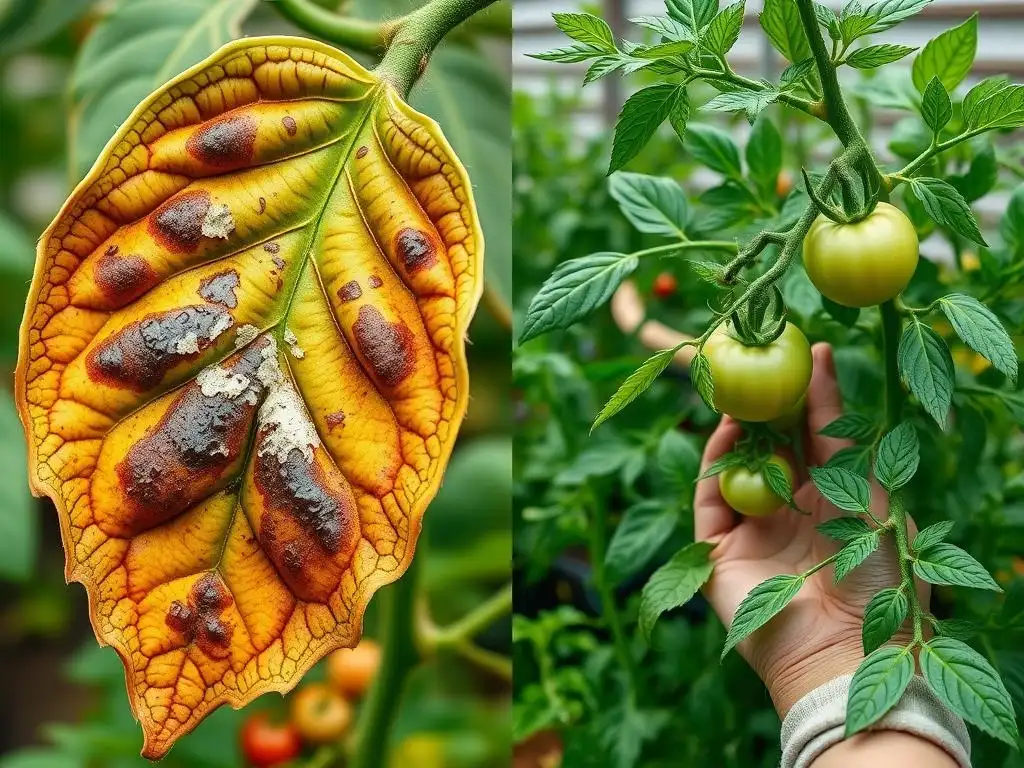
Late blight, caused by the Phytophthora infestans oomycete, is a devastating tomato disease. It rapidly spreads under cool, damp conditions, causing dark brown lesions on leaves, stems, and fruits. Early detection is crucial for effective management. Regularly inspect your plants, paying close attention to leaf undersides for the characteristic white mold growth.
Organic strategies focus on prevention and limiting the spread. Maintaining good air circulation around plants through proper spacing is vital. Avoid overhead watering, opting instead for drip irrigation or watering at the base of the plants to keep foliage dry. Rotating your tomato crops annually helps to break the disease cycle, preventing the pathogen from building up in the soil. Some gardeners find success using copper-based fungicides, a naturally occurring mineral, although effectiveness varies and repeated applications may be necessary.
Composting infected plant material is strongly discouraged as it can harbor the pathogen. Instead, thoroughly remove and destroy all infected parts, bagging them securely before disposal. Using disease-resistant tomato varieties is a proactive approach to minimizing the risk of late blight infestation. Choosing varieties specifically bred for resistance to late blight can significantly reduce the likelihood of infection.
Chemical strategies usually involve the use of fungicides containing active ingredients such as chlorothalonil or mancozeb. These should be used strictly according to label instructions, paying careful attention to safety precautions and application rates. It's crucial to remember that repeated applications may be necessary and that chemical interventions should be a last resort after exploring organic options.
Always prioritize integrated pest management (IPM) strategies, combining preventative measures with targeted interventions to minimize environmental impact and the risk of developing fungicide resistance. The application timing is also crucial; early detection and prompt treatment are key to controlling the spread of the disease. Delaying treatment can lead to a rapid escalation of the infection and significant crop loss.
Managing Tomato Pests: Identifying and Eliminating Common Insects
Tomato plants are susceptible to a variety of pests that can significantly impact yield and fruit quality. Early identification and prompt action are key to minimizing damage. Regular monitoring is essential—a quick inspection of leaves, stems, and fruits can reveal the presence of pests before significant damage occurs.
Among the most common tomato pests are aphids. These small, soft-bodied insects cluster on the undersides of leaves, sucking sap and causing stunted growth. They often leave behind a sticky honeydew substance that can attract other pests like ants and encourage the growth of sooty mold. Controlling aphids can be achieved through several methods. A strong spray of water can dislodge them, and introducing beneficial insects like ladybugs, lacewings, or hoverflies can help control aphid populations naturally. Neem oil is another effective organic option, disrupting the life cycle of aphids without harming beneficial insects.
Tomato hornworms, large green caterpillars, are voracious eaters, capable of quickly defoliating entire plants. Handpicking is an effective control method, especially for smaller infestations. Bacillus thuringiensis (Bt), a naturally occurring soil bacterium, is a highly effective biological insecticide that targets hornworms and other caterpillars without harming beneficial insects or pollinators.
Whiteflies are tiny, winged insects that congregate on the undersides of leaves, similarly to aphids. They also cause stunted growth and can transmit diseases. Yellow sticky traps can be effective in monitoring and trapping whiteflies, and insecticidal soaps can be used for control, but again, careful application and consideration for beneficial insects are crucial. Regular weeding around tomato plants can also help reduce pest populations.
Effective pest management relies on a combination of techniques and regular monitoring. Implementing integrated pest management (IPM) strategies helps to minimize the use of chemical pesticides and promotes a healthy ecosystem in your garden. Remember that prevention is always the best strategy—providing your plants with optimal growing conditions and maintaining a healthy soil environment reduces their susceptibility to pest infestations. The use of companion planting, strategically placing plants that repel pests near tomatoes, can also be a valuable preventative measure.
Optimizing Tomato Plant Health for Abundant Yields
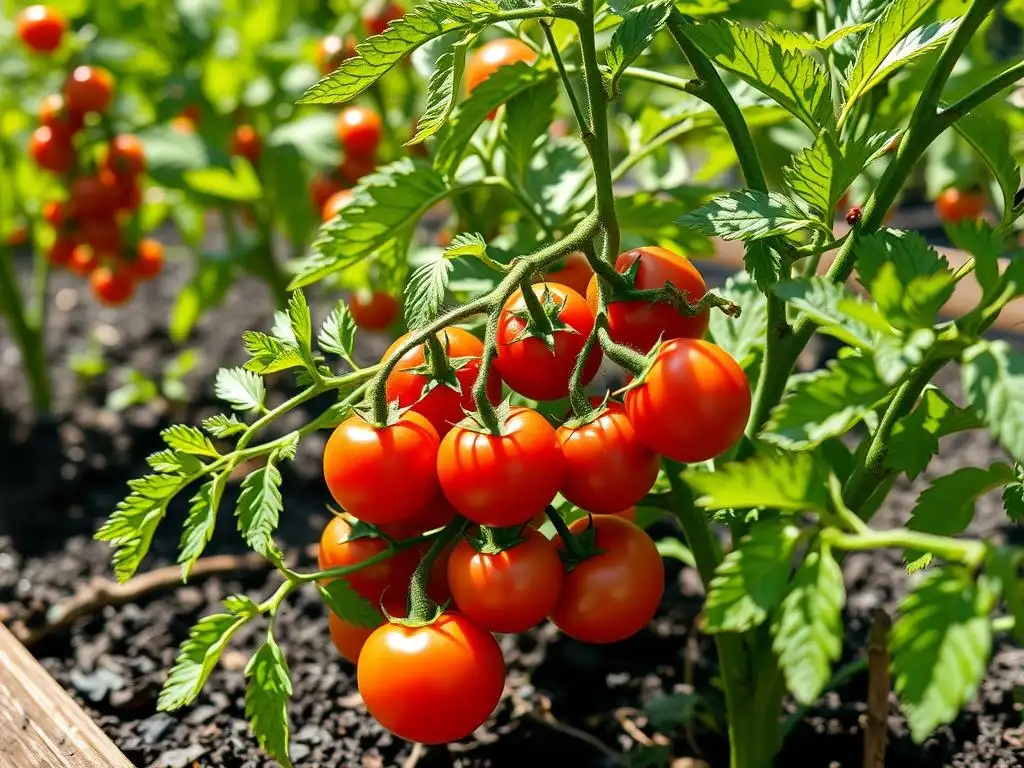
This section focuses on proactive measures to minimize common tomato plant problems and maximize your harvest. By addressing key factors like watering, soil health, and sunlight exposure, you'll significantly improve your chances of growing healthy, productive tomato plants. Remember, prevention is key when it comes to fixing common tomato plant problems. A robust plant is far less susceptible to disease and pests.
Ensuring Proper Watering for Healthy Tomato Plants
Consistent and appropriate watering is crucial for thriving tomato plants. Underwatering leads to stress, wilting, and reduced fruit production, while overwatering can cause root rot and fungal diseases – both significant issues when trying to fix common tomato plant problems. The ideal watering schedule depends on several factors, including climate, soil type, and plant maturity.
Generally, aim for deep, infrequent watering rather than shallow, frequent watering. Water deeply enough to moisten the soil to a depth of 6-8 inches, allowing the soil to dry slightly between waterings. Check the soil moisture by inserting your finger a few inches into the ground; if it feels dry, it's time to water.
During hot, dry periods, you may need to water more frequently. Mulching around your tomato plants helps retain soil moisture and reduces the frequency of watering. Using a soaker hose or drip irrigation system is also highly recommended for efficient water delivery directly to the roots, minimizing water waste and leaf diseases.
The Importance of Soil Health for Tomato Growth
Healthy soil is the foundation of healthy tomato plants. Nutrient-rich soil provides the essential building blocks for robust growth and abundant yields. Before planting, amend your soil with compost or other organic matter to improve drainage, aeration, and nutrient content. A soil test can help determine your soil's pH and nutrient levels, guiding you in addressing any deficiencies. Tomatoes prefer slightly acidic soil with a pH between 6.0 and 6.8.
Addressing soil health proactively is a critical step in preventing many common tomato plant problems and fostering optimal growth. Poor soil quality often manifests as stunted growth, yellowing leaves, and reduced fruit production. Regular soil testing and amendment are essential for long-term success. Consider adding balanced fertilizer according to the soil test recommendations, but avoid over-fertilizing, which can also harm your plants.
Providing Adequate Sunlight for Optimal Tomato Production
Sunlight is absolutely essential for tomato plant health and fruit production. Tomatoes are sun-loving plants and require at least 6-8 hours of direct sunlight daily. Insufficient sunlight can result in weak, leggy plants with poor fruit set and smaller tomatoes. When planning your garden, select a location that receives ample sunlight throughout the day. Avoid planting tomatoes in areas shaded by trees or buildings.
If you have limited sunlight, consider using grow lights to supplement natural sunlight, especially during early growth stages. Monitoring the sunlight exposure throughout the day is important, especially during different seasons, to ensure your plants are receiving the optimal amount of light. This simple step helps prevent many common tomato plant problems related to poor growth and reduced yields. Remember, healthy, sun-drenched plants are far more likely to produce a bountiful harvest of delicious tomatoes. 🍅
Choosing the Right Tomato Variety for Your Climate
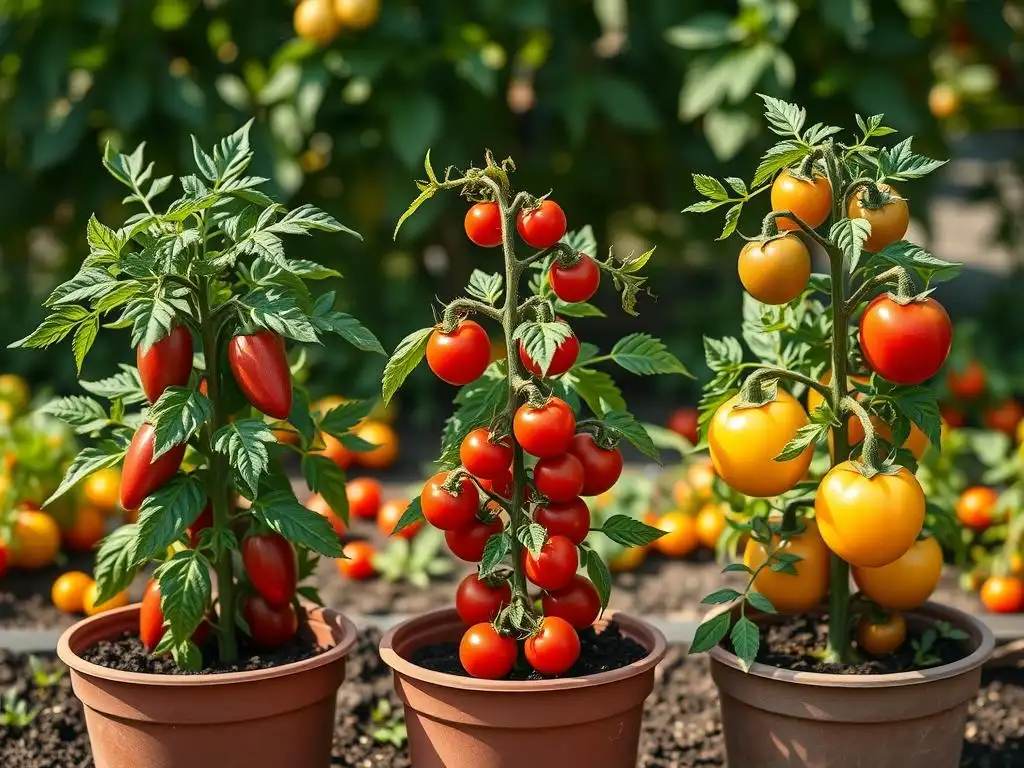
Selecting the appropriate tomato variety is paramount to successful cultivation and bountiful harvests. Ignoring this crucial step can lead to stunted growth, poor fruit production, and ultimately, a disappointing yield. The climate in your region significantly impacts which tomato varieties will thrive. For instance, if you live in a region with short, cool summers, choosing a determinate tomato variety, which produces its fruit in a concentrated period, is generally advisable.
These varieties are often quicker to mature, allowing you to harvest before the first frost. Conversely, indeterminate tomatoes, known for their continuous growth and fruiting throughout the growing season, are better suited to warm climates with long summers. They offer a more extended harvest period, but may require more diligent care and support.
Consider also the specific microclimate of your garden. Areas with full sun exposure, even within the same region, will experience different temperatures and moisture levels than partially shaded areas. Some varieties are more tolerant of heat and drought than others. For example, heirloom varieties, while often prized for their flavor, can be less resilient to extreme conditions compared to modern hybrid varieties bred for disease resistance and adaptability.
Before making your selection, research varieties known to perform well in your specific climate zone. Local nurseries and garden centers can be excellent resources, providing guidance based on regional experience and climate data. Don't hesitate to ask for recommendations; experienced gardeners can offer invaluable insights into which varieties thrive locally. Remember, choosing the right tomato variety is the foundation for a successful harvest, laying the groundwork for a healthy and productive plant.
Using Organic Fertilizers to Boost Tomato Growth
Organic fertilizers are crucial for cultivating healthy, high-yielding tomato plants while adhering to sustainable gardening practices. Unlike synthetic fertilizers, which can disrupt soil ecosystems and potentially harm beneficial microorganisms, organic options nourish the soil and promote long-term soil health. Compost, a readily available and effective organic fertilizer, provides a balanced supply of essential nutrients.
Its slow-release nature ensures a consistent supply of nutrients throughout the growing season, avoiding the risk of nutrient burn often associated with synthetic fertilizers. Adding compost to the soil before planting improves soil structure, aeration, and water retention, creating an ideal environment for robust root development.
Another excellent organic option is worm castings, also known as vermicompost. These castings are rich in beneficial microbes and nutrients, providing a potent boost to tomato plant growth. Their fine texture allows for easy incorporation into the soil, ensuring even distribution of nutrients. To optimize nutrient uptake, consider using a liquid fertilizer made from seaweed extract.
Seaweed extract is a natural source of micronutrients and growth hormones, which can enhance plant vigor and fruit production. Remember that over-fertilizing can be detrimental; it's crucial to follow the recommended application rates for each fertilizer type. Regularly monitoring your plants for signs of nutrient deficiency or excess is essential.
Yellowing leaves, stunted growth, or blossom-end rot can all indicate imbalances in nutrient levels. By using a combination of organic fertilizers and carefully monitoring your plants, you can ensure that your tomatoes receive the optimal nutrition needed for a healthy and productive growing season. This approach not only promotes plant health but also contributes to a more sustainable and environmentally friendly gardening practice.
Preventing Future Tomato Plant Problems
This section focuses on proactive strategies to minimize the likelihood of encountering common tomato plant issues in the future. By implementing these preventative measures, you significantly reduce the need for reactive troubleshooting, leading to healthier plants and a bountiful harvest. Remember, prevention is always better than cure when it comes to cultivating thriving tomato plants. This approach aligns with our website's commitment to sustainable and organic gardening practices.
Implementing Preventative Measures Against Diseases
Fungal diseases are a significant threat to tomato plants. Early blight, late blight, and gray mold are just a few examples that can decimate your crop. The key to preventing these diseases lies in creating an environment unfavorable to their development. This means focusing on several crucial aspects:
- Proper Spacing: Ensure adequate air circulation around your tomato plants. Overcrowding creates humid conditions perfect for fungal spores to thrive. Aim for a spacing of at least 18-24 inches between plants, depending on the variety.
- Soil Health: Healthy soil is the foundation of healthy plants. Amend your soil with compost before planting to improve drainage and aeration. Well-drained soil prevents waterlogging, a major contributor to fungal diseases. Regular soil testing can help identify nutrient deficiencies that weaken plants and make them more susceptible to disease.
- Crop Rotation: Rotating your tomato crops yearly helps break the disease cycle. Avoid planting tomatoes in the same location for consecutive years, as this allows pathogens to build up in the soil. Consider planting non-solanaceous crops (like legumes or brassicas) in the rotated area.
- Cleanliness: Remove any infected plant debris immediately and dispose of it properly. Do not compost infected plant material. This prevents the spread of diseases to healthy plants and reduces the pathogen load in your garden. Regularly inspect your plants for any signs of disease and take action swiftly.
- Watering Techniques: Avoid overhead watering, which can spread fungal spores. Water at the base of the plants to keep the foliage dry. Consistent watering, but avoiding overwatering, is critical for plant health.
Protecting Tomatoes from Pests: Natural and Organic Methods
Pests, such as aphids, whiteflies, tomato hornworms, and flea beetles, can severely damage tomato plants. While chemical pesticides are an option, we advocate for natural and organic pest control methods in line with our commitment to sustainable gardening.
- Companion Planting: Certain plants repel pests. Basil, marigolds, and garlic are known to deter many common tomato pests. Planting these companion plants strategically around your tomatoes can help keep pests away naturally.
- Beneficial Insects: Encourage beneficial insects like ladybugs and lacewings, which prey on many common tomato pests. Provide habitat for these insects by planting flowering plants that attract them.
- Physical Barriers: Row covers can protect young seedlings from flea beetles and other small pests. Handpicking larger pests like hornworms is an effective and immediate solution.
- Neem Oil: Neem oil is a natural insecticide that is effective against various pests. It works by disrupting the insect's life cycle and is generally safe for beneficial insects and pollinators when used as directed. Always follow instructions carefully.
- Diatomaceous Earth: Diatomaceous earth is a natural powder made from fossilized diatoms. It works by causing dehydration in insects that come into contact with it. Sprinkle it around the base of your plants as a preventative measure.
Harvesting Tomatoes at the Right Time for Optimal Flavor
Harvesting tomatoes at the peak of ripeness is crucial for achieving the best flavor and texture. Underripe tomatoes lack sweetness and are often acidic. Overripe tomatoes can become mushy and lose their flavor.
- Color Changes: The most reliable indicator of ripeness is the color. Most tomato varieties turn a deep red, but some are yellow, orange, or even purple when ripe. Check the color chart for your specific variety to determine when to pick.
- Firmness: A ripe tomato should yield slightly to gentle pressure. It should be firm but not hard. Avoid picking tomatoes that are extremely soft or have blemishes.
- Aroma: Ripe tomatoes typically have a sweet, fragrant aroma. Give the tomato a gentle sniff to check its fragrance.
- Harvesting Techniques: Use sharp pruning shears or a knife to cleanly cut the tomato from the vine. Avoid pulling or twisting, as this can damage the plant. Harvest regularly, as this encourages the plant to produce more fruit.
- Storage: Store ripe tomatoes at room temperature for optimal flavor. Avoid refrigerating ripe tomatoes, as this can affect their texture and flavor. Underripe tomatoes can be stored at room temperature to ripen. However, if they are significantly underripe, it's best to leave them on the vine.
Remember, consistent monitoring and attention to detail are paramount. By practicing preventative measures and understanding the optimal harvesting time, you significantly improve your chances of a successful and delicious tomato harvest, thereby fixing common tomato plant problems before they even arise! 🍅
Understanding Tomato Plant Life Cycles: From Seed to Harvest
Understanding the tomato plant's life cycle is crucial for effective problem prevention. Knowing the stages – from seed germination to mature fruit production – allows you to anticipate potential issues and take proactive steps. The germination phase, for instance, is highly sensitive to temperature and moisture levels. Insufficient moisture can lead to seed rot, while excessive moisture can cause damping-off disease, a common fungal issue that kills seedlings. Proper soil preparation, including ensuring good drainage and appropriate seed depth, is paramount during this stage.
Once seedlings emerge, they require consistent light and warmth to develop strong root systems and healthy foliage. Insufficient light can result in leggy growth, making the plants susceptible to wind damage and disease. During the vegetative growth phase, regular fertilization with a balanced organic fertilizer is essential to support healthy growth. Nutrient deficiencies manifest in various ways, from yellowing leaves (chlorosis) indicating nitrogen deficiency to stunted growth suggesting a lack of phosphorus. Monitoring your plants closely during this phase will alert you to any nutritional imbalances before they cause significant problems.
The flowering and fruiting stages are equally critical. Consistent watering is vital, particularly during dry spells, to prevent blossom-end rot, a physiological disorder characterized by dark, leathery spots at the blossom end of the fruit. This condition is often caused by inconsistent moisture supply, leading to calcium deficiency in the fruit. Regular pollination, aided by beneficial insects or gentle hand-pollination, is also crucial for a bountiful harvest.
Proper pruning and staking can improve air circulation, reducing the risk of fungal diseases like blight, which thrives in humid conditions. Careful observation throughout these stages allows for early detection and mitigation of potential problems, promoting a healthy and productive tomato plant. Understanding the plant's needs at each stage helps you to "fix common tomato plant problems" before they even arise.
Storing and Preserving Harvested Tomatoes
Proper storage and preservation of your hard-earned tomato harvest is key to preventing waste and enjoying the fruits of your labor for months to come. Ripe tomatoes are highly perishable, and improper storage can lead to rapid spoilage. Avoid storing tomatoes in the refrigerator, as the cold temperatures can damage their flavor and texture, rendering them mealy and tasteless. Instead, store ripe tomatoes at room temperature in a single layer, ensuring they're not stacked or bruised. Select only undamaged tomatoes for storage, discarding any with blemishes or cuts.
For longer-term preservation, several methods are available. Canning is a popular choice, allowing you to enjoy your homegrown tomatoes throughout the year. The process involves sterilizing jars, carefully packing the tomatoes, and processing them in a boiling water bath to ensure safety and prevent spoilage. Freezing is another effective method. Blanch tomatoes briefly before freezing to inactivate enzymes that can cause deterioration in texture and flavor.
Freezing whole tomatoes or making tomato puree are both feasible options. Dehydrating tomatoes produces delicious sun-dried tomatoes, perfect for adding intense flavor to pasta dishes or other recipes. Each preservation method offers a way to extend the enjoyment of your homegrown tomatoes, minimizing waste and maximizing the value of your gardening efforts. Proper post-harvest handling is a crucial part of successful tomato growing and helps in preventing future problems associated with spoilage and waste.
Frequently Asked Questions
What are some common problems with tomato plants?
Tomato plants are susceptible to several issues, including blossom-end rot (caused by calcium deficiency), early blight (a fungal disease), and pest infestations like aphids and tomato hornworms. Early identification is key to effective treatment.
How can I prevent blossom-end rot in my tomatoes?
Blossom-end rot is often caused by inconsistent watering. Ensure consistent soil moisture, avoiding both drought and overwatering. Adding calcium to the soil can also be beneficial.
What's the best way to deal with fungal diseases on my tomato plants?
Fungal diseases like early and late blight require prompt action. Remove infected leaves and stems immediately, improve air circulation, and consider using a fungicide as a last resort. Preventative measures like crop rotation are crucial.
How can I organically control pests on my tomato plants?
Many pests can be controlled organically using methods like introducing beneficial insects, handpicking pests, and using homemade insecticidal soaps. Avoid harsh chemicals whenever possible.
My tomato plants aren't producing many tomatoes. What could be wrong?
Low tomato production can stem from several factors including insufficient sunlight, poor soil quality, lack of pollination, or incorrect watering. Review your growing conditions and adjust accordingly.
Final Reflection: Cultivating Resilience, One Tomato at a Time
The challenges of growing tomatoes mirror the challenges we face in life; both require patience, observation, and a willingness to adapt. A seemingly simple task, nurturing a tomato plant from seed to succulent fruit, reveals a profound lesson in resilience and the importance of understanding the interconnectedness of all things. From battling pests to managing soil conditions, the journey is rarely straightforward, but the rewards are undeniably sweet.
The impact of understanding these common tomato growing problems extends far beyond the garden. It's a microcosm of problem-solving in general, teaching us to identify symptoms, diagnose causes, and implement effective solutions. The best way to predict the future is to create it,
and by understanding the potential pitfalls of tomato cultivation, we empower ourselves to create a thriving garden, and by extension, a more fulfilling life. This understanding fosters a deeper appreciation for the natural world and the delicate balance required for growth and success.
Now, consider your own "garden." What challenges are you facing? What "pests" or obstacles are hindering your growth? Take the lessons learned from troubleshooting tomato problems and apply them to your own life. Identify the root causes of your difficulties, experiment with solutions, and remember that even the most seemingly insurmountable obstacles can be overcome with patience, persistence, and a willingness to learn from your mistakes. Your harvest awaits.
Unleash Your Inner Gardener: Grow Juicy, Delicious Tomatoes!
Thank you for learning how to overcome common tomato growing challenges! You now have the knowledge to cultivate a plentiful harvest. Ready to put your new skills to the test?
- Prioritize one small change this week: Focus on one improvement—perhaps refining your watering method or optimizing plant spacing—and implement it in your garden. Even a small adjustment can significantly impact your results!
- Share your successes (and challenges!) with fellow gardeners in the comments below. Let's cultivate a supportive community!
- Document your progress: Take photos of your tomato plants throughout the growing season to monitor your success. This will help you refine your techniques for next year!
What's the first step you'll take today to nurture your tomato plants and achieve a bountiful harvest?