
The Ultimate Guide to Growing Jalapeños: From Seed to Spicy Harvest

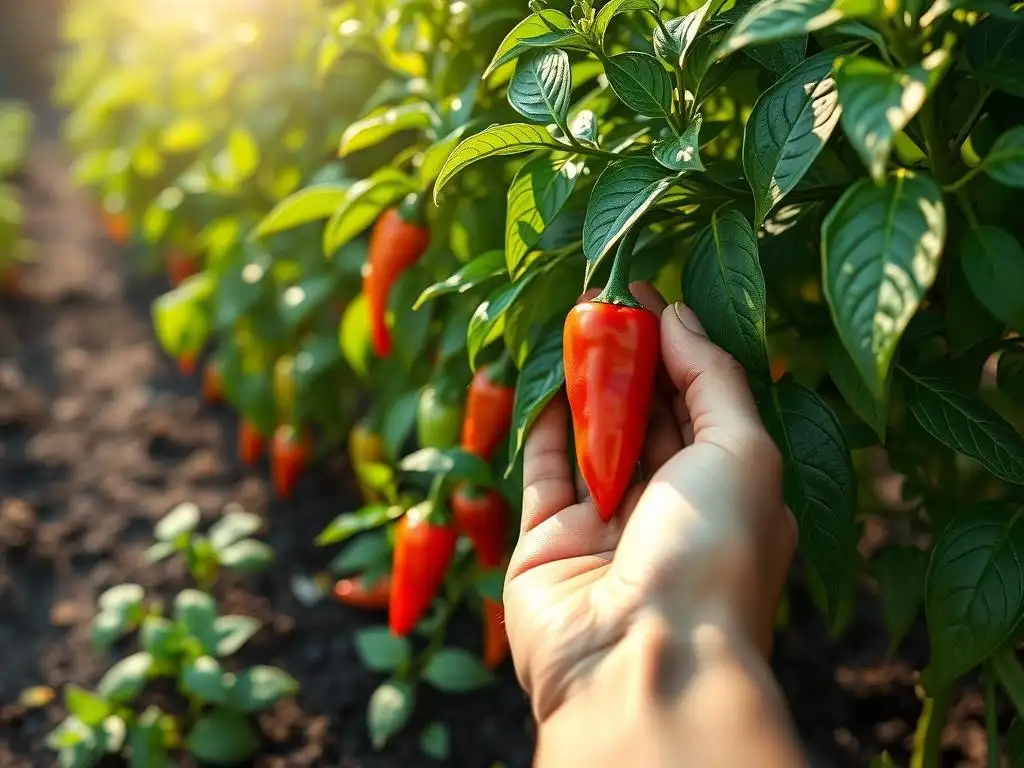
Welcome to CultivateYourFood, your guide to a greener, more flavorful life! Ready to experience the thrill of harvesting your own fiery peppers? Our Ultimate Guide to Growing Jalapeños Organically at Home unveils the secrets to cultivating vibrant, spicy jalapeños, from seed to harvest, using sustainable methods. Discover simple yet effective techniques for organic pest control, composting, and more – learn how to transform your backyard into a thriving jalapeño patch! Let's get started on your journey to homegrown goodness.
- Planning Your Jalapeño Garden: Site Selection and Soil Preparation
-
Starting Jalapeños from Seed: Germination and Seedling Care
- Sowing Jalapeño Seeds Indoors: Timing, Medium, and Technique
- Providing Optimal Conditions for Jalapeño Seed Germination: Temperature and Humidity Control
- Transplanting Jalapeño Seedlings: Hardening Off and Avoiding Transplant Shock
- Organic Pest Control for Jalapeño Seedlings: Early Prevention Strategies
-
Transplanting Jalapeño Seedlings into Your Garden
- Selecting the Right Time for Transplanting Jalapeño Seedlings: Avoiding Frost and Extreme Temperatures
- Preparing the Garden Bed for Jalapeño Transplanting: Soil Amendment and Watering
- The Proper Technique for Transplanting Jalapeño Seedlings: Minimizing Stress and Ensuring Survival
- Supporting Jalapeño Plants: Staking or Caging for Optimal Growth
-
Caring for Your Jalapeño Plants: Watering, Fertilizing, and Pest Control
- Watering Jalapeños Effectively: Maintaining Consistent Moisture Levels
- Organic Fertilization for Jalapeños: Boosting Growth and Yield with Natural Nutrients
- Identifying and Preventing Common Jalapeño Pests and Diseases: Organic Pest Control Methods
- Protecting Jalapeños from Common Diseases: Recognizing Symptoms and Implementing Solutions
- Harvesting Your Homegrown Jalapeños: Timing and Techniques
- Extending Your Jalapeño Growing Season
- Growing Organic Jalapeños at Home: A Sustainable Approach
- Frequently Asked Questions
- Final Reflection: The Enduring Spice of Homegrown Jalapeños
- Unleash Your Inner Pepper Pro: Grow Your Own Jalapeño Paradise!
Planning Your Jalapeño Garden: Site Selection and Soil Preparation
Growing jalapeños organically at home is a rewarding experience, bringing the vibrant taste of fresh, spicy peppers right to your doorstep. This ultimate guide will walk you through every step, from selecting the perfect spot in your garden to harvesting your fiery bounty. We'll focus on sustainable and organic practices, ensuring a healthy and productive jalapeño crop while minimizing environmental impact. This detailed approach covers everything you need to know, from understanding the specific needs of jalapeño plants to implementing effective pest control strategies. Get ready to cultivate your own spicy harvest! 🌶️
Choosing the Perfect Spot for Jalapeño Growth: Sunlight and Space Requirements
Jalapeños thrive in abundant sunshine. They need at least six to eight hours of direct sunlight daily to produce a plentiful harvest. Consider the orientation of your garden; south-facing locations (in the Northern Hemisphere) generally receive the most sunlight.
Furthermore, proper spacing is crucial for optimal growth. Overcrowding can lead to poor air circulation, increasing the risk of fungal diseases and reducing yields. Jalapeño plants need enough room to spread their leaves and develop their full potential. We'll delve into specific spacing recommendations in a later section. The size of your chosen jalapeño variety will also influence the necessary space. Larger varieties naturally require more room than compact ones.
Choosing the right spot is the foundation of successful jalapeño cultivation. Careful consideration of sunlight and space will set your plants up for success from the start.
Preparing Nutrient-Rich Soil for Abundant Jalapeño Yields: Organic Amendments and Soil Testing
Healthy soil is the key to healthy plants. Jalapeños prefer well-drained soil that is rich in organic matter. Before planting, conduct a soil test to determine its pH level and nutrient content. The ideal pH range for jalapeños is slightly acidic, between 6.0 and 6.8.
To improve soil quality, incorporate organic amendments such as compost, well-rotted manure, and peat moss. These amendments will improve soil structure, drainage, and nutrient content, creating the perfect environment for your jalapeño plants to thrive. Avoid using chemical fertilizers; stick to organic options to maintain the integrity of your organic growing practice. A rich, healthy soil will directly contribute to a bountiful harvest of flavorful jalapeños.
Remember, soil preparation is an investment that pays off handsomely in the long run. A healthy start ensures a healthy and productive jalapeño plant.
Understanding Jalapeño Plant Spacing for Optimal Air Circulation and Growth
Optimal spacing is vital for successful jalapeño cultivation. Insufficient spacing restricts airflow, increasing the risk of fungal diseases like leaf spot and blight. Conversely, excessively wide spacing can lead to underutilization of garden space.
The recommended spacing for jalapeño plants depends largely on the specific variety. However, a general guideline is to plant them 18-24 inches apart, allowing for adequate space for growth and air circulation. For larger varieties, consider increasing the spacing to 24-30 inches. This spacing allows for sufficient sunlight penetration to all parts of the plant, promoting healthy growth and abundant fruit production. Proper spacing is a simple yet highly effective technique for maximizing your jalapeño yield. Remember to consider the mature size of your chosen variety when planning your garden layout.
Starting Jalapeños from Seed: Germination and Seedling Care
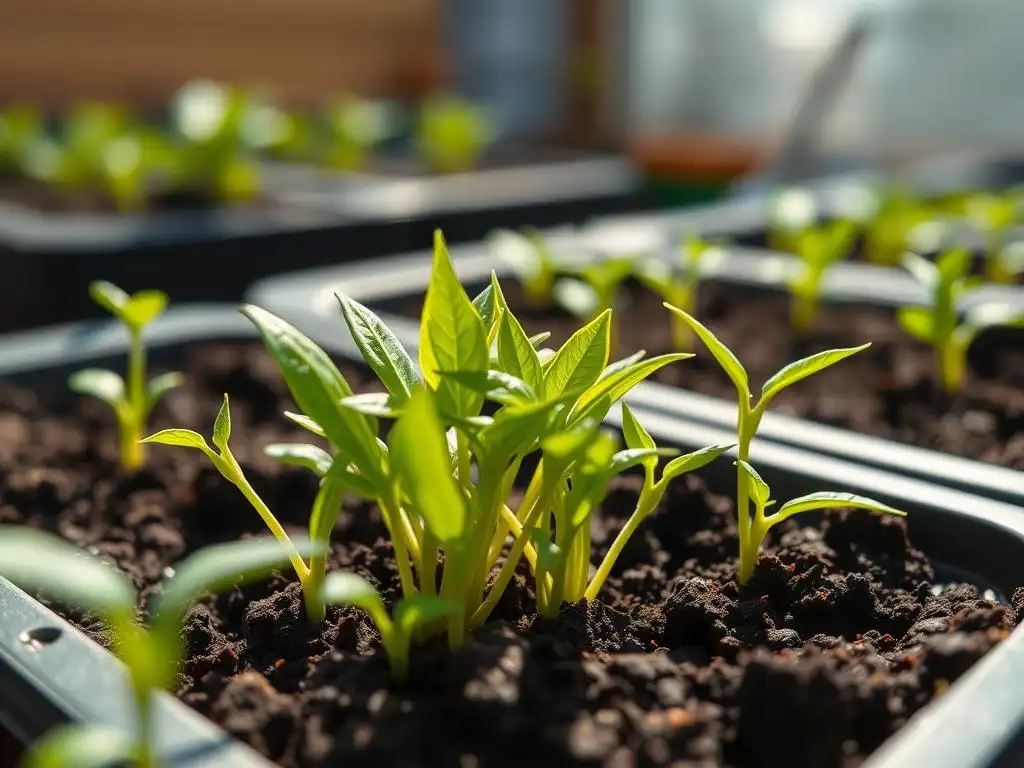
Growing jalapeños organically at home starts with the seed. Successfully germinating and nurturing your seedlings is crucial for a bountiful harvest. This section details the process, focusing on techniques to maximize germination rates and produce healthy, robust plants ready for transplanting. We'll cover sowing seeds indoors, providing optimal germination conditions, and finally, the delicate art of transplanting without causing transplant shock.
Sowing Jalapeño Seeds Indoors: Timing, Medium, and Technique
The ideal time to sow jalapeño seeds indoors depends on your climate and the last expected frost date. Aim for 6-8 weeks before the last frost. This allows ample time for seedlings to develop before outdoor planting. Starting too early can lead to leggy seedlings, while starting too late risks a shorter growing season and reduced yield.
Choose a seed-starting mix that's well-draining and sterile to prevent damping-off disease, a common fungal issue affecting young seedlings. Avoid using garden soil directly, as it may contain pathogens harmful to young plants. Commercial seed-starting mixes are readily available and provide the perfect balance of nutrients and drainage.
Sow your seeds about ¼ inch deep and about 1 inch apart in small cells or pots. Gently cover the seeds with the mix and water thoroughly but gently, avoiding overwatering which can lead to rot. Label each pot clearly with the variety and sowing date for easy tracking. Maintain consistent moisture levels throughout the germination process, keeping the mix damp but not soggy. Using a humidity dome or covering the containers with clear plastic can help maintain humidity levels, crucial for successful germination.
Providing Optimal Conditions for Jalapeño Seed Germination: Temperature and Humidity Control
Jalapeño seeds germinate best in warm, humid conditions. The ideal temperature range is between 75-85°F (24-29°C). Fluctuations in temperature can negatively impact germination rates. Consistent warmth is key. A heat mat placed under the seed trays can help maintain a consistent temperature, especially in cooler environments.
Maintaining high humidity is equally important. As mentioned earlier, a humidity dome or clear plastic covering can significantly improve germination success. However, remember to vent the covering daily to prevent the buildup of condensation, which can lead to fungal diseases. Regular misting of the seed-starting mix can also help maintain humidity levels. Monitor the mix carefully; it should be consistently moist but not waterlogged. Overwatering is a common mistake that can lead to seed rot and poor germination.
You can expect germination to occur within 7-21 days, depending on seed viability and environmental conditions. Once germination occurs, gradually reduce the humidity levels to prevent damping-off. Once the seedlings have developed their first true leaves (the leaves that appear after the cotyledons), they are ready for the next stage: transplanting.
Transplanting Jalapeño Seedlings: Hardening Off and Avoiding Transplant Shock
Transplanting jalapeño seedlings requires careful handling to minimize transplant shock. Before moving them outdoors, gradually acclimate them to the outdoor environment through a process called "hardening off." This process gradually exposes the seedlings to harsher outdoor conditions such as sunlight, wind, and temperature fluctuations.
Start by placing the seedlings outdoors for a short period (1-2 hours) on a protected day, gradually increasing the exposure time over several days. Begin with shade and gradually move them to sunnier locations as they adapt. Protect them from strong winds and direct sunlight during the initial stages. This gradual transition allows the seedlings to adjust to the harsher outdoor environment, reducing the risk of transplant shock.
When transplanting, choose a sunny location with well-drained soil rich in organic matter. Amend the soil with compost to improve its structure and fertility. Plant the seedlings at the same depth they were growing in their containers, ensuring not to bury the stems too deep. Water thoroughly after transplanting, and provide consistent watering throughout the growing season, especially during hot and dry periods.
Mulching around the plants helps retain moisture and suppress weeds. By following these steps, you'll increase the chances of a successful transplant and a thriving jalapeño plant. Remember consistent monitoring and care are essential for maximizing your organic jalapeño yield.
Organic Pest Control for Jalapeño Seedlings: Early Prevention Strategies
Protecting your delicate jalapeño seedlings from pests organically is crucial for a healthy and bountiful harvest. Early prevention is key, as a small infestation can quickly spiral out of control. Instead of resorting to harsh chemicals, several effective organic methods can safeguard your plants.
One of the most effective strategies is maintaining impeccable hygiene in your growing area. Cleanliness significantly reduces the chances of pest infestations. Before planting, sterilize your seed trays and pots with a solution of diluted bleach (one part bleach to nine parts water) or by simply washing them thoroughly with hot, soapy water. Regularly inspect your seedlings for any signs of pests or diseases. Removing infested leaves promptly can prevent widespread damage. Remember to dispose of infected plant material responsibly, away from your garden, to avoid re-infestation.
Another crucial aspect is choosing healthy, high-quality seeds. Sourcing your seeds from reputable suppliers specializing in organic seeds significantly lowers the risk of introducing pests and diseases into your garden. These seeds are often treated with natural methods to prevent common seedling issues.
Creating a healthy growing environment is equally important. Ensure your seedlings receive adequate sunlight, water, and air circulation. Poor air circulation can lead to fungal diseases, creating an environment conducive to pest infestations. Proper watering is also vital; avoid overwatering, which can weaken plants and make them more susceptible to pests. Similarly, underwatering can stress the plants and make them more vulnerable. Finding the right balance is key to fostering strong, resilient seedlings.
Beneficial insects can play a significant role in organic pest control. Ladybugs, lacewings, and praying mantises are natural predators of many common jalapeño pests, such as aphids and spider mites. Attracting these beneficial insects to your garden can be achieved by planting flowering herbs and plants that provide them with food and habitat. This creates a natural balance within your ecosystem, reducing the need for external interventions.
Finally, consider using natural deterrents. A simple solution of diluted neem oil can be sprayed on your seedlings to repel many common pests. Neem oil is a natural insecticide derived from the neem tree and is generally safe for beneficial insects and humans. Always follow the instructions on the product label carefully, ensuring proper dilution for your seedlings' delicate stage of growth. Remember that consistent monitoring and proactive measures are your best allies in organic pest control. Early detection and intervention are far more effective than trying to control a large infestation.
Transplanting Jalapeño Seedlings into Your Garden
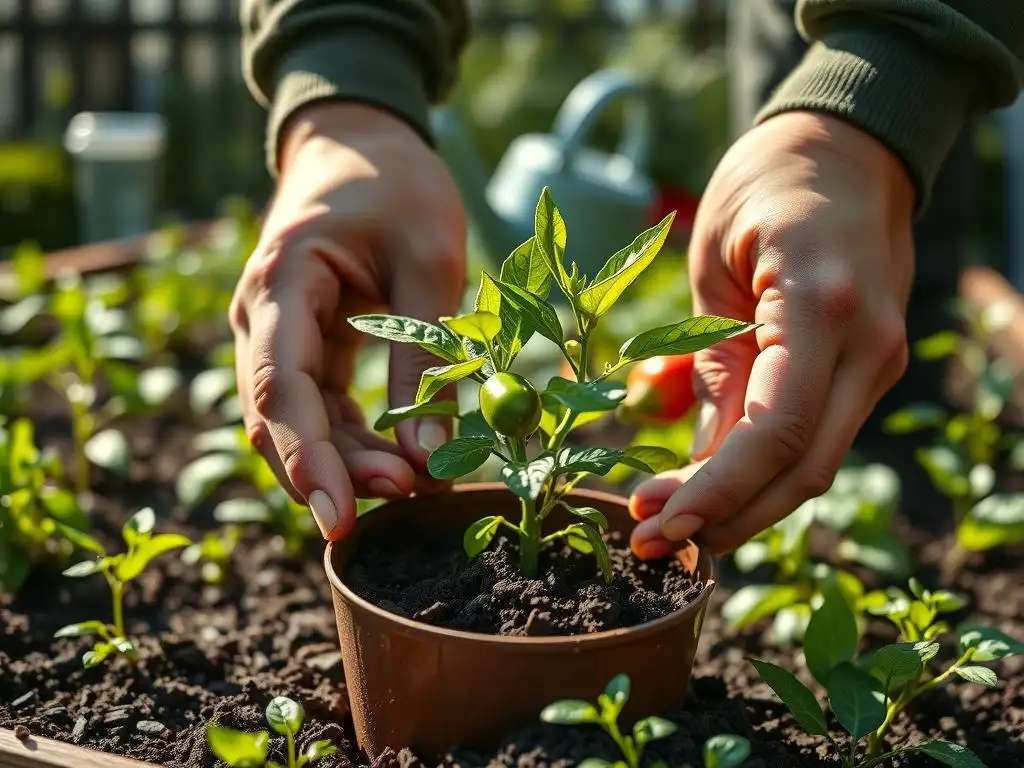
This section focuses on the crucial step of transplanting your carefully nurtured jalapeño seedlings into their permanent garden home. Successfully transplanting ensures healthy growth and a bountiful harvest of spicy peppers. Remember, the goal is to grow jalapeños organically at home, so we'll focus on methods that support this aim.
Selecting the Right Time for Transplanting Jalapeño Seedlings: Avoiding Frost and Extreme Temperatures
Timing is everything when transplanting jalapeño seedlings. These heat-loving plants are vulnerable to frost and extreme temperatures. The ideal time to transplant is after the last expected frost in your area and when soil temperatures have warmed to at least 60°F (15°C). Checking your local weather forecast is crucial. Don't rush the process; waiting a week or two longer than you think necessary is better than risking damage to your young plants.
Planting too early can lead to stunted growth or even death. Conversely, planting too late can shorten the growing season, reducing your overall yield. Consider using a soil thermometer to accurately measure soil temperature before transplanting. This ensures that the root system won't experience shock from cold soil.
Preparing the Garden Bed for Jalapeño Transplanting: Soil Amendment and Watering
Before transplanting, prepare a suitable garden bed. Jalapeños thrive in well-drained, fertile soil rich in organic matter. Amend your soil with compost to improve its structure, drainage, and nutrient content. Compost provides essential nutrients naturally and improves soil aeration, crucial for healthy root development. Aim for a soil pH between 6.0 and 7.0.
A soil test kit can help you determine your soil's pH and nutrient levels. If necessary, adjust the pH using lime (to raise pH) or sulfur (to lower pH). Thoroughly water the garden bed a day or two before transplanting to ensure the soil is moist but not soggy. This helps minimize transplant shock and allows for easier placement of the seedlings. Remember, consistently moist soil is key for growing jalapeños organically at home, supporting robust growth and minimizing stress.
The Proper Technique for Transplanting Jalapeño Seedlings: Minimizing Stress and Ensuring Survival
Gently remove the jalapeño seedlings from their containers, being careful not to damage the roots. If the roots are root-bound (circling the container), gently loosen them before planting. Dig holes slightly larger than the root ball. Space the seedlings according to the variety's recommended spacing (usually 18-24 inches apart).
Place the seedlings in the holes, ensuring the top of the root ball is level with the soil surface. Backfill the holes with soil, gently firming it around the base of the plants. Water thoroughly after transplanting to settle the soil and help the seedlings establish themselves. Mulching around the base of the plants helps retain moisture, suppress weeds, and regulate soil temperature—all contributing to successful organic jalapeño cultivation.
Consider using organic mulch like straw or shredded leaves. Consistent watering and monitoring for pests and diseases are crucial for the continued success of your homegrown jalapeño plants. Careful attention to these details will increase your chances of a plentiful, spicy harvest. This method helps you effectively grow jalapeños organically at home, resulting in delicious and healthy peppers.
Supporting Jalapeño Plants: Staking or Caging for Optimal Growth
Jalapeño plants, especially those yielding a bountiful harvest, can become quite top-heavy. This weight, combined with potentially strong winds or heavy rain, can cause the plants to bend or even break, impacting fruit production and overall plant health. Therefore, providing adequate support is crucial for successful organic jalapeño cultivation at home. Two primary methods achieve this: staking and caging.
Staking involves using individual stakes, typically bamboo or sturdy wooden dowels, to support each jalapeño plant. You drive the stake into the ground next to the plant, ensuring it's deep enough to provide firm support. Then, you gently tie the plant's main stem to the stake using soft, flexible ties like garden twine or cloth strips. Avoid using wire or anything that could cut into the stem.
As the plant grows, you may need to add more ties to support the developing branches laden with jalapeños. This method is excellent for smaller gardens or when you have a limited number of plants. It allows for good air circulation around the plant, minimizing the risk of fungal diseases.
Caging, on the other hand, utilizes a mesh structure, often made of wire or plastic, to encompass the entire plant. These cages are available in various sizes and are easy to assemble. The plant grows within the cage, and the mesh provides support for the entire structure. Caging is particularly beneficial for larger plants or when growing multiple jalapeños in close proximity.
The cage prevents the plant from sprawling, keeping it contained and organized. Moreover, it offers protection against pests that might try to crawl up the plant. However, ensure the cage is adequately ventilated to prevent dampness and fungal growth. Choosing a cage made of a breathable material is key.
The choice between staking and caging often depends on personal preference, garden layout, and the number of plants. Consider the size and expected yield of your jalapeño plants when making your decision. For a small number of plants, staking might be sufficient. However, for larger harvests and denser plantings, caging offers a more robust and convenient support system. Regardless of your chosen method, remember to support your plants early on in their growth cycle to prevent damage and maximize your jalapeño harvest. Proper support is a key element in growing healthy, productive jalapeño plants organically at home.
Caring for Your Jalapeño Plants: Watering, Fertilizing, and Pest Control
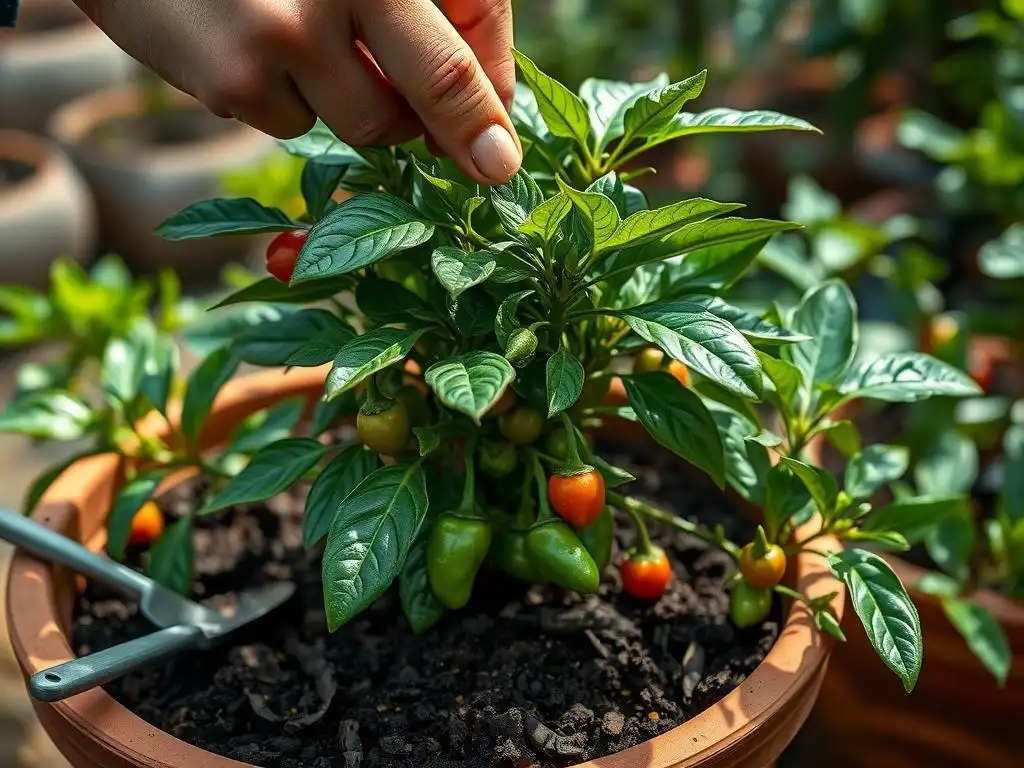
This section delves into the crucial aspects of jalapeño plant care, focusing on sustainable and organic practices to ensure a bountiful harvest. We'll explore effective watering techniques, organic fertilization strategies, and proactive organic pest control methods to keep your plants thriving. Remember, healthy plants are more resilient to disease and pests, contributing to a higher yield of delicious, organically grown jalapeños.
Watering Jalapeños Effectively: Maintaining Consistent Moisture Levels
Consistent moisture is key to successful jalapeño cultivation. Overwatering can lead to root rot, while underwatering stunts growth and reduces yield. The ideal watering strategy involves maintaining consistently moist, but not soggy, soil. This requires careful observation and adjustment based on weather conditions and soil type.
Here's a breakdown of effective watering techniques:
- Frequency: Water deeply but less frequently. Aim for watering when the top inch or two of soil feels dry to the touch. This might be every other day in hot, dry weather, or every few days in cooler, more humid conditions.
- Method: Water at the base of the plant, avoiding wetting the foliage to prevent fungal diseases. Drip irrigation or soaker hoses are excellent options for efficient and targeted watering. Avoid overhead watering, especially during the hottest part of the day.
- Soil Type: Sandy soils drain quickly, requiring more frequent watering. Clay soils retain moisture longer, needing less frequent watering but ensuring good drainage to prevent waterlogging.
- Stage of Growth: Seedlings require more frequent, lighter watering than mature plants. Increase watering frequency during flowering and fruiting stages.
Monitoring your plants is crucial. Wilting leaves are a clear sign of underwatering, while yellowing leaves and a foul odor from the soil indicate overwatering. Adjust your watering schedule accordingly to maintain optimal soil moisture. Remember that consistency is key to healthy jalapeño growth.
Organic Fertilization for Jalapeños: Boosting Growth and Yield with Natural Nutrients
Organic fertilizers provide essential nutrients for vigorous jalapeño growth and abundant harvests without the harmful effects of synthetic chemicals. Choosing the right fertilizer and applying it correctly will significantly impact the health and productivity of your plants.
Here are some effective organic fertilization options:
- Compost: A rich source of organic matter, compost improves soil structure, drainage, and nutrient retention. Incorporate compost into the soil before planting and top-dress regularly throughout the growing season.
- Worm Castings: These are a highly concentrated source of nutrients, offering a slow-release fertilizer that improves soil health and promotes strong plant growth. Mix worm castings into the soil or use as a top-dress.
- Fish Emulsion: A liquid fertilizer rich in nitrogen, phosphorus, and potassium, fish emulsion provides a readily available source of nutrients, particularly beneficial during periods of rapid growth. Dilute according to package instructions and apply every 2-4 weeks.
- Seaweed Extract: This liquid fertilizer is rich in micronutrients and growth hormones, boosting plant health and resilience. Apply every 2-4 weeks, following package instructions.
Remember to follow the instructions on your chosen organic fertilizer carefully. Over-fertilizing can be just as detrimental as under-fertilizing. Regular soil testing can help you determine the nutrient levels in your soil and adjust your fertilization strategy accordingly. Growing jalapeños organically means nurturing the soil as much as the plants themselves.
Identifying and Preventing Common Jalapeño Pests and Diseases: Organic Pest Control Methods
Proactive organic pest control is essential for protecting your jalapeño plants from common pests and diseases. Early detection and intervention are crucial for minimizing damage and maintaining a healthy harvest.
Here are some common jalapeño pests and diseases, along with organic control methods:
| Pest/Disease | Symptoms | Organic Control Methods |
|---|---|---|
| Aphids | Small, sucking insects; leaf curling, yellowing | Insecticidal soap, neem oil sprays, strong water spray |
| Spider Mites | Fine webbing on leaves, stippling | Neem oil, insecticidal soap, introduce predatory mites |
| Whiteflies | Small, white, flying insects; sticky leaves | Yellow sticky traps, neem oil, insecticidal soap |
| Bacterial Spot | Brown spots on leaves and fruit | Remove infected leaves, ensure good air circulation, use disease-resistant varieties |
| Blossom-End Rot | Brown, leathery spots on fruit ends | Consistent watering, calcium supplements (e.g., eggshells) |
Implementing preventative measures is key. This includes choosing disease-resistant varieties, ensuring good air circulation around plants, and maintaining a healthy soil environment. Regular monitoring for pests and diseases allows for early intervention with organic methods, minimizing the need for harsh chemicals. Growing jalapeños organically prioritizes the health of your plants and the environment. Remember to always carefully follow the instructions on any organic pest control product you use.
Protecting Jalapeños from Common Diseases: Recognizing Symptoms and Implementing Solutions
Jalapeño peppers, while relatively hardy, are susceptible to several diseases that can significantly impact yield and plant health. Early detection and appropriate intervention are crucial for successful organic jalapeño cultivation. Let's explore some common diseases and effective, organic solutions.
One prevalent issue is bacterial spot, characterized by small, dark lesions on leaves and fruits. These lesions often have a water-soaked appearance and may coalesce, causing leaf drop and fruit distortion. Organic solutions include ensuring good air circulation around plants (avoid overcrowding), removing infected leaves promptly, and practicing crop rotation to prevent disease buildup in the soil. Copper-based fungicides, while not strictly organic, are sometimes used as a last resort in severe cases, but their use should be carefully considered due to potential environmental impact. Prevention is key – purchasing disease-resistant varieties can greatly minimize the risk.
Another common problem is anthracnose, a fungal disease causing sunken lesions on fruits and stems. These lesions are often dark brown or black and may be accompanied by a pinkish fungal growth. Again, good sanitation practices are vital. Remove and destroy infected plant material immediately. Avoid overhead watering, as excess moisture promotes fungal growth. Organic fungicides, such as neem oil or compost tea, can help control the spread of anthracnose. Applying these preventative measures, along with ensuring well-drained soil, significantly reduces the likelihood of infection.
Verticillium wilt is a serious soilborne fungal disease that affects the vascular system of the plant. Symptoms include wilting, yellowing of leaves, and stunted growth. Unfortunately, there's no cure for Verticillium wilt once it's established. Prevention is the best approach. This includes using disease-free seedlings, rotating crops, and solarizing the soil to kill pathogens before planting. Choosing resistant varieties is also a crucial preventative measure. It's important to note that if a plant displays symptoms of Verticillium wilt, it should be removed and destroyed to prevent the spread of the disease.
Finally, Phytophthora blight, a water mold, causes root rot and stem lesions. Symptoms include wilting, leaf discoloration, and eventual plant death. Well-drained soil is paramount to prevent Phytophthora blight. Avoid overwatering and ensure proper spacing between plants to promote good air circulation. Organic soil amendments, such as compost, can improve soil drainage and overall plant health. In severe cases, despite preventative measures, you might need to resort to removing and destroying infected plants. Remember that proper sanitation and preventative measures are crucial in maintaining healthy jalapeño plants.
Harvesting Your Homegrown Jalapeños: Timing and Techniques
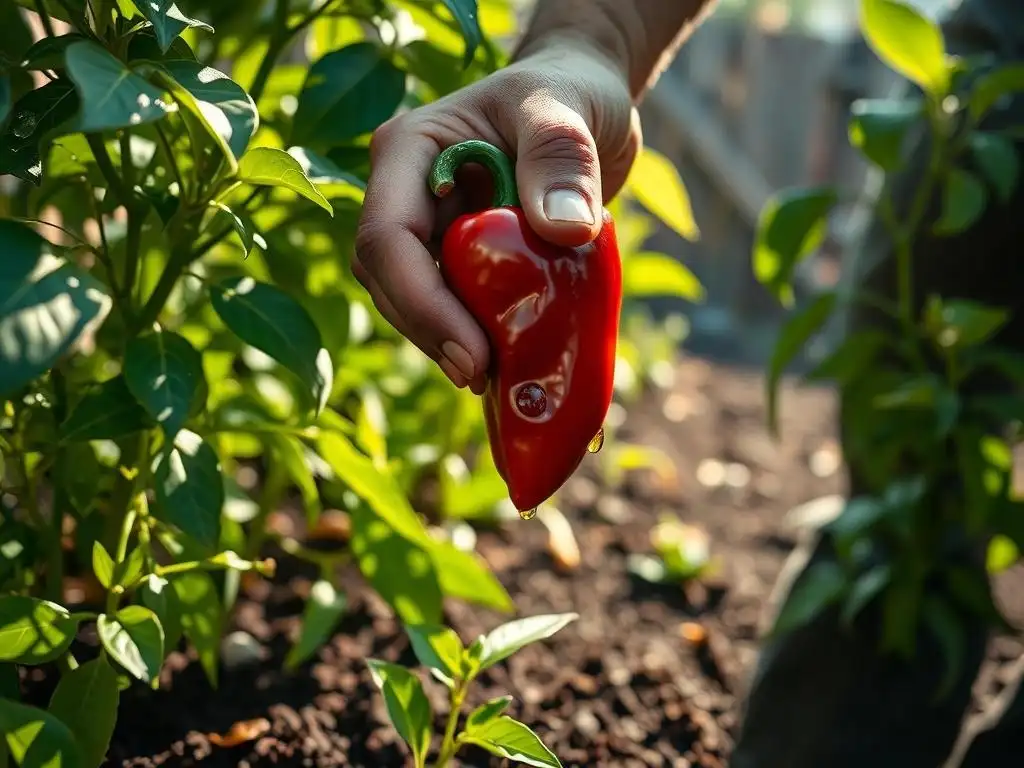
Growing jalapeños organically at home is a rewarding experience, culminating in the spicy satisfaction of harvesting your own peppers. But knowing when and how to harvest is crucial for maximizing flavor and yield. This section will guide you through the process, ensuring you get the most out of your homegrown jalapeño crop.
Determining Jalapeño Ripeness: Identifying the Optimal Time for Harvesting
The ideal time to harvest jalapeños is when they reach their full mature color and firmness. While immature jalapeños are green, their mature color varies depending on the cultivar. Some varieties turn a deep red, others a dark purple or even yellow. The key indicators are:
- Color: The pepper should exhibit its characteristic mature color, whether it's green, red, purple, or yellow. A vibrant, consistent color across the entire pepper is a good sign.
- Firmness: A ripe jalapeño will feel firm to the touch, with no soft spots or blemishes. Gently squeeze the pepper; it should offer slight resistance. Avoid harvesting peppers that feel mushy or bruised.
- Size: While size isn't the sole determinant, most jalapeños reach their ideal size when they're ripe. Check the seed packet or plant tag for expected size for your specific variety. Generally, they're ready for harvest when they reach approximately 2.5-4 inches in length.
Ignoring these signs can lead to less flavorful peppers. Harvesting too early results in thinner-walled, less pungent peppers, while harvesting too late can lead to overripe, soft peppers that are prone to splitting and disease. Regularly check your plants, starting about 60-70 days after planting from seed (or according to the specific instructions for your variety).
Harvesting Jalapeños for Maximum Flavor and Quality: Proper Techniques and Tools
Once you've identified ripe jalapeños, harvesting them correctly is essential to maintain their quality. Here's a step-by-step guide:
- Use sharp, clean tools: A sharp pair of pruning shears or a small, clean knife is ideal. This ensures a clean cut, minimizing damage to the plant and preventing the spread of diseases. Dull tools can bruise the pepper and stem, inviting rot.
- Cut the pepper: Instead of pulling the pepper off, carefully cut the stem just above the pepper with your chosen tool. Leaving a small portion of the stem attached is usually fine, but removing the entire stem can be preferable for some preservation methods.
- Handle with care: Jalapeños contain capsaicin, the compound that gives them their heat. Avoid touching your eyes or face after handling them without washing your hands thoroughly. Wearing gloves is a good precaution, especially if you have sensitive skin.
- Inspect after harvest: After harvesting, inspect each pepper for any blemishes or damage. Discard any peppers that show signs of disease or insect infestation.
Following these techniques ensures you harvest high-quality, flavorful jalapeños, preserving the integrity of both the fruit and the plant for future harvests.
Preserving Your Jalapeño Harvest: Drying, Freezing, and Pickling Methods
Harvesting your jalapeños is only half the battle; preserving them allows you to enjoy their spicy flavor throughout the year. Several methods effectively preserve jalapeños, each with its own advantages and disadvantages:
- Drying: Drying jalapeños concentrates their flavor and extends their shelf life considerably. You can air-dry them in a well-ventilated area, or use a food dehydrator for faster and more consistent results. Dried jalapeños can be ground into chili powder or used in various recipes.
- Freezing: Freezing is a simple and effective way to preserve jalapeños. Blanch the peppers briefly in boiling water before freezing to maintain their texture and color. Freeze them whole, sliced, or chopped, depending on your needs.
- Pickling: Pickling jalapeños is a classic preservation method that adds a tangy, flavorful twist. Numerous pickling recipes exist, ranging from simple brine methods to more complex recipes involving vinegar, spices, and other ingredients. Pickled jalapeños are a delicious addition to tacos, sandwiches, and many other dishes.
Remember to always practice safe food handling techniques when preserving your jalapeños. Proper sanitation and storage are essential to prevent spoilage and maintain the quality of your harvest. Enjoy the fruits (or should we say, peppers) of your labor!
Extending Your Jalapeño Growing Season
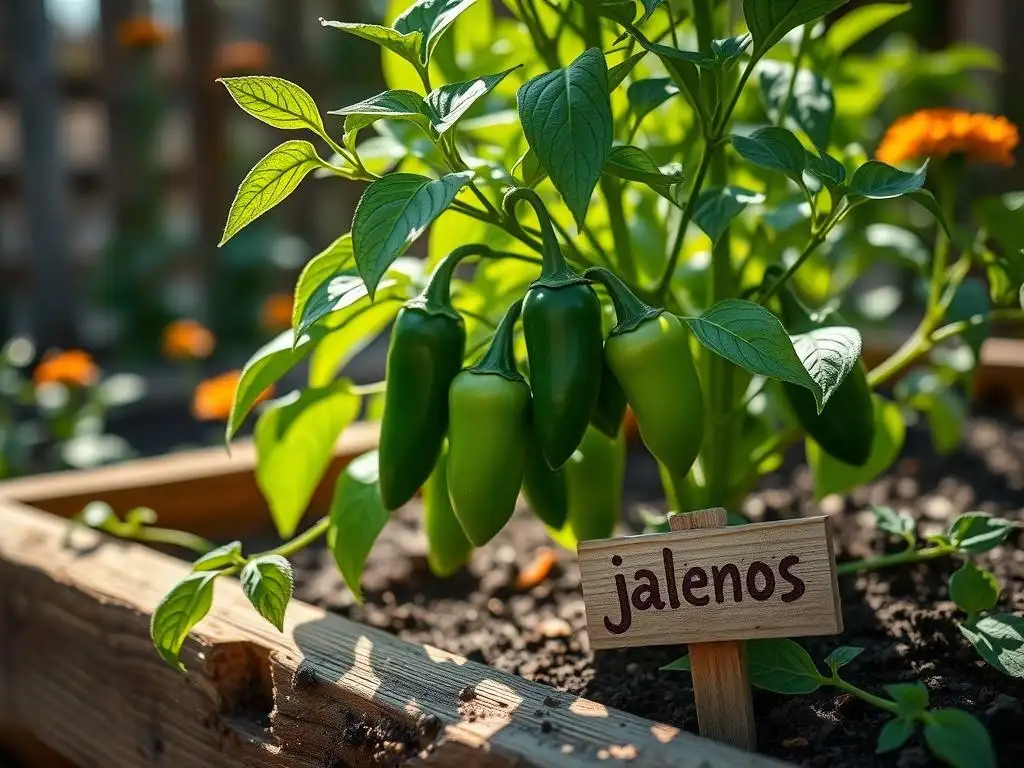
Growing jalapeños organically at home offers a rewarding experience, but the growing season can be relatively short depending on your climate. Extending that season, however, can significantly increase your harvest and enjoyment. This section explores practical strategies to maximize your yield, even in areas with shorter, cooler growing seasons.
Strategies for Extending the Jalapeño Growing Season: Protecting Plants from Frost and Extending Harvest
Protecting your jalapeño plants from frost is crucial for extending the harvest. A sudden frost can decimate your plants, ending your pepper production prematurely. Several strategies can mitigate this risk:
- Row Covers: Lightweight, breathable row covers are inexpensive and effective. They create a microclimate around your plants, protecting them from light frosts and temperature fluctuations. Remember to remove them during the day to allow for adequate sunlight and ventilation. Improper use can lead to overheating and plant damage.
- Cold Frames: Cold frames offer more robust protection than row covers. They are essentially miniature greenhouses, providing a warmer environment for your plants, even during significant temperature drops. They’re particularly beneficial in colder regions.
- Mulching: Applying a thick layer of organic mulch (such as straw or shredded leaves) around the base of your jalapeño plants helps insulate the soil and protect the roots from frost. This maintains a more consistent soil temperature, improving plant health and resilience.
- Strategic Planting: Choosing the right location in your garden is key. South-facing areas receive more sunlight and tend to be warmer, delaying the onset of frost in the fall. Consider planting against a south-facing wall or fence for added protection.
- Harvesting Frequently: Regular harvesting encourages the plant to produce more peppers. Leaving peppers on the plant too long can redirect energy away from new pepper development and reduce overall yield. Aim for frequent harvesting throughout the season, even extending into early frost.
Overwintering Jalapeño Plants: Techniques for Keeping Plants Alive Through Winter (Indoor Growing)
Overwintering your jalapeño plants allows you to enjoy a continuous harvest and avoid the need to start from seed every spring. This process requires careful attention to light, temperature, and humidity.
- Selecting Healthy Plants: Choose vigorous, healthy plants for overwintering. Plants that are already stressed or showing signs of disease are less likely to survive the transition.
- Pruning: Gently prune your plants before bringing them indoors. Remove any damaged or diseased leaves and stems. This reduces stress on the plant and minimizes the risk of disease transmission.
- Potting and Repotting: If your plants are in the ground, carefully dig them up and pot them in containers slightly larger than their root balls. Use a well-draining potting mix rich in organic matter. Repotting might be necessary depending on the plant's size and pot's size.
- Indoor Environment: Provide a sunny location indoors with temperatures between 65-75°F (18-24°C). A south-facing window is ideal. Ensure adequate airflow to prevent fungal diseases. Humidity is also crucial; consider using a humidifier or placing the pot on a tray of pebbles with water.
- Watering and Fertilizing: Water regularly, keeping the soil consistently moist but not waterlogged. Reduce watering frequency during winter months. Apply a balanced organic fertilizer every few weeks to encourage growth. Observe the plant carefully, adjusting watering and fertilizing as needed.
- Pest and Disease Management: Regularly inspect your plants for pests and diseases. Address any issues promptly to prevent them from spreading. Organic pest control methods are recommended.
This detailed approach to extending your jalapeño growing season will significantly increase your harvest and overall success in growing jalapeños organically at home. Careful planning and attention to detail will reward you with abundant, delicious, homegrown peppers year after year. 🌶️
Growing Organic Jalapeños at Home: A Sustainable Approach
This section delves into the specifics of cultivating jalapeños organically at home, focusing on the practical steps and advantages of this method. Growing your own jalapeños organically offers a rewarding experience, connecting you directly with your food source while minimizing your environmental impact. This guide provides detailed information to help you successfully grow these spicy peppers using sustainable practices. We'll explore the numerous benefits, the selection of organic seeds and supplies, and the crucial role of composting in enriching your soil.
Benefits of Growing Organic Jalapeños: Health, Environmental, and Flavor Advantages
Growing jalapeños organically provides a multitude of benefits that extend beyond simply having fresh peppers. Firstly, you eliminate exposure to harmful pesticides and herbicides, resulting in healthier peppers for consumption. Organic jalapeños boast a superior flavor profile compared to conventionally grown ones, often described as richer, more complex, and intensely flavorful. This is because organic farming practices encourage the development of robust plant health, leading to a more concentrated flavor in the fruit.
Furthermore, growing organically contributes to a healthier environment. By avoiding synthetic pesticides, you protect beneficial insects and pollinators, contributing to biodiversity in your garden and beyond. Reduced water usage through efficient irrigation techniques, a common practice in organic gardening, conserves precious water resources. Finally, organic farming methods help sequester carbon in the soil, mitigating climate change effects. The reduced reliance on fossil fuel-based fertilizers and pesticides also significantly lowers your carbon footprint. In essence, choosing to grow jalapeños organically is a choice for your health, the environment, and the superior taste of your harvest.
Choosing Organic Seeds and Supplies: Ensuring a Sustainable Growing Process
Selecting certified organic seeds is paramount to maintaining the integrity of your organic jalapeño growing project. Look for reputable seed companies that clearly label their products as organic and adhere to strict organic certification standards. This ensures that the seeds haven't been treated with pesticides or genetically modified. Beyond seeds, choosing organic soil, compost, and any other supplies is equally important. Avoid products containing synthetic fertilizers or pesticides. Opt for natural pest control methods, such as neem oil or insecticidal soap, instead of harsh chemicals.
When sourcing your supplies, consider supporting local businesses and nurseries that prioritize organic practices. This helps build a strong local food system and reduces the transportation impact on the environment. Remember to carefully read labels and look for certifications like USDA Organic to ensure you are purchasing truly organic products. Investing in high-quality organic materials upfront will contribute to a healthier, more productive jalapeño plant and a tastier harvest. This careful selection process is a fundamental step in successfully growing jalapeños organically at home.
Composting for Jalapeño Plants: Enriching the Soil Naturally
Composting plays a vital role in organic jalapeño cultivation. It provides a natural and sustainable way to enrich your soil with essential nutrients, improving its structure and water retention capabilities. Compost acts as a slow-release fertilizer, providing a steady supply of nutrients to your jalapeño plants throughout their growing season. This eliminates the need for synthetic fertilizers, a key component of organic gardening.
Creating your own compost is a rewarding process. You can easily compost food scraps, yard waste, and other organic materials. A well-maintained compost pile will generate nutrient-rich humus that significantly improves soil health. For jalapeño plants, this translates to stronger plants, increased yields, and more flavorful peppers.
By using compost, you're not only enriching your soil but also diverting organic waste from landfills, further contributing to sustainable practices. Remember to regularly monitor your compost pile's moisture and aeration levels to ensure proper decomposition. Investing in a quality compost bin will simplify the process and make it more manageable. Integrating composting into your jalapeño-growing routine is a crucial step towards successful organic cultivation.
Frequently Asked Questions
Can I grow jalapeños organically at home?
Yes! Growing jalapeños organically at home is absolutely achievable. Focus on organic soil, natural pest control, and avoiding chemical fertilizers for the best results.
What type of soil do jalapeños prefer?
Jalapeños thrive in well-draining soil that's rich in organic matter. Amend your soil with compost to ensure it's fertile and retains moisture. Avoid heavy clay soils.
When is the best time to plant jalapeño seeds or seedlings?
The best time to plant is after the last frost, when the soil is warm (at least 60°F/15°C). You can start seeds indoors 6-8 weeks before the last frost for an earlier harvest.
How much sunlight do jalapeño plants need?
Jalapeños need at least 6-8 hours of direct sunlight per day. Choose a sunny location in your garden or find a suitable spot for containers if growing indoors. Sunlight is crucial for fruit production.
How do I deal with pests and diseases organically?
Use natural pest control methods such as companion planting (basil, marigolds), neem oil, or insecticidal soap. Regularly inspect your plants for signs of pests or diseases and address issues promptly.
Final Reflection: The Enduring Spice of Homegrown Jalapeños
The vibrant, fiery taste of a homegrown jalapeño is more than just a culinary delight; it's a testament to the power of connection with nature and the satisfaction of nurturing life from seed to harvest. In a world increasingly disconnected from our food sources, cultivating your own jalapeños offers a tangible link to the earth and a deeper appreciation for the journey from tiny seed to spicy fruit.
The simple act of tending to a jalapeño plant, watching it grow, and finally harvesting its bounty, has a profound impact. It fosters a sense of accomplishment and a deeper understanding of the effort involved in food production. The glory of gardening: hands in the dirt, head in the sun, heart with nature. To nurture a garden is to feed not just the body, but the soul.
This quote perfectly encapsulates the enriching experience of growing your own jalapeños, extending beyond the simple act of growing food to a nourishing connection with the natural world.
Now, consider your own journey. Will you embrace the challenge of growing your own jalapeños? Perhaps you'll start with a single plant on your balcony, or maybe transform a corner of your garden into a spicy haven. Regardless of the scale, the rewards – both culinary and spiritual – are immeasurable. Embrace the earth, embrace the spice, and embrace the journey of growing your own jalapeños. The harvest awaits.
Unleash Your Inner Pepper Pro: Grow Your Own Jalapeño Paradise!
Thanks for joining us on this spicy journey! You now have the knowledge to cultivate incredible jalapeños – imagine the satisfaction of harvesting your own fiery peppers. Ready to get started?
- Plant your jalapeño seeds today! This is your chance to experience the joy of homegrown food, from seed to vibrant plant. Don't delay – get planting!
- Share your progress! Join our CultivateYourFood community on social media and inspire others to grow their own spicy bounty. Let's build a thriving network of pepper enthusiasts!
- Keep a jalapeño journal. Track your planting, growth, and harvest, noting any challenges and lessons learned. This will help you refine your jalapeño-growing skills over time.
What delicious jalapeño recipe will you create with your first harvest? Share your plans in the comments below!