
Understanding the Different Types of Leafy Greens: Spinach, Lettuce, and Kale

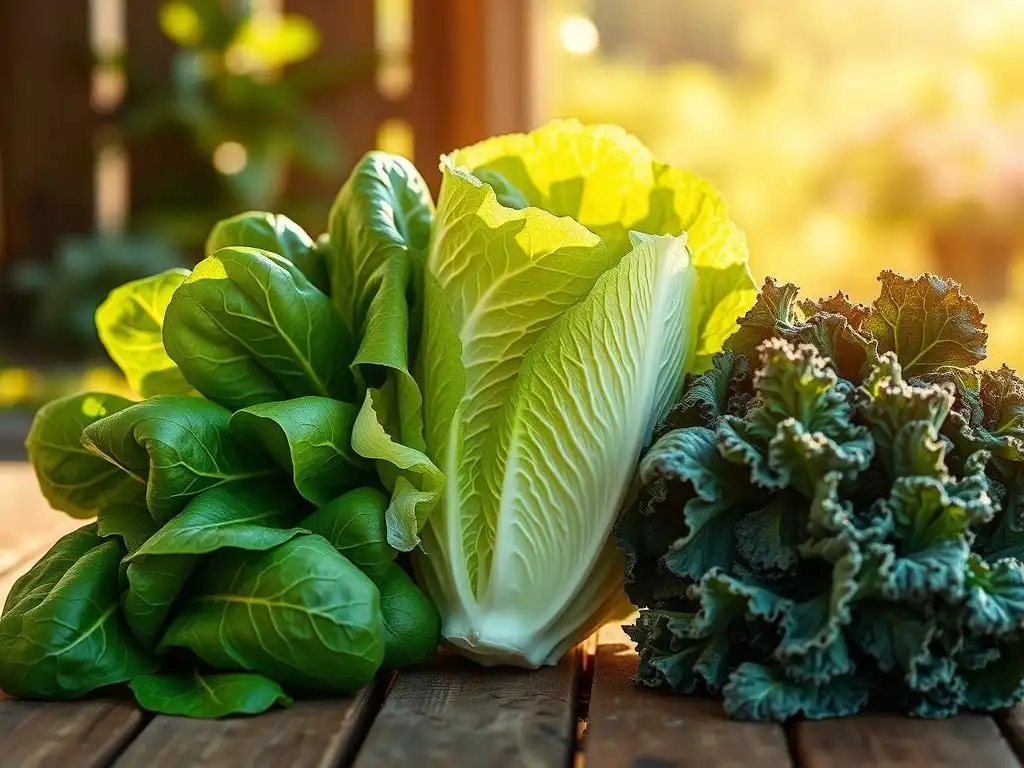
Welcome to CultivateYourFood, your guide to a greener, more flavorful life! Ready to transform your backyard into a thriving oasis of fresh, organic produce? We'll help you do just that. Discover which leafy greens are perfect for your garden – from vibrant spinach to crisp lettuce and nutritious kale – by exploring our in-depth article on the Best Leafy Greens to Grow. Let's unlock the secrets to a bountiful harvest together!
- Best Leafy Greens to Grow at Home: A Comprehensive Guide
- Comparing Spinach, Lettuce, and Kale: A Side-by-Side Analysis
- Tips for Successful Leafy Green Gardening
- Frequently Asked Questions
- Final Reflection: Cultivating a Healthier Future, One Leaf at a Time
- Unleash Your Inner Foodie: Dive Deeper into Leafy Greens!
Best Leafy Greens to Grow at Home: A Comprehensive Guide
Growing your own leafy greens is a rewarding experience, offering fresh, nutritious produce right at your doorstep. This comprehensive guide will explore the world of leafy greens, helping you choose the best varieties for your garden and achieve a bountiful harvest. We'll delve into the characteristics of popular leafy greens like spinach, lettuce, and kale, providing valuable insights into their cultivation and care.
Whether you're a seasoned gardener or just starting out, this guide will equip you with the knowledge to cultivate healthy and delicious leafy greens using sustainable and organic practices. Choosing the right leafy greens is crucial for success, as different varieties have varying needs and tolerances. Let's explore the factors to consider when making your selection.
This article will help you determine which leafy greens are best suited for your climate, soil conditions, and gardening experience, ultimately leading to a thriving and productive garden. Let's get started on your journey to growing the best leafy greens! 🌱
Choosing the Right Leafy Greens for Your Garden
Factors to Consider When Selecting Leafy Greens Varieties
Selecting the right leafy green varieties for your garden depends on several key factors. Consider your climate, the amount of sunlight your garden receives, and the space you have available. Different leafy greens have varying requirements regarding temperature, soil pH, and moisture levels. For example, some lettuce varieties thrive in cooler temperatures, while spinach prefers a slightly warmer climate. Understanding these nuances will greatly improve your chances of success.
| Factor | Considerations |
|---|---|
| Climate | Consider your local climate and average temperatures. Choose varieties suited to your region. |
| Sunlight | Leafy greens generally require at least 6 hours of sunlight per day. Check your garden's sun exposure. |
| Space | Determine the available space in your garden and choose varieties that fit accordingly. |
| Soil Type | Leafy greens prefer well-drained soil. Amend your soil with compost to improve its quality. |
| Pest Resistance | Choose varieties known for their resistance to common pests and diseases. |
| Growth Habit | Consider whether you prefer loose-leaf, butterhead, or crisphead lettuces, for instance. |
Furthermore, think about your personal preferences. Do you prefer a specific flavor profile? Some varieties offer sweeter or more pungent tastes. Do you prefer a specific leaf texture? Some leafy greens have smooth, tender leaves, while others are more rugged and slightly bitter. Finally, consider the growing season in your area. Some leafy greens are better suited for spring or fall planting, while others can tolerate summer heat. Planning accordingly is crucial for optimal growth.
Spinach: A Nutritional Powerhouse for Your Garden
Spinach is a nutritional powerhouse packed with vitamins, minerals, and antioxidants. It's a relatively easy-to-grow leafy green that thrives in cool weather. Its versatility makes it a popular choice for home gardens, whether you're using it in salads, smoothies, or as a side dish. The key to successful spinach cultivation lies in providing consistent moisture and well-drained soil. Overwatering can lead to root rot, while underwatering can result in wilting and stunted growth.
Popular Spinach Varieties for Home Cultivation
Several spinach varieties are well-suited for home cultivation. These varieties offer different characteristics, including leaf shape, size, and taste. Some popular choices include:
- Bloomsdale Long Standing: Known for its long, dark green leaves and tolerance to bolting (premature flowering).
- Space: A compact variety ideal for smaller gardens.
- Melody: A heat-tolerant variety that performs well in warmer climates.
- Giant Nobel: Produces large, robust leaves, perfect for harvesting.
Choosing the right variety depends on your specific needs and growing conditions. Consider factors such as your climate, available space, and personal preferences when making your selection. Remember to always refer to seed packets for specific instructions on planting, spacing, and care. With proper care and attention, you can enjoy a bountiful harvest of delicious and nutritious spinach. 🥗
Lettuce: The Versatile Leafy Green
Lettuce, a cool-season crop beloved for its crisp texture and mild flavor, offers a wide array of choices for the home gardener. Its adaptability makes it a great option for beginners, and its relatively fast growth cycle means you can enjoy fresh harvests throughout the growing season. Different varieties boast unique characteristics, from the tightly packed heads of crisphead lettuce to the loose, frilly leaves of loose-leaf varieties. Successfully growing lettuce involves understanding its specific needs, including consistent moisture, adequate sunlight (though some varieties tolerate shade), and well-drained soil.
Overwatering can lead to root rot, a common problem with lettuce, so proper soil drainage is crucial. Furthermore, consistent thinning and weeding are essential to prevent overcrowding and competition for resources. Regular harvesting also encourages continued growth, ensuring a bountiful supply throughout the season.
Consider using row covers to protect young seedlings from frost and pests. The reward for these efforts is an abundance of fresh, flavorful lettuce, perfect for salads, sandwiches, or as a garnish. The sweet, delicate taste of homegrown lettuce is truly unmatched.
Types of Lettuce: Crisphead, Butterhead, Loose-Leaf, and Romaine
The diverse world of lettuce offers something for every palate and gardening style. Crisphead lettuce, with its tightly packed, dense heads, is ideal for storage and provides a satisfying crunch. Popular varieties include Iceberg and Great Lakes. Butterhead lettuce, known for its soft, buttery leaves and slightly sweeter flavor, is perfect for salads or wraps. Bibb and Boston are common examples.
For a more relaxed gardening experience, loose-leaf lettuce is a great choice. Its leaves grow individually, allowing for continuous harvesting without needing to pull up the entire plant. Red Sails and Black Seeded Simpson are excellent choices. Finally, Romaine lettuce, with its upright, elongated heads and slightly peppery taste, is a versatile option for salads, sandwiches, or grilling. Choosing the right type of lettuce depends on personal preference, growing conditions, and desired harvest time.
Kale: A Hardy and Nutrient-Rich Green
Kale, a nutritional powerhouse, is a remarkably resilient leafy green that thrives in cooler temperatures. Its deep green leaves are packed with vitamins, minerals, and antioxidants, making it a healthy addition to any diet. Growing kale successfully often involves selecting the right variety for your climate and understanding its specific needs.
Kale is relatively low-maintenance, tolerating some shade and less-than-perfect soil conditions, but it still benefits from well-drained, nutrient-rich soil and consistent watering, particularly during dry spells. Its hardiness makes it a good choice for fall and early spring planting in many regions, extending the harvest season beyond the typical growing period for more delicate greens. Its ability to withstand light frosts adds to its appeal for home gardeners seeking a longer harvest window.
Kale Varieties for Home Gardens: Curly, Dino, and Red Russian
Several kale varieties are well-suited for home gardens, each offering unique characteristics. Curly kale, with its deeply ruffled leaves, is a classic choice known for its slightly bitter flavor. Dino kale, also known as Lacinato kale or Tuscan kale, boasts flat, dark green leaves with a milder, less bitter taste than curly kale. Its leaves are often used in sautéed dishes or added to smoothies. Red Russian kale, with its purplish-red stems and leaves, offers a distinctive visual appeal and a slightly sweeter flavor compared to green varieties. Choosing a variety depends on personal preference and intended culinary use.
Planting Kale: Timing, Spacing, and Soil Preparation
Successful kale cultivation begins with proper planning. Planting time depends on your climate; generally, kale prefers cooler temperatures, so spring and fall plantings are ideal in many regions. Start seeds indoors 4-6 weeks before the last expected frost or direct sow seeds outdoors after the danger of frost has passed. Proper spacing is crucial to prevent overcrowding and disease.
Allow 12-18 inches between plants to ensure adequate air circulation and sunlight. Prepare the soil by amending it with compost or other organic matter to improve drainage and fertility. Well-drained soil is key to preventing root rot, a common issue with kale. Consider using raised beds or containers for better control over soil drainage.
Maintaining Healthy Kale Plants: Nutrition and Pest Management
Maintaining healthy kale plants requires attention to nutrition and pest management. Regular fertilization with a balanced organic fertilizer helps ensure vigorous growth and nutrient-rich leaves. Avoid over-fertilizing, which can lead to excessive leaf growth at the expense of flavor. Pest control is important, as kale can be susceptible to aphids, cabbage worms, and flea beetles.
Use organic pest control methods such as insecticidal soap, neem oil, or row covers to protect your plants. Regularly inspect your plants for signs of pests and take action promptly to prevent significant damage. Maintaining healthy soil through composting and mulching also helps prevent pest problems.
Harvesting and Using Kale: From Garden to Table
Harvesting kale is a simple process. You can begin harvesting outer leaves when they reach a desirable size, typically 6-8 weeks after planting. Harvesting outer leaves allows the inner leaves to continue growing, extending the harvest season. Cut the leaves with a sharp knife or scissors, leaving the central stem intact. Kale can be enjoyed raw in salads, smoothies, or juices.
It can also be sautéed, steamed, or roasted, adding a nutritional boost to various dishes. Proper storage is essential to maintain freshness. Store harvested kale in a plastic bag in the refrigerator to preserve its quality for several days. Freezing kale is also a great way to preserve it for later use. The versatility of kale makes it a rewarding crop for home gardeners.
Comparing Spinach, Lettuce, and Kale: A Side-by-Side Analysis
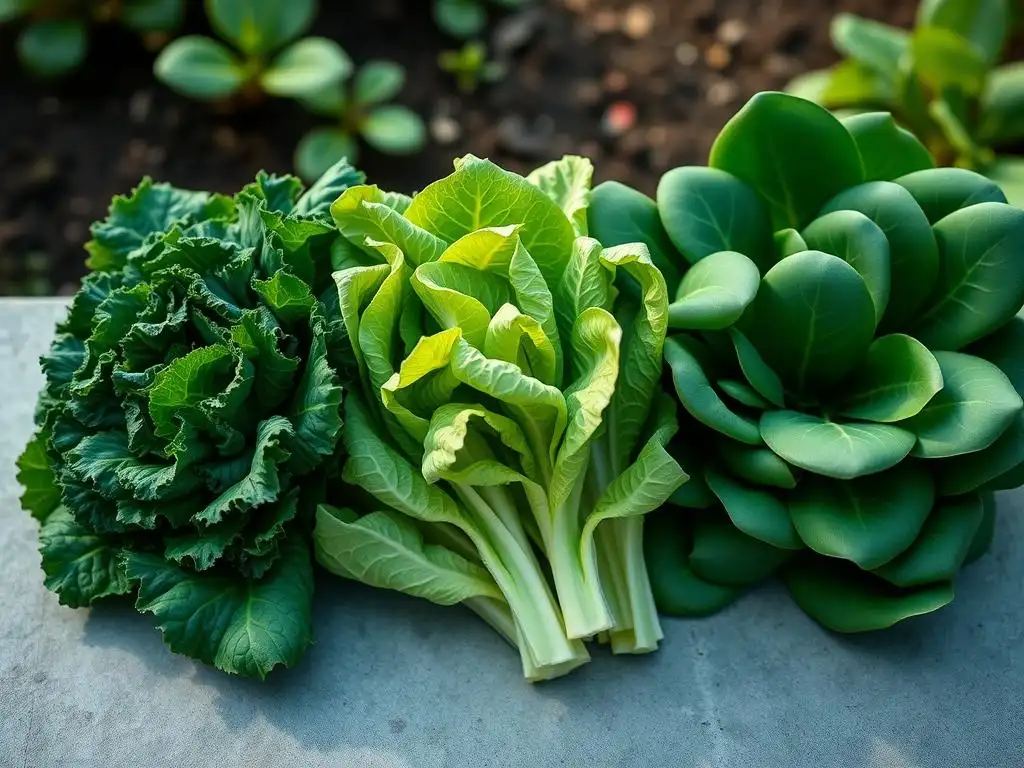
This section dives deep into the comparative analysis of three popular leafy greens: spinach, lettuce, and kale. We'll explore their nutritional profiles, ideal growing conditions, and distinct culinary characteristics to help you determine which are the best leafy greens to grow for your home garden, based on your specific needs and preferences. Choosing the right leafy green depends heavily on understanding these key differences.
Nutritional Value Comparison: Vitamins, Minerals, and Antioxidants
Leafy greens are nutritional powerhouses, but their specific vitamin and mineral content varies significantly. Let's compare spinach, lettuce, and kale:
| Leafy Green | Vitamin K (mcg) | Vitamin A (IU) | Vitamin C (mg) | Calcium (mg) | Iron (mg) | Antioxidants |
|---|---|---|---|---|---|---|
| Spinach (1 cup raw) | 145 | 810 | 28 | 29 | 0.8 | High in lutein and zeaxanthin |
| Lettuce (1 cup raw, iceberg) | 14 | 67 | 2 | 6 | 0.2 | Relatively lower in antioxidants compared to spinach and kale |
| Kale (1 cup raw) | 105 | 1010 | 80 | 100 | 1 | High in beta-carotene and other antioxidants |
Note: Nutritional values can vary depending on the specific variety and growing conditions. These values represent averages for commonly available types. Iceberg lettuce is used here for comparison, but other lettuce varieties, like romaine, offer significantly higher nutritional content. This table highlights that kale generally boasts higher concentrations of various vitamins and minerals compared to spinach and lettuce. Spinach, while rich in certain nutrients, has a lower overall antioxidant capacity than kale. The "best" leafy green for you depends on which nutrients are most important to you.
Growing Conditions Comparison: Sunlight, Water, and Soil Needs
Successful cultivation hinges on understanding each leafy green's specific requirements. These can significantly impact your yield and the overall health of your plants.
- Spinach: Thrives in cool weather and partial shade. It needs consistently moist soil but doesn't tolerate waterlogged conditions. Well-drained soil rich in organic matter is ideal. Consider starting seeds indoors for a head start.
- Lettuce: Prefers cooler temperatures and partial to full sun, depending on the variety. Similar to spinach, it needs consistent moisture but dislikes soggy soil. Loose, fertile soil is best. Some varieties are more heat-tolerant than others.
- Kale: More tolerant of heat and full sun than spinach and lettuce. It prefers well-drained soil and is relatively drought-tolerant once established. Kale can even handle some frost. This hardiness makes it a great option for extended growing seasons.
Taste and Texture Differences: Culinary Applications
The taste and texture of these leafy greens dramatically influence their culinary applications. Understanding these differences allows you to choose the best leafy greens to grow for your preferred dishes.
- Spinach: Mildly sweet and slightly earthy flavor. Its delicate leaves are often used in salads, sautéed dishes, or as a component in smoothies. Because of its delicate nature, it is best consumed fresh.
- Lettuce: Ranges from mild and slightly sweet (e.g., butter lettuce) to slightly bitter (e.g., romaine). It's primarily enjoyed raw in salads, sandwiches, or wraps, contributing a crisp texture. Different lettuce varieties offer various textures and flavors.
- Kale: Has a more robust, slightly bitter flavor and a tougher texture than spinach and lettuce. It's often massaged with dressing to soften its leaves before consumption. Kale is versatile and can be used in salads, smoothies, chips, or stir-fries. Its hearty texture holds up well to cooking.
Choosing the "best" leafy green ultimately depends on your individual preferences, growing conditions, and culinary goals. By understanding these key differences, you can make informed decisions to cultivate a thriving and flavorful home garden. 🌱
Tips for Successful Leafy Green Gardening
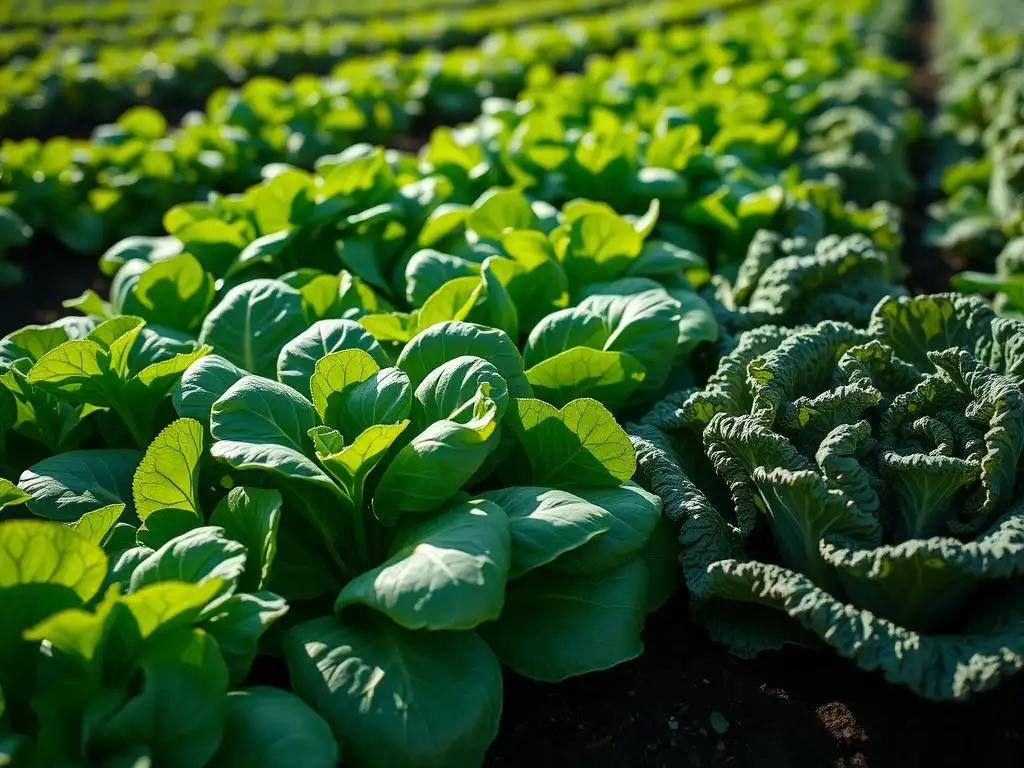
Growing lush, healthy leafy greens at home requires attention to detail, but the rewards—fresh, flavorful greens at your fingertips—are well worth the effort. This section focuses on practical tips to maximize your leafy green yield, regardless of whether you're cultivating spinach, lettuce, or kale. Optimizing growing conditions significantly impacts the quality and quantity of your harvest. The "best leafy greens to grow" are those that thrive in your specific environment.
Organic and Sustainable Practices for Growing Leafy Greens
Sustainable gardening practices are key to cultivating healthy leafy greens while minimizing environmental impact. Organic methods not only produce superior-tasting greens but also contribute to a healthier ecosystem. Here's how to integrate these practices:
- Soil Health: Start with rich, well-draining soil. Amend your soil with compost before planting to improve its structure and nutrient content. Regular soil testing can help you understand nutrient deficiencies and adjust accordingly. A healthy soil is the foundation for healthy plants. Consider using cover crops during fallow periods to further enhance soil health.
- Water Management: Consistent moisture is crucial, but avoid overwatering, which can lead to root rot. Use a drip irrigation system or water deeply and less frequently to encourage deep root growth. Mulching around your plants helps retain moisture and suppress weeds. Observe your plants closely; wilting indicates a need for water.
- Pest and Disease Control: Employ preventative measures. Regularly inspect your plants for pests and diseases. Introduce beneficial insects like ladybugs to control aphids naturally. Use organic pest control methods such as neem oil or insecticidal soap when necessary. Crop rotation helps to prevent the build-up of soilborne diseases.
- Seed Starting vs. Transplants: Starting seeds indoors allows for earlier harvests but requires more attention. Transplants provide a head start, reducing the time to harvest. Choose the method that best suits your experience level and time constraints. Consider using biodegradable seed starting pots to avoid transplanting shock.
Troubleshooting Common Leafy Green Problems
Even with careful planning, you might encounter challenges. Recognizing and addressing problems promptly is essential for a successful harvest. This section focuses on common issues and their solutions.
- Bolting: Bolting (premature flowering) occurs when leafy greens are exposed to stress, such as extreme heat or cold. This results in bitter-tasting leaves and reduced yield. Planting varieties suited to your climate and providing consistent shade during hot periods can mitigate bolting.
- Pests: Aphids, slugs, and caterpillars are common leafy green pests. Regular monitoring and prompt action are crucial. Handpicking pests, using insecticidal soap, or introducing beneficial insects are effective organic control measures. Consider using row covers to protect plants from pests.
- Nutrient Deficiencies: Yellowing leaves often indicate nutrient deficiencies. Soil testing can identify the specific nutrients needed. Amend the soil with organic fertilizers or compost tea to address deficiencies. Observe your plants carefully to detect early signs of nutrient imbalances.
- Disease: Fungal diseases like downy mildew can decimate leafy greens. Ensure good air circulation by spacing plants appropriately. Avoid overhead watering to prevent fungal growth. Rotate crops to minimize disease recurrence.
Preserving Your Harvest: Freezing and Drying Leafy Greens
To enjoy the bounty of your leafy green harvest throughout the year, consider preserving your excess produce. Freezing and drying are two effective methods.
- Freezing: Blanch leafy greens briefly in boiling water before freezing to retain their color and nutrients. Pack them into freezer bags, removing as much air as possible. Properly frozen leafy greens can last for several months. Freezing maintains most of the nutritional value and taste.
- Drying: Drying leafy greens preserves them for longer periods. You can air dry them by hanging bunches upside down in a cool, dry place or use a food dehydrator. Once dried, store them in airtight containers in a cool, dark place. Dried leafy greens can be rehydrated for use in soups, stews, or other dishes. Drying reduces the volume of greens significantly.
The best leafy greens to grow are those that you enjoy eating and that thrive in your garden. By following these tips and adapting them to your specific environment, you can enjoy a bountiful harvest of healthy, homegrown leafy greens all year round! 🌱
Frequently Asked Questions
What are the best leafy greens to grow at home?
The "best" leafy greens depend on your climate and preferences. However, spinach, lettuce, and kale are all excellent choices for beginners due to their relatively easy cultivation and high nutritional value. Consider your growing season when making your selection.
How much sunlight do leafy greens need?
Most leafy greens thrive in partial shade to full sun, although the specific requirements vary depending on the variety. Generally, at least 6 hours of sunlight per day is beneficial, but too much direct sun can scorch the leaves. Observe your plants and adjust accordingly.
What type of soil is best for growing leafy greens?
Leafy greens prefer well-drained, fertile soil that is rich in organic matter. Amend your soil with compost before planting to ensure it's nutrient-rich and retains moisture effectively. A slightly acidic pH (around 6.0-6.8) is ideal.
How often should I water my leafy greens?
Consistent watering is crucial for leafy greens. Aim for even moisture without overwatering, which can lead to root rot. Water deeply and regularly, especially during dry periods, checking the soil moisture before watering.
What are some common pests and diseases that affect leafy greens?
Common pests include aphids, slugs, and caterpillars. Diseases like downy mildew can also be problematic. Implementing preventative measures like companion planting and regular inspection can help minimize pest and disease issues.
Final Reflection: Cultivating a Healthier Future, One Leaf at a Time
Understanding the nuances of leafy greens—from the robust kale to the delicate lettuce—is not merely a culinary pursuit; it's a vital step towards cultivating a healthier and more sustainable future. The information presented in this article highlights the diverse nutritional benefits and growing requirements of these powerhouse plants, empowering readers to make informed choices about their food sources and potentially even grow their own. This knowledge is more relevant than ever in a world increasingly concerned with food security and personal well-being.
The impact of leafy greens on our cultural landscape extends far beyond the dinner plate. From ancient civilizations utilizing these plants for sustenance to their current prominence in modern health and wellness trends, their significance is undeniable. Let food be thy medicine and medicine be thy food.
- Hippocrates. This ancient wisdom rings truer than ever as we recognize the profound connection between our diet and overall health. The simple act of growing even a small patch of leafy greens can foster a deeper appreciation for the natural world and the effort involved in producing our food.
Now, consider your own relationship with leafy greens. Will you incorporate more variety into your diet? Perhaps you'll even try your hand at growing your own spinach, lettuce, or kale? The journey towards a healthier lifestyle begins with small, conscious choices. Embrace the opportunity to cultivate not only these incredible plants, but also a deeper connection with the food you consume and the world around you. Let the knowledge gained here inspire you to make a positive change, one leaf at a time.
Unleash Your Inner Foodie: Dive Deeper into Leafy Greens!
Thank you for exploring the wonderful world of leafy greens! We hope you feel empowered to make healthier and more delicious choices. Ready to put your new knowledge into practice?
- Experiment with a new leafy green this week: Add a handful of Swiss chard to your next stir-fry, or blend some kale into a smoothie for a nutritious boost. Discover your new favorite green!
- Share your leafy green adventures: Tell us about your favorite recipes and cooking techniques in the comments below—let's inspire each other!
- Challenge a friend to a leafy green cook-off: See who can create the most creative and delicious dish using your newfound leafy green expertise.
What's your favorite way to incorporate leafy greens into your meals, and which new variety are you most excited to try?