
Vertical Tomato Gardening: Maximizing Space with Trellises and Cages

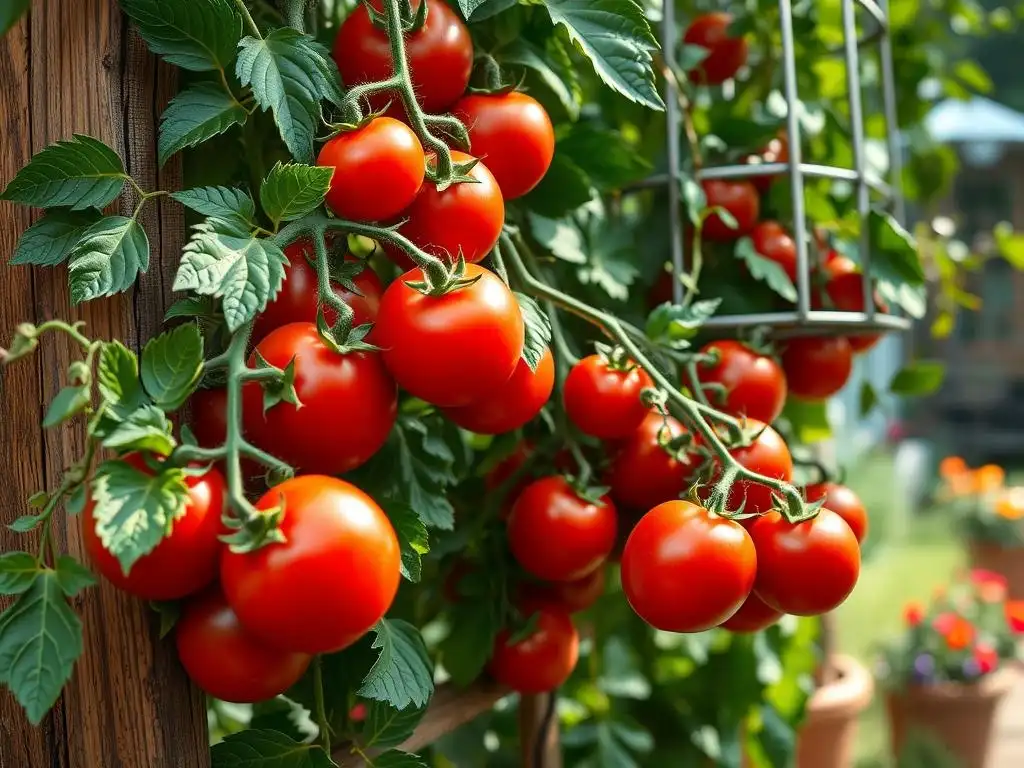
Welcome to CultivateYourFood, your guide to a greener, more bountiful life! Are you ready to unlock the secrets of homegrown goodness? We'll show you how to cultivate vibrant fruits, vegetables, and herbs using sustainable methods. This journey begins with our deep dive into Vertical Tomato Trellis Gardening, a revolutionary technique to maximize your yield even in limited spaces. Discover how to transform your backyard – or even your balcony – into a thriving oasis. Let's get growing!
- Introduction to Vertical Tomato Trellis Gardening
- Setting Up Your Vertical Tomato Garden
- Trellis and Cage Support Systems for Tomatoes
- Maintaining Your Vertical Tomato Garden
- Harvesting Your Vertical Tomatoes
- Troubleshooting Common Vertical Tomato Gardening Challenges
-
Frequently Asked Questions
- What are the benefits of using a vertical trellis for tomato plants?
- What types of trellises are best for vertical tomato gardening?
- How do I train my tomato plants to climb a trellis?
- What are some common problems associated with vertical tomato gardening?
- Can all tomato varieties be successfully grown using a vertical trellis system?
- Final Reflection: Reaching New Heights in Garden Design and Sustainability
- Unleash Your Vertical Garden: Grow Taller, Not Wider!
Introduction to Vertical Tomato Trellis Gardening
Vertical tomato trellis gardening offers a revolutionary approach to cultivating these delicious fruits, especially beneficial for those with limited space. This method maximizes yield by utilizing vertical space instead of sprawling horizontal growth, leading to healthier plants and increased production. This article will delve into the specifics of successfully implementing a vertical tomato gardening system, focusing on the advantages of space optimization, selecting appropriate tomato varieties, and mastering the use of trellises and cages.
We'll explore the various techniques involved in vertical tomato cultivation, from selecting the right support system to ensuring proper plant care and disease prevention. By the end, you'll be equipped with the knowledge to cultivate a bountiful harvest of tomatoes even in the smallest of gardens, embracing sustainable and organic practices.
This guide is perfect for both novice and experienced gardeners looking to improve their tomato yield and efficiency, all while minimizing their environmental impact. Let's get started on your journey to a thriving vertical tomato garden!
Benefits of Vertical Tomato Gardening for Space Optimization
Vertical gardening, particularly using trellises and cages for tomatoes, provides numerous advantages when space is a limiting factor. Traditional sprawling tomato plants can occupy significant ground area, leaving less room for other crops. Vertical methods, however, transform unused vertical space into productive growing areas. This results in a higher plant density per square foot, significantly increasing your overall yield.
Consider this: a single tomato plant grown horizontally might occupy 3 square feet, whereas the same plant trained vertically can thrive in a much smaller footprint, perhaps only 1 square foot. This is particularly relevant for urban gardeners, balcony farmers, and anyone with a small garden plot. Furthermore, improved air circulation around the plants minimizes the risk of fungal diseases, like early blight and late blight, which commonly affect tomatoes grown in dense, humid conditions.
This leads to healthier plants and a reduction in the need for chemical interventions, aligning perfectly with sustainable and organic gardening principles. The ease of harvesting is also enhanced; ripe tomatoes are easily accessible, reducing bending and strain. Finally, vertical growing can improve the aesthetic appeal of your garden, creating a visually stunning and productive space.
Choosing the Right Tomato Variety for Vertical Growing
Selecting the appropriate tomato variety is crucial for successful vertical gardening. Not all tomato plants are created equal when it comes to their growth habit. Determinate tomato varieties, which grow to a certain height and then stop, are generally better suited for vertical systems. Their compact nature makes them easier to manage and support on trellises or in cages.
Indeterminate varieties, on the other hand, are vining and continue to grow throughout the season. While they can be grown vertically, they require more frequent pruning and training to prevent them from becoming unruly and overwhelming the support structure. When choosing a variety, consider the plant's mature height and the overall size of the fruit. Smaller, cherry or grape tomatoes are often preferred for vertical gardening due to their compact nature.
Larger varieties, like beefsteak tomatoes, might require more robust support systems and careful management to prevent breakage. Always check the seed packet or plant tag for information on the plant's growth habit and mature size to ensure compatibility with your chosen vertical gardening method. Remember to select disease-resistant varieties whenever possible to further enhance the health and productivity of your vertical tomato garden.
Setting Up Your Vertical Tomato Garden
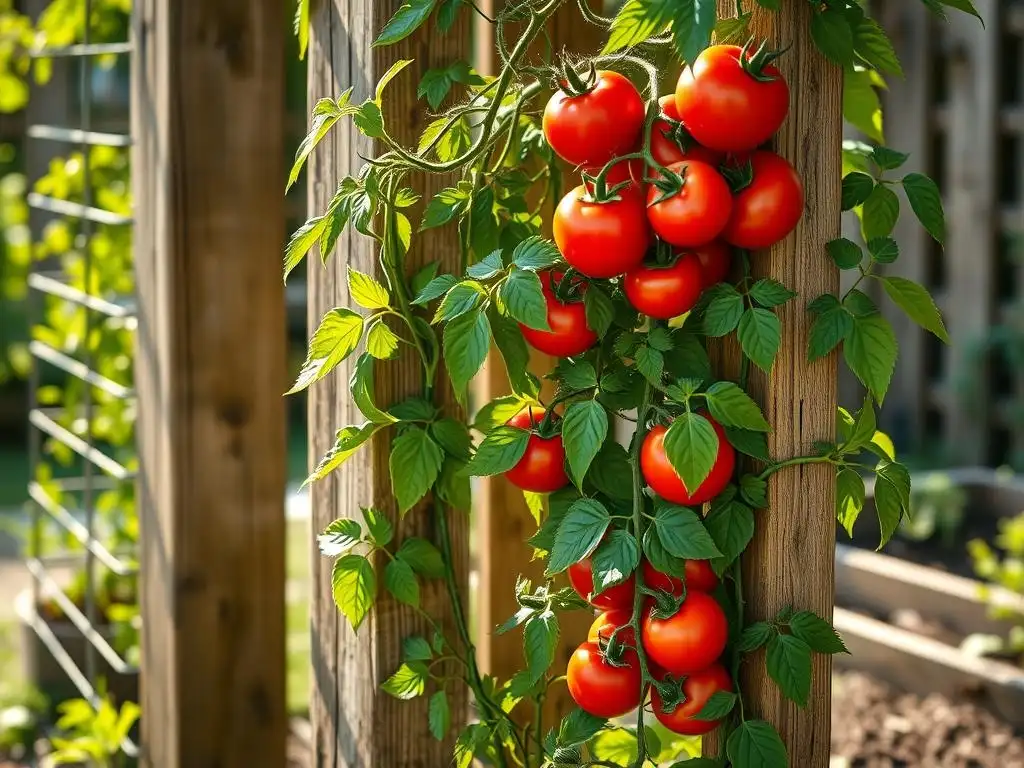
This section focuses on the initial steps of establishing a thriving vertical tomato garden, maximizing space and yield using sustainable practices. We'll explore crucial considerations before you even plant your seedlings. Proper planning is key to successful vertical tomato trellis gardening.
Selecting the Ideal Trellis or Cage System for Your Space
Choosing the right support system is paramount for vertical tomato gardening. The best system depends on your available space, the number of plants, and the tomato variety. Consider these factors:
- Space Constraints: For small patios or balconies, a compact trellis system or individual cages might be ideal. Larger gardens can accommodate more extensive trellis structures. Think about the overall footprint of your chosen system. Will it overwhelm your space, or will it blend in seamlessly?
- Tomato Variety: Indeterminate tomato varieties, known for their continuous growth, require robust support structures like sturdy trellises capable of handling significant weight. Determinate varieties, which produce a concentrated harvest, may do well with simpler cages or even stakes.
- Material Durability: Opt for materials resistant to rot and weathering. Durable options include treated wood, galvanized metal, or strong plastic. Avoid materials that could leach harmful chemicals into your soil. Consider the longevity of your chosen materials when making your decision. A long-lasting system will save you money and effort in the long run.
- Ease of Assembly and Use: Some systems are easier to assemble and use than others. Consider your comfort level with DIY projects. Read reviews and compare assembly instructions before purchasing.
Here's a comparison of popular systems:
| System Type | Pros | Cons | Space Suitability |
|---|---|---|---|
| A-frame Trellis | Simple, sturdy, provides good air circulation | Can be space-consuming, may need staking | Medium to Large |
| Flat Trellis | Space-saving, easy to build | May require additional support | Small to Medium |
| Individual Cages | Excellent for individual plants, easy to move | Can be expensive for multiple plants | Small to Medium |
| Woven Wire Trellis | Durable, strong, supports heavy plants | Can be challenging to assemble | Medium to Large |
Remember to prioritize a system that provides adequate support while allowing for good air circulation to prevent fungal diseases. Proper spacing between plants is also critical for optimal growth within your vertical gardening system.
Preparing the Soil and Planting Your Tomato Seedlings
Before planting, soil preparation is crucial for a bountiful harvest. Vertical tomato trellis gardening demands rich, well-draining soil. This ensures healthy root development and prevents waterlogging, which can lead to root rot.
- Soil Composition: A mix of high-quality potting soil, compost, and perlite or vermiculite is ideal. This combination provides excellent drainage, aeration, and nutrient retention. The addition of compost introduces beneficial microbes and enhances soil fertility for optimal plant growth.
- Container Selection: Choose containers with adequate drainage holes to avoid waterlogging. The size of the container will depend on the size of your tomato plants and their root systems. Larger containers generally allow for more robust growth.
- Planting Depth and Spacing: Plant your tomato seedlings at the same depth they were growing in their original containers. Space them appropriately according to the specific variety's requirements and your chosen trellis or cage system to promote airflow and prevent overcrowding.
- Watering and Fertilizing: Water deeply and regularly, ensuring the soil remains consistently moist but not waterlogged. Use a balanced fertilizer specifically formulated for tomatoes to provide the necessary nutrients throughout the growing season. Regular fertilization will encourage vigorous growth and a plentiful harvest. Consider using organic fertilizers to maintain the integrity of your sustainable gardening practice.
Remember, consistent monitoring and attention to detail are key to successful vertical tomato gardening. By following these steps, you'll create the optimal environment for your plants to thrive and provide you with a delicious harvest.
Trellis and Cage Support Systems for Tomatoes
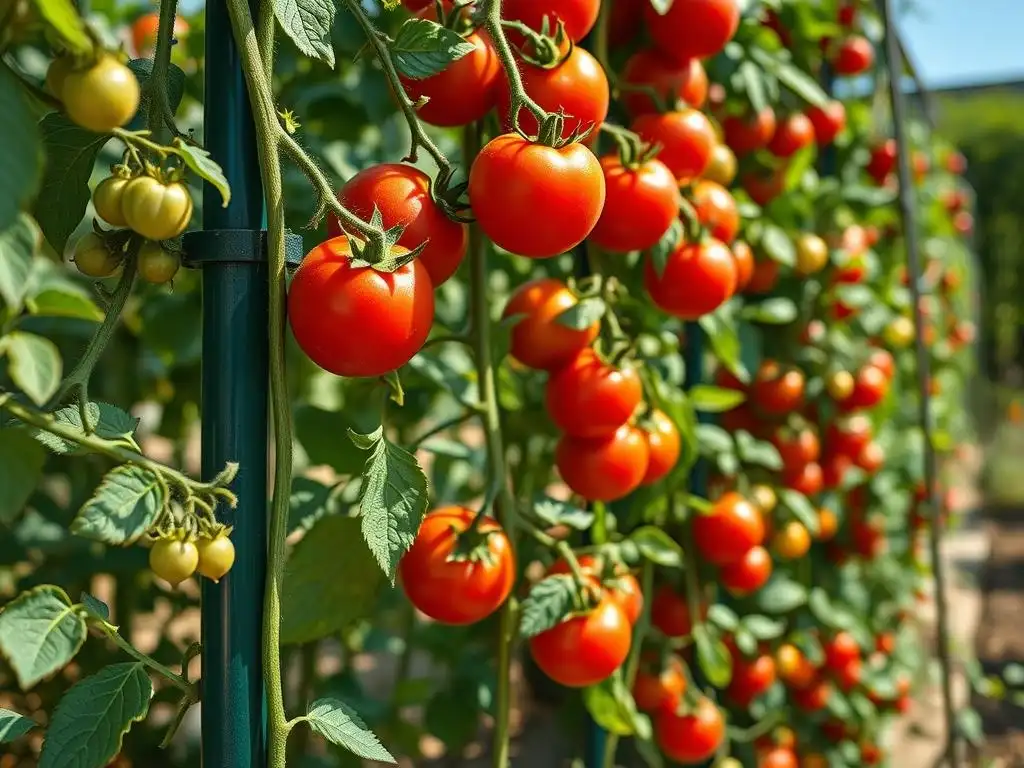
Vertical tomato trellis gardening offers significant advantages over traditional ground-level planting, especially in spaces with limited horizontal area. By utilizing vertical support structures like trellises and cages, gardeners can maximize yield while minimizing space requirements. This section will explore the benefits of different support systems and provide detailed instructions for building and utilizing them effectively.
The key to successful vertical tomato gardening is selecting and implementing the right support system for your specific needs and the variety of tomato you're growing. Choosing the right system ensures optimal plant health, easier harvesting, and improved air circulation, minimizing the risk of fungal diseases.
Building Your Own Tomato Trellis: A Step-by-Step Guide
Constructing a DIY tomato trellis is a cost-effective and rewarding experience. It allows for customization based on your garden's dimensions and your specific plant needs. Here’s a step-by-step guide for building a simple yet effective trellis using readily available materials:
- Gather Materials: You'll need sturdy stakes (at least 6 feet tall), strong twine or garden wire, and a post-hole digger or auger. Consider using pressure-treated lumber for the stakes to increase their longevity. Alternatively, strong bamboo poles provide a more natural and sustainable option.
- Prepare the Ground: Dig holes approximately 1-2 feet deep for your stakes, ensuring they're spaced appropriately to accommodate your tomato plants (generally 18-24 inches apart). The spacing will depend on the mature size of your tomato variety.
- Install the Stakes: Place the stakes firmly in the holes and backfill with soil, tamping it down to ensure stability. Consider adding gravel to the bottom of the hole for improved drainage.
- Create the Trellis Structure: Use strong twine or garden wire to create a lattice pattern between the stakes. Weave the twine horizontally and vertically, creating a supportive grid for your tomato plants to climb. Ensure the grid is strong enough to support the weight of mature plants laden with fruit. A tighter weave is preferable for smaller or bushier varieties, while a looser weave might suffice for larger, less vigorous types.
- Secure the Trellis: Once the trellis is complete, check its stability. You may need to add additional support stakes or bracing depending on the height and the wind conditions in your area. For added stability, consider burying rocks around the base of the stakes.
Using Commercial Tomato Cages: Types and Selection
Commercial tomato cages offer a convenient alternative to building your own trellis. They come in various sizes, materials, and designs. Choosing the right cage depends on factors such as the size and growth habit of your tomato plants and the available space in your garden.
- Wire Cages: These are the most common type, typically made of galvanized steel wire. They are durable, relatively inexpensive, and easy to assemble. However, they can rust over time.
- Plastic Cages: These are lighter and less expensive than wire cages, but they may not be as durable and might not withstand strong winds or heavy yields.
- Heavy-Duty Cages: For larger tomato plants or those expected to produce a heavy crop, consider investing in heavy-duty cages made of thicker wire or reinforced materials. This ensures that the cage will remain upright and provide sufficient support throughout the growing season.
Before purchasing, measure the mature height of your chosen tomato variety to select an appropriately sized cage. Remember to factor in the space required for proper air circulation and easy access for harvesting. Consider a cage that is taller than the expected mature height of your tomatoes; a cage that is too small can restrict growth and development.
Securing Your Tomato Plants to the Support Structure
Regardless of whether you use a trellis or a cage, securing your tomato plants to the support structure is crucial for optimal growth and fruit production. This prevents the plants from becoming top-heavy and breaking, especially during periods of high winds or heavy rain.
- Regular Tie-Ups: Use soft garden twine or plant clips to gently tie the main stem and side shoots of your tomato plants to the trellis or cage. Avoid tying too tightly, as this can restrict growth. Tie-ups should be done regularly, especially during periods of rapid growth. The frequency will vary depending on the growth rate of your tomatoes and weather conditions.
- Proper Technique: When tying, create a loose loop around the stem, ensuring the twine doesn't constrict the plant. It's better to use multiple tie-ups at different points along the stem than a single, tight tie.
- Avoid Damaging the Stem: Be gentle when securing your tomato plants. Avoid damaging the delicate stems, as this can lead to disease or stunted growth. Inspect the plants regularly for any signs of damage or restriction from the ties and readjust as needed.
The selection and proper use of vertical tomato support systems are fundamental aspects of successful vertical tomato trellis gardening. By following these guidelines, you can ensure a bountiful harvest while maximizing your space and minimizing the risk of plant damage. Remember to choose systems appropriate for both your tomato variety and your gardening environment.
Maintaining Your Vertical Tomato Garden
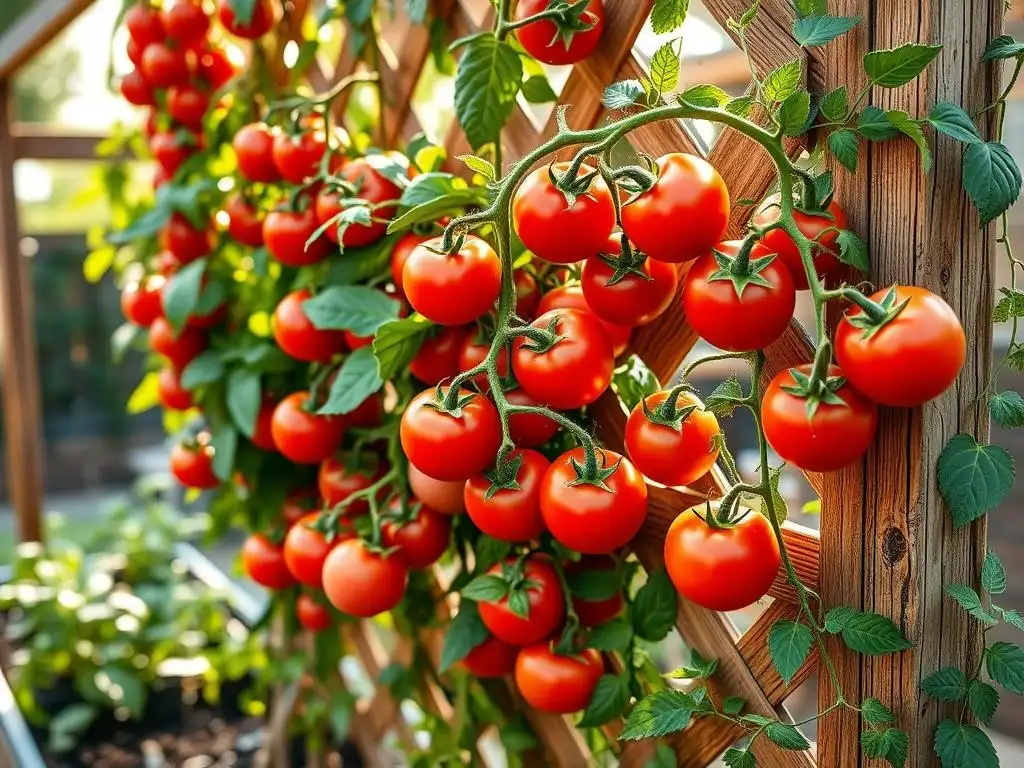
This section details the ongoing care required for thriving vertical tomato plants, focusing on efficient watering, fertilization, pruning, and pest control strategies. Remember, consistent attention throughout the growing season is crucial for maximizing your vertical tomato harvest. Successful vertical tomato trellis gardening relies heavily on these maintenance practices.
Watering and Fertilizing Techniques for Vertical Tomatoes
Efficient watering is paramount in vertical gardening, as soil volume is often limited. Overwatering can lead to root rot, while underwatering stunts growth. The best approach is to monitor soil moisture regularly. Instead of following a strict schedule, water deeply but infrequently, allowing the soil to dry slightly between waterings. Use a moisture meter to gauge soil dryness, aiming for consistently moist but not soggy conditions. This is especially important for vertical tomato trellis gardening where roots have less space to explore.
Fertilizing is equally important. Vertical systems often require more frequent feeding due to the restricted root zone. Start with a balanced, organic fertilizer at planting time, following package instructions. Supplement with regular liquid feeds every 2-3 weeks during the growing season.
Consider using compost tea, a rich source of nutrients and beneficial microbes, as a natural and sustainable fertilizer option. Observe your plants closely; yellowing leaves may indicate a need for additional nitrogen, while stunted growth might signal a deficiency in phosphorus or potassium. Regular soil testing can guide your fertilization strategy and optimize nutrient levels for healthy vertical tomato plants. Remember, consistent feeding is key to maximizing yields in vertical tomato trellis gardening.
Pruning and Training Techniques to Maximize Yield
Proper pruning and training are essential for maximizing yields in vertical tomato gardening. Unlike sprawling, indeterminate varieties grown horizontally, vertical tomatoes benefit from strategic pruning to direct energy towards fruit production rather than vegetative growth.
- Suckering: Regularly remove "suckers," the small shoots that grow from the junction of the main stem and branches. These suckers compete with the main stems for nutrients, reducing fruit production. Pinch them off by hand when they are small.
- Topping: For indeterminate varieties (those that continue growing indefinitely), topping the main stem at a certain height can encourage bushier growth and earlier fruiting. This practice is especially useful in vertical systems to manage plant size and prevent overcrowding. However, this isn't always necessary for determinate varieties (those with a predetermined height).
- Training: Utilize your trellis or cage effectively. Gently guide the main stem and branches upwards, tying them loosely to the support structure. This prevents the plant from becoming tangled and ensures even sunlight exposure for all fruits. Avoid tight tying, which can restrict growth and damage stems. Proper training is crucial for maximizing yield and supporting the weight of the developing fruit in vertical tomato trellis gardening.
Pest and Disease Control in Vertical Tomato Gardens
Vertical tomato gardens, while space-saving, can be more susceptible to certain pests and diseases due to the close proximity of plants. Proactive pest and disease management is crucial for a successful harvest.
- Monitoring: Regularly inspect your plants for signs of pests (aphids, whiteflies, spider mites) and diseases (blight, early/late blight, fusarium wilt). Early detection is key to effective control.
- Prevention: Use preventative measures like companion planting (basil, marigolds deter some pests), mulching to suppress weeds and improve soil health, and ensuring good air circulation to reduce humidity and fungal diseases.
- Organic Control: Employ organic pest and disease control methods whenever possible. This might include insecticidal soap, neem oil, or introducing beneficial insects like ladybugs to control pests. For fungal diseases, consider copper fungicide or baking soda solutions – always following label instructions carefully. The use of these organic methods makes vertical tomato trellis gardening a sustainable choice.
Remember, consistent monitoring and timely intervention are vital in maintaining a healthy and productive vertical tomato garden. By following these techniques, you can significantly enhance your chances of a bountiful harvest from your vertical tomato trellis gardening setup.
Harvesting Your Vertical Tomatoes
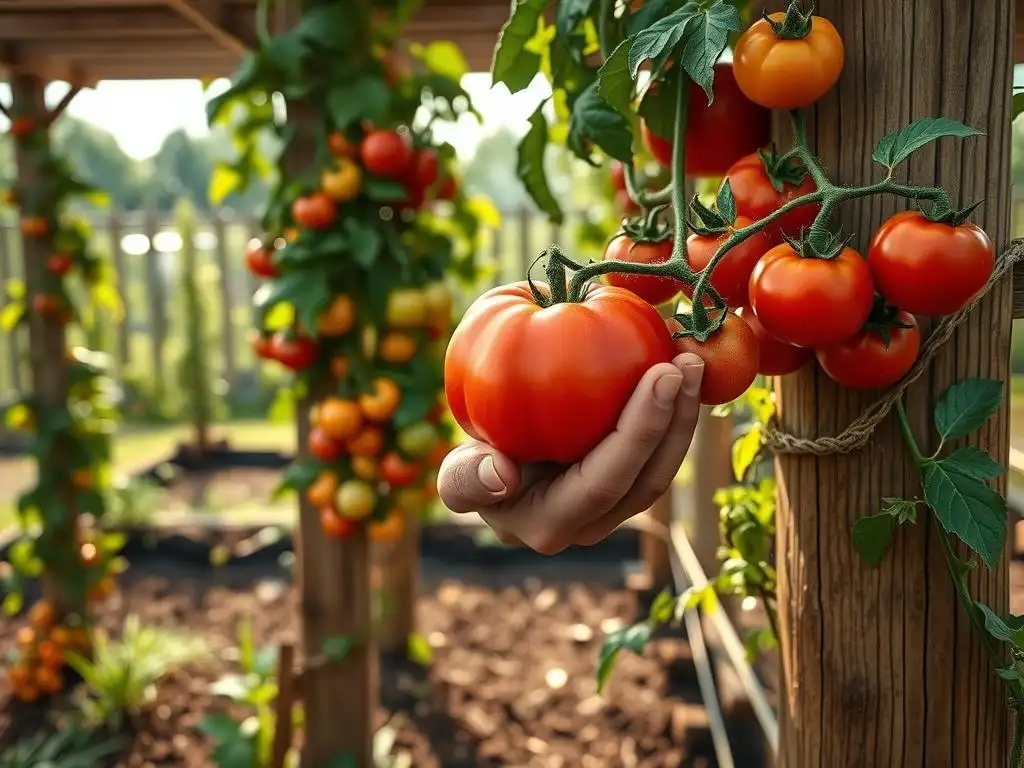
This section focuses on the crucial final stage of vertical tomato gardening: harvesting your delicious bounty. Proper harvesting ensures you get the best flavor and extends the life of your tomatoes. Mastering this process is key to maximizing your yield from your vertical tomato trellis gardening setup.
Recognizing the Signs of Ripe Tomatoes
Knowing when to pick your tomatoes is paramount. Picking too early results in bland, acidic fruit; picking too late leads to overripe, mealy tomatoes. Here's how to identify perfectly ripe tomatoes:
- Color: The color change is the most obvious sign. The color will vary depending on the variety, but most tomatoes will transition from green to a deep red, pink, yellow, or orange, depending on the cultivar. Look for a consistent, vibrant hue across the entire tomato, with minimal green shoulders.
- Firmness: Gently squeeze the tomato. A ripe tomato will yield slightly to gentle pressure but won't be soft or mushy. Avoid tomatoes that feel hard as a rock or overly soft.
- Aroma: A ripe tomato will have a sweet, fragrant aroma. Sniff the tomato near the stem – a pleasant, fruity scent indicates ripeness.
- Stem: The stem should separate easily from the tomato with a gentle twist. If you have to pull hard, the tomato likely isn't quite ready.
Remember that different tomato varieties ripen at different rates. Some may even change color slightly before they're truly ripe. Pay close attention to the other indicators, such as firmness and aroma, in addition to color. A good rule of thumb is to harvest a few tomatoes slightly before you think they're perfectly ripe, and then wait a few days to see how they ripen. This allows you to optimize your harvest timing.
Harvesting Techniques to Preserve Fruit Quality
Once you've identified ripe tomatoes, careful harvesting techniques are crucial to prevent damage and extend their shelf life.
- Use sharp pruners or scissors: Avoid pulling or twisting the tomatoes off the vine, as this can damage the plant and bruise the fruit. Instead, use clean, sharp pruning shears or scissors to cut the tomato from the vine, leaving a small portion of the stem attached.
- Handle with care: Tomatoes are delicate. Handle them gently to avoid bruising or damage. Avoid dropping them or squeezing them too hard.
- Harvest in the morning: Harvesting in the cool morning hours, after the dew has dried, helps prevent sunscald and reduces the risk of spreading diseases.
- Sort and store immediately: Once harvested, sort your tomatoes by ripeness and store them appropriately. Ripe tomatoes should be refrigerated to slow down the ripening process, while slightly underripe tomatoes can be left at room temperature to continue ripening.
Following these techniques will not only help maintain the quality of your vertical tomato harvest but also help prevent the spread of diseases in your garden. A little care goes a long way!
Extending the Harvest Season with Vertical Gardening
Vertical tomato trellis gardening offers distinct advantages when it comes to extending the harvest season. The structured support provided by trellises and cages improves air circulation, reducing the risk of fungal diseases that can prematurely end the harvest. Furthermore, the vertical design allows for better sun exposure for all the tomatoes, even in denser plantings.
Here are some additional strategies to maximize your harvest timeframe:
- Choose disease-resistant varieties: Selecting tomato varieties known for their resistance to common fungal diseases like blight will significantly extend your harvest. Research varieties suited to your climate.
- Regular pruning and maintenance: Regularly pruning suckers (small shoots that grow between the main stem and branches) improves air circulation and directs energy to fruit production, promoting a longer harvest.
- Mulching: Applying a layer of mulch around the base of your plants helps retain moisture, regulate soil temperature, and suppress weeds, all of which contribute to a healthier, more productive plant and a longer harvest.
- Supplemental watering: During periods of drought, supplemental watering is crucial to maintain consistent moisture levels and support fruit development, resulting in a longer harvest season.
By combining these techniques with the benefits of vertical gardening, you can significantly extend the time you enjoy fresh, homegrown tomatoes from your vertical tomato trellis gardening setup. Happy harvesting!
Troubleshooting Common Vertical Tomato Gardening Challenges
Vertical tomato trellis gardening offers many advantages, but it also presents unique challenges. Successfully navigating these hurdles is key to a bountiful harvest. Let's address some of the most common issues encountered by home gardeners. Understanding these problems and implementing preventative measures is crucial for maximizing your yield and enjoying the fruits (or rather, tomatoes!) of your labor.
Dealing with Overgrown or Tangled Plants
One frequent problem with vertical tomato gardening, especially with indeterminate varieties, is the rapid growth that can lead to tangled and overgrown vines. This not only hinders air circulation, increasing the risk of disease, but also makes harvesting difficult and reduces sunlight penetration to lower fruits. Proper training and pruning are essential preventative measures.
Several techniques can help manage vigorous growth. Regular pruning, removing suckers (small shoots that grow from the leaf axils), is crucial. This redirects the plant's energy towards fruit production rather than vegetative growth. Aim to prune suckers regularly, perhaps every few days during peak growing season, to keep the plant manageable. It's important to prune carefully, using sharp, clean pruning shears to avoid damaging the plant.
Another crucial aspect is the choice of trellis or cage. A sturdy, well-structured support system is paramount. Consider using a strong trellis with ample space between the supports, or a large-diameter cage that allows for sufficient expansion. Regularly check the plant's growth and gently guide the vines along the trellis or within the cage, tying them loosely with soft twine or clips to avoid constricting the stems. Avoid using wire, as this can damage the stems and inhibit growth.
Overgrown plants can also indicate nutrient deficiencies. Regular soil testing and fertilization are vital. Ensure your plants receive adequate amounts of nitrogen, phosphorus, and potassium, essential nutrients for healthy growth and fruit production. Consider using organic fertilizers to maintain soil health and promote sustainable gardening practices. Follow the fertilizer's instructions carefully to avoid over-fertilizing, which can also harm your plants.
Remember, prevention is better than cure. Regular monitoring and proactive management of growth are far more effective than trying to untangle a severely overgrown plant later in the season.
Preventing and Treating Common Tomato Diseases in Vertical Systems
Vertical tomato gardening, while efficient, can create conditions that are favorable to certain diseases. The close proximity of plants and the potential for poor air circulation can increase the risk of fungal infections like early and late blight, gray mold, and verticillium wilt.
- Early and Late Blight: These fungal diseases thrive in humid conditions. Good air circulation is crucial in preventing their spread. Choose disease-resistant varieties whenever possible. Ensure adequate spacing between plants to promote airflow. Consider using copper-based fungicides (always following label instructions carefully) as a preventative measure, or as a treatment in early stages of infection. Remove and destroy infected leaves and plants immediately to prevent further spread.
- Gray Mold (Botrytis): This fungal disease favors damp conditions and often attacks flowers and fruit. Avoid overhead watering, opting for drip irrigation or soaker hoses to keep foliage dry. Remove infected plant parts promptly. Good air circulation helps to prevent this disease.
- Verticillium Wilt: This soilborne fungal disease is difficult to control. Choose disease-resistant varieties, practice crop rotation (avoid planting tomatoes in the same location for several years), and ensure good soil drainage to minimize the risk. Unfortunately, once a plant is infected with Verticillium wilt, it is usually incurable.
Remember, maintaining a clean and well-ventilated growing environment is key to preventing disease. Regularly inspect your plants for any signs of disease, and act quickly if you notice any problems. Early detection and prompt treatment are crucial for minimizing the impact of these diseases on your tomato yield. Using organic pest and disease control methods aligns with sustainable gardening principles and protects beneficial insects. This holistic approach helps to create a thriving garden ecosystem.
Frequently Asked Questions
What are the benefits of using a vertical trellis for tomato plants?
Vertical trellises offer several advantages. They maximize space in smaller gardens, improve air circulation to prevent diseases, and make harvesting easier.
What types of trellises are best for vertical tomato gardening?
Many options exist, including DIY trellises, A-frame trellises, and cages. The best choice depends on your space, budget, and the number of tomato plants. Consider the height and sturdiness needed for your tomato variety.
How do I train my tomato plants to climb a trellis?
Gently tie the main stem to the trellis using soft ties as the plant grows. Avoid using wire or anything that could damage the stem. Prune suckers regularly to encourage upward growth and fruit production.
What are some common problems associated with vertical tomato gardening?
Issues might include wind damage, overcrowding, or pest infestations. Ensure your trellis is sturdy enough to withstand wind, and space plants appropriately. Employ organic pest control methods.
Can all tomato varieties be successfully grown using a vertical trellis system?
While most indeterminate tomato varieties (those that continue growing) benefit greatly from vertical support, some compact or determinate varieties may not require trellises. Check the plant description to determine the best growing method for your chosen variety.
Final Reflection: Reaching New Heights in Garden Design and Sustainability
Vertical tomato gardening isn't just a space-saving technique; it's a revolution in how we approach food production, especially in urban environments. The methods explored in this article – utilizing trellises and cages – offer a practical and aesthetically pleasing solution to maximizing yields in limited spaces, a crucial aspect of sustainable living in an increasingly urbanized world. This approach allows for increased efficiency, healthier plants, and a more bountiful harvest, all while minimizing environmental impact.
The impact of vertical gardening extends beyond the individual garden; it speaks to a broader shift in our relationship with nature and food production. We are witnessing a growing movement towards localized food systems, and vertical gardening plays a vital role in this transition. It empowers individuals to cultivate their own food, regardless of space constraints, fostering a deeper connection to the source of their sustenance. The miracle of the garden is that in a single seed, there is an entire universe.
– This quote beautifully encapsulates the transformative power of even a small, vertical garden.
Now, consider your own space. Do you have a balcony, a small backyard, or even just a sunny windowsill? Imagine the possibilities: the vibrant colors of ripening tomatoes, the satisfaction of nurturing life from seed to fruit, the delicious taste of homegrown produce. Embrace the challenge of vertical gardening; experiment with different trellises and cages, and discover the joy of cultivating your own food, one tomato at a time. Let this article be your guide, and embark on a journey towards a more sustainable and fulfilling relationship with nature.
Unleash Your Vertical Garden: Grow Taller, Not Wider!
Thank you for exploring the world of vertical tomato gardening! You've discovered how to maximize your yield even in limited spaces. Now, let's put that knowledge to work.
Here's how to get started:
- Build your first vertical tomato support system: Choose a sturdy trellis or supportive cage, depending on your available space and the type of tomato you're growing. Encourage those seedlings to climb!
- Share your vertical gardening success: Post a picture of your setup on social media using #CultivateYourFood and inspire others to grow upwards, maximizing space.
- Select tomato varieties ideal for vertical growth: Research which varieties will thrive in your vertical garden.
Ready to transform your garden? What's your first step towards embracing vertical gardening this season?