
The Best Wood Options for Raised Garden Beds: Durability and Sustainability

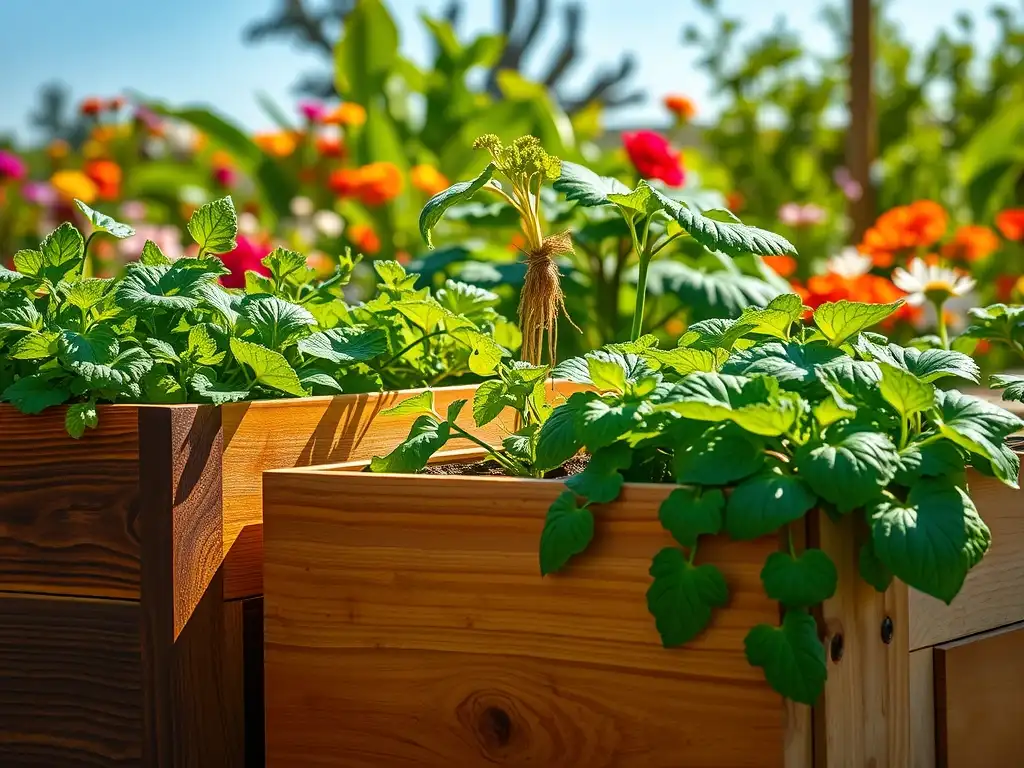
Ready to transform your backyard into a thriving oasis? At CultivateYourFood, we empower you to grow your own fruits, vegetables, and herbs organically. But choosing the right materials is key! Discover the secrets to building the best wood raised garden beds – ensuring both durability and sustainability for years of bountiful harvests. Learn which wood types offer the perfect balance of strength, longevity, and eco-friendliness, and begin your journey to homegrown goodness.
- Choosing the Right Wood for Your Raised Garden Beds: A Comprehensive Guide
- Building Your Raised Garden Bed: A Step-by-Step Guide
- Maintaining Your Wooden Raised Garden Bed for Long-Term Use
- FAQs about Wood Choices for Raised Garden Beds
- Frequently Asked Questions
- Final Reflection: Cultivating a Legacy of Sustainable Gardening
- Unleash Your Green Thumb: Build the Perfect Raised Bed Today!
Choosing the Right Wood for Your Raised Garden Beds: A Comprehensive Guide
Building raised garden beds offers numerous advantages for home gardeners, from improved soil drainage and weed control to enhanced accessibility and aesthetic appeal. Choosing the right wood, however, is crucial for ensuring the longevity and sustainability of your raised beds. This comprehensive guide explores the best wood options for raised garden beds, focusing on durability, sustainability, and aesthetic considerations.
We'll delve into the properties of various wood types, examining their resistance to rot and decay, analyzing the influence of climate, and comparing costs to help you make an informed decision for your gardening project. Ultimately, selecting the perfect wood will contribute to a thriving garden and a rewarding gardening experience, aligning perfectly with the sustainable practices championed by CultivateYourFood. 🌳
Understanding Wood Durability for Outdoor Raised Garden Beds
The lifespan of your raised garden beds significantly depends on the wood's inherent durability and your local climate. Exposure to moisture, fluctuating temperatures, and insect infestation are major factors affecting wood degradation. Understanding these factors is key to selecting a wood that will withstand the elements and provide years of reliable service. The following sections will explore the nuances of wood selection based on these crucial considerations.
Rot Resistance and Longevity of Different Woods
Different wood species exhibit varying degrees of natural resistance to rot and decay. This resistance is often measured using a durability class, which indicates how long the wood is expected to last under specific conditions. Some woods, like cedar and redwood, are naturally resistant due to high levels of extractives (natural oils and resins) that deter fungi and insects. Other woods may require treatment with preservatives to enhance their longevity. A well-constructed raised bed, regardless of the wood type, should have proper drainage to minimize moisture retention and prolong its life. 🛠️
Impact of Climate on Wood Choice for Raised Beds
Your geographic location and its climate significantly influence the best wood choice for your raised garden beds. In regions with high humidity and rainfall, woods with exceptional rot resistance, like cedar or redwood, are essential. Areas with extreme temperature fluctuations may require woods known for their stability and resistance to cracking and warping. Consider your local climate carefully when making your selection; consulting local gardening experts can offer valuable insights specific to your region. ☀️ 🌧️
Cedar Wood Raised Garden Beds: A Popular and Sustainable Choice
Cedar is a highly popular choice for raised garden beds due to its inherent resistance to rot, decay, and insect infestation. Its aromatic oils act as a natural repellent, protecting the wood from damage. Cedar is also relatively lightweight, making it easier to handle and construct raised beds. Furthermore, cedar is a sustainably harvested resource in many regions, contributing to its appeal among environmentally conscious gardeners. However, the cost of cedar can vary depending on the species and grade. Choosing responsibly sourced cedar ensures a sustainable gardening practice. 🌲
Redwood Raised Garden Beds: Strength and Aesthetics
Redwood, another excellent choice for raised garden beds, is renowned for its strength, durability, and attractive reddish hue. Its natural resistance to decay and insects makes it a long-lasting and low-maintenance option. The rich color adds a touch of elegance to any garden setting.
Redwood's Natural Resistance to Decay and Insects
Redwood contains natural extractives that protect it from decay and insect infestations. This inherent resistance means less maintenance and a longer lifespan compared to many other wood types. This natural protection translates into less reliance on chemical treatments, aligning with sustainable gardening practices. The durability of redwood ensures your raised beds will provide years of service. 💪
Cost Considerations: Redwood vs. Other Options
Redwood is generally more expensive than other wood options, such as pine or fir. However, its exceptional durability and longevity often justify the higher initial investment. Consider the long-term cost savings associated with reduced maintenance and a longer lifespan when comparing prices. A cost-benefit analysis can help you determine if redwood's premium price aligns with your budget and long-term gardening goals. 💰
Aesthetic Appeal of Redwood Raised Garden Beds: Enhancing Your Garden's Look
Redwood's rich, reddish-brown color adds a natural beauty and warmth to any garden. Its elegant appearance enhances the overall aesthetic appeal, complementing various garden styles. The consistent color and texture of redwood create a polished and professional look for your raised beds. The natural beauty of redwood can elevate your garden's visual appeal. ✨
Sourcing Redwood for Your Raised Garden Beds
When sourcing redwood, prioritize sustainably harvested lumber certified by organizations that promote responsible forestry practices. This ensures that your choice supports environmental conservation and responsible resource management. Look for certifications that guarantee the wood's origin and its sustainable harvesting methods. Supporting sustainable forestry is crucial for environmentally conscious gardening. ♻️
Pressure-Treated Lumber for Raised Garden Beds: Pros and Cons
Pressure-treated lumber is a common choice for raised garden beds due to its inherent resistance to rot and insect infestation. This treatment involves forcing preservatives, typically chromated copper arsenate (CCA) or other less toxic alternatives, deep into the wood under high pressure.
Understanding Pressure-Treated Wood and its Chemical Composition
Pressure-treated wood's durability stems from the preservatives embedded within its fibers. Older treatments often used CCA, containing arsenic, a known carcinogen. Newer treatments utilize less toxic chemicals like copper azole, copper quat, and alkaline copper quaternary (ACQ). However, even these newer preservatives contain chemicals that may raise concerns for some gardeners. The specific chemical composition varies depending on the manufacturer and the type of wood used. Understanding the specific chemicals used in your chosen pressure-treated lumber is crucial for making an informed decision.
Safety Concerns: Chemical Leaching and its Impact on Plants
A primary concern surrounding pressure-treated lumber is the potential leaching of chemicals into the soil and subsequently into the plants you grow. While the newer formulations are considered less toxic, some leaching can still occur, especially during the first few years after installation. This leaching could potentially affect the health of your plants and, more importantly, could contaminate the vegetables you consume.
The rate of leaching depends on factors like the type of preservative, the climate, and the amount of watering. Research suggests that the risk is generally lower with the newer, less toxic formulations, but complete elimination of leaching is not guaranteed. Therefore, careful consideration is essential.
Alternatives to Pressure-Treated Lumber: Eco-Friendly Options
Fortunately, numerous eco-friendly alternatives exist for constructing raised garden beds. These include cedar, redwood, cypress, and various sustainably harvested hardwoods. Reclaimed wood provides another excellent sustainable option, reducing waste and offering unique character. Bamboo also presents a fast-growing, durable, and environmentally friendly alternative. Each option offers a unique blend of benefits and drawbacks that warrant careful consideration.
When Pressure-Treated Lumber Might Be a Suitable Choice (with caveats)
Despite the potential drawbacks, pressure-treated lumber might be a suitable choice in specific situations, such as when building a raised bed in a consistently wet or high-humidity environment where untreated wood would rot quickly. However, it's crucial to prioritize using lumber treated with the least toxic preservatives available and to follow safety guidelines regarding handling and disposal. Consider the long-term environmental and health implications before making this choice. Always opt for safer alternatives whenever possible.
Sustainable and Eco-Friendly Wood Choices for Raised Garden Beds
Choosing sustainable wood for your raised garden beds minimizes the environmental impact while providing a durable and attractive structure. Several options offer excellent performance without compromising environmental responsibility.
Reclaimed Wood: A Sustainable and Characterful Option
Reclaimed wood offers a fantastically sustainable choice for building raised beds. By repurposing wood that would otherwise end up in landfills, you significantly reduce waste and decrease the demand for newly harvested timber. Reclaimed wood also often possesses unique character and weathering patterns, adding a rustic charm to your garden. The variety of wood types available in reclaimed lumber can also provide a unique aesthetic appeal. However, it's crucial to ensure the wood is properly cleaned and treated to remove any potential contaminants or pests before use.
Sourcing Reclaimed Wood for Your Raised Garden Bed Project
Sourcing reclaimed wood can involve searching salvage yards, demolition sites, or contacting local lumber suppliers specializing in reclaimed materials. Inspecting the wood carefully for signs of rot, insect infestation, or excessive weathering is vital before incorporating it into your raised garden bed. The cost can vary significantly depending on the type of wood and its condition. Planning your project carefully, considering the dimensions and type of wood needed, will help you procure the right amount of reclaimed lumber for your project.
Bamboo Raised Garden Beds: A Fast-Growing and Durable Alternative
Bamboo is a rapidly renewable resource, making it an environmentally responsible choice for constructing raised garden beds. Its strength and durability rival that of many hardwoods, and it's naturally resistant to many pests and diseases. Bamboo is also relatively lightweight, making it easier to handle and transport. However, the availability and cost of bamboo can vary depending on your location. Different bamboo species also possess varying degrees of durability, so selecting the appropriate species for your climate is essential.
The Environmental Impact of Different Wood Choices: A Comparison
Comparing the environmental impact of different wood choices requires considering factors like the rate of growth, the amount of energy and resources used in harvesting and processing, and the wood's lifespan. Sustainable forestry practices are vital to ensure the long-term viability of using wood for gardening projects. While pressure-treated lumber may offer durability, its chemical treatments present significant environmental concerns. Reclaimed wood and bamboo offer far more sustainable alternatives, significantly minimizing the environmental footprint of your raised garden bed project. Choosing wisely contributes to a more eco-conscious gardening practice. 🌎
Building Your Raised Garden Bed: A Step-by-Step Guide
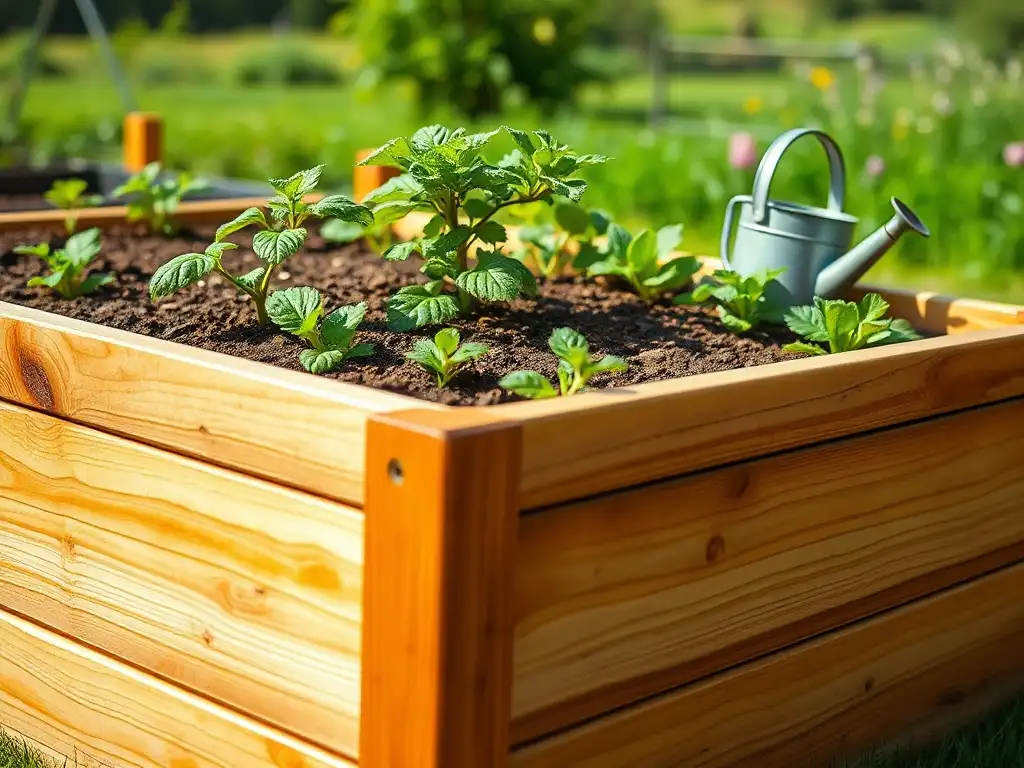
This section provides a detailed, hands-on guide to constructing your own raised garden bed using the best wood for longevity and environmental responsibility. We'll cover the crucial steps from initial wood preparation to the final touches, ensuring you create a thriving and sustainable gardening space. Remember, choosing the right wood is paramount for the long-term success of your raised bed – impacting its durability and the health of your plants.
Cutting and Preparing the Wood for Your Raised Garden Bed
Before you even think about assembling your raised garden bed, proper wood preparation is key. This step significantly impacts the lifespan and stability of your structure. We're focusing on maximizing the life of your "best wood raised garden beds" investment.
First, carefully measure and cut your chosen wood (cedar, redwood, or treated lumber are excellent choices) to the precise dimensions of your planned raised bed. Accuracy here is crucial for a structurally sound and aesthetically pleasing final product. Use a miter saw for clean, accurate cuts, minimizing splintering.
After cutting, it's vital to treat the wood to protect it from rot, decay, and insect infestation. While some woods like cedar and redwood are naturally resistant, applying a food-safe wood sealant or preservative is highly recommended. This step is especially important if you're using treated lumber, ensuring any chemicals used in the treatment process don't leach into your soil. Always opt for a sealant explicitly labeled as safe for use around food crops.
Consider pre-drilling pilot holes before driving screws to prevent the wood from splitting, especially with harder wood types. This simple step significantly improves the overall quality of your construction. Remember, a well-prepared foundation is the cornerstone of a successful raised garden bed.
Finally, before assembling, thoroughly clean the wood to remove any sawdust or debris from the cutting process. This ensures a clean and secure fit when you assemble the frame.
Assembling Your Raised Garden Bed Frame
With your wood cut, treated, and cleaned, you're ready to assemble the frame. This is where your careful measurements and preparation truly pay off. For a rectangular or square raised bed, start by joining the four corner pieces using exterior-grade screws and a drill. Ensure the corners are perfectly square using a speed square or framing square for optimal stability.
For more complex shapes, such as octagons or circles, you’ll need to adjust your cutting and joining techniques accordingly. Precise measurements and careful cutting are crucial for these designs. Consider using a jig or template to ensure uniformity and accuracy. Remember, a solid frame is the foundation for a successful raised garden bed. Take your time and double-check your work at each stage.
Once the frame is assembled, check for any gaps or inconsistencies. Tighten any loose screws and reinforce any weak points. A well-constructed frame will ensure the longevity and stability of your raised garden bed. The goal is to create a robust structure that can withstand the weight of soil and plants for years to come. This is an investment in your gardening success.
Adding a Liner to Your Raised Garden Bed: Protecting the Wood and Soil
Adding a liner to your raised garden bed serves two critical purposes: protecting the wood from moisture damage and preventing soil from leaching out. This step significantly extends the life of your "best wood raised garden beds" and maintains the integrity of your growing environment.
Several liner options exist: landscape fabric, heavy-duty plastic sheeting, and even pond liner. Landscape fabric is a breathable option, allowing for some drainage while still containing the soil. Heavy-duty plastic sheeting offers excellent containment but may reduce aeration. Pond liner is a durable and long-lasting choice, ideal for longevity. The best choice depends on your specific needs and preferences.
Before installing the liner, ensure the inside of the raised bed frame is clean and free of debris. This will ensure a smooth and even installation. Overlap the edges of the liner by at least a foot to prevent tearing and ensure a secure fit, then secure it in place using staples or landscape pins.
Remember to leave some space between the top of the liner and the top edge of the raised bed to allow for soil expansion and prevent overflow. A well-installed liner is essential for maintaining a healthy and productive raised garden bed, ensuring your investment in the best wood and construction yields a bountiful harvest. Careful consideration of the liner type and installation method will significantly impact the long-term performance of your raised bed.
Filling Your Raised Garden Bed with Soil and Planting
Filling your raised garden bed with the right soil is crucial for healthy plant growth. Don't just grab any soil; consider the specific needs of the plants you intend to grow. For example, tomatoes thrive in well-drained, slightly acidic soil, while leafy greens prefer a richer, more fertile mix. You'll likely need a blend of components to achieve the optimal soil composition.
A good starting point is a mix of high-quality topsoil, compost, and perhaps some perlite or vermiculite to improve drainage and aeration. The ratio will vary depending on your soil type and the plants you're growing. For instance, a heavier clay soil might benefit from a higher proportion of perlite or vermiculite to prevent waterlogging.
Conversely, sandy soil might need more compost to retain moisture. Always amend your soil with organic matter like compost to enrich it with nutrients and improve its structure. This is especially important for raised beds, as the soil volume is often limited.
Before planting, carefully loosen the soil in your raised bed to create a suitable environment for root development. Avoid compacting the soil, as this can restrict root growth and lead to poor plant health. Once the soil is prepared, you can begin planting your seedlings or seeds. Follow the recommended spacing guidelines for each plant type to ensure they have enough room to grow without competing for resources.
Remember to water thoroughly after planting to help the roots establish themselves. Consider using a soaker hose or drip irrigation system for efficient watering, minimizing water waste and preventing soil erosion. This approach is particularly beneficial in raised beds, as they tend to dry out more quickly than in-ground gardens. Regularly monitor your plants for signs of nutrient deficiencies or pest infestations, and adjust your gardening practices accordingly.
Proper soil preparation and careful planting are fundamental steps in cultivating a thriving raised garden bed. Remember, the quality of your soil directly impacts the health and yield of your plants. By investing time and effort in preparing your soil properly, you'll set the stage for a successful harvest. Investing in a soil test kit can provide valuable insights into your soil's composition, helping you tailor your soil amendment strategy to maximize plant growth.
Maintaining Your Wooden Raised Garden Bed for Long-Term Use
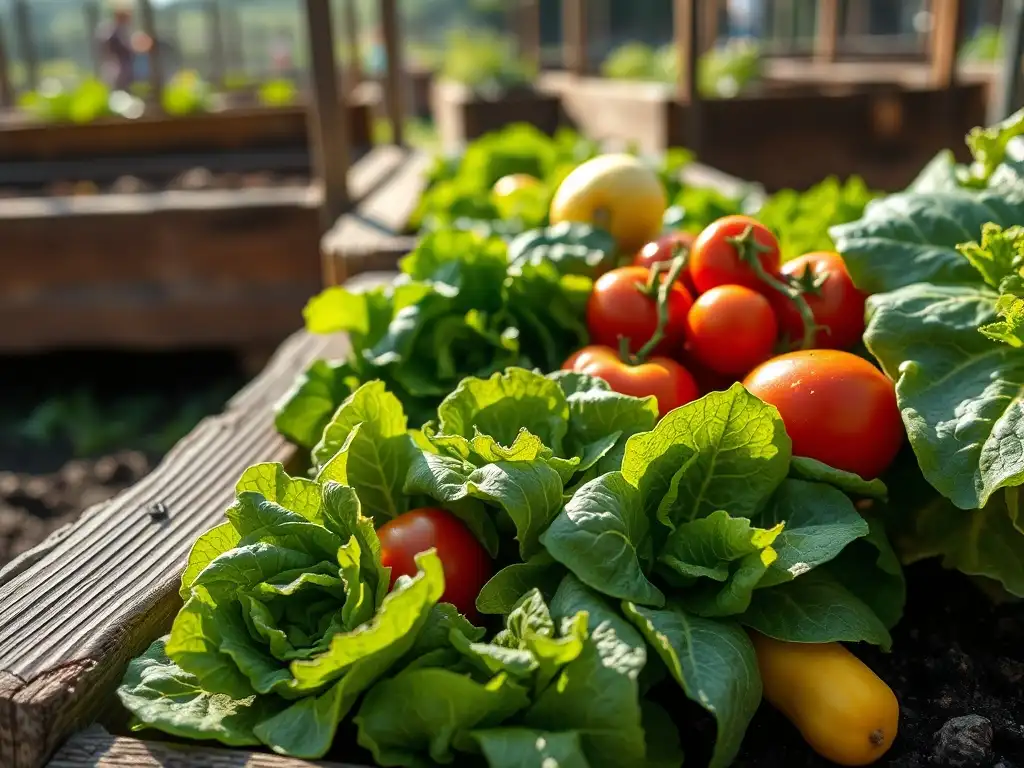
Building a raised garden bed is a significant investment, both in time and resources. To maximize the lifespan of your beautiful and functional structure and truly reap the benefits of your "best wood raised garden beds," consistent maintenance is key. Neglecting upkeep can lead to premature rot, pest infestation, and ultimately, the need for costly repairs or replacement.
This section details crucial steps to ensure your raised garden bed remains a vibrant part of your garden for years to come. We'll explore effective protection strategies, routine inspection procedures, and simple repair techniques. By following these guidelines, you'll be well on your way to enjoying a thriving garden from your sturdy and sustainable raised bed.
Protecting Your Wood from the Elements: Staining and Sealing Techniques
The harsh realities of outdoor exposure—sun, rain, snow, and temperature fluctuations—can significantly impact the longevity of your wooden raised garden bed. Protecting your wood from these elements is paramount. The best approach involves a combination of staining and sealing.
Staining adds color and enhances the wood's natural beauty, while also providing a degree of protection against UV rays, which are a major cause of wood degradation. Choose a high-quality, exterior-grade wood stain designed for use in contact with soil. Water-based stains are generally preferred for their lower VOCs (volatile organic compounds), aligning with sustainable and organic gardening practices. Apply the stain according to the manufacturer's instructions, ensuring even coverage to prevent uneven weathering.
Sealing further protects your wood by creating a barrier against moisture. A good quality wood sealant will repel water, preventing rot and decay. Again, opt for an exterior-grade sealant formulated for ground contact. Consider a sealant with fungicidal properties to offer additional protection against fungal growth. Apply the sealant after the stain has thoroughly dried, following the manufacturer's recommendations. Reapplication every 1-2 years, depending on climate and wood type, is crucial for maintaining effective protection. Remember to always work in a well-ventilated area and wear appropriate protective gear when working with stains and sealants.
Regular Inspection and Maintenance: Preventing Rot and Damage
Regular inspections are fundamental to early detection of potential problems. Aim for a thorough inspection at least twice a year—once in spring and once in autumn. Look for signs of rot, such as discoloration, soft spots, or cracks. Check for loose boards or screws, and inspect the corners and joints for any signs of weakness. Also, keep an eye out for pest infestations, such as termites or carpenter ants. Early detection allows for timely intervention, preventing minor issues from escalating into major repairs.
Maintaining proper drainage is also crucial. Ensure that the soil within the raised bed is not consistently waterlogged. Overwatering can lead to rot and damage to the wood. Regular weeding around the base of the bed will improve air circulation and help prevent moisture buildup. Additionally, consider adding a layer of landscape fabric between the soil and the wood to further aid in moisture management. This proactive approach will significantly extend the life of your "best wood raised garden beds."
Repairing Damaged Sections of Your Raised Garden Bed
Even with diligent maintenance, damage can occur. Minor repairs can often be handled easily. For example, loose screws can be tightened, and small cracks can be filled with exterior-grade wood filler. Always use wood filler designed for outdoor use to ensure it can withstand the elements. Allow the filler to dry completely before staining and sealing the repaired area.
More significant damage, such as rotted sections, may require more extensive repairs. Severely damaged boards might need to be replaced. When replacing boards, ensure that the new wood is of the same or similar type as the original wood to maintain consistency. Use exterior-grade screws and ensure that all joints are securely fastened.
After replacing any boards, reapply stain and sealant to ensure complete protection. Remember that timely repairs not only extend the life of your raised garden bed but also maintain its structural integrity, ensuring the continued success of your gardening endeavors. Investing in the proper maintenance of your "best wood raised garden beds" is an investment in the long-term health and productivity of your garden.
FAQs about Wood Choices for Raised Garden Beds
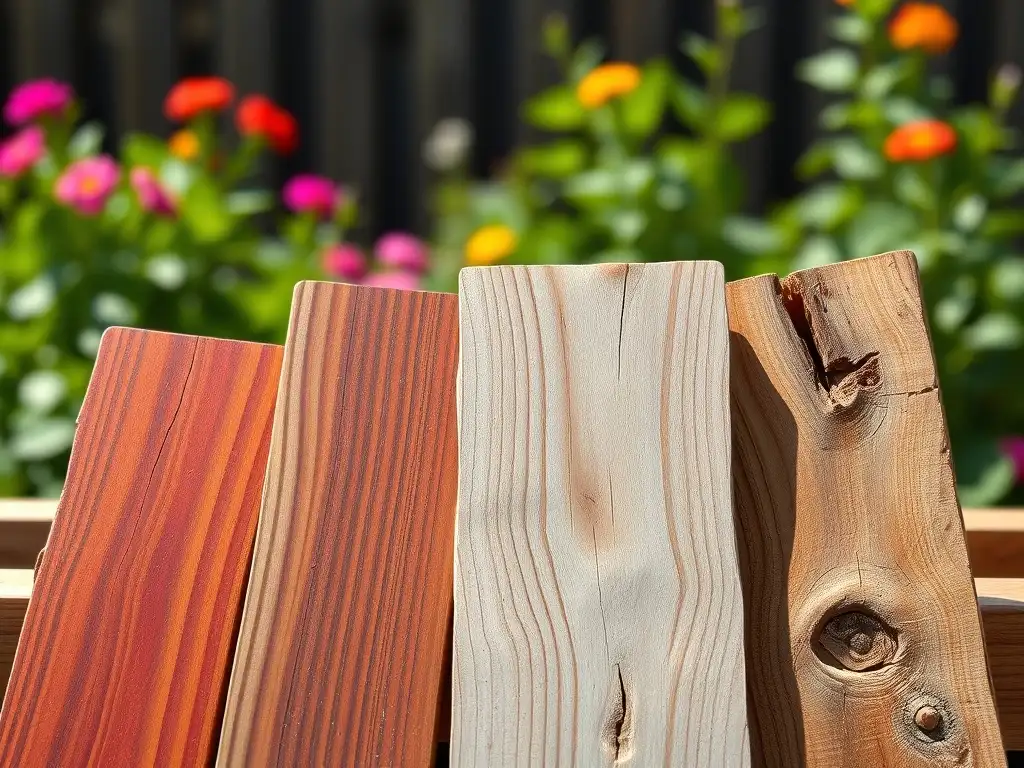
This section addresses frequently asked questions regarding the longevity and sustainability of various wood types used in constructing raised garden beds. Choosing the right wood is crucial for the long-term success and environmental impact of your gardening project. Let's delve into some common concerns.
How long will different types of wood last in a raised garden bed?
The lifespan of wood in a raised garden bed depends heavily on several factors: the type of wood, its initial treatment (or lack thereof), the climate, and the soil conditions. Let's examine the expected lifespan of some popular choices:
| Wood Type | Expected Lifespan (Untreated) | Expected Lifespan (Pressure Treated) | Notes |
|---|---|---|---|
| Redwood | 10-15 years | 20-30 years | Naturally resistant to rot and decay. |
| Cedar | 10-20 years | 20-30+ years | Naturally resistant to rot and decay; aromatic oils deter some insects. |
| Cypress | 15-20 years | 25-35+ years | Similar durability to cedar; often more affordable. |
| Pine | 5-10 years | 15-20 years | Susceptible to rot and insect damage; requires treatment for longevity. |
| Untreated Pine 🌲 | 2-5 years | N/A | Very short lifespan if untreated. Should be avoided for raised garden beds unless you plan on replacing it frequently. |
It's crucial to note that these are estimates. Proper preparation, including thorough sealing and appropriate drainage, can significantly extend the lifespan of any wood. Pressure-treated lumber, while offering extended durability, introduces the concern of chemical leaching into the soil, which we will address later.
What is the best wood for raised garden beds in a specific climate?
The ideal wood for your raised garden beds depends significantly on your local climate. Arid climates with intense sun and infrequent rain may favor woods known for their resistance to cracking and warping, such as redwood or cedar. In humid or wet climates prone to rot and fungal growth, pressure-treated lumber might seem like a necessity, but consider the potential downsides (discussed below).
For example:
- Dry, sunny climates: Redwood and cedar are excellent choices due to their natural resistance to rot and their ability to withstand sun exposure without significant cracking.
- Humid, rainy climates: Pressure-treated lumber might be considered, but opting for naturally rot-resistant woods with added protection (like a sealant) is a more sustainable option. Careful site selection and drainage are paramount.
- Cold climates with freeze-thaw cycles: Woods like cedar and redwood are generally more resistant to the damaging effects of repeated freezing and thawing, but proper drainage to prevent water accumulation is crucial.
Ultimately, researching the specific climate in your area and considering the pros and cons of different wood types based on their resistance to the prevalent weather conditions is vital for selecting the best long-term option.
How can I make my raised garden bed more sustainable?
Sustainability involves minimizing environmental impact throughout the entire lifecycle of your raised garden bed. Here are some key considerations:
- Source your wood responsibly: Opt for sustainably harvested lumber certified by organizations like the Forest Stewardship Council (FSC). This ensures the wood comes from forests managed for long-term health and biodiversity.
- Choose naturally rot-resistant wood: Redwood, cedar, and cypress require less treatment, reducing the use of chemicals. This minimizes the environmental impact compared to pressure-treated lumber.
- Avoid pressure-treated lumber: While offering extended lifespan, pressure-treated lumber often contains chemicals (like chromated copper arsenate or CCA) that can leach into the soil, potentially harming plants and the environment. Consider alternatives unless absolutely necessary.
- Use reclaimed or recycled wood: Repurposing old wood, like pallets (ensure they are untreated! ), offers a highly sustainable option. However, carefully inspect for any chemical treatments or potential contaminants.
- Properly maintain your raised bed: Regular cleaning, sealing, and timely repairs extend the life of your garden bed, reducing the need for frequent replacements and minimizing waste.
By prioritizing these sustainable practices, you can create a thriving garden while minimizing your environmental footprint. Remember that the "best" wood is the one that best balances durability, cost, and environmental impact for your specific needs and local conditions. Careful planning and consideration will ensure your raised garden beds contribute to a healthier environment and a bountiful harvest for years to come.
Frequently Asked Questions
What type of wood is best for raised garden beds?
The best wood for raised garden beds depends on your budget and climate. Cedar and redwood are naturally rot-resistant and long-lasting, but more expensive. Pressure-treated lumber is affordable but may contain chemicals.
How long will a wooden raised garden bed last?
The lifespan varies greatly depending on the wood type and your climate. Cedar and redwood can last 10-20 years or more, while pressure-treated lumber might only last 5-10 years. Proper maintenance extends lifespan.
Is pressure-treated wood safe for gardening?
Pressure-treated wood can contain chemicals that are potentially harmful to plants and soil. Look for lumber treated with ACQ (Alkaline Copper Quaternary), which is considered safer than older treatments. Always follow product instructions carefully.
What are the benefits of using wood for raised garden beds?
Wood offers several advantages. It's aesthetically pleasing, relatively inexpensive (depending on the wood type), and provides excellent drainage and warmth for plants. It's also easily customizable to any size or shape.
How can I extend the life of my wooden raised garden bed?
To maximize the lifespan of your raised bed, apply a water-resistant sealant regularly. Keep the wood clean and dry, and avoid letting water sit inside the bed for extended periods. Regular inspection for rot or damage is crucial.
Final Reflection: Cultivating a Legacy of Sustainable Gardening
The choice of wood for your raised garden bed is not merely an aesthetic decision; it's a commitment to the longevity and environmental impact of your gardening journey. Building a raised bed is an investment, not just in your harvest, but in the future of sustainable practices. The right wood can significantly extend the life of your garden, minimizing waste and maximizing your yield for years to come.
The enduring appeal of raised bed gardening speaks volumes about our growing awareness of the interconnectedness between our food sources and the environment. We are increasingly conscious of where our food comes from and how it's grown, and choosing sustainable materials like cedar or redwood reflects this shift in values. The earth laughs in flowers.
– Ralph Waldo Emerson. This simple quote encapsulates the joy and responsibility inherent in nurturing life, and selecting the right wood for your raised bed is a tangible way to participate in that process. It's about more than just growing vegetables; it's about cultivating a mindful relationship with the natural world.
Consider the implications of your choices. Will you opt for a readily available, but less durable, wood that requires frequent replacement, contributing to landfill waste? Or will you invest in a longer-lasting, sustainably sourced option that minimizes your environmental footprint and provides years of reliable service? The answer, ultimately, rests with you. Take the time to reflect on your values and make a conscious choice that aligns with your vision for a thriving and sustainable garden. Your garden is a testament to your commitment, and the wood you choose will be a silent partner in that ongoing story.
Unleash Your Green Thumb: Build the Perfect Raised Bed Today!
Thanks for exploring the world of raised garden beds with us! We hope you've found the perfect wood for your next gardening project. Now it's time to put that knowledge to work and grow flourishing plants.
- Choose the right wood: Selecting the best wood for your raised bed depends on your budget, desired durability, and commitment to sustainability. This crucial first step will pave the way for a bountiful harvest!
- Share your wood choice and building plans on our CultivateYourFood community forum – let's inspire each other!
- Carefully plan your garden design, including plant placement, to maximize space and sunlight.
Ready to transform your gardening dreams into a thriving reality? What unique element will you add to your raised bed design?