
Cold Frames vs. Polytunnels: Which is Best for Your Garden?
Transform your growing space with smart, sustainable gardening structures and enhancements designed to help fruits, vegetables, and herbs thrive. Discover practical ways to maximize sunlight, improve drainage, extend the growing season, and support healthy plants using eco-friendly solutions for home gardens. Whether you’re planning a productive garden layout or upgrading your existing space, find trusted guidance to cultivate more successfully and sustainably. 🌱🏡
48 articles
HighEnd Greenhouses: Invest in Quality for LongTerm Gardening Success
Cold Frame vs. Row Covers: Which is Right for You?
Elevated Raised Garden Beds: Options for Gardeners with Limited Mobility
The Benefits of Cold Frame Gardening for Early Spring Harvests
Polytunnel Heating Options: What You Need to Know
Trellis Ideas for Flowering Vines: Creating Stunning Vertical Displays
The Benefits of Using Trellises for Air Circulation and Pest Control
Raised Garden Beds: How to Avoid Common Mistakes and Improve Your Harvest
Best Mini Greenhouses for Starting Seeds Indoors: CultivateYourFood's Expert Review
The Best Plants for Raised Garden Beds: Choosing the Right Varieties
How to Secure a Trellis: Ensuring Stability in Windy Conditions
The Best Greenhouses for Growing Herbs Indoors: A CultivateYourFood Review
How to Install a Trellis: StepbyStep Guide for Beginners
BudgetFriendly Raised Garden Beds: CostEffective Options for Every Gardener
Trellis Maintenance: Keeping Your Supports Strong and Beautiful
CultivateYourFood's Analysis of Greenhouse Glazing Options: Choosing the Right Material
Raised Garden Beds for Flowers: Adding Beauty to Your Garden
Raised Garden Beds: Comparing Different Types of Kits and PreMade Options
Trellis Options for Apartment Balconies: Creating Green Spaces Anywhere
CultivateYourFood's Analysis: Understanding Greenhouse UV Protection & Durability
Polytunnel DIY Projects: Building Your Own on a Budget
CultivateYourFood’s Review of Automatic Greenhouse Ventilation Systems
The Best Wood Options for Raised Garden Beds: Durability and Sustainability
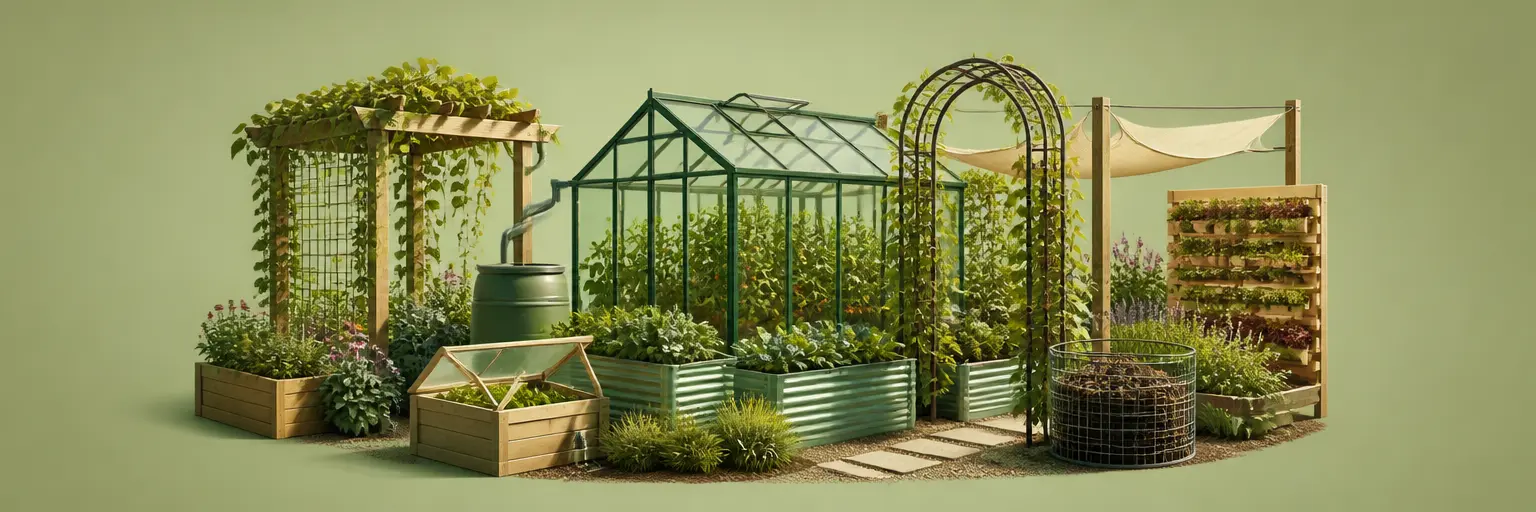
Gardening Structures & Enhancements can transform an ordinary growing space into a productive, organized, and attractive home garden. At CultivateYourFood, this category explores practical structures that help gardeners cultivate fruits, vegetables, and herbs using sustainable and organic methods. Discover how trellises, supports, greenhouses, raised beds, cold frames, and polytunnels can improve growing conditions, extend the harvest season, and make garden care easier.
Whether you are creating a balcony garden, upgrading a backyard vegetable plot, or planning a year-round food garden, the right garden structures can improve sunlight exposure, drainage, airflow, soil quality, and plant productivity. Our guides focus on durable materials, efficient designs, organic gardening principles, and budget-friendly solutions for beginners and experienced home growers alike.
🌿 Stylish and Functional Garden Trellises and Supports
Explore garden trellises, plant supports, arches, obelisks, cages, and frames designed to help climbing vegetables, fruits, and ornamental plants grow successfully. These structures are especially useful for tomatoes, cucumbers, peas, beans, grapes, berries, and climbing herbs. Readers can compare different trellis materials, including wood, bamboo, metal, and recycled options, while learning how to choose supports based on plant weight, garden space, and local weather.
Our guides also explain how vertical gardening can save space, improve air circulation, reduce disease risk, and make harvesting easier. Expect practical advice on installation, plant training, seasonal maintenance, and organic ways to support healthy vertical growth without damaging stems or roots. Stylish trellises can also add structure and visual appeal to edible garden designs.
🏡 Reviewing the Best Greenhouses for Home Gardeners
Choosing the right greenhouse can extend the growing season and protect plants from frost, heavy rain, wind, pests, and sudden temperature changes. This subcategory reviews greenhouse styles and features for home gardeners, including compact hobby greenhouses, walk-in models, cold-weather structures, polycarbonate greenhouses, glass greenhouses, and portable greenhouse kits.
Readers will find guidance on greenhouse size, ventilation, insulation, shelving, glazing, heating, humidity control, and placement. We also consider cost, durability, energy efficiency, ease of assembly, and suitability for organic food production. Whether you want to start seedlings early, grow tender herbs, or harvest vegetables later in the year, these reviews help you make an informed greenhouse decision.
🪴 Building or Buying Raised Garden Beds: A Comprehensive Guide
Raised garden beds offer gardeners better control over soil quality, drainage, spacing, and accessibility. This section compares building raised beds from timber, untreated wood, stone, metal, recycled materials, and other garden-safe options with purchasing ready-made raised bed kits. Learn how to select the ideal dimensions, depth, location, and layout for vegetables, fruits, herbs, and pollinator-friendly plants.
Our comprehensive guides cover soil mixes, compost, organic amendments, drainage, crop rotation, irrigation, weed prevention, and seasonal maintenance. You will also discover how raised beds can reduce soil compaction and make gardening more comfortable for people with limited mobility. Follow our recommendations for safe, sustainable raised bed construction and nutrient-rich soil preparation.
❄️ The Benefits of Cold Frames and Polytunnels
Cold frames and polytunnels provide affordable protection for plants while helping gardeners extend the growing season. Cold frames are ideal for hardening off seedlings, overwintering hardy crops, protecting salad greens, and starting plants earlier in spring. Polytunnels offer a larger growing environment for vegetables, herbs, soft fruit, and other crops that benefit from shelter and warmer conditions.
This subcategory explains the differences between cold frames, polytunnels, and traditional greenhouses, including their advantages, limitations, materials, ventilation needs, and maintenance requirements. Readers can learn how to manage temperature, humidity, watering, and airflow using low-energy methods. Discover how these structures support season extension, frost protection, organic crop production, and more reliable harvests.
❓ Frequently Asked Questions About Gardening Structures & Enhancements
What is the best garden structure for beginners?
Raised garden beds are often the best starting point because they are simple to plan, easy to maintain, and provide control over soil quality and drainage. A basic trellis is another affordable option for growing climbing vegetables vertically.
Are garden trellises useful for vegetable plants?
Yes. Trellises support crops such as cucumbers, peas, beans, tomatoes, melons, and some berries. They can save space, improve airflow, reduce contact with wet soil, and make harvesting easier.
Should I choose a greenhouse or a polytunnel?
A greenhouse may be preferable when you want a durable, attractive structure with strong temperature control. A polytunnel usually provides more growing space at a lower cost and is well suited to larger vegetable gardens and season extension.
What should I put in a raised garden bed?
Use a balanced mixture of quality topsoil, mature compost, and organic material suited to your crops. Avoid contaminated soil and fresh manure, which can damage plants or introduce pathogens. Add compost regularly to maintain fertility.
How do cold frames extend the growing season?
Cold frames capture solar warmth and shield plants from wind, frost, and heavy rain. They allow gardeners to start seedlings earlier, protect crops in autumn, and grow hardy greens during cooler months. Regular ventilation is important to prevent overheating and excess humidity.