
BudgetFriendly Ideas for Creating a Wheelchair Garden

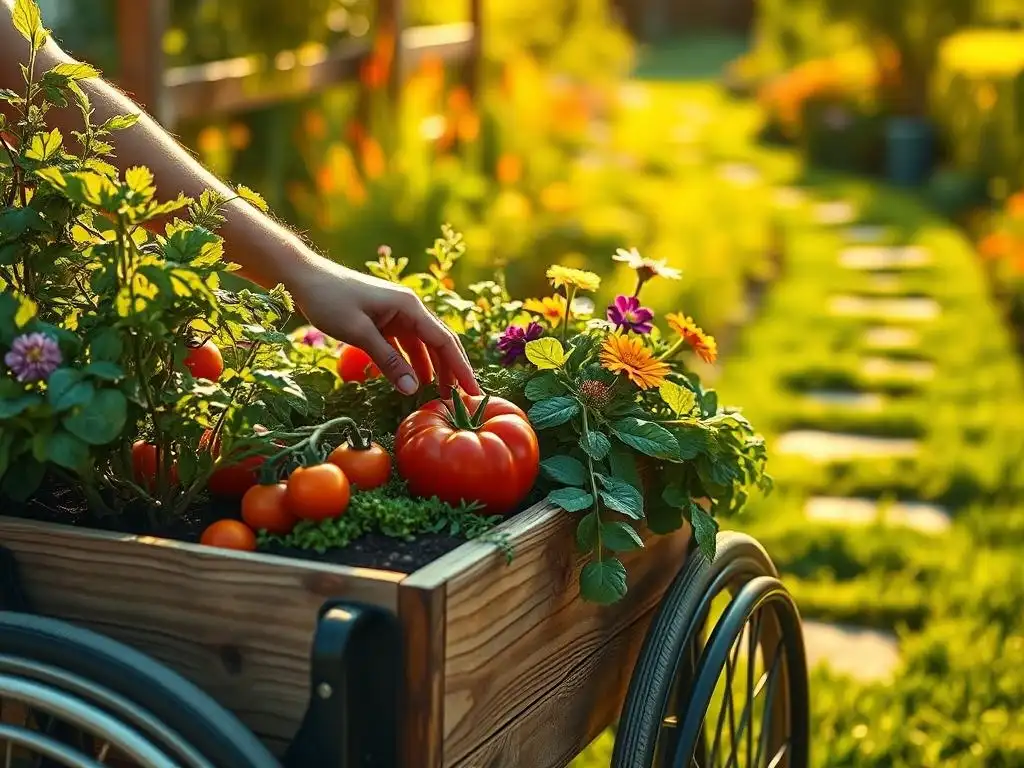
Ready to transform your outdoor space into a thriving, organic oasis? At CultivateYourFood, we believe everyone deserves the joy of homegrown produce. Discover how you can create a bountiful garden, regardless of your physical abilities. This article on accessible wheelchair gardening tips unveils budget-friendly ideas to help you cultivate your own fruits, vegetables, and herbs, even with limited mobility. Let's get started on your journey to sustainable, homegrown goodness!
-
Accessible Wheelchair Gardening Tips: Planning Your Space
- Assessing Your Current Space and Mobility Needs
- Choosing the Right Garden Location for Wheelchair Access
- Designing Raised Garden Beds for Easy Reach
- Creating Wide, Accessible Pathways for Wheelchair Maneuverability
- Choosing the Right Garden Bed Height and Design for Easy Access
- Utilizing Raised Garden Beds and Vertical Gardening Techniques
- Budget-Friendly Materials for Wheelchair Accessible Gardening
- Accessible Planting and Harvesting Techniques
- Maintaining Your Wheelchair Accessible Garden on a Budget
- Additional Tips for Accessible Wheelchair Gardening
-
Frequently Asked Questions
- What are some budget-friendly ways to create a wheelchair-accessible garden?
- How can I ensure easy access to my garden while in a wheelchair?
- What tools are best suited for wheelchair gardening?
- What plants are easiest to grow in a wheelchair-accessible garden?
- How can I manage pests and diseases in an accessible garden?
- Final Reflection: Blooming Accessibility: Cultivating Joy in Every Garden
- Unleash Your Green Thumb: Grow a Thriving Wheelchair Garden!
Accessible Wheelchair Gardening Tips: Planning Your Space
Creating a thriving garden is a rewarding experience, offering fresh produce and a connection to nature. However, for wheelchair users, traditional gardening methods can present significant challenges. This article provides budget-friendly ideas and practical advice on designing and maintaining a beautiful and productive garden that's fully accessible, empowering individuals with mobility limitations to enjoy the joys of homegrown food. We'll cover key aspects of planning, focusing on maximizing accessibility and minimizing physical strain, ensuring that the process of cultivating your own food is both enjoyable and achievable.
We'll explore practical solutions and cost-effective strategies to make your gardening dreams a reality, regardless of your mobility. This guide will help you transform your gardening aspirations into a vibrant and accessible reality, proving that a bountiful harvest is within reach for everyone. Let's delve into the practical steps to create an accessible and rewarding gardening experience.
Assessing Your Current Space and Mobility Needs
Before you even think about plants, it's crucial to honestly assess your current space and mobility needs. This initial step is vital for planning a successful and accessible wheelchair garden. Consider the following:
- Wheelchair maneuverability: How easily can you navigate your chosen area with your wheelchair? Are there any obstacles like steps, uneven terrain, or narrow pathways? Mapping out your movement within the space is essential. Note any areas where turning might be difficult or require extra effort.
- Reach and transfer: Determine your comfortable reach while seated. This will dictate the height and design of your raised beds. If transferring from your wheelchair to a seated position is necessary for gardening, ensure a safe and stable surface is available.
- Available sunlight: Most plants need ample sunlight. Observe the sun's path throughout the day to identify areas with sufficient sunlight exposure. Note the duration and intensity of sunlight in different parts of your potential garden space.
- Water access: Easy access to a water source is essential. Consider the proximity of a hose or other watering system to your planned garden area. Think about the convenience and ease of accessing water while seated in your wheelchair.
- Soil type and drainage: Assess the soil's quality and drainage. Poor drainage can hinder plant growth and create muddy areas difficult to navigate with a wheelchair. Consider amending the soil with compost or other organic matter to improve its quality.
Remember, careful planning at this stage will prevent future frustration and ensure a smooth gardening experience. 📝
Choosing the Right Garden Location for Wheelchair Access
Selecting the right location is paramount for an accessible garden. Prioritize areas that offer:
- Level ground: Avoid slopes or uneven surfaces that make wheelchair navigation difficult and potentially dangerous. A flat, level surface is essential for easy maneuverability.
- Easy access: Choose a location easily accessible from your home or a convenient pathway. Minimizing the distance between your home and garden reduces the effort required to tend to your plants.
- Sufficient sunlight: As mentioned earlier, most plants need at least 6-8 hours of sunlight daily. Select a location that receives adequate sunlight throughout the day. Consider using a sun tracker app to map sunlight exposure in your yard.
- Proximity to water and electricity: Having a water source and an electrical outlet nearby will simplify watering and the use of any electrical gardening tools. This convenient setup enhances efficiency and reduces the physical demands of gardening.
- Shelter from the elements: Consider protection from harsh weather conditions, such as strong winds or excessive rain. A sheltered location can protect your plants and make gardening more comfortable.
This careful selection of location will significantly impact the ease and enjoyment of your gardening experience. ☀️
Designing Raised Garden Beds for Easy Reach
Raised garden beds are a game-changer for wheelchair users. They eliminate the need for bending and stooping, making gardening significantly easier. Consider these points when designing your beds:
- Height: The ideal height should allow you to comfortably tend to your plants while seated. A height of around 2-3 feet is often recommended, but adjust this based on your specific reach and comfort.
- Width: The width should be manageable for reaching across the bed comfortably. A width of approximately 3-4 feet is often suitable, allowing you to reach all parts of the bed without overextending.
- Depth: The depth depends on the plants you're growing, but generally, 12-18 inches is sufficient for most vegetables and herbs.
- Materials: Choose cost-effective materials that are sturdy and durable, such as reclaimed wood, recycled plastic, or even large containers. Ensure the materials are weather-resistant and easy to maintain.
- Accessibility features: Consider adding features like built-in seating or handles to further enhance accessibility. These additions improve comfort and facilitate ease of use. A simple addition of a sturdy bench alongside the raised bed can significantly improve the gardening experience.
Designing and building these raised beds is a significant step towards creating a truly accessible and enjoyable garden. 🛠️
Creating Wide, Accessible Pathways for Wheelchair Maneuverability
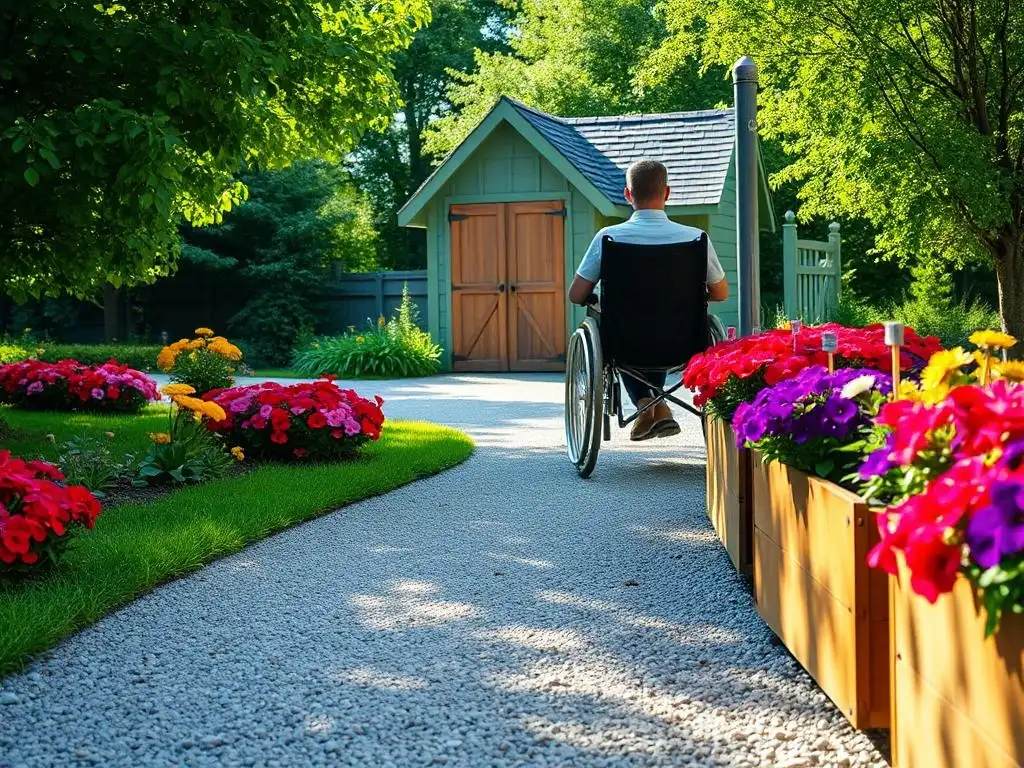
Creating wide, accessible pathways is paramount for wheelchair gardening. Standard garden paths often prove too narrow for comfortable wheelchair maneuverability. Remember, you need space not only for the chair itself but also for turning and maneuvering around plants. A minimum width of 36 inches (91 cm) is recommended, but wider is always better, especially in areas where you'll be turning or working with larger plants. Consider the type of wheelchair being used; some are wider than others. If multiple people will be using the garden, ensure the pathways accommodate the widest chair comfortably.
Think about the pathway's surface material too. Loose gravel or uneven cobblestones present significant challenges for wheelchair users. Opt for smooth, hard surfaces like compacted gravel, paving stones, concrete, or even wood planks. These materials provide a stable and even surface, minimizing the risk of getting stuck or experiencing jarring movements. Regular maintenance is key; ensure the pathways are kept clear of debris and weeds to prevent tripping hazards and maintain accessibility.
For particularly challenging terrain, consider installing ramps with gentle slopes to overcome height differences between garden beds. This ensures a smooth and continuous pathway throughout your garden. Remember, a well-planned pathway significantly enhances the gardening experience, making it more enjoyable and accessible for wheelchair users. This is a crucial aspect of accessible wheelchair gardening tips. Prioritizing pathway design contributes to a safer and more inclusive garden environment.
Choosing the Right Garden Bed Height and Design for Easy Access
The height of your garden beds is crucial for accessible wheelchair gardening. Standard raised beds might be too high for comfortable access, requiring uncomfortable reaching or straining. Ideal garden bed height should be between 18 and 24 inches (46 and 61 cm), allowing for easy reach while seated in a wheelchair. This height allows for comfortable gardening without the need for excessive bending or stretching, reducing strain and fatigue.
Consider using shorter, wider beds rather than tall, narrow ones, maximizing accessibility and making it easier to reach all parts of the bed. The design should also accommodate the wheelchair's turning radius. Avoid placing plants too densely, ensuring enough space between them for easy access with a wheelchair. This allows for comfortable movement and prevents accidental damage to plants while maneuvering.
Furthermore, consider the use of adjustable-height gardening tools and supports, helping to further customize the gardening experience for wheelchair users. Remember, the goal is to create a comfortable and efficient gardening environment that minimizes physical strain and promotes independence. This demonstrates a commitment to inclusive and accessible gardening practices. Prioritizing the right garden bed design is a key element of accessible wheelchair gardening tips.
Utilizing Raised Garden Beds and Vertical Gardening Techniques
Raised garden beds offer several advantages for wheelchair gardening. They eliminate the need to bend or stoop, significantly improving accessibility. However, choosing the right height is vital; beds that are too high will be difficult to reach, while beds that are too low may be awkward to use. Aim for a height that allows comfortable access from a seated position. Consider using a combination of raised beds at different heights to cater to various needs and preferences. This allows for greater flexibility and ensures accessibility for individuals with different levels of mobility.
Vertical gardening techniques, such as using trellises or hanging baskets, are another excellent solution. These methods maximize space utilization and bring plants closer to a seated gardener, reducing the need for stretching or reaching. Vertical gardening also helps to improve overall garden accessibility, as it increases the efficiency of space and reduces the amount of bending and stretching required. This allows for a more inclusive and accessible gardening experience.
Furthermore, vertical gardening can be adapted to suit individual needs and preferences. By combining raised beds and vertical gardening techniques, wheelchair users can create a highly accessible and productive garden space, enhancing the independence and enjoyment of their gardening pursuits. This demonstrates the importance of considering diverse gardening methods when implementing accessible wheelchair gardening tips.
Budget-Friendly Materials for Wheelchair Accessible Gardening
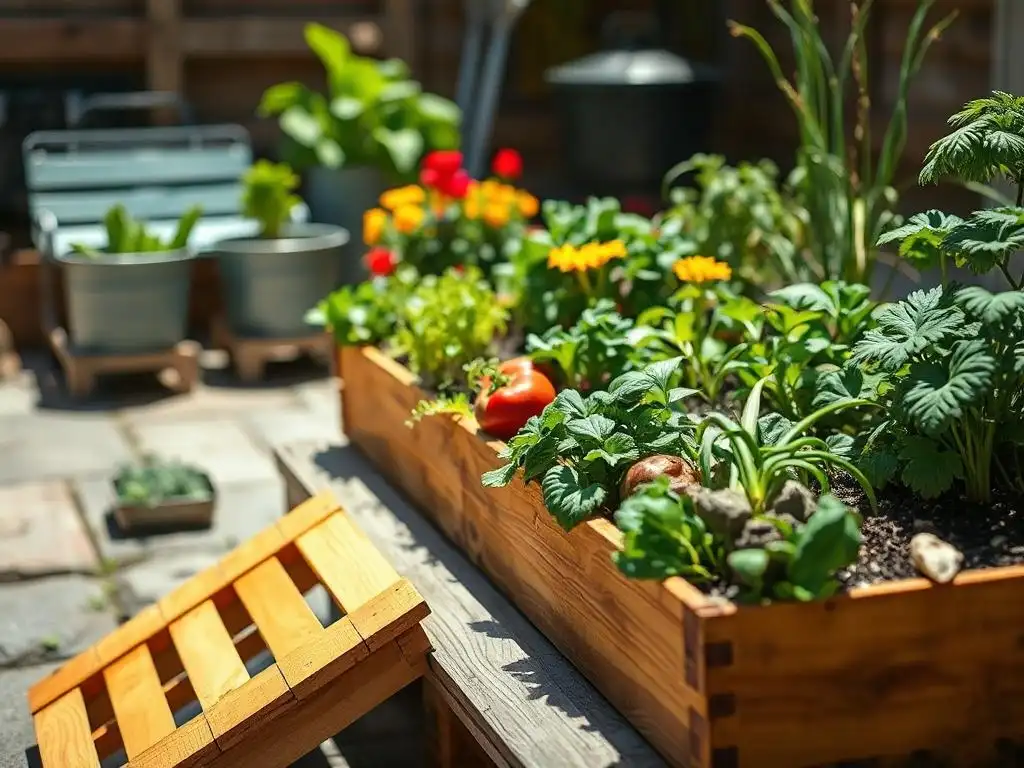
Creating a thriving and accessible garden doesn't require breaking the bank. With a little creativity and resourcefulness, you can build a beautiful and productive garden perfectly suited to your needs, even if you use a wheelchair. This section focuses on finding affordable materials to construct your accessible garden space, emphasizing sustainable and organic practices in line with CultivateYourFood's ethos.
Repurposing Materials for Raised Garden Beds (e.g., pallets, old tires)
Raised garden beds are essential for wheelchair accessibility, bringing the planting area to a comfortable height. However, purchasing new materials can be expensive. Fortunately, many readily available materials can be repurposed to create sturdy and attractive raised beds.
- Repurposed Pallets: Used shipping pallets, often available for free or at a very low cost from businesses, can form the base of excellent raised beds. Ensure the pallets are treated for outdoor use and free from harmful chemicals before using them. You can simply stack them to create the desired height, ensuring stability by securing them together with screws or strong wire. Remember to line the interior with landscape fabric to prevent soil from escaping. This method offers a rustic charm and is surprisingly robust.
- Old Tires: Used tires, readily available at tire shops or recycling centers, offer another excellent, budget-friendly option. They’re durable, readily available, and surprisingly versatile in shaping your raised bed. You can stack them, creating a circular or tiered design. Again, line the interior with landscape fabric to retain the soil. Remember to thoroughly clean the tires before using them to remove any potential contaminants. This option provides a unique, slightly unconventional aesthetic.
- Other Options: Don't forget about other possibilities! Consider using large plastic containers, old storage bins, or even sturdy wooden crates. Consider the size and weight of the containers to ensure they're easily manageable for your wheelchair.
Sourcing Affordable Soil and Compost
High-quality soil is crucial for healthy plant growth, but purchasing large quantities of commercially produced soil can be expensive. Here are ways to reduce costs:
- Composting: Start your own compost pile! This is a fantastic way to create nutrient-rich soil amendment at almost no cost. Composting kitchen scraps and yard waste reduces landfill waste and provides a sustainable source of organic matter for your garden. A simple compost bin can be constructed from readily available materials like pallets or wire mesh.
- Local Sources: Check with local nurseries or garden centers for bulk discounts on soil and compost. Many offer discounted or even free compost from local municipalities. Inquire about their sourcing practices to ensure they align with sustainable and organic methods.
- Soil Testing: Before purchasing soil, consider getting a soil test to understand your soil's composition. This will help you determine what amendments are necessary, allowing you to purchase only what you need, avoiding unnecessary expenses. Testing can help you avoid overspending on unnecessary soil enhancements.
Utilizing Free or Low-Cost Mulch Options (e.g., wood chips, straw)
Mulch is essential for retaining moisture, suppressing weeds, and regulating soil temperature. However, purchasing bagged mulch can quickly add up. Fortunately, several free or low-cost alternatives exist:
- Wood Chips: Many municipalities offer free or low-cost wood chips from tree trimming operations. Contact your local parks department or arborists to inquire about availability. Wood chips provide excellent weed suppression and improve soil structure over time.
- Straw: Straw is another inexpensive and readily available mulch option, particularly beneficial for retaining moisture. Source it from local farms or agricultural supply stores. Ensure it's free of weed seeds before applying it to your garden.
- Grass Clippings: If you have a lawnmower, grass clippings can serve as a valuable source of mulch, especially if you avoid using chemical fertilizers. However, be mindful not to use excessively thick layers, as this can lead to matting and impede plant growth. This is a truly zero-cost option that promotes sustainability.
By utilizing these budget-friendly and sustainable strategies, you can create a beautiful and productive wheelchair-accessible garden without compromising on quality or exceeding your budget. Remember to always prioritize safety and accessibility in your garden design. Happy gardening!
Finding Inexpensive Irrigation Solutions (e.g., drip irrigation systems)
Creating a thriving garden, especially one designed for wheelchair accessibility, requires a reliable irrigation system. However, high-quality irrigation systems can be expensive. Fortunately, several budget-friendly options exist for creating an efficient and accessible watering system. One popular and effective choice is a drip irrigation system.
While pre-assembled kits can be costly, you can significantly reduce expenses by building your own. This involves purchasing individual components like tubing, emitters, and connectors from hardware stores or online retailers, often at a fraction of the price of a pre-made kit. Remember to choose tubing that's easy to manipulate and connect, considering your physical capabilities. Flexible tubing is generally preferable for ease of use.
Furthermore, consider repurposing materials. For example, old plastic bottles can be transformed into simple, makeshift drip systems by puncturing small holes in the bottom and burying them near your plants. This method, while less sophisticated than a drip irrigation system, provides a low-cost watering solution, particularly suitable for smaller gardens or supplemental watering. Remember to monitor water flow regularly to prevent overwatering or underwatering. This DIY approach allows for customization based on your garden's layout and individual plant needs, maximizing water efficiency and minimizing waste. This is a great way to save money and reduce your environmental footprint.
Another cost-effective approach is to utilize gravity-fed irrigation. This involves placing a water source (like a large container or even a repurposed water cooler) at a higher elevation than your garden beds. Then, use simple tubing to direct the water to your plants. This method requires minimal equipment and is remarkably effective, especially for smaller gardens. However, careful planning is crucial to ensure even water distribution and prevent waterlogging. This method can be easily adapted to suit different levels of mobility and gardening setups.
Finally, remember to factor in the cost of water itself. Consider collecting rainwater using a rain barrel, which is a relatively inexpensive investment that offers significant long-term savings on water bills while being environmentally friendly. Combine this with your chosen irrigation method for a truly sustainable and budget-conscious approach to watering your wheelchair-accessible garden. This holistic approach ensures you’re not just saving money upfront, but also in the long run.
Accessible Planting and Harvesting Techniques
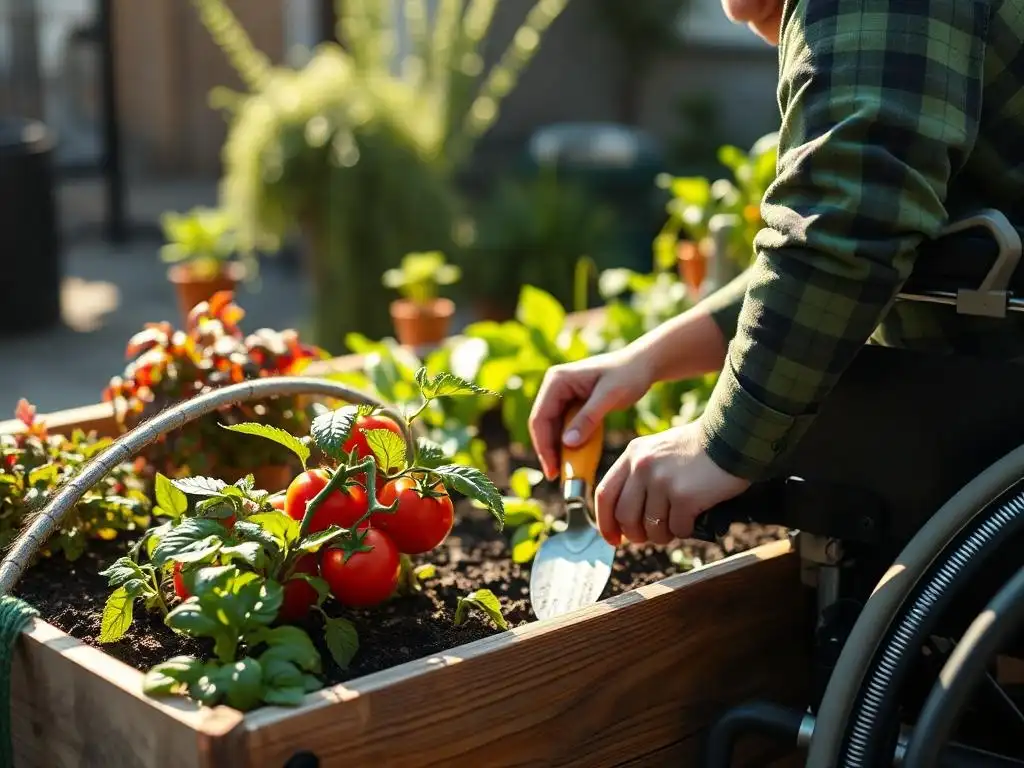
Creating a thriving garden while using a wheelchair requires thoughtful planning and the adaptation of traditional gardening methods. The goal is to maximize accessibility without compromising the joy and productivity of gardening. This section focuses on practical techniques to ensure comfortable and efficient planting and harvesting, regardless of mobility limitations. We will explore tool adaptation, plant selection, and ergonomic harvesting strategies specifically designed to meet the needs of wheelchair users. This will cover various aspects of "accessible wheelchair gardening tips."
Adapting Tools for Wheelchair Users
Many standard gardening tools can be modified or replaced to enhance accessibility. For instance, long-handled tools like trowels, cultivators, and hand rakes extend reach, minimizing the need for bending or stretching. Consider tools with ergonomic handles that reduce strain on wrists and hands. Lightweight materials like aluminum or fiberglass reduce fatigue during prolonged use.
Here's a comparison of standard and adapted tools:
| Tool | Standard Version | Adapted Version | Benefits |
|---|---|---|---|
| Trowel | Short handle, heavy | Long handle, lightweight aluminum | Increased reach, reduced strain on back and arms |
| Hand Rake | Standard size, plastic or metal | Long handle, lightweight, ergonomic grip | Easier to maneuver, less wrist strain |
| Watering Can | Standard size, heavy | Lightweight plastic, rolling base | Easier to move and control water flow |
| Weeder | Standard, short handle | Long-handled, ergonomic grip | Reduced bending, improved precision |
Furthermore, consider using seated gardening tools designed specifically for wheelchair users. These tools often feature adjustable heights and specialized ergonomic designs to minimize strain and maximize comfort. Investing in such tools can significantly improve the overall gardening experience. Remember, the right tools can make a substantial difference in your gardening success and enjoyment.
Selecting Easy-to-Grow, Low-Maintenance Plants
Choosing the right plants is crucial for a successful and accessible wheelchair garden. Opt for low-maintenance varieties that require minimal bending or reaching. Consider plants that grow well in containers, allowing for easy movement and rearrangement as needed. Here are some excellent choices:
- Compact Vegetables: Bush beans, cherry tomatoes, lettuce varieties (e.g., loose-leaf), radishes, and zucchini (bush varieties) are ideal for container gardening and require minimal maintenance. These provide quick harvests and high yields within a smaller space.
- Herbs: Basil, mint, chives, and oregano thrive in containers and require only moderate watering and sunlight. Their strong fragrances also add another dimension to the garden experience.
- Easy-to-Harvest Fruits: Strawberries, blueberries (in raised beds or containers), and dwarf fruit trees (trained to grow against walls) offer delicious harvests with less bending or reaching. Consider using raised beds to bring the plants to a more comfortable height.
Prioritize plants that are relatively disease-resistant and require minimal pruning or staking, reducing the physical demands of gardening. Proper plant selection is key for accessible wheelchair gardening tips.
Implementing Ergonomic Harvesting Methods
Harvesting methods should be adapted to minimize physical strain. Use harvesting tools with long handles or reach extenders to access plants without excessive bending or stretching. Consider using a harvesting stool or chair to provide additional support and reduce fatigue.
For example, when harvesting tomatoes, use a long-handled harvesting tool or a grabber to reach the ripe fruits without bending. For low-growing plants like strawberries, use a kneeling pad or a small stool to maintain a comfortable posture. Raised beds and containers significantly improve accessibility during harvesting by bringing the plants to a more convenient height.
Regularly assess your harvesting techniques and make adjustments as needed. Pay attention to your body's signals and avoid overexertion. Remember, accessible gardening is about enjoyment and sustainability, so adapt your methods to ensure a comfortable and rewarding experience. Prioritizing ergonomic harvesting is an essential aspect of accessible wheelchair gardening tips.
Using Adaptive Gardening Equipment (e.g., long-handled tools)
Adaptive gardening equipment is crucial for making planting and harvesting accessible to wheelchair users. Long-handled tools, for instance, eliminate the need for excessive bending or reaching. Consider investing in long-handled trowels, cultivators, and even hoes. These tools allow you to work the soil and plant seeds or seedlings from a seated position, significantly reducing physical strain.
The added length provides the leverage needed to effectively till the soil, plant deeply, and weed without compromising comfort or posture. Remember that the weight of the tool is also a factor; choose lightweight yet durable options to avoid fatigue. Many companies specialize in adaptive gardening tools, offering ergonomic designs and adjustable handles to suit individual needs and preferences.
Investing in high-quality, durable tools is a worthwhile investment that will pay dividends in terms of comfort, ease of use, and the longevity of your gardening efforts. Don't underestimate the impact of proper tool selection on your gardening experience – it can be the difference between a frustrating chore and a fulfilling hobby. For example, a lightweight, long-handled trowel with a comfortable grip can make all the difference in planting delicate seedlings without causing wrist pain.
Choosing the right tools is paramount. Look for tools with ergonomic handles that minimize strain on your wrists and hands. Features like padded grips or cushioned handles can make a significant difference in comfort during prolonged use. Consider the weight of the tool as well; heavier tools can lead to fatigue, especially during extended gardening sessions.
Some tools are designed with adjustable lengths, allowing you to customize the tool to your exact height and reach, ensuring optimal comfort and efficiency. Furthermore, explore options such as raised garden beds or vertical gardening systems, which can further reduce the need for bending and reaching. These strategies, combined with appropriate tool selection, create a more ergonomic and accessible gardening environment. Remember to always prioritize comfort and safety to avoid injuries and ensure a positive gardening experience.
Maintaining Your Wheelchair Accessible Garden on a Budget
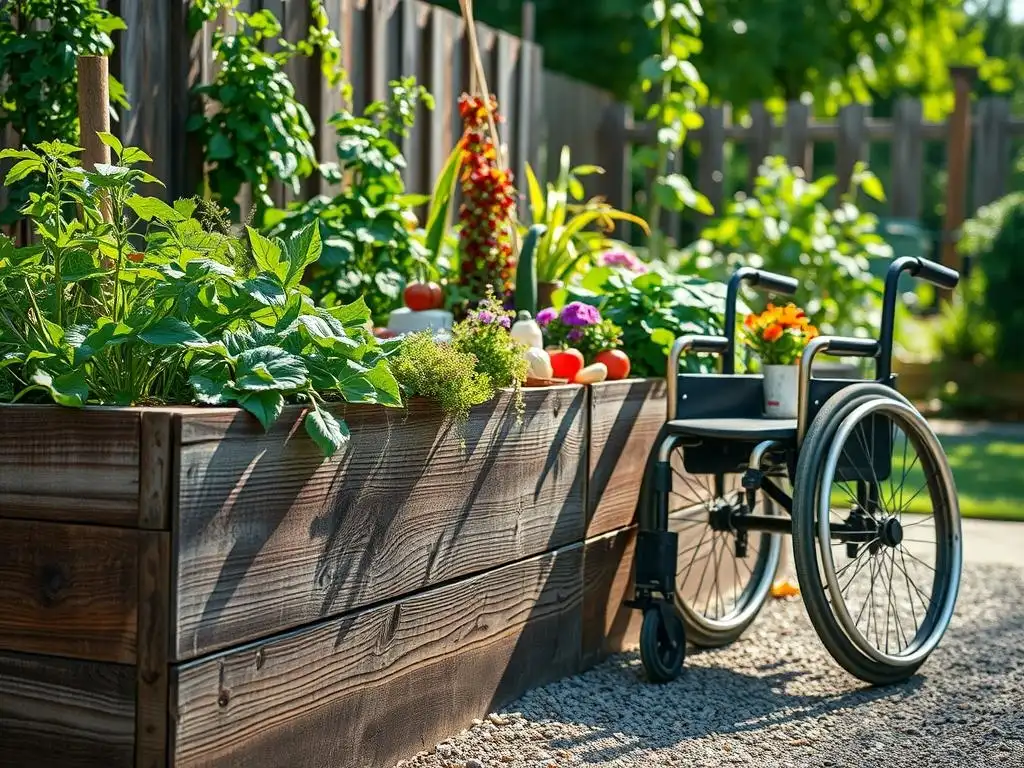
Creating a thriving, accessible garden doesn't require breaking the bank. With careful planning and resourceful techniques, you can cultivate a beautiful and productive space without compromising on your comfort or budget. This section provides practical, budget-friendly strategies for maintaining your wheelchair-accessible garden, focusing on pest control, water conservation, and weed management. These accessible wheelchair gardening tips will help you enjoy your garden without straining your finances.
Natural Pest Control Methods for Accessible Gardens
Dealing with pests is an inevitable part of gardening, but expensive chemical pesticides aren't necessary. Many effective, affordable, and accessible natural pest control methods exist. These methods are crucial for maintaining a healthy and productive garden while staying within a budget.
Many organic pest control solutions can be created at home using readily available ingredients. For example, a simple solution of water and dish soap can effectively control aphids and other soft-bodied insects. Simply mix a few drops of dish soap into a spray bottle of water and apply directly to affected plants. Remember to test this solution on a small area first to ensure it doesn't harm your plants.
Another effective and affordable method is companion planting. Certain plants repel pests naturally. For instance, planting marigolds near your vegetables can deter nematodes and other common garden pests. Basil is another great companion plant, helping to repel many insects that target tomatoes and other vegetables. Researching effective companion plant pairings for your specific garden setup is a valuable, budget-friendly, and accessible wheelchair gardening tip.
Consider introducing beneficial insects to your garden. Ladybugs, lacewings, and praying mantises are natural predators of many common garden pests. Attracting these beneficial insects can significantly reduce your reliance on chemical pesticides. You can attract them by planting flowers that provide nectar and pollen, such as sunflowers or dill. This strategy is both environmentally friendly and cost-effective.
Water Conservation Strategies for Wheelchair Gardens
Water is essential for a healthy garden, but excessive water use can quickly increase costs. Implementing water conservation strategies is crucial for both your budget and the environment. These accessible wheelchair gardening tips ensure that your garden thrives while minimizing water waste.
Consider using a drip irrigation system. These systems deliver water directly to the roots of your plants, minimizing evaporation and runoff. A simple drip irrigation system can be created using inexpensive materials like tubing and drippers. This method is particularly beneficial for wheelchair users as it eliminates the need for manual watering, reducing physical strain.
Mulching is another excellent water conservation technique. A layer of mulch around your plants helps retain soil moisture, reducing the frequency of watering. Organic mulches such as straw, wood chips, or shredded leaves are readily available and affordable. The mulch also helps suppress weeds, reducing the need for weeding, another accessible wheelchair gardening tip to save time and money.
Collect rainwater. Installing a rain barrel is a simple and inexpensive way to collect rainwater for your garden. This harvested water is free and ideal for irrigation. Consider positioning the rain barrel at a height accessible for easy use from your wheelchair.
Regularly check your irrigation system for leaks and make necessary repairs promptly. Addressing leaks prevents water waste and saves money in the long run. This small step can significantly impact your water bill and demonstrates responsible gardening practices.
Simple and Affordable Weed Control Techniques
Weeds compete with your plants for resources, hindering their growth. Effective weed control is important, but expensive herbicides are unnecessary. Several simple and affordable techniques can keep weeds at bay. These accessible wheelchair gardening tips will keep your garden looking its best without exceeding your budget.
Mulching, as mentioned earlier, is highly effective in weed suppression. The mulch acts as a physical barrier, preventing weed seeds from germinating and existing weeds from growing.
Regular weeding is essential, but it can be physically demanding. Using tools with ergonomic designs or long handles can make weeding easier and more accessible for wheelchair users. Consider using a hoe or cultivator to remove weeds between rows. These tools allow for efficient weed removal while minimizing physical exertion.
Hand weeding is often the most effective method for small areas. If hand weeding is difficult, consider using a weeding tool with a long handle or a seated weeding position to maintain comfort and efficiency. Remember to discard weeds promptly to prevent them from spreading seeds. This careful attention to detail is a simple yet effective accessible wheelchair gardening tip.
Remember that consistent effort is key to effective weed control. Regular, even if infrequent, weeding sessions will help keep weeds under control and minimize the need for more intensive methods later on. Prioritizing accessible wheelchair gardening tips makes this task manageable and sustainable.
Long-Term Maintenance Strategies for Accessible Raised Beds
Maintaining accessible raised beds over the long term requires a proactive approach that balances cost-effectiveness with the need for ongoing accessibility. Regular inspections are crucial. At least once a month, check the structural integrity of your raised beds. Look for signs of warping, rotting, or damage from pests like termites.
Early detection can prevent costly repairs down the line. Addressing minor issues promptly is far cheaper than replacing entire sections of your garden. For instance, if you notice a board starting to rot, replace it immediately rather than waiting until the entire bed is compromised. This preventative maintenance is key to keeping your accessible wheelchair gardening project affordable.
Choosing durable materials from the outset significantly impacts long-term maintenance costs. While pressure-treated lumber might seem expensive initially, its longevity and resistance to rot ultimately save money compared to cheaper alternatives that require frequent replacement. Similarly, investing in high-quality hardware, such as galvanized screws and brackets, prevents rust and ensures the structure remains stable for years. Consider the overall cost of materials over their lifespan, not just the upfront expense. A slightly higher initial investment in robust materials translates to lower maintenance costs and fewer accessibility issues in the future.
Regular cleaning is another vital aspect of long-term maintenance. Remove weeds promptly to prevent competition for nutrients and to avoid structural damage caused by their roots. This also helps prevent pest infestations. Cleaning can be simplified by using weed barrier fabric under the soil.
While this adds to the initial cost, it dramatically reduces weeding time and effort over the years, saving you both time and money. Furthermore, the use of mulch not only suppresses weeds but also retains soil moisture, reducing the need for frequent watering and saving on water bills. Remember, a well-maintained garden is an accessible garden, and regular, preventative maintenance is the most budget-friendly approach in the long run. Planning for long-term maintenance from the beginning is essential for accessible and sustainable wheelchair gardening.
Additional Tips for Accessible Wheelchair Gardening
This section expands on creating a truly accessible and enjoyable gardening experience from a wheelchair. We'll explore ways to enhance sensory engagement, cultivate a therapeutic environment, and leverage technology to simplify tasks. Remember, the goal is to make gardening a fulfilling and accessible activity for everyone.
Incorporating Sensory Elements into Your Garden Design
Designing a garden that stimulates multiple senses enhances the overall experience, particularly for wheelchair users who may have limited mobility. Think beyond just visual appeal; engage the senses of smell, touch, and sound.
Consider these sensory additions:
- Fragrant Flowers: Incorporate plants with strong, pleasant aromas like lavender, rosemary, and jasmine. Place them at a reachable height for easy smelling. The calming scent of lavender, for instance, is known to reduce stress and anxiety. Strategically placing aromatic herbs near seating areas allows for easy enjoyment.
- Textured Plants: Include plants with varied textures – soft velvety leaves (like lamb's ear), rough bark (certain shrubs), or spiky foliage (such as certain succulents). These offer tactile stimulation and add visual interest. Ensure these textured plants are placed within comfortable reach.
- Sound-Enhancing Features: The gentle sound of running water can be incredibly soothing. A small, easily accessible fountain or a bird bath can add a calming auditory element to your garden. The chirping of birds attracted to the water further enhances the sensory experience. Consider placing a wind chime within easy reach for a pleasant auditory experience.
- Color Coordination: While visually appealing, color also affects mood. Warm colors like reds and oranges can be energizing, while cooler blues and greens have a calming effect. Consider the emotional impact of color when choosing plants and garden accessories. For example, a predominantly blue and green palette can create a peaceful and relaxing atmosphere.
Remember to consider the placement of these sensory elements. Everything should be within easy reach and view from a wheelchair.
Creating a Relaxing and Therapeutic Garden Space
Gardening can be a powerful therapeutic activity. Creating a relaxing and calming garden space is crucial for accessibility and well-being.
Here are some suggestions for creating a therapeutic garden environment:
- Comfortable Seating: Invest in comfortable, adjustable seating that allows for easy access and a good view of the garden. Consider a wheelchair-accessible bench or a raised garden bed with built-in seating. The right seating is essential for extended periods of gardening.
- Shade and Shelter: Provide ample shade and shelter from the elements. A pergola, awning, or strategically placed trees can offer protection from the sun and rain. This is crucial for comfort and prevents overheating, especially during hotter months.
- Easy Navigation: Ensure clear, wide pathways for easy wheelchair navigation. Avoid obstacles and uneven terrain. A well-maintained, smooth surface is essential for safe and comfortable movement within the garden.
- Low-Maintenance Plants: Opt for low-maintenance plants to reduce physical exertion. Consider drought-tolerant species and plants that require minimal pruning. This minimizes the physical effort required for garden upkeep.
By incorporating these elements, you can transform your garden into a sanctuary for relaxation, reflection, and therapeutic gardening.
Utilizing Technology to Enhance Accessibility (e.g., apps for plant care)
Technology can significantly enhance accessibility in gardening. Several apps and tools are designed to simplify tasks and provide valuable information:
- Plant Care Apps: Numerous smartphone apps offer detailed plant care information, including watering schedules, fertilization tips, and pest control advice. These apps can be invaluable for managing a garden, especially for those with limited mobility. Some apps even provide reminders for tasks, ensuring timely care.
- Smart Irrigation Systems: Automated irrigation systems can significantly reduce the physical effort required for watering. These systems can be programmed to water plants at specific times and intervals, eliminating the need for manual watering. This is particularly helpful for individuals with limited upper body strength or dexterity.
- Raised Garden Beds with Automated Features: Some raised garden beds incorporate features like automated watering systems or built-in lighting. These features can simplify gardening tasks and make them more accessible. Consider the long-term benefits and the potential cost savings associated with automated systems.
- Voice-Activated Assistants: Voice-activated assistants can be used to control smart devices, such as irrigation systems or lighting. This hands-free control is particularly beneficial for individuals with limited mobility.
By strategically integrating technology, you can create a more efficient and accessible gardening experience, tailored to individual needs and preferences. The use of technology is not just about convenience; it's about inclusivity and empowerment.
Resources and Support for Wheelchair Gardeners
Finding the right resources and support can significantly enhance your wheelchair gardening experience. Several organizations and communities are dedicated to promoting accessible gardening and providing assistance to individuals with disabilities. These resources can offer invaluable advice, practical tips, and even direct support in establishing and maintaining your garden. For example, some local horticultural societies or community gardens may offer adapted tools or workshops specifically designed for wheelchair users. Connecting with these groups can provide a supportive network of like-minded individuals facing similar challenges and successes.
Beyond local organizations, online communities and forums dedicated to accessible gardening can be a treasure trove of information. Sharing experiences, troubleshooting problems, and celebrating successes with other wheelchair gardeners can be incredibly motivating and helpful. These online spaces often feature discussions on adaptive gardening techniques, tool recommendations, and even plant selections that are particularly suitable for accessible gardening practices. Don't underestimate the power of online peer support – it's a vital resource often overlooked.
Furthermore, consider researching local government programs or disability services that might offer grants or subsidies for accessible gardening projects. These programs can provide financial assistance to help cover the costs of raised beds, adaptive tools, or other necessary modifications to create a fully accessible garden space. Investigating these opportunities can significantly reduce the financial burden often associated with setting up an accessible garden, making the entire process more manageable and achievable.
Remember to thoroughly research available programs in your specific area, as eligibility criteria and funding amounts can vary. The effort put into finding and applying for these resources can pay off handsomely in the long run.
Finally, don't hesitate to reach out to occupational therapists or other healthcare professionals who specialize in assistive technology. They can provide personalized recommendations for adapted tools and techniques that best suit your individual needs and physical capabilities, ensuring your garden is both productive and comfortable for you to manage.
Frequently Asked Questions
What are some budget-friendly ways to create a wheelchair-accessible garden?
Raised garden beds are a cost-effective and accessible solution. Repurposed materials like pallets or old tires can be used to build them, significantly reducing costs. Consider using readily available, inexpensive soil.
How can I ensure easy access to my garden while in a wheelchair?
Plan wide, smooth pathways between your raised beds or planting areas. Avoid obstacles like uneven ground or overhanging branches. A hard, level surface is crucial for easy maneuverability.
What tools are best suited for wheelchair gardening?
Choose long-handled tools to avoid bending or stretching. Consider using seated gardening tools or adapting existing tools with extensions. Ergonomic designs can minimize strain and improve comfort.
What plants are easiest to grow in a wheelchair-accessible garden?
Select low-maintenance plants that require minimal bending or reaching. Bush beans, strawberries, and herbs grown in containers are excellent choices. Consider vertical gardening techniques to maximize space and accessibility.
How can I manage pests and diseases in an accessible garden?
Use organic pest control methods to avoid harmful chemicals. Regular inspection and early intervention are key. Choose disease-resistant plant varieties and ensure proper spacing for good air circulation.
Final Reflection: Blooming Accessibility: Cultivating Joy in Every Garden
Creating accessible gardens isn't just about ramps and wide pathways; it's about fostering a sense of independence, joy, and connection with nature for everyone. The practical tips explored in this article – from raised beds and adaptive tools to smart irrigation systems – represent a significant step towards making the simple pleasure of gardening attainable for wheelchair users. This is more than just a hobby; it's a vital pathway to improved physical and mental well-being.
The impact of accessible gardening extends far beyond the individual gardener. It challenges societal perceptions of disability, demonstrating that with a little creativity and consideration, inclusive spaces can be easily created. The ability to nurture life, to feel the earth beneath your fingertips, and to witness the fruits (or flowers!) of your labor is a powerful experience, regardless of physical limitations. Gardening is a form of prayer; it is a conversation between you and nature.
This sentiment, though simple, speaks volumes about the profound connection we can forge with the natural world, a connection that should be accessible to all.
Consider the possibilities. Think about the simple act of planting a seed, watching it grow, and harvesting its bounty – a journey filled with patience, resilience, and ultimately, immense satisfaction. You can be a part of this movement towards greater inclusivity. Start small, adapt your existing garden, or simply share this information with others. Let's work together to ensure that the beauty and therapeutic benefits of gardening are available to everyone, regardless of their physical abilities. Let's cultivate a world where every garden truly blooms for all.
Unleash Your Green Thumb: Grow a Thriving Wheelchair Garden!
Thank you for exploring budget-friendly ways to create your dream wheelchair garden! We hope you feel inspired and ready to begin. Let's turn those ideas into reality.
- Plan your space carefully: Start by sketching a design that prioritizes accessibility and features your favorite plants. This is crucial for a successful and enjoyable gardening experience.
- Share your progress: Show off your garden plans (and your inspiration!) on social media using #WheelchairGardening and #CultivateYourFood – let's build a supportive community of accessible gardeners!
- Start small, then expand: Don't hesitate to experiment with different plants and techniques. What's your first gardening goal?
Ready to transform your outdoor space into a vibrant, accessible oasis?