
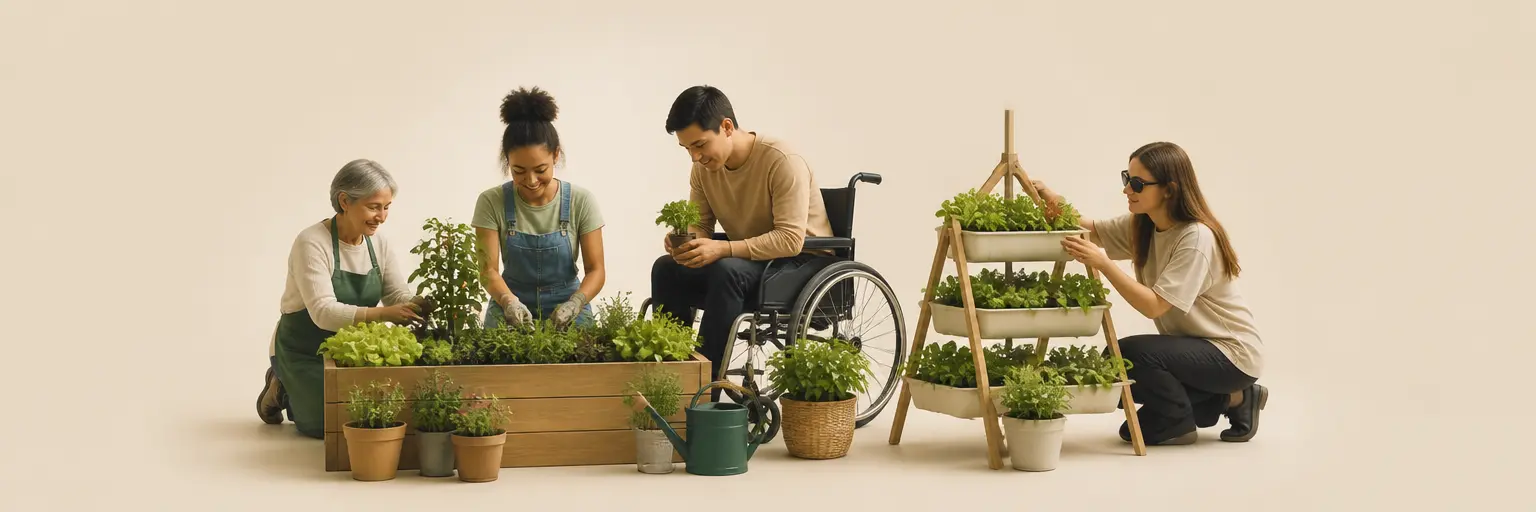
Wheelchair Gardening: Avoiding Common Mistakes and Challenges
Discover Gardening for Specific Needs with practical, inclusive guidance from CultivateYourFood 🌱 Learn how to create a comfortable, accessible home garden and choose sustainable, organic techniques that support different lifestyles and sensitivities. From thoughtful garden planning to low-allergen planting, natural pest control, composting, and harvesting, find simple ways to grow fresh fruits, vegetables, and herbs with confidence. Cultivate a healthier, more enjoyable gardening experience for everyone!
18 articles
The Importance of Planning for Wheelchair Accessibility in Garden Design
Natural Allergy Relief: How Your Garden Can Help Soothe Symptoms
AllergyFriendly Herbs: Adding Flavor without Triggering Symptoms
The Science Behind Allergies in the Garden: Understanding Reactions
WheelchairAccessible Greenhouses and Garden Structures
Accessible Garden Design: Incorporating Ramps and Gentle Slopes
The Psychological Benefits of Gardening for Allergy Sufferers
BudgetFriendly Ideas for Creating a Wheelchair Garden
Gardening for Specific Needs helps every gardener create a productive, comfortable, and sustainable growing space. At CultivateYourFood, discover practical guidance for adapting home gardens to different abilities, health requirements, and sensitivities while growing fresh fruits, vegetables, and herbs using organic methods.
Whether you are designing a wheelchair accessible garden or choosing plants for allergy-friendly gardening, this category offers useful advice on garden layout, raised beds, containers, paths, irrigation, soil health, composting, harvesting, and natural pest control. Learn how to make gardening safer, more enjoyable, and easier to maintain without sacrificing productivity or environmental responsibility.
♿ Creating a Wheelchair Accessible Garden
Explore practical ideas for designing a wheelchair accessible garden that supports independence, comfort, and easy movement. Readers can learn about wide, stable pathways, smooth surfaces, accessible gates, suitable garden heights, and raised beds that make planting, watering, weeding, and harvesting more manageable from a seated position.
This section also covers accessible container gardening, vertical growing systems, ergonomic tools, drip irrigation, and low-maintenance organic gardening techniques. Discover how thoughtful garden planning can improve reach, reduce bending and strain, and help gardeners grow herbs, vegetables, and fruit in a safe and welcoming outdoor space.
🌼 Gardening for Allergy Sufferers
Learn how to create a more comfortable garden for allergy sufferers by selecting suitable plants and reducing common sources of pollen and irritation. This section explains how plant choice, garden placement, pruning, watering, and regular maintenance can help limit airborne allergens while preserving a productive home garden.
Readers can explore low-pollen flowers, allergy-friendly herbs, fruit and vegetable growing, organic weed control, and strategies for managing mold, dust, and pollen. Practical advice helps sensitive gardeners enjoy planting and harvesting while making informed decisions about garden design and seasonal maintenance.
❓ Frequently Asked Questions
What makes a garden wheelchair accessible?
A wheelchair accessible garden typically includes wide, firm, level paths, easy-to-open gates, reachable raised beds, and clear turning areas. Raised planters, containers, and vertical gardens can place crops within a comfortable range for planting and harvesting.
Which garden surfaces are best for wheelchair access?
Stable surfaces such as compacted gravel, concrete, paving, or well-installed decking are generally easier to navigate than loose soil, deep mulch, or uneven grass. Paths should be kept clear, well-drained, and wide enough for safe movement and turning.
What are the best plants for allergy sufferers?
Many allergy sufferers prefer plants with low airborne pollen, including several fruiting vegetables, leafy greens, herbs, and plants pollinated by insects rather than wind. Always consider personal sensitivities, local growing conditions, and advice from a healthcare professional.
How can organic gardening reduce allergy triggers?
Regularly removing weeds before they flower, using mulch to suppress weeds, reducing dusty soil, and watering gently can help lower potential irritants. Choosing healthy plants and avoiding unnecessary chemical sprays also supports a cleaner, more sustainable garden environment.
Can accessible and allergy-friendly gardening be combined?
Yes. Features such as raised beds, container gardens, drip irrigation, smooth pathways, and low-pollen plant selections can benefit both wheelchair users and allergy sufferers. Careful planning makes gardening easier to maintain, more comfortable, and highly productive.