
The Impact of Weather: How Climate Affects Vegetable Harvest Timing

Ready to unlock the secrets to a bountiful harvest, no matter the weather? At CultivateYourFood, we empower you to grow your own fruits, vegetables, and herbs organically. But did you know that climate plays a crucial role in your vegetable harvest timing? Learn how to anticipate and adapt to the impact of weather patterns with our in-depth guide on "Vegetable harvest timing climate impact", found within our Harvesting and Preserving section. Discover the techniques that will ensure a thriving garden, regardless of the season!
- Understanding Vegetable Harvest Timing and Climate
- Predicting Harvest Time Based on Climate Data
- Adapting Your Vegetable Garden to Climate Variations
- The Impact of Climate Change on Vegetable Harvest Timing
- Optimizing Vegetable Harvest Timing for Maximum Yield and Quality
-
Frequently Asked Questions
- How does climate affect my vegetable harvest?
- What are the key climate factors influencing harvest time?
- Can I predict my harvest based solely on climate data?
- How can I adjust my planting schedule to account for climate variations?
- What are some strategies to mitigate the impact of adverse weather on my harvest?
- Final Reflection: Sowing Seeds of Change: Understanding Climate's Impact on Our Food
- Unlock Your Garden's Potential: Time Your Harvest Like a Pro
Understanding Vegetable Harvest Timing and Climate
Understanding the optimal time to harvest your homegrown vegetables is crucial for maximizing yield and flavor. This isn't simply a matter of counting days from planting; the unpredictable nature of weather significantly impacts vegetable maturation, influencing everything from growth rate to the final quality of your produce.
This article will explore the key climatic factors – temperature, sunlight, and rainfall – and how they directly affect your vegetable harvest timing, ultimately helping you cultivate a bountiful and delicious harvest, even in the face of variable weather conditions. Mastering the interplay between climate and your vegetable garden is key to successful organic gardening, ensuring you reap the rewards of your labor at the peak of ripeness.
We'll delve into practical strategies to help you adapt your gardening practices to your specific climate and ensure a thriving vegetable patch year after year. This guide is essential for anyone aiming to achieve optimal Vegetable harvest timing climate impact.
The Crucial Role of Temperature in Vegetable Maturation
Temperature plays a pivotal role in the growth cycle of vegetables. Each vegetable has an optimal temperature range for germination, growth, and fruit development. For example, cool-season crops like lettuce and spinach thrive in temperatures between 55-65°F (13-18°C), while warm-season crops like tomatoes and peppers prefer temperatures above 65°F (18°C). Deviations from these ideal temperatures can significantly impact the timing of your harvest. Prolonged periods of extreme heat can stress plants, leading to slower growth and potentially smaller yields. Conversely, unexpectedly cold snaps can damage or even kill sensitive plants, delaying or preventing harvest altogether.
Understanding your local climate's temperature patterns throughout the growing season is critical. Consider using a minimum/maximum thermometer to monitor temperatures in your garden, particularly during critical growth stages. This allows you to identify potential problems early on and take preventative measures, such as providing shade during heatwaves or protecting plants from frost. Careful temperature monitoring directly translates to more predictable and successful Vegetable harvest timing climate impact. Furthermore, choosing vegetable varieties adapted to your local climate is essential for optimal results.
Sunlight Exposure and its Influence on Harvest Readiness
Sunlight is the engine of photosynthesis, the process by which plants convert light energy into chemical energy for growth. Insufficient sunlight can lead to slow growth, delayed maturation, and reduced yields. The ideal amount of sunlight varies depending on the vegetable type; some, like leafy greens, can tolerate partial shade, while others, like tomatoes and peppers, require at least six hours of direct sunlight daily.
The intensity and duration of sunlight throughout the day and across the growing season directly affect harvest timing. Vegetables grown in areas with consistently bright sunlight will generally mature faster than those grown in shadier locations. Moreover, the angle of the sun varies throughout the year; during the shorter days of winter, plants receive less intense sunlight, slowing down growth.
This emphasizes the importance of choosing a sunny location for your vegetable garden and understanding how seasonal changes in sunlight will affect your planting and harvest schedule. This knowledge is key to optimizing Vegetable harvest timing climate impact. Consider using sun tracking apps or simply observing the sunlight patterns in your garden to make informed planting decisions.
Rainfall and Irrigation: Impact on Vegetable Growth Cycles
Adequate moisture is essential for healthy vegetable growth, but too much or too little rainfall can significantly affect harvest timing. Droughts can stunt growth and lead to smaller, less flavorful fruits and vegetables, potentially delaying harvest. Conversely, excessive rainfall can lead to waterlogged soil, root rot, and other diseases that can damage plants and reduce yields. Consistent soil moisture is key.
Effective irrigation strategies are crucial for managing rainfall variability. Regular watering, particularly during dry periods, ensures that plants receive the moisture they need to thrive. However, avoid overwatering, which can lead to problems as previously mentioned.
Using mulch can help to retain soil moisture, reducing the frequency of watering needed, and improving the overall Vegetable harvest timing climate impact. Monitoring soil moisture levels regularly, either by feeling the soil or using a moisture meter, will help you to fine-tune your irrigation practices and achieve the best results. Consider using rain barrels to collect rainwater for irrigation, enhancing sustainability and reducing water waste.
Predicting Harvest Time Based on Climate Data
Understanding the precise impact of weather on vegetable harvest timing is crucial for maximizing yield and quality. While general guidelines exist for planting and harvesting, these are often insufficient without considering the specific climatic conditions of your location. This section explores how leveraging climate data – both current and historical – can significantly improve your harvest planning and yield.
Mastering this skill translates to a more abundant and reliable harvest, a key aspect of successful home vegetable gardening, aligning perfectly with the principles of sustainable and organic practices. The keyword "Vegetable harvest timing climate impact" is central to this understanding.
Utilizing Local Weather Forecasts for Optimal Harvesting
Accurate, short-term weather forecasts are invaluable tools for fine-tuning your harvest schedule. Instead of relying solely on calendar dates, monitor daily temperature fluctuations, rainfall predictions, and potential frost warnings. For instance, a sudden drop in temperature below freezing can severely damage sensitive crops like tomatoes and peppers, necessitating an immediate harvest, even if they haven't reached their peak ripeness. Conversely, extended periods of high heat can accelerate ripening, requiring you to check your vegetables more frequently to avoid over-ripening and subsequent spoilage.
Many weather apps provide hyperlocal forecasts, offering granular data down to your specific zip code. This level of detail is crucial for precise vegetable harvest timing, especially considering microclimate variations discussed later. Paying attention to these details directly influences the quality and quantity of your harvest, showcasing the importance of the "Vegetable harvest timing climate impact".
Historical Climate Data and its Predictive Value for Harvest Planning
Looking beyond immediate weather forecasts, analyzing historical climate data for your region provides a broader perspective on long-term trends and average growing conditions. This data, often available through local agricultural extension offices or online meteorological databases, helps establish baseline expectations for your vegetable harvest timing. For example, if your area has historically experienced an early frost in late October, you can adjust your planting schedule accordingly to ensure your late-season crops are harvested before the first frost.
This long-term perspective allows for more proactive planning, reducing the risk of crop loss due to unexpected weather events. By combining historical data with current forecasts, you can develop a more robust and reliable harvest plan, minimizing the negative impact of climate variability on your vegetable harvest timing. This approach embodies the core principle of sustainable gardening: working with nature rather than against it.
Microclimates and Their Effects on Vegetable Harvest Timing
Even within a small area, microclimates can significantly influence vegetable harvest timing. A south-facing slope, for example, will receive more sunlight and warmth than a north-facing slope, leading to faster ripening times for sun-loving vegetables. Similarly, areas sheltered from strong winds or close to a water source will experience different temperature and humidity levels, impacting plant growth and harvest readiness. Consider the specific location of your vegetable beds within your garden.
Observe the microclimate conditions – sunlight exposure, wind protection, soil moisture – and adjust your harvest plan accordingly. Detailed observation and careful record-keeping of your specific microclimate can improve the accuracy of your harvest predictions, leading to better yields and higher-quality produce. Understanding these nuances significantly enhances your capacity to manage the "Vegetable harvest timing climate impact" within your home garden.
Adapting Your Vegetable Garden to Climate Variations
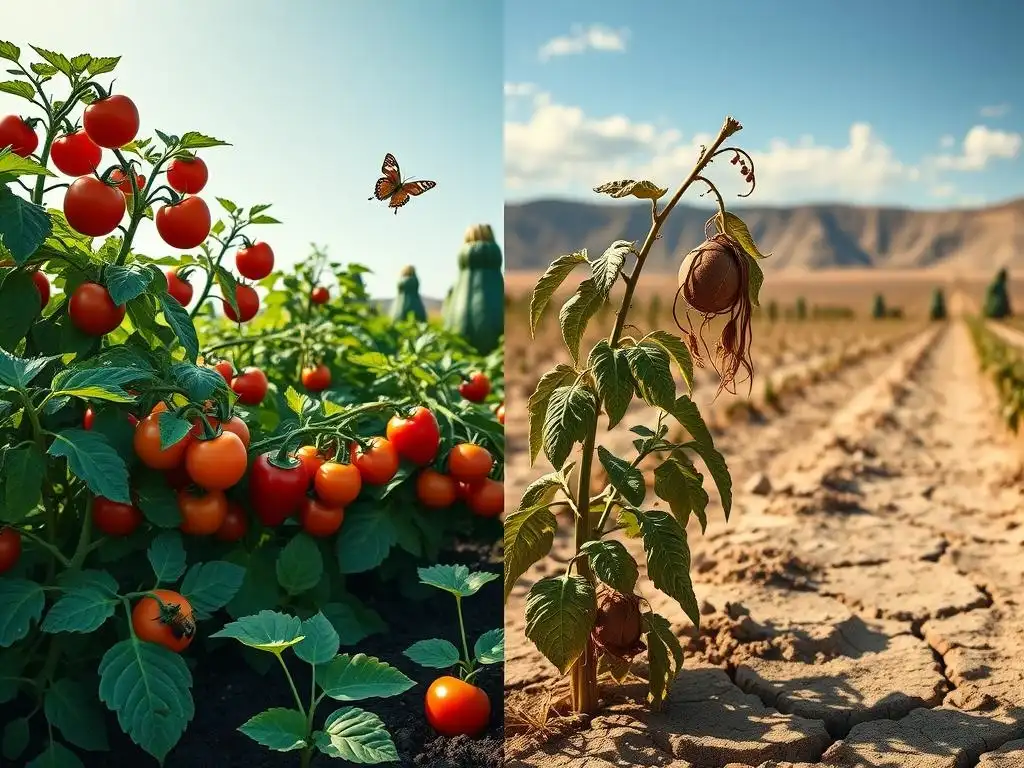
Understanding the impact of weather on vegetable harvest timing is crucial for successful gardening. The "Vegetable harvest timing climate impact" is significant, influencing not only the ripeness of your produce but also the overall yield. This section delves into practical strategies to mitigate the effects of unpredictable weather patterns and ensure a bountiful harvest, regardless of climatic fluctuations. We'll explore how to choose the right plants, manage water effectively, and protect your crops from harsh conditions.
Selecting Climate-Resilient Vegetable Varieties
Choosing vegetable varieties specifically adapted to your local climate is paramount. Different vegetables possess varying degrees of tolerance to heat, cold, drought, and excessive moisture. For instance, heat-tolerant varieties like certain types of tomatoes and peppers thrive in warmer climates and will produce a good harvest even during heatwaves, while cold-hardy crops such as kale and spinach can withstand cooler temperatures and frost.
Consider your region's average temperatures, rainfall, and sunlight hours when selecting seeds or seedlings. Consult seed catalogs or your local nursery for information on the specific climate requirements of each vegetable variety. Look for descriptions that highlight characteristics like "heat-tolerant," "cold-hardy," "drought-resistant," or "disease-resistant." Investing in resilient varieties significantly reduces the risk of crop failure due to unexpected weather events. This proactive approach minimizes the impact of climate on your vegetable harvest timing, ensuring a more predictable and successful growing season. Careful selection of seeds can significantly improve your chances of a successful harvest, even with unpredictable weather.
Implementing Water Management Strategies for Consistent Harvests
Water management is another critical factor influencing vegetable harvest timing. Insufficient or excessive watering can significantly affect plant growth and development, leading to delayed or reduced harvests. Consistent moisture levels are crucial for optimal growth and fruit production.
Implementing efficient irrigation techniques, such as drip irrigation or soaker hoses, ensures that water reaches the roots directly, minimizing water loss through evaporation. Mulching around your plants helps retain soil moisture, reducing the frequency of watering and protecting roots from extreme temperatures. Regularly monitor soil moisture levels using a moisture meter or by simply feeling the soil.
Water deeply and less frequently rather than shallowly and often, encouraging deep root growth and drought tolerance. Proper water management contributes greatly to consistent vegetable harvest timing, ensuring a steady supply of fresh produce throughout the growing season. Careful observation and adjustment based on weather conditions are key to success.
Utilizing Protective Measures Against Extreme Weather Conditions
Extreme weather events, such as heatwaves, frosts, and strong winds, can severely damage vegetable crops, impacting harvest timing and yield. Employing protective measures can significantly mitigate these risks.
For frost protection, consider using row covers or cloches to shield delicate seedlings and plants from freezing temperatures. During heatwaves, provide shade for heat-sensitive vegetables using shade cloth or by strategically planting taller plants to create natural shade. Windbreaks, such as hedges or strategically placed barriers, can protect plants from strong winds that can damage foliage and reduce yields.
Consider using sturdy cages or stakes to support plants vulnerable to wind damage. These protective measures ensure that your vegetables remain healthy and productive, even during periods of extreme weather, leading to more consistent and predictable vegetable harvest timing. Proactive protection is a critical element of successful gardening in variable climates.
The Impact of Climate Change on Vegetable Harvest Timing
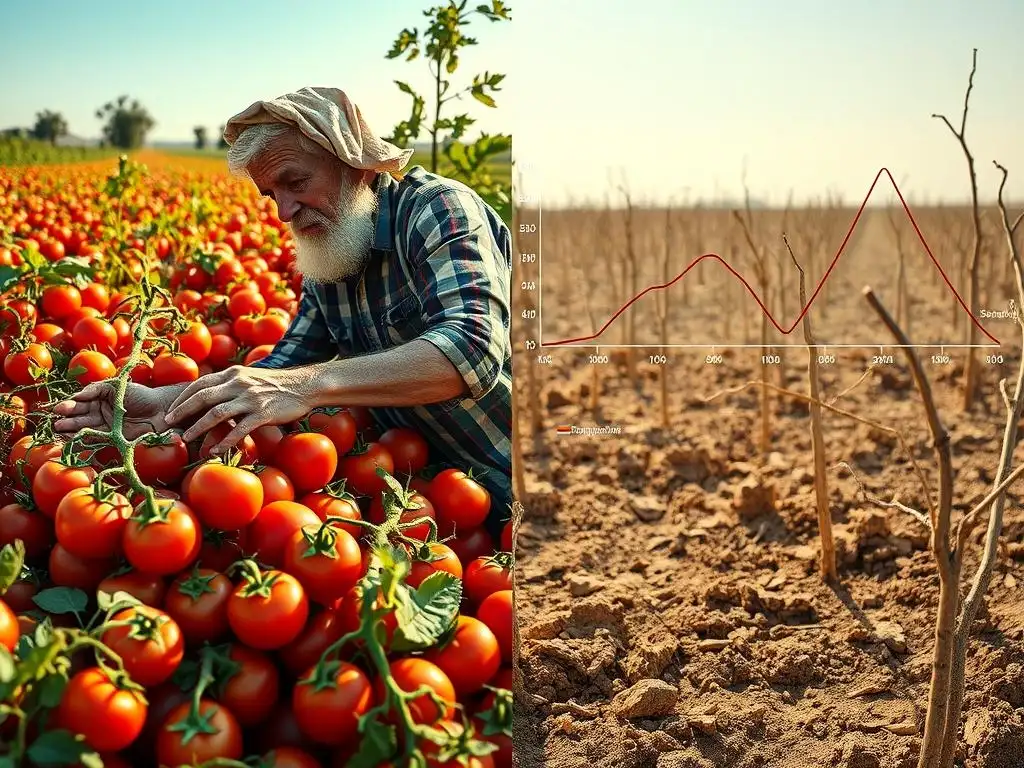
Climate change significantly alters the established norms of vegetable harvest timing, presenting both challenges and opportunities for home gardeners and farmers alike. Understanding these shifts is crucial for optimizing yields and ensuring a consistent supply of fresh produce. This section delves into the specific ways climate change impacts vegetable harvest schedules, focusing on the shifting growing seasons, increased frequency of extreme weather events, and strategies for mitigation. The term "vegetable harvest timing climate impact" encapsulates the core issue, highlighting the critical relationship between climate and the optimal time for harvesting various vegetables.
Shifting Growing Seasons and Their Implications for Harvesting
The most noticeable effect of climate change on vegetable harvest timing is the alteration of growing seasons. Warmer temperatures and changes in precipitation patterns are causing growing seasons to lengthen in some areas and shorten in others. This shift has profound implications for vegetable production.
For instance, traditionally cool-season crops like lettuce and spinach may experience accelerated growth, leading to earlier harvests but potentially compromising quality if temperatures rise too quickly. Conversely, warm-season crops like tomatoes and peppers might face delayed harvests due to prolonged periods of cooler temperatures in spring, or even suffer from heat stress during extended periods of summer heat.
This variation impacts not only the timing of the harvest but also the overall yield. A shorter growing season can significantly reduce the amount of produce obtained from a single planting. Conversely, an extended season, while seemingly beneficial, can lead to challenges in managing pests and diseases over a longer period.
For example, a longer growing season for tomatoes could increase the risk of blight infestations, requiring more vigilant monitoring and preventative measures. Precise data on the extent of these shifts varies regionally, demanding localized monitoring and adaptation strategies tailored to specific microclimates and vegetable types. Further research on localized climate shifts and their impact on specific vegetable varieties is needed for more precise predictions.
Increased Frequency of Extreme Weather Events and Harvest Impacts
Beyond gradual shifts in growing seasons, climate change also manifests in the increased frequency and intensity of extreme weather events. These events – including heatwaves, droughts, floods, and intense storms – can severely disrupt vegetable harvest timing and significantly impact yields. Heatwaves, for instance, can cause rapid ripening and even damage to heat-sensitive crops like leafy greens, resulting in premature harvesting or complete crop failure. Droughts lead to stunted growth and reduced yields, necessitating earlier harvesting of smaller, less-desirable produce. Conversely, heavy rainfall and flooding can damage or destroy crops entirely, rendering any harvest impossible.
The unpredictability of these events adds complexity to planning harvest schedules. Farmers and home gardeners alike must develop strategies to mitigate the risks associated with these unpredictable occurrences. This might involve implementing drought-resistant irrigation systems, employing early warning systems for extreme weather, or diversifying crop choices to include species that are more tolerant to extreme conditions.
For example, selecting heat-tolerant tomato varieties can lessen the impact of a heatwave on the harvest. The economic repercussions of these events can be considerable, impacting food security and market prices. More detailed studies on the economic implications of extreme weather on specific vegetable production areas are essential.
Strategies for Mitigating Climate Change Effects on Vegetable Production
Adapting to the challenges posed by climate change requires a multifaceted approach. Several strategies can mitigate the negative effects on vegetable harvest timing and overall yield. These include:
- Choosing Climate-Resilient Varieties: Selecting vegetable varieties specifically bred for tolerance to heat, drought, or other extreme weather conditions is paramount. Many seed companies now offer such varieties.
- Implementing Water-Wise Irrigation: Efficient irrigation techniques, such as drip irrigation, can help conserve water during droughts and ensure consistent growth.
- Utilizing Protective Structures: Using greenhouses, row covers, or shade cloth can help protect crops from extreme temperatures and weather events.
- Improving Soil Health: Healthy soil retains water better and is more resilient to drought and other stresses. Composting and other soil-building practices are essential.
- Diversifying Crops: Planting a variety of vegetable types reduces the risk of total crop loss due to a specific weather event.
- Monitoring Weather Forecasts: Closely monitoring weather forecasts allows for timely adjustments to harvesting schedules and protective measures.
By implementing these strategies, home gardeners and farmers can significantly improve their resilience to the impacts of climate change on vegetable production and ensure a more consistent and reliable harvest, even in the face of changing weather patterns. Further research into climate-specific agricultural practices and the development of new, resilient crop varieties will be crucial in the coming years.
Optimizing Vegetable Harvest Timing for Maximum Yield and Quality
Optimizing vegetable harvest timing is crucial for maximizing yield and ensuring high-quality produce. Harvesting too early results in smaller, less flavorful vegetables, while harvesting too late can lead to tough, woody textures and reduced nutritional value. The ideal harvest time varies greatly depending on the specific vegetable, its variety, and prevailing climatic conditions. This section will delve into the specifics of optimizing harvest timing to achieve the best results from your home garden. Understanding the interplay between vegetable harvest timing and climate is key to success.
Recognizing Signs of Vegetable Maturity for Timely Harvesting
Determining the optimal harvest time requires keen observation and an understanding of the specific characteristics of each vegetable. Here's a breakdown of some key indicators:
- Tomatoes: Look for deep color, a slight give when gently squeezed, and a fully developed aroma. Avoid harvesting green tomatoes unless you plan to ripen them indoors. Late-season tomatoes might be affected by early frost, impacting their vegetable harvest timing climate impact.
- Cucumbers: Harvest when the cucumbers are firm, have reached their desired size, and have a smooth skin. Overripe cucumbers will be bitter and seedy. The optimal harvest window for cucumbers is particularly sensitive to temperature fluctuations.
- Beans (Snap and Bush): Snap beans should be harvested while they're young, tender, and bright green, before the pods become tough and fibrous. Bush beans are typically ready for harvesting when the pods are plump and easily snap. Consistent watering is vital for optimal bean development and influences vegetable harvest timing climate impact.
- Peppers: Peppers are ready for harvest when they reach their characteristic color (red, green, yellow, etc.) and have a firm texture. The time it takes for peppers to mature is significantly influenced by temperature and sunlight. An unusually cold snap can delay harvest significantly.
- Lettuce and Leafy Greens: Harvest leafy greens when the leaves are fully developed and tender. Avoid harvesting during the hottest part of the day to minimize wilting. The optimal vegetable harvest timing climate impact for lettuce is a consistent, cool temperature.
Post-Harvest Handling Techniques to Preserve Freshness and Quality
Proper post-harvest handling is just as important as timely harvesting. Neglecting these steps can quickly diminish the quality and shelf life of your vegetables, regardless of optimal vegetable harvest timing climate impact.
- Gentle Handling: Avoid bruising or damaging the vegetables during harvesting and transportation. Use appropriate containers and handle them with care.
- Rapid Cooling: Immediately cool harvested vegetables to slow down respiration and enzymatic activity. This helps to maintain freshness and extend shelf life. A cool, shaded area or refrigerator is ideal.
- Proper Storage: Store vegetables in appropriate conditions based on their type. Some vegetables, like tomatoes, should be stored at room temperature, while others, such as leafy greens, thrive in a refrigerator.
- Pre-Cooling: For larger harvests, consider using a forced-air cooler to rapidly reduce the temperature of the produce. This is especially beneficial for preserving quality in hot climates.
| Vegetable | Optimal Storage Temperature (°C) | Storage Duration (Days) |
|---|---|---|
| Tomatoes | 12-15 | 7-10 |
| Cucumbers | 7-10 | 5-7 |
| Snap Beans | 7-10 | 5-7 |
| Peppers | 7-10 | 7-10 |
| Lettuce | 0-2 | 3-5 |
The Relationship Between Harvest Timing and Vegetable Flavor and Nutritional Value
The timing of harvest significantly impacts both the flavor and nutritional value of your vegetables. Harvesting at the optimal time ensures the best possible taste and nutrient content.
- Flavor: Vegetables harvested at their peak maturity generally possess the most desirable flavor profiles. Overripe vegetables can become bitter, while underripe vegetables may lack sweetness or other desirable flavor compounds. The vegetable harvest timing climate impact on flavor is undeniable; a prolonged heatwave might result in less flavorful tomatoes.
- Nutritional Value: The nutritional content of vegetables can also vary depending on the harvest time. Certain vitamins and minerals may be at their highest concentrations at a specific stage of maturity. For instance, vitamin C content in peppers might decrease as they overripen. Understanding this relationship helps you maximize the nutritional benefits of your homegrown produce. This is another crucial aspect of the vegetable harvest timing climate impact.
Harvesting vegetables at the right time is a balancing act, affected by many factors. Paying close attention to the cues your plants give you, combined with an understanding of the impact of weather and careful post-harvest handling, will result in a bountiful and delicious harvest. Remember, consistent monitoring and adaptation based on the climate are key to success in vegetable gardening.
Frequently Asked Questions
How does climate affect my vegetable harvest?
The climate significantly impacts your harvest timing. Warmer temperatures generally lead to faster growth and earlier harvests, while cooler temperatures result in slower growth and later harvests. Extreme weather events like frost or heatwaves can severely damage or destroy crops.
What are the key climate factors influencing harvest time?
Temperature, rainfall, and the amount of sunshine are the most influential factors. Sufficient warmth and sunlight are crucial for optimal growth, while consistent moisture (but not overwatering) is essential. Unexpected frosts can devastate crops regardless of other factors.
Can I predict my harvest based solely on climate data?
While climate data provides a useful guideline, it's not a perfect predictor. Microclimates within your garden, soil conditions, and specific plant varieties all play a role. Always consult planting guides specific to your region and chosen vegetables.
How can I adjust my planting schedule to account for climate variations?
Consider your region's average last frost date and first frost date when planning. Start seeds indoors earlier for later-season crops or choose varieties known for their heat or cold tolerance. Monitor weather forecasts closely and take protective measures if needed.
What are some strategies to mitigate the impact of adverse weather on my harvest?
Use protective coverings like row covers or cloches to shield plants from frost or excessive heat. Choose drought-tolerant varieties if you live in a dry climate. Employ water management techniques such as drip irrigation to conserve water and provide consistent moisture.
Final Reflection: Sowing Seeds of Change: Understanding Climate's Impact on Our Food
The unpredictable nature of weather patterns is no longer a distant threat; it's a stark reality reshaping our agricultural landscapes and, consequently, our plates. The intricate dance between climate and vegetable harvest timing is not merely an academic exercise; it's a critical factor influencing food security, economic stability, and the very future of our food systems. Ignoring this interconnectedness is no longer an option.
The shift in harvest timing, documented throughout this article, is not just a matter of adjusting planting schedules; it's a profound alteration of established agricultural practices and cultural traditions. The subtle changes in growing seasons, the increased frequency of extreme weather events, and the unpredictable variations in temperature and rainfall are forcing farmers to adapt and innovate at an unprecedented pace. The land is what gives us our food, and it is our responsibility to care for it.
This simple truth underscores the urgency of understanding and mitigating the impact of climate change on our food production.
Consider the implications of these changes. What adjustments are you willing to make in your own life to support sustainable agricultural practices and reduce your carbon footprint? Will you choose to buy locally sourced, seasonal produce, understanding the challenges faced by farmers in adapting to a changing climate? The future of our food systems, and indeed our planet, depends on our collective willingness to act. Let this reflection be a catalyst for change, inspiring you to engage with the issue, learn more, and contribute to a more resilient and sustainable future for all.
Unlock Your Garden's Potential: Time Your Harvest Like a Pro
Thanks for exploring the fascinating world of weather's impact on vegetable harvests! You've gained valuable insights into optimizing your gardening schedule. Ready to put this knowledge into action?
- Plan your next planting season carefully: Consider the predicted weather patterns for your region and adjust your planting calendar accordingly. This will help ensure a bountiful and timely harvest. For example, if late frosts are common, choose varieties that are more tolerant of cold temperatures, and plant them later in the season.
- Share your local weather insights: Discuss with fellow gardeners how weather variations affect your specific crops. Building a community of knowledge will help everyone improve their gardening success.
- Choose resilient vegetable varieties: Explore different vegetable varieties known for their ability to withstand various weather conditions. This will help ensure a successful harvest even if the weather throws you a curveball.
What specific weather challenges are you most eager to overcome in your garden this year?