
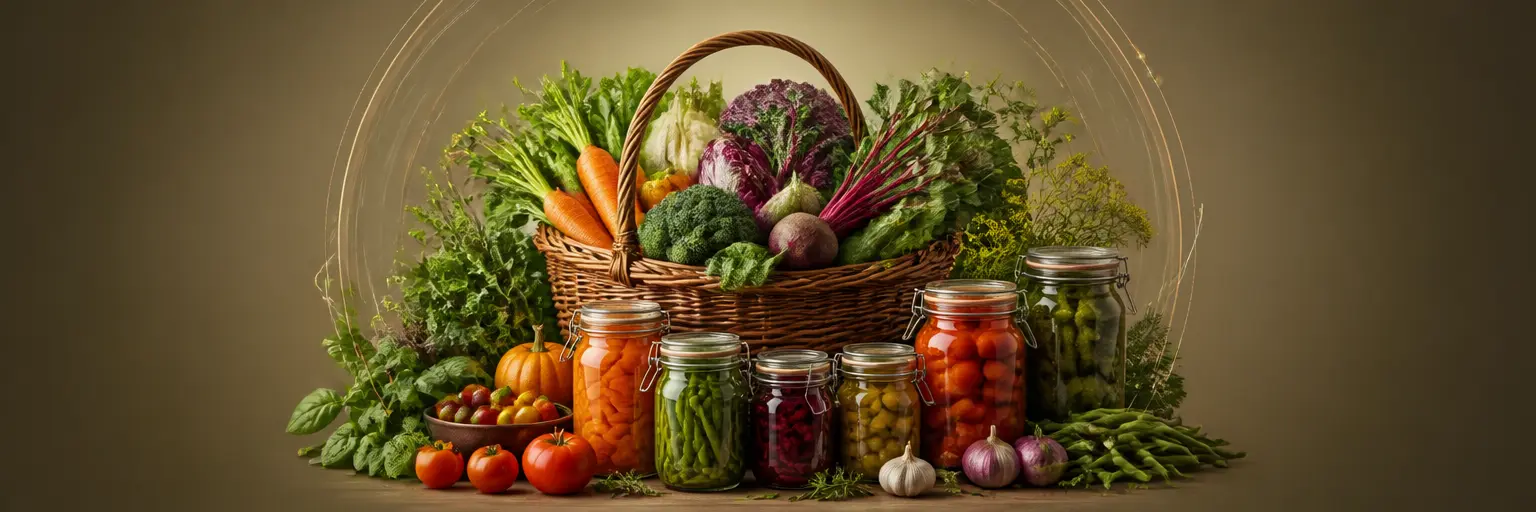
The Secret to Perfect Jams and Jellies: Tips and Tricks from Experienced Gardeners
Discover smart, sustainable ways to harvest and preserve your homegrown produce with CultivateYourFood 🌱 Learn how to identify peak ripeness, extend freshness, and reduce food waste using practical organic food preservation methods. From garden-to-jar ideas to seasonal storage solutions, make the most of every crop and enjoy nutritious, flavorful fruits, vegetables, and herbs throughout the year. 🍅🥕✨
86 articles
Mastering the Art of Jam & Jelly: Advanced Techniques for Experts
Pickling Radishes: A Zesty and Colorful Addition to Your Preserving Repertoire
Freezing Broccoli and Cauliflower: Maintain Texture and Taste
Cooking with Frozen Garden Vegetables: Tips and Recipes
Understanding Humidity Levels in Your Root Cellar: A Detailed Guide
The Science of Harvesting: Understanding the Physiology of Ripening
Best Practices for Drying in Dry Climates: Optimizing Drying Conditions
Texture Tells All: Using Touch to Determine Vegetable Harvest Time
Garlic and Dill: The Classic Combination for Pickled Garden Vegetables
The Benefits of Root Cellaring: Beyond Food Storage
Creative Ways to Use Your Frozen Garden Harvest
Canning with Alternative Sweeteners: Exploring Options for Reduced Sugar Preserves
Drying Fruits 101: The Ultimate Guide for Home Gardeners
Pickled Cabbage: Transforming Your Garden Harvest into Sauerkraut or Kimchi
Drying Herbs: Tips and Tricks for Preserving Aromatic Goodness
The Ideal Time of Day: When to Harvest Vegetables for the Best Quality
Canning Resources and Communities: Where to Find Support and Inspiration
Crisp & Crunchy: Achieving the Perfect Texture in Your Homemade Pickles
LongTerm Storage: How to Keep Your Jams and Jellies Fresh
Pickling Garden Bounty: A Beginner's Guide to Preserving Your Harvest
Top Vegetables for Drying: Extending Your Harvest with These Varieties
The Raised Bed Gardener's Guide: Harvesting Vegetables in Raised Beds
The Importance of Proper Sealing in Canning: Ensuring Safe and LongLasting Preserves
Pressure Canning Demystified: A Complete Guide to Safely Preserving LowAcid Foods at Home
Canning Pickles and Relishes: Adding Tangy Flavors to Your Home Pantry
Beyond the Basics: Innovative Freezing Ideas
Dehydrating Vegetables: A Simple Method for LongLasting Flavor
The Nutritional Benefits of Dried Fruits and Vegetables: Healthy Snacking
How to Air Out Your Root Cellar Effectively
Harvesting and Preserving is your practical guide to enjoying homegrown fruits, vegetables, and herbs long after the growing season ends. At CultivateYourFood, discover sustainable, organic methods for knowing when to harvest produce, protecting freshness, reducing food waste, and storing your garden harvest safely.
Learn how to preserve garden vegetables through pickling, canning, freezing, root cellaring, drying, and homemade jams and jellies. Whether you grow a small backyard garden or manage a productive homestead plot, these guides provide useful preservation tips, seasonal harvesting advice, food storage ideas, and reliable techniques for extending the life of your crops.
🥒 Pickling Vegetables from Your Garden
Explore simple ways to turn cucumbers, carrots, green beans, beets, onions, peppers, and other garden vegetables into flavorful pickles. You will learn about brine ingredients, vinegar acidity, herbs, spices, fermentation basics, and preparation methods for crisp, delicious results.
These guides also explain safe pickling practices, suitable containers, refrigerator pickles, and shelf-stable options. Discover how pickling can preserve seasonal abundance while adding bright flavor to meals throughout the year.
🫙 Canning and Jarring Techniques
Learn essential home canning and jarring techniques for preserving fruits, vegetables, sauces, relishes, and other garden produce. Topics include water-bath canning, pressure canning, sterilizing jars, preparing lids, selecting correct processing times, and creating a reliable pantry stock.
Because food safety is essential, these resources emphasize tested recipes, proper acidity, safe temperatures, and accurate sealing procedures. Build confidence while preserving your harvest in attractive, long-lasting jars.
🌱 Knowing When to Harvest Vegetables
Harvest timing has a major effect on taste, texture, nutrition, and storage life. Find practical guidance for recognizing the ideal maturity of tomatoes, peppers, squash, beans, carrots, potatoes, leafy greens, herbs, and other homegrown vegetables.
You will also discover how weather, variety, growing conditions, and intended use influence harvest decisions. Learn when to pick produce for fresh eating, seed saving, immediate preservation, or long-term garden storage.
❄️ Freezing Your Garden Harvest
Freezing is one of the quickest ways to preserve garden freshness. Learn how to prepare vegetables and fruits for the freezer, including washing, trimming, blanching, cooling, draining, portioning, and packaging to help protect color, flavor, and texture.
These guides cover freezer-friendly produce, airtight storage methods, labeling, portion control, and ways to prevent freezer burn. With the right approach, you can enjoy homegrown vegetables and fruit throughout the off-season.
🥕 Root Cellaring for Long-Term Storage
Discover traditional root cellaring methods for storing potatoes, carrots, beets, onions, garlic, winter squash, apples, and other crops without relying heavily on electricity. Learn how temperature, humidity, ventilation, darkness, and proper preparation affect storage success.
Find practical ideas for creating a root cellar, basement storage area, cool pantry, or insulated storage box. You will learn how to cure crops, organize produce, inspect supplies, and reduce spoilage through natural long-term food storage.
🍎 Drying Fruits and Vegetables
Drying removes moisture from produce, creating lightweight foods with concentrated flavor and an extended shelf life. Explore sun drying, oven drying, dehydrator techniques, herb drying, fruit leather, dried vegetables, and safe preparation methods.
Learn how to choose ripe produce, slice it evenly, prevent discoloration, test for dryness, and store finished foods in airtight containers. Dried garden produce is ideal for snacks, soups, trail foods, baking, and space-saving pantry storage.
🍓 Making Jams and Jellies from Your Garden
Turn berries, stone fruits, apples, grapes, tomatoes, and other garden harvests into homemade jams, jellies, preserves, and fruit spreads. Learn about pectin, sugar, acidity, cooking stages, flavor combinations, and techniques for achieving a consistent set.
These resources also explain jar preparation, filling, sealing, processing, and storage. Create delicious homemade preserves while making the most of seasonal fruit and producing thoughtful gifts from your garden.
❓ Frequently Asked Questions About Harvesting and Preserving
What is the best way to preserve fresh garden vegetables?
The best method depends on the vegetable, available equipment, and how long you want to store it. Freezing, canning, pickling, drying, and root cellaring are all effective options when matched to the right produce and followed with safe preparation techniques.
How do I know when vegetables are ready to harvest?
Look for crop-specific signs such as mature color, size, firmness, flavor, and seed development. Harvesting in the cool morning and checking reliable guidance for each variety can help preserve quality, freshness, and storage life.
Is home canning safe?
Home canning can be safe when you use tested recipes, suitable jars, correct processing times, and the right method. High-acid foods are generally processed in a water bath, while low-acid vegetables usually require a pressure canner. Never alter tested ingredient ratios without reliable food-safety guidance.
Should vegetables be washed before long-term storage?
Many root vegetables store better when excess soil is brushed away rather than washing them immediately. Produce should be inspected for damage, cured when necessary, and stored under the correct temperature and humidity conditions to help prevent rot.
How can I prevent preserved food from spoiling?
Use fresh, high-quality produce and follow proper sanitation, processing, cooling, and storage procedures. Label containers with the food and date, store them in appropriate conditions, and discard anything showing mold, unusual odors, leaking, bulging, or other signs of spoilage.