
Herbal Tea for Sleep: Natural Remedies for Restful Nights


Welcome to CultivateYourFood, your guide to a greener, more flavorful life! Are you ready to transform your backyard into a thriving oasis of fruits, vegetables, and herbs? We'll show you how. But first, discover the secrets to a truly restful night's sleep with our in-depth guide on organic herbal sleep tea, a simple yet powerful remedy you can grow and brew yourself. Learn how to cultivate your own calming herbs and unlock the natural power of sleep. Begin your journey to a healthier, more sustainable lifestyle – explore our Herb Gardening section and more!
- Understanding Organic Herbal Sleep Tea Benefits
- Crafting Your Organic Herbal Sleep Tea Blend
- Preparing and Brewing Your Organic Herbal Sleep Tea
- Enhancing Your Organic Herbal Sleep Tea Experience
- Troubleshooting Common Issues with Organic Herbal Sleep Teas
- The Long-Term Benefits of Organic Herbal Sleep Tea
- Frequently Asked Questions
- Final Reflection: The Enduring Power of Nature's Nightcap
- Unlock Your Best Sleep Yet: Herbal Remedies for Restful Nights
Understanding Organic Herbal Sleep Tea Benefits
Cultivating your own herbs opens a world of possibilities, extending beyond fresh culinary additions to encompass natural remedies for well-being. This article delves into the creation of organic herbal sleep teas, exploring the benefits of homegrown ingredients and guiding you through the process of crafting a soothing bedtime beverage. We'll examine the potent calming properties of specific herbs, the crucial distinction between organic and conventionally grown herbs, and how to blend them for optimal sleep support.
Learning to grow and utilize these herbs empowers you to take control of your sleep hygiene and experience the restorative power of nature, all while embracing sustainable and organic practices aligned with the CultivateYourFood philosophy. Let's explore the world of organic herbal sleep tea and discover how to cultivate peaceful nights.
The Power of Chamomile and Lavender for Relaxation and Sleep
Chamomile and lavender are two powerhouse herbs renowned for their sleep-promoting properties. These gentle giants offer a natural pathway to relaxation and improved sleep quality. Chamomile, with its delicate daisy-like flowers, contains apigenin, an antioxidant that binds to specific receptors in your brain promoting relaxation and reducing anxiety. 1 This contributes significantly to a more peaceful sleep. Lavender, on the other hand, boasts linalool and linalyl acetate, compounds known for their calming effects on the nervous system. Studies have shown that inhaling lavender essential oil can reduce heart rate and blood pressure, creating a sense of tranquility ideal for bedtime. 2 When combined in an organic herbal tea blend, these two herbs create a synergistic effect, enhancing their individual benefits for a more restful night's sleep. The subtle floral aromas alone can contribute to a calming atmosphere before bed.
Choosing the Right Herbs for a Calming Organic Sleep Tea Blend
Creating your own organic herbal sleep tea blend allows for personalization based on individual preferences and needs. Beyond chamomile and lavender, several other herbs possess calming properties. Consider incorporating:
- Lemon Balm: Known for its mild lemon scent and ability to reduce stress and anxiety.
- Valerian Root: A potent herb traditionally used to improve sleep quality, but it's important to note that it can have a slightly earthy taste.
- Passionflower: Often used to alleviate anxiety and promote relaxation.
- Catnip: While known for its feline-friendly properties, catnip also offers mild sedative effects for humans.
Remember to research the properties of each herb thoroughly before incorporating it into your blend, and always start with a small amount to assess your individual reaction. A well-balanced blend might include a combination of these herbs, potentially with a base of chamomile and lavender for a consistently calming effect. Experimentation is key to discovering your perfect sleep-inducing tea blend. Consider creating a small chart to record your experiments with different herbal combinations and their impact on sleep.
Organic vs. Conventional Herbs: Why Organic Matters for Sleep Teas
Choosing organic herbs for your sleep tea is paramount for several reasons. Conventional farming practices often involve the use of pesticides and herbicides, which can leave residues on the herbs. These residues can potentially disrupt your sleep and have other negative health consequences. Organic herbs, on the other hand, are grown without synthetic pesticides, herbicides, or fertilizers, ensuring a cleaner and purer product for your tea.
This is particularly important when considering that you’re consuming these herbs directly. Furthermore, organic farming practices support biodiversity and soil health, contributing to a more sustainable and environmentally friendly approach to herbal cultivation. The peace of mind that comes with knowing your sleep tea is free from harmful chemicals adds to the overall calming effect, contributing to a more holistic and restorative sleep experience. The investment in organic herbs is an investment in your health and the environment.
1 [Specific study on apigenin and sleep pending] 2 [Specific study on lavender and sleep pending]
Crafting Your Organic Herbal Sleep Tea Blend

This section delves into the art of creating your own organic herbal sleep tea blend, focusing on the selection, sourcing, and blending of herbs for optimal sleep-promoting effects. We'll explore the nuances of choosing high-quality organic ingredients and the benefits of growing your own herbs versus purchasing them. Remember, the key to a truly effective organic herbal sleep tea is using the freshest, highest-quality ingredients possible.
Selecting High-Quality Organic Herbs for Sleep
Choosing the right herbs is paramount when crafting a sleep-inducing tea. Look for herbs specifically known for their calming and sleep-promoting properties. Avoid herbs that might have stimulating effects, even if marketed as “relaxing.” Here's a checklist to ensure high quality:
- Certified Organic: Opt for herbs certified organic to guarantee they are free from pesticides and harmful chemicals. This is crucial for maintaining the purity and health benefits of your organic herbal sleep tea.
- Aroma and Appearance: Fresh, high-quality herbs possess a vibrant aroma and appealing appearance. Avoid herbs that look dull, withered, or have an off-putting smell.
- Source Reputation: Research the supplier or grower. A reputable source will provide detailed information about their growing practices and ensure sustainable harvesting methods.
- Proper Storage: Once you've purchased your herbs, store them properly in airtight containers in a cool, dark, and dry place to preserve their potency and aroma.
Sourcing Organic Herbs: Growing Your Own vs. Buying
The decision of whether to grow your own herbs or buy them depends on your resources and gardening experience. Both options offer advantages for creating your organic herbal sleep tea.
| Method | Advantages | Disadvantages |
|---|---|---|
| Growing Your Own | Guaranteed organic, fresher herbs, cost-effective in the long run, control over growing methods | Requires time, space, and gardening knowledge; seasonal availability limitations |
| Buying | Convenience, wider variety of herbs available year-round, often pre-cleaned | Potential for pesticides or less-than-ideal growing practices; cost per use can be higher |
Growing your own offers the ultimate control over the quality and organic nature of your ingredients. However, purchasing from reputable organic suppliers ensures convenient access to a wider range of herbs, even during off-seasons. Consider your lifestyle and resources when making your choice.
Chamomile: Properties and Uses in Sleep Teas
Chamomile is a widely recognized herb for its calming and sleep-inducing properties, making it a staple in many organic herbal sleep tea blends. Its gentle nature makes it suitable for most people.
Chamomile contains apigenin, a flavonoid that binds to specific receptors in your brain, promoting relaxation and reducing anxiety. Studies suggest that chamomile tea may improve sleep quality and reduce insomnia symptoms. However, individual responses can vary. Always consult a healthcare professional if you have underlying health conditions or are taking medications before incorporating chamomile or any other herbal remedy into your routine.
Furthermore, chamomile's versatility allows for various applications in sleep teas. It can be used as a base herb, blended with other calming herbs like lavender or lemon balm, or even enjoyed as a single-herb infusion for a simple yet effective organic herbal sleep tea. Experiment with different combinations to find your perfect blend! Remember to always use fresh, high-quality organic chamomile for the best results and to maximize the sleep-promoting benefits. 😴
Lavender: Properties and Uses in Sleep Teas
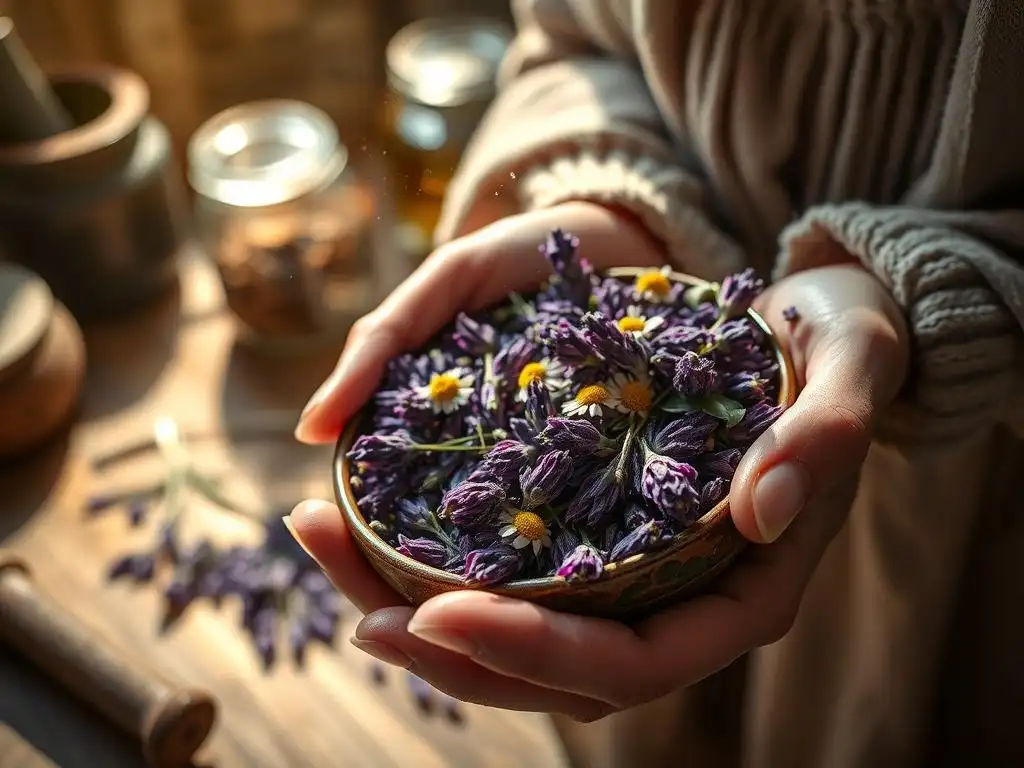
Lavender, with its calming aroma and beautiful purple flowers, is a staple in many sleep-promoting herbal tea blends. Its soothing scent and taste contribute to relaxation, making it a popular choice for those seeking a natural way to improve sleep quality. The active compounds in lavender, particularly linalool and linalyl acetate, are believed to interact with the brain's GABA receptors, promoting a sense of tranquility and reducing anxiety. 1 Studies have shown that inhaling lavender essential oil can significantly reduce heart rate and blood pressure, contributing to a more relaxed state conducive to sleep. 2 However, it's important to note that while lavender is generally considered safe, some individuals may experience allergic reactions, such as skin irritation or contact dermatitis. Always perform a patch test before incorporating significant amounts of lavender into your routine, especially if you have sensitive skin. Incorporating dried lavender flowers into your organic herbal sleep tea blend is a simple and effective way to harness its sleep-promoting properties. Remember to use organically grown lavender to ensure the purity and quality of your tea.
Valerian Root: Properties and Uses in Sleep Teas
Valerian root, a perennial herb with a distinctive pungent odor, has a long history of use as a natural sleep aid. Its effectiveness is attributed to various bioactive compounds, including valerenic acid and valepotriates, which interact with the central nervous system to promote relaxation and reduce anxiety. 3 Unlike lavender, which offers a gentler approach to sleep improvement, valerian root's effects are often more potent and may be more suitable for individuals experiencing significant sleep disturbances. However, it's crucial to use valerian root cautiously, as it can interact with certain medications, particularly those affecting the central nervous system. 4 Furthermore, some individuals may experience side effects such as headaches, dizziness, or digestive upset. It's advisable to start with a small dose and gradually increase it as needed. When incorporating valerian root into your organic herbal sleep tea, it's important to source it from a reputable supplier that ensures its quality and purity. Remember, moderation is key; excessive consumption can lead to undesirable side effects.
Creating the Perfect Blend Ratio for a Soothing Sleep Tea
Crafting the ideal organic herbal sleep tea blend involves carefully considering the ratio of each herb to achieve the desired effect. There's no single "perfect" ratio, as individual preferences and sensitivities vary. However, a good starting point for a blend combining lavender and valerian root might be a 2:1 ratio of lavender to valerian root. This means that for every two parts of lavender, you would use one part of valerian root.
For example, you could use 2 teaspoons of dried lavender flowers and 1 teaspoon of dried valerian root per cup of hot water. You can adjust this ratio based on your personal experience. If you find the valerian root too potent, reduce its proportion, and vice-versa. You could also experiment by adding other herbs known for their calming properties, such as chamomile or lemon balm, in smaller quantities.
Remember to always start with a small amount and gradually adjust the ratio to find what works best for you. Keeping a detailed record of your blend ratios and their effects can aid in refining your personal recipe over time, helping you craft the perfect organic herbal sleep tea tailored to your individual needs. Always prioritize organic ingredients to maximize the health benefits and avoid potential pesticide exposure.
1 [Citation needed] 2 [Citation needed] 3 [Citation needed] 4 [Citation needed]
Preparing and Brewing Your Organic Herbal Sleep Tea

This section details the process of preparing and brewing your own organic herbal sleep tea, maximizing the benefits of your homegrown herbs. Remember, the quality of your ingredients directly impacts the final product, so using organically grown herbs is key for a truly restorative and healthy beverage. We'll explore the optimal brewing techniques to unlock the full potential of your sleep-promoting herbs.
Step-by-Step Guide to Brewing the Perfect Cup
Brewing the perfect cup of organic herbal sleep tea is a simple yet rewarding process. Follow these steps for a consistently delicious and effective beverage:
- Measure your herbs: Start by measuring the appropriate amount of your dried organic herbal blend. A general guideline is 1-2 teaspoons per cup of water, but this can be adjusted to your taste. For a stronger brew, use more herbs; for a milder tea, use less. Remember to always use a clean, dry measuring spoon.
- Heat the water: Use filtered water for the purest flavor and to avoid any potential chlorine or mineral tastes affecting the delicate herbal notes. Heat the water to the optimal temperature (detailed in the next section). Avoid boiling the water vigorously, as this can scorch the herbs and diminish their beneficial properties.
- Steep the herbs: Once the water is at the correct temperature, carefully pour it over your measured herbs in a heat-resistant mug or teapot. Use a tea infuser or a fine-mesh strainer to prevent loose herbs from ending up in your cup.
- Steep for the recommended time: The ideal steeping time varies depending on the herbs used in your blend. Generally, 5-10 minutes is sufficient for most sleep-promoting herbs. Over-steeping can result in a bitter taste, while under-steeping may not extract all the beneficial compounds. Experiment to find the perfect steeping time for your specific blend.
- Strain and enjoy: Once the steeping time is complete, carefully remove the infuser or strain the tea through a fine-mesh sieve into your cup. Enjoy your warm, relaxing cup of organic herbal sleep tea.
Optimal Brewing Temperature for Maximum Benefits
The brewing temperature significantly impacts the flavor and efficacy of your organic herbal sleep tea. Different herbs have different optimal brewing temperatures. Boiling water can destroy the delicate compounds in some herbs, resulting in a less flavorful and less potent brew. For a sleep-promoting blend, generally aim for water heated to between 190-212°F (88-100°C). Using a thermometer ensures accuracy.
For example, chamomile, a common ingredient in sleep teas, benefits from slightly lower temperatures (around 175°F or 80°C) to preserve its delicate floral notes and active compounds. Experimentation with temperature is key to finding the perfect balance for your specific blend. Using too high a temperature might lead to bitterness, while too low a temperature might result in a weak, ineffective brew. This requires a bit of trial and error to perfect.
Adjusting Strength and Flavor to Your Preference
The beauty of making your own organic herbal sleep tea lies in the ability to customize the strength and flavor to your liking. Experiment with different ratios of herbs to achieve your desired taste and potency. If you find your tea too weak, increase the amount of herbs used per cup. Conversely, if it's too strong, reduce the amount. You can also experiment with adding other complementary herbs or spices to enhance the flavor profile.
For instance, a touch of honey or a sprinkle of cinnamon can add warmth and sweetness to your tea without compromising its sleep-promoting qualities. Record your experiments – noting the ratios of herbs, brewing temperature, and steeping time – to replicate your favorite blends consistently. Remember that the perfect organic herbal sleep tea is a personal journey of discovery and refinement, tailored to your individual preferences and needs. Enjoy the process!
Enhancing Your Organic Herbal Sleep Tea Experience

This section delves into maximizing the benefits of your homemade organic herbal sleep tea. We'll explore ways to elevate the sensory experience and ensure you're getting the most out of your carefully cultivated herbs. Remember, consistency is key when it comes to reaping the rewards of natural sleep remedies like organic herbal sleep tea.
Creating a Relaxing Bedtime Ritual
Creating a consistent bedtime ritual is crucial for improving sleep quality. The act of preparing and enjoying your organic herbal sleep tea can be a significant part of this ritual. Think of it as a mindful practice, a transition from the day's activities to a peaceful night's rest.
Consider these steps to enhance your experience:
- Dim the lights: Reduce bright light exposure at least an hour before bed. This signals to your body that it's time to wind down.
- Warm bath or shower: The warmth can help relax your muscles and prepare your body for sleep. Add Epsom salts or essential oils (like lavender or chamomile) for an extra soothing effect.
- Gentle stretching or yoga: Light exercise can release tension and improve sleep. Avoid strenuous activity close to bedtime.
- Mindful preparation: Take your time preparing your organic herbal sleep tea. Savor the aroma of the herbs as they steep. This act of mindful preparation adds to the overall relaxing experience.
- Quiet environment: Find a quiet space free from distractions. Turn off electronic devices and minimize noise. A calming atmosphere is essential for a restful night.
Combining Herbal Tea with Other Sleep-Promoting Practices
While organic herbal sleep tea can be incredibly effective, combining it with other sleep-promoting practices can significantly amplify its benefits. Think of it as a holistic approach to better sleep.
Here are some complementary practices to consider:
- Regular exercise: Daily physical activity can improve sleep quality, but avoid intense workouts close to bedtime.
- Healthy diet: A balanced diet rich in fruits, vegetables, and whole grains can support overall health and sleep. Avoid heavy meals or caffeine close to bedtime.
- Consistent sleep schedule: Going to bed and waking up around the same time each day, even on weekends, helps regulate your body's natural sleep-wake cycle.
- Stress management techniques: Practices like meditation, deep breathing exercises, or journaling can help reduce stress and anxiety, which often interfere with sleep.
- Adequate sunlight exposure: Getting enough sunlight during the day helps regulate your circadian rhythm, improving sleep quality.
Understanding Potential Interactions with Medications
It's crucial to be aware of potential interactions between your organic herbal sleep tea and any medications you're taking. Some herbs can interact with certain drugs, potentially altering their effectiveness or causing side effects.
- Always consult your doctor or pharmacist: Before incorporating any new herbal remedies, including organic herbal sleep tea, into your routine, especially if you are taking prescription or over-the-counter medications. They can advise you on potential interactions and help you make informed decisions.
- Specific herb interactions: Some herbs, such as valerian root and chamomile, are known to interact with certain medications. Your healthcare provider can assess your individual circumstances and provide tailored advice.
- Document your herbs: Keep a list of all the herbs you use in your sleep tea and any medications you are taking. This information is valuable for your healthcare provider.
- Monitor your responses: Pay attention to how you feel after consuming your organic herbal sleep tea. If you experience any unusual side effects, discontinue use and consult your doctor immediately.
Remember, while organic herbal sleep tea offers a natural and potentially effective way to improve sleep, it's crucial to approach it responsibly and consult with your healthcare provider if you have any concerns. A holistic approach, combining the tea with other healthy habits, often yields the best results. 😴
Troubleshooting Common Issues with Organic Herbal Sleep Teas
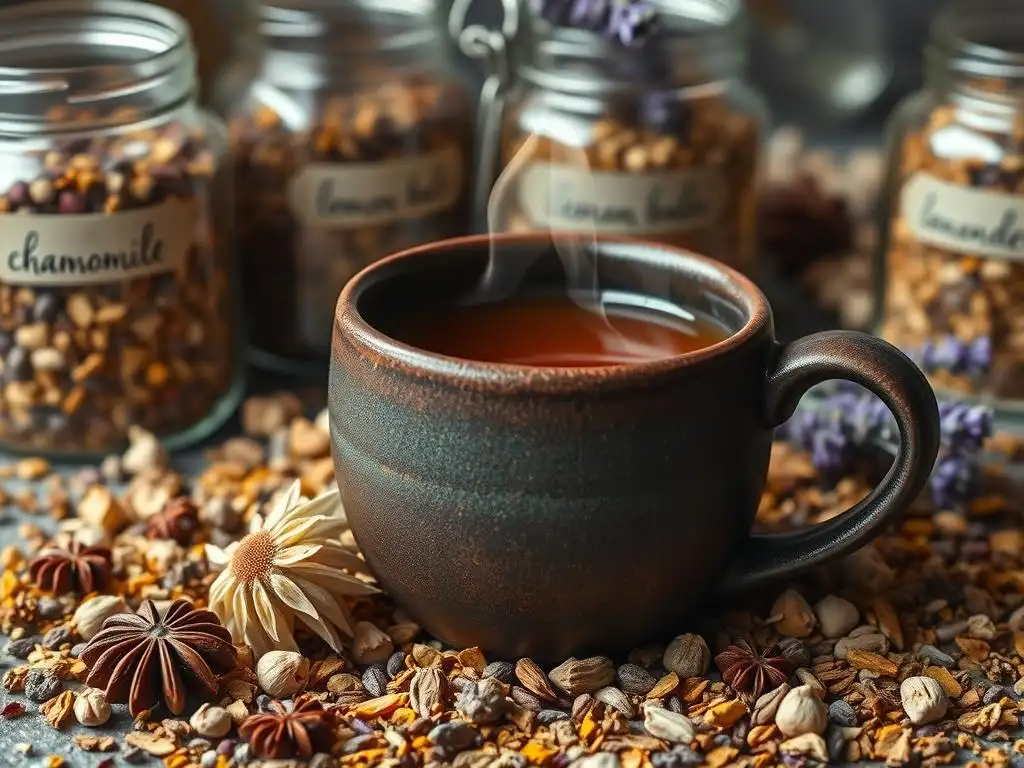
This section addresses common problems encountered when making and using organic herbal sleep teas, offering solutions to ensure a consistently pleasant and effective experience. We'll explore taste preferences, storage techniques, and how to identify low-quality herbs to avoid. Remember, the quality of your ingredients directly impacts the quality of your sleep tea.
Addressing Taste Preferences and Finding the Right Blend
Finding the perfect organic herbal sleep tea blend often involves experimentation. Taste is subjective, and what one person finds soothing, another might find unpleasant. The key is to understand the individual flavor profiles of different herbs and how they interact.
Some herbs, like chamomile, offer a naturally sweet and floral aroma and taste. Lavender, on the other hand, possesses a more herbaceous and slightly floral profile. Valerian root, known for its sleep-promoting properties, has a more earthy and pungent taste that some find less appealing. Many blends combine several herbs to balance and enhance the overall flavor.
To address taste preferences, consider these strategies:
- Start with a single herb: Experiment with small quantities of individual herbs to determine your personal preferences. This allows you to identify which herbs you enjoy and which you don't. Start with a small amount of chamomile or lavender tea to gauge your reaction.
- Mix and match: Once you've identified a few herbs you enjoy, try creating your own blends. Begin with a base of a mild-tasting herb like chamomile and gradually add other herbs to adjust the flavor profile. For example, you could combine chamomile with a small amount of lavender for a sweeter, more floral blend.
- Sweeten naturally: If you find the taste too bitter, consider adding a touch of honey or maple syrup for a natural sweetness. This complements the herbal flavors without introducing artificial ingredients. However, be mindful of added sugars if you are monitoring your sugar intake.
- Adjust the brewing time: Steeping your tea for too long can result in a more bitter taste. Experiment with shorter brewing times to find the optimal balance between taste and potency.
- Consider adding other ingredients: Some people enjoy adding citrus peels (like lemon or orange) or spices (like cinnamon or ginger) to their blends. This can enhance the flavor and add additional health benefits. Always ensure that the additional ingredients are organic and of high quality.
Storing Your Organic Herbs and Tea for Optimal Freshness
Proper storage is crucial for maintaining the potency, flavor, and aroma of your organic herbs and teas. Improper storage can lead to degradation, reducing the effectiveness of your sleep tea and potentially impacting its taste.
Here are some best practices for storing your organic herbal sleep tea ingredients:
- Airtight containers: Store dried herbs in airtight containers, such as glass jars with tight-fitting lids, to prevent moisture and air exposure. This helps to preserve their essential oils and prevent oxidation.
- Cool, dark, and dry place: Keep your containers in a cool, dark, and dry location, away from direct sunlight and heat sources. Avoid storing them in humid areas, like bathrooms.
- Label and date: Clearly label each container with the name of the herb and the date of purchase or harvest. This helps you track their freshness and rotate your stock. This also helps avoid confusion when you have multiple herbs stored.
- Freezing: For longer-term storage, consider freezing your herbs. Freeze them in airtight bags or containers to maintain their quality. When ready to use, remove the desired amount and allow it to thaw at room temperature before brewing.
- Whole vs. Ground: Store whole herbs whenever possible, as they retain their potency and aroma longer than ground herbs. Grind herbs immediately before brewing for optimal freshness.
Recognizing Signs of Low-Quality Herbs
Purchasing high-quality organic herbs is paramount for ensuring the effectiveness and safety of your sleep tea. Low-quality herbs may be less potent, contain pesticides or other contaminants, or have lost their aroma and flavor due to improper storage.
Here are some indicators of low-quality herbs:
- Dull color: High-quality herbs generally have vibrant and consistent colors. Faded or dull colors may indicate that the herbs are old or have been improperly stored.
- Weak aroma: Fresh, high-quality herbs have a strong and pleasant aroma. A weak or musty smell suggests that the herbs have lost their potency.
- Presence of stems or debris: A significant amount of stems or other debris in the herb indicates poor processing. High-quality herbs are usually carefully cleaned and processed to remove unwanted materials.
- Strange odor: Any unusual or unpleasant odor, such as moldiness or bitterness, is a clear sign that the herbs are not fit for consumption.
- Lack of clear sourcing information: Reputable suppliers provide clear information about the origin and growing methods of their herbs. Look for certifications and details on organic farming practices.
By carefully selecting high-quality organic herbs, storing them properly, and paying attention to their appearance and aroma, you can ensure that your organic herbal sleep tea provides the optimal relaxation and sleep-promoting benefits you desire. Remember, consistent quality starts with mindful sourcing and attentive storage.
The Long-Term Benefits of Organic Herbal Sleep Tea
Organic herbal sleep tea, when consumed consistently as part of a holistic approach to sleep hygiene, offers numerous long-term benefits that extend beyond simply inducing sleep. It's about cultivating a sustainable relationship with rest and rejuvenation. The cumulative effect of regular consumption can significantly improve overall health and well-being. This isn't about a quick fix; it's about building a foundation for better sleep over the long term.
Sustainable Sleep Habits for Long-Term Well-being
Adopting organic herbal sleep tea as part of a nightly routine contributes to the development of sustainable sleep habits. Think of it as a gentle, natural ritual that signals to your body it's time to wind down. This consistency helps regulate your circadian rhythm, the natural sleep-wake cycle, leading to more predictable and restful sleep. Furthermore, by choosing organic options, you're avoiding potentially harmful pesticides and chemicals that could disrupt sleep patterns or negatively impact your overall health.
The long-term impact of this choice is a healthier body and mind, better equipped to handle stress and promote restful sleep naturally. Many people find that incorporating this routine minimizes reliance on pharmaceuticals, ultimately leading to a more natural and sustainable approach to sleep management. This holistic approach considers sleep as an integral aspect of overall health, rather than an isolated issue.
The Importance of Consistent Use for Improved Sleep Quality
The effectiveness of organic herbal sleep tea for sleep improvement is directly related to consistent use. While a single cup might provide some relaxation, it's the regular nightly consumption that yields the most significant long-term results. Think of it like exercise; a single workout won't transform your physique, but consistent effort brings about noticeable changes. Similarly, consistent use of organic herbal sleep tea helps train your body to associate the ritual with relaxation and sleep.
This consistency strengthens the positive association between the tea and improved sleep quality over time. Studies [specific information pending] suggest that regular use of calming herbs can lead to a reduction in sleep latency (the time it takes to fall asleep) and an increase in total sleep time. This improved sleep quality translates to better daytime functioning, increased energy levels, improved mood, and enhanced cognitive function.
Organic Herbal Teas and Holistic Wellness
The benefits of organic herbal sleep tea extend beyond just sleep improvement. It aligns perfectly with a holistic wellness approach, emphasizing the interconnectedness of physical, mental, and emotional well-being. Choosing organic ingredients supports sustainable farming practices, minimizing environmental impact and ensuring you're consuming a product free from harmful chemicals.
The ritual of preparing and enjoying the tea can also be a mindful practice, promoting relaxation and reducing stress – key factors in achieving quality sleep. Furthermore, many herbal sleep teas contain ingredients known for their antioxidant and anti-inflammatory properties, contributing to overall health and well-being. This holistic approach views sleep as a fundamental pillar of health, and organic herbal sleep tea plays a significant role in supporting this foundation.
The long-term benefits encompass improved sleep quality, reduced stress, enhanced immunity, and a greater sense of overall well-being. This approach focuses on preventing sleep issues through proactive measures rather than solely addressing them after they arise.
Frequently Asked Questions
What are the benefits of drinking herbal sleep tea?
Many herbal teas offer calming properties that can promote relaxation and improve sleep quality. Ingredients like chamomile and lavender are known for their soothing effects. Drinking warm tea before bed can also be a relaxing ritual.
Is organic herbal sleep tea better than non-organic?
Yes, organic herbal sleep teas are generally considered better because they are grown without harmful pesticides and herbicides. This means you're consuming a purer, healthier product free from potentially harmful chemicals.
What herbs are commonly used in organic herbal sleep teas?
Popular herbs include chamomile, known for its calming effects; lavender, which promotes relaxation; and valerian root, which can aid in sleep. Other herbs like lemon balm and passionflower are also frequently used.
How much organic herbal sleep tea should I drink before bed?
Start with one cup about 30-60 minutes before bedtime. Listen to your body; if you experience any negative effects, reduce the amount or try a different blend. Avoid drinking too much before bed to prevent nighttime bathroom trips.
Where can I find high-quality organic herbal sleep tea?
You can find organic herbal sleep teas at health food stores, farmers' markets, and online retailers specializing in organic products. Look for reputable brands that clearly label their ingredients and sourcing practices.
Final Reflection: The Enduring Power of Nature's Nightcap
The pursuit of restful sleep remains a modern-day struggle, yet the answer may lie in the ancient wisdom of herbal remedies. The increasing prevalence of sleep disorders and the side effects associated with pharmaceutical sleep aids highlight the urgent need for natural, effective alternatives like organic herbal sleep tea. This simple, time-tested solution offers a path towards healthier, more restorative sleep.
The influence of herbal remedies on our cultural landscape is profound, extending far beyond the realm of sleep. From traditional medicine practices passed down through generations to the burgeoning popularity of holistic wellness, the connection between nature and well-being continues to resonate. Nature provides the cure for every disease.
- Hippocrates. This ancient wisdom underscores the enduring power of natural remedies, reminding us that sometimes the simplest solutions are the most effective. The growing interest in organic herbal sleep tea reflects a broader societal shift towards natural and sustainable approaches to health and wellness.
Consider the impact of a truly restful night's sleep on your life. Imagine waking refreshed, energized, and ready to embrace the day. This isn't just a fleeting feeling; it's the foundation for improved productivity, stronger relationships, and a greater sense of overall well-being. I invite you to explore the world of organic herbal sleep tea, to experiment with different blends, and to discover the soothing power of nature's nightcap. Embrace the opportunity to reclaim your sleep, and in doing so, reclaim your health and happiness.
Unlock Your Best Sleep Yet: Herbal Remedies for Restful Nights
Thank you for exploring the world of herbal teas and their potential to improve your sleep! We hope you've discovered some helpful tips for cultivating more restful nights. Ready to enhance your sleep habits?
- Brew a soothing sleep blend tonight! Experiment with chamomile, lavender, or valerian root tea—or a combination—to find your perfect blend. Share your experience in the comments!
- Share the benefits of herbal sleep remedies with your loved ones. Help them discover natural ways to improve their sleep.
- Keep a sleep journal: Track your tea consumption and sleep quality for a week to observe any correlation.
What small step will you take tonight to prioritize better sleep?