
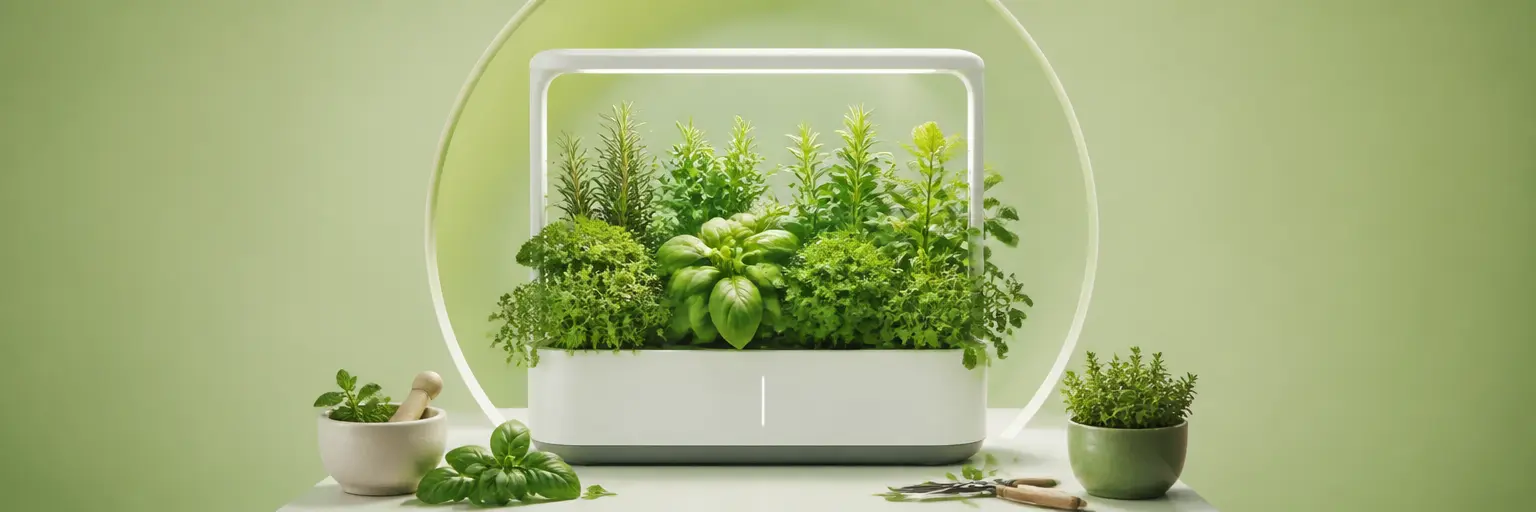
Rosemary and Thyme: Creative Culinary Uses and Recipes
Discover the joys of herb gardening with CultivateYourFood 🌿 Learn how to grow fresh, organic herbs at home using sustainable methods, from planting and nurturing to harvesting and preserving. Explore practical tips for flavorful cooking, soothing herbal infusions, natural remedies, composting, and eco-friendly pest control—perfect for beginners and experienced gardeners alike. ✨
110 articles
Echinacea for Beginners: Planting and Harvesting ImmuneBoosting Herbs
Mint Tea: A Guide to Brewing a Perfect Cup
The Science of Scent: How Fragrant Herbs Impact Our Senses
Protecting Rosemary and Thyme from Pests and Diseases: Organic Strategies
Harvesting Rosemary and Thyme: Best Practices for Flavor and Storage
Herbs for Men's Health: Supporting Vitality
How to Grow Parsley and Cilantro in the Winter
Drying Parsley and Cilantro: Preserving Your Harvest for Later Use
Fragrant Herbs that Repel Pests: Natural Pest Control with Aromatics
Fragrant Herb Garden in Raised Beds: Creating Accessible and Aromatic Gardens
Culinary Alchemy: Transforming Everyday Meals with Fresh Herbs
The Secret to Harvesting Cilantro: Preventing Bolting and Enhancing Taste
Lemon Balm's Lightness: Lemon Balm for Stress Relief and Flavor
Steeping Times for Herbal Teas: A Guide to Perfect Infusions
The Benefits of Using Fresh vs Dried Herbs in Tea
Air Drying Lavender: StepbyStep Instructions for Potpourri
Drying Fragrant Herbs: Preserving Aromas for YearRound Use
Air Drying Rosemary: Preserving the Aroma and Flavor
Boosting Immunity with Herbs: Natural Ways to Stay Healthy
Rosemary and Thyme: Creative Ways to Use Fresh Herbs
Lavender's Lullaby: Exploring Lavender in Culinary and Medicinal Applications
Rosemary and Thyme: A Guide to Sustainable Herb Gardening
Lemon Balm Tea: Growing and Using This Calming Herb
Microwave Drying Stevia: A Fast Guide to Sweetness
Oregano's Aroma: From Pizza to Greek Cuisine, Using Oregano
Creative Ways to Use Your Parsley and Cilantro Harvest
Stevia's Sweetness: Using Stevia as a Natural Sweetener
Health Benefits of Mint: Refreshing and Therapeutic Properties
Potting Mix Secrets: Perfect Soil for Thriving Basil and Mint
Herb Gardening is a rewarding way to grow fresh, flavorful, and useful plants at home. Whether you have a sunny backyard, raised bed, balcony, or kitchen windowsill, cultivating herbs can provide an ongoing supply of organic ingredients for cooking, herbal teas, natural remedies, and fragrant garden displays. At CultivateYourFood, you’ll discover practical guidance for choosing herbs, preparing healthy soil, watering efficiently, managing pests naturally, and harvesting plants at the right time.
Our herb gardening resources focus on sustainable and organic growing methods that support healthy plants and beneficial garden ecosystems. Learn how to grow popular culinary herbs such as basil, mint, parsley, cilantro, rosemary, and thyme, as well as medicinal herbs for traditional home use. You’ll also find advice on preserving herbs through air-drying and other methods, creating pollinator-friendly herb gardens, and using your harvest in flavorful recipes and homemade infusions.
🌿 Growing Basil and Mint
Learn how to grow lush, productive basil and mint in containers, garden beds, and indoor spaces. These popular herbs thrive with suitable light, regular harvesting, and well-draining soil. You’ll discover how to choose planting locations, encourage bushier growth, and prevent common issues such as overwatering, legginess, and fungal disease.
This subcategory also explains how to manage mint’s vigorous spreading habit and how to keep basil producing tender leaves throughout the growing season. Expect practical advice on organic fertilizing, companion planting, pruning, propagation, and natural pest control, along with ideas for using fresh basil and mint in sauces, salads, drinks, and desserts.
🍵 Making Herbal Teas and Infusions
Explore how to turn homegrown herbs into soothing herbal teas and flavorful infusions. Learn which fresh and dried herbs work well in beverages, how much plant material to use, and how steeping time and water temperature affect taste and aroma. Guidance will help you prepare simple infusions from herbs such as mint, lemon balm, chamomile, rosemary, and thyme.
You’ll also find safe storage and preparation tips for preserving herbs between harvests. The content emphasizes that herbal teas are not substitutes for professional medical advice and includes considerations for allergies, pregnancy, medications, and responsible use. Discover easy combinations for relaxing, refreshing, or warming homemade drinks.
🌱 Growing Medicinal Herbs at Home
Discover how to cultivate traditional medicinal herbs in an organic home garden. This section covers site selection, soil preparation, watering, propagation, and seasonal care for useful plants such as calendula, chamomile, lemon balm, lavender, and echinacea. Readers can learn how to build a diverse herb garden that supports biodiversity while providing fragrant and attractive plants.
Information focuses on responsible harvesting and traditional uses rather than unverified medical claims. You’ll learn why correct plant identification, clean growing conditions, and proper storage are essential. Always research potential interactions and consult a qualified healthcare professional before using medicinal herbs therapeutically.
🌿 Growing Parsley and Cilantro
Find practical methods for growing parsley and cilantro from seed or transplants. These cool-season culinary herbs can be grown in containers, raised beds, and small kitchen gardens when provided with fertile soil, consistent moisture, and suitable temperatures. Learn how to improve germination, succession sowing, and harvest timing.
This subcategory also addresses common problems such as cilantro bolting, slow parsley germination, overcrowding, and leaf discoloration. Expect guidance on continuous harvesting, organic soil improvement, natural pest management, and seed saving, plus ideas for using fresh parsley and cilantro in salads, sauces, soups, marinades, and garnishes.
🍳 Using Herbs in Cooking and Remedies
Learn how to bring freshly harvested herbs into everyday cooking. This section explores how to combine herbs with vegetables, grains, legumes, meats, and sauces while preserving their flavor and aroma. You’ll discover when to add delicate herbs such as basil and cilantro and when to cook robust herbs such as rosemary, thyme, and sage.
You’ll also find ideas for simple household preparations inspired by traditional herbal practices, including infused oils, aromatic bundles, and soothing beverages. The emphasis is on safe, practical, and sustainable use, with clear reminders to identify plants accurately and avoid ingesting herbs that may be unsuitable for certain people or conditions.
🌿 Growing Rosemary and Thyme
Learn how to cultivate rosemary and thyme, two hardy Mediterranean herbs valued for their strong flavor, fragrance, and drought tolerance. Discover how to provide full sun, excellent drainage, moderate watering, and the lean soil conditions these perennial herbs prefer. Advice is suitable for garden beds, containers, herb spirals, and windowsill growing.
This section explains pruning, overwintering, propagation from cuttings, and harvesting without weakening established plants. You’ll also learn how to prevent root rot and manage common pests using organic and low-impact gardening techniques. Fresh rosemary and thyme are ideal for roasted vegetables, breads, soups, marinades, and herbal blends.
🌾 Harvesting and Drying Herbs
Discover when and how to harvest herbs for the best flavor, fragrance, and quality. Timing often depends on the plant and the intended use; many leafy herbs are best harvested before flowering, while some flowers are collected when newly open. Learn how to use clean scissors, avoid removing too much foliage, and harvest during dry conditions.
This subcategory covers air-drying, tray drying, and other simple preservation methods for home gardeners. You’ll learn how to maintain airflow, prevent mold, test herbs for dryness, and store them in airtight containers away from light and heat. Properly dried herbs can extend your harvest for months and reduce food waste.
🌸 Creating a Fragrant Herb Garden
Design a fragrant herb garden that appeals to the senses while supporting pollinators and beneficial insects. Explore ways to combine aromatic herbs such as lavender, lemon balm, mint, rosemary, thyme, and scented geraniums in beds, borders, containers, and pathways. Consider plant height, texture, bloom time, sunlight, and mature size when planning your layout.
You’ll also find ideas for creating relaxing seating areas, sensory gardens, container displays, and low-maintenance herb borders. Learn how organic soil care, water-wise planting, companion planting, and natural pest control can help produce a healthy and beautiful garden with year-round fragrance.
❓ Frequently Asked Questions About Herb Gardening
🌞 How much sunlight do most herbs need?
Most culinary herbs grow best with six to eight hours of direct sunlight each day. Mediterranean herbs such as rosemary, thyme, basil, and oregano prefer bright, sunny conditions, while parsley, cilantro, and mint can tolerate some afternoon shade. If growing indoors, place herbs near a sunny window or use a suitable grow light.
💧 How often should I water an herb garden?
Watering needs depend on the herb, container size, soil, weather, and drainage. Check the top layer of soil and water when it feels slightly dry rather than following a fixed schedule. Consistently soggy soil can cause root rot, while newly planted herbs may need more frequent watering until their roots become established.
🐞 How can I control pests on herbs organically?
Start by encouraging healthy growth through proper sunlight, spacing, airflow, and watering. Handpick pests, rinse leaves with water, remove heavily damaged foliage, and attract beneficial insects with flowering plants. Avoid broad-spectrum pesticides, especially on edible herbs, and use any approved organic treatment exactly according to its label.
✂️ When is the best time to harvest fresh herbs?
Harvest leafy herbs in the morning after dew has dried, but before the day becomes hot. Many herbs have their strongest flavor just before flowering. Use clean scissors or pruners and remove no more than one-third of the plant at a time so it can continue growing productively.
🏡 Can herbs be grown indoors all year?
Yes, many herbs can grow indoors when they receive adequate light, suitable containers, drainage holes, and good air circulation. Basil, mint, parsley, cilantro, thyme, and rosemary are common choices. Rotate pots regularly, avoid placing them beside hot drafts, and adjust watering because indoor soil dries more slowly than outdoor soil.