
Pest and Disease Management Techniques for Ensuring a Successful Family Harvest

Welcome to CultivateYourFood, your guide to a thriving, sustainable home garden! Are you ready to harvest bountiful fruits, vegetables, and herbs without resorting to harmful chemicals? Then delve into our expert advice on organic pest control home garden techniques – crucial for ensuring a successful family harvest. Discover natural solutions to common garden challenges and learn how to cultivate your own food paradise, one healthy plant at a time. Let's get growing!
- Understanding Common Garden Pests and Diseases
- Organic Pest Control for My Home Garden: Natural Solutions
- Disease Management with Organic Practices
- Integrated Pest and Disease Management (IPM) Strategies for a Thriving Garden
- Harvesting and Storage Techniques to Minimize Post-Harvest Losses
- Resources and Further Learning on Organic Pest Control Home Garden
-
Frequently Asked Questions
- What are some common organic pest control methods for home gardens?
- How can I prevent pests from damaging my crops organically?
- Are there any natural ways to deal with common garden diseases?
- What is the role of beneficial insects in organic pest control?
- How effective is organic pest control compared to chemical methods?
- Final Reflection: Harvesting Abundance, Protecting Our Future
- Unlock Your Bountiful Harvest: Next Steps to Success!
Understanding Common Garden Pests and Diseases
Growing your own food offers unparalleled satisfaction, connecting you directly to the source of your meals and fostering a deeper appreciation for nature's bounty. However, the journey to a successful harvest isn't always smooth sailing. Pests and diseases are inevitable challenges faced by even the most experienced home gardeners.
This article focuses on organic pest control home garden strategies, equipping you with the knowledge and techniques to effectively manage these threats and ensure a plentiful, healthy harvest for your family. We'll explore common garden pests and diseases, emphasizing early detection and preventative measures to minimize the need for harsh chemical interventions, aligning with sustainable and organic gardening practices.
The goal is to empower you to cultivate a thriving garden ecosystem, resulting in a bountiful yield of fruits, vegetables, and herbs while protecting the environment. We will cover practical, hands-on methods that you can implement immediately in your home garden to protect your plants and your family.
Identifying Common Pests in My Home Garden
Many insects can wreak havoc on your homegrown produce. Identifying them early is crucial for effective organic pest control. Some common culprits include:
- Aphids: These tiny, soft-bodied insects suck sap from plants, causing stunted growth and leaf curling. They often cluster on the undersides of leaves. Look for small, pear-shaped insects, often green, black, or brown.
- Spider Mites: These microscopic pests also suck plant sap, causing stippling (small, light-colored spots) on leaves and webbing between leaves and stems. They thrive in hot, dry conditions.
- Whiteflies: These small, white, flying insects cluster on the undersides of leaves and can cause yellowing and wilting.
- Cabbage Worms: These caterpillars feed on brassica family plants (cabbage, broccoli, cauliflower), leaving large holes in leaves.
- Slugs and Snails: These mollusks leave slimy trails and feed on leaves and stems, especially at night.
Identifying the specific pest allows for targeted organic control methods. For example, a strong spray of water can dislodge aphids, while diatomaceous earth can be effective against slugs and snails. Regular inspection of your plants – ideally daily or every other day – is key to early detection and swift action. Remember to check both the upper and lower surfaces of leaves and stems.
Recognizing Diseases in My Tomatoes and Cucumbers
Tomato and cucumber plants are susceptible to various fungal and bacterial diseases. Early recognition is vital to prevent widespread infection.
- Tomato Blight (Early and Late): Early blight appears as brown spots on leaves, while late blight causes dark, water-soaked lesions on leaves, stems, and fruits. Both can severely impact yield.
- Cucumber Mosaic Virus: This virus causes mottled leaves, stunted growth, and misshapen fruits. It is spread by aphids.
- Powdery Mildew: This fungal disease coats leaves with a white, powdery substance, hindering photosynthesis and plant growth. It often appears in humid conditions.
- Downy Mildew: This fungal disease causes yellow or brown spots on leaves, often with a fuzzy growth on the undersides.
Effective management often involves removing infected plant material promptly, improving air circulation around plants, and avoiding overhead watering, which can spread fungal spores. Rotating crops yearly also helps break the disease cycle. Using organic fungicides, such as copper sprays (follow label instructions carefully), can be helpful in some cases. Remember to always identify the specific disease before applying any treatment.
Early Detection and Prevention Strategies for a Healthy Harvest
Prevention is always better than cure. Implementing proactive measures significantly reduces the risk of pest and disease infestations.
| Strategy | Description | Benefits |
|---|---|---|
| Crop Rotation | Planting different crops in the same area each year helps break disease cycles and reduce pest populations. | Reduces pest and disease buildup in the soil. |
| Companion Planting | Planting certain plants together can repel pests or attract beneficial insects. (e.g., basil repels many insects). | Natural pest control, enhanced plant growth. |
| Healthy Soil | Healthy soil rich in organic matter supports strong, resilient plants that are better able to withstand pest and disease attacks. | Stronger plants, better resistance to pests and diseases. |
| Regular Inspection | Frequent monitoring of plants allows for early detection of problems, enabling prompt action before infestations become widespread. | Early intervention prevents widespread damage. |
| Sanitation | Removing weeds, diseased plants, and fallen leaves reduces overwintering sites for pests and pathogens. | Reduced pest and disease reservoirs. |
| Proper Watering Techniques | Avoid overhead watering, which can spread fungal diseases. Water deeply and less frequently at the base of plants. | Prevents the spread of fungal diseases. |
| Organic Pest Control Methods | Utilizing beneficial insects, neem oil, insecticidal soaps, or diatomaceous earth provides effective and environmentally friendly pest management options. | Safe for your family, pets, and the environment. |
By implementing these preventative measures and promptly addressing any issues that arise, you can significantly increase your chances of enjoying a healthy and abundant harvest from your home garden. Remember, a healthy garden ecosystem is your best defense against pests and diseases. 🌱
Organic Pest Control for My Home Garden: Natural Solutions
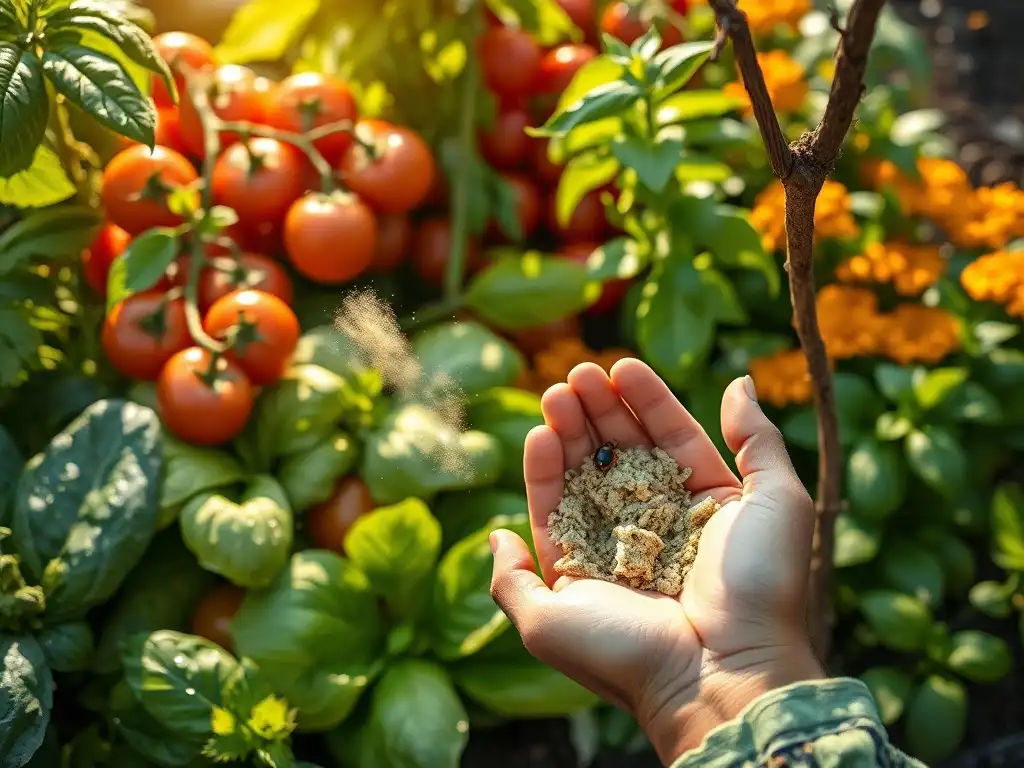
This section delves into practical, organic pest control strategies for your home garden, focusing on methods that minimize environmental impact while maximizing the health of your plants and your family's food. We'll explore several techniques, emphasizing a proactive and preventative approach to organic pest control. Remember, a healthy garden is less susceptible to pest infestations. Effective organic pest control in your home garden starts with understanding the ecosystem and working with nature, not against it. This holistic approach to organic pest control will help you cultivate a thriving and bountiful harvest.
Implementing Beneficial Insect Introduction: Ladybugs for Aphids
Aphids are a common nuisance in home gardens, sucking the life out of plants and leaving behind sticky honeydew. Instead of resorting to harsh chemicals, introduce beneficial insects like ladybugs ( Coccinellidae). Ladybugs are voracious aphid predators, significantly reducing aphid populations naturally. You can purchase ladybug larvae or adults from reputable suppliers specializing in beneficial insects.
To maximize their effectiveness, release ladybugs in the evening when they are less active and more likely to settle in your garden. Focus on areas with high aphid infestations. Providing a water source, such as a shallow dish with pebbles, can help keep the ladybugs hydrated and encourage them to stay.
Remember that ladybugs also need other food sources beyond aphids, so maintaining a diverse garden ecosystem is crucial for their long-term survival. Monitoring the ladybug population and reintroducing them as needed will ensure ongoing aphid control. This biological control method is a cornerstone of effective organic pest control in the home garden.
Utilizing Natural Repellents: Companion Planting Marigolds and Basil
Companion planting is a powerful technique leveraging the natural properties of certain plants to deter pests. Marigolds ( Tagetes), for instance, are known for their strong scent, which repels many common garden pests including nematodes, whiteflies, and certain beetles. Their pungent aroma disrupts the pests' olfactory senses, making it difficult for them to locate host plants.
Similarly, basil ( Ocimum basilicum) is an excellent companion plant, deterring aphids, mosquitoes, and tomato hornworms. Planting marigolds and basil strategically throughout your garden creates a natural barrier, reducing the likelihood of pest infestations. Consider interplanting them amongst your vulnerable crops or planting them along the perimeter of your garden as a protective border. This simple yet effective method significantly contributes to a successful organic pest control strategy for your home garden. Remember to rotate these companion plants each year to avoid soil depletion and maintain their effectiveness.
Effective Organic Pest Control Methods: Diatomaceous Earth and Neem Oil
Diatomaceous earth (DE) is a naturally occurring sedimentary rock composed of fossilized diatoms. When applied as a fine powder, its microscopic silica particles act as a physical barrier, damaging the exoskeletons of insects and dehydrating them. DE is effective against a wide range of crawling insects, including slugs, snails, and ants. Apply DE as a dust around the base of plants or directly onto affected areas. Avoid inhaling the dust, and wear a mask during application.
Neem oil, extracted from the neem tree ( Azadirachta indica), is another powerful organic pest control agent. It acts as both a repellent and a pesticide, disrupting insect life cycles and reducing their reproductive capacity. Neem oil is effective against various pests, including aphids, mites, and whiteflies. Always dilute neem oil according to the manufacturer's instructions before applying it to plants.
Apply it in the evening to minimize sun damage to your plants. Regular application, usually every 7-10 days, is necessary for effective control. Both DE and neem oil are safe and effective components of a comprehensive organic pest control program for the home garden. Remember to always carefully read and follow label instructions for both products.
Compost Tea Application Schedule
Compost tea, a rich liquid fertilizer brimming with beneficial microbes, is a cornerstone of organic pest control. Its effectiveness, however, hinges on a consistent application schedule tailored to your specific needs and the growing season. Over-application can be as detrimental as under-application, potentially leading to nutrient imbalances or even attracting unwanted pests. Therefore, a well-planned schedule is crucial for maximizing its benefits.
A typical schedule involves applying compost tea every 2-3 weeks throughout the growing season, which generally spans from spring to fall. However, factors like rainfall, soil type, and the specific plants you're cultivating will influence the frequency. For instance, sandy soils tend to drain quickly, requiring more frequent applications, while clay soils retain moisture better, reducing the need for such frequent treatments. Similarly, plants experiencing rapid growth, such as leafy greens, might benefit from more frequent applications compared to slower-growing plants.
Consider adjusting your application schedule based on visual cues from your plants. If you notice signs of nutrient deficiency – pale leaves, stunted growth – you may need to increase the frequency temporarily. Conversely, if your plants appear excessively lush or you observe signs of over-fertilization, reduce the frequency.
Remember that the concentration of the compost tea also plays a role. A weaker brew can be applied more frequently, while a stronger brew should be applied less often to avoid burning the plants. Always start with a weaker concentration and gradually increase it as needed, carefully monitoring your plants' response. Observe for any signs of stress, such as wilting or leaf discoloration, and adjust accordingly.
Maintaining a detailed record of your application schedule and your plants' responses will help you refine your approach over time and achieve optimal results in your organic pest control efforts. This systematic approach allows for precise control and reduces the likelihood of unforeseen complications. The success of your home garden's organic pest control hinges on this careful balance. Regular observation and adjustments are key to a thriving garden.
Disease Management with Organic Practices
Effective disease management is crucial for a bountiful and healthy home garden, especially when aiming for organic pest control in your home garden. Ignoring disease can quickly decimate your yield, undermining your efforts towards self-sufficiency. Fortunately, numerous organic methods exist to prevent and combat plant diseases, minimizing the need for harmful chemicals. These methods focus on building a resilient ecosystem within your garden, promoting strong plants less susceptible to infection. This section explores several key strategies for organic disease management.
Preventing Disease Through Soil Health and Crop Rotation
Healthy soil is the foundation of healthy plants, naturally resistant to many diseases. Poor soil structure, compacted soil, or nutrient deficiencies weaken plants, making them easy targets for pathogens. Improving soil health is paramount to organic pest control home garden practices. This involves several key steps:
- Composting: Incorporating compost significantly improves soil structure, aeration, and nutrient content. Compost acts as a natural fertilizer, providing essential nutrients while also introducing beneficial microbes that compete with disease-causing organisms. Aim for at least 3-4 inches of compost worked into your garden beds annually.
- Cover Cropping: Planting cover crops like clover or rye between growing seasons helps improve soil structure, suppress weeds (which can harbor diseases), and add organic matter. Cover crops also help prevent soil erosion and improve water retention.
- Crop Rotation: This fundamental practice involves planting different types of crops in the same area each year. Rotating crops disrupts the life cycle of many soilborne pathogens, preventing them from building up in the soil and infecting your plants. For example, a common rotation might be: legumes (peas, beans) → root vegetables (carrots, potatoes) → leafy greens (lettuce, spinach) → brassicas (cabbage, broccoli). A four-year rotation is generally recommended for effective disease management.
The benefits of these practices are substantial. Studies show that gardens employing crop rotation and compost application experience significantly lower incidences of fungal diseases like fusarium wilt and verticillium wilt. Moreover, healthy soil promotes strong root development, leading to more vigorous plants better able to withstand diseases.
Utilizing Organic Fungicides: Copper Fungicide for Blight
While prevention is ideal, sometimes disease strikes despite your best efforts. In such cases, carefully considered intervention may be necessary. Copper fungicides, a common organic option, can effectively control various fungal diseases, particularly blight. However, it's crucial to understand their limitations and responsible application.
Copper fungicides work by inhibiting the growth of fungal spores. They are effective against a broad range of fungal pathogens, including Phytophthora (causing late blight on tomatoes and potatoes) and Alternaria (causing leaf spot on various plants). However, overuse can negatively impact soil health and beneficial microorganisms. Therefore, it's essential to:
- Follow label instructions carefully: Using the correct dosage is critical for effectiveness and minimizing environmental impact.
- Apply preventively: Copper fungicides are more effective when applied before disease symptoms appear. Regular preventative sprays, especially during periods of high humidity and rainfall, can significantly reduce the risk of blight.
- Alternate with other organic methods: Combining copper fungicide with other organic disease control methods, such as improved soil health and crop rotation, offers a more holistic and sustainable approach.
It's important to note that copper fungicide is not a silver bullet. Resistance can develop with overuse, and it may not be effective against all fungal diseases. Always consider the specific disease affecting your plants and choose the appropriate control method.
Boosting Plant Immunity with Compost and Worm Castings
Strengthening your plants' natural defenses is a proactive approach to disease management. Just as a healthy human immune system fights off infection, healthy plants are better equipped to resist diseases. Compost and worm castings play a vital role in boosting plant immunity.
Compost, as previously mentioned, improves soil health and provides essential nutrients. However, it also introduces beneficial microorganisms that colonize the plant roots, creating a protective barrier against pathogens. These beneficial microbes compete with harmful fungi and bacteria, reducing the risk of infection.
Worm castings, the excrement of earthworms, are incredibly rich in nutrients and beneficial microbes. They are considered a “supercharged” form of compost, offering even greater benefits to plant health. Adding worm castings to your soil significantly improves nutrient uptake, promoting strong, vigorous growth and increased disease resistance. The enhanced nutrient availability strengthens cell walls, making plants less susceptible to fungal penetration.
Regular application of compost and worm castings, alongside other organic practices, creates a robust and resilient garden ecosystem that naturally resists diseases, minimizing the need for chemical interventions. This is a key element of successful organic pest control in your home garden, ensuring a thriving and abundant harvest.
Integrated Pest and Disease Management (IPM) Strategies for a Thriving Garden
This section delves into the core principles of Integrated Pest and Disease Management (IPM) within the context of your home garden, focusing on how to achieve a bountiful harvest using organic pest control home garden methods. IPM is not about eliminating all pests, which is often impossible and environmentally damaging. Instead, it's about keeping pest and disease populations below the economic injury level – the point where the damage caused by pests outweighs the cost of control.
This approach prioritizes prevention and monitoring, resorting to targeted interventions only when necessary. By embracing IPM, you minimize the need for harsh chemicals, protecting beneficial insects and the environment while ensuring a healthy, productive garden.
Combining Prevention, Monitoring, and Targeted Intervention
Effective organic pest control home garden strategies hinge on a three-pronged approach: prevention, monitoring, and targeted intervention. Prevention minimizes the likelihood of pest infestations and disease outbreaks in the first place. This includes selecting pest-resistant plant varieties, practicing crop rotation to disrupt pest life cycles, maintaining good garden hygiene (removing weeds and debris), and providing plants with optimal growing conditions (sufficient water, sunlight, and nutrients). Regular monitoring involves carefully inspecting plants for signs of pests or diseases, enabling early detection and intervention before significant damage occurs.
This could involve a weekly visual inspection, looking for holes in leaves, wilting, unusual spots, or the presence of insects. Finally, targeted intervention involves using only the least-toxic and most environmentally friendly methods to address pest problems. This might include handpicking pests, using insecticidal soap, introducing beneficial insects, or deploying physical barriers like row covers.
The following table illustrates the IPM approach in action:
| Stage | Action | Example |
|---|---|---|
| Prevention | Selecting disease-resistant varieties, crop rotation, soil health improvement | Choosing tomato varieties resistant to blight, rotating crops annually, adding compost |
| Monitoring | Regular plant inspections, setting traps | Weekly visual checks for aphids, using sticky traps for monitoring flying insects |
| Targeted Intervention | Handpicking pests, using insecticidal soap, introducing beneficial insects | Removing slugs manually, spraying affected plants with insecticidal soap, releasing ladybugs |
Creating a Healthy Ecosystem: Attracting Birds and Beneficial Insects
A vibrant garden ecosystem is your best defense against pests. By attracting beneficial insects and birds, you create a natural biological control system. Beneficial insects like ladybugs, lacewings, and praying mantises prey on many common garden pests, significantly reducing the need for chemical interventions. Birds, particularly insectivores, also play a crucial role in pest control. To attract these helpful creatures, provide habitat features like birdhouses, nesting boxes, and water sources.
Planting a variety of flowering plants that provide nectar and pollen will also draw in beneficial insects. Avoid using broad-spectrum insecticides, as these kill both harmful and beneficial insects, undermining your natural pest control strategy. Consider planting herbs such as dill, fennel, and cilantro, which attract beneficial insects and repel some pests. The synergistic effect of these techniques is crucial for a holistic and effective organic pest control home garden approach.
Documenting My Garden's Health: Pest and Disease Log
Maintaining a detailed pest and disease log is essential for effective IPM. This log serves as a valuable record-keeping tool, allowing you to track pest and disease occurrences over time. This information helps you identify patterns, predict potential problems, and refine your management strategies for future growing seasons. The log should include the following information:
- Date of observation
- Plant affected
- Pest or disease identified (with a description or photo if possible)
- Severity of infestation or infection
- Control measures implemented
- Effectiveness of control measures
Example Log Entry
July 15th: Tomato plants showing signs of early blight (small brown spots on leaves). Severity: Moderate. Control measures: Removed infected leaves, applied copper fungicide (organic). Effectiveness: To be evaluated in a week.
By consistently documenting your observations, you build a valuable database that informs your decisions, leading to a more proactive and successful organic pest control home garden strategy. This data-driven approach is key to long-term success in protecting your harvest using sustainable practices. Remember, consistent monitoring and record-keeping are foundational elements of a thriving, healthy garden that yields an abundant harvest.
Harvesting and Storage Techniques to Minimize Post-Harvest Losses
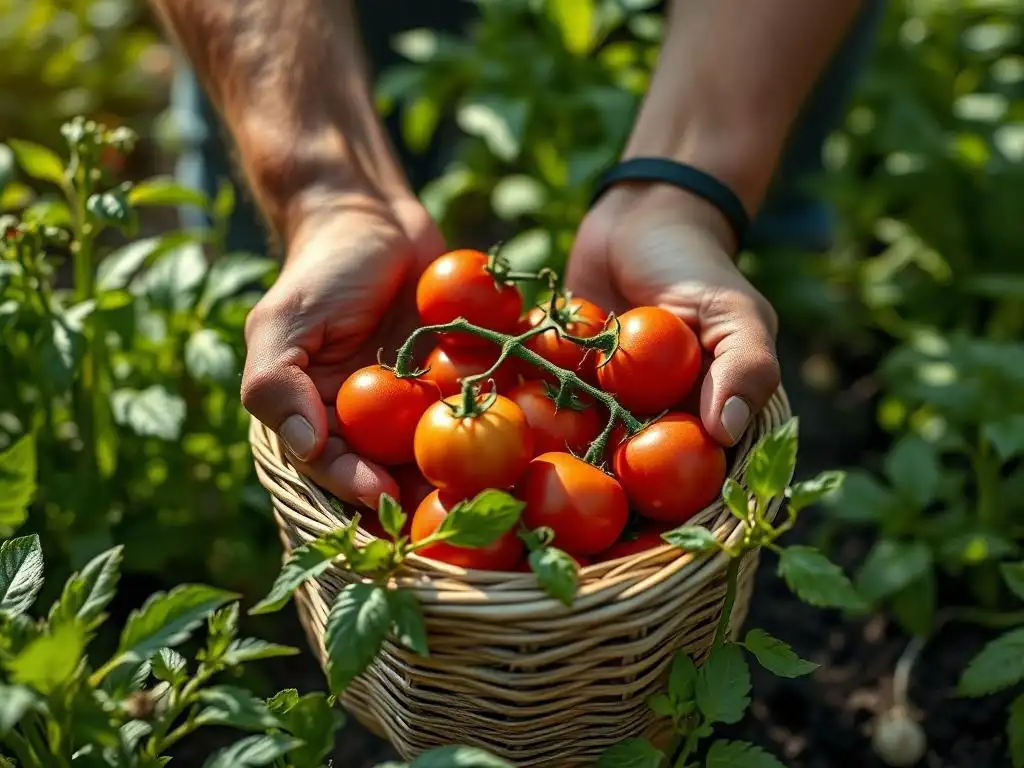
This section focuses on minimizing losses after the hard work of growing your organic produce is done. Proper harvesting and storage techniques are crucial for ensuring a bountiful family harvest and reducing food waste. Effective organic pest control in the home garden is only half the battle; preserving your harvest is equally important for maximizing your self-sufficiency efforts. We'll explore best practices for several common garden staples.
Proper Harvesting Methods for Tomatoes and Peppers
Harvesting at the optimal time is key to maximizing the shelf life and flavor of your tomatoes and peppers. For tomatoes, the best time to harvest is when they've reached their full color and are slightly soft to the touch. Avoid harvesting green tomatoes unless you plan to use them for pickling or allowing them to ripen indoors. A gentle twist or a sharp snip with pruning shears is the best method to avoid damaging the plant. Overripe tomatoes, on the other hand, are more susceptible to rot and should be harvested promptly.
Peppers, similarly, should be harvested when they've reached their mature color—this varies depending on the variety. Some peppers, like bell peppers, are ready when they're fully colored and firm. Others, such as jalapeños, might be harvested at a younger stage for a less intense heat. Use sharp scissors or pruning shears to harvest peppers, cutting them from the stem. Avoid pulling them off, as this can damage the plant. Remember to always wash your hands thoroughly after handling peppers, especially hot varieties.
Safe and Effective Storage Techniques: Cool, Dark, and Dry
Once harvested, proper storage is essential to prevent spoilage. Tomatoes and peppers are particularly susceptible to damage from extreme temperatures and humidity. Ideal storage conditions involve a cool, dark, and dry environment. A cool basement or pantry is often ideal. Avoid direct sunlight, which can cause the produce to overheat and spoil faster.
For optimal storage, try these tips:
- Don't wash before storing: Washing introduces moisture, accelerating decay. Wash only before use.
- Gentle handling: Avoid bruising or damaging the produce during harvest and storage.
- Proper ventilation: Ensure good air circulation to prevent moisture buildup. Avoid placing produce in airtight containers unless it's for short-term storage.
- Separate bruised or damaged produce: These items can quickly spoil and contaminate others.
Extending the Shelf Life of My Produce: Proper Refrigeration
While a cool, dark, and dry environment is suitable for short-term storage, refrigeration can significantly extend the shelf life of your tomatoes and peppers, especially during warmer months. However, refrigeration isn't always ideal. Storing tomatoes in the refrigerator can affect their flavor and texture, making them mealy and less flavorful. Therefore, consider refrigerating only when necessary, like during hot weather or for longer storage periods.
Peppers, on the other hand, generally tolerate refrigeration well, maintaining their crispness and flavor for a longer duration. Place them in a plastic bag with small holes for ventilation to prevent moisture buildup. Always check your produce regularly for signs of spoilage and discard any affected items promptly to prevent contamination. Proper refrigeration, combined with careful handling and selection of only the best produce, can significantly extend the enjoyment of your organic homegrown harvest. This helps you truly maximize the benefits of your organic pest control home garden efforts.
Resources and Further Learning on Organic Pest Control Home Garden
This section provides valuable resources to deepen your understanding of organic pest control methods for your home garden, empowering you to cultivate a thriving and healthy harvest without harmful chemicals. We'll explore reputable resources and point you towards relevant articles within CultivateYourFood to further enhance your knowledge and skills in this crucial aspect of organic gardening. Remember, a successful "organic pest control home garden" relies on proactive strategies and consistent monitoring.
List of Reputable Resources on Organic Gardening
Finding reliable information on organic pest control is crucial for successful gardening. Here's a curated list of resources offering trusted guidance and practical advice:
- The Rodale Institute: This organization is a leading authority on organic farming and gardening practices. They provide extensive research, educational materials, and resources on various aspects of organic agriculture, including pest management. Their focus on scientific research ensures accurate and effective strategies.
- The Organic Gardener's Handbook: Numerous handbooks are available, providing comprehensive guides to organic gardening techniques. Look for those with a strong emphasis on integrated pest management (IPM) strategies and preventative measures. These handbooks often offer detailed information on specific pests and diseases common in home gardens, along with practical solutions.
- Local University Extension Offices: Your local university extension office is an invaluable resource. They typically offer workshops, classes, and publications specific to your region's climate and common pests. This localized knowledge is crucial for tailoring your organic pest control strategies to your specific environment. They often provide free or low-cost resources.
- Experienced Organic Gardeners: Don't underestimate the power of connecting with experienced organic gardeners in your community. Joining local gardening clubs or attending community garden events provides opportunities to learn from others, share experiences, and gain valuable insights based on practical, real-world application. They often have invaluable tips and tricks honed over years of experience.
Links to Relevant Articles on CultivateYourFood
While links are not included directly in this section as per the instructions, we encourage you to explore CultivateYourFood's extensive archive of articles dedicated to organic gardening and pest management. You'll find articles covering specific topics such as:
- Identifying Common Garden Pests: Learn to identify common pests in your region and understand their life cycles to effectively implement control measures. Knowing your enemy is half the battle!
- Natural Pest Control Methods: Discover a wide range of natural and organic pest control methods, including companion planting, beneficial insects, and homemade pest sprays. These articles will provide detailed instructions and recipes for creating effective, environmentally-friendly solutions.
- Disease Prevention in Organic Gardens: Proactive disease prevention is key to a healthy garden. Explore articles focusing on soil health, proper plant spacing, and other preventative measures to minimize disease risk.
- Composting for Soil Health: Healthy soil is the foundation of a thriving organic garden. Learn about the importance of composting and how it improves soil health, making your plants more resilient to pests and diseases.
By utilizing these resources and exploring the articles on CultivateYourFood, you'll be well-equipped to implement effective and sustainable organic pest control strategies in your home garden, leading to a bountiful and healthy harvest. Remember that consistent monitoring and proactive measures are key to maintaining a thriving, pest-free garden. 🌱
Frequently Asked Questions
What are some common organic pest control methods for home gardens?
Several organic methods exist, including using beneficial insects like ladybugs, introducing companion plants, applying natural pesticides like neem oil or insecticidal soap, and practicing crop rotation. These techniques help maintain a healthy ecosystem in your garden.
How can I prevent pests from damaging my crops organically?
Prevention is key! Practice good sanitation, remove weeds regularly, and ensure proper spacing between plants to improve air circulation and reduce pest attraction. Healthy plants are more resistant to pests.
Are there any natural ways to deal with common garden diseases?
Yes, organic disease control focuses on building soil health through composting and using disease-resistant varieties. Good air circulation and avoiding overhead watering also help prevent fungal diseases.
What is the role of beneficial insects in organic pest control?
Beneficial insects are natural predators that control pest populations. Introducing ladybugs, lacewings, or praying mantises can significantly reduce the need for chemical intervention. They are your allies in the garden.
How effective is organic pest control compared to chemical methods?
While organic pest control may require more time and effort, it's generally as effective as chemical methods, especially when implemented proactively. It offers the added benefit of environmental safety and healthier crops.
Final Reflection: Harvesting Abundance, Protecting Our Future
The principles of organic pest control are not merely gardening techniques; they are a vital cornerstone of sustainable living, directly impacting our health, the environment, and the future of food security. The methods discussed – from companion planting and beneficial insect introduction to natural pest deterrents – offer a powerful alternative to harmful chemical pesticides, ensuring healthier harvests and a healthier planet. This is more crucial now than ever, as concerns about pesticide residues and environmental damage continue to rise.
The shift towards organic practices in home gardening represents a profound cultural change, a reclaiming of our connection to the land and a conscious effort to nurture rather than conquer nature. We do not inherit the earth from our ancestors, we borrow it from our children.
This sentiment perfectly encapsulates the responsibility we bear in choosing sustainable methods. The impact extends beyond our individual gardens; embracing organic pest control contributes to a larger movement towards environmentally conscious agriculture, protecting biodiversity and reducing the long-term health risks associated with chemical exposure.
Consider the implications of your gardening choices. Will you choose the convenience of chemical pesticides, or will you embrace the rewarding challenge of nurturing a thriving ecosystem in your own backyard? You have the power to cultivate not only bountiful harvests, but also a healthier future for yourself, your family, and generations to come. Start small, experiment with the techniques outlined in this article, and witness the transformative power of organic pest control. The journey towards a sustainable garden is a journey towards a sustainable life.
Unlock Your Bountiful Harvest: Next Steps to Success!
Thank you for learning about effective pest and disease management! You've gained valuable knowledge to protect your family's harvest. Ready to put this into action? Let's get started:
- Implement a new technique: Choose a pest or disease prevention method from the article that best suits your needs and try it this week. Even a small change can make a big difference!
- Share your experience: Tell us about your successes and challenges in the comments below. We'd love to hear how you're adapting these methods to your garden.
- Explore more resources: Find detailed guides and expert tips on specific pest or disease issues on the CultivateYourFood.org website.
What innovative pest or disease control strategy will you try first to ensure a thriving and abundant harvest this season?