
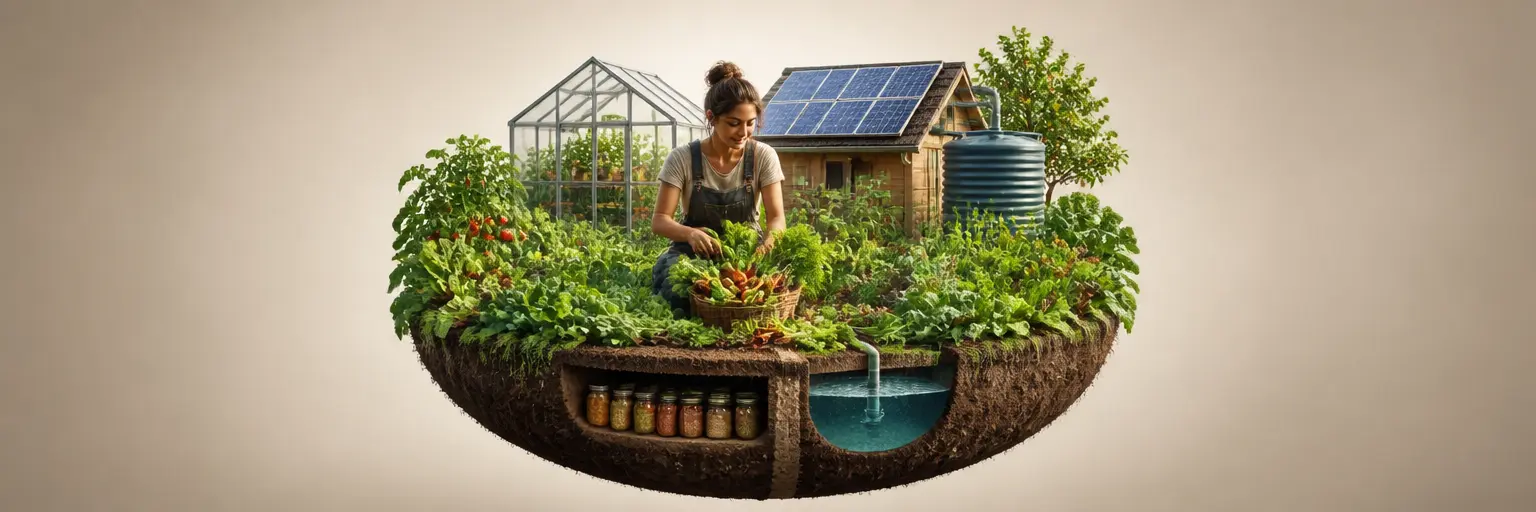
Planning for a MultiPurpose Garden: Fresh Eating and Preservation
Discover gardening for self-sufficiency with practical, organic strategies for growing abundant homegrown food, saving seeds, raising backyard chickens, preserving harvests, and planning productive gardens through every season. 🌱 Learn sustainable techniques to reduce reliance on store-bought produce, build food security, enrich your soil, and enjoy fresh fruits, vegetables, and herbs year-round. Whether you’re starting a small backyard garden or working toward greater household independence, CultivateYourFood provides helpful guidance to turn your garden into a resilient, productive food source. 🥕🐔 Grow more, waste less, and cultivate a healthier, more self-reliant lifestyle.
80 articles
How to Grow a Diverse Garden That Will Feed Your Family Well
YearRound Harvest: CultivateYourFood's Guide to Garden Journaling
Effective Seed Cleaning Techniques: Removing Debris for Optimal Storage
Planning a Tomato Garden for Preservation: Sauce, Paste, and Whole Tomatoes
Watering Strategies for Feeding Your Family From a Home Garden
Seed Saving and the Circular Economy: Minimizing Waste in the Garden
Seed Saving for Winter Gardens: Preparing for ColdWeather Growing
Planning a Garden with Children: Involving the Whole Family in the Process
Growing Enough Food for Your Family: The Ultimate Goal of SelfSufficiency
Integrating Chickens into Raised Beds: A Complete Guide
Chicken Breeds for Gardeners: Choosing the Right Fowl for Your Space
Planning a Cucumber Garden for Preservation: Pickles, Relish, and More
CultivateYourFood: How to Use Row Covers for YearRound Harvest
Growing Enough Food for a Family with Specific Dietary Restrictions
The Ultimate Guide to Using Chickens to Boost Garden Yields
CultivateYourFood: How to Plan for a YearRound Harvest with Kids
Planning Your YearRound Harvest: CultivateYourFood's Monthly Guide
Seed Saving and Plant Breeding: Experimenting with New Varieties
Choosing the Right Varieties for Your Family's Needs and Preferences
Seed Saving and Pest Management: Protecting Your Seeds from Infestations
Integrating Chickens for Garden Harmony: A Beginner's Guide
The Best Ways to Store Food in a Root Cellar
How to Store Stone Fruits: Peaches, Plums, and Cherries
Feeding a Family on a Budget: Maximizing Your Garden's Output
The Power of Seed Saving: How to Create a Resilient Home Garden
PreservationFocused Garden Design: Combining Beauty and Functionality
Maximize Your Yield: YearRound Harvest Planning with CultivateYourFood
The Best Time to Save Seeds: Timing Your Seed Harvest for Maximum Viability
Root Cellaring Secrets: How to Store Your Harvest Like Our Ancestors
Gardening for Self-Sufficiency is the practice of growing, preserving, and storing more of your own food using sustainable, organic gardening methods. At CultivateYourFood, you will discover practical guidance for creating a productive backyard garden, improving soil health, saving seeds, managing pests naturally, and planning harvests that support your household throughout the year.
Whether you are a beginner gardener or an experienced homesteader, self-sufficient gardening can help reduce grocery costs, increase food security, and provide fresh, nutritious produce close to home. Explore strategies for choosing reliable crops, growing enough food for your family, integrating chickens, preserving seasonal abundance, and building a resilient year-round food system with less waste and greater independence.
🌱 Growing Enough Food for Your Family
Learn how to estimate your household’s food needs and turn those goals into a practical garden plan. This subcategory covers crop selection, planting quantities, succession planting, spacing, garden layout, and growing conditions so you can make the most of every available bed, container, or raised garden.
Readers can expect guidance on productive vegetables, fruits, herbs, and staple crops that suit different climates and family sizes. You will also find tips for improving yields through healthy soil, compost, organic fertilizers, natural pest control, and efficient watering, helping you grow a dependable supply of homegrown food.
🌾 Seed Saving Techniques for Future Seasons
Seed saving is an important skill for gardeners who want greater independence and a reliable supply of planting material. Discover how to select healthy parent plants, collect mature seeds, clean and dry them properly, and store them in conditions that protect germination and seed quality.
This section explains the differences between saving seeds from open-pollinated, heirloom, and hybrid plants, along with practical ways to prevent unwanted cross-pollination. You will learn how to label, organize, test, and exchange seeds while building a low-cost, climate-adapted seed collection for future growing seasons.
🐔 Integrating Chickens into Your Backyard Garden
Backyard chickens can contribute valuable resources to a self-sufficient garden, including eggs, manure, pest control, and compost materials. Learn how to plan a safe chicken area, protect garden beds, manage free-ranging, and design systems that allow birds and plants to coexist productively.
Readers will find advice on composting chicken manure safely, using deep-litter systems, rotating poultry through appropriate areas, and preventing soil compaction or crop damage. With thoughtful planning, chickens can support organic soil fertility and natural insect management while providing fresh eggs for the household.
🥕 Storing Your Homegrown Food
Successful self-sufficiency does not end at harvest. This subcategory explores effective ways to store homegrown vegetables, fruits, herbs, and other crops so you can enjoy garden produce beyond the growing season. Topics include curing, root cellaring, drying, freezing, fermenting, and safe canning practices.
Discover how to prepare crops for storage, choose suitable containers, control temperature and humidity, and monitor food quality. You will also learn how to reduce spoilage and preserve flavor with safe, practical food storage methods that help extend the value of every harvest.
🫙 Planning Your Garden for Food Preservation
Growing for preservation requires more than planting popular vegetables. Learn how to select crops that freeze, dry, ferment, or can well, and how to calculate planting amounts based on your family’s consumption and preservation goals. This approach helps create a garden that supplies both fresh meals and long-term food reserves.
Expect guidance on coordinating harvest windows, planting processing crops in succession, and growing complementary ingredients such as tomatoes, peppers, onions, herbs, beans, and fruit. By combining garden planning with preservation, you can build a productive home food system with less seasonal waste.
📅 Planning for a Year-Round Harvest
Year-round gardening begins with understanding your local climate, frost dates, daylight patterns, and seasonal growing conditions. This section covers succession planting, fall and winter gardening, season extension, cover crops, cold frames, greenhouses, and protective row covers.
Readers will learn how to create a detailed planting calendar that keeps beds productive across spring, summer, autumn, and winter. You will also discover how to choose cold-hardy crops, stagger maturity dates, and plan continuous harvests for fresh homegrown food in every season.
❓ Frequently Asked Questions About Gardening for Self-Sufficiency
🌿 How much garden space is needed to grow food for a family?
The required space depends on family size, crop choices, climate, gardening experience, and how much food you plan to preserve. Start with high-yield crops your household regularly eats, then expand gradually. Succession planting, vertical growing, and intensive spacing can significantly increase production in a small garden.
🌱 What are the best crops for a self-sufficient garden?
Reliable choices often include potatoes, beans, tomatoes, leafy greens, carrots, onions, squash, cucumbers, herbs, berries, and fruit trees. Select crops suited to your growing zone and prioritize foods that your family enjoys. Including calorie-dense and storage-friendly crops can make your garden more useful for long-term food security.
🌾 Is saving garden seeds difficult for beginners?
Many gardeners can begin with easy crops such as beans, peas, lettuce, tomatoes, and peppers. Allow seeds to mature fully, collect them from healthy plants, dry them thoroughly, and store them in labeled, airtight containers in a cool, dark location. Start with open-pollinated or heirloom varieties for more reliable results.
🐔 Can chickens be kept safely around a vegetable garden?
Yes, but chickens should be managed carefully because they may scratch seedlings, eat crops, and compact soil. Use fencing, movable runs, designated poultry zones, and supervised access. Compost chicken manure before applying it to garden beds, and maintain clean food and water areas to support healthy birds and productive soil.
🫙 Which food preservation methods are best for homegrown produce?
The best method depends on the crop and your available equipment. Freezing works well for many vegetables and fruits, while drying is useful for herbs, fruit, and some vegetables. Fermentation suits cabbage and other produce, and pressure or water-bath canning can provide long-term storage when safe, tested procedures are followed.