
The Best Cilantro Varieties to Grow at Home

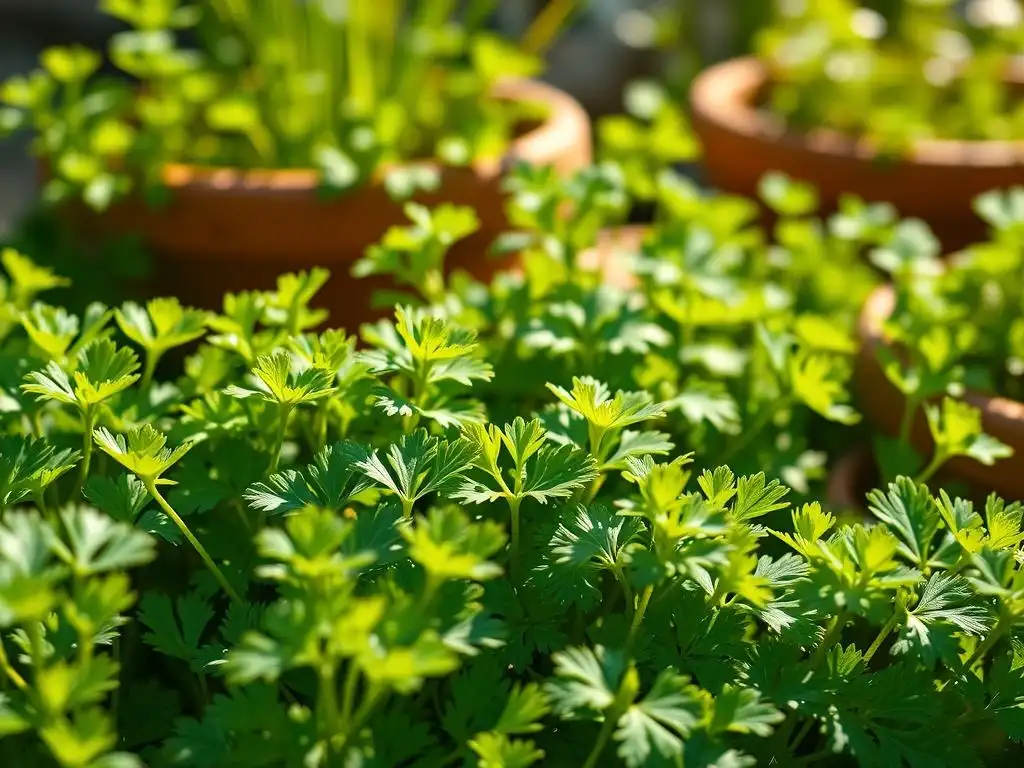
Welcome to CultivateYourFood, your guide to a greener, more flavorful life! Ready to transform your backyard into a thriving oasis of fresh, organic produce? We're passionate about helping you cultivate your own food, and our journey begins with uncovering the best homegrown cilantro varieties. Discover the secrets to a bountiful harvest and learn why growing your own herbs is easier (and tastier!) than you think. Let's get started!
- Choosing the Right Cilantro for Your Home Garden
- Top Cilantro Varieties for Home Cultivation
- Planting and Growing Your Chosen Cilantro
- Harvesting and Storing Your Homegrown Cilantro
- Troubleshooting Common Cilantro Growing Challenges
- Frequently Asked Questions
- Final Reflection: Sowing the Seeds of Flavor: A Homegrown Cilantro Journey
- Unlock Your Inner Herb Gardener: Grow the Perfect Cilantro!
Choosing the Right Cilantro for Your Home Garden
Cultivating fresh, vibrant cilantro in your own backyard offers unparalleled flavor and satisfaction. This guide dives deep into selecting the best cilantro varieties for home cultivation, focusing on factors like climate, space constraints, and growth habits. Whether you're a seasoned gardener or just starting out, understanding these key aspects will significantly increase your chances of a bountiful cilantro harvest, brimming with that distinctive, zesty flavor. We'll explore the nuances of different cilantro types, helping you choose the perfect variety to flourish in your unique environment and gardening style.
From understanding cilantro's growth preferences to selecting varieties suited for small spaces, this comprehensive guide will empower you to grow the best cilantro you've ever tasted, all from the comfort of your home. This article will help you rank amongst the best homegrown cilantro enthusiasts, using sustainable and organic practices. Let's get started! 🌱
Understanding Cilantro Growth Habits and Preferences
Cilantro, also known as coriander (referring to the seeds), is a cool-season annual herb that thrives in full sun to partial shade. It prefers well-drained soil that's rich in organic matter. One crucial factor to understand is cilantro's sensitivity to heat. Prolonged exposure to high temperatures (above 80°F or 27°C) can cause the plant to bolt—meaning it will quickly flower and produce seeds, resulting in a bitter, less flavorful leaf.
This bolting process is a natural response to stress, and it's difficult to entirely prevent, but choosing heat-tolerant varieties and providing adequate shade during the hottest parts of the day can help mitigate this issue. Furthermore, consistent watering is essential, especially during dry periods. Allowing the soil to dry out completely can stress the plant and lead to premature bolting. Understanding these nuances will help you provide optimal growing conditions for a successful harvest.
Consistent watering is key to success. Aim for moist but not waterlogged soil. Consider using mulch to retain soil moisture and suppress weeds. This will also help regulate soil temperature, reducing the stress on your cilantro plants. Regular harvesting (picking leaves rather than cutting stems) also encourages bushier growth and prevents bolting. Remember, healthy soil is the foundation of a healthy plant! Consider adding compost or other organic matter to enrich your soil before planting.
Selecting Cilantro Varieties for Different Climates
Choosing the right cilantro variety is crucial for success, especially when considering your specific climate. Different varieties exhibit varying degrees of tolerance to heat and cold. For example, in regions with hot summers, selecting a heat-tolerant variety is paramount. Conversely, in areas with short growing seasons, an early-maturing variety is ideal. Some varieties are known for their exceptional flavor even under stressful conditions.
Researching varieties suited to your local climate will significantly improve your chances of a successful harvest. Remember to check seed packets or plant descriptions for specific climate recommendations. Data on heat tolerance and maturation times varies slightly depending on the source, so it's best to check multiple sources for the most accurate information. [Specific data on various cilantro varieties and their climate tolerance pending]
Best Cilantro Varieties for Small Spaces and Containers
Growing cilantro successfully in limited spaces, such as balconies or small gardens, is entirely achievable. Dwarf or compact varieties are particularly well-suited for containers and small gardens. These varieties typically reach a smaller mature size compared to their larger counterparts, making them ideal for space-saving cultivation. When growing in containers, ensure the pots are at least 6 inches deep and have adequate drainage holes to prevent root rot. Using well-draining potting mix is also crucial.
Remember to water regularly, as containers dry out more quickly than in-ground plantings. With proper care and attention, even small spaces can yield a delicious and abundant cilantro harvest. 🌿 Consider using trellises or supports if necessary, particularly for bushier varieties. This can help maximize space utilization and promote healthy growth.
Top Cilantro Varieties for Home Cultivation
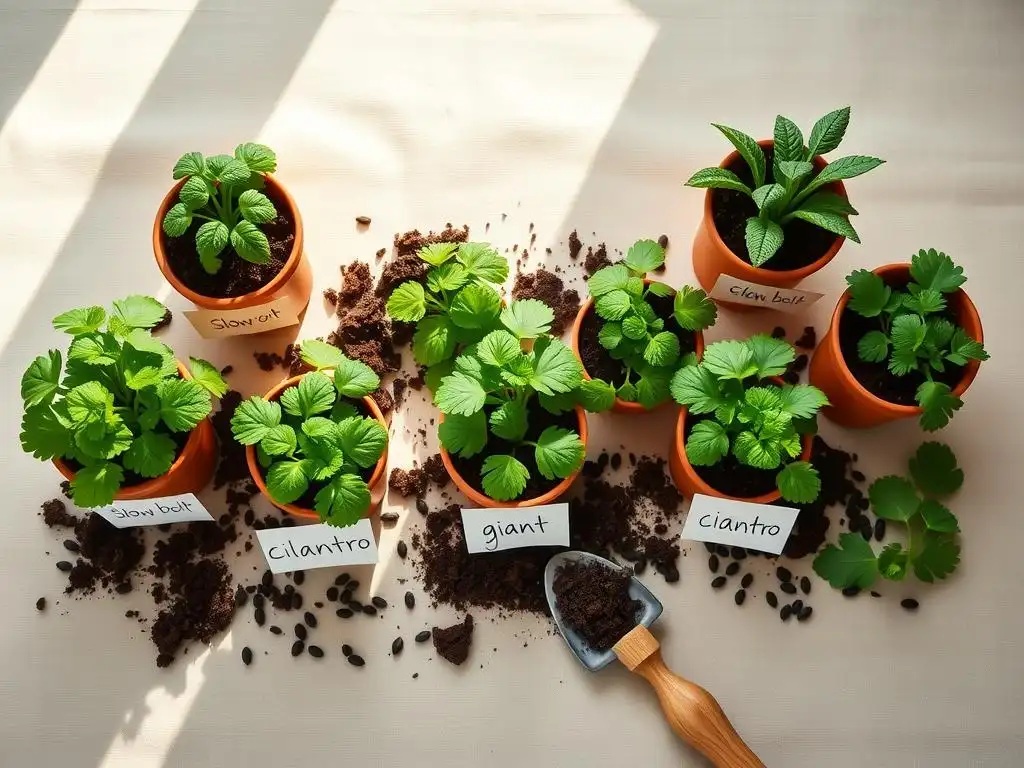
This section explores the best cilantro varieties suited for home cultivation, focusing on characteristics ideal for the home gardener. We'll examine varieties excelling in slow bolting, high yield, and unique flavor profiles, helping you choose the perfect cilantro for your needs. Remember, selecting the best cilantro depends heavily on your specific climate and growing conditions. Even the most lauded variety can fail to thrive without proper care.
Slow Bolting Cilantro Varieties for Extended Harvest
Bolting, or the premature flowering of cilantro, is a common frustration for home gardeners. It leads to bitter, less flavorful leaves and a shorter harvest window. Selecting slow-bolting varieties significantly extends your ability to enjoy fresh cilantro. These varieties are genetically predisposed to remain in their vegetative stage longer, even under warmer temperatures.
Several slow-bolting cultivars are particularly well-regarded among home growers. 'Slow Bolt' and 'Leisure' are frequently cited for their extended harvest periods. These varieties offer a longer window for harvesting tender leaves, maximizing your yield of flavorful cilantro. 'Summer' and 'Erythaea' are also known for their ability to resist bolting, especially in cooler climates. However, even these varieties will eventually bolt, particularly under intense heat and long daylight hours. Regular harvesting, providing consistent shade during peak sun hours, and ensuring sufficient moisture can all help extend the harvest season even further.
Consider the following table summarizing the key characteristics of some excellent slow-bolting cilantro varieties:
| Variety Name | Bolting Resistance | Flavor Profile | Ideal Climate | Notes |
|---|---|---|---|---|
| Slow Bolt | Very High | Classic, bright | Cool to Moderate | Excellent for extended harvests |
| Leisure | High | Mild, slightly sweet | Cool to Moderate | Performs well in containers |
| Summer | Moderate to High | Strong, pungent | Cool to Moderate | More tolerant of warmer temperatures |
| Erythaea | Moderate to High | Citrusy notes | Cool | Best grown in consistently cool conditions |
High-Yielding Cilantro Varieties for Abundant Harvests
For those seeking maximum cilantro production, choosing high-yielding varieties is crucial. These cultivars are bred to produce a greater number of leaves per plant, ensuring a bountiful harvest. While slow bolting is desirable, it's not the only factor to consider when aiming for abundance.
'Giant of Calcutta' is a popular choice known for its prolific leaf production. This variety produces large, bushy plants with numerous leaves, resulting in a substantial harvest. However, it's important to note that 'Giant of Calcutta' is less resistant to bolting than some of the slow-bolting varieties. Regular harvesting and appropriate spacing are essential for maximizing its yield and delaying bolting.
Another strong contender in the high-yield category is 'Cilantro Long Standing'. This variety combines good yield with relatively good bolting resistance, making it a practical option for many home gardeners. It's a versatile choice suitable for both containers and garden beds.
The success of high-yielding varieties depends significantly on proper planting techniques and consistent care. Ensure adequate spacing between plants to allow for optimal growth and airflow, preventing fungal diseases. Regular watering and fertilization are also essential for maximizing yields.
Cilantro Varieties with Unique Flavors and Aromas
Beyond yield and bolting resistance, many cilantro varieties offer distinct flavor profiles. Some exhibit stronger, more pungent flavors, while others possess milder, sweeter notes. Experimenting with different cultivars allows you to discover your personal preference.
'Slow Bolt' and 'Leisure' tend to have milder, slightly sweeter flavors compared to other varieties. In contrast, 'Cilantro Long Standing' and 'Giant of Calcutta' often display more intense, classic cilantro flavors. Some varieties even boast subtle citrusy or lemony undertones, adding a unique dimension to your culinary creations. Exploring these diverse flavor profiles can significantly enhance your culinary experiences. Consider planting a mix of varieties to appreciate the full spectrum of cilantro's aromatic complexity. This approach allows you to compare and contrast the nuances of each cultivar's unique flavor signature. Experimentation is key to discovering your favorite! 🌿
Planting and Growing Your Chosen Cilantro
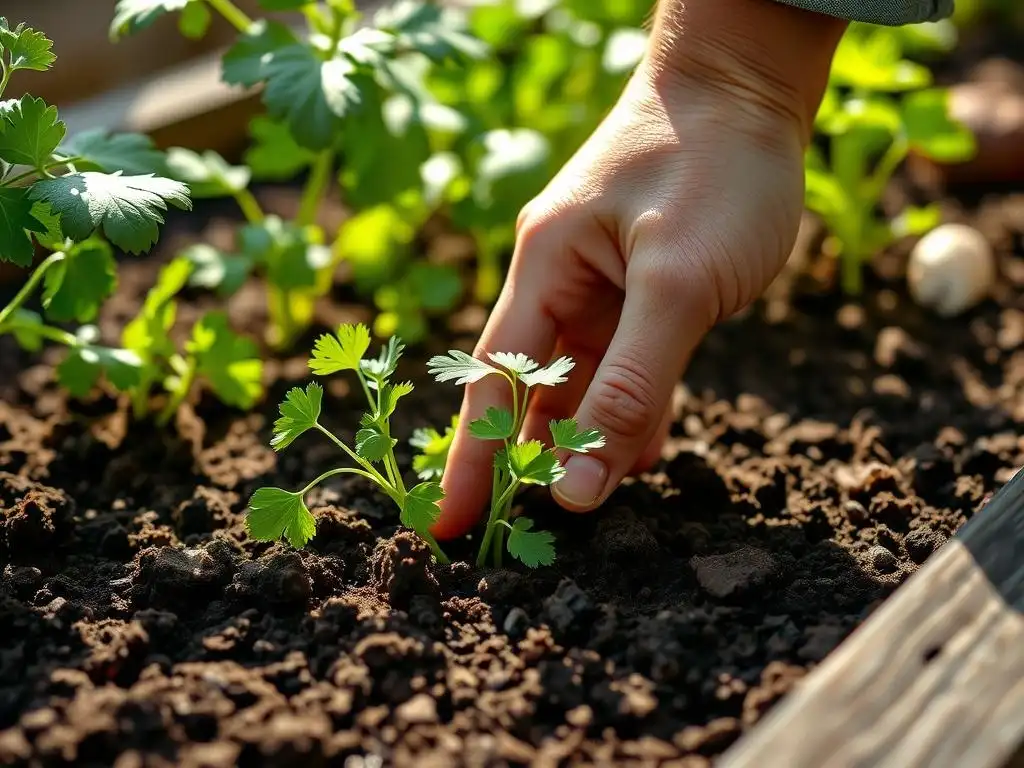
This section details the practical steps involved in planting and nurturing your selected cilantro varieties for a bountiful harvest. Remember, success hinges on proper soil preparation, precise sowing techniques, and consistent maintenance of ideal growing conditions. Choosing the best homegrown cilantro varieties is only half the battle; understanding how to cultivate them is crucial.
Preparing the Soil for Optimal Cilantro Growth
Cilantro thrives in loose, well-drained soil rich in organic matter. Heavy clay soils can hinder root development, leading to stunted growth and reduced yield. Before planting, amend your soil to improve its structure and fertility. A soil test can reveal deficiencies, allowing you to tailor your amendments accordingly.
For example, if your soil is lacking in nitrogen, consider incorporating composted manure or aged chicken manure. These organic amendments also improve soil drainage and aeration, creating an optimal environment for cilantro's delicate roots. Aim for a soil pH between 6.0 and 7.0, as cilantro prefers slightly acidic to neutral conditions. You can adjust the pH using lime (to raise it) or sulfur (to lower it), following the instructions provided with the product.
Remember to thoroughly mix the amendments into the soil to a depth of at least 12 inches. Proper soil preparation is the foundation for healthy, vigorous cilantro plants. Consider adding a layer of mulch after planting to retain moisture and suppress weeds.
Sowing Cilantro Seeds: Techniques for Success
Cilantro is typically grown from seed, directly sown into the garden bed. Avoid transplanting seedlings, as cilantro doesn't tolerate root disturbance well. Sow seeds about ¼ inch deep and 1 inch apart, in rows spaced 12 to 18 inches apart. This spacing allows for adequate air circulation and prevents overcrowding, reducing the risk of fungal diseases.
Gently press the seeds into the soil, ensuring good seed-to-soil contact. Water thoroughly after sowing, keeping the soil consistently moist but not waterlogged. Germination typically occurs within 7-10 days, depending on soil temperature and moisture levels. For faster and more uniform germination, consider soaking the seeds in water for 24 hours before sowing.
This helps break down the seed coat and promotes quicker sprouting. Accurate seed depth and spacing are key factors in achieving a healthy and productive cilantro crop. Remember to monitor seedling emergence and thin out any overcrowded seedlings to maintain the recommended spacing. This ensures each plant receives sufficient nutrients and sunlight.
Providing Ideal Growing Conditions for Cilantro
Cilantro thrives in full sun to partial shade, requiring at least 6 hours of sunlight per day. In hotter climates, some afternoon shade can be beneficial, preventing scorching. Consistent watering is crucial, especially during dry spells. Aim to keep the soil evenly moist but not soggy.
Allow the top inch of soil to dry slightly between waterings to avoid root rot. Regular watering helps prevent bolting (premature flowering), which can make the leaves bitter and less flavorful. Consider using a drip irrigation system for efficient water delivery. Mulching also helps retain soil moisture, reducing the frequency of watering.
Regular weeding is necessary to prevent competition for nutrients and water. Applying a balanced organic fertilizer can enhance growth and flavor, but avoid over-fertilizing, which can lead to leafy growth at the expense of flavor. A healthy, well-maintained cilantro patch will reward you with an abundance of fragrant, flavorful leaves. Careful monitoring of moisture levels and sunlight exposure are essential for optimal cilantro growth, leading to a successful harvest of your chosen best homegrown cilantro varieties.
Watering and Fertilizing Your Cilantro Plants
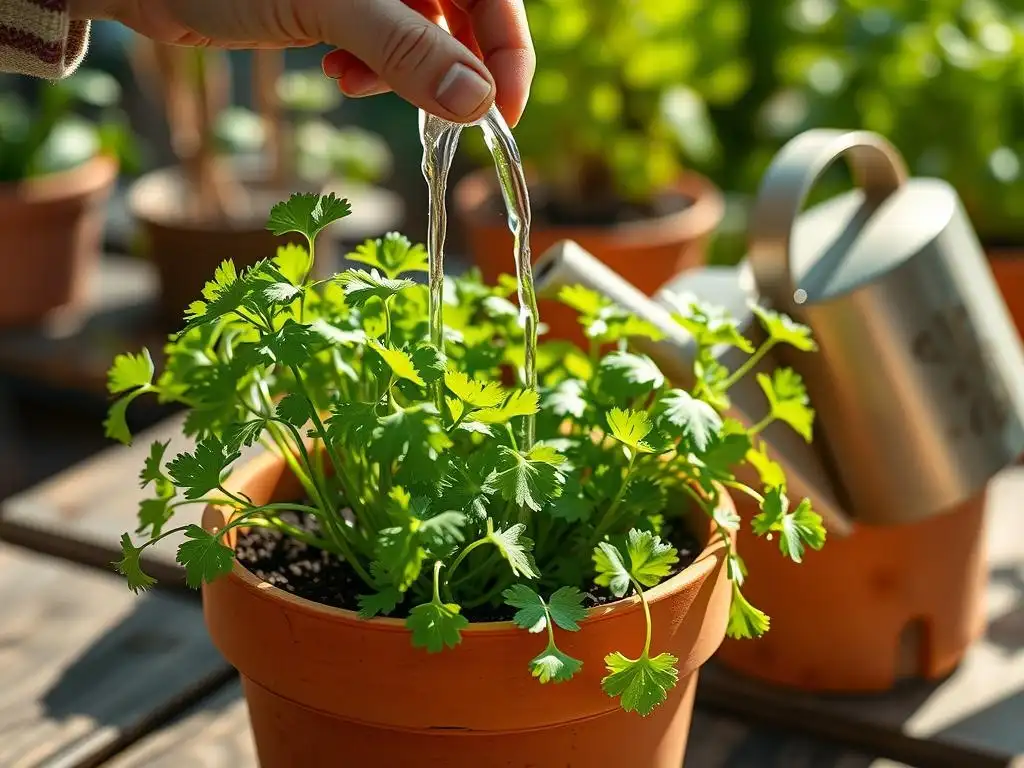
Cilantro, like many herbs, thrives on consistent moisture but dislikes soggy soil. Overwatering can lead to root rot, a common problem that quickly kills cilantro plants. The ideal soil moisture should be consistently moist but well-drained. Check the soil regularly by sticking your finger about an inch into the soil; if it feels dry, it's time to water.
Water deeply and thoroughly, allowing the water to penetrate the root zone. Avoid overhead watering, which can promote fungal diseases. Instead, opt for watering at the base of the plant or using a drip irrigation system. The frequency of watering will depend on factors such as climate, soil type, and the intensity of sunlight.
In hot, dry climates, you might need to water daily, while in cooler, more humid conditions, watering every other day or even less frequently may suffice. Remember, it's better to underwater slightly than to overwater. A good rule of thumb is to water when the top inch of soil feels dry to the touch.
Regarding fertilization, cilantro is a relatively light feeder. While it doesn't require heavy fertilization, providing it with a balanced nutrient supply can promote lusher growth and a more flavorful harvest. A well-amended soil prior to planting is crucial. Incorporating compost or other organic matter into your soil before planting will provide the cilantro with essential nutrients throughout its growing cycle.
If you choose to use a fertilizer, opt for a balanced, slow-release organic fertilizer, avoiding anything high in nitrogen, which can lead to excessive leaf growth at the expense of flavor. Apply fertilizer according to the package instructions, typically at a lower rate than recommended for heavier feeders. Over-fertilizing can negatively impact the plant’s flavor and even lead to bolting (premature flowering). Observe your plants carefully; if they appear healthy and vibrant, additional fertilization is likely unnecessary.
Protecting Cilantro from Pests and Diseases
Cilantro is susceptible to several pests and diseases, which can significantly impact its yield and quality. Among the most common pests are aphids, spider mites, and leaf miners. Aphids are small, soft-bodied insects that suck the sap from the leaves, causing them to curl and yellow. Spider mites are tiny arachnids that create fine webbing on the leaves and cause stippling or discoloration. Leaf miners tunnel within the leaves, creating unsightly trails.
Regularly inspecting your plants for these pests is crucial for early detection and intervention. For small infestations, you can manually remove pests by hosing them off with a strong stream of water or wiping them away with a damp cloth. Introducing beneficial insects, such as ladybugs, lacewings, or praying mantises, can help control pest populations naturally. These beneficial insects prey on many common cilantro pests.
Diseases like damping-off (a fungal disease affecting seedlings), leaf spot, and root rot can also plague cilantro. Good sanitation practices are key to preventing diseases. Ensure good air circulation around your plants by avoiding overcrowding. Water at the base of the plants to prevent fungal diseases.
Remove and destroy any infected leaves or plants immediately to prevent the spread of disease. Rotating your crops annually can also help to break pest and disease cycles. If you encounter a severe infestation or disease outbreak, consider using organic pest control methods like neem oil or insecticidal soap. Always follow the instructions carefully and consider the potential impact on beneficial insects.
Prevention is the best strategy, so maintaining healthy, vigorous plants through proper watering, fertilization, and spacing is your first line of defense against both pests and diseases. Remember to always identify the pest or disease before treating it to ensure you are using the most effective and appropriate method. 🌱
Harvesting and Storing Your Homegrown Cilantro
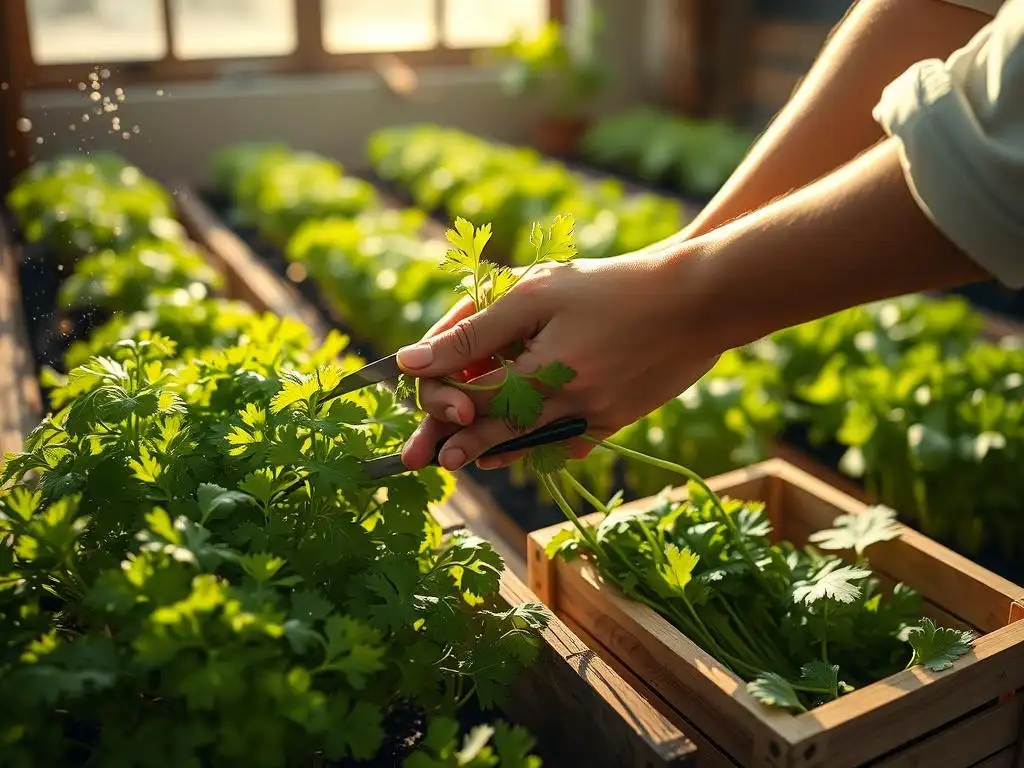
This section focuses on maximizing the yield and quality of your homegrown cilantro by employing optimal harvesting and storage techniques. Understanding these processes is crucial for enjoying the vibrant flavor of your best homegrown cilantro varieties throughout the growing season and beyond. We'll explore the ideal timing for harvesting, the best techniques to ensure regrowth, and methods for preserving the freshness and flavor of your cilantro harvest.
Knowing When to Harvest Cilantro for Best Flavor
The key to harvesting cilantro at its peak flavor is timing. Harvesting too early results in weak, underdeveloped flavor, while harvesting too late leads to a bitter, soapy taste. The optimal time is when the plants are young and vigorous, typically around 6-8 weeks after sowing, but this can vary slightly depending on the variety and growing conditions.
Look for plants that are 4-6 inches tall with plenty of lush, dark green leaves. Avoid harvesting when the plants are stressed by heat or drought, as this will negatively impact flavor. Consider regularly harvesting smaller amounts rather than waiting for a large harvest, as this promotes continuous growth and prevents the plant from bolting (going to seed), which significantly diminishes flavor and makes the leaves bitter. Regular harvesting also keeps the plant productive for a longer period. Think of it as a "cut-and-come-again" approach to maximizing your yield of the best homegrown cilantro varieties.
Proper Harvesting Techniques to Encourage Regrowth
The way you harvest cilantro greatly impacts its regrowth. Simply pulling out the entire plant is wasteful and prevents future harvests. Instead, employ these techniques:
- Harvesting Individual Leaves: Use sharp scissors or a knife to cut individual leaves or small sprigs from the outside of the plant. This allows the inner leaves to continue growing. Avoid pulling leaves, as this can damage the plant.
- Cutting Stems: For a larger harvest, cut stems about 1-2 inches above the soil line. This encourages new growth from the base of the plant. Remember to leave at least 2-3 inches of stem to promote regrowth.
- Pinching Back: Regularly pinching back the growing tips encourages bushier growth and prevents the plant from prematurely bolting.
| Harvesting Technique | Description | Impact on Regrowth | Ideal Timing |
|---|---|---|---|
| Individual Leaves | Cut individual leaves or small sprigs | Excellent regrowth | Throughout the growing season |
| Cutting Stems | Cut stems 1-2 inches above the soil line | Good regrowth | When needing a larger harvest |
| Pinching Back | Pinch back growing tips | Encourages bushier growth and prevents bolting | Regularly, throughout the growing season |
This careful approach helps you sustainably harvest the best homegrown cilantro varieties over a longer period, maximizing your yield and minimizing waste. Remember, consistent harvesting is key to enjoying a continuous supply of fresh cilantro.
Storing Cilantro to Maintain Freshness and Flavor
Proper storage is essential to preserving the freshness and flavor of your harvested cilantro. Improper storage can lead to wilting, browning, and a loss of flavor in a short time. Here are some effective storage methods:
- Refrigerator Storage: Wrap cilantro loosely in a paper towel and then place it in a plastic bag. This helps retain moisture without causing excessive condensation, which promotes spoilage. Store it in the crisper drawer of your refrigerator for up to a week.
- Freezing Cilantro: For longer storage, you can freeze your cilantro. Blanch the leaves briefly in boiling water, then immediately plunge them into ice water to stop the cooking process. Dry the leaves thoroughly and store them in freezer-safe bags or containers for up to 3 months. Frozen cilantro is ideal for use in soups, stews, or sauces.
- Drying Cilantro: Cilantro can also be dried for longer storage. Bundle small bunches of cilantro and hang them upside down in a cool, dark, and well-ventilated area. Once completely dry (usually 1-2 weeks), store the leaves in an airtight container in a cool, dark place. Dried cilantro loses some of its flavor, but it remains useful for cooking.
Choosing the right storage method depends on your needs and preferences. Proper storage ensures you can enjoy the delicious flavor of your best homegrown cilantro varieties for as long as possible. Remember that even with optimal storage, cilantro's flavor will diminish over time, so it's best to use it as fresh as possible.
Troubleshooting Common Cilantro Growing Challenges
Cilantro, with its vibrant flavor, is a beloved herb for many home cooks. However, cultivating this delicate plant can present some unique challenges. Successfully growing the best homegrown cilantro varieties requires understanding and addressing these potential problems proactively. This section focuses on three common issues: bolting, pest and disease management, and nutrient deficiencies. Let's delve into each one.
Dealing with Cilantro Bolting (Flowering)
Cilantro bolting, or premature flowering, is a frequent frustration for home gardeners. This occurs when the plant prematurely produces flowers instead of focusing on leaf growth, resulting in a bitter and less flavorful harvest. The primary culprit is usually heat stress. Temperatures consistently above 75°F (24°C) significantly increase the likelihood of bolting.
To mitigate bolting, consider these strategies:
- Choose slow-bolting varieties: Select cultivars specifically bred for their resistance to bolting. These varieties often have longer harvest windows, giving you more time to enjoy fresh cilantro. Researching and selecting the best homegrown cilantro varieties specifically for your climate is crucial.
- Provide consistent moisture: Keep the soil evenly moist but not waterlogged. Stress from drought can trigger bolting. Regular watering, especially during hot and dry periods, is vital.
- Plant in partial shade: Avoid planting cilantro in direct, intense sunlight, especially during the hottest part of the day. A location with morning sun and afternoon shade can significantly reduce bolting.
- Succession planting: Plant cilantro in small batches at intervals throughout the growing season. This staggered approach ensures a continuous supply of young, non-bolted leaves.
- Consider cooler seasons: In warmer climates, planting cilantro in the cooler months (spring or fall) can greatly improve your chances of success.
Managing Common Cilantro Pests and Diseases
While relatively hardy, cilantro can still fall victim to certain pests and diseases. Early detection and appropriate management are key to maintaining healthy plants and a bountiful harvest.
- Aphids: These tiny sap-sucking insects can quickly infest cilantro, causing stunted growth and leaf distortion. Regularly inspect your plants for aphids. If found, try a strong spray of water to dislodge them, or consider using insecticidal soap.
- Leaf Miners: These pests tunnel within the leaves, creating unsightly serpentine trails. While the damage may be cosmetic, severe infestations can weaken the plant. Handpicking affected leaves is often sufficient for small infestations.
- Fungal Diseases: Overwatering or poor drainage can lead to fungal diseases like leaf spot or root rot. Ensure good air circulation around your plants and avoid overhead watering. Proper soil drainage is essential. Consider using organic fungicides as a preventative measure or if infection arises.
| Pest/Disease | Symptoms | Management |
|---|---|---|
| Aphids | Small insects clustering on leaves, stunted growth | Water spray, insecticidal soap |
| Leaf Miners | Serpentine trails on leaves | Handpicking affected leaves |
| Fungal Diseases | Leaf spots, wilting, root rot | Good drainage, avoid overhead watering, organic fungicides |
Addressing Nutrient Deficiencies in Cilantro Plants
Cilantro, like all plants, requires specific nutrients to thrive. Nutrient deficiencies can manifest in various ways, impacting the plant's overall health and yield.
- Nitrogen Deficiency: Nitrogen is crucial for leaf growth. A deficiency often results in pale, yellowing leaves. Adding a balanced organic fertilizer or compost tea can address this issue.
- Potassium Deficiency: Potassium plays a vital role in overall plant health and disease resistance. Deficiencies can lead to leaf browning and wilting. Using a potassium-rich fertilizer can help.
- Phosphorus Deficiency: Phosphorus is essential for root development and flowering. A deficiency can result in stunted growth and poor flowering. Adding a phosphorus-rich fertilizer or bone meal can help.
Remember to always test your soil to understand its specific nutrient levels before applying fertilizers. Over-fertilizing can be just as harmful as under-fertilizing. A soil test provides valuable data to guide your fertilization strategy, ensuring your cilantro receives the optimal balance of nutrients for optimal growth. This approach is crucial for cultivating the best homegrown cilantro varieties possible. 🌱
Frequently Asked Questions
What are some of the best cilantro varieties for home cultivation?
Several excellent cilantro varieties thrive in home gardens. Slow Bolt varieties like 'Slow Bolt' and 'Leisure' are popular for their extended growing season, while 'Santo' offers exceptional flavor and yield. Choose a variety suited to your climate.
How do I ensure my cilantro plants bolt quickly?
Actually, you want to prevent bolting. Bolting (going to seed) makes the leaves bitter. Choose a slow-bolting variety, plant in cooler temperatures, and provide consistent moisture. Afternoon shade can also help.
What are the ideal growing conditions for cilantro?
Cilantro prefers full sun to partial shade, cool temperatures, and well-drained soil rich in organic matter. Consistent watering is crucial, but avoid overwatering, which can lead to root rot.
How can I prevent common cilantro pests and diseases?
Regularly inspect your plants for aphids, leaf miners, and fungal diseases. Use organic pest control methods like insecticidal soap or neem oil. Good air circulation and proper spacing can also help prevent disease.
When is the best time to harvest my homegrown cilantro?
Harvest cilantro leaves when they are young and tender for the best flavor. Pinch or cut the leaves from the outside of the plant, allowing the inner leaves to continue growing. Harvest frequently to encourage bushier growth.
Final Reflection: Sowing the Seeds of Flavor: A Homegrown Cilantro Journey
The vibrant green leaves of cilantro, bursting with fresh, zesty flavor, are more than just a culinary delight; they represent a connection to nature and a celebration of homegrown goodness. This exploration of the best cilantro varieties for home cultivation highlights not only the diverse options available but also the profound satisfaction derived from nurturing these plants from seed to plate. The ease of growing cilantro, as we've seen, makes it accessible to even the most novice gardener, opening up a world of culinary possibilities.
The impact of homegrown food extends far beyond the simple act of eating. It fosters a deeper appreciation for the origins of our food, connecting us to the land and the natural cycles that sustain us. The glory of gardening: hands in the dirt, head in the sun, heart with nature. To nurture a garden is to feed not just the body, but the soul.
This quote perfectly encapsulates the emotional resonance of cultivating our own herbs, enriching our lives in ways that go beyond the purely gastronomic. The simple act of tending to a cilantro plant, watching it grow and thrive, offers a quiet solace and a tangible connection to the natural world, a connection increasingly vital in our fast-paced lives.
Now, consider your own kitchen garden, or even a small pot on a sunny windowsill. What small step can you take today to cultivate your own connection with nature, even if it's just planting a single cilantro seed? Imagine the fresh, vibrant flavor of homegrown cilantro enhancing your meals, the pride in nurturing your own herbs, and the quiet satisfaction of knowing exactly where your food comes from. Embrace the opportunity to sow the seeds of flavor, both literally and metaphorically, and experience the rewarding journey of homegrown herbs.
Unlock Your Inner Herb Gardener: Grow the Perfect Cilantro!
Thanks for exploring the wonderful world of cilantro with us! We hope you've found the perfect variety to brighten your cooking. Now it's time to put your knowledge into practice.
- Get your seeds sprouting! Start by choosing a cilantro variety that appeals to you from your local garden center or online retailer. Remember to consider your climate and growing conditions for best results.
- Share your cilantro journey! Post a picture of your thriving cilantro plants on social media using #CultivateYourCilantro. Let's build a vibrant community of herb enthusiasts!
- Explore companion planting! Researching which herbs or vegetables grow well alongside cilantro can significantly enhance your garden's health and productivity.
Ready to transform your kitchen garden with fragrant, flavorful cilantro? Which variety are you most excited to grow?