
The Art of Layering Vegetables in Your Root Cellar for Maximum Storage

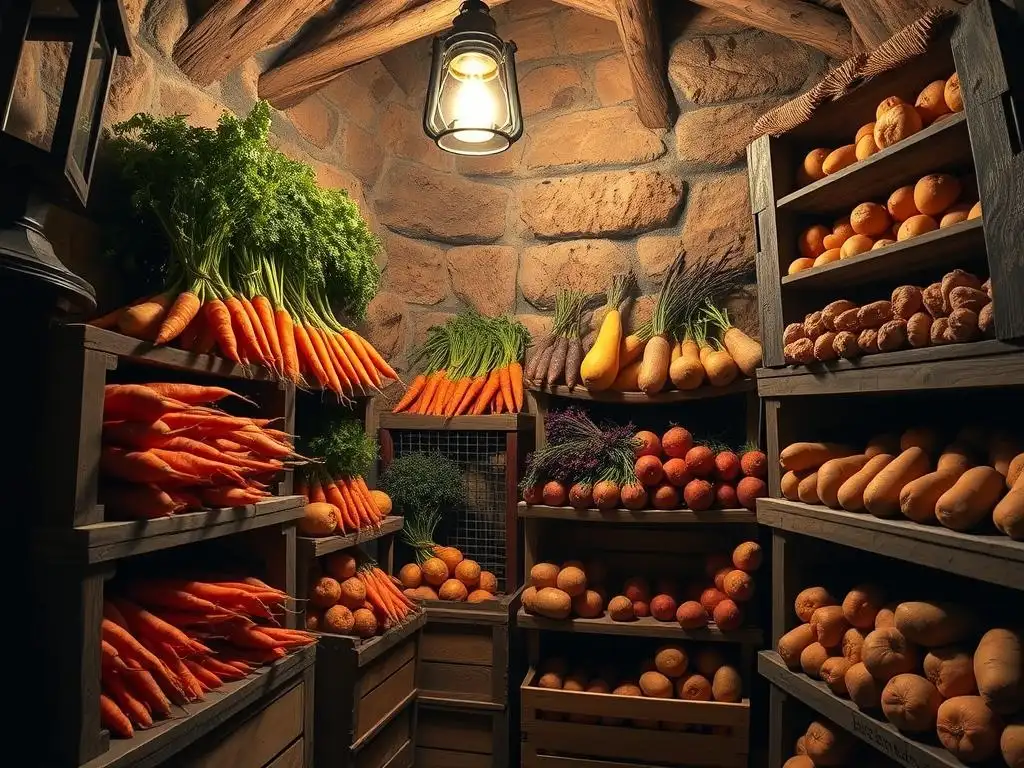
Welcome to CultivateYourFood, your guide to nurturing a thriving garden and enjoying the fruits (and vegetables!) of your labor. Are you ready to unlock the secrets to preserving your harvest? Discover the surprising benefits of layer vegetables root cellar storage, a technique that maximizes space and freshness, ensuring you savor the bounty of your garden all year round. Explore our comprehensive guide on harvesting and preserving, and learn how to extend the life of your homegrown produce. Let's cultivate a more sustainable and delicious future, together.
- Understanding Optimal Root Cellar Vegetable Layering for Long-Term Preservation
- Layering Techniques for Different Vegetable Types
- Maximizing Air Circulation and Preventing Rot in Your Root Cellar Vegetable Storage
- Identifying and Addressing Signs of Rot and Spoilage in Stored Vegetables
- Maintaining Ideal Temperature and Humidity for Layered Vegetable Storage
- Advanced Layering Techniques for Root Cellar Vegetable Storage
- Extending the Shelf Life of Your Stored Vegetables: Post-Harvest Handling and Preparation
-
Frequently Asked Questions
- What is the best way to layer vegetables in a root cellar for optimal storage?
- Which vegetables are best suited for root cellar storage using layering techniques?
- How important is airflow when layering vegetables in a root cellar?
- What are some signs that my layered vegetables are deteriorating?
- Can I use any type of container for layering vegetables in my root cellar?
- Final Reflection: The Enduring Bounty of the Layered Cellar
- Unlock Your Root Cellar's Full Potential!
Understanding Optimal Root Cellar Vegetable Layering for Long-Term Preservation
Root cellaring offers a fantastic way to preserve your harvest long after the growing season ends, extending the availability of fresh, homegrown produce. However, simply tossing your vegetables into a cool, dark space isn't enough to guarantee optimal preservation. The art of layering vegetables in your root cellar is crucial for maximizing storage space and minimizing spoilage.
This detailed guide will explore the principles of effective layering, helping you to retain the quality and freshness of your carefully cultivated fruits of labor throughout the winter months. We'll cover everything from assessing your root cellar's capacity to selecting the right vegetables for layering, ensuring you get the most out of your root cellar storage this year. Proper layering techniques can significantly impact the longevity and quality of your stored vegetables, reducing waste and maximizing your harvest's value.
This guide will equip you with the knowledge to successfully layer vegetables for optimal root cellar storage, making the most of your homegrown bounty. Let's delve into the specifics of maximizing your root cellar's potential for long-term vegetable preservation.
Assessing Your Root Cellar Space and Capacity for Vegetable Storage
Before you even begin thinking about layering, you need a thorough understanding of your root cellar's dimensions and storage capacity. This involves more than just a quick glance; it requires careful measurement and consideration of several factors.
First, measure the dimensions of your root cellar accurately. Note the length, width, and height of the usable space, excluding areas unsuitable for storage (e.g., support beams, ventilation shafts). Consider the available shelving space, as well as the floor area if you plan on stacking crates or bins directly on the floor.
Next, estimate the volume of vegetables you intend to store. This requires knowing the approximate yield from your garden. Keep detailed records of your harvest to better predict future yields. Consider the space each type of vegetable will require. Root vegetables like carrots and potatoes need more space than smaller items like onions or garlic.
Finally, factor in airflow and accessibility. Ensure you leave enough space between stacked items for proper air circulation to prevent moisture buildup and rot. You also need easy access to all vegetables to avoid damaging other produce while retrieving specific items. Consider using shelving units with adjustable height to optimize space and accessibility. A well-organized root cellar is key to efficient storage and preservation.
Choosing the Right Vegetables for Layering: A Guide to Root Cellar Compatibility
Not all vegetables are created equal when it comes to root cellar storage. Some thrive in layered storage, while others require more specialized conditions. Understanding the compatibility of different vegetables is crucial for successful layering and long-term preservation.
Here’s a table outlining some vegetables suitable for layering, categorized by their storage needs:
| Vegetable Category | Vegetables | Storage Notes |
|---|---|---|
| Root Vegetables | Potatoes, Carrots, Beets, Parsnips, Turnips | Avoid bruising; layer with slightly separated items for air circulation. |
| Bulb Vegetables | Onions, Garlic, Shallots | Store in mesh bags or crates for good air circulation; avoid stacking too high. |
| Other Vegetables | Cabbage, Squash (winter varieties) | Ensure proper ventilation; avoid contact with other produce to prevent rot. |
Remember that proper ventilation is key for all layered vegetables. Avoid overcrowding, and ensure that the vegetables are not touching each other directly to prevent damage and spoilage. Proper selection and layering ensures the optimal storage and preservation of your harvest, maximizing the rewards of your hard work. Careful consideration of these factors will lead to a successful root cellaring experience.
Layering Techniques for Different Vegetable Types
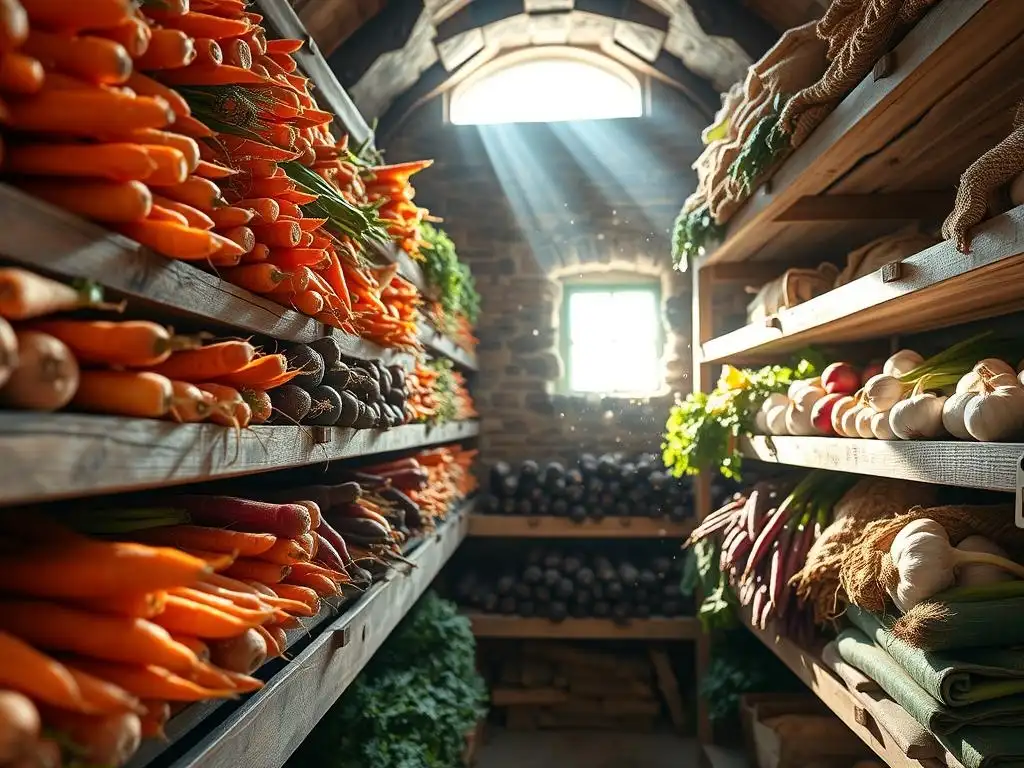
Efficient layering is crucial for maximizing root cellar space and preventing spoilage when storing your harvest. The key is understanding the specific needs of different vegetable types and arranging them accordingly. Proper layering ensures good airflow, prevents bruising, and maintains optimal humidity levels, contributing to longer storage life for your "layer vegetables root cellar storage" system. This section details effective layering strategies for various vegetables commonly stored in root cellars.
Layering Root Vegetables: Carrots, Potatoes, Beets, and More
Root vegetables like carrots, potatoes, beets, and turnips require slightly different handling due to their varying sensitivities to bruising and moisture. Carrots, for example, benefit from being stored in slightly moist conditions to prevent shriveling. Potatoes, however, are susceptible to rot if exposed to excessive moisture.
To optimize storage, consider creating layers using breathable materials like burlap sacks or shallow wooden crates. Begin by placing a layer of slightly moist sand or peat moss at the bottom of your root cellar bin. This helps maintain humidity. Then, layer your root vegetables, starting with the most robust varieties like potatoes, which can handle some weight. Place potatoes in a single layer, ensuring good air circulation around each tuber.
Next, you can layer carrots, spacing them gently to avoid bruising. Beets and turnips can be added in similar fashion, ensuring they are not directly on top of other vegetables that might release excess moisture. Each layer should be no more than 12 inches deep. Finally, cover the top layer with a breathable material to maintain humidity and protect from light.
Remember to regularly inspect your root vegetables for signs of spoilage. Remove any decaying items immediately to prevent the spread of rot. This proactive approach contributes significantly to the success of your "layer vegetables root cellar storage" strategy. Proper air circulation is paramount – avoid overcrowding.
Layering Delicate Vegetables: Onions, Garlic, and Winter Squash
Onions, garlic, and winter squash, while hardy, require careful handling to avoid damage. These vegetables benefit from good air circulation to prevent mold and rot. Unlike root vegetables, they are less susceptible to moisture-related problems.
For onions and garlic, braiding or creating loose bunches can aid in storage and airflow. Hang these bunches from the ceiling or place them on shelves, ensuring there's space between them. Avoid stacking them directly on top of each other. Winter squash, on the other hand, should be placed individually to prevent bruising. Choose a cool, dry, and well-ventilated area of your root cellar. A layer of straw or wood shavings can be placed at the bottom of your storage area to provide a cushion and absorb any excess moisture. Avoid stacking winter squash directly on the floor.
Regular inspection is crucial. Discard any showing signs of decay or softness immediately. This preventative measure is key to long-term preservation. This method ensures your “layer vegetables root cellar storage” is effective and efficient.
Layering Leafy Greens: Strategies for Preserving Spinach and Kale
Storing leafy greens like spinach and kale in a root cellar requires a slightly different approach than root vegetables or bulbs. Their high moisture content and sensitivity to temperature fluctuations necessitate careful layering and monitoring. While not ideal for long-term storage compared to root vegetables, proper techniques can extend their shelf life significantly.
To maximize the preservation of leafy greens, start by thoroughly cleaning and drying your harvest. Then, wrap small bunches loosely in paper towels or newspaper to absorb excess moisture. Next, layer these bundles in a shallow container, ensuring good air circulation. A layer of slightly damp vermiculite or peat moss at the bottom can help maintain humidity without causing excess moisture. Avoid tightly packing the greens, as this can lead to rotting.
Keep the container in a cool, dark, and humid area of your root cellar, but avoid areas with high humidity as this can also lead to spoilage. Regularly check for wilting or decay and promptly remove any affected greens. This approach improves your “layer vegetables root cellar storage” capabilities for a wider range of produce. Even with careful layering, leafy greens will have a shorter storage life compared to root vegetables and bulbs.
Maximizing Air Circulation and Preventing Rot in Your Root Cellar Vegetable Storage
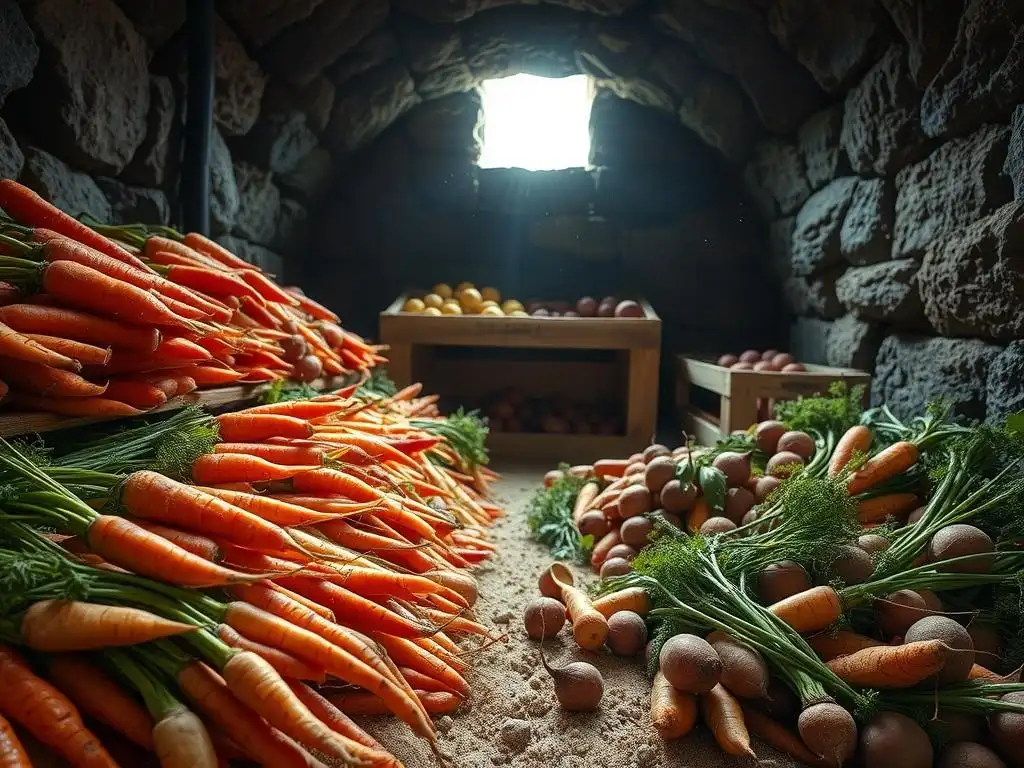
Proper air circulation is paramount for long-term vegetable preservation in a root cellar. Stagnant air leads to increased humidity, fostering the growth of mold and bacteria, ultimately causing rot and spoilage. This section details strategies for ensuring optimal airflow within your root cellar, maximizing the shelf life of your carefully harvested produce. Effective layering techniques, as discussed in the previous section, are only part of the equation; proper ventilation is the key to success in layering vegetables for root cellar storage.
Implementing Effective Ventilation Strategies for Optimal Vegetable Preservation
Maintaining consistent airflow within your root cellar requires a multi-pronged approach. Firstly, consider the location of your cellar. Is it naturally well-ventilated? If not, you'll need to implement artificial ventilation. This can involve installing vents, strategically placed near the floor and ceiling, to encourage air exchange. Consider using passive ventilation systems, such as strategically placed louvers or vents that utilize natural temperature differences to draw air through the cellar.
Secondly, the arrangement of your stored vegetables directly impacts air circulation. Avoid overcrowding. Remember, vegetables produce ethylene gas as they respire; excessive concentration of this gas accelerates ripening and decay. Leave sufficient space between crates, bins, and individual vegetables to allow for proper airflow. This is crucial in achieving optimal layering for vegetable root cellar storage.
Finally, regular monitoring is essential. Use a hygrometer to track humidity levels. Ideally, you want to maintain humidity between 70-80%. Too high, and you risk rot; too low, and your vegetables may dehydrate. Regularly check your vegetables for any signs of spoilage and remove any affected produce immediately to prevent the spread of rot. This proactive approach is vital for maximizing the benefits of your layering techniques for root cellar vegetable storage.
Identifying and Addressing Signs of Rot and Spoilage in Stored Vegetables
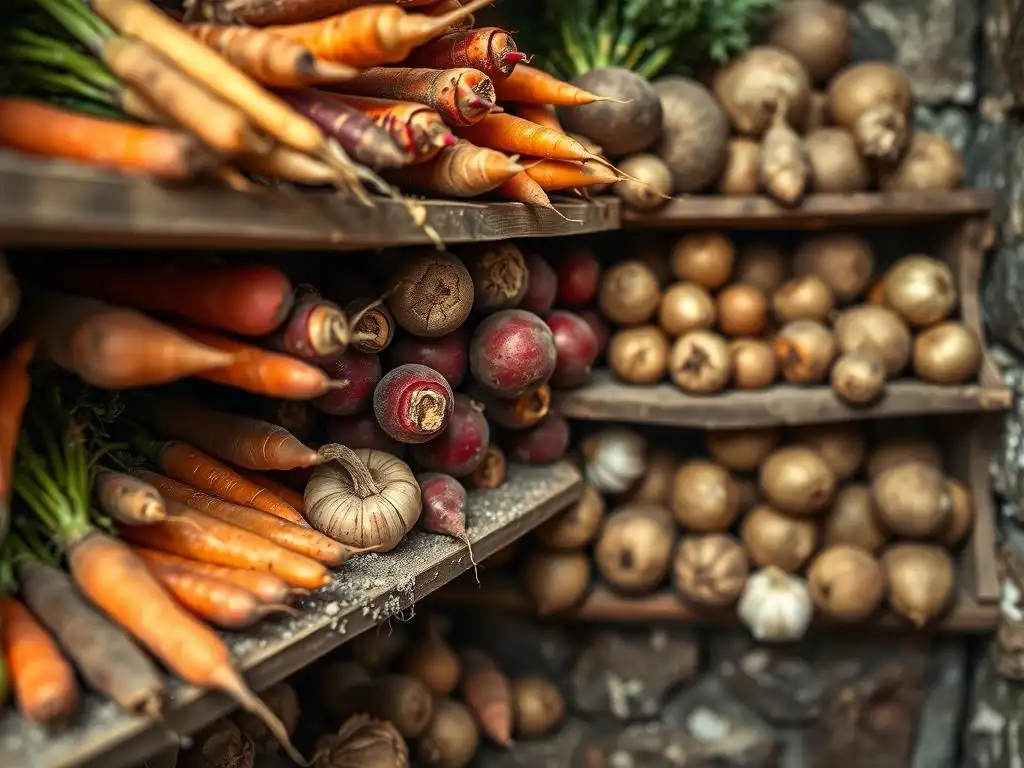
Even with optimal air circulation and careful layering techniques, some vegetable spoilage is inevitable. Early detection and prompt action are critical to minimizing losses and preventing the spread of rot to other produce. This section will help you identify common signs of spoilage and outline effective strategies for dealing with them. Prompt action is key when dealing with issues related to layering vegetables for root cellar storage.
Identifying and Addressing Signs of Rot and Spoilage in Stored Vegetables
Recognizing the early signs of rot is crucial. Look for:
- Soft spots: These are often the first indication of decay. Feel your vegetables gently; any unusually soft areas should be investigated.
- Discoloration: Changes in color, such as browning or blackening, are clear signs of spoilage. This is particularly noticeable in root vegetables like carrots and potatoes.
- Mold growth: The appearance of fuzzy or slimy growths is a serious sign of fungal infection. Mold can quickly spread, contaminating other vegetables.
- Unpleasant odors: A sour, musty, or fermented smell indicates spoilage. Trust your nose; a foul odor is a warning sign.
Addressing rot requires immediate action. Remove any affected vegetables immediately and dispose of them properly, preferably outside of your root cellar to prevent the spread of disease. Thoroughly clean the area where the spoiled vegetable was stored. Consider using a mild solution of vinegar and water to disinfect the area. Regular inspection is your best defense against widespread rot in your root cellar vegetable storage. Remember, a well-ventilated cellar and careful layering practices go hand-in-hand with regular monitoring. This preventative maintenance is key to long-term success in your root cellar vegetable storage strategies.
Maintaining Ideal Temperature and Humidity for Layered Vegetable Storage
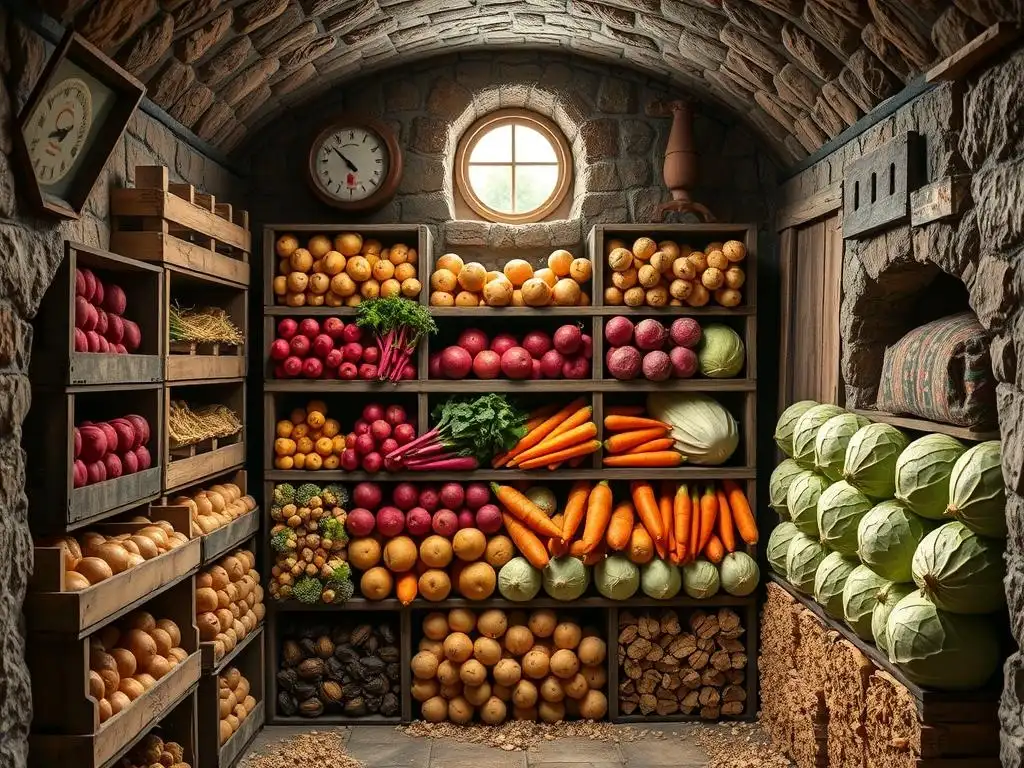
Maintaining the optimal temperature and humidity levels within your root cellar is paramount for successful layered vegetable storage. Fluctuations can significantly impact the longevity and quality of your harvest. Improper conditions can lead to premature spoilage, rotting, and ultimately, food waste. This section details the crucial role of temperature and humidity control in preserving your layered vegetables. Understanding these factors is key to maximizing the lifespan of your root-cellar bounty and achieving the best results from your "layer vegetables root cellar storage" strategy.
Monitoring Temperature and Humidity Levels for Optimal Vegetable Preservation
Consistent monitoring is the cornerstone of effective root cellar management. Ideally, you should aim for a temperature range between 32°F (0°C) and 40°F (4°C). Temperatures above this range can accelerate the ripening process and lead to spoilage, while temperatures below can cause freezing, damaging your produce. Humidity should be maintained between 80% and 90%. Lower humidity can lead to dehydration and shriveling, while higher humidity can promote mold growth and bacterial decay.
To achieve accurate monitoring, invest in a reliable thermometer and hygrometer. These instruments should be placed in the center of your root cellar, away from external influences like doors or vents, to provide the most accurate reading of the overall environment. Regularly check these readings – at least once a week, and more frequently during periods of significant temperature swings – to ensure your root cellar environment remains stable. Record your findings in a log to track trends and make necessary adjustments.
This consistent monitoring allows for early detection of any problems, enabling you to take timely corrective action. Think of it as a proactive approach to preserving your hard work! 🥕
Utilizing Humidity Control Techniques to Prevent Spoilage
Maintaining optimal humidity is crucial for preventing spoilage in your layered vegetable storage. Several techniques can help you achieve this. One simple method is to use containers of water strategically placed throughout the cellar. The evaporation of this water will naturally increase the humidity levels. However, be cautious not to over-saturate the air, which could lead to mold problems.
Another technique is to use a humidity control system, such as a humidifier or dehumidifier, depending on your needs. These systems allow for more precise control over humidity levels, which is particularly useful in areas with fluctuating climate conditions. Remember that the best approach will depend on the specific conditions of your root cellar and the climate of your region. Experimentation and careful observation are key to finding the perfect balance.
Furthermore, the materials used in your layering process can also influence humidity. Using breathable materials like burlap or wooden crates allows for better air circulation and prevents excessive moisture buildup. Conversely, using airtight containers might be necessary for certain vegetables particularly susceptible to dehydration. The choice of materials should be tailored to the specific needs of each vegetable type. For example, root vegetables like carrots and potatoes might benefit from slightly drier conditions compared to leafy greens.
Consider the following table as a helpful guide for humidity control based on vegetable type:
| Vegetable Type | Ideal Humidity Range (%) | Notes |
|---|---|---|
| Root Vegetables | 80-85 | Avoid over-watering |
| Leafy Greens | 85-90 | Ensure good air circulation |
| Brassicas (Cabbage etc.) | 80-85 | Monitor closely for signs of decay |
| Onions and Garlic | 70-75 | Lower humidity prevents sprouting |
By carefully monitoring and adjusting temperature and humidity levels, utilizing appropriate humidity control techniques, and selecting suitable storage materials, you can significantly extend the shelf life of your layered vegetables in the root cellar, enjoying a delicious and bountiful harvest throughout the winter months. This meticulous approach to "layer vegetables root cellar storage" is a testament to your commitment to sustainable and organic practices.
Advanced Layering Techniques for Root Cellar Vegetable Storage
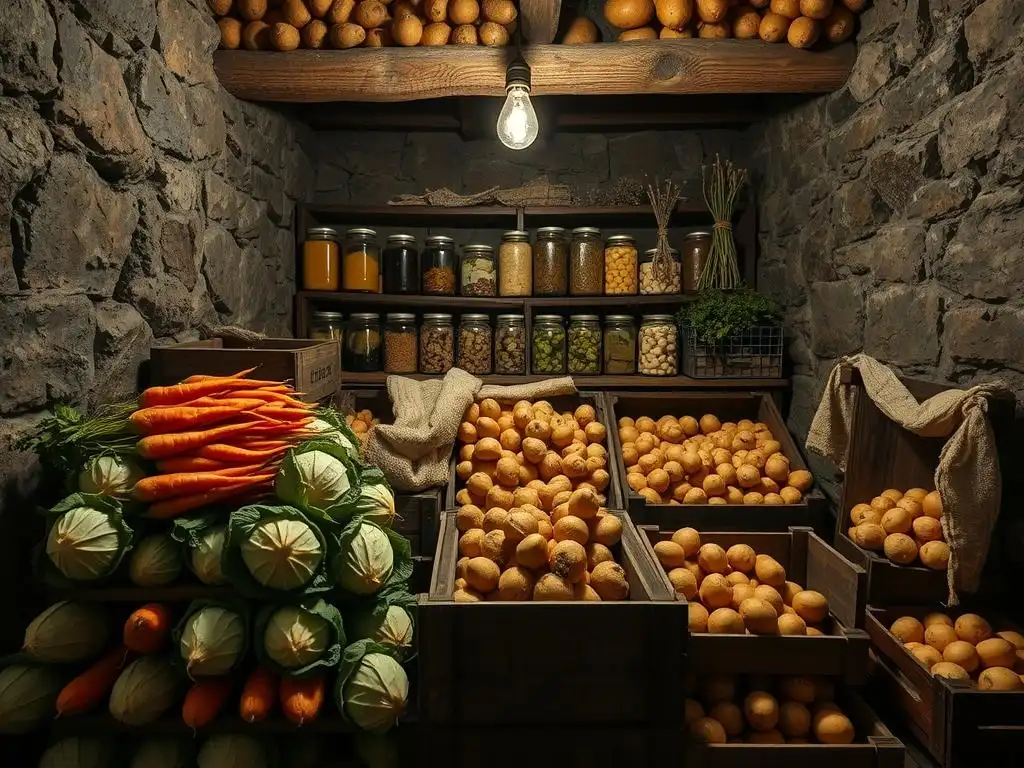
This section delves into sophisticated methods for maximizing your root cellar's storage capacity and preserving the quality of your harvested vegetables. Proper layering isn't just about stacking; it's about creating a microclimate that optimizes humidity and airflow, crucial for preventing spoilage and extending the shelf life of your produce. We'll explore techniques beyond the basics, focusing on organization and pest control within your layered vegetable storage. Remember, even with advanced techniques, regular inspection remains key to successful root cellaring.
Utilizing Trays and Baskets for Organized Vegetable Layering
Organized layering is paramount for efficient root cellar vegetable storage. Simply piling vegetables haphazardly can lead to bruising, rotting, and wasted space. Employing trays and baskets significantly improves organization and airflow, preventing the buildup of moisture and promoting even temperature distribution.
Consider using shallow, well-ventilated trays made of breathable materials like wood or wicker. These containers allow for air circulation around your vegetables, preventing condensation and the growth of mold. For smaller items like onions or shallots, mesh bags offer excellent ventilation and easy accessibility. Larger vegetables, such as pumpkins or winter squash, can be placed directly on shelves, but ensure adequate spacing to avoid contact and bruising.
Here's a sample layering plan using trays and baskets:
| Tray/Basket Type | Vegetable Type | Notes |
|---|---|---|
| Wooden Tray | Potatoes | Layer in a single layer, avoiding overcrowding. |
| Wicker Basket | Carrots & Parsnips | Separate from potatoes to avoid moisture transfer. |
| Mesh Bag | Onions & Shallots | Ensure good airflow to prevent sprouting. |
| Wooden Tray | Beets | Layer with a small amount of dry sand for added humidity control. |
| Shelf (direct) | Winter Squash & Pumpkins | Space generously to prevent bruising. |
This organized approach simplifies inventory management, allowing for easier access to specific vegetables and quicker identification of any spoilage. Regularly inspect your trays and baskets, removing any damaged or rotting produce promptly to prevent contamination. This proactive approach is crucial for maintaining the quality of your entire root cellar harvest. Remember to always prioritize airflow – a well-ventilated cellar is the foundation of successful long-term vegetable storage.
Employing Natural Pest Control Methods Within Your Layered Vegetable Storage
Maintaining a pest-free environment in your root cellar is critical for preserving your layered vegetable storage. While chemical pesticides are strongly discouraged in organic root cellaring, several natural methods can effectively deter pests.
- Proper Cleaning and Sanitation: Before storing your harvest, thoroughly clean and sanitize your root cellar. Remove any debris, cobwebs, or remnants of previous harvests. This helps eliminate potential breeding grounds for pests.
- Strategic Placement: Certain vegetables naturally repel pests. For example, placing bunches of dried herbs like rosemary or lavender among your stored vegetables can deter insects. Similarly, the strong scent of garlic can help keep away many common root cellar pests.
- Diatomaceous Earth (DE): DE is a naturally occurring sedimentary rock that can effectively control insects. Sprinkle a thin layer of food-grade DE around the perimeter of your shelves and in corners to deter crawling insects. Remember to avoid inhaling DE dust.
- Regular Inspection: Regularly inspect your stored vegetables for any signs of pest infestation. Early detection is critical for preventing widespread damage. Remove any infested vegetables immediately and dispose of them properly. This proactive approach can save a significant portion of your harvest.
By incorporating these natural pest control methods alongside organized layering techniques, you can significantly improve the longevity and quality of your root cellar vegetable storage, leading to a more successful and rewarding harvest preservation experience. Always prioritize a clean and well-ventilated environment—the cornerstone of preserving your hard work throughout the winter months. 🥕🧅🥔
Extending the Shelf Life of Your Stored Vegetables: Post-Harvest Handling and Preparation
Proper handling and preparation of your harvest significantly impacts the longevity of your root cellar vegetables. Neglecting these crucial steps can lead to premature spoilage and reduced yield, undermining the very purpose of root cellaring. This section details the best practices to ensure your vegetables remain fresh and flavorful throughout the storage period. Optimizing your "layer vegetables root cellar storage" strategy begins even before the vegetables enter the cellar.
Proper Cleaning and Pre-Storage Preparation of Vegetables for Root Cellar Storage
Before storing any vegetable, meticulous cleaning is paramount. This prevents the introduction of soilborne pathogens and pests into your root cellar, which can quickly spread and contaminate your entire harvest. Think of it as a preventative measure for your "layer vegetables root cellar storage" system.
Thoroughly wash all vegetables under cool, running water. Gently scrub away any visible dirt or debris using a soft brush. For root vegetables like carrots, potatoes, and beets, consider using a vegetable scrubber to remove stubborn soil. Avoid using harsh detergents or soaps, as these can leave harmful residues.
After washing, allow the vegetables to air dry completely before storage. Excess moisture creates an ideal environment for mold and bacteria growth. Spread them out on clean, absorbent towels or mesh trays in a well-ventilated area. Proper drying is a crucial step in extending the shelf life of your produce, especially when employing a layered storage method.
Inspect each vegetable carefully for any signs of damage, disease, or pests. Remove any bruised, damaged, or diseased specimens immediately. These can quickly spoil and contaminate healthy vegetables. Remember, even small cuts or bruises can compromise the integrity of the vegetable and shorten its storage life. Discarding these problematic items is a small price to pay to safeguard your entire harvest. This careful selection is key to successful "layer vegetables root cellar storage".
Regularly Inspecting and Rotating Your Stored Vegetables to Prevent Spoilage
Regular inspection is a cornerstone of effective root cellar management. It allows for early detection of spoilage, preventing widespread contamination. Think of it as performing routine maintenance on your "layer vegetables root cellar storage" system.
Aim to inspect your stored vegetables at least once a week, or more frequently during warmer periods. Look for signs of decay, such as mold growth, discoloration, softening, or unpleasant odors. Remove any spoiled vegetables immediately to prevent the spread of rot. This is a critical step in maintaining the quality of your entire root cellar. Don't hesitate to remove even slightly questionable produce; it's better to be proactive than reactive.
Rotation is equally important. Vegetables stored on the bottom of the layers should be brought to the top and vice-versa. This ensures even airflow and temperature distribution, preventing spoilage. This method, a crucial element of effective "layer vegetables root cellar storage", helps to prevent the bottom layers from becoming overly compressed or stagnant, reducing the risk of spoilage.
Regular rotation contributes significantly to maintaining the optimal conditions required for long-term storage. Careful monitoring and rotation will maximize the shelf life of your produce. This proactive approach will reward you with a bountiful supply of fresh vegetables throughout the winter months.
Frequently Asked Questions
What is the best way to layer vegetables in a root cellar for optimal storage?
The best method involves layering vegetables according to their moisture requirements and sensitivity to ethylene gas. Place high-moisture items like carrots at the bottom and ethylene-sensitive items like potatoes higher up to prevent spoilage. Remember to use breathable containers.
Which vegetables are best suited for root cellar storage using layering techniques?
Root vegetables like carrots, beets, and potatoes store exceptionally well. Onions, garlic, and squash also benefit from this method. Avoid layering highly perishable items like leafy greens.
How important is airflow when layering vegetables in a root cellar?
Airflow is crucial! Proper ventilation prevents the buildup of moisture and gases that can lead to rot. Ensure your root cellar has adequate ventilation and avoid overcrowding your layers.
What are some signs that my layered vegetables are deteriorating?
Look for signs of mold, rot, or excessive wilting. Soft spots, unpleasant odors, and discoloration are also indicators of spoilage. Remove any affected produce immediately to prevent further contamination.
Can I use any type of container for layering vegetables in my root cellar?
While you can use crates, baskets, and bins, prioritize breathable containers like wooden crates or mesh bags. Avoid airtight containers which trap moisture and promote spoilage. Using separate containers for different vegetable types is also recommended.
Final Reflection: The Enduring Bounty of the Layered Cellar
The art of layering vegetables in your root cellar isn't just a historical practice; it's a vital skill for ensuring food security in an increasingly uncertain world. Mastering this technique allows us to connect directly with our food source, reducing waste and maximizing the bounty of our harvests. This isn't simply about preserving vegetables; it's about preserving a connection to the land and a sustainable way of life.
The knowledge passed down through generations about optimal layering techniques – the careful consideration of moisture levels, temperature gradients, and the unique needs of each vegetable – speaks volumes about our ancestors' deep understanding of nature. The earth provides enough to satisfy every man's needs but not every man's greed.
– Mahatma Gandhi. This quote resonates deeply with the principles of efficient root cellar storage; mindful preservation combats waste and promotes a respect for the resources we are given. The practice itself becomes a meditation on resourcefulness and sustainability, a counterpoint to the often wasteful practices of modern food systems.
Consider the implications of this knowledge. You now possess the tools to extend the life of your harvest, reducing reliance on industrially produced food and minimizing your environmental impact. Take the time to experiment, to learn the nuances of your own root cellar, and to savor the fruits – and vegetables – of your labor.
Embrace the quiet satisfaction of retrieving perfectly preserved produce months after harvest, a testament to your skill and a connection to a timeless tradition. The layered root cellar is more than just storage; it's a symbol of resilience, resourcefulness, and a deeper connection to the natural world.
Unlock Your Root Cellar's Full Potential!
Congratulations on taking the first steps towards optimal root cellar vegetable storage! You've learned the secrets to maximizing space and keeping your harvest fresh throughout the winter. Ready to put your new knowledge into practice?
- Master the Art of Layering: Begin organizing your root cellar today using the layering techniques we discussed, focusing on proper airflow and moisture control. Remember to label everything clearly!
- Share Your Experience: Join our CultivateYourFood community and share your successes (and challenges!). What unexpected combinations of vegetables worked best for you?
- Refine Your Technique: Next harvest, try a slightly different arrangement to see how it affects produce preservation. This is how we all continue to improve our preservation skills.
What new layering technique are you most excited to try in your root cellar this year?