
The Ultimate Guide to Growing Parsley and Cilantro

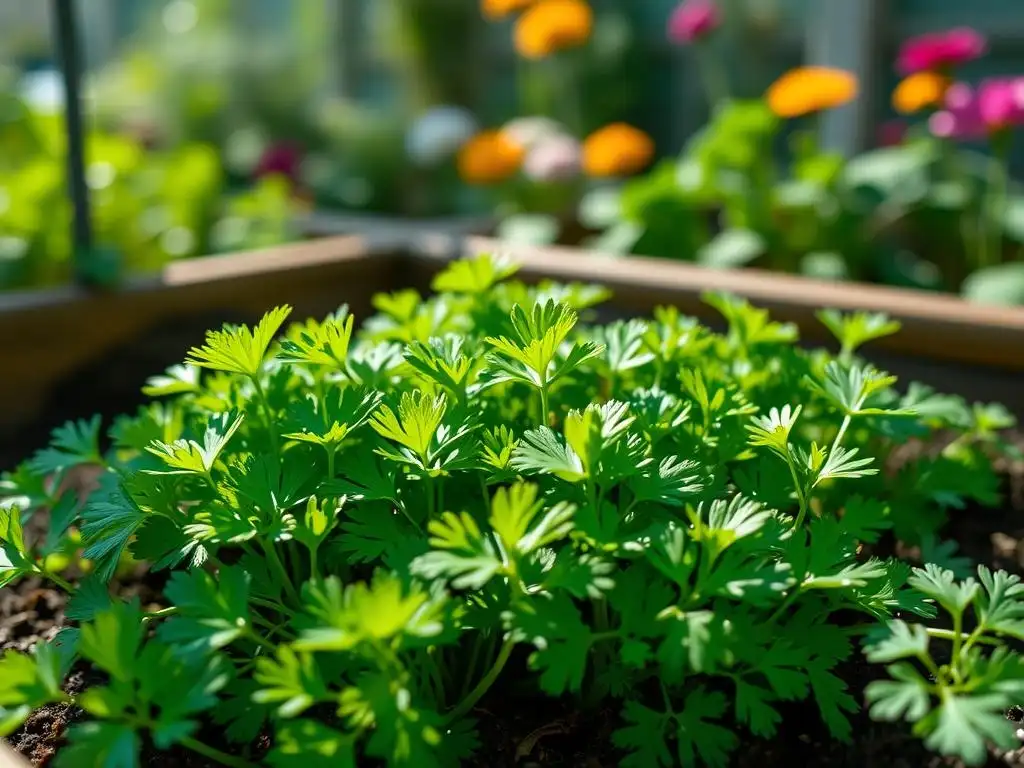
Ready to transform your kitchen into a vibrant herb garden? At CultivateYourFood, we empower you to grow your own fresh, organic produce. Discover the secrets to a bountiful harvest with our comprehensive guide on how to grow organic parsley and cilantro. Learn the simple yet effective techniques that will leave you with an abundance of these flavorful herbs all season long. Let's get started!
- Understanding Parsley and Cilantro: A Grower's Guide
- Sowing Parsley and Cilantro Seeds: A Step-by-Step Process
- Cultivating Healthy Parsley and Cilantro Plants
- Harvesting and Preserving Your Parsley and Cilantro Harvest
- Troubleshooting Common Growing Challenges
- Growing Parsley and Cilantro Year-Round: Tips and Tricks
- Frequently Asked Questions about Growing Parsley and Cilantro (FAQ)
- Frequently Asked Questions
- Final Reflection: Cultivating More Than Just Herbs
- Unleash Your Inner Herb Gardener!
Understanding Parsley and Cilantro: A Grower's Guide
Growing your own organic parsley and cilantro offers a rewarding experience, providing fresh, flavorful herbs for your culinary creations while embracing sustainable practices. This comprehensive guide will walk you through every step, from selecting the right varieties to harvesting your bountiful crop. We'll cover essential aspects like soil preparation, light and water needs, and even touch upon organic pest control methods, ensuring you cultivate healthy and vibrant parsley and cilantro plants in your home garden.
This guide is designed to empower you to successfully grow these popular herbs organically, regardless of your experience level. Learning to cultivate these herbs yourself not only provides you with fresh, flavorful ingredients but also contributes to a more sustainable and environmentally conscious lifestyle. Let's delve into the details and unlock the secrets to a thriving herb garden!
Choosing the Right Parsley and Cilantro Varieties
Selecting the appropriate parsley and cilantro varieties is crucial for success. Consider your climate and the space available in your garden. Parsley comes in two main types: curly leaf and flat leaf (Italian). Curly leaf parsley is known for its attractive appearance and is often used as a garnish, while flat leaf parsley boasts a stronger, more intense flavor, ideal for cooking.
Cilantro, also known as coriander, has a distinct citrusy flavor that many people love. However, some individuals experience a soapy taste perception. There are numerous varieties of cilantro, including slow-bolting types that stay leafy longer, extending the harvest period. Choosing a variety suited to your taste preferences and growing conditions is key.
For example, in warmer climates, a heat-tolerant variety of cilantro is recommended to prevent premature bolting (flowering), which reduces leaf production. Researching different varieties and their specific needs will allow you to select the best fit for your garden. Consider factors like disease resistance and growth habit when making your selection. Remember to check seed packets or plant labels for detailed information about each variety's specific requirements.
Soil Preparation for Optimal Herb Growth
The foundation of a successful herb garden lies in proper soil preparation. Both parsley and cilantro thrive in well-drained, fertile soil rich in organic matter. Before planting, amend your soil with compost or other organic materials to improve its structure and nutrient content. This helps retain moisture, essential for healthy growth, especially during dry periods.
A soil test can reveal any deficiencies in nutrients like nitrogen, phosphorus, and potassium, allowing you to amend the soil accordingly. Aim for a slightly acidic to neutral pH level (6.0-7.0) for optimal results. Proper soil preparation minimizes the need for chemical fertilizers, aligning with organic growing principles. Working the soil to a depth of at least 12 inches ensures good aeration and root penetration.
Adding a layer of mulch after planting helps retain soil moisture, suppress weeds, and regulate soil temperature. Remember, healthy soil is the cornerstone of healthy plants! Consider using a mix of organic materials such as aged manure, leaf mold, and peat moss to create a rich and nutritious soil environment.
Light and Water Requirements for Thriving Herbs
Parsley and cilantro have slightly different light and water needs. Parsley prefers partial shade, especially during the hottest part of the day, while cilantro tolerates full sun but benefits from some afternoon shade in hot climates. Both herbs need consistent moisture but do not tolerate waterlogged soil, which can lead to root rot. Regular watering, especially during dry spells, is crucial.
However, avoid overwatering, which can lead to fungal diseases. Monitor the soil moisture regularly, and water deeply when the top inch of soil feels dry. Mulching helps retain soil moisture, reducing the frequency of watering. For optimal growth, aim for consistently moist but not soggy soil conditions.
Adequate watering is crucial, particularly during periods of hot and dry weather. Observe your plants closely; drooping leaves are a clear sign of insufficient watering. Remember that adequate drainage is just as important as sufficient watering to prevent root rot and ensure healthy plant growth. Providing the right balance of sunlight and water will nurture your parsley and cilantro to their full potential, rewarding you with abundant harvests.
Sowing Parsley and Cilantro Seeds: A Step-by-Step Process
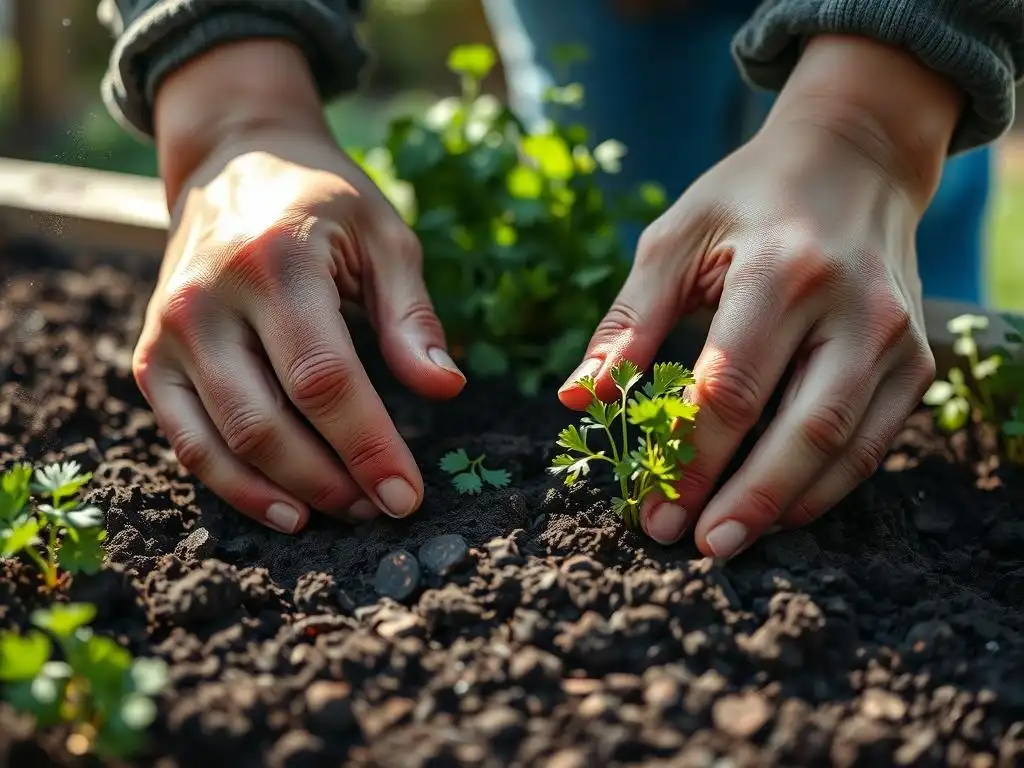
This section details the crucial first steps in your journey to growing lush, organic parsley and cilantro: sowing the seeds. Whether you choose to start indoors or sow directly outdoors, careful preparation and technique are key to maximizing germination and yield. Remember, consistent moisture and the right environment are paramount for successful seed sprouting. This guide will walk you through both methods, ensuring you have the knowledge to cultivate vibrant herbs, regardless of your gardening experience level. Following these steps will help you achieve a bountiful harvest of organic parsley and cilantro.
Starting Herbs from Seed Indoors
Starting parsley and cilantro indoors provides a head start, especially in cooler climates. This method allows for earlier harvests and better control over the growing environment. Here's a detailed process:
- Seed Starting Mix: Use a high-quality seed-starting mix, not garden soil. Garden soil is often too dense and can hinder germination. Look for a mix specifically formulated for seedlings, ensuring good drainage and aeration.
- Planting Containers: Choose small pots or seed trays with drainage holes. Avoid overcrowding seedlings; individual cells are ideal.
- Sowing: Sow seeds about ¼ inch deep, spacing them according to the package instructions (usually 1-2 inches apart). Gently cover with the seed-starting mix.
- Watering: Water gently but thoroughly, ensuring the soil is moist but not soggy. Avoid overwatering, which can lead to damping-off disease. A bottom-watering technique is recommended to prevent seed displacement.
- Light and Temperature: Place the containers in a warm, sunny location (at least 6 hours of sunlight per day) or under grow lights. Maintain a consistent temperature between 65-75°F (18-24°C).
- Thinning: Once seedlings have developed their first true leaves (the leaves after the cotyledons), thin them to leave the strongest seedlings. This prevents overcrowding and promotes robust growth.
- Hardening Off: Before transplanting outdoors, gradually acclimate the seedlings to outdoor conditions over a period of 7-10 days. This process, known as hardening off, reduces transplant shock. Start by placing them outdoors for a short period each day, gradually increasing the exposure time.
Remember to monitor your seedlings regularly for signs of pests or disease. Early detection and intervention are crucial for organic gardening. Providing optimal conditions will ensure healthy growth and a plentiful harvest of your organic herbs.
Direct Sowing Seeds Outdoors
Direct sowing is a simpler method, ideal for warmer climates and gardeners who prefer a less hands-on approach. However, it requires careful timing, as germination can be slower.
- Soil Preparation: Prepare your garden bed by loosening the soil and removing any weeds or debris. Incorporate compost or other organic matter to improve soil fertility and drainage. A well-draining soil is essential for parsley and cilantro.
- Sowing Time: Sow seeds outdoors after the last frost, when the soil temperature is consistently above 50°F (10°C).
- Sowing Technique: Sow seeds directly into the prepared soil, following the spacing recommendations on the seed packet. Gently cover the seeds with soil.
- Watering: Water thoroughly after sowing, keeping the soil consistently moist but not waterlogged. Use a gentle watering method to avoid displacing the seeds.
- Weed Control: Regularly weed around the seedlings to prevent competition for water and nutrients. Mulching can help suppress weeds and retain soil moisture.
- Thinning: Once seedlings emerge and develop their first true leaves, thin them to the recommended spacing to allow for adequate growth.
Direct sowing might result in slightly lower germination rates compared to starting indoors, but it’s a practical method for experienced gardeners comfortable with the challenges of unpredictable weather conditions. The key is to maintain consistent moisture and weed control.
Seed Spacing and Depth for Healthy Growth
Proper spacing and planting depth are crucial for healthy parsley and cilantro growth. Overcrowding leads to competition for resources, resulting in smaller, weaker plants. Here's a breakdown:
| Herb | Seed Spacing (inches) | Planting Depth (inches) |
|---|---|---|
| Parsley | 6-12 | 1/4 |
| Cilantro | 4-6 | 1/4 |
These are general guidelines; always refer to the specific instructions on your seed packet for the most accurate information. Remember that adequate spacing allows for better air circulation, reducing the risk of fungal diseases. Too shallow planting may result in poor germination, while planting too deep can prevent seedlings from emerging. Proper spacing and depth are essential for maximizing yield and producing robust, healthy organic parsley and cilantro plants. Careful attention to these details contributes significantly to successful organic herb cultivation. 🌱
Cultivating Healthy Parsley and Cilantro Plants
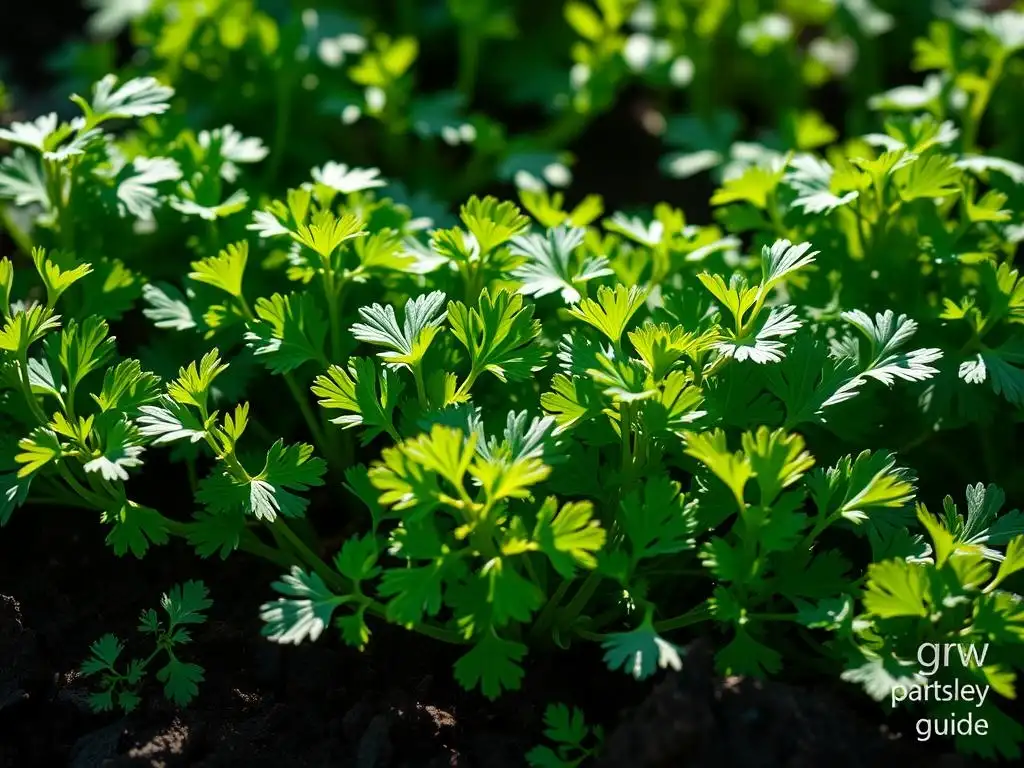
This section delves into the specifics of nurturing healthy parsley and cilantro plants, focusing on organic practices to ensure vibrant growth and a bountiful harvest. We'll explore key aspects of their care, emphasizing techniques that align with sustainable gardening principles. Remember, healthy plants are the foundation of a successful organic herb garden.
Organic Fertilization Techniques
Growing robust parsley and cilantro organically requires a thoughtful approach to fertilization. Avoid synthetic fertilizers, which can harm beneficial soil microbes and potentially contaminate your herbs. Instead, opt for natural, organic methods that nourish the plants without compromising their quality or your health.
Several excellent organic options exist:
- Compost Tea: Brewing a compost tea is a simple and effective way to provide a rich source of nutrients. Aeration is key to a successful brew; consider using an aquarium pump for optimal results. Apply the tea every 2-3 weeks, diluting it to avoid burning the plants.
- Worm Castings: These are the excrement of earthworms and are incredibly rich in nutrients. They improve soil structure and provide a slow-release fertilizer, promoting consistent growth. Incorporate worm castings into the soil before planting or as a top-dressing throughout the growing season.
- Aged Manure: Well-rotted manure from herbivores (like cows or horses) provides essential nutrients. Ensure it's fully composted to prevent burning the plants. Work it into the soil before planting or use it as a mulch around the base of the plants.
- Seaweed Extract: This natural fertilizer is rich in micronutrients and helps enhance plant vigor. Follow the product instructions carefully for proper application rates.
It's crucial to monitor your plants' growth and adjust your fertilization accordingly. Over-fertilizing can lead to leggy growth and reduced flavor, while under-fertilizing can result in stunted plants. Observe your plants closely and adjust your fertilization strategy as needed. Remember to always test your soil pH regularly, as this significantly impacts nutrient uptake. A soil test kit is a valuable investment for any serious organic gardener.
Watering Strategies for Lush Growth
Proper watering is crucial for the success of your parsley and cilantro. Both herbs prefer consistently moist soil but dislike soggy conditions, which can lead to root rot. Here's a breakdown of effective watering strategies:
- Consistent Moisture: Aim for consistently moist soil, but not waterlogged. Check the soil moisture regularly by sticking your finger a couple of inches into the soil. If it feels dry, it's time to water.
- Deep Watering: Instead of frequent, shallow watering, water deeply and less often. This encourages deeper root growth, making your plants more drought-tolerant.
- Watering Time: The best time to water is early in the morning, allowing the foliage to dry before nightfall to minimize the risk of fungal diseases.
- Mulching: Applying a layer of mulch (such as straw or shredded leaves) around the plants helps retain soil moisture, reducing the frequency of watering.
Overwatering is a common problem that can lead to root rot and other plant diseases. Underwatering can cause wilting and stunted growth. Finding the right balance is key to growing healthy and vibrant parsley and cilantro. Remember to adjust your watering schedule based on weather conditions and the stage of plant growth. During hot, dry spells, you'll need to water more frequently.
Organic Pest and Disease Control
Maintaining a healthy, pest-free parsley and cilantro patch organically requires vigilance and proactive measures. Here are some effective organic pest and disease control strategies:
- Beneficial Insects: Encourage beneficial insects, such as ladybugs and lacewings, which prey on common herb pests like aphids. You can attract them by planting flowers that are attractive to these beneficial insects.
- Neem Oil: This natural insecticide is effective against a wide range of pests. Dilute it according to the product instructions and apply it as needed.
- Insecticidal Soap: This is another effective organic option for controlling soft-bodied insects like aphids and mealybugs. Again, follow the product instructions carefully.
- Companion Planting: Planting certain companion plants can help deter pests. For example, planting basil near parsley and cilantro can help repel some common pests.
- Crop Rotation: Rotating your crops annually helps break the pest and disease cycles. Don't plant parsley or cilantro in the same spot year after year.
- Regular Inspection: Regularly inspect your plants for signs of pests or diseases. Early detection is crucial for effective control. Addressing problems promptly prevents widespread infestations.
By implementing these organic pest and disease control measures, you can significantly reduce the risk of problems and maintain healthy, thriving parsley and cilantro plants throughout the growing season. Remember prevention is key! A healthy, strong plant is far less susceptible to pests and diseases.
Harvesting and Preserving Your Parsley and Cilantro Harvest
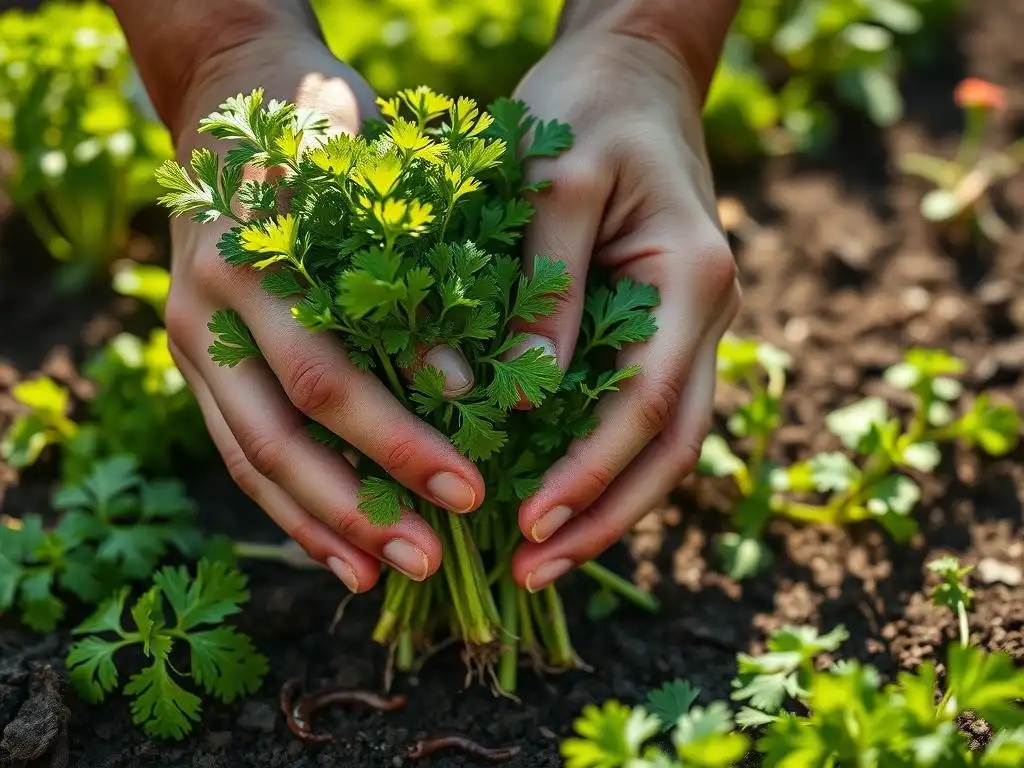
This section focuses on maximizing the yield and quality of your parsley and cilantro harvest, as well as effective preservation techniques to enjoy your homegrown herbs year-round. Growing organic parsley and cilantro is rewarding, but knowing when and how to harvest, and then preserving your bounty, is crucial for success. We'll explore optimal harvesting times for peak flavor and various preservation methods to extend the shelf life of your herbs.
Harvesting for Maximum Flavor
The key to harvesting flavorful parsley and cilantro lies in timing. Harvesting at the right stage ensures you're getting the most intense flavor profiles. For both herbs, avoid harvesting when they're stressed by heat or drought, as this negatively impacts taste and aroma. The best time to harvest is generally in the morning, after the dew has dried but before the sun gets too intense. This minimizes water loss and preserves essential oils, contributing to a more vibrant flavor.
Here's a more detailed breakdown:
- Parsley: Harvest individual stems or sprigs as needed, cutting just above a leaf node to encourage bushier growth. For a larger harvest, you can cut back about one-third of the plant at a time. This allows the plant to recover and continue producing. Regular harvesting, even small amounts, promotes continuous growth and prevents bolting (flower stalk development), which can make the leaves bitter.
- Cilantro: Cilantro is a faster-growing herb and tends to bolt more easily than parsley. Harvest frequently, picking leaves individually or snipping small bunches as needed. To encourage continuous growth, avoid cutting the plant back too severely at once. Harvesting cilantro before it bolts is essential for maintaining its delicate flavor. Bolting cilantro develops a more soapy flavor that many find less appealing.
Harvesting Techniques
Several techniques can optimize your parsley and cilantro harvest. Consider these methods for different needs and plant stages:
- Cut-and-Come-Again Method: This is ideal for both parsley and cilantro. It involves harvesting only the outer leaves or stems, leaving the inner growth intact. This method encourages continuous growth and a longer harvest period.
- Selective Harvesting: Pick only the leaves or stems you need, leaving the rest to continue growing. This is a gentle approach that minimizes stress on the plant and prevents it from going into a shock.
- Whole Plant Harvesting: Harvest the entire plant when it's mature and you're ready to preserve a large quantity for later use (freezing or drying). This is best done towards the end of the growing season or if the plant shows signs of bolting.
| Technique | Parsley Suitability | Cilantro Suitability | Advantages | Disadvantages |
|---|---|---|---|---|
| Cut-and-Come-Again | Excellent | Excellent | Continuous harvest, less plant stress | Requires frequent, smaller harvests |
| Selective Harvesting | Excellent | Good | Minimizes stress, targeted harvest | Less efficient for large harvests |
| Whole Plant Harvesting | Good | Fair | Efficient for large-scale preservation | Ends the growing cycle for that particular plant |
Preserving Fresh Herbs (Freezing, Drying)
Preserving your harvest allows you to enjoy the flavors of your homegrown parsley and cilantro throughout the year. Freezing and drying are two common methods, each with its own advantages and disadvantages.
- Freezing: Freezing preserves the color and flavor of herbs relatively well. Blanch the herbs briefly in boiling water before freezing to inactivate enzymes that can degrade flavor and texture. Then, quickly cool them in an ice bath and dry thoroughly before packaging them in freezer-safe bags or containers. Frozen herbs are best used within six months for optimal flavor.
- Drying: Air drying is a simple method for preserving herbs. Bundle small bunches of herbs and hang them upside down in a cool, dark, and well-ventilated area. Alternatively, you can use a food dehydrator. Once completely dry and brittle, store the dried herbs in airtight containers in a cool, dark, and dry place. Dried herbs can last for up to a year, though their flavor will gradually diminish over time.
Remember to always label and date your preserved herbs to track their freshness and ensure you use them before their quality deteriorates. Enjoy the fruits – or rather, herbs – of your labor! 🌿
Troubleshooting Common Growing Challenges
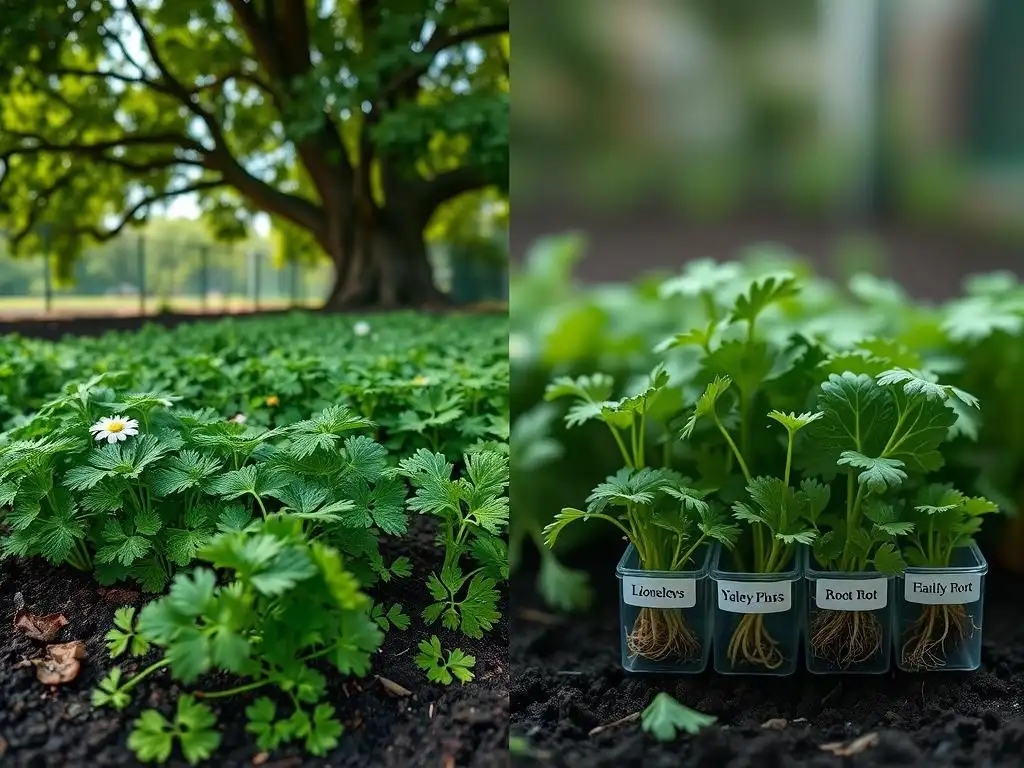
Growing organic parsley and cilantro, while rewarding, can present some challenges. This section addresses common problems and provides solutions to help you cultivate healthy, vibrant herbs. Understanding these potential issues and implementing preventative measures will significantly increase your chances of a bountiful harvest. Remember, a proactive approach to organic gardening is key to success. This guide focuses on naturally resolving issues, aligning with our commitment to organic practices.
Dealing with Common Pests and Diseases
Parsley and cilantro, while relatively pest-resistant, are not immune. Aphids, spider mites, and leaf miners are common culprits. These tiny pests can suck the life out of your plants, leading to stunted growth and wilting. Fungal diseases like leaf spot can also affect the health of your herbs.
Identifying the Problem: Carefully examine your plants regularly. Look for signs of infestation, such as small insects, webbing (spider mites), or discolored leaves. Leaf miners create serpentine trails within the leaves. Fungal diseases often manifest as spots or blotches on the leaves.
Organic Pest and Disease Control:
- Aphids and Spider Mites: A strong spray of water can dislodge these pests. Introduce beneficial insects like ladybugs, which are natural predators of aphids. Neem oil is a safe and effective organic insecticide.
- Leaf Miners: Unfortunately, leaf miners are difficult to control organically once they've burrowed into the leaves. Prevention is key – maintain good air circulation to discourage their presence. Remove and destroy heavily infested leaves.
- Fungal Diseases: Ensure good air circulation around your plants by spacing them adequately. Avoid overhead watering, which can encourage fungal growth. Use a copper-based fungicide as a last resort, following label instructions carefully.
Implementing these organic pest and disease control methods ensures your parsley and cilantro thrive without harmful chemicals, maintaining the integrity of your organic garden. Regular monitoring and prompt action are crucial for preventing major infestations.
Addressing Nutrient Deficiencies
Nutrient deficiencies can manifest in various ways, hindering the growth and vitality of your parsley and cilantro. These deficiencies are often indicated by specific symptoms in the plants. Understanding these signs is crucial for providing the necessary corrective actions. Remember that healthy soil is the foundation for healthy plants.
Recognizing Nutrient Deficiencies:
- Nitrogen Deficiency: Stunted growth, pale green or yellowing leaves, particularly older leaves, are common signs of nitrogen deficiency.
- Phosphorus Deficiency: Dark green or purplish leaves, especially the older ones, can indicate a phosphorus shortage. Growth may be slow.
- Potassium Deficiency: Yellowing or browning leaf margins, often accompanied by stunted growth, might signal a potassium deficiency.
Organic Solutions:
- Composting: Regular composting enriches the soil with essential nutrients naturally. Using well-composted manure or leaf mold significantly improves soil health and nutrient availability.
- Organic Fertilizers: Use organic fertilizers like fish emulsion, seaweed extract, or worm castings to provide a balanced supply of nutrients. Follow the instructions on the packaging carefully.
- Soil Testing: For a more precise approach, consider soil testing to determine the specific nutrient deficiencies in your soil. This allows for targeted fertilization.
Remember, prevention is key. Enriching your soil before planting and regularly monitoring your plants are crucial steps to avoid nutrient deficiencies.
Solving Growth Problems (Bolting, Yellowing Leaves)
Bolting (premature flowering) and yellowing leaves are two common problems that can affect parsley and cilantro. These issues can significantly reduce the quality and yield of your harvest. Addressing these problems promptly is essential for maintaining healthy plants.
Bolting: Bolting occurs when your parsley or cilantro plants go to seed prematurely, usually due to heat stress or long daylight hours. The leaves become tough and bitter, reducing their culinary value.
- Solutions: Plant parsley and cilantro in a location that receives morning sun and afternoon shade, especially in hot climates. Consider using shade cloth during particularly hot periods. Successive sowing at intervals helps to avoid a mass bolting event.
Yellowing Leaves: Yellowing leaves can be caused by several factors, including nutrient deficiencies (as discussed above), overwatering, underwatering, or pest infestations.
- Solutions: Begin by examining your plants for pests. Check the soil moisture; adjust watering accordingly to avoid both overwatering and underwatering. If nutrient deficiencies are suspected, amend the soil with organic fertilizers or compost.
By addressing these common issues promptly and proactively, you can significantly improve your chances of successfully growing abundant and flavorful organic parsley and cilantro. Remember that consistent observation and a holistic approach are crucial for nurturing healthy herbs in your garden. 🌿
Growing Parsley and Cilantro Year-Round: Tips and Tricks
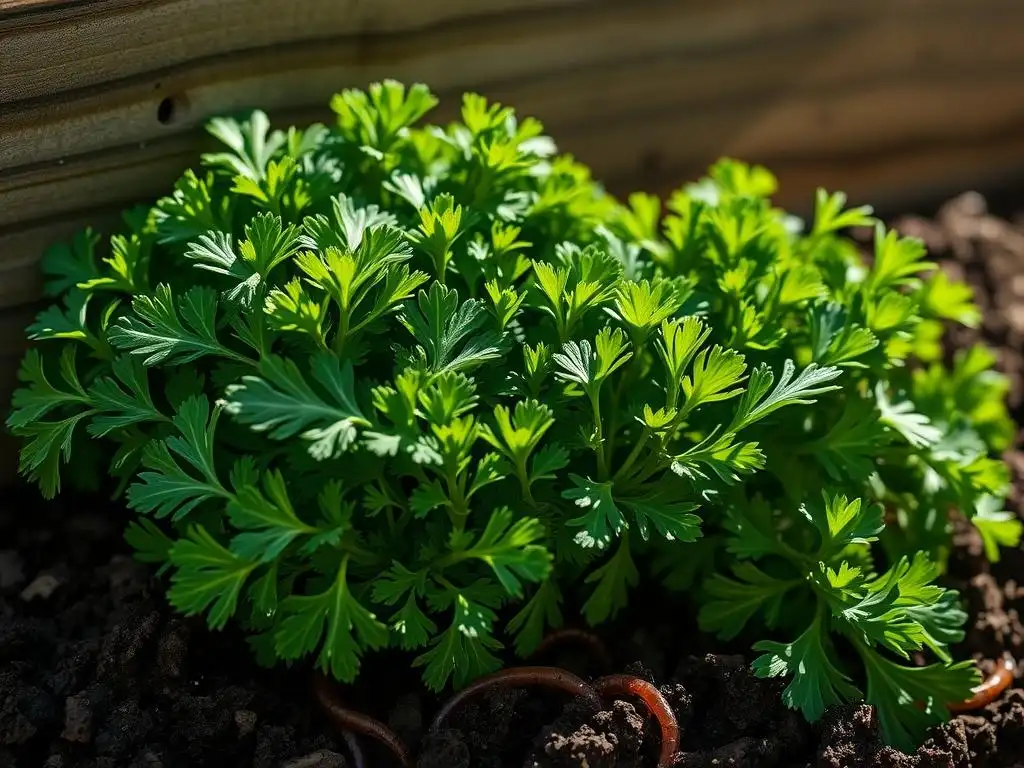
This section delves into the techniques for extending the harvest of parsley and cilantro beyond their typical growing seasons, maximizing your yield and enjoying fresh herbs all year long. Successfully growing organic parsley and cilantro year-round requires understanding their specific needs and adapting your gardening practices accordingly.
Extending the Growing Season
Successfully extending the growing season for parsley and cilantro involves a combination of techniques. Early sowing is crucial. Start seeds indoors 6-8 weeks before the last expected frost. This allows for a head start, resulting in a much earlier harvest. For a continuous supply, sow seeds every few weeks throughout the growing season.
Successive sowing ensures a steady supply of fresh herbs. Consider using row covers or cold frames to protect young seedlings from unexpected late frosts or early chills. These protective measures significantly improve the survival rate of your delicate seedlings. Likewise, providing adequate shade during the hottest parts of the summer, particularly in hot climates, can prevent bolting (premature flowering) and prolong the harvest. This can be as simple as using shade cloth or strategically planting them in a slightly shaded area of the garden.
The use of organic fertilizers, like compost tea or aged manure, is vital for healthy growth and extended production. These fertilizers nourish the plants, promoting vigorous growth and delaying the onset of bolting. Regular harvesting also plays a role; consistently picking leaves encourages bushier growth and prevents the plants from focusing their energy on flowering and seed production, extending their productive lifespan. Remember, consistent watering is key – especially during dry spells – to keep the soil consistently moist but not waterlogged. Water deeply and less frequently to encourage deeper root growth and drought tolerance.
Overwintering Herbs in Different Climates
Overwintering parsley and cilantro depends heavily on your climate. In mild climates (USDA zones 8-10), these herbs may survive the winter outdoors with minimal protection. A layer of mulch around the base of the plants can help insulate the roots and protect them from frost. However, even in these warmer areas, a sudden cold snap can damage or kill the plants. Consider providing additional protection with row covers or cloches during periods of extreme cold.
In colder climates (USDA zones 3-7), overwintering parsley and cilantro requires more effort. One effective method is to bring potted plants indoors to a sunny location. Provide adequate light and maintain consistent watering to keep the plants healthy throughout the winter. Alternatively, you can dig up the plants before the first frost, carefully pot them, and store them in a cool, dark basement or garage.
Ensure the soil remains slightly moist but not soggy to prevent root rot. Another option is to sow seeds indoors for a continuous supply and to harvest the outdoor plants before the first frost. Careful monitoring of the weather forecast is essential to protect your investment and prevent losses.
Specific Overwintering Techniques by Climate Zone
Zone 3-5: Indoor overwintering is highly recommended. Consider using grow lights to supplement natural light.
Zone 6-7: A combination of mulching and row covers may be sufficient, but indoor overwintering is safer.
Zone 8-10: Mulching is generally enough, but monitor for cold snaps and provide additional protection as needed.
Container Gardening for Herbs
Growing parsley and cilantro in containers offers several advantages for year-round cultivation. Containers allow for easy relocation of plants to protect them from frost or intense heat. This mobility is particularly beneficial in climates with unpredictable weather patterns. Moreover, container gardening makes it easier to control soil conditions, ensuring optimal drainage and preventing waterlogging. This is crucial for both herbs, as they are sensitive to waterlogged soil. Choose containers with drainage holes and use a well-draining potting mix.
The size of the container is important. Parsley and cilantro, while not large plants, require sufficient space for root development. Select containers at least 12 inches in diameter to allow for adequate root growth and prevent overcrowding. Remember to select a sunny location for your containers. At least 6 hours of direct sunlight per day is ideal for optimal growth.
Regular fertilizing with an organic liquid fertilizer will also help promote healthy growth and a bountiful harvest. Remember to check the soil moisture regularly and water when the top inch of soil feels dry to the touch. Avoid overwatering, which can lead to root rot and other diseases. Growing organic parsley and cilantro in containers allows for precise control over environmental factors, increasing the chances of success throughout the year.
Frequently Asked Questions about Growing Parsley and Cilantro (FAQ)
This section addresses common queries regarding the cultivation of parsley and cilantro, focusing on organic and sustainable practices to help you achieve a bountiful harvest. We'll cover crucial aspects like preventing bolting, choosing beneficial companion plants, and managing common pests.
How to prevent bolting in parsley and cilantro?
Bolting, the premature flowering of parsley and cilantro, is a common frustration for home gardeners. It's triggered by heat stress and long daylight hours. The key to preventing bolting is to provide optimal growing conditions and choose the right varieties.
Several strategies can significantly reduce bolting:
- Choose bolt-resistant varieties: Seed companies often label varieties as "slow-bolting" or "heat-tolerant." Selecting these cultivars is your first line of defense. Look for descriptions highlighting their resistance to early flowering.
- Consistent moisture: Water regularly and deeply, especially during hot, dry spells. Avoid letting the soil dry out completely, as stress from drought significantly increases the likelihood of bolting. Consider using mulch to retain soil moisture and regulate temperature.
- Partial shade: In regions with intense summer sun, providing some afternoon shade can help mitigate heat stress. This is particularly important during the hottest months. A simple shade cloth can make a big difference.
- Successive sowing: Instead of planting a large batch all at once, sow seeds in small batches at two-week intervals. This ensures a continuous supply of young plants that are less prone to bolting. Think of it as a staggered planting schedule for a continuous harvest.
- Harvest frequently: Regular harvesting of leaves encourages bushier growth and delays bolting. Harvesting younger leaves also ensures better flavor and texture.
What are the best companion plants for parsley and cilantro?
Companion planting leverages the synergistic relationships between different plants to enhance growth and deter pests. Certain plants thrive when grown alongside parsley and cilantro, boosting their overall health and yield.
Here are some excellent companion plants for parsley and cilantro:
| Companion Plant | Benefits |
|---|---|
| Tomatoes | Parsley and cilantro attract beneficial insects that prey on tomato pests. They also improve the soil. |
| Cabbage family (e.g., broccoli, cauliflower) | Repels cabbage white butterflies, common pests of brassicas. |
| Roses | Improves the overall health and growth of roses. |
| Carrots | Improves the growth of both parsley and cilantro. |
Choosing the right companion plants can significantly improve the health and productivity of your parsley and cilantro, helping you achieve a more abundant and flavorful harvest. Experiment and find what works best in your garden!
How to deal with aphids on parsley and cilantro?
Aphids are tiny, soft-bodied insects that suck the sap from plants, causing stunted growth and wilting. They can quickly infest parsley and cilantro, so early detection and intervention are crucial.
Here's a breakdown of organic methods to manage aphid infestations:
- Physical removal: For small infestations, you can manually remove aphids by spraying them off with a strong jet of water. A strong spray of water can dislodge many of the aphids, reducing their numbers.
- Beneficial insects: Ladybugs, lacewings, and hoverflies are natural predators of aphids. Encouraging their presence in your garden through companion planting and providing habitat will help control aphid populations naturally.
- Neem oil: Neem oil is a natural insecticide derived from the neem tree. It disrupts the aphid life cycle and can effectively control infestations. Always follow the label instructions carefully.
- Insecticidal soap: Insecticidal soap is another effective organic solution. It works by disrupting the cell membranes of aphids, leading to their death. Again, follow the label instructions meticulously for best results.
Remember, consistent monitoring and prompt action are key to keeping aphid infestations under control. Early detection and the implementation of these organic methods will help you maintain healthy parsley and cilantro plants. Preventative measures, such as ensuring good air circulation and avoiding overcrowding, can also reduce the risk of aphid infestation.
Frequently Asked Questions
What is the best way to start parsley and cilantro seeds?
Starting parsley and cilantro from seed indoors is recommended, about 6-8 weeks before the last frost. Direct sowing is possible, but germination can be unpredictable. Ensure well-draining soil and consistent moisture.
How much sunlight do parsley and cilantro need?
Both parsley and cilantro thrive in full sun to partial shade. Aim for at least 4-6 hours of sunlight daily. Too much shade can result in leggy growth, while too much sun can scorch the leaves.
How often should I water parsley and cilantro?
Keep the soil consistently moist, but not waterlogged. Water deeply and regularly, especially during dry spells. Allow the top inch of soil to dry slightly between waterings to prevent root rot.
What are some common pests and diseases affecting parsley and cilantro?
Aphids and leaf miners are common pests. Diseases include fungal leaf spots. Regular inspection and organic pest control methods, such as insecticidal soap, are crucial for prevention and treatment.
When is the best time to harvest parsley and cilantro?
Harvest parsley and cilantro leaves regularly to encourage new growth. For parsley, you can harvest individual stems or cut back the plant by one-third. Cilantro should be harvested before it bolts (goes to seed) for the best flavor.
Final Reflection: Cultivating More Than Just Herbs
The vibrant greens of parsley and cilantro, symbols of freshness and culinary delight, represent far more than just ingredients; they symbolize our connection to nature and the power of mindful cultivation. In a world increasingly disconnected from its food sources, understanding how to grow these common herbs organically offers a tangible pathway to a healthier, more sustainable lifestyle. This guide has explored the practical steps, from seed selection to harvesting, but the true essence lies in the journey itself.
The act of nurturing a plant from seed to harvest is a deeply rewarding experience, fostering patience, observation, and a profound appreciation for the natural world. It connects us to a timeless tradition, reminding us of our dependence on the earth and the simple joys of creating something beautiful and nourishing with our own hands. The glory of gardening: hands in the dirt, head in the sun, heart with nature. To nurture a garden is to feed not just the body, but the soul.
This quote perfectly encapsulates the transformative power of growing your own food, a power that extends far beyond the culinary benefits.
Now, consider your own space, however small. Imagine the fragrant bounty of homegrown parsley and cilantro enriching your meals, and the quiet satisfaction of tending to these vibrant plants. Will you embrace the opportunity to cultivate not only herbs, but also a deeper connection with the natural world? Start small, begin with a single pot, and experience the transformative magic of growing your own food. The journey awaits, and the rewards are far greater than you might imagine.
Unleash Your Inner Herb Gardener!
Thank you for exploring the world of fresh herbs! We hope you've gained valuable insights into growing vibrant herbs. Ready to put your new knowledge into practice?
- Start planting today! Get your hands dirty with seeds or seedlings. Even a small pot on a sunny windowsill can yield a rewarding harvest.
- Share your herb-growing journey! Post pictures of your thriving plants on social media and tag us—we'd love to see your progress!
- Experiment with different planting methods and varieties. Discover exciting flavor combinations through your culinary creations.
What unexpected and delicious flavor combinations will you create with your homegrown herbs?