
Storing Food Safely: Preventing Foodborne Illnesses

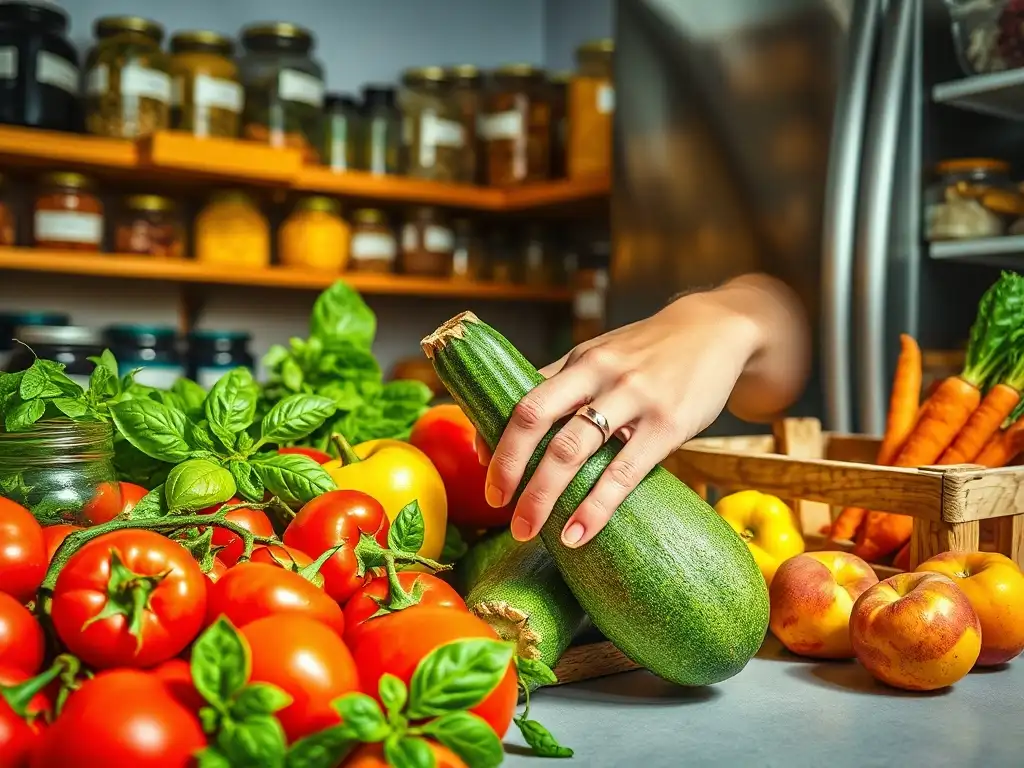
Welcome to CultivateYourFood, your guide to a bountiful and sustainable harvest! Are you ready to unlock the secrets to preserving your homegrown fruits, vegetables, and herbs? We know how rewarding it is to cultivate your own food, but knowing how to store it safely is just as crucial.
Learn the essential techniques for preventing foodborne illnesses and extending the life of your produce in our in-depth article on "Storing homegrown food safely", found under the Gardening for Self-Sufficiency category. Discover the simple yet effective methods that will transform your harvest into delicious meals for weeks to come. Let's get started!
- Understanding Foodborne Illnesses from Homegrown Produce
- Proper Cleaning and Washing Techniques for Homegrown Produce
- Safe Storage Methods for Different Types of Homegrown Food
- Extending Shelf Life of Homegrown Produce: Preservation Techniques
- Optimizing Storage Conditions for Homegrown Food
- Recognizing Signs of Spoilage in Homegrown Food
- Safe Handling and Consumption of Homegrown Food
- Frequently Asked Questions
- Final Reflection: Harvesting Abundance, Safeguarding Health
- Unlock Your Kitchen's Potential: Mastering Safe Food Storage
Understanding Foodborne Illnesses from Homegrown Produce
Growing your own fruits, vegetables, and herbs is incredibly rewarding, offering fresh, healthy produce and a deeper connection to your food. However, even homegrown food can harbor harmful bacteria and microorganisms if not handled and stored correctly. This article focuses on the safe storage of homegrown food to prevent foodborne illnesses, a crucial aspect of gardening for self-sufficiency.
We'll explore common culprits, the symptoms they cause, and practical steps you can take to ensure your hard work doesn't lead to illness. Proper storage of homegrown food is paramount, not just for extending its shelf life, but also for protecting your health and the health of your family. Learning how to store homegrown food safely is an essential skill for anyone committed to cultivating their own food sustainably.
This guide provides a comprehensive overview of safe food handling practices, from the garden to the table, allowing you to reap the benefits of homegrown goodness without the risk of foodborne illness. Let's delve into the details to ensure your homegrown bounty remains a source of nourishment, not a cause for concern.
Common Bacteria and Microorganisms Affecting Homegrown Foods
Several bacteria and microorganisms can contaminate homegrown produce, leading to foodborne illnesses. These contaminants can be introduced at various stages, from soil contact to improper handling and storage. Some of the most common culprits include:
- Salmonella: Often found in soil and water, Salmonella can contaminate fruits and vegetables through fecal contamination. Symptoms include diarrhea, fever, and abdominal cramps.
- E. coli: Another common soil-borne bacteria, E. coli can cause severe diarrhea, vomiting, and abdominal cramps. Certain strains can lead to more serious complications.
- Listeria monocytogenes: This bacteria can survive in cold temperatures and can contaminate produce during harvesting or processing. It’s particularly dangerous for pregnant women, newborns, and individuals with weakened immune systems.
- Campylobacter: Often found in poultry and contaminated water, this bacteria can contaminate produce through cross-contamination or contact with animal feces. Symptoms include diarrhea, fever, and stomach cramps.
- Molds and Yeasts: While not always pathogenic, certain molds and yeasts can produce mycotoxins, which are toxic compounds that can cause illness if consumed. These are often found on produce that has been improperly stored or damaged.
Understanding these common contaminants is the first step in preventing foodborne illnesses. The next section will outline the symptoms to watch out for.
Identifying Symptoms of Foodborne Illness
Recognizing the symptoms of foodborne illness is crucial for prompt treatment and preventing further spread. Symptoms can vary depending on the specific microorganism and the individual's immune system, but common signs include:
- Gastrointestinal Distress: This is the most common symptom, encompassing nausea, vomiting, diarrhea, and stomach cramps. The severity and duration can vary greatly.
- Fever: A fever is a common indication of infection and can accompany other gastrointestinal symptoms.
- Chills: Feeling cold and shivering can also be a sign of foodborne illness.
- Headache: In some cases, foodborne illness can cause headaches.
- Muscle Aches: Fatigue and muscle aches can also occur.
Severe Symptoms Requiring Immediate Medical Attention
Seek immediate medical attention if you experience severe symptoms such as bloody diarrhea, high fever, persistent vomiting, severe dehydration, or signs of shock (rapid heart rate, low blood pressure).
If you suspect a foodborne illness, it's important to seek medical advice and carefully document your symptoms to aid in diagnosis. Preventing contamination is key, as discussed in the following section.
Preventing Contamination During Harvesting and Handling
Preventing contamination during harvesting and handling is crucial for storing homegrown food safely. Here's a checklist of best practices:
| Practice | Description | Importance |
|---|---|---|
| Wash Hands Thoroughly | Wash hands with soap and water before and after handling produce. | Prevents the transfer of bacteria from hands to food. |
| Clean Harvesting Tools | Clean and sanitize knives, scissors, and other tools used during harvesting. | Prevents cross-contamination between plants and tools. |
| Inspect Produce Carefully | Remove any damaged, bruised, or decaying produce before storing. | Damaged produce is more susceptible to microbial growth. |
| Proper Cleaning Techniques | Wash produce thoroughly under running water, scrubbing gently with a brush if necessary. | Removes dirt, soil, and potential contaminants from the surface of the produce. |
| Separate Raw and Cooked Foods | Avoid cross-contamination by storing raw produce separately from cooked food and ready-to-eat items. | Prevents the transfer of bacteria from raw produce to cooked food. |
| Proper Storage Temperatures | Store produce at appropriate temperatures (refrigerate or freeze as needed) to slow down microbial growth. | Low temperatures inhibit the growth of most bacteria and microorganisms. Refrigeration is key for many homegrown items. |
Following these guidelines will significantly reduce the risk of foodborne illnesses associated with homegrown produce. Remember, your diligence in harvesting and handling directly impacts the safety and quality of your food. 🥕🍎🥬
Proper Cleaning and Washing Techniques for Homegrown Produce
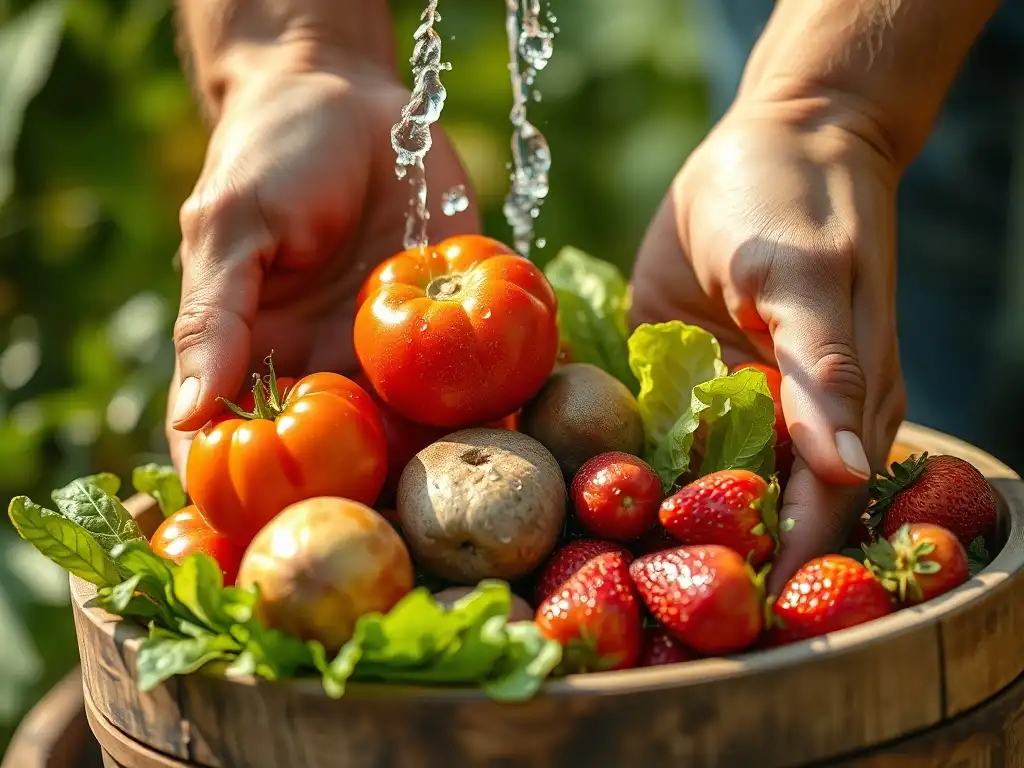
Even the most carefully tended homegrown fruits, vegetables, and herbs can harbor harmful bacteria, viruses, and parasites. Proper cleaning and washing are crucial steps in Storing homegrown food safely and preventing foodborne illnesses. This section will detail effective methods to ensure your harvest is safe for consumption. Ignoring this crucial step can negate all your hard work in the garden. Remember, even organically grown produce requires thorough cleaning.
Washing Fruits and Vegetables Effectively
Washing your produce effectively involves more than just a quick rinse under the tap. A multi-step approach is recommended to maximize the removal of contaminants. Here's a detailed guide:
- Pre-washing: Before any washing, inspect your produce carefully. Remove any visibly damaged or decaying parts. Cut away bruised areas or any parts that show signs of insect infestation. This prevents contamination spread during the washing process.
- Washing: Use cold running water. A gentle scrubbing with a clean vegetable brush is recommended for items like potatoes, carrots, and cucumbers. For delicate items like berries, a gentle swish in a colander under running water is sufficient. Avoid using soap unless specifically recommended for produce washing (see below).
- Drying: Thorough drying is just as important as washing. Excess moisture can promote bacterial growth. Pat produce dry with clean paper towels or allow them to air dry completely on a clean surface before storing.
- Frequency: Wash produce immediately before consumption, not days in advance. This minimizes the risk of recontamination.
Using Proper Cleaning Solutions for Produce
While plain cold water is generally sufficient, some situations may warrant the use of a specific cleaning solution. However, proceed with caution and always follow product instructions carefully.
- Baking Soda Solution: A weak baking soda solution (1 teaspoon baking soda per quart of water) can help remove surface dirt and some pesticides. Rinse thoroughly after application.
- Vinegar Solution: A dilute vinegar solution (1 part white vinegar to 3 parts water) can also be used, but be mindful that it can affect the taste of some delicate produce. Thorough rinsing is essential.
- Commercial Produce Washes: Several commercial produce washes are available. Choose those specifically labeled for organic produce, and always follow the manufacturer's instructions precisely. Remember to thoroughly rinse after using any commercial product.
It's crucial to note that using soap directly on your produce is generally discouraged. Soap residue can be difficult to rinse completely, potentially leading to illness.
Removing Dirt and Debris from Homegrown Foods
The methods used to clean your produce will vary depending on the type of food.
| Produce Type | Cleaning Method | Additional Notes |
|---|---|---|
| Leafy Greens (Lettuce, Spinach) | Wash thoroughly under running water, separating leaves to remove dirt. Consider a salad spinner for drying. | Remove any wilted or damaged leaves before washing. |
| Root Vegetables (Carrots, Potatoes) | Scrub with a vegetable brush under running water. | Pay close attention to crevices and cracks. |
| Berries (Strawberries, Blueberries) | Gently swish in a colander under running water. | Avoid over-washing to prevent damage. |
| Fruits with Skins (Apples, Oranges) | Wash thoroughly under running water, scrubbing gently. | Remove any blemishes or damaged areas before washing. |
Remember, careful attention to cleaning and washing is paramount for storing homegrown food safely. This minimizes the risk of foodborne illnesses and ensures you enjoy the fruits (and vegetables!) of your labor safely and deliciously. 🥕🍎🍅
Safe Storage Methods for Different Types of Homegrown Food
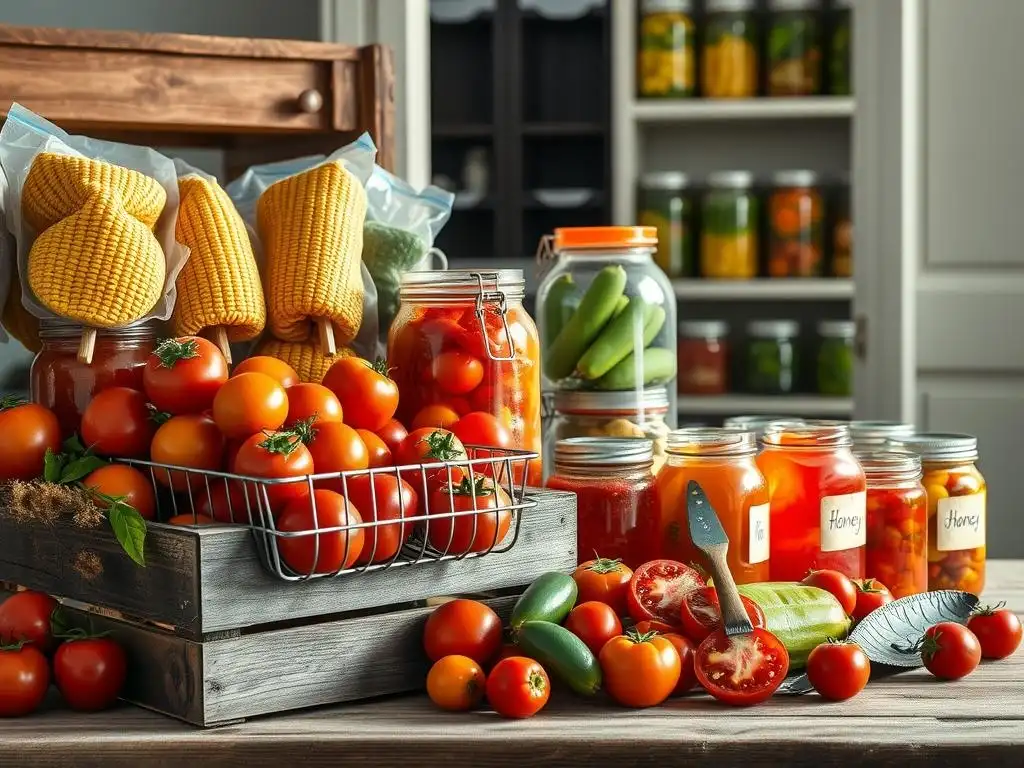
This section focuses on the optimal storage techniques for various homegrown produce to minimize spoilage and prevent foodborne illnesses. Proper storage is crucial for maximizing the shelf life of your hard work and ensuring the safety of your homegrown food. Remember, even organically grown food can spoil if not stored correctly. Let's delve into the specifics for different types of produce.
Storing Root Vegetables: Potatoes, Carrots, and Beets
Root vegetables, like potatoes, carrots, and beets, require cool, dark, and dry storage conditions to prevent sprouting and spoilage. High humidity can lead to rotting, while exposure to light can trigger the production of solanine in potatoes, making them toxic.
Proper storage significantly extends the shelf life of these root vegetables. For example, potatoes stored in a cool, dark pantry can last for several months, while carrots and beets, stored in a similar environment, can remain fresh for several weeks.
Here's a breakdown of best practices:
- Potatoes: Store in a cool, dark, and dry place, ideally in a paper bag or a well-ventilated container. Avoid storing them in airtight containers or plastic bags, as this can trap moisture and lead to rotting. 🥔
- Carrots & Beets: These can be stored similarly to potatoes, but they benefit from slightly higher humidity. Storing them in a slightly damp burlap sack or a plastic bag with a few holes punched in it can help maintain moisture. 🥕 Beetroot should ideally be stored separately as they can affect other vegetables' flavor.
- Temperature: The ideal storage temperature is between 45°F and 50°F (7°C and 10°C). Avoid storing them in the refrigerator, as the cold temperatures can damage their texture and flavor.
- Inspect Regularly: Regularly inspect your root vegetables for signs of spoilage, such as soft spots, mold, or sprouting. Remove any damaged or spoiled vegetables immediately to prevent contamination of the rest.
Preserving Leafy Greens: Spinach, Lettuce, and Kale
Leafy greens are highly perishable and require careful handling and storage to maintain their freshness and prevent wilting. Proper storage techniques can help extend their shelf life significantly, allowing you to enjoy your homegrown greens for longer.
The key to preserving leafy greens is to minimize moisture loss and prevent bacterial growth. Here's how:
- Washing: Wash your greens gently just before use. Washing and storing them wet can promote bacterial growth.
- Drying: After washing, dry the greens thoroughly using a salad spinner or paper towels. Excess moisture can lead to rapid spoilage.
- Storage: Store leafy greens in airtight containers lined with paper towels to absorb excess moisture. Refrigerate them immediately. Alternatively, you can wrap them loosely in paper towels and store them in a plastic bag with a few holes punched in it.
- Shelf Life: Even with proper storage, leafy greens have a relatively short shelf life, typically lasting only a few days. Consider freezing excess greens for longer storage. Blanching them before freezing helps retain their color and nutrients. 🥬
Storing Fruits: Berries, Apples, and Tomatoes
Fruits, particularly berries and tomatoes, are highly sensitive to temperature and humidity. Storing them improperly can lead to rapid spoilage and loss of flavor. Apples, on the other hand, release ethylene gas, which can accelerate the ripening of other fruits.
Here's a guide to safe and effective fruit storage:
- Berries: Store berries gently in single layers in shallow containers to prevent crushing. Avoid washing them until just before use. Refrigerate them immediately. 🍓
- Apples: Store apples separately from other fruits to prevent ethylene gas from accelerating their ripening. A cool, dark, and dry pantry is ideal. 🍎
- Tomatoes: Avoid refrigerating tomatoes, as this can affect their flavor and texture. Store them at room temperature, away from direct sunlight, on a counter or shelf. 🍅
- Temperature Control: Most fruits benefit from cool temperatures, but avoid freezing them unless you plan to use them for jams or preserves.
By following these guidelines, you can significantly improve the shelf life of your homegrown food, reduce waste, and ensure that you're enjoying the freshest and safest produce possible. Remember to always practice good hygiene when handling and storing food to prevent foodborne illnesses. Storing homegrown food safely is a vital part of sustainable living and enjoying the fruits (and vegetables!) of your labor.
Safe Storage of Herbs: Basil, Mint, and Cilantro
Storing herbs properly is crucial to maintaining their flavor and preventing spoilage, which can lead to the growth of harmful bacteria and, potentially, foodborne illnesses. Different herbs require slightly different approaches, depending on their delicate nature. Let's look at three popular herbs – basil, mint, and cilantro – and how to best store them.
Basil, known for its delicate leaves and slightly sweet flavor, is best stored by bunching small amounts together, gently rinsing them under cool water, and patting them dry with a clean paper towel. Avoid storing them in a plastic bag, as this can trap moisture and lead to wilting and rot. Instead, wrap the bunch loosely in a damp paper towel and place it in a refrigerator drawer. This method helps maintain freshness for about a week.
For longer storage, consider freezing. Blanch the leaves briefly in boiling water before freezing to help preserve their color and texture. You can then store them in freezer bags for several months.
Mint, with its robust, refreshing flavor, is slightly more resilient than basil. However, it also benefits from proper storage to prevent wilting. Similar to basil, rinse mint sprigs, pat them dry, and wrap them loosely in a damp paper towel. Placing them in a plastic bag with a few holes poked in it can also work well, as this allows for some air circulation while preventing moisture loss.
Store them in the refrigerator's crisper drawer, where they can last for up to two weeks. Freezing mint is also an option. Chop the leaves before freezing to make them easier to use later in smoothies or other recipes.
Cilantro, with its unique citrusy flavor, presents its own storage challenges. It tends to wilt quickly, even more so than basil. Therefore, storing cilantro requires a little more care. The best approach involves rinsing the cilantro, patting it dry, and wrapping it tightly in a damp paper towel. Place the wrapped cilantro in a sealed plastic bag and store it in the refrigerator's crisper drawer.
Even with careful storage, cilantro may only last for about a week. Consider freezing cilantro for longer storage. To do so, you can chop the leaves and store them in freezer bags, or you can even freeze whole sprigs in ice cube trays. Remember to use frozen cilantro quickly, as its flavor can fade over time.
Remember, always inspect your herbs before using them. Discard any that show signs of wilting, discoloration, or mold to prevent potential foodborne illness. Proper storage extends the shelf life of your herbs, allowing you to enjoy the fruits of your labor for longer and reducing food waste. Furthermore, practicing good hygiene, such as washing your hands before and after handling herbs, is essential in preventing contamination and ensuring safe food handling.
Extending Shelf Life of Homegrown Produce: Preservation Techniques
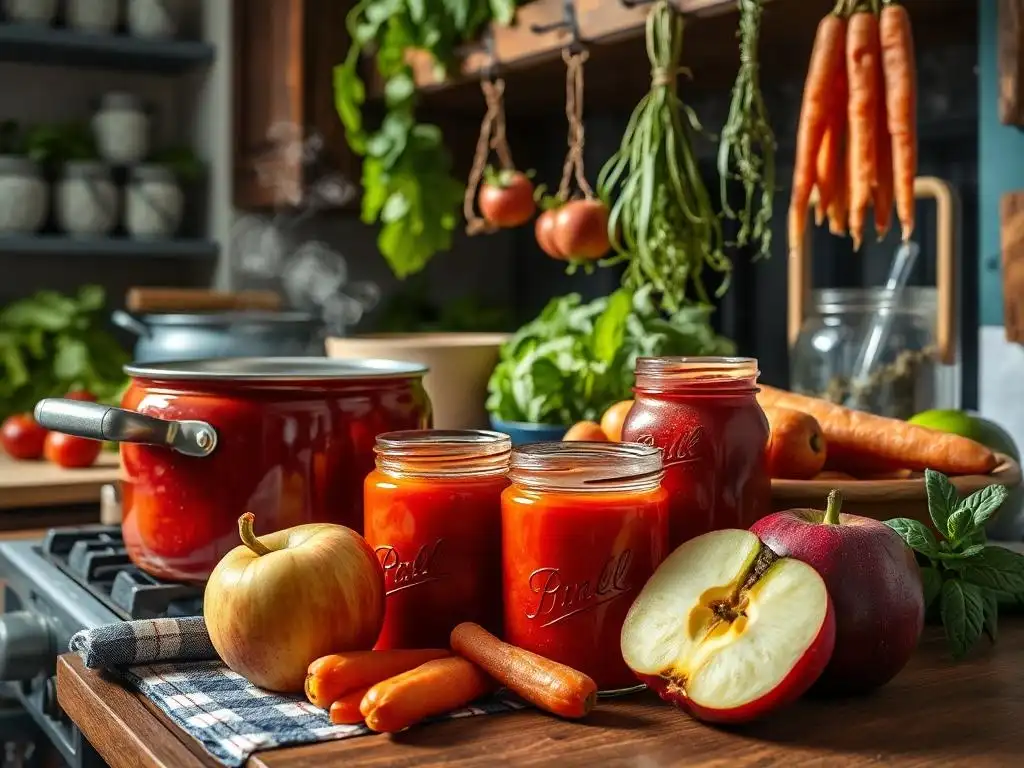
Harvesting your own fruits, vegetables, and herbs is incredibly rewarding, but ensuring their safety and extending their shelf life is crucial. Proper storing homegrown food safely is paramount to prevent foodborne illnesses and maximize the benefits of your hard work. This section explores effective preservation techniques to help you enjoy your bounty for months to come. We'll focus on methods that align with sustainable and organic practices, minimizing waste and maximizing the nutritional value of your homegrown produce.
Freezing Homegrown Produce for Long-Term Storage
Freezing is a fantastic way to preserve the vibrant colors, flavors, and nutrients of your homegrown fruits and vegetables. Proper freezing techniques are essential to maintain quality and prevent freezer burn. Before freezing, ensure your produce is thoroughly cleaned and prepared.
For example, berries should be washed and gently dried, while leafy greens should be blanched for a short period (typically 1-2 minutes in boiling water, then immediately plunged into ice water) to deactivate enzymes that can affect texture and color during freezing. This blanching step is crucial for maintaining the quality of vegetables like peas, green beans, and spinach.
After preparation, you can freeze your produce in a variety of ways. Smaller items like berries can be frozen individually on a baking sheet before being transferred to freezer bags to prevent clumping. Larger items, such as chopped vegetables or sliced fruits, can be packaged directly into freezer-safe containers or bags. Always label and date your packages for easy identification and optimal freshness tracking.
Remember to remove as much air as possible from the bags to minimize freezer burn. With proper freezing techniques, you can enjoy the taste of summer throughout the year! Properly frozen produce can typically last for 10-12 months.
Canning and Pickling: Safe Methods for Preservation
Canning and pickling are traditional methods of food preservation that offer a delicious way to enjoy your homegrown harvest. However, these methods require meticulous attention to safety protocols to avoid the risk of botulism. Improper canning techniques can create an environment conducive to the growth of Clostridium botulinum, a bacterium that produces a deadly toxin.
Safe Canning Practices: Always follow established guidelines from reputable sources, such as the National Center for Home Food Preservation. This includes using appropriate canning jars and lids, processing at the correct temperature and time for specific foods, and ensuring proper sealing. A pressure canner is essential for low-acid foods like vegetables, while a boiling water bath is sufficient for high-acid foods like fruits and pickles. Accurate temperature control is vital; using a reliable thermometer is crucial.
Pickling Safety: Pickling involves submerging food in a brine solution, often acidic, to inhibit bacterial growth. The acidity level is crucial; a pH level below 4.6 is generally considered safe for preventing botulism. Ensure you follow tested recipes that specify the correct amount of vinegar or other acidifying agents. Improperly pickled foods can still pose a risk, so precision is paramount. Remember to always properly seal your jars to prevent contamination. Properly canned and pickled foods can last for a year or more, offering a convenient and flavorful way to enjoy your homegrown produce throughout the year.
Dehydrating Fruits and Vegetables: A Guide to Safe Drying
Dehydration is another excellent method for preserving your homegrown food. It removes moisture, inhibiting microbial growth and extending shelf life. This method is particularly effective for fruits and certain vegetables. However, safe dehydration requires careful attention to detail.
Before dehydrating, wash and prepare your produce thoroughly. Cut fruits and vegetables into thin, uniform slices or pieces to ensure even drying. Thicker pieces may not dry properly and can become moldy. Use a food dehydrator or an oven set to a low temperature (around 135-140°F or 57-60°C) with the oven door slightly ajar for proper air circulation. The drying time will vary depending on the type of produce and the thickness of the slices.
Properly dehydrated food should be leathery and brittle, not chewy or moist. Store dehydrated foods in airtight containers in a cool, dark, and dry place. This helps prevent moisture absorption and maintains quality. Properly dehydrated fruits and vegetables can last for several months, offering a convenient and nutritious snack or ingredient for various recipes. Always check for any signs of mold or spoilage before consuming. Remember that improper dehydration can lead to bacterial growth, so following guidelines meticulously is crucial for maintaining food safety.
Optimizing Storage Conditions for Homegrown Food
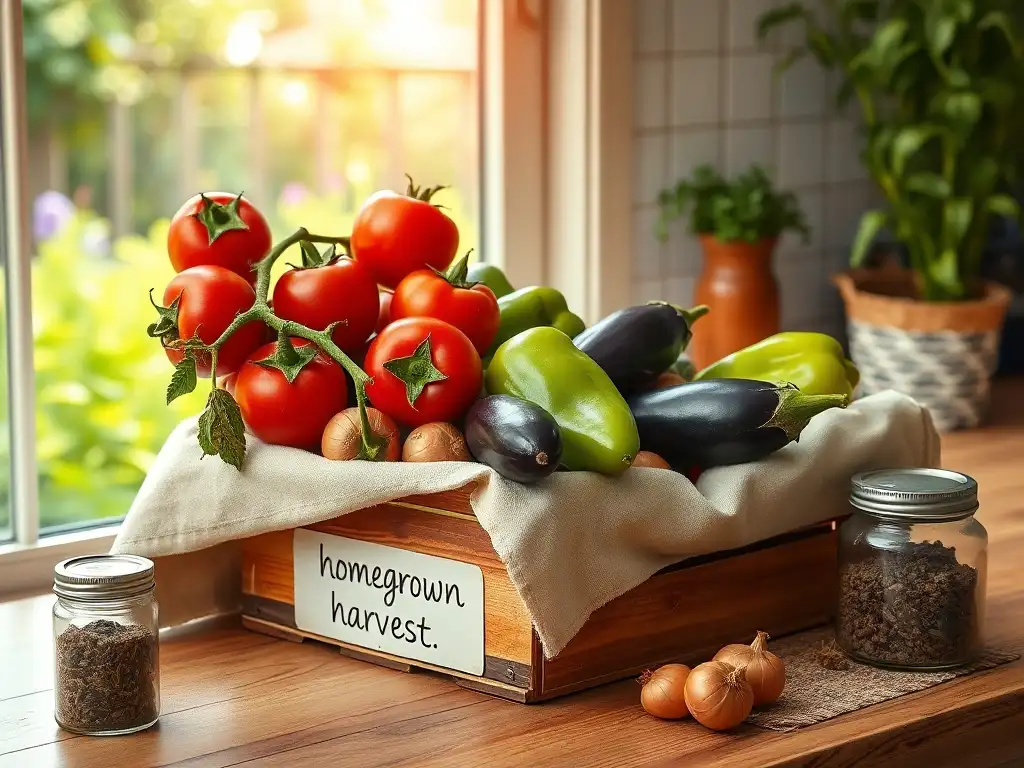
Storing homegrown food safely is paramount to preventing foodborne illnesses and maximizing the enjoyment of your harvest. Proper storage significantly extends the shelf life of your fruits, vegetables, and herbs, reducing waste and ensuring you can savor the flavors of your garden throughout the year. This section focuses on the crucial environmental factors that influence the longevity and safety of your homegrown produce. We'll delve into the specifics of temperature and humidity control, as well as strategies to deter pests and spoilage.
Maintaining Proper Temperature for Food Storage
Maintaining the correct temperature is arguably the most critical aspect of storing homegrown food safely. Different produce items have different optimal temperature ranges. For instance, leafy greens like lettuce and spinach thrive in near-freezing temperatures (just above 0°C or 32°F), while tomatoes and other soft fruits fare best at slightly higher temperatures (around 10-15°C or 50-59°F). Improper temperature control can lead to rapid spoilage, bacterial growth, and ultimately, foodborne illnesses.
Consider investing in a refrigerator with adjustable temperature zones to cater to the specific needs of your diverse harvest. For items that don't require refrigeration, a cool, dark pantry or root cellar, ideally between 10-13°C (50-55°F), is ideal. Monitoring temperature using a reliable thermometer is crucial, especially in less-controlled storage environments. Regular checks will help you identify and address any fluctuations that could compromise the quality and safety of your food. Remember, consistently monitoring temperature is key to successful and safe homegrown food storage.
Managing Humidity Levels for Optimal Preservation
Humidity plays a significant role in preventing spoilage and maintaining the freshness of your homegrown produce. High humidity can encourage mold growth and bacterial contamination, while excessively low humidity can cause wilting and dehydration. The ideal humidity level varies depending on the type of food. For example, root vegetables like carrots and potatoes prefer a relatively high humidity environment (around 90-95%) to prevent shriveling, while fruits like berries benefit from lower humidity (around 85-90%) to prevent mold.
Different storage methods can help you manage humidity levels effectively. Storing produce in airtight containers can help maintain optimal humidity. However, it’s crucial to avoid overpacking, which can lead to condensation and mold growth. Paper bags or breathable containers are often suitable for items that need moderate humidity control. Using a humidity gauge inside your storage areas can help you track levels and make adjustments as needed. This proactive approach is essential for maintaining the quality and extending the shelf life of your harvest. Remember, understanding and managing humidity is a critical element of "Storing homegrown food safely."
Preventing Pests and Spoilage in Homegrown Food Storage
Preventing pest infestations and spoilage is crucial for maintaining the safety and quality of your homegrown food. Pests like insects and rodents can contaminate your produce with pathogens and cause significant losses. Spoilage, resulting from microbial growth, can also lead to foodborne illnesses. Implementing a multi-pronged approach is essential to address these challenges.
- Thorough Cleaning: Before storing any produce, ensure it's thoroughly cleaned and dried. Remove any damaged or decaying parts to prevent the spread of spoilage.
- Proper Packaging: Select appropriate packaging based on the produce type and its moisture requirements. Airtight containers are effective for preventing moisture loss and pest infestation, but ensure adequate ventilation to prevent condensation.
- Pest Control: Employ natural pest control methods, such as using insect traps or placing bay leaves among stored items. Regularly inspect your stored food for signs of pests.
- First In, First Out (FIFO): Follow the FIFO principle, using older produce before newer items to minimize spoilage.
- Temperature and Humidity Control (Reiterated): Maintaining optimal temperature and humidity levels, as discussed earlier, plays a crucial role in preventing pest infestations and spoilage.
By implementing these strategies, you can significantly reduce the risk of pests and spoilage, ensuring your homegrown food remains safe and delicious for longer. Remember, vigilance is key to preserving the bounty of your garden. Proper storage is a crucial aspect of "Storing homegrown food safely" and contributes significantly to minimizing food waste.
Recognizing Signs of Spoilage in Homegrown Food
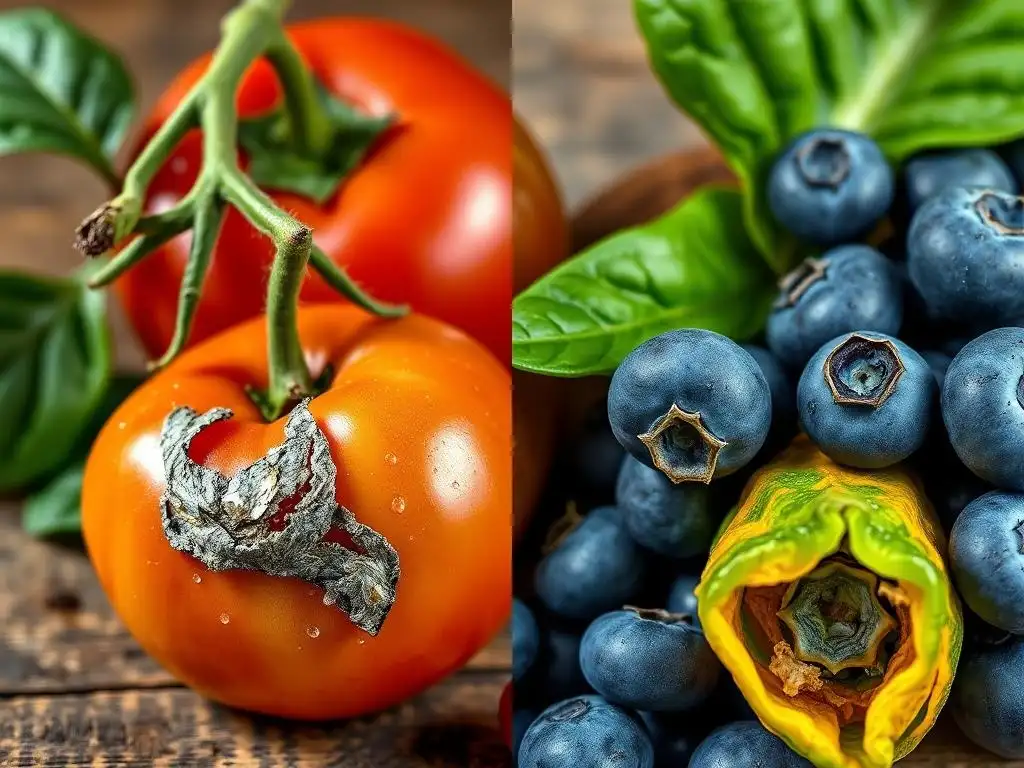
Successfully growing your own fruits, vegetables, and herbs is incredibly rewarding, but properly storing your homegrown bounty to prevent spoilage and foodborne illness is crucial. Knowing the signs of spoilage is the first step in ensuring safe consumption and minimizing waste. This section focuses on identifying spoilage indicators in common homegrown produce, enabling you to confidently assess the freshness and safety of your harvest. Proper storing homegrown food safely is paramount for both health and sustainability.
Identifying Spoiled Fruits and Vegetables
Spoilage in fruits and vegetables manifests in various ways. Visual cues are often the most readily apparent. Look for changes in:
- Color: Discoloration, bruising, or the appearance of unusual spots are common signs. For example, browning on apples or softening and discoloration on berries indicate spoilage. A change from vibrant green to a dull, yellowish hue in leafy greens suggests age and potential spoilage.
- Texture: Softness, mushiness, or unusual firmness can signal decay. A previously firm tomato that feels squishy is likely past its prime. Similarly, a crisp cucumber that feels limp and watery is a warning sign.
- Smell: An off-putting odor is a definitive indicator of spoilage. Sour or fermented smells are common in decaying produce. Even a slightly sour or musty scent can mean the produce is no longer safe for consumption.
- Mold: The presence of fuzzy or slimy mold is a clear sign of significant spoilage and should always result in discarding the affected produce. Mold can produce mycotoxins that are harmful to health.
Here's a table summarizing common spoilage indicators in some popular homegrown produce:
| Produce | Spoilage Indicators |
|---|---|
| Tomatoes | Softening, discoloration, foul odor, mold |
| Berries | Mold, discoloration, leaking juice, soft texture |
| Leafy Greens | Wilting, discoloration, slimy texture, off odor |
| Apples | Browning, softening, discoloration, mold |
| Cucumbers | Softening, discoloration, slimy texture, off odor |
Remember, even if only a small portion of a fruit or vegetable shows signs of spoilage, it’s best to discard the entire item to prevent cross-contamination and potential illness. Properly storing homegrown food safely starts with vigilant observation.
Detecting Spoilage in Herbs and Leafy Greens
Herbs and leafy greens, due to their high water content, are particularly susceptible to rapid spoilage. Proper storage is key to extending their shelf life. Look for these signs:
- Wilting: Loss of turgor pressure, resulting in limp and droopy leaves, is a primary indicator of spoilage. This can be caused by dehydration or bacterial growth.
- Discoloration: Changes in color, such as browning or yellowing, especially at the edges of the leaves, signify deterioration.
- Slimy Texture: A slimy or sticky feeling on the leaves indicates bacterial growth and spoilage.
- Off Odors: An unpleasant, musty, or pungent smell indicates that the herbs or greens have begun to decay.
To maintain the freshness of herbs and leafy greens, store them properly – ideally in a loosely sealed container in the refrigerator. Regularly inspect them and discard any that show signs of spoilage. Promptly discarding spoiled produce prevents the spread of bacteria and ensures your stored homegrown food remains safe. Storing homegrown food safely requires consistent attention to detail.
Discarding Spoiled Produce Safely
Proper disposal of spoiled produce is crucial to preventing the spread of bacteria and pests. Avoid simply tossing spoiled items in the trash. Instead:
- Double-bag spoiled produce: Place spoiled produce in a sealed plastic bag before disposing of it in the regular trash to contain odors and prevent pests.
- Dispose promptly: Don't let spoiled produce sit around. Discard it as soon as you notice spoilage.
- Clean up spills: If any juice or liquid from spoiled produce spills, clean the area thoroughly with soap and water to prevent bacterial growth.
- Compost carefully (with caution): Composting is a great way to recycle food waste, but only compost spoiled produce that does not show signs of mold or disease. Moldy produce should be disposed of in the trash to avoid contaminating your compost pile.
Following these steps ensures that you are storing homegrown food safely and responsibly, protecting your health and the environment. Remember, prioritizing safe food handling practices is essential for enjoying the fruits (and vegetables!) of your labor.
Safe Handling and Consumption of Homegrown Food
Homegrown produce, while incredibly rewarding, requires careful handling to prevent foodborne illnesses. The pride of cultivating your own fruits, vegetables, and herbs shouldn't be overshadowed by unsafe practices. Storing homegrown food safely is paramount, ensuring not only the longevity of your harvest but also the health and well-being of you and your family. This section focuses on crucial steps to minimize risks associated with consuming homegrown food. Remember, even organically grown produce can harbor bacteria if not handled correctly. The principles of safe food handling are universal, regardless of the origin of your food.
Cooking Temperatures to Eliminate Bacteria
Cooking is a crucial step in eliminating harmful bacteria that might be present on your homegrown produce. Different foods require different temperatures and cooking times to ensure complete bacterial destruction. Undercooking can leave potentially dangerous pathogens alive, leading to food poisoning. Here's a guide to safe cooking temperatures:
| Food Type | Safe Internal Temperature (°F) | Cooking Time (Approximate) | Notes |
|---|---|---|---|
| Poultry (chicken, turkey) | 165°F | Varies depending on size and cut | Ensure the juices run clear. Use a meat thermometer for accuracy. |
| Beef, Pork, Lamb | 160°F | Varies depending on cut and thickness | Use a meat thermometer to check the internal temperature in the thickest part. |
| Fish | 145°F | Varies depending on thickness | Cook until it flakes easily with a fork. |
| Vegetables | Boiling until tender | Varies depending on vegetable | Ensure vegetables are heated thoroughly; steaming is also an effective method. |
Remember to always use a food thermometer to ensure your food reaches the appropriate internal temperature. Don't rely on visual cues alone. Improperly cooked food can cause serious illness, so accuracy is key. Proper cooking is a vital component of storing homegrown food safely.
Proper Food Handling Practices to Avoid Contamination
Beyond cooking, proper food handling plays a significant role in preventing foodborne illnesses. From harvest to consumption, maintaining hygiene is crucial. Here are some key practices to follow:
- Wash your hands thoroughly: Wash your hands with soap and water for at least 20 seconds before and after handling any produce. This simple step significantly reduces the risk of bacterial transfer. 🧼
- Wash your produce: Rinse all fruits, vegetables, and herbs thoroughly under cold running water before consuming or preparing them. Scrub firm produce like potatoes and carrots with a brush.
- Separate raw and cooked foods: Keep raw meats, poultry, and seafood separate from ready-to-eat foods to prevent cross-contamination. Use separate cutting boards and utensils.
- Refrigerate promptly: Refrigerate perishable foods promptly after harvesting or purchasing. This slows down the growth of bacteria.
- Avoid cross-contamination: Don't reuse utensils or cutting boards without thoroughly washing them between uses. This prevents the transfer of bacteria from raw foods to cooked foods. This is especially important when dealing with potentially hazardous foods like poultry.
- Store food properly: Store food at the correct temperature and in appropriate containers to maintain freshness and prevent bacterial growth.
Following these practices diligently minimizes the risk of contamination and contributes significantly to storing homegrown food safely.
Recognizing and Avoiding Cross-Contamination
Cross-contamination occurs when harmful bacteria or other pathogens transfer from one food to another. This often happens when raw foods come into contact with ready-to-eat foods. Understanding the potential sources and ways to prevent cross-contamination is vital for safe food handling.
For instance, using the same knife to cut raw chicken and then slicing tomatoes without cleaning the knife first can easily transfer harmful bacteria from the chicken to the tomatoes. Similarly, using the same cutting board for both raw meat and vegetables can lead to cross-contamination.
To avoid cross-contamination:
- Use separate cutting boards: Designate one cutting board for raw meats and another for vegetables and fruits.
- Clean and sanitize surfaces: Thoroughly clean and sanitize all surfaces, utensils, and equipment that come into contact with raw foods. Use hot, soapy water and consider using a food-safe sanitizer.
- Wash your hands frequently: Wash your hands frequently, especially after handling raw meats, poultry, or seafood.
- Store food properly: Store raw meats and poultry separately from other foods to prevent dripping or contact.
By diligently following these guidelines, you can significantly reduce the risk of cross-contamination and ensure that you are storing homegrown food safely and consuming it without fear of illness. Prioritizing safe food handling practices is paramount for enjoying the fruits (and vegetables!) of your labor.
Frequently Asked Questions
How long can I safely store homegrown fruits and vegetables?
This depends on the type of produce and storage method. Generally, leafy greens last only a few days, while root vegetables can last for weeks or even months if stored properly in a cool, dark, and dry place. Refer to specific guidelines for each type of fruit or vegetable.
What's the best way to store homegrown herbs?
Fresh herbs should be wrapped in damp paper towels and stored in a plastic bag in the refrigerator. Alternatively, you can freeze them in ice cube trays with water or oil for longer storage. Proper storage prevents wilting and preserves their flavor.
How can I prevent foodborne illnesses from homegrown produce?
Always wash your produce thoroughly under running water before eating or preparing it. Remove any damaged or bruised areas. Proper washing and handling are crucial steps in preventing contamination.
What are some signs that my homegrown food has gone bad?
Signs include unusual discoloration, mold growth, slimy textures, or foul odors. If you notice any of these, discard the food immediately to avoid food poisoning. Trust your senses; when in doubt, throw it out.
What's the best temperature for storing homegrown food?
Most homegrown produce should be stored in a cool place, ideally between 32°F (0°C) and 40°F (4°C). Some items, like potatoes, are best stored at slightly warmer temperatures. Check the specific requirements for each item to ensure optimal freshness and safety.
Final Reflection: Harvesting Abundance, Safeguarding Health
The safe storage of homegrown food isn't just a matter of preserving produce; it's a critical step in protecting our families from preventable illnesses. Foodborne illnesses, often linked to improper storage, can range from mild discomfort to severe, even life-threatening complications. Understanding and implementing safe storage practices is therefore not optional, but a fundamental responsibility for anyone who cultivates their own food.
The connection between our food and our well-being is profoundly intimate. The satisfaction of harvesting your own vegetables is amplified by the knowledge that you're handling them with care, ensuring their safety from the garden to the table. To eat is a necessity, but to eat intelligently is an art.
This quote, though not directly about food safety, speaks to the deeper connection we should have with our food, a connection that extends to responsible storage and handling. The impact of safe food storage extends beyond the individual, influencing community health and reducing the burden on healthcare systems.
Consider the bounty of your harvest, the hours spent nurturing your plants, and the joy of sharing the fruits (and vegetables!) of your labor. Don't let improper storage diminish this experience. Take a moment to review the guidelines outlined in this article, and make a conscious commitment to safe food handling practices. Your health, and the health of those you share your harvest with, depends on it. Let's cultivate a culture of safe food storage, ensuring that the abundance of our gardens translates into a healthy and happy life for all.
Unlock Your Kitchen's Potential: Mastering Safe Food Storage
Thank you for learning about safe food storage! You've gained valuable knowledge to protect your family's health. Let's put this knowledge into practice.
- Prioritize your refrigerator: Take a few minutes today to reorganize your refrigerator, placing perishable items where you'll see them first and ensuring the temperature is consistently cold. This simple step can significantly improve food safety.
- Share your best food storage tip: Let's build a community dedicated to safe food handling! Share your most effective strategy in the comments below.
- Explore more resources on food preservation: Discover new ways to extend the life of your fresh produce and reduce food waste by checking out our other articles on the topic.
What small change will you make to your food storage habits today?