
Integrating Medicinal Herbs into Your Daily Routine

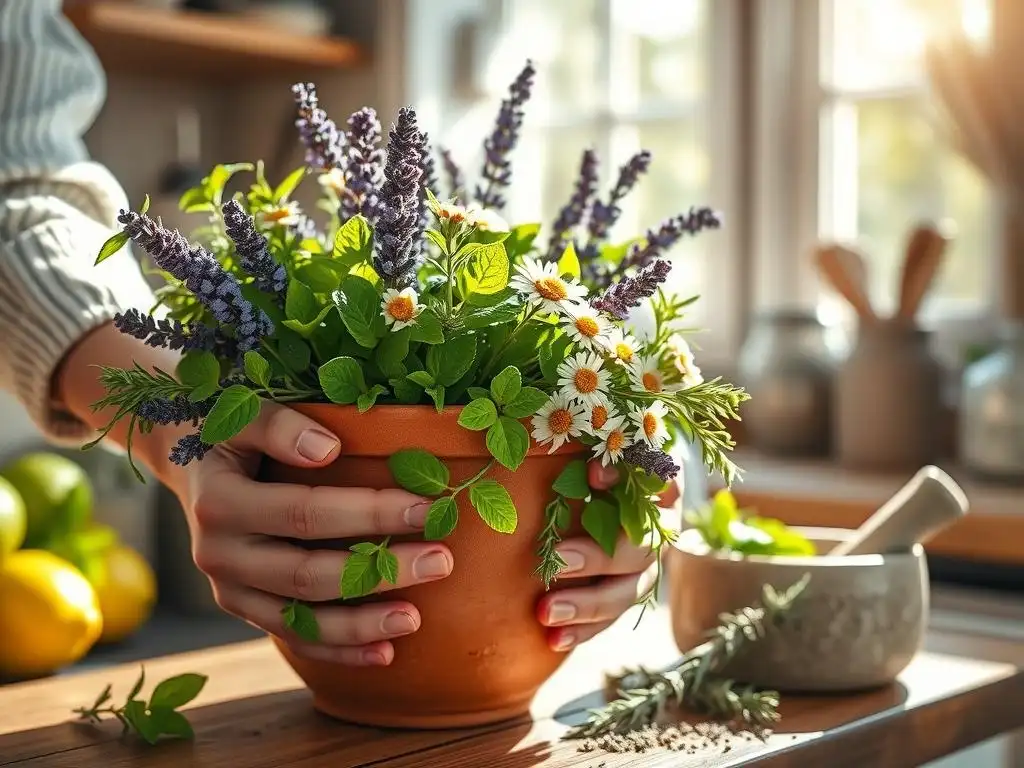
Ready to transform your backyard into a vibrant apothecary? At CultivateYourFood, we empower you to grow your own delicious and healthy food using sustainable methods. Discover the secrets to cultivating your own medicine cabinet with our in-depth guide on growing medicinal herbs at home. Learn how to easily integrate these powerful plants into your daily life – from planting to harvest and beyond. Uncover the surprising benefits and unlock the potential of your own homegrown remedies. Let's get growing!
- Choosing the Right Medicinal Herbs to Grow at Home
- Cultivating Medicinal Herbs: A Step-by-Step Guide
- Incorporating Medicinal Herbs into Your Daily Diet
- Understanding the Benefits of Homegrown Medicinal Herbs
- Resources for Growing Medicinal Herbs at Home
-
Frequently Asked Questions
- What are some easy-to-grow medicinal herbs for beginners?
- How much sunlight do medicinal herbs need?
- What's the best way to harvest medicinal herbs for optimal potency?
- How can I use my homegrown medicinal herbs?
- What are some common pests and diseases affecting medicinal herbs, and how can I prevent them?
- Final Reflection: Cultivating Wellness, One Herb at a Time
- Unlock Nature's Pharmacy: Start Your Herbal Journey Today
Choosing the Right Medicinal Herbs to Grow at Home
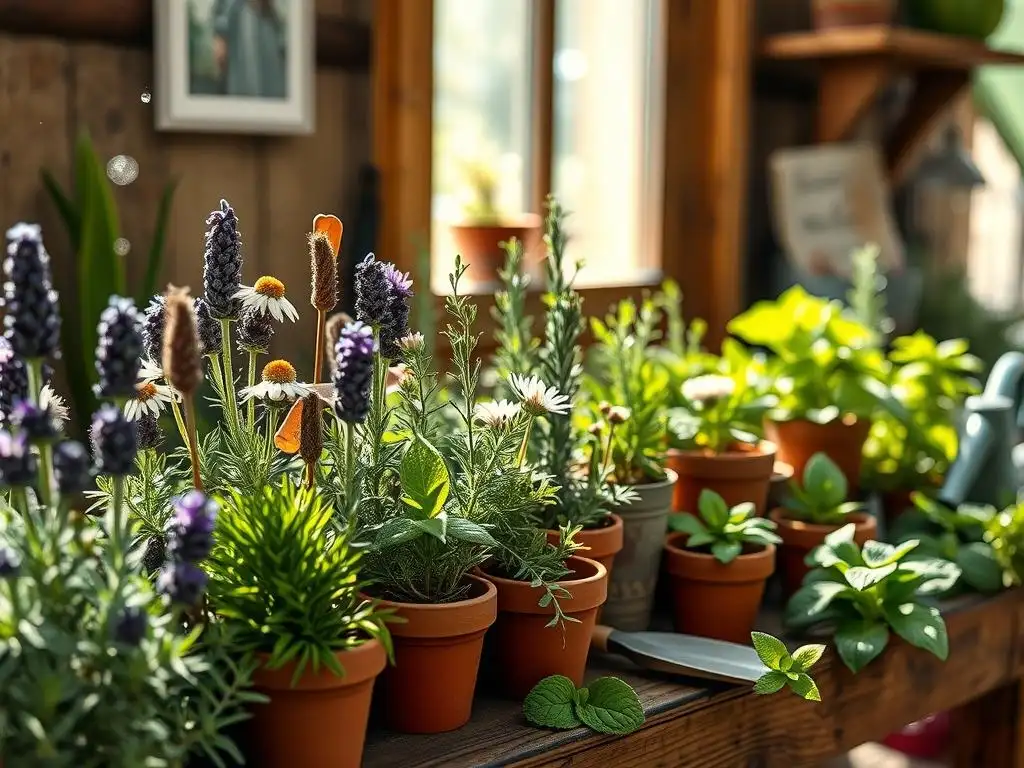
Growing your own medicinal herbs at home offers a rewarding and sustainable way to enhance your well-being. This practice connects you directly with nature's pharmacy, providing access to fresh, potent herbs for teas, tinctures, salves, and more, all while minimizing your environmental impact.
This comprehensive guide will walk you through the process of cultivating medicinal herbs, from selecting the right plants for your specific needs and climate to mastering the art of soil preparation and sunlight management. We'll explore the benefits of growing your own herbs, the challenges you might face, and how to overcome them using organic and sustainable methods, ultimately empowering you to cultivate a thriving and healthy medicinal herb garden.
This article focuses on successfully growing medicinal herbs at home, addressing common concerns and offering practical advice for beginners and experienced gardeners alike. Learning to Grow medicinal herbs at home is easier than you might think, and the rewards are plentiful!
Selecting Herbs Based on Your Needs and Climate
Choosing the right medicinal herbs for your home garden is crucial for success. Consider your individual needs and health goals. Are you looking to boost your immune system? Ease digestive discomfort? Improve sleep quality? Different herbs offer a wide array of therapeutic benefits.
For example, chamomile is well-known for its calming properties, while echinacea is prized for its immune-boosting capabilities. Furthermore, your climate plays a significant role. Some herbs thrive in full sun, while others prefer partial shade. Research the specific sunlight and temperature requirements of each herb before planting. A well-planned garden considers both your personal needs and the local environmental conditions. 🌱
It's also important to consider the space you have available. Some herbs, like lavender, are relatively compact, while others, such as comfrey, can become quite large. Before selecting your herbs, make a list of your health goals and research the best herbs to meet those needs. Then, check the hardiness zones for those herbs to ensure they will thrive in your climate. Finally, consider the size of your garden and the mature size of each plant to avoid overcrowding.
| Herb | Primary Use | Sunlight Needs | Hardiness Zone (Example) |
|---|---|---|---|
| Chamomile | Calming, sleep aid | Full sun to partial shade | 3-9 |
| Echinacea | Immune support | Full sun | 3-9 |
| Lavender | Relaxation, antiseptic | Full sun | 5-9 |
| Peppermint | Digestive aid, headaches | Full sun to partial shade | 3-10 |
| Calendula | Anti-inflammatory, skin care | Full sun | 2-11 |
Starting from Seeds or Seedlings: A Comparative Guide
There are two primary ways to begin cultivating your medicinal herb garden: from seeds or from seedlings. Starting from seeds offers a more economical option and a wider variety of choices, but it requires more patience and attention to detail. Germination rates can vary, and seedlings need careful nurturing in their early stages. Starting with seedlings, on the other hand, provides a head start, ensuring faster growth and a higher success rate, especially for less experienced gardeners. Seedlings are generally more expensive upfront, but the increased likelihood of success can make them a worthwhile investment.
Here's a comparison table to help you decide:
| Feature | Seeds | Seedlings |
|---|---|---|
| Cost | Lower initial cost | Higher initial cost |
| Time to Harvest | Longer | Shorter |
| Success Rate | Can be lower, dependent on conditions | Generally higher |
| Variety | Wider selection | More limited selection |
| Skill Level | Requires more experience and patience | Suitable for beginners |
Essential Considerations for Soil and Sunlight Requirements
The success of your medicinal herb garden hinges on providing the right growing conditions. Well-draining soil is essential to prevent root rot, a common problem for many herbs. Amend heavy clay soils with compost or other organic matter to improve drainage and aeration. Sandy soils, on the other hand, may need the addition of organic matter to retain moisture. Most medicinal herbs thrive in well-drained, fertile soil rich in organic matter. Regular soil testing can help you determine the specific needs of your garden. 🧪
Sunlight requirements vary greatly depending on the herb. Research the specific needs of each plant before planting. Many herbs prefer at least six hours of direct sunlight per day, while others tolerate partial shade. Consider the orientation of your garden and the amount of sunlight it receives throughout the day when planning your layout. Proper sunlight exposure is critical for healthy growth and essential oil production. Remember to adjust your planting strategy to match the light conditions in your garden. Observing your plants' growth and adjusting their position as needed is key to success.
Cultivating Medicinal Herbs: A Step-by-Step Guide
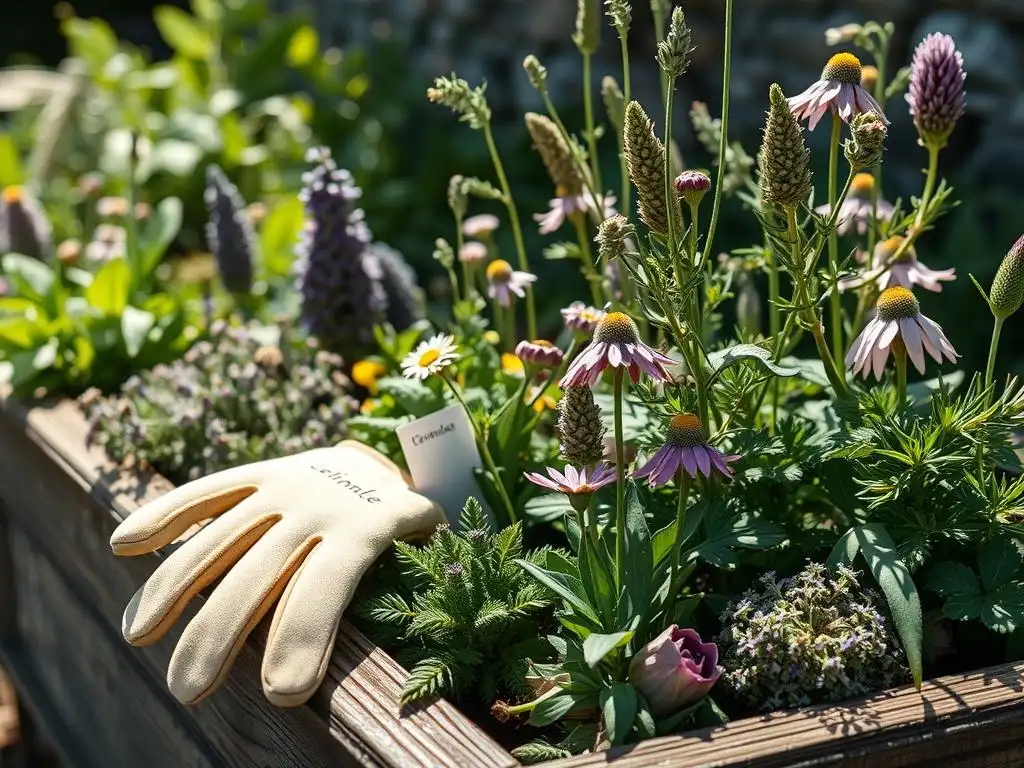
This section details the practical aspects of growing medicinal herbs at home, focusing on techniques to maximize yield and potency. Remember, successful cultivation of medicinal herbs relies on understanding their specific needs and providing optimal growing conditions. This ensures you harvest potent herbs for your health and well-being.
Preparing Your Garden Bed for Optimal Growth
Growing medicinal herbs successfully begins with proper soil preparation. A well-prepared garden bed provides the foundation for healthy, vigorous growth. This translates directly into higher yields of potent medicinal herbs. Consider these steps for optimal results:
- Soil Testing: Before planting, test your soil's pH. Most medicinal herbs thrive in slightly alkaline to neutral soil (pH 6.0-7.5). Amend the soil with lime to increase pH or sulfur to decrease it, based on your test results. Soil testing kits are readily available at most garden centers.
- Soil Composition: Medicinal herbs need well-drained soil rich in organic matter. Amend heavy clay soils with compost and perlite to improve drainage. Sandy soils benefit from the addition of peat moss or well-rotted manure to increase water retention. Aim for a loose, crumbly texture that allows for good aeration.
- Weed Control: Remove all weeds and grass from the garden bed before planting. Persistent weeds compete with your herbs for nutrients and water, hindering their growth and potentially impacting the quality of the harvested herbs. Consider using a pre-emergent herbicide according to package directions, or meticulously hand-weeding.
- Sunlight Exposure: Most medicinal herbs need at least six hours of direct sunlight per day. Select a location in your garden that receives ample sunlight. Consider the sun's path throughout the day to ensure consistent exposure. Partial shade might be suitable for some delicate herbs, but research the specific light requirements of each herb you plan to grow.
Planting and Spacing Your Medicinal Herbs Effectively
Proper spacing is crucial for healthy growth and optimal yields when you grow medicinal herbs at home. Overcrowding leads to competition for resources, resulting in smaller plants and reduced potency. Conversely, plants that are too far apart might not utilize the available space efficiently.
Here's a guide to effective spacing, emphasizing the importance of considering individual herb needs:
| Herb Type | Spacing (inches) | Notes |
|---|---|---|
| Chamomile | 6-12 | Spreads easily; allow ample room for growth. |
| Lavender | 12-18 | Needs good air circulation to prevent fungal diseases. |
| Peppermint | 12-18 | Aggressive spreader; consider planting in containers to control growth. |
| Rosemary | 18-24 | Can become quite large; space accordingly. |
| Echinacea | 12-18 | Needs space to develop its strong root system. |
Remember to always check the specific planting guidelines for each medicinal herb you choose. These guidelines will often provide more precise spacing recommendations. Proper spacing contributes significantly to the overall health and yield of your medicinal herb garden.
Watering and Fertilizing Techniques for Healthy Herbs
Consistent watering and appropriate fertilization are key to cultivating robust and potent medicinal herbs. Overwatering can lead to root rot, while underwatering stunts growth and reduces the concentration of beneficial compounds. Similarly, improper fertilization can negatively impact both the plant's health and the quality of the harvested herbs.
- Watering: Water deeply and regularly, especially during dry periods. The soil should be consistently moist but not waterlogged. Avoid overhead watering, which can promote fungal diseases. Consider using a drip irrigation system for efficient and targeted watering.
- Fertilizing: Use a balanced, organic fertilizer specifically formulated for herbs. Avoid using chemical fertilizers, as they can negatively impact the medicinal properties of the herbs. Follow the instructions on the fertilizer packaging carefully, and avoid over-fertilizing, which can burn the plants and reduce the concentration of essential oils. Compost tea is an excellent organic fertilizer option, providing essential nutrients while improving soil health. Regularly adding compost to the garden bed also enriches the soil and enhances water retention. 🌱
Remember that observing your plants closely is crucial. Adjust your watering and fertilizing schedules based on the specific needs of your herbs and the prevailing weather conditions. Regular monitoring and adjustments ensure optimal growth and the production of high-quality medicinal herbs.
Pest and Disease Control for Medicinal Herbs at Home
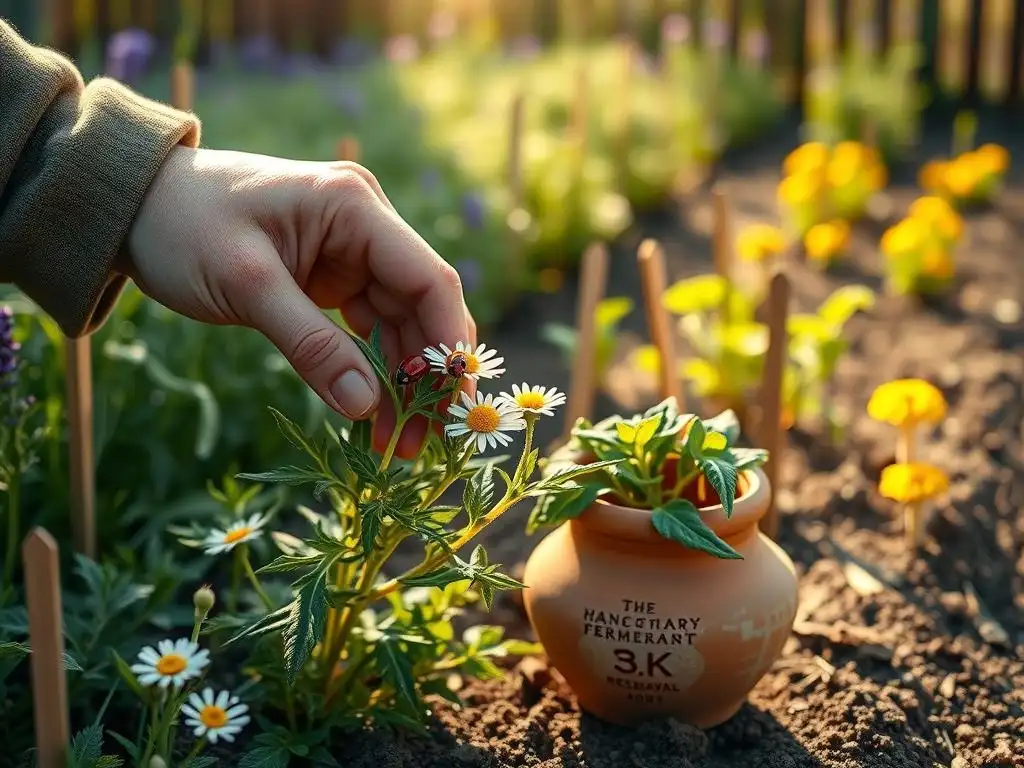
Growing medicinal herbs at home often means prioritizing natural pest and disease control methods, aligning with sustainable and organic practices. Synthetic pesticides can contaminate your herbs, rendering them unsuitable for medicinal use. Instead, focus on preventative measures and eco-friendly solutions. Regularly inspect your plants for signs of infestation or disease. Early detection is crucial for effective treatment.
One effective preventative measure is companion planting. Certain herbs repel pests that might target others. For example, planting basil near tomatoes can deter tomato hornworms, a common garden pest. Similarly, marigolds are known for their pest-repelling properties and can be strategically placed throughout your herb garden. This integrated pest management approach minimizes the need for harsh chemicals.
When pests do appear, consider natural remedies. A strong spray of water can dislodge aphids and other soft-bodied insects. Neem oil is another effective and organic insecticide, useful against a wide range of pests. For fungal diseases, ensuring good air circulation around plants and avoiding overhead watering can significantly reduce the risk of infection. If a fungal infection does occur, you might consider a diluted solution of baking soda and water as a natural fungicide.
Remember to always research the specific pest or disease affecting your plants to determine the most appropriate organic control method. Accurate identification is paramount for successful treatment. Proper sanitation, removing affected leaves or stems promptly, prevents the spread of disease. This diligent care ensures the health of your medicinal herb garden and the quality of your harvest.
Harvesting and Drying Medicinal Herbs for Optimal Potency
The timing of your harvest significantly impacts the potency and quality of your medicinal herbs. Harvesting at the peak of the plant's growth ensures maximum concentration of active compounds. This optimal time often coincides with the plant's flowering stage, though this varies depending on the specific herb. For example, chamomile flowers are typically harvested when they are fully open, while lavender should be harvested when the buds are just beginning to open. Research the optimal harvest time for each herb you grow.
Once harvested, proper drying is essential to preserve the herb's medicinal properties. Avoid washing your herbs before drying, as this can lead to mold growth. Instead, gently brush off any dirt or debris. Air drying is generally the preferred method, offering the best preservation of volatile oils and active compounds. Bundle small bunches of herbs and hang them upside down in a well-ventilated, dark, and dry area. Ensure adequate airflow to prevent mold and mildew. The drying process typically takes several days to several weeks, depending on the herb and the humidity level.
Alternatively, you can dry herbs on screens or trays in a well-ventilated area, ensuring they are not clumped together. Once completely dry, the herbs should crumble easily. Store the dried herbs in airtight containers in a cool, dark, and dry place to maintain their potency and quality. Proper storage extends the shelf life of your dried herbs, ensuring you have a ready supply of medicinal ingredients throughout the year. Properly dried and stored herbs retain their therapeutic value for longer periods, maximizing their benefit. Remember to label your containers clearly with the herb's name and the harvest date.
Incorporating Medicinal Herbs into Your Daily Diet
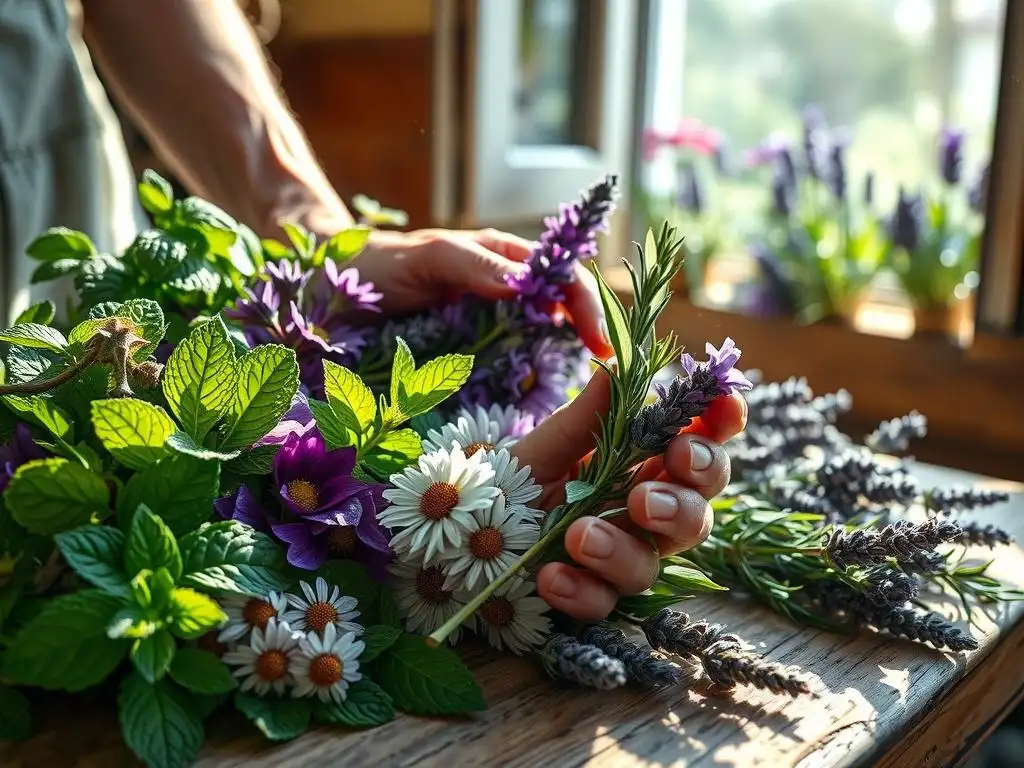
Growing medicinal herbs at home opens up a world of possibilities for enhancing your well-being. But the benefits extend beyond simply cultivating these plants; it's about integrating them seamlessly into your daily life. This section focuses on practical ways to incorporate the bounty of your herb garden into your diet, maximizing their therapeutic potential. We'll explore simple methods, from adding fresh herbs to your meals to creating soothing herbal teas and even homemade salves.
Simple Ways to Add Herbs to Your Meals
The easiest way to enjoy the benefits of your homegrown medicinal herbs is to incorporate them directly into your cooking. Think beyond simple garnishes; experiment with adding herbs to enhance the flavor and nutritional value of your dishes. For instance, a sprinkle of fresh rosemary can elevate roasted vegetables, while a few chopped basil leaves add a vibrant touch to pasta sauces. Consider these simple additions:
- Salads: Add a handful of chopped parsley, mint, or chives to your salads for a boost of vitamins and antioxidants. Experiment with different combinations to find your favorites! Remember to wash your herbs thoroughly before using them.
- Soups and Stews: Adding herbs towards the end of cooking helps preserve their delicate flavors and essential oils. Try adding thyme, oregano, or sage to hearty soups and stews for an aromatic and flavorful experience.
- Smoothies: For a convenient and delicious way to consume herbs, blend them into your favorite smoothies. Mint, lemon balm, and even small amounts of chamomile can add a refreshing twist and subtle medicinal benefits.
- Eggs and Omelets: Fresh herbs like dill, chives, and parsley pair wonderfully with eggs. Experiment with different combinations to find your preferred flavors.
Creating Herbal Teas and Infusions
Herbal teas, also known as infusions, are a simple and effective way to enjoy the therapeutic properties of your homegrown medicinal herbs. Unlike traditional tea, which is made from the Camellia sinensis plant, herbal teas are made by steeping herbs in hot water. This process extracts the beneficial compounds, creating a soothing and flavorful beverage.
The process is straightforward: place a handful of fresh or dried herbs in a mug, pour hot (not boiling) water over them, cover, and let it steep for 5-10 minutes. Strain the herbs before drinking. Remember to start with small quantities and adjust to your taste. Here are a few popular options:
- Chamomile Tea: Known for its calming properties, chamomile tea is perfect for relaxing before bed.
- Peppermint Tea: A refreshing and invigorating tea, peppermint can aid digestion and alleviate headaches.
- Lemon Balm Tea: This tea is known for its uplifting and calming properties, making it a versatile choice for various needs.
Remember to always consult with a healthcare professional before using herbs for medicinal purposes, especially if you have pre-existing health conditions or are taking other medications. Improper use can lead to adverse effects.
Making Herbal Salves and Ointments at Home (Recipe Ideas)
Creating your own herbal salves and ointments allows you to harness the healing power of your homegrown medicinal herbs in a topical application. This offers a direct and targeted approach to treating minor skin irritations, promoting healing, and soothing aches and pains. While precise recipes vary depending on the desired effect and the herbs used, the basic process involves infusing an oil with herbs, then combining it with beeswax to create a solid salve.
Here’s a basic recipe for a simple calendula salve (Note: this is a sample recipe; always research thoroughly and ensure safety before using any homemade remedies):
| Ingredient | Quantity | Notes |
|---|---|---|
| Calendula Flowers | 1 cup | Dried or fresh, thoroughly cleaned |
| Olive Oil | 2 cups | High-quality extra virgin olive oil |
| Beeswax | 1/4 cup | Pastilles or blocks |
Instructions:
- Gently heat the olive oil in a double boiler or a heat-safe bowl set over a pan of simmering water. Avoid overheating.
- Add the calendula flowers and simmer gently, stirring occasionally, for at least 2 hours, or up to 4 hours for a stronger infusion.
- Remove from heat and let it steep, covered, overnight or longer.
- Strain the infused oil through a fine-mesh sieve or cheesecloth, squeezing out as much oil as possible.
- Gently melt the beeswax in the infused oil in a double boiler or heat-safe bowl.
- Pour the mixture into small containers and let it cool completely.
This is just one example; the possibilities are vast. Experiment with different herbs like comfrey, St. John's Wort, or lavender, each offering unique therapeutic benefits. Always prioritize safety and accurate information when creating herbal remedies for personal use. Remember that this is for informational purposes only, and professional consultation is recommended before using any herbal remedies for medicinal purposes.
Precautions and Considerations When Using Medicinal Herbs
Growing medicinal herbs at home offers numerous benefits, from readily available remedies to a deeper connection with nature. However, it's crucial to approach their use with caution and awareness. Many herbs, while possessing therapeutic properties, can also interact negatively with medications or cause adverse reactions in certain individuals. Never assume that because a plant is natural, it's automatically safe. Thorough research and, in some cases, professional guidance are vital.
One significant consideration is the potential for allergic reactions. Just as with any other plant, some individuals may experience allergic responses to even common herbs like chamomile or peppermint. Skin rashes, itching, swelling, or difficulty breathing are all possible symptoms. Before incorporating a new herb into your diet, perform a small patch test on your skin. Apply a diluted solution or a small amount of the herb to a discreet area and monitor for any adverse reactions over 24-48 hours. If you experience any unusual symptoms, discontinue use immediately and consult a healthcare professional.
Another crucial aspect is the accurate identification of the plant. Misidentification can lead to serious consequences, as some plants may resemble medicinal herbs but possess toxic properties. Ensure you have correctly identified your herbs before consumption, consulting reliable botanical resources or seeking expert advice if you're uncertain. Growing your herbs from reputable seed sources minimizes the risk of misidentification.
Furthermore, the potency of medicinal herbs can vary depending on several factors, including growing conditions, harvesting time, and processing methods. Consistency in preparation and dosage is important to achieve the desired therapeutic effects. Always start with a small amount and gradually increase the dosage as needed, carefully monitoring your body's response. Avoid exceeding recommended dosages, as this can lead to unwanted side effects.
Finally, remember that medicinal herbs are not a substitute for conventional medical treatment. They can be a valuable complementary therapy, but they should never replace the advice and care of a qualified healthcare professional. If you have any underlying health conditions or are taking prescription medications, consult your doctor before using medicinal herbs to avoid potential interactions or complications. Open communication with your healthcare provider ensures safe and effective integration of herbal remedies into your wellness routine. This proactive approach safeguards your health while allowing you to harness the benefits of growing and using your own medicinal herbs.
Understanding the Benefits of Homegrown Medicinal Herbs
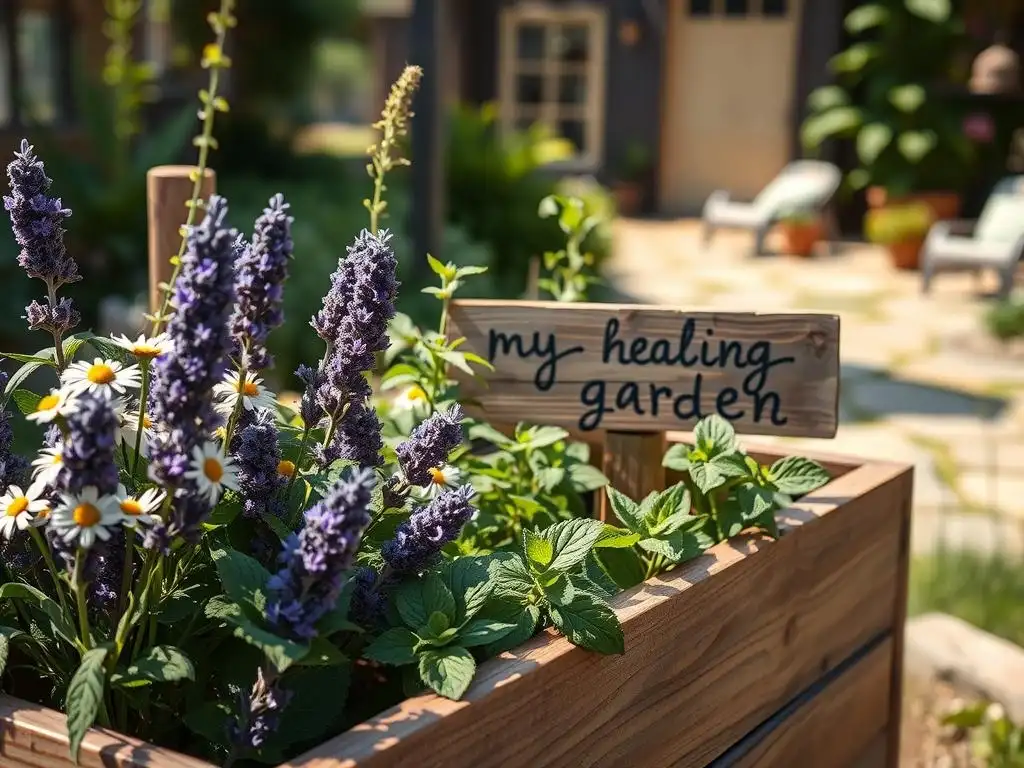
Growing your own medicinal herbs offers a multitude of advantages beyond simply having fresh ingredients readily available. It's a journey that connects you with nature, promotes healthier living, and contributes to a more sustainable lifestyle. This section delves into the key benefits of cultivating medicinal herbs at home, focusing on freshness, cost savings, and environmental impact.
Freshness and Quality Control
One of the most significant advantages of growing your own medicinal herbs is the unparalleled freshness and quality control you gain. Commercially grown herbs often undergo extensive processing, transportation, and storage before reaching your local market. This process can significantly diminish their potency and nutrient content. By growing your own, you harvest herbs at their peak, ensuring maximum concentration of beneficial compounds.
You know exactly what's gone into cultivating them – no pesticides, herbicides, or artificial fertilizers. This guarantees a superior product for your teas, tinctures, salves, and other applications. Consider the difference: a freshly picked leaf of chamomile, bursting with its characteristic aroma, versus a dried, possibly aged, commercially sourced equivalent.
The difference in aroma and potency is readily apparent. This direct connection to the plant allows for a more potent and effective medicinal experience. You can also easily monitor the plants for any signs of disease or pest infestation, ensuring a consistently high-quality yield.
Cost Savings and Sustainability
Growing your own medicinal herbs can lead to substantial cost savings over time. While the initial investment in seeds, soil, and containers might seem like an expense, the long-term benefits quickly outweigh the upfront costs. Imagine the cost of consistently purchasing fresh herbs from a market or health food store. The accumulation of these costs can be significant, especially if you regularly use a variety of herbs.
Moreover, cultivating your herbs at home promotes sustainability by reducing reliance on commercially produced herbs, often shipped long distances with a significant carbon footprint. By growing your own, you drastically reduce your dependence on mass-produced, potentially less-sustainable options. For example, a single chamomile plant can yield a significant amount of flowers, providing enough material for many infusions throughout the year. This translates to both financial and environmental savings.
Reducing Your Environmental Impact
Cultivating medicinal herbs at home contributes significantly to a reduced environmental impact. The production, packaging, and transportation of commercially grown herbs contribute to greenhouse gas emissions and waste generation. By growing your herbs organically at home, you minimize your contribution to these environmental problems. Furthermore, incorporating sustainable gardening practices such as composting and water conservation further reduces your ecological footprint. You can use kitchen scraps to create nutrient-rich compost, reducing waste and improving soil health.
Careful water management minimizes water usage, a precious resource, especially in drier climates. Growing medicinal herbs at home is, therefore, a conscious choice towards a healthier planet and a sustainable future. You are actively participating in reducing the environmental impact associated with the herb industry, one plant at a time. 🌱
Connecting with Nature and its Healing Properties
Growing your own medicinal herbs offers a profound connection to nature's healing power, extending far beyond the simple act of cultivation. The process itself is therapeutic. The mindful act of sowing seeds, tending to seedlings, and watching them grow fosters a sense of calm and well-being. The earthy scent of herbs like chamomile and lavender, released as you harvest them, can be incredibly relaxing and grounding.
This direct interaction with the plants allows you to appreciate their life cycle and understand their inherent strength and resilience, qualities that can translate into a deeper appreciation for your own well-being. Many find that the process of growing their own medicine is almost as beneficial as using the herbs themselves; it's a form of self-care that promotes mental clarity and reduces stress. The connection to the natural world, often lost in modern life, is rekindled, fostering a sense of peace and harmony. This holistic approach to health acknowledges the interconnectedness between our physical and mental well-being, and the role that nature plays in supporting both.
The simple act of nurturing a plant translates into nurturing oneself. Furthermore, the knowledge that you've cultivated your own remedies from seed to harvest instills a sense of empowerment and self-reliance, fostering a deeper trust in your own ability to care for yourself and your family. This sense of agency is a powerful tool in managing stress and improving overall well-being.
Resources for Growing Medicinal Herbs at Home
Cultivating your own medicinal herbs offers numerous benefits, from ensuring the quality and freshness of your ingredients to fostering a deeper connection with nature. Successfully growing these potent plants, however, requires knowledge and the right resources. This section outlines key resources to help you on your journey to growing medicinal herbs at home, empowering you to take control of your health and well-being.
Recommended Books and Websites
Choosing the right resources is crucial for successful herb gardening. Many excellent books and websites offer comprehensive guides on growing specific medicinal herbs and general gardening techniques applicable to this niche. Let's explore some examples:
Several books delve into the specifics of growing and using medicinal herbs. For instance, books focusing on the historical uses of herbs coupled with modern cultivation techniques provide a well-rounded approach. Others focus on specific plant families, offering detailed information on their individual needs and properties. Look for books that detail soil preparation, planting methods, pest control strategies specific to medicinal herbs (organic is ideal! ), and harvesting and storage techniques. Remember to check reviews before purchasing to ensure the information is up-to-date and reliable.
Online resources are equally valuable. Reputable websites often offer detailed articles, guides, and forums dedicated to herb gardening. Look for websites with a strong focus on organic and sustainable practices, mirroring the ethos of CultivateYourFood. These platforms frequently provide valuable advice on troubleshooting common issues, sharing experiences amongst fellow gardeners, and providing access to a wealth of information beyond what a single book might offer. Always cross-reference information from multiple sources to ensure accuracy and reliability. The ability to visually see the growth process and results on websites and blogs can be incredibly beneficial.
Local Herb Societies and Communities
Connecting with local herb societies and gardening communities provides invaluable support and knowledge exchange. These groups often organize workshops, share growing tips specific to your region's climate, and offer opportunities to learn from experienced herbalists.
- Networking: Joining a local herb society offers unparalleled networking opportunities. Connect with other enthusiasts, share your experiences, and learn from their successes and challenges. This peer-to-peer learning can be incredibly effective.
- Regional Expertise: Local groups often possess specific knowledge about the best herbs to grow in your region, considering factors like climate, soil type, and pest prevalence. This localized expertise is crucial for optimal results.
- Workshops and Events: Many societies host workshops covering topics such as propagation, pest and disease management, and harvesting techniques, providing hands-on learning experiences. This practical approach complements book learning.
- Seed Swapping: Some groups facilitate seed exchanges, offering a cost-effective and sustainable way to expand your herb garden's diversity. This is a great way to try out new varieties without significant investment.
Suppliers for Seeds and Seedlings
Choosing a reliable supplier for your seeds and seedlings is paramount. High-quality seeds and healthy seedlings significantly increase your chances of success. Consider these factors when selecting your supplier:
| Supplier Type | Advantages | Disadvantages |
|---|---|---|
| Local Nurseries | Access to locally adapted varieties, personalized advice, support community | Limited selection, potentially higher prices compared to online options |
| Online Seed Companies | Wider selection, often lower prices, convenient | Shipping costs, potential for seed damage during transit, less personal support |
| Organic Seed Suppliers | Guaranteed organic seeds, supporting sustainable agriculture | Potentially higher prices |
When choosing your supplier, prioritize those who clearly state their sourcing practices, offering information about seed origin and any treatments applied. Look for suppliers that align with your commitment to organic and sustainable growing methods. Reading reviews from other gardeners can also provide valuable insights into a supplier's reliability and the quality of their products. Remember to order seeds well in advance of your planting season to ensure timely delivery. Growing medicinal herbs at home is rewarding, and selecting the right resources sets you up for success.
Frequently Asked Questions
What are some easy-to-grow medicinal herbs for beginners?
Beginners should start with hardy and adaptable herbs like chamomile, lemon balm, and peppermint. These require minimal care and thrive in various conditions. They are also readily available as seeds or starter plants.
How much sunlight do medicinal herbs need?
Most medicinal herbs need at least 6 hours of sunlight daily. However, some, like mint, prefer partial shade. Check the specific needs of each herb you choose to plant.
What's the best way to harvest medicinal herbs for optimal potency?
Harvest herbs during the peak of their flowering stage for maximum potency. Cut stems with sharp scissors, leaving some foliage for regrowth. Dry them in a cool, dark place.
How can I use my homegrown medicinal herbs?
You can use them to make teas, tinctures, salves, or infused oils. Always research the proper usage and dosage of each herb before consumption. Consult a healthcare professional if you have any concerns.
What are some common pests and diseases affecting medicinal herbs, and how can I prevent them?
Common issues include aphids, spider mites, and fungal diseases. Prevention involves proper spacing of plants, good air circulation, and avoiding overhead watering. Consider using natural pest control methods.
Final Reflection: Cultivating Wellness, One Herb at a Time
The resurgence of interest in medicinal herbs reflects a growing desire for natural, holistic wellness, a powerful counterpoint to the often overwhelming complexities of modern healthcare. This isn't simply a trend; it's a fundamental shift towards reclaiming personal agency over our health and well-being, a conscious choice to connect with the healing power of nature. Growing your own medicinal herbs is more than just a hobby; it's an act of empowerment.
The journey of cultivating these plants, from seed to harvest, mirrors the journey of self-discovery and healing. The simple act of nurturing a plant fosters a sense of connection to the earth and its bounty, a connection often lost in our fast-paced lives. This connection resonates deeply, reminding us of the inherent power within nature to support our physical and mental health. The earth laughs in flowers.
– Ralph Waldo Emerson. This quote beautifully captures the joy and healing inherent in the process of growing medicinal herbs, transforming a simple act into a profound experience.
Now, consider your own path towards wellness. What small step can you take today to integrate the principles discussed in this article into your life? Perhaps it's planting a single seed, researching a new herb, or simply incorporating a fresh sprig of rosemary into your next meal. Embrace the opportunity to cultivate not only herbs, but also a deeper connection to yourself and the natural world. The journey towards holistic wellness begins with a single seed, a single intention, and a commitment to nurturing both your body and your spirit.
Unlock Nature's Pharmacy: Start Your Herbal Journey Today
Thanks for exploring the world of medicinal herbs with us! You've gained valuable insights into harnessing nature's healing power. Let's put that knowledge into action.
- Begin with one herb: Choose a single herb from the article that interests you and research its uses and how to prepare it. Start small and gradually expand your herbal knowledge. This is your first step towards a more natural and holistic wellness routine.
- Share your experience: Tell us (and others!) about the herb you chose and your initial experiences. What surprised you? What are your early observations? Join the conversation in the comments below!
- Explore further: Discover more herbs by browsing our extensive library of articles.
Ready to embrace the power of plants? Which herb are you most excited to try?