
How Plant Roots Shape the Microbial Community in Soil

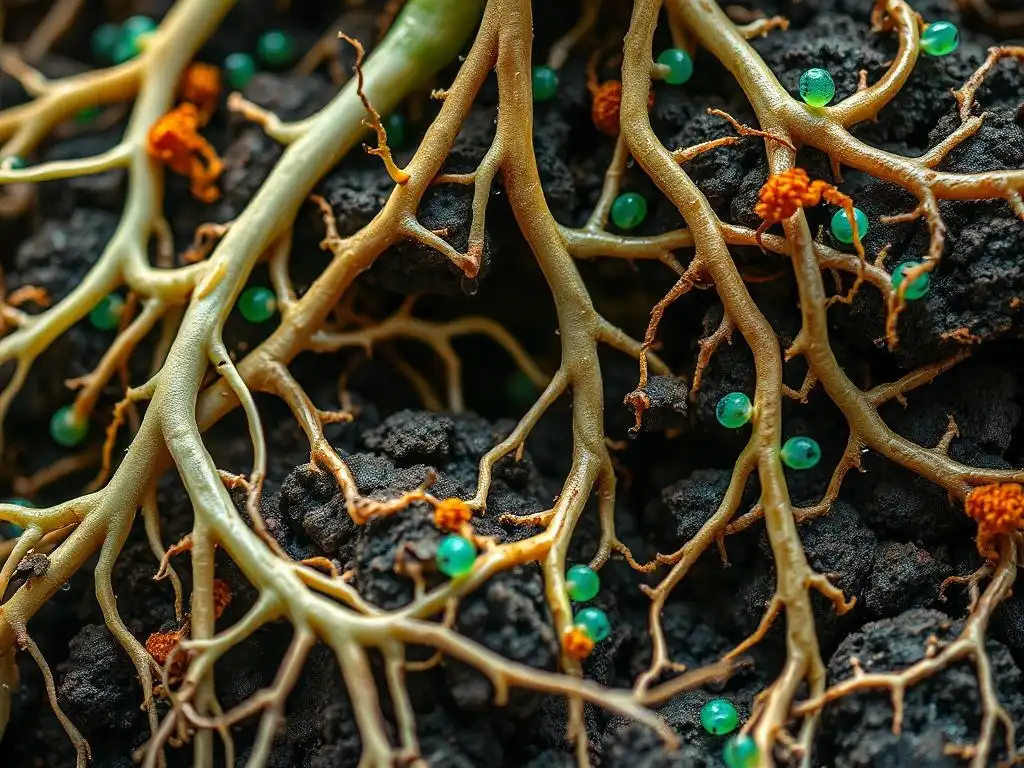
Welcome to CultivateYourFood, your guide to growing a thriving garden using sustainable and organic methods! Are you ready to unlock the secrets to bountiful harvests? We delve into the fascinating world of Healthy soil microbial communities in our latest "Advanced Topics in Soil Science" article, exploring how plant roots directly influence the life teeming beneath the surface. Discover how understanding this intricate relationship can transform your garden and lead to healthier, more resilient plants. Let's cultivate a richer, more vibrant garden together – read on to learn more!
- The Rhizosphere: A Hub of Microbial Activity
- Types of Microbial Communities Influenced by Roots
- Mechanisms of Root-Microbial Interactions
- Factors Affecting Root-Microbe Interactions
- Enhancing Healthy Soil Microbial Communities Through Root Management
- Monitoring and Assessing Soil Microbial Health
- The Long-Term Impact of Root-Microbial Interactions on Soil Fertility and Plant Health
- Frequently Asked Questions
- Final Reflection: The Unsung Architects of Soil Health
- Unlock Your Soil's Potential: Nurture Thriving Roots!
The Rhizosphere: A Hub of Microbial Activity
The health and productivity of your home garden are intrinsically linked to the unseen world teeming beneath the soil surface – the microbial community. Understanding this complex ecosystem is crucial for cultivating thriving plants and achieving bountiful harvests using sustainable, organic methods. This article delves into the fascinating relationship between plant roots and soil microbes, focusing specifically on how plant roots actively shape the composition and function of these vital microbial communities, contributing directly to what we define as "healthy soil microbial communities".
We'll explore the rhizosphere, the zone of intense microbial activity surrounding plant roots, and uncover the mechanisms by which plants influence the diversity and activity of the microbes that support their growth. This knowledge will empower you to make informed decisions regarding soil management practices, ultimately leading to healthier plants and a more sustainable garden.
Defining the Rhizosphere and its Importance for Healthy Soil Microbial Communities
The rhizosphere is the narrow zone of soil immediately surrounding plant roots. It's a dynamic environment characterized by intense biological activity, significantly different from the bulk soil further away. This difference is largely driven by the plant itself, which constantly interacts with the surrounding soil through a complex interplay of physical, chemical, and biological processes. The rhizosphere is of paramount importance for healthy soil microbial communities because it provides a concentrated source of nutrients and energy for microbes. Plant roots release a variety of organic compounds, collectively known as root exudates, which act as a food source for a diverse array of microorganisms, including bacteria, fungi, and archaea. 1 This influx of nutrients fuels microbial growth and activity, creating a thriving ecosystem that, in turn, benefits the plant through improved nutrient uptake, disease suppression, and enhanced stress tolerance. A healthy rhizosphere, therefore, is a cornerstone of sustainable and productive agriculture, and home gardening is no exception. The abundance and diversity of beneficial microbes in this zone are directly correlated with plant health and yield. A diverse microbial community ensures resilience against pathogens and optimizes nutrient cycling, leading to healthier plants and a more sustainable ecosystem.
Root Exudates: The Foundation of Rhizosphere Interactions
Root exudates are the key mediators of plant-microbe interactions in the rhizosphere. These organic compounds, secreted by plant roots into the surrounding soil, are a complex mixture of sugars, amino acids, organic acids, enzymes, and other metabolites. The composition and quantity of root exudates vary depending on several factors, including plant species, growth stage, and environmental conditions.
For example, plants under stress may alter their exudate profile to attract beneficial microbes that can help them cope with the stress. The release of these exudates is not a passive process; it is a carefully orchestrated strategy by the plant to shape the microbial community around its roots. Plants actively select for beneficial microbes by providing them with preferred carbon sources and other nutrients found in the exudates.
This selective process helps to establish a community of microbes that can provide various services to the plant, such as nutrient acquisition, disease suppression, and improved water uptake. The composition of root exudates is therefore a critical determinant of the structure and function of the rhizosphere microbial community and directly impacts the health of the soil and the plant itself.
Composition of Root Exudates and their Influence on Microbial Diversity
The precise composition of root exudates is incredibly complex and varies significantly between plant species and even within the same plant at different growth stages. However, some common components include:
| Compound Class | Examples | Role in Rhizosphere |
|---|---|---|
| Sugars | Glucose, fructose, sucrose | Primary energy source for microbes |
| Amino acids | Glutamate, aspartate, alanine | Nitrogen source, signaling molecules |
| Organic acids | Citrate, malate, oxalate | Chelate metals, influence pH, inhibit pathogens |
| Enzymes | Phosphatases, proteases | Release nutrients from organic matter |
| Secondary metabolites | Flavonoids, phenolics, terpenoids | Antimicrobials, attract beneficial microbes, signaling |
The diversity of these compounds directly impacts the diversity of the microbial community. For example, the presence of specific sugars might favor the growth of certain bacterial species, while the release of antimicrobial compounds can suppress the growth of pathogens. Understanding the composition of root exudates and its influence on microbial diversity is key to manipulating the rhizosphere microbiome for improved plant health and increased yields.
Further research is needed to fully elucidate the intricate interactions between root exudates and microbial communities, but the existing knowledge clearly highlights the importance of this relationship for achieving and maintaining "healthy soil microbial communities" in your garden. Careful management of soil health, including organic matter amendment and avoiding harmful chemical inputs, can help to promote the production of diverse and beneficial root exudates.
1 Further research is needed to quantify the exact contribution of each component.
Types of Microbial Communities Influenced by Roots
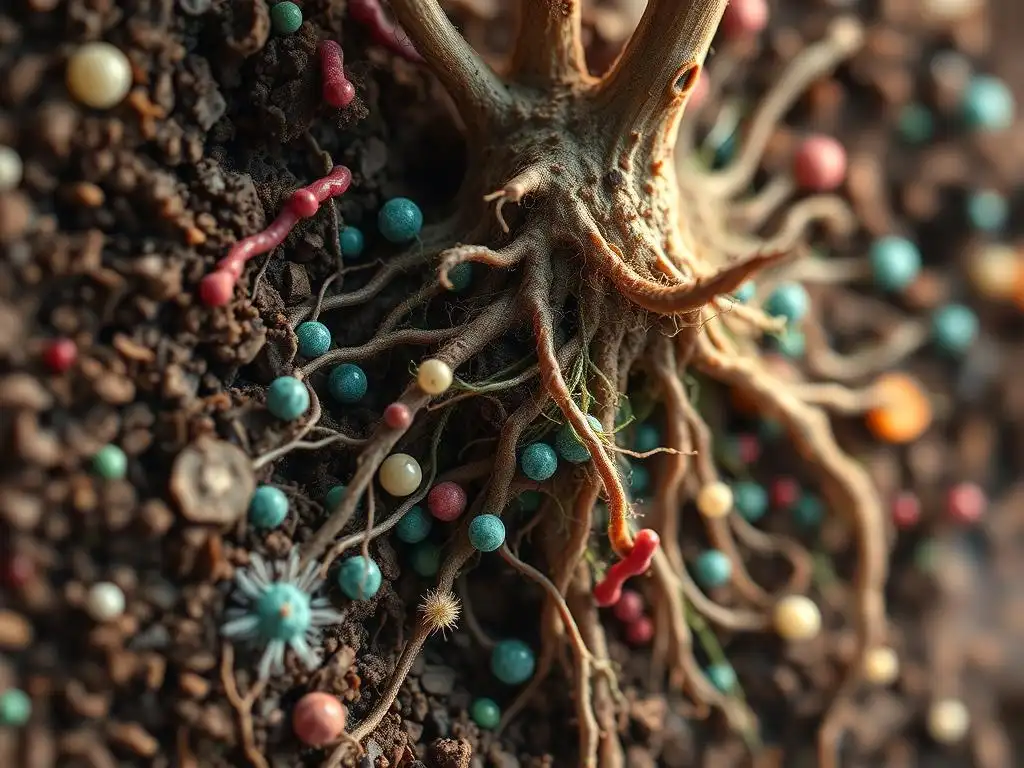
Plant roots exert a profound influence on the composition and activity of soil microbial communities, shaping what we consider "healthy soil microbial communities". This intricate relationship is crucial for plant health and overall soil fertility. The rhizosphere, the narrow zone of soil immediately surrounding plant roots, is particularly dynamic, exhibiting higher microbial densities and altered community structures compared to the bulk soil. This section will delve into the key microbial groups impacted by root exudates and their functions within the soil ecosystem.
Bacteria and their Roles in Nutrient Cycling and Plant Growth
Bacteria are the most abundant microorganisms in the rhizosphere, playing pivotal roles in nutrient cycling and plant growth. Root exudates, which include sugars, amino acids, and organic acids, act as a primary energy source for these bacteria. This fuels their growth and activity, leading to enhanced nutrient availability for plants.
For example, nitrogen-fixing bacteria, such as those belonging to the genus Rhizobium, form symbiotic relationships with leguminous plants. These bacteria convert atmospheric nitrogen (N 2 ) into ammonia (NH 3 ), a form readily usable by plants. This process significantly reduces the need for synthetic nitrogen fertilizers, promoting sustainable agriculture. The quantity of nitrogen fixed is directly impacted by the type of legume and the health of the root system; a robust root system supports a larger population of nitrogen-fixing bacteria.
Another crucial role of rhizosphere bacteria is in phosphorus solubilization. Phosphorus is often bound tightly to soil particles, making it unavailable to plants. However, certain bacteria produce organic acids that dissolve these insoluble phosphorus compounds, releasing it into a plant-available form. This process is particularly important in phosphorus-deficient soils, enhancing plant growth and yield. The diversity and abundance of phosphorus-solubilizing bacteria are significantly affected by the type of plant and the overall soil health. Healthy soil, characterized by good aeration and organic matter content, supports a more diverse and active bacterial community.
Fungi: Mycorrhizal Networks and their Impact on Soil Health
Fungi, particularly mycorrhizal fungi, form extensive networks within the soil, connecting plant roots and enhancing nutrient uptake. These symbiotic relationships are essential for plant health and soil structure. Mycorrhizal fungi colonize plant roots, extending their reach into the soil and accessing nutrients, such as phosphorus and micronutrients, that would otherwise be unavailable to the plant. In return, the fungi receive carbohydrates from the plant.
There are two main types of mycorrhizae: ectomycorrhizae and endomycorrhizae (arbuscular mycorrhizae). Ectomycorrhizae form a sheath around the root tips, while endomycorrhizae penetrate the root cells. Both types significantly improve nutrient uptake, particularly phosphorus and other micronutrients. The extent of mycorrhizal colonization is influenced by several factors, including soil pH, nutrient availability, and the presence of other soil organisms.
A healthy soil environment, rich in organic matter and with appropriate moisture levels, favors the development of extensive mycorrhizal networks. These networks not only improve nutrient uptake but also enhance soil aggregation, improving soil structure and water retention capacity. This contributes to a more resilient and fertile soil ecosystem, vital for sustainable agriculture.
Other Microbial Groups: Protozoa, Nematodes, and their Interactions
While bacteria and fungi are the most abundant microorganisms in the rhizosphere, other groups, such as protozoa and nematodes, also play important roles. Protozoa, single-celled organisms, feed on bacteria, regulating bacterial populations and releasing nutrients in the process. This nutrient recycling is crucial for plant growth. The abundance and diversity of protozoa are influenced by the availability of bacterial prey and soil conditions.
Nematodes, microscopic roundworms, are diverse in their feeding habits. Some are plant parasites, causing damage to roots, while others are beneficial, feeding on bacteria or fungi. The balance between beneficial and harmful nematodes is crucial for soil health. A healthy soil microbial community, with a diverse range of bacteria and fungi, can support a higher population of beneficial nematodes, helping to control plant parasitic nematodes.
The presence and activity of these organisms highlight the complexity of interactions within the rhizosphere, demonstrating the interconnectedness of different microbial groups and their influence on plant health and soil fertility. Understanding these interactions is key to managing soil health and promoting sustainable agriculture. Further research is needed to fully elucidate the complex interactions between these different microbial groups and the impact of root exudates on their community structure and function. 🌱
Mechanisms of Root-Microbial Interactions
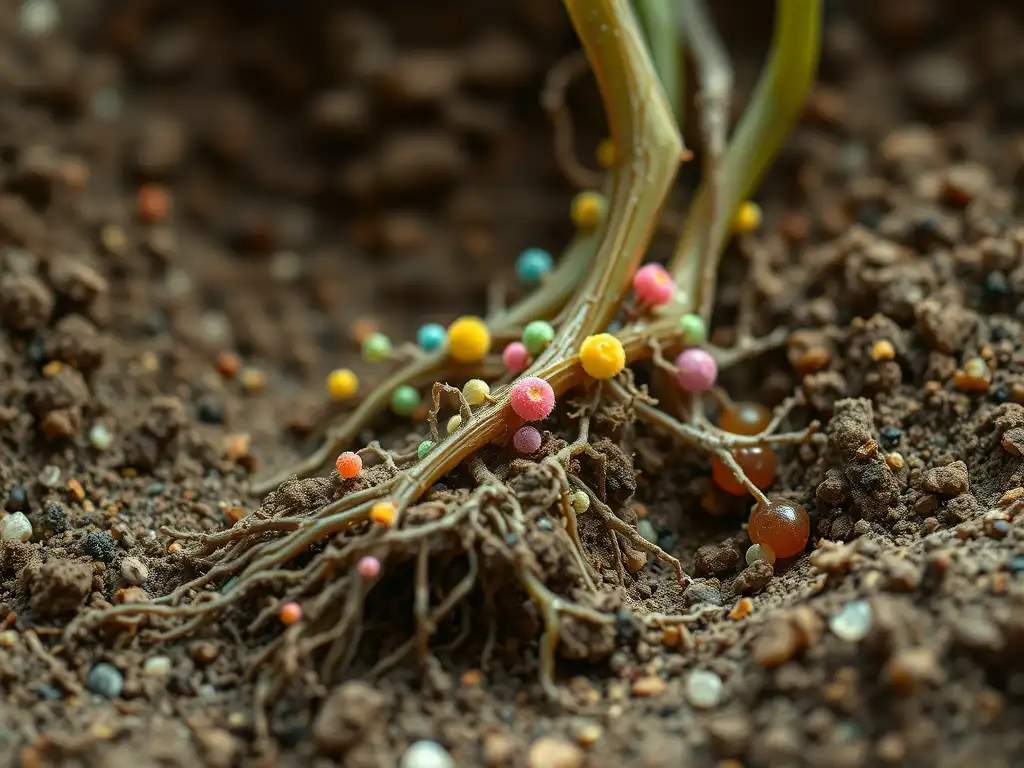
Plant roots don't simply anchor plants in the soil; they are dynamic hubs of activity, constantly interacting with the surrounding microbial community. Understanding these interactions is crucial for fostering healthy soil microbial communities, essential for thriving plant life and sustainable agriculture. The rhizosphere, the narrow zone of soil directly influenced by roots, is a particularly vibrant ecosystem teeming with bacteria, fungi, archaea, and other microorganisms. These interactions are complex, involving a variety of mechanisms that shape the composition and function of the soil microbiome. Let's explore some key mechanisms.
Nutrient Exchange: A Symbiotic Relationship for Healthy Soil Microbial Communities
The exchange of nutrients is a cornerstone of the root-microbe relationship. Plants, through their roots, release a variety of organic compounds, including sugars, amino acids, and organic acids, into the rhizosphere. These exudates serve as a significant carbon source for soil microbes, fueling their growth and activity. In return, microbes provide plants with essential nutrients. This is particularly evident in symbiotic relationships like those between legumes and nitrogen-fixing bacteria.
Legumes, such as peas, beans, and clover, harbor rhizobia bacteria in specialized root nodules. These bacteria convert atmospheric nitrogen (N 2 ), which plants cannot directly utilize, into ammonia (NH 3 ), a form readily absorbed by plants. This symbiotic nitrogen fixation significantly reduces the need for synthetic nitrogen fertilizers, contributing to more sustainable agricultural practices and healthy soil microbial communities. The process is remarkably efficient; a single legume plant can fix hundreds of kilograms of nitrogen per hectare annually.
Beyond nitrogen fixation, other microbes enhance nutrient availability. Mycorrhizal fungi, for example, form symbiotic relationships with the roots of many plants. These fungi extend their hyphae far beyond the reach of plant roots, accessing nutrients like phosphorus and micronutrients from the surrounding soil. They then transfer these nutrients to the plant in exchange for carbohydrates. This symbiotic relationship improves nutrient uptake efficiency for the plant and contributes to a more diverse and functional healthy soil microbial communities. The positive feedback loop between nutrient exchange and microbial growth is fundamental to soil health.
Signaling Molecules: Communication Between Roots and Microbes
The rhizosphere isn't just a place of nutrient exchange; it's also a site of complex communication. Plants and microbes communicate through signaling molecules, influencing each other's growth, development, and activity. These molecules can be volatile organic compounds (VOCs), released into the air, or non-volatile compounds, diffusing through the soil solution.
For example, plants release strigolactones, which stimulate the germination of mycorrhizal fungi spores. In turn, these fungi produce signaling molecules that influence root architecture and nutrient uptake. Other signaling molecules, like hormones such as auxins and cytokinins, regulate both plant and microbial growth and development, creating a dynamic interplay that shapes the overall rhizosphere environment.
Understanding these signaling pathways is crucial for manipulating microbial communities to enhance plant growth and improve soil health. Disrupting these communication pathways could have significant negative consequences for the healthy soil microbial communities. Further research is needed to fully elucidate the complex network of signaling molecules and their effects on the rhizosphere.
Competition and Antagonism: Shaping the Microbial Community Structure
While symbiotic relationships are essential, competition and antagonism also play significant roles in shaping the rhizosphere microbial community. Different microbes compete for resources like carbon, nitrogen, and other nutrients released by roots. This competition can lead to shifts in microbial community composition, with some species outcompeting others. Antagonistic interactions, such as the production of antibiotics by some bacteria, can also suppress the growth of other microbes.
The overall effect of these competitive and antagonistic interactions is a complex and dynamic microbial community structure. The composition of this community can be influenced by various factors, including plant species, soil type, and environmental conditions. Understanding these competitive dynamics is crucial for managing microbial communities effectively.
For instance, introducing beneficial microbes that can outcompete pathogens can help control plant diseases and contribute to more resilient and healthy soil microbial communities. This approach is a cornerstone of biocontrol strategies in sustainable agriculture. Further research focusing on the specific mechanisms of competition and antagonism is vital for developing targeted interventions to improve soil health and plant productivity.
Factors Affecting Root-Microbe Interactions
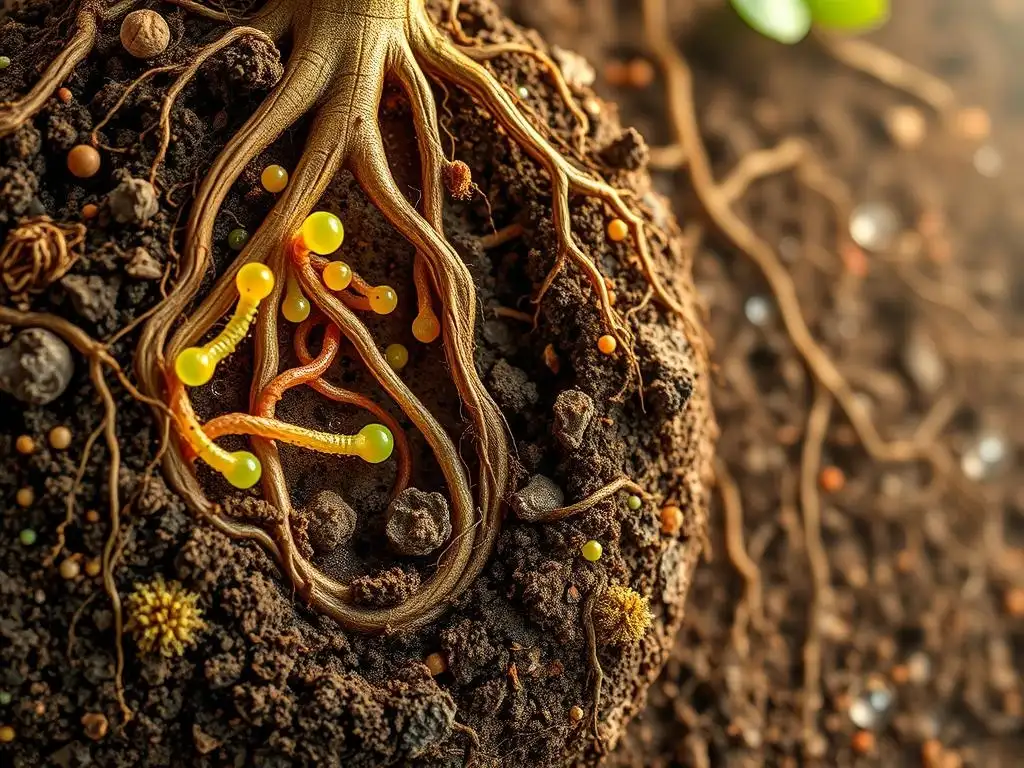
This section delves into the intricate interplay between plant roots and the soil microbial community, exploring key factors that shape their relationship and influence the overall health of your garden soil. Understanding these factors is crucial for cultivating thriving, healthy soil microbial communities, leading to more vigorous and productive plants. We'll examine how different aspects of plant biology, soil properties, and environmental conditions impact the composition and function of the rhizosphere microbiome.
Plant Species and Cultivar Effects on Microbial Communities
Different plant species exude varying amounts and types of root exudates – sugars, amino acids, organic acids, and enzymes – which act as a primary food source for soil microbes. These exudates selectively attract and support the growth of specific microbial communities. For example, legumes, known for their nitrogen-fixing abilities, attract diverse communities of bacteria, including Rhizobium species crucial for symbiotic nitrogen fixation. This symbiotic relationship enriches the soil with readily available nitrogen, contributing to a healthy soil microbial community.
Conversely, plants like brassicas (cabbage, broccoli, kale) can release compounds that inhibit certain microbial populations while stimulating others. Furthermore, even within a single species, different cultivars can exhibit variations in their root exudate profiles, leading to differences in their associated microbial communities. For instance, studies have shown that different tomato cultivars attract varying populations of mycorrhizal fungi, impacting nutrient uptake and disease resistance.
This highlights the importance of cultivar selection when aiming for specific microbial community structures to support healthy soil. More research is needed to fully elucidate the specific interactions between various cultivars and their associated microbial communities for many commonly grown plants, including [specific information pending on detailed cultivar-microbe interaction data].
Soil Conditions: pH, Texture, and Nutrient Availability
Soil conditions significantly influence the types and abundance of microbes thriving in the rhizosphere. Soil pH directly affects microbial activity and diversity. Optimal pH ranges vary for different microbial groups; for instance, many beneficial bacteria prefer slightly acidic to neutral pH (around 6.0-7.0), while some fungi tolerate more alkaline conditions. A soil pH outside the optimal range can limit microbial activity, impacting nutrient cycling and plant health.
Soil texture (sand, silt, clay) also plays a role. Well-drained sandy soils generally support aerobic microbes, while poorly drained clay soils may favor anaerobic microbes. This difference in oxygen availability shapes the microbial community composition. The availability of essential nutrients, such as nitrogen, phosphorus, and potassium, is another critical factor. Nutrient-rich soils tend to support larger and more diverse microbial populations compared to nutrient-poor soils. Maintaining a balanced nutrient profile is therefore crucial for fostering a thriving and diverse soil microbial community. The following table summarizes the impact of soil conditions on microbial communities:
| Soil Condition | Effect on Microbial Community | Impact on Plant Health |
|---|---|---|
| Optimal pH (6.0-7.0) | Supports diverse and active microbial populations | Enhanced nutrient cycling, disease suppression |
| Extreme pH (very acidic or alkaline) | Limits microbial diversity and activity | Reduced nutrient uptake, increased disease susceptibility |
| Well-drained soil | Favors aerobic microbes | Improved root aeration, better nutrient uptake |
| Poorly drained soil | Favors anaerobic microbes | Potential for root rot and other anaerobic diseases |
| Nutrient-rich soil | Supports larger and more diverse microbial populations | Increased plant growth and yield |
| Nutrient-poor soil | Limits microbial diversity and activity | Reduced plant growth and yield |
Environmental Factors: Temperature, Moisture, and Light
Environmental factors exert significant influence on root-microbe interactions. Temperature profoundly affects microbial activity and metabolic rates. Optimal temperatures vary depending on the microbial species, with many soil microbes exhibiting peak activity within a mesophilic range (20-40°C). Extreme temperatures, whether too hot or too cold, can inhibit or even kill microbes, impacting the overall health of the soil microbial community.
Soil moisture content is another critical factor, as water is essential for microbial metabolism and nutrient transport. However, excessive moisture can lead to anaerobic conditions, favoring anaerobic microbes and potentially harming beneficial aerobic organisms. Maintaining adequate soil moisture levels is therefore crucial for a balanced and healthy microbial community. Light penetration into the soil, while less direct than temperature and moisture, can also influence microbial communities.
Some photosynthetic microbes, such as cyanobacteria, require light for growth and contribute to nitrogen fixation in the soil. Understanding these environmental factors and their interactions is key to managing your soil ecosystem for optimal plant growth and healthy soil microbial communities. A thriving microbial community is indicated by a rich, dark, crumbly soil structure 🌱.
Enhancing Healthy Soil Microbial Communities Through Root Management
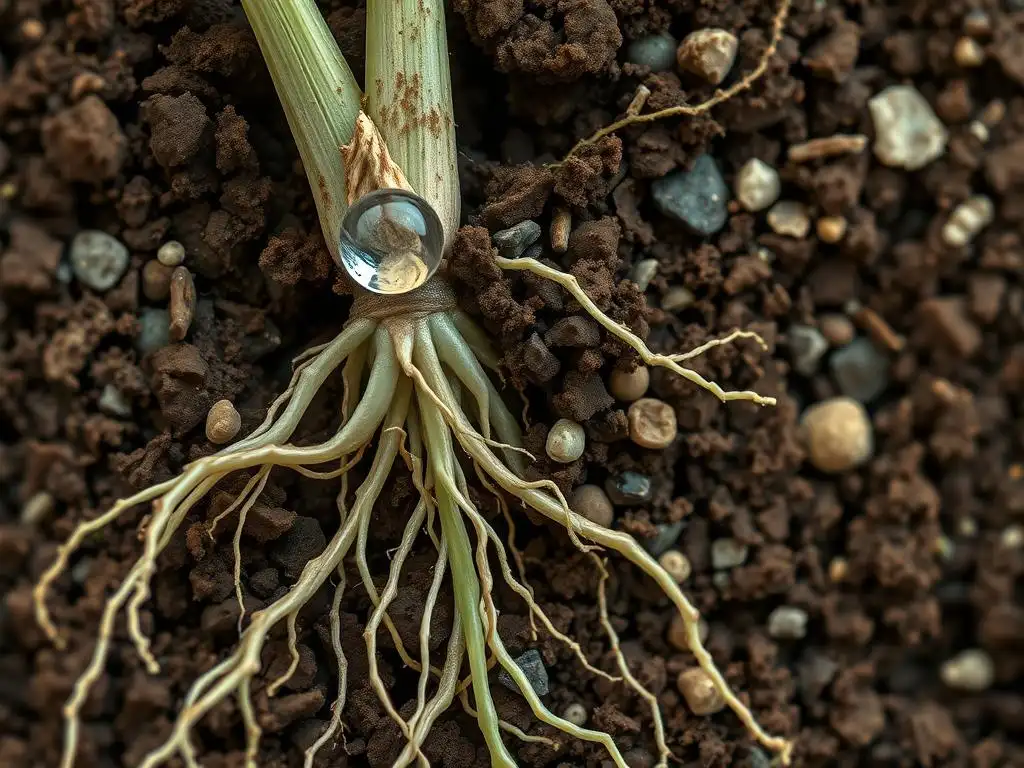
Healthy soil microbial communities are the bedrock of productive and sustainable gardening. Understanding how plant roots interact with these communities is crucial for cultivating thriving plants and enriching the soil. Root systems aren't just anchors; they're dynamic hubs of activity, influencing the composition and function of the soil microbiome in profound ways. This section explores key strategies to manage roots for optimal microbial community health.
Choosing Beneficial Plant Species for Soil Health
Different plants exude different root exudates – a complex cocktail of sugars, amino acids, and organic acids. These exudates act as a food source for soil microbes, shaping their composition and activity. Some plants are particularly adept at supporting diverse and robust microbial communities.
For example, legumes (like peas and beans) are known for their symbiotic relationship with nitrogen-fixing bacteria, enriching the soil with this essential nutrient and boosting overall microbial activity. Similarly, plants with extensive root systems, such as certain grasses and cover crops, create a more intricate network of root channels, providing increased habitat and resources for microbes. Selecting plant species strategically is a foundational step in cultivating healthy soil microbial communities.
Careful planning, considering the specific needs of your garden and local climate, will maximize the positive impact of your plant choices on soil health. Choosing a diverse range of plants is also crucial; monocultures can lead to less diverse microbial communities, making the soil more vulnerable to disease and less resilient overall.
Implementing Sustainable Agricultural Practices to Foster Microbial Growth
Sustainable agricultural practices play a vital role in nurturing healthy soil microbial communities. Minimizing soil disturbance, a cornerstone of no-till farming, protects the intricate network of fungal hyphae and bacterial colonies that live in the soil. Tilling disrupts this delicate ecosystem, reducing microbial diversity and activity.
Furthermore, avoiding the use of synthetic pesticides and fertilizers is crucial. These chemicals can be toxic to beneficial microbes, disrupting the balance of the soil ecosystem and leading to less healthy soil. Instead, opting for organic fertilizers, such as compost and manure, provides a slow-release source of nutrients that supports microbial growth and activity.
Composting itself is a powerful tool, transforming organic waste into a nutrient-rich substance teeming with beneficial microbes, ready to invigorate your garden soil. These practices, combined with proper water management (avoiding both waterlogging and drought), create an environment where beneficial microbes can thrive. The resulting increase in microbial biomass translates directly to improved soil structure, nutrient cycling, and overall plant health.
Utilizing Cover Crops to Improve Soil Microbial Diversity and Abundance
Cover crops are a powerful tool in promoting healthy soil microbial communities. These plants, grown specifically to improve soil health rather than for harvest, offer several benefits. They add organic matter to the soil as they decompose, providing a rich food source for microbes. Their diverse root systems create a more complex soil structure, increasing habitat availability for microorganisms.
Different cover crops have different effects on the soil microbiome. For example, legumes enrich the soil with nitrogen, while other species, like brassicas (mustard, kale), can help suppress certain soilborne diseases. The choice of cover crop should be tailored to the specific needs of your garden and the existing microbial community.
The key lies in employing a diverse rotation of cover crops to ensure a broad spectrum of beneficial microbes is supported. Integrating cover crops into your gardening routine is a proactive measure to ensure the long-term health and fertility of your soil, fostering robust and diverse microbial communities capable of supporting vigorous plant growth. Regular soil testing can help monitor the effectiveness of cover cropping and guide future choices, leading to even more fruitful results.
Monitoring and Assessing Soil Microbial Health
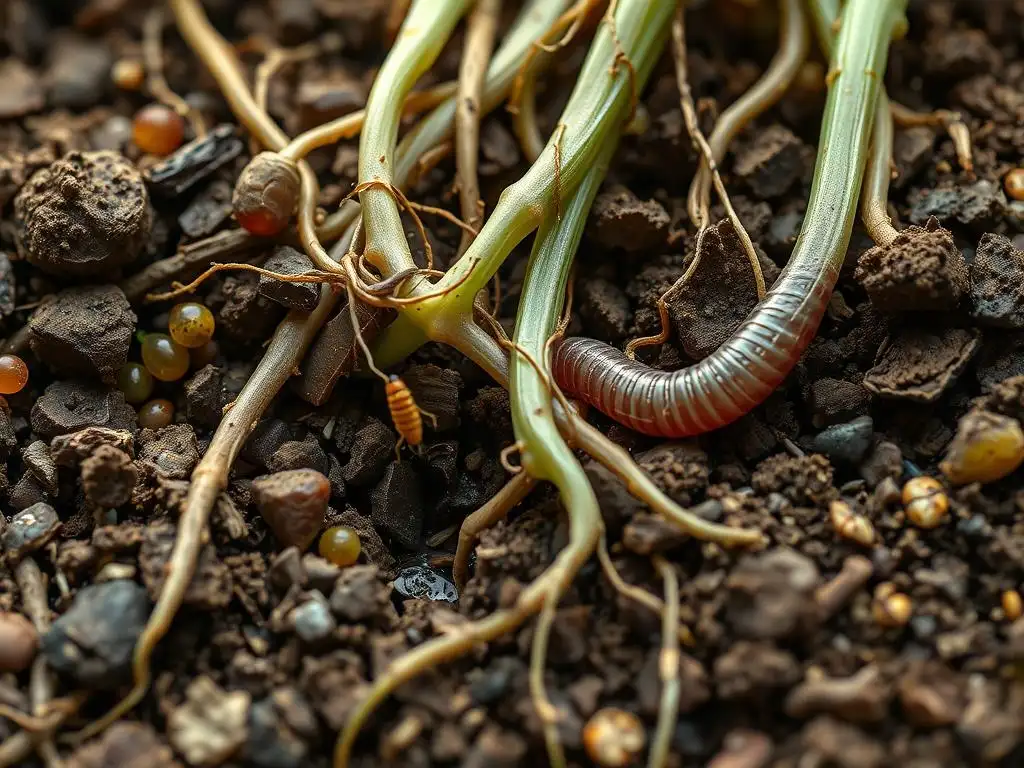
Healthy soil microbial communities are the cornerstone of thriving plant life. Understanding and monitoring their health is crucial for successful gardening and sustainable agriculture. This section delves into practical methods for evaluating the vibrancy of your soil's microbial ecosystem, ranging from simple observations to more sophisticated laboratory techniques. Remember, a diverse and active microbial community is key to nutrient cycling, disease suppression, and overall plant vigor.
Simple Methods for Evaluating Soil Microbial Communities
Several straightforward methods can provide valuable insights into the health of your soil's microbial life, even without specialized equipment. These techniques are perfect for home gardeners looking to gauge the overall health of their soil.
One simple indicator is soil structure. Healthy soil with a robust microbial community will exhibit a crumbly, well-aggregated structure. This is because microbial activity binds soil particles together, creating air pockets crucial for root growth and oxygen availability for microbes. Conversely, compacted, dense soil often indicates a less active microbial community. Observe a handful of your soil: does it crumble easily, or is it hard and compacted?
Another readily observable sign is earthworm presence. Earthworms are excellent bioindicators of soil health. Their presence suggests a thriving microbial community, as they depend on the microbes for food and nutrient cycling. Count the number of earthworms you find in a specific area of your garden. A higher number generally indicates better soil health.
Finally, consider the abundance of plant life. Vigorous plant growth, especially in the absence of chemical fertilizers, often reflects a healthy soil microbial community. Healthy microbes facilitate nutrient uptake, making essential nutrients more available to plants. Observe the overall health and growth rate of your plants. Are they thriving or struggling? This is a powerful indicator of underlying soil microbial activity.
Advanced Techniques for Analyzing Microbial Composition and Function
While simple observations offer a general overview, more sophisticated techniques are needed for in-depth analysis of microbial composition and function. These methods provide a detailed picture of the microbial community's diversity and activity, offering insights that can guide soil management practices.
Microbial biomass determination measures the total amount of living microbial cells in the soil. This is often done using techniques like chloroform fumigation extraction, which quantifies the carbon content of the microbial biomass. Higher biomass generally suggests a more active and diverse microbial community. Data on microbial biomass can be expressed as mg C/g soil. [Specific data on typical ranges for healthy soil pending].
PLFA analysis (Phospholipid Fatty Acid analysis) provides a detailed profile of the different types of microbes present in the soil. PLFAs are unique lipid molecules found in microbial cell membranes. Analyzing these fatty acids allows researchers to identify and quantify various microbial groups, including bacteria, fungi, and actinomycetes. This technique provides a detailed picture of the microbial community's composition and diversity. Results are often presented as relative abundances of different microbial groups. [Specific examples of healthy soil PLFA profiles pending].
DNA-based techniques, such as next-generation sequencing (NGS), offer incredibly powerful tools for analyzing microbial communities. These techniques allow for the identification and quantification of a vast array of microbial species, revealing the diversity and complexity of the soil microbiome. Data is usually presented as phylogenetic trees or operational taxonomic units (OTUs), indicating the richness and evenness of the microbial community. [Specific details on interpreting NGS data for healthy soil pending]. These advanced methods provide a much deeper understanding of the "healthy soil microbial communities" and how they function within your soil ecosystem.
The Long-Term Impact of Root-Microbial Interactions on Soil Fertility and Plant Health
The intricate relationship between plant roots and soil microorganisms significantly influences long-term soil fertility and plant health. This interaction, primarily occurring in the rhizosphere (the zone of soil immediately surrounding plant roots), shapes the composition and activity of the soil's microbial community, impacting nutrient cycling, disease suppression, and overall soil structure. Understanding this dynamic is crucial for developing sustainable agricultural practices that promote thriving, productive ecosystems.
Sustainable Agriculture and the Importance of Healthy Soil Microbial Communities
Sustainable agriculture hinges on maintaining healthy soil microbial communities. These communities are responsible for a multitude of vital processes, including:
- Nutrient cycling: Microbes decompose organic matter, releasing essential nutrients like nitrogen, phosphorus, and potassium, making them available for plant uptake. A diverse and abundant microbial community ensures efficient nutrient cycling, reducing the need for synthetic fertilizers. For example, nitrogen-fixing bacteria convert atmospheric nitrogen into a usable form for plants, a process crucial for plant growth and reducing reliance on nitrogen-based fertilizers. This contributes directly to the sustainability of the farming practice by minimizing environmental impact.
- Disease suppression: Beneficial microbes compete with pathogenic microorganisms, reducing the incidence of plant diseases. This natural disease suppression mechanism lowers the need for chemical pesticides, promoting healthier plants and a cleaner environment. Studies have shown that specific bacterial and fungal species can directly inhibit the growth of plant pathogens, significantly reducing crop losses.
- Improved soil structure: Microbial activity enhances soil aggregation, leading to better water infiltration, aeration, and root penetration. This improved soil structure reduces erosion and improves water-holding capacity, contributing to drought resilience. The sticky polysaccharides produced by some microbes act as a glue, binding soil particles together and forming stable aggregates. This is particularly important in maintaining soil health over the long term.
The abundance and diversity of microbial life are key indicators of soil health. A diverse community is more resilient to environmental stresses and more effective at performing essential ecosystem services. Promoting diverse microbial communities through sustainable practices like cover cropping, no-till farming, and the application of compost significantly improves soil fertility and plant health, resulting in higher yields with reduced reliance on external inputs. This holistic approach fosters a self-regulating system, enhancing the long-term productivity and sustainability of agricultural systems. The benefits extend beyond immediate yield increases, creating a more resilient and environmentally friendly agricultural landscape.
Future Research Directions: Understanding the Complex Rhizosphere Interactions
Further research is needed to fully understand the complex interactions within the rhizosphere. Specific areas requiring attention include:
- Identifying key microbial players: While many beneficial microbes have been identified, a complete understanding of the roles of different species and their interactions is still lacking. Advanced techniques like metagenomics and metatranscriptomics are crucial in unraveling the complex relationships within the rhizosphere microbiome. This detailed knowledge will allow for targeted manipulation of microbial communities to enhance soil health.
- Developing predictive models: Predictive models that link plant root traits, soil properties, and microbial community composition to soil health and plant productivity are needed. This will allow for more informed management decisions tailored to specific conditions and plant species. These models can aid in optimizing agricultural practices for maximum benefit and sustainability.
- Impact of climate change: Investigating the effects of climate change on rhizosphere interactions is critical. Changes in temperature, precipitation patterns, and atmospheric CO₂ concentrations can alter microbial communities and their functions, potentially impacting soil health and plant resilience. Understanding these effects is vital for adapting agricultural practices to mitigate the impacts of climate change. This is particularly important given the increasing frequency and intensity of extreme weather events.
By investing in research to understand these complex interactions, we can develop more sustainable and resilient agricultural practices that promote healthy soil microbial communities, leading to healthier plants, higher yields, and a more environmentally friendly food system. The future of agriculture depends on a deeper understanding of the intricate relationships between plants and the microbial world beneath our feet.
Frequently Asked Questions
What are healthy soil microbial communities?
Healthy soil microbial communities are diverse populations of bacteria, fungi, and other microorganisms that work together to cycle nutrients, suppress diseases, and improve soil structure. A thriving community is essential for plant health.
How do plant roots influence these communities?
Plant roots exude various compounds that feed microbes, shaping the community composition. Different plants attract different microbial communities, creating a unique rhizosphere (the area around the roots).
Why is a diverse microbial community important for plant health?
A diverse community provides multiple benefits, including improved nutrient uptake, enhanced disease resistance, and increased resilience to environmental stresses. A monoculture of microbes is less resilient.
What practices promote healthy soil microbial communities?
Practices like no-till farming, cover cropping, composting, and avoiding excessive pesticide use all contribute to a thriving soil microbiome. Maintaining soil organic matter is key.
How can I tell if my soil has a healthy microbial community?
While direct observation is difficult, signs of healthy soil include good drainage, crumbly texture, vigorous plant growth, and a dark, rich color. Soil testing can also assess microbial activity.
Final Reflection: The Unsung Architects of Soil Health
Understanding the intricate dance between plant roots and soil microbes is not merely an academic pursuit; it's the key to unlocking sustainable agriculture and a healthier planet. The interconnectedness revealed in this exploration of root exudates and their influence on microbial communities highlights the urgent need to shift our perspective on soil health from a simple resource to a complex, living ecosystem. Ignoring this intricate relationship jeopardizes our ability to feed a growing population and mitigate the effects of climate change.
The profound impact of plant root systems on the soil microbiome continues to unfold, revealing the delicate balance upon which our food security and environmental stability depend. We are only beginning to grasp the full extent of this subterranean world and its influence on everything above ground. The soil is the great connector of lives, the source and destination of all.
This quote, though not directly about microbial communities, perfectly encapsulates the vital role healthy soil plays in the larger ecosystem, a role largely shaped by the unseen activity of plant roots. The more we learn, the more we realize how much we still have to discover.
Consider the implications of this research for your own life. Are you actively supporting healthy soil in your own community, whether through gardening, advocating for sustainable agricultural practices, or simply increasing your awareness of the importance of soil health? You have the power to be a part of this vital conversation and contribute to a future where thriving soil microbial communities support a thriving planet. Let this exploration inspire you to delve deeper, to learn more, and to act in ways that nurture the life beneath our feet.
Unlock Your Soil's Potential: Nurture Thriving Roots!
Thank you for exploring the fascinating world of plant roots and their microbial partners! You've gained valuable insights into how these underground interactions influence soil health and plant growth. Ready to apply this knowledge?
- Boost your garden's microbiome: Introduce beneficial microbes to your soil by adding compost tea or similar products. Observe the improved vigor of your plants!
- Share your success: Post a picture of your thriving plants on social media, mentioning the soil amendments you used, and use the hashtag #CultivateYourFood. Let's learn from one another!
- Consider planting diverse cover crops next season to further enrich your soil's microbial life. It's a rewarding endeavor!
How will you cultivate a healthier, more vibrant soil microbiome?