
Rare and Endangered Plant Varieties: A Guide to Preservation Through Gardening

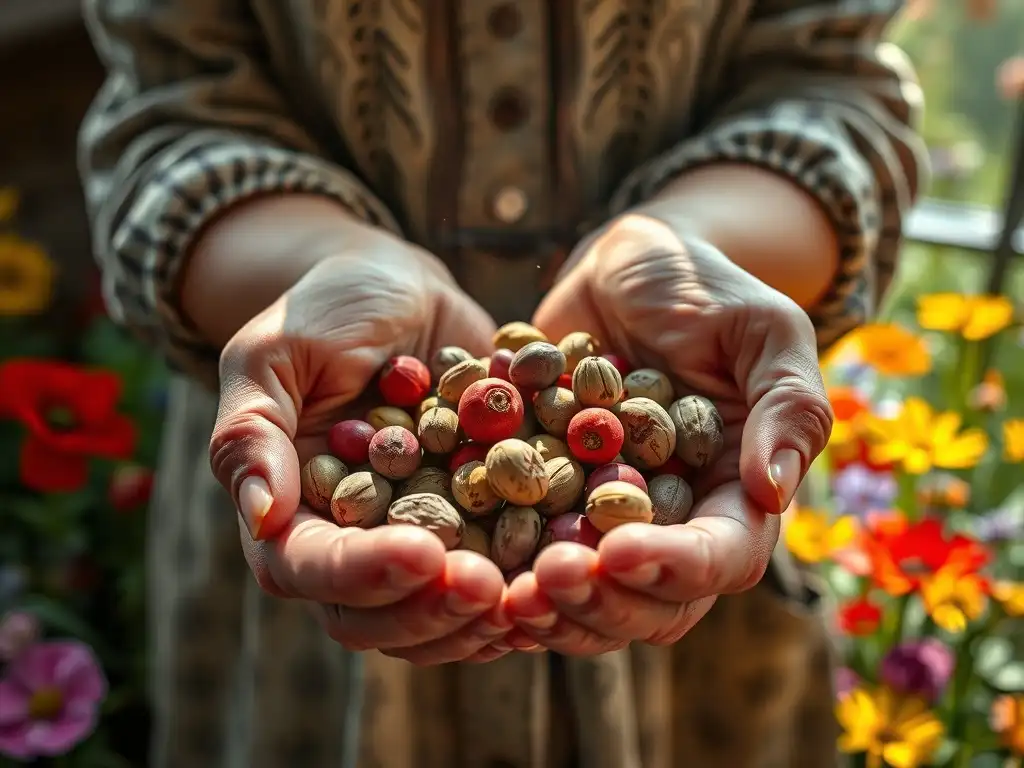
Welcome to CultivateYourFood, your guide to growing a thriving, sustainable garden! Are you ready to become a steward of biodiversity? We delve into the crucial practice of saving rare heirloom seeds, a vital step in preserving our planet's incredible plant diversity. Discover how you can contribute to this important mission while enriching your own harvest. Learn more about protecting these precious genetic resources and embark on a rewarding gardening journey.
- Understanding the Importance of Saving Heirloom Seeds
-
Identifying and Sourcing Rare and Endangered Plant Varieties
- Locating Reliable Suppliers of Heirloom Seeds: Online Retailers vs. Local Nurseries
- Sourcing Rare Seeds from Local Nurseries and Botanical Gardens: Benefits and Considerations
- Identifying Authentic Heirloom Seeds: Tips for Avoiding Mislabeled Varieties
- Understanding Seed Descriptions and Catalogs: Key Terms and Indicators of Quality
- Cultivating Rare Plant Varieties: Techniques for Success
- Maintaining and Propagating Rare Plant Varieties
- Participating in Community Seed Saving Initiatives
- Resources for Saving Rare Heirloom Seeds
- Conclusion: Your Role in Protecting Plant Biodiversity
- Frequently Asked Questions
- Final Reflection: Cultivating Hope, One Seed at a Time
- Cultivate Your Conservation: Grow a Future for Rare Plants!
Understanding the Importance of Saving Heirloom Seeds
Saving rare heirloom seeds is crucial for maintaining biodiversity and ensuring the long-term health of our food systems. This practice goes beyond simply preserving aesthetically pleasing or unusual plants; it's about safeguarding the genetic diversity that underpins food security and resilience in the face of climate change and environmental challenges. This article serves as a guide to understanding the significance of preserving rare plant varieties through home gardening, exploring the threats they face, and highlighting the rewarding experience of cultivating these unique and often delicious plants.
We will delve into the practical aspects of sourcing these seeds and integrating them into your sustainable gardening practices, ultimately contributing to the preservation of our shared agricultural heritage. This is more than just a hobby; it's an act of conservation that benefits both you and future generations.
The Delicate Balance of Biodiversity and its Impact on Food Security
The diversity of plant life is fundamental to a stable and resilient food supply. A monoculture approach, relying heavily on a few high-yielding varieties, leaves us vulnerable to diseases, pests, and the impacts of climate change. Heirloom seeds, representing generations of adaptation and selection, often possess superior disease resistance and adaptability compared to modern hybrids. Their genetic diversity provides a crucial buffer against unforeseen challenges.
For example, a particular heirloom tomato variety might thrive in drought conditions, while another excels in cooler climates. Preserving these diverse genetic resources ensures that we have a wider range of options to choose from as environmental conditions shift. The loss of heirloom varieties represents a loss of potential solutions to future agricultural challenges, directly impacting food security on a global scale. 📈
Protecting Genetic Diversity: Why Heirloom Seeds Matter
Heirloom seeds are open-pollinated, meaning they can be saved and replanted year after year, preserving their unique genetic characteristics. This contrasts with hybrid seeds, which often produce offspring with unpredictable traits. The preservation of heirloom seeds actively protects genetic diversity, ensuring the continued availability of a wide range of flavors, textures, and nutritional profiles in our food. Many heirloom varieties boast unique flavors and characteristics lost in modern commercially grown produce.
Imagine the vibrant taste of a heirloom variety of pepper compared to a mass-produced one – a testament to the value of preserving these genetic treasures. Furthermore, saving heirloom seeds empowers individuals to participate directly in the conservation of plant biodiversity, fostering a deeper connection to the food they grow. 🌱
The Threat of Extinction: Factors Contributing to Loss of Rare Plant Varieties
The loss of rare plant varieties is a serious concern, driven by several interconnected factors. The increasing dominance of commercial agriculture, favoring high-yield hybrids, has led to a decline in the cultivation of many heirloom varieties. Changes in agricultural practices, the destruction of habitats, and the effects of climate change also contribute to the risk of extinction. Furthermore, a lack of awareness and appreciation for the importance of heirloom seeds hinders conservation efforts.
Many unique and valuable varieties are simply disappearing due to neglect. This loss is not only a tragedy from a culinary perspective but also a significant threat to the long-term sustainability of our food systems. The preservation of heirloom seeds is therefore not simply a nostalgic pursuit; it's a critical action for maintaining biodiversity and ensuring food security for generations to come. 💔
The Role of Home Gardening in Seed Preservation
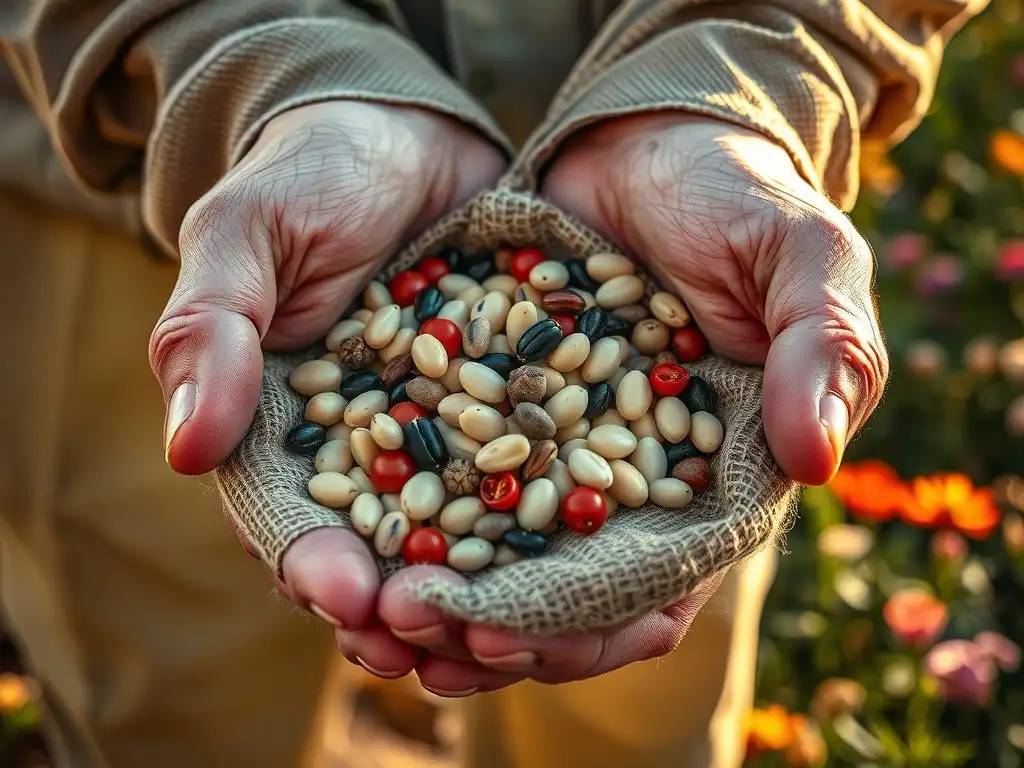
Home gardening plays a crucial role in the preservation of rare and heirloom seeds. Large-scale commercial agriculture often prioritizes high-yield, uniform varieties, neglecting the diversity of heirloom seeds. These unique varieties, often adapted to specific local climates and possessing unique flavors and nutritional profiles, are at risk of extinction. By actively growing and saving seeds from these plants, home gardeners become vital custodians of biodiversity.
This grassroots effort complements the work of seed banks and other preservation initiatives, creating a decentralized network for safeguarding genetic diversity. The simple act of planting an heirloom tomato, harvesting its fruit, and saving the seeds for the next season is a powerful act of conservation. This active participation ensures the continuation of these valuable genetic resources, preventing their loss to the homogenization of commercial agriculture. Furthermore, home gardeners often cultivate varieties specifically adapted to their microclimates, enriching the gene pool with regionally relevant traits.
The more people participate in this practice, the more resilient and diverse our food systems become. This direct involvement fosters a deeper connection to the food we eat and a greater understanding of the importance of agricultural biodiversity. Saving heirloom seeds is not just about preserving plants; it’s about preserving cultural heritage and ensuring food security for future generations.
The Benefits of Saving Your Own Heirloom Seeds
Saving your own heirloom seeds offers numerous advantages beyond simply preserving rare varieties. Firstly, it's incredibly cost-effective. Purchasing heirloom seeds can be expensive, especially for less common varieties. By saving seeds, gardeners can significantly reduce their annual seed costs, making heirloom gardening more accessible. Secondly, seed saving allows for adaptation and selection.
Over time, gardeners can select seeds from the plants that perform best in their specific environment, leading to stronger, more resilient varieties perfectly suited to their local conditions. This process of natural selection contributes to the ongoing evolution and improvement of heirloom varieties within a specific region. Thirdly, seed saving connects gardeners to the history and tradition of their plants. Each seed holds a story, passed down through generations of growers. This connection fosters a deeper appreciation for the plants and the effort involved in their cultivation.
Finally, the process itself is rewarding and educational. It encourages observation, patience, and a deeper understanding of the plant's life cycle, enriching the gardening experience. The act of saving seeds becomes a mindful practice, connecting the gardener to the natural world and the cyclical nature of life. The rewards extend far beyond just the next season’s harvest.
Identifying and Sourcing Rare and Endangered Plant Varieties

Saving rare heirloom seeds is crucial for biodiversity and preserving culinary heritage. But knowing where to find these unique varieties can be challenging. This section focuses on identifying and sourcing reliable suppliers of rare and endangered plant varieties, equipping you with the knowledge to make informed choices and contribute to seed saving efforts. The journey to saving rare heirloom seeds begins with careful research and a keen eye for detail.
Locating Reliable Suppliers of Heirloom Seeds: Online Retailers vs. Local Nurseries
The quest to save rare heirloom seeds often leads gardeners down two primary paths: online retailers and local nurseries. Both offer unique advantages and disadvantages.
Online retailers provide access to a vast selection of seeds, often including rare and endangered varieties not found locally. They offer convenience, allowing you to browse and purchase from the comfort of your home. However, verifying the authenticity of seeds from online sources requires diligence. Look for established businesses with positive customer reviews and detailed seed descriptions, including information on germination rates and growing conditions. Be wary of overly-cheap options, as these may be low-quality or mislabeled. Consider the shipping costs and potential delays, especially for seeds with specific temperature or humidity requirements.
Local nurseries, on the other hand, offer a more hands-on experience. You can inspect the seeds (if available) and discuss growing conditions with knowledgeable staff. They often carry regionally adapted varieties better suited to your specific climate and soil conditions. Supporting local nurseries directly contributes to your community's economy and fosters a more sustainable approach to gardening. However, the selection of rare heirloom seeds might be limited compared to online retailers. It's beneficial to call ahead and inquire about specific varieties before visiting.
| Supplier Type | Advantages | Disadvantages |
|---|---|---|
| Online Retailers | Wide selection, convenience, often detailed descriptions | Authenticity verification, shipping costs, delays |
| Local Nurseries | Hands-on experience, regional expertise, community support | Limited selection, potential for higher prices |
Sourcing Rare Seeds from Local Nurseries and Botanical Gardens: Benefits and Considerations
Local nurseries and botanical gardens can be invaluable resources for saving rare heirloom seeds. These institutions often cultivate and preserve heirloom varieties specific to their region, contributing significantly to the conservation of genetic diversity. Furthermore, engaging with local experts allows you to gain valuable insights into growing conditions and cultivation techniques tailored to your geographic location. This personalized guidance can significantly increase your success rate in cultivating these often-delicate plants.
However, sourcing seeds from these locations may present challenges. Availability can be limited, and some institutions may prioritize conservation efforts over seed sales. It’s crucial to contact them in advance to inquire about availability and any specific requirements for purchasing seeds. Additionally, prices may be higher compared to online retailers, reflecting the specialized care and preservation efforts involved. Remember that you are contributing to an important cause by supporting these organizations. The preservation of these unique varieties is a collaborative effort that requires the engagement of both gardeners and institutions dedicated to seed saving.
Identifying Authentic Heirloom Seeds: Tips for Avoiding Mislabeled Varieties
The market for heirloom seeds can be susceptible to mislabeling and inaccurate descriptions. Therefore, careful scrutiny is crucial when purchasing these precious genetic resources. Saving rare heirloom seeds requires vigilance in ensuring authenticity.
- Check for reputable certifications: Look for certifications from reputable seed organizations that verify the authenticity and genetic purity of the seeds.
- Examine seed packaging: Carefully examine the seed packaging for clear and detailed information, including the variety name, origin, and germination rate. Be wary of vague or incomplete descriptions.
- Compare descriptions across sources: Cross-reference the seed description with information from multiple sources, including seed catalogs, online databases, and gardening books. Discrepancies should raise a red flag.
- Contact the supplier directly: If you have any doubts about the authenticity of the seeds, contact the supplier directly and ask specific questions about their sourcing and verification methods.
- Consider purchasing from seed savers’ exchanges: Seed savers’ exchanges often offer a higher degree of authenticity, as they are typically run by dedicated individuals and groups committed to preserving genetic diversity. They often provide detailed information about the seed's history and lineage.
By paying close attention to these details, you can significantly increase your chances of acquiring authentic heirloom seeds and contributing to the vital task of preserving plant biodiversity. The effort to save rare heirloom seeds is a rewarding journey that contributes to both your garden and the future of agriculture. 🌱
Understanding Seed Descriptions and Catalogs: Key Terms and Indicators of Quality
Saving rare heirloom seeds requires careful attention to detail when selecting seeds from catalogs or suppliers. Understanding the language used in seed descriptions is crucial to ensuring you acquire high-quality seeds that will successfully germinate and grow into healthy plants. Many terms are used to describe seed characteristics, and understanding their implications is key to successful seed saving efforts.
One of the most important aspects to consider is the germination rate. A high germination rate, often expressed as a percentage (e.g., 90%), indicates that a significant portion of the seeds in the packet will sprout under ideal conditions. Lower germination rates might suggest older seeds or less-than-ideal storage conditions. Always look for suppliers who clearly state their germination rate—a reputable supplier will readily provide this information.
Furthermore, consider the seed viability. While germination rate measures the ability to sprout, viability refers to the seed's overall capacity to grow into a mature plant. A high germination rate doesn't automatically guarantee high viability, as other factors such as disease resistance and environmental adaptability also play a crucial role.
Pay close attention to descriptions of the plant's characteristics. Look for terms such as "open-pollinated," which means the seeds will produce plants true to type, making them ideal for saving and propagating. Avoid seeds described as "hybrids," as these plants often produce offspring with unpredictable traits, making seed saving less reliable.
Also, carefully examine any descriptions related to disease resistance and pest tolerance. Choosing varieties with these traits can significantly reduce the need for chemical interventions, aligning with sustainable and organic gardening practices. Look for specific disease names mentioned (e.g., resistant to powdery mildew) for a clearer picture of the plant's resilience.
Finally, consider the source of the seeds. Reputable seed companies often provide information on the origin of their seeds and their methods of preservation. This information can help you assess the seed's genetic purity and its potential for long-term preservation. Look for details about the seed's history, such as whether it's an heirloom variety with a known lineage, as this indicates a more stable and predictable genetic makeup.
The term "heirloom" itself should be critically examined, as it lacks a strict legal definition. Always prioritize suppliers transparent about their seed sourcing practices. This transparency is a strong indicator of their commitment to preserving genetic diversity and providing high-quality seeds for gardeners dedicated to saving rare heirloom seeds. Understanding these details will significantly improve your chances of successfully propagating rare and endangered plant varieties and contributing to the preservation of biodiversity.
Cultivating Rare Plant Varieties: Techniques for Success
This section focuses on the practical aspects of successfully growing rare and endangered plant varieties, crucial for the preservation of these precious genetic resources. Saving rare heirloom seeds requires more than just acquiring them; it demands a nuanced understanding of their specific needs. We'll explore essential techniques to maximize your chances of success.
Choosing the Right Growing Environment: Sunlight, Soil, and Climate Considerations
The success of cultivating rare plants hinges heavily on providing the ideal growing environment. Each variety possesses unique requirements regarding sunlight, soil composition, and climate. Failing to meet these needs can lead to poor growth, reduced yields, and even plant death. Before planting, meticulously research the specific needs of your chosen variety. This information is often available through seed catalogs, botanical databases, or specialized gardening communities.
For instance, some heirloom tomatoes thrive in full sun, requiring at least six hours of direct sunlight daily. Others, like certain lettuce varieties, prefer partial shade to avoid bolting (premature flowering). Soil pH is another critical factor. Many plants flourish in slightly acidic soil (pH 6.0-6.8), while others prefer more alkaline conditions. A soil test kit can provide valuable insights into your soil's composition and guide you in making necessary amendments, such as adding compost or lime to adjust pH.
Climate plays a vital role too. Certain varieties are adapted to specific temperature ranges and humidity levels. Understanding your local climate—including average temperatures, rainfall, and frost dates—is crucial for selecting suitable varieties and planning the planting schedule. Consider using protective measures like cold frames or row covers to extend the growing season or shield plants from extreme weather conditions. Careful consideration of these factors significantly increases your chances of successfully saving rare heirloom seeds through cultivation.
Seed Starting Techniques for Rare and Delicate Seeds
Starting seeds indoors provides a controlled environment, especially beneficial for rare and delicate varieties. This allows for careful monitoring of temperature, humidity, and light, enhancing germination rates and seedling vigor. However, the process differs from starting common seeds. Many rare seeds require specialized techniques to overcome dormancy or improve germination rates.
Some seeds benefit from stratification—a process mimicking the natural winter conditions that trigger germination. This might involve chilling seeds in moist media for several weeks before sowing. Others may require scarification, a technique that weakens the seed coat to facilitate water absorption and germination. This can be achieved by gently nicking the seed coat with a file or soaking seeds in warm water for a period.
The sowing medium is also important. A well-draining mix, such as a blend of peat moss, vermiculite, and perlite, provides excellent aeration and prevents damping-off (a fungal disease that kills seedlings). Ensure consistent moisture levels without overwatering. Overwatering can lead to root rot and fungal diseases, particularly detrimental to delicate seedlings.
Gentle bottom watering is often preferred to prevent fungal growth. Providing adequate light, either through a grow light or a sunny windowsill, is crucial for healthy seedling development. Careful handling and attention to detail are key to successfully nurturing these precious seeds into thriving plants, contributing to the preservation effort of saving rare heirloom seeds.
Transplanting and Aftercare: Ensuring Healthy Growth
Once seedlings have developed several true leaves (leaves that differ in shape from the cotyledons), they are ready for transplanting. This transition should be done carefully to minimize stress on the delicate roots. Choose a location that meets the specific light, soil, and climate requirements of your plant.
When transplanting, handle seedlings gently to avoid damaging the roots. A small amount of compost or other organic matter incorporated into the planting hole can provide additional nutrients and improve soil structure. Water thoroughly after transplanting to help settle the soil around the roots. Regular watering is essential, especially during dry periods, but avoid overwatering, which can lead to root rot.
Ongoing care includes monitoring for pests and diseases. Regular inspection can help detect problems early, allowing for timely intervention. Organic pest control methods, such as introducing beneficial insects or using insecticidal soaps, are preferred to protect both the plants and the environment. Fertilizing, using organic fertilizers, may be necessary to supplement nutrients, particularly during periods of rapid growth. Careful observation, timely intervention, and a commitment to organic practices are vital for ensuring the long-term health and productivity of your rare plants, thus contributing effectively to saving rare heirloom seeds for future generations.
Sustainable Gardening Practices for Preserving Rare Plants: Organic Fertilizers and Composting
Using organic fertilizers and composting is paramount when cultivating rare and endangered plant varieties. These methods not only nourish your plants but also contribute to the long-term health of the soil, a crucial factor in preserving biodiversity. Synthetic fertilizers, while offering quick results, can disrupt the delicate soil ecosystem, harming beneficial microorganisms and potentially weakening the plants' resilience to disease. Organic methods, on the other hand, foster a thriving soil environment that supports strong, healthy growth.
Composting plays a vital role in this process. By recycling kitchen scraps and yard waste, you create a rich, nutrient-dense soil amendment that improves soil structure, water retention, and aeration. This is especially beneficial for rare plants, many of which have specific soil requirements that are difficult to replicate with synthetic products.
For example, certain heirloom tomatoes thrive in well-drained, slightly acidic soil rich in organic matter, a condition easily achieved through regular composting. The process of composting itself also reduces waste and contributes to a more sustainable gardening practice, aligning perfectly with the goal of preserving these precious plant varieties for future generations. Moreover, the slow-release nutrients in compost provide a consistent supply of nourishment, unlike the rapid surge and subsequent depletion associated with chemical fertilizers.
This sustained feeding helps to improve the overall health and vigor of the plants, increasing their chances of survival and reproduction. Remember to avoid using compost from unknown sources to prevent the introduction of invasive weeds or plant diseases. Always start with a good quality, well-rotted compost.
The type of organic fertilizer you choose also matters. Consider using well-rotted manure, which is rich in nitrogen, phosphorus, and potassium – essential nutrients for plant growth. However, ensure it is properly composted to avoid introducing weed seeds or plant pathogens.
Other excellent options include bone meal (high in phosphorus, beneficial for flowering and fruiting plants), blood meal (rich in nitrogen, ideal for leafy greens), and seaweed extract (a natural source of micronutrients). By carefully selecting and applying organic fertilizers, you can provide your rare plants with the specific nutrients they need to flourish without compromising the health of the soil or the environment. The use of these natural fertilizers is a crucial step in ensuring the long-term survival of these endangered varieties, emphasizing the integral relationship between soil health and plant vitality.
Careful observation of your plants' growth and responsiveness to the chosen fertilizers will allow for adjustments and refinements to your fertilization strategy over time. This iterative process is key to achieving optimal results in nurturing these precious specimens.
Maintaining and Propagating Rare Plant Varieties
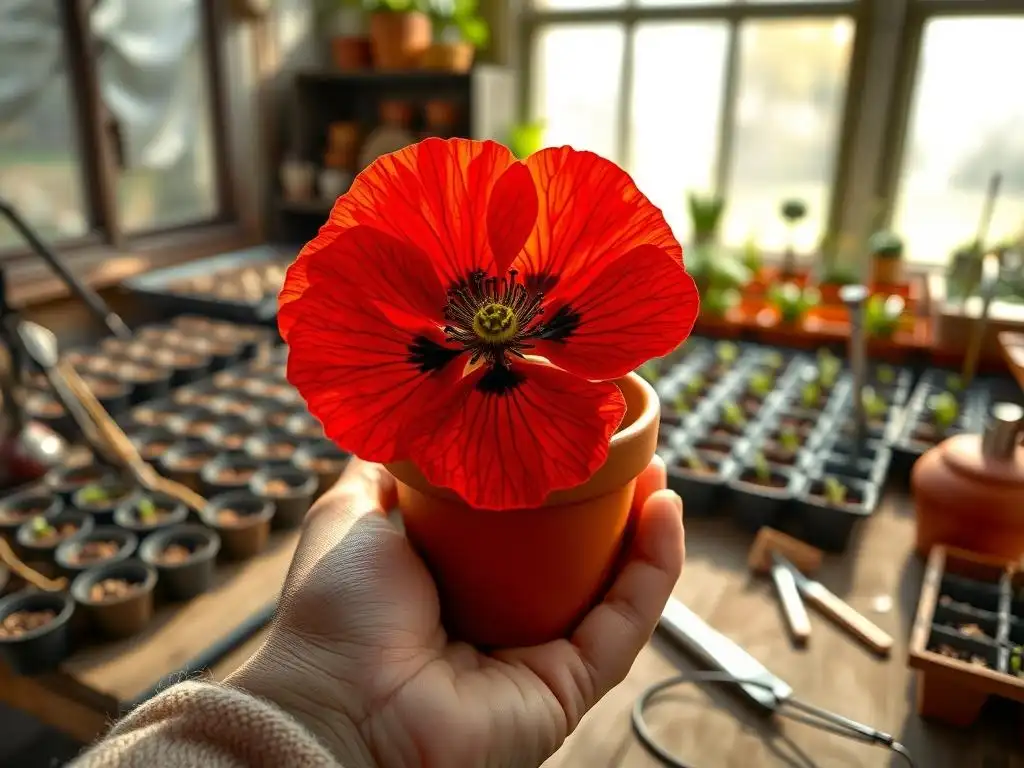
Saving rare heirloom seeds is crucial for preserving biodiversity and ensuring future access to these unique plant varieties. This section details the essential steps involved in maintaining and propagating these precious genetic resources, focusing on practical techniques and considerations for the home gardener. The success of these methods relies heavily on careful observation and attention to detail. Understanding the specific needs of each variety is paramount.
Harvesting Seeds from Rare Plants: Timing and Techniques
Harvesting seeds from rare plants requires patience and precision. The timing is critical; harvest too early, and the seeds won't be viable; harvest too late, and they may be damaged or dispersed by nature. The ideal time varies considerably depending on the plant species. For example, tomatoes should be harvested when the fruit is fully ripe and the seeds are firm and dark colored. Beans, on the other hand, are ready when the pods turn brown and dry.
To ensure successful seed saving, follow these steps:
- Identify mature plants: Select healthy, vigorous plants that exhibit desirable characteristics.
- Proper timing: Research the specific seed maturity stage for your plant variety. Many resources are available online and in gardening books.
- Careful harvesting: Gently collect seeds, avoiding damage. Use clean tools to prevent contamination.
- Cleaning and drying: Clean the seeds by removing any excess pulp or debris. Spread them thinly on a screen or paper towel in a dry, well-ventilated area to prevent mold. Proper drying is crucial for seed longevity.
- Storage: Once thoroughly dry, store seeds in airtight containers in a cool, dark, and dry place. Label each container clearly with the plant name, variety, and harvest date. Regularly check for any signs of deterioration.
This meticulous approach to seed harvesting from rare plants is essential for maintaining genetic diversity and ensuring the survival of these valuable resources. Careful attention to detail will significantly increase the chances of success. Remember, consistent record-keeping is just as important as the harvesting process itself. Documenting your methods and results contributes to the collective knowledge base for preserving rare heirloom seeds. Consider using a spreadsheet or a dedicated seed-saving journal to track your progress.
Plant Propagation Techniques: Cuttings, Division, and Layering
Beyond seed saving, propagating rare plants through vegetative methods offers a quicker way to increase the number of plants while maintaining the exact genetic characteristics of the parent plant. Several techniques exist, each suited to different plant types.
- Cuttings: This method involves taking a cutting from a stem or leaf and rooting it to form a new plant. Success depends on factors like the type of cutting (softwood, hardwood, or semi-hardwood), the hormone used (if any), and the environmental conditions. Many herbs and some flowering plants propagate well through cuttings.
- Division: This technique is suitable for clump-forming plants like perennials and some shrubs. The plant is carefully dug up, and its root ball is divided into smaller sections, each with its own roots and shoots. Each section is then replanted, creating multiple new plants.
- Layering: This method involves bending a stem to the ground, burying a portion of it, and encouraging root formation before separating it from the parent plant. This is particularly useful for plants that don't root easily from cuttings.
The choice of propagation method depends on the specific plant species and the gardener's experience level. Researching the optimal method for each rare variety is crucial for success. Careful handling and proper environmental conditions are key to achieving high propagation rates. Proper sanitation practices also play a crucial role in preventing disease transmission.
Building a Seed Bank at Home: A Step-by-Step Guide
Creating a home seed bank is a rewarding way to actively participate in preserving rare heirloom seeds. This ensures long-term access to these valuable genetic resources. Proper storage is key to maintaining seed viability.
Here's a step-by-step guide:
- Acquisition: Obtain seeds from reputable sources. Consider trading seeds with other gardeners or purchasing from specialized seed banks.
- Preparation: Clean and thoroughly dry the seeds before storing them.
- Packaging: Use airtight containers, preferably glass jars or mylar bags, to protect seeds from moisture and pests. Label each container clearly with the plant's name, variety, and harvest date.
- Storage: Store the seed bank in a cool, dark, and dry place with stable temperature and humidity. An ideal environment would have a temperature of around 40°F (4°C) and low humidity. A refrigerator is often suitable, but avoid freezing.
- Regular inspection: Periodically check the seeds for any signs of damage or deterioration, replacing any that show signs of spoilage.
Regularly rotating your seed stock and maintaining detailed records of germination rates will help you effectively manage your home seed bank. This active participation in seed saving contributes to the preservation of rare heirloom varieties, securing their future for generations to come. Remember, your home seed bank is a valuable contribution to the global effort of conserving biodiversity.
Participating in Community Seed Saving Initiatives
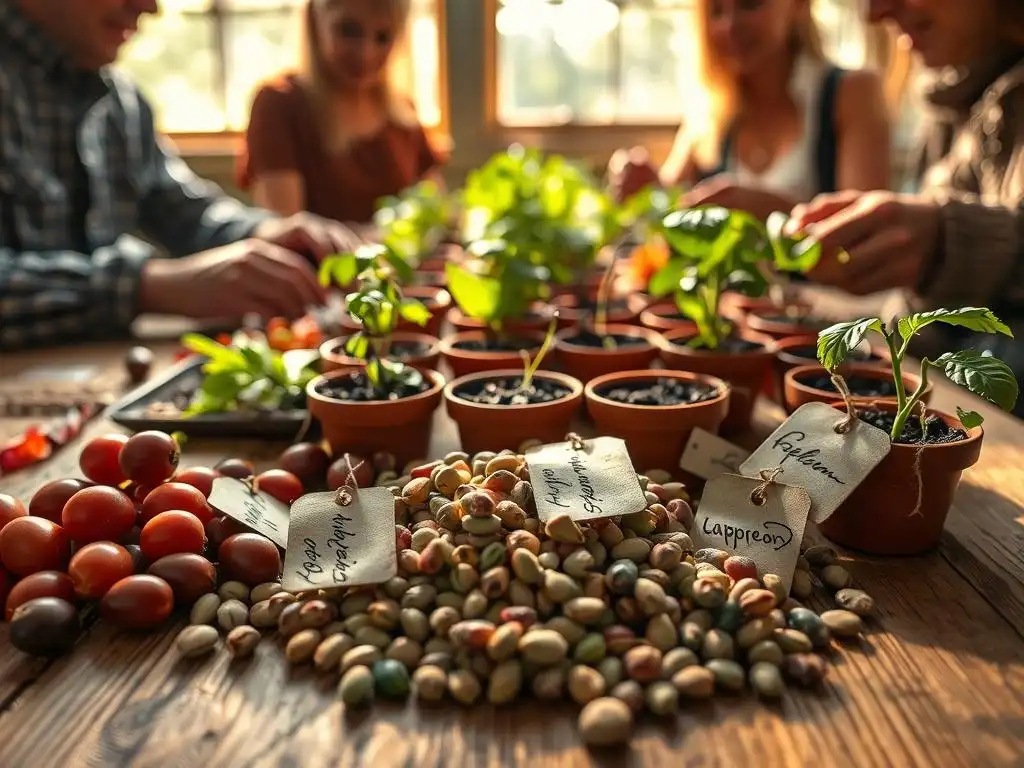
Saving rare heirloom seeds isn't just a solitary pursuit; it's a collective effort crucial for preserving biodiversity. Engaging with community seed saving initiatives significantly amplifies your impact and provides valuable learning opportunities. By actively participating, you contribute to a network of knowledge sharing and resource pooling, ensuring the survival of these precious genetic resources for generations to come. This section explores how you can effectively participate in these vital community efforts.
Connecting with Local Seed Saving Groups and Organizations
Numerous local seed saving groups and organizations exist, providing invaluable support and resources for home gardeners passionate about preserving heirloom varieties. These groups often host workshops, seed swaps, and educational events, offering a platform to learn advanced seed-saving techniques, share experiences, and connect with like-minded individuals. Participation offers several key advantages:
- Access to rare varieties: Local groups often have access to heirloom seeds not readily available commercially. Through seed swaps and exchanges, you can expand your own collection significantly.
- Shared knowledge: Experienced seed savers readily share their expertise, offering guidance on everything from seed selection and cleaning to storage and preservation.
- Community support: The collaborative nature of these groups provides a supportive environment, fostering a sense of community and shared responsibility in preserving biodiversity.
- Increased resilience: Sharing seeds diversifies the gene pool within a region, building resilience against disease and climate change.
For example, the [Specific Local Group Name Pending] in [Specific Location Pending] regularly holds workshops on seed saving techniques and offers a vibrant seed exchange program. They have successfully preserved several regionally adapted varieties, demonstrating the power of community collaboration. Finding these groups often involves a simple online search for "seed saving groups [your location]" or checking with local botanical gardens and agricultural extension offices.
Sharing heirloom seeds is a cornerstone of community-based seed saving. Seed swaps and exchanges not only expand your own collection but also contribute to the broader preservation effort. This reciprocal exchange of genetic material strengthens the resilience of heirloom varieties and fosters a sense of shared stewardship.
Consider the following when participating in seed exchanges:
- Proper seed labeling: Accurate labeling is crucial. Include the variety name, year harvested, and any relevant information about the plant's characteristics.
- Seed quality: Only share high-quality seeds that have been properly cleaned and stored.
- Open communication: Be transparent about the plant's history and any known issues.
- Reciprocity: The spirit of seed sharing is mutual benefit. Contribute generously to the exchange to ensure its continued success.
Participating in seed swaps is a rewarding experience. The exchange of stories and knowledge alongside the seeds enriches the process, reinforcing the connection between gardeners and the plants they cultivate. It's a powerful way to build a community dedicated to saving rare heirloom seeds. Think of it as a living library of genetic diversity, constantly growing and evolving through shared effort.
Contributing to Seed Banks and Conservation Efforts: Supporting Larger Initiatives
While local initiatives are essential, supporting larger seed banks and conservation efforts significantly broadens the impact of your seed-saving endeavors. These organizations play a vital role in preserving genetic diversity on a larger scale, safeguarding heirloom varieties against loss. Your contribution can take several forms:
- Donating seeds: Many seed banks accept donations of high-quality heirloom seeds, ensuring their long-term preservation and availability for future generations.
- Financial support: Seed banks often rely on donations to fund their research, storage, and distribution efforts.
- Volunteering: Some seed banks offer volunteer opportunities, allowing you to participate directly in the preservation process.
These larger initiatives provide a crucial safety net for heirloom varieties, safeguarding them against loss due to natural disasters, disease, or changes in agricultural practices. Your contribution, no matter how small, helps sustain these critical resources and ensures that the diversity of our food supply is protected for the future. Consider researching nearby seed banks or national organizations focused on seed conservation to explore ways you can contribute directly to these vital efforts. This collective action is critical for the long-term survival and availability of these precious resources. 🌱
Resources for Saving Rare Heirloom Seeds
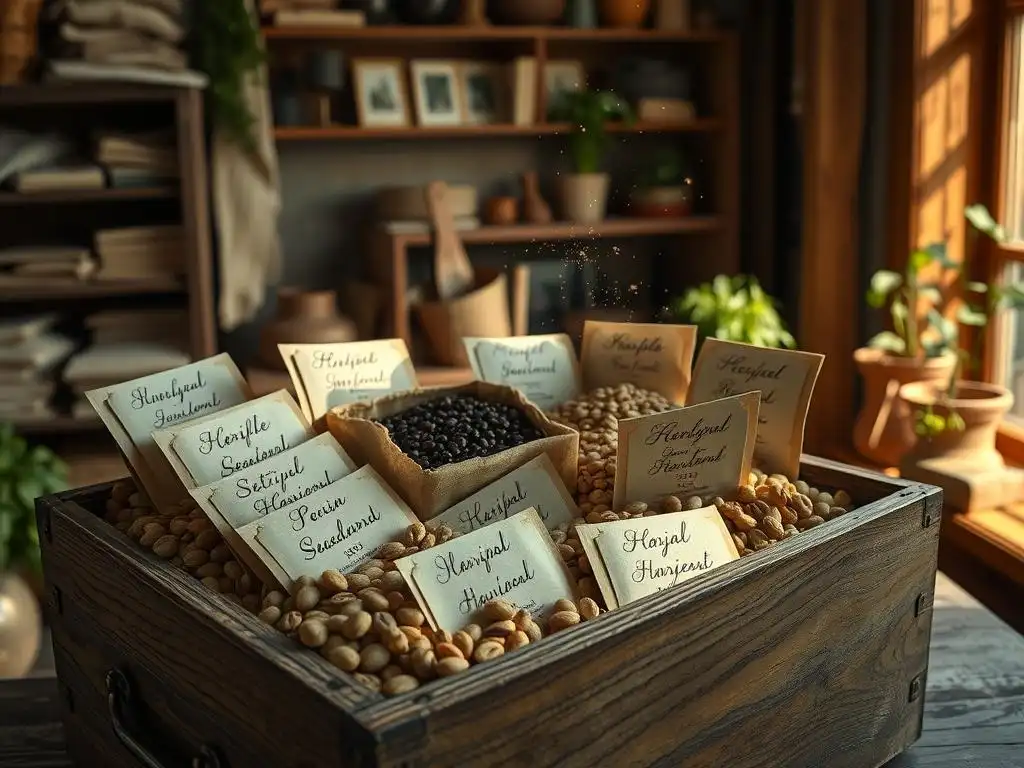
This section provides crucial resources for gardeners passionate about saving rare heirloom seeds, a vital step in preserving biodiversity and culinary heritage. Successfully saving seeds requires knowledge and dedication; these resources will guide you through the process. Saving rare heirloom seeds is a rewarding endeavor, contributing to the preservation of unique plant varieties for future generations.
Recommended Books and Online Resources on Heirloom Seed Saving
Finding reliable information on heirloom seed saving is key to success. Many excellent resources exist, both in print and online, offering detailed guidance on seed selection, cleaning, storage, and more. Here are a few stand-out options:
- Books: Look for books focusing on specific plant types (e.g., "Seed Saving for Tomatoes") or comprehensive guides covering various species. Pay attention to the author's experience and the book's publication date to ensure the information is up-to-date and accurate. Many older publications offer valuable historical context but may lack the latest techniques. A good book will cover topics such as seed selection criteria (plant health, fruit characteristics), proper drying methods, and long-term storage techniques.
- Online Resources: The internet provides a wealth of information, but it's crucial to be discerning. Prioritize websites and blogs authored by experienced seed savers, horticulturalists, or reputable organizations. Look for sites with detailed instructions, high-quality photographs, and a focus on sustainable practices. Beware of overly simplistic or generalized advice; seed saving is a nuanced process that requires attention to detail. Forums and online communities dedicated to seed saving can also be invaluable resources, offering the opportunity to connect with experienced practitioners and learn from their insights. Always cross-reference information from multiple sources to ensure accuracy.
Organizations Dedicated to Plant Conservation and Seed Preservation
Several organizations are dedicated to the conservation of rare and endangered plant varieties and the preservation of heirloom seeds. These groups often offer educational resources, seed exchanges, and support for seed savers. Engaging with these organizations can significantly enhance your efforts in saving rare heirloom seeds and contribute to a broader conservation movement.
| Organization Name | Focus | Key Activities |
|---|---|---|
| [Organization Name 1 - Information Pending] | [Specific focus on plant conservation, e.g., specific region or plant type] | [Specific activities, e.g., seed bank, educational programs, research] |
| [Organization Name 2 - Information Pending] | [Specific focus on plant conservation, e.g., specific region or plant type] | [Specific activities, e.g., seed bank, educational programs, research] |
| [Organization Name 3 - Information Pending] | [Specific focus on plant conservation, e.g., specific region or plant type] | [Specific activities, e.g., seed bank, educational programs, research] |
These organizations often provide valuable information on seed saving techniques specific to different plant species and climates. Their expertise can help avoid common pitfalls and ensure the long-term viability of your saved seeds. Many offer workshops and training programs, providing hands-on experience and guidance.
List of Suppliers of Rare and Heirloom Seeds
Finding reliable sources for rare and heirloom seeds is critical for starting your seed-saving journey. While many seed companies offer heirloom varieties, some specialize in rare and less common seeds. When choosing a supplier, prioritize companies with a reputation for quality, accurate descriptions, and sustainable practices. Look for suppliers who clearly state the origin of their seeds and provide information on seed viability.
Tips for Choosing a Seed Supplier
Consider factors like seed germination rates, customer reviews, and the supplier's commitment to ethical sourcing and environmental sustainability. Don't hesitate to contact suppliers directly with questions about specific varieties or seed saving practices.
Remember, supporting these suppliers directly helps ensure the continued availability of these valuable genetic resources. By carefully selecting your seeds and practicing responsible seed saving, you contribute to the preservation of biodiversity and the continuation of unique plant varieties for future generations. This dedication to saving rare heirloom seeds is a crucial part of sustainable gardening and preserving our culinary heritage. 🌱
Conclusion: Your Role in Protecting Plant Biodiversity
Saving rare heirloom seeds isn't just a hobby; it's a crucial act of conservation. The decline in biodiversity, driven by factors like industrial agriculture and climate change, threatens not only the variety of plants available to us but also the stability of our entire ecosystem. By actively participating in the preservation of these unique varieties, you become a vital link in a chain that protects our planet's future. You're not simply growing plants; you're contributing to the long-term health and resilience of our food systems and the natural world.
Your garden becomes a microcosm of biodiversity, a testament to the importance of preserving the genetic heritage of our plant life. This effort directly supports the preservation of unique flavors, nutritional profiles, and disease resistance found only in these rare varieties. Think of it as a personal contribution to global conservation efforts, one seed at a time.
The Long-Term Benefits of Saving Rare and Endangered Plant Varieties
The benefits of saving rare and endangered plant varieties extend far beyond the immediate enjoyment of cultivating unique plants. These heirloom seeds often possess characteristics superior to their commercially available counterparts. For example, many heirloom tomatoes boast richer flavors and are more resistant to common diseases, reducing the need for pesticides and promoting sustainable gardening practices. This translates to healthier food for your family and a reduced environmental impact.
Furthermore, preserving these varieties ensures genetic diversity, which is vital for adapting to future challenges like climate change and emerging pests. A diverse gene pool provides a wider range of traits to select from, increasing the chances of finding plants that can thrive in changing conditions. The long-term economic benefits are also significant. Heirloom varieties can become valuable assets, potentially creating opportunities for local seed businesses and supporting sustainable agriculture.
Finally, the act of preserving these seeds connects us to our agricultural heritage, fostering a deeper appreciation for the history and cultural significance of food production. The benefits are multi-faceted, impacting our health, environment, and economy. Saving these seeds is an investment in a sustainable future.
Continuing the Legacy: Passing on the Knowledge and Practice of Seed Saving
Saving rare heirloom seeds is not just about collecting seeds; it's about cultivating knowledge and passing it on to future generations. Sharing your expertise and the seeds themselves with others is crucial for the long-term success of conservation efforts. Consider teaching seed-saving techniques to friends, family, or within your local community. Organize workshops or seed swaps to disseminate knowledge and encourage participation.
Documenting your seed-saving practices, including details about the specific varieties and their cultivation, can create a valuable resource for future gardeners. This documentation might include detailed notes, photographs, or even videos. Think of it as creating a living library of invaluable information. By actively sharing your knowledge and seeds, you're not only contributing to the preservation of plant biodiversity but also fostering a sense of community and shared responsibility for environmental stewardship.
This legacy extends beyond your own garden, creating a ripple effect of conservation across wider communities. This collaborative approach is vital for ensuring the survival of these precious plant varieties for years to come. The act of sharing is as important as the act of saving.
Frequently Asked Questions
What are heirloom seeds, and why should I save them?
Heirloom seeds are open-pollinated seeds passed down through generations, maintaining their unique characteristics. Saving them helps preserve biodiversity and ensures access to unique flavors and varieties. They are often more resilient than modern hybrids.
How do I save heirloom seeds from my harvest?
The process varies by plant. Generally, you'll need to select the healthiest plants, allow the fruits or seeds to fully mature, then carefully clean and dry them before storing in a cool, dry, and dark place.
What are the benefits of growing from saved heirloom seeds?
Growing from saved seeds offers cost savings compared to buying new seeds every year. It also ensures the continuation of valuable genetic diversity and allows you to tailor your garden to your specific needs and preferences. You build a connection to your food.
How do I store heirloom seeds properly for long-term preservation?
Proper storage is crucial. Use airtight containers, label them clearly with the variety name and year harvested, and store them in a cool, dry, dark location with low humidity for optimal longevity.
Where can I find rare heirloom seeds to start saving?
Several online seed companies specialize in heirloom varieties, and you can also find them at local seed swaps and from other gardeners. Consider joining online communities dedicated to seed saving for further resources and advice.
Final Reflection: Cultivating Hope, One Seed at a Time
The dwindling biodiversity of our planet's plant life is not merely an ecological concern; it's a direct threat to our future food security and cultural heritage. The loss of rare and endangered plant varieties represents a forfeiture of irreplaceable genetic resources and the unique flavors and traditions they represent. Ignoring this crisis is simply not an option.
The journey through this guide has, I hope, illuminated the profound interconnectedness between our gardens and the fate of these precious plants. The act of cultivating a rare heirloom variety is more than just gardening; it's an act of active preservation, a small rebellion against the homogenization of our food systems. The future of agriculture depends on the diversity of our seeds.
This simple statement holds immense weight, underscoring the responsibility we all share in safeguarding these vital resources for generations to come. The stories behind these plants, often passed down through families and communities, are as precious as the seeds themselves, weaving a rich tapestry of human history and ingenuity.
Now, consider your own role in this vital mission. What rare heirloom seed will you nurture this season? Will you share your knowledge and your harvest with others? The preservation of these varieties is not the sole responsibility of botanists and researchers; it is a collective endeavor, a testament to our shared commitment to a vibrant and resilient future. Let us cultivate hope, one seed at a time, ensuring that the legacy of these extraordinary plants continues to flourish.
Cultivate Your Conservation: Grow a Future for Rare Plants!
Thank you for exploring the fascinating world of rare and endangered plants! You've gained valuable insights into their importance and how you can help ensure their survival. Ready to take action?
- Start your own mini-conservation project: Select one or two plant species that particularly interest you and research their propagation methods, whether from seed or cuttings. This is a direct and impactful way to contribute to their preservation.
- Share your newfound knowledge: Discuss these important plant species and conservation efforts with friends, family, and local gardening groups. Inspire others to join the cause!
- Explore further: Search online for local conservation organizations and initiatives to discover additional ways to get involved, expanding your impact beyond your own garden.
What rare or endangered plant species are you most excited to learn more about and perhaps cultivate?