
Composting 101: Creating NutrientRich Soil Amendments from Kitchen and Yard Waste
Discover the essentials for a thriving home garden with Gardening Supplies & Resources from CultivateYourFood 🌱 Find trusted guidance on quality seeds, organic fertilizers, soil amendments, rare heirloom varieties, and reliable soil testing solutions to help you grow healthier fruits, vegetables, and herbs. Make informed, sustainable choices and cultivate a productive garden naturally! 🥕🌿
46 articles
Using Coffee Grounds in Your Garden: Benefits and Howto
Identifying HighQuality Seeds: What to Look For Before You Buy
How to Choose the Right Organic Fertilizer for Different Plant Stages
How to Read Organic Fertilizer Labels: A Guide for Beginners
Saving Your Own Seeds: A Beginner's Guide to Seed Collection
The Benefits of Growing Heirloom Plants: Flavor, Diversity, and History
DIY Soil Testing: Simple Methods for Monitoring Your Garden’s Health
Beyond the Basics: Where to Buy Unique Fruit Tree Saplings
Heavy Metal Soil Testing: Protecting Your Family and Garden from Contamination
Choosing Seeds for Succession Planting: Enjoying Continuous Harvests
Participating in Seed Swaps: A Community Approach to Heirloom Varieties
HeatTolerant Heirloom Plants: Sourcing Seeds for Hot Climates
Choosing DiseaseResistant Seeds: A Proactive Approach to Garden Health
Understanding Seed Longevity: How Long Seeds Remain Viable
Soil Testing for Sandy Soil: Techniques for Water Retention and Nutrient Availability
How to Interpret Your Soil Test Results: A StepbyStep Guide
Soil Testing for Beginners: Everything You Need to Know to Get Started
Troubleshooting Common Organic Fertilizer Problems: A Guide for Beginners
Soil Texture Testing: Determining Your Soil's Composition and Drainage
Rare and Endangered Plant Varieties: A Guide to Preservation Through Gardening
Selecting Seeds for Sprouting: Growing Nutritious Sprouts at Home
Understanding Seed Hardening Off: Preparing Seedlings for the Outdoors
Gardening Supplies & Resources are essential for growing healthy fruits, vegetables, and herbs at home. At CultivateYourFood, discover practical, sustainable, and organic gardening guidance to help you choose reliable seeds, improve soil fertility, find unusual plant varieties, and understand the nutrients your garden needs. Whether you are starting a vegetable garden, maintaining raised beds, or expanding an indoor herb garden, the right supplies can improve germination, plant growth, harvest quality, and long-term garden health.
Our gardening resources focus on smart, eco-friendly choices for beginner and experienced gardeners. Explore expert-informed advice about organic fertilizers, compost, soil amendments, heirloom seeds, seed quality, and soil testing. With the right information, you can reduce waste, support beneficial soil life, avoid unnecessary chemicals, and cultivate productive plants using sustainable gardening practices.
🌱 Ultimate Guide to Selecting High-Quality Seeds
Choosing the best seeds is the first step toward a productive home garden. This resource explains how to evaluate seed freshness, germination rates, growing conditions, disease resistance, and plant adaptability. Learn how to select vegetable, fruit, herb, organic, open-pollinated, heirloom, and hybrid seeds based on your climate, garden space, planting season, and experience level.
Readers will also discover how to interpret seed packets, understand days to maturity, choose untreated or certified organic seeds, and store seeds correctly for longer viability. These practical tips make it easier to plan a successful garden and avoid common problems such as poor germination, unsuitable varieties, and overcrowded plantings.
🌿 Choosing the Best Organic Fertilizers and Soil Amendments
Healthy soil provides the foundation for strong roots, vigorous plants, and abundant harvests. This section compares organic fertilizers and soil amendments such as compost, worm castings, aged manure, kelp meal, bone meal, blood meal, rock dust, and natural mineral blends. Learn how each product supports soil structure, nutrient availability, beneficial microorganisms, and plant development.
Find guidance on selecting amendments for vegetables, herbs, fruit plants, containers, and raised beds. You will also learn how to apply organic fertilizer safely, avoid overfeeding, improve drainage and water retention, and combine composting with responsible soil care. The goal is to build fertile, living soil while supporting sustainable and chemical-conscious gardening.
🌾 Where to Buy Rare and Heirloom Plant Varieties
Rare and heirloom plants can add diversity, flavor, history, and visual interest to a home garden. This resource helps gardeners find trustworthy sources for heirloom vegetables, unusual herbs, heritage fruits, rare flowers, and hard-to-find seed varieties. Learn how to compare seed companies, specialty nurseries, local exchanges, farmers’ markets, and reputable online suppliers.
Readers can also explore important considerations such as regional suitability, seed authenticity, supplier reviews, shipping conditions, plant patents, and preservation practices. Growing rare varieties is more rewarding when you understand their climate requirements, pollination needs, spacing, harvesting methods, and seed-saving potential.
🧪 The Best Soil Testing Kits and Services
Soil testing helps gardeners understand what their plants need before adding fertilizer or amendments. This guide explores the differences between home soil testing kits, digital meters, laboratory analysis, and professional soil testing services. Learn how to measure essential factors such as pH, nitrogen, phosphorus, potassium, moisture, salinity, and organic matter.
Discover how to collect an accurate soil sample, read a soil test report, and make practical adjustments using lime, sulfur, compost, or targeted organic fertilizers. Testing can prevent nutrient imbalances, reduce wasted products, protect waterways from runoff, and help you create healthier growing conditions for vegetables, herbs, fruit trees, and container plants.
❓ Frequently Asked Questions About Gardening Supplies & Resources
What gardening supplies do beginners need first?
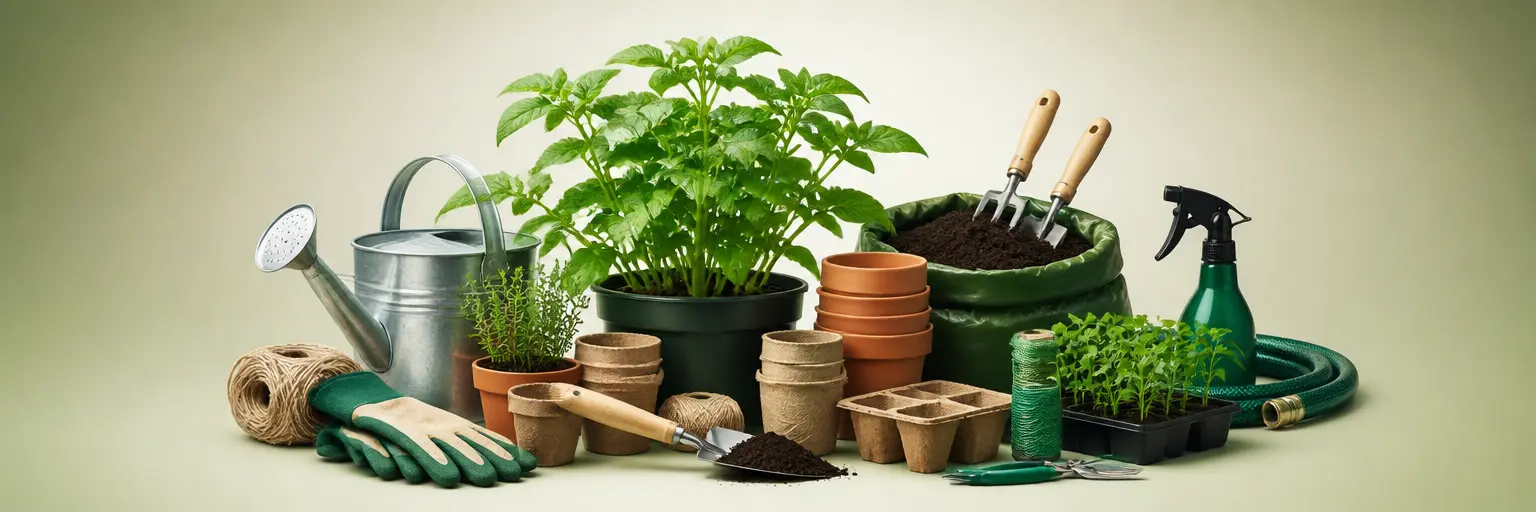
Beginners typically need quality seeds or seedlings, containers or garden beds, healthy soil or compost, a watering can, hand tools, plant labels, and basic pest-control supplies. A soil test and reliable seed information can help you avoid unnecessary purchases and create a more successful garden from the beginning.
Are organic fertilizers better for a vegetable garden?
Organic fertilizers can support long-term soil health by releasing nutrients gradually and feeding beneficial microorganisms. However, the best fertilizer depends on your soil test, crop requirements, and application rate. Using compost and targeted organic amendments is often more effective than applying excessive fertilizer.
How can I tell whether seeds are high quality?
Look for clearly labeled packets, a recent packing or expiration date, suitable storage conditions, and information about germination, variety, and growing requirements. Buy from reputable suppliers and choose seeds appropriate for your climate and growing season. Certified organic or untreated options may be preferable for gardeners following organic practices.
Where can I find reliable heirloom and rare seeds?
Reliable sources include established seed companies, specialty nurseries, local seed libraries, community seed swaps, botanical gardens, and reputable online growers. Check reviews, variety descriptions, regional growing information, and seed-saving details before purchasing. Avoid sellers who provide limited information about seed origin or authenticity.
How often should garden soil be tested?
Most home gardeners benefit from testing soil every two to three years, or whenever plant growth declines without an obvious cause. Test more frequently after major amendments, when growing in new beds, or when nutrient problems are suspected. Follow the recommendations in your soil report rather than applying fertilizer based on guesswork.