
How to Introduce Chickens to Your Garden

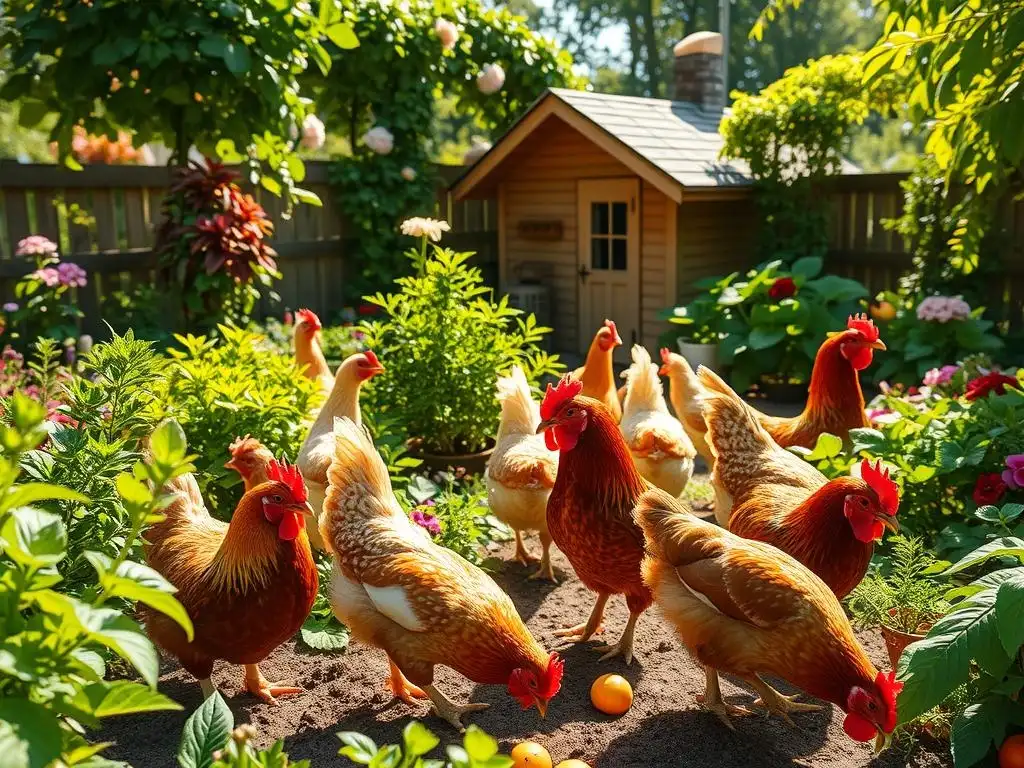
Ready to transform your backyard into a thriving ecosystem? At CultivateYourFood, we empower you to grow your own food organically. Discover the surprising and rewarding world of Backyard chickens garden benefits – learn how integrating these feathered friends can revolutionize your harvest and create a truly sustainable garden. Dive in and unlock the secrets to a bountiful, eco-friendly yield!
- Planning Your Chicken Integration: Maximizing Backyard Chickens Garden Benefits
- Introducing Chickens to Your Existing Garden: A Step-by-Step Guide
- Optimizing Your Garden for Chickens: Enhancing Backyard Chickens Garden Benefits
- Maintaining a Healthy Ecosystem: Long-Term Backyard Chickens Garden Benefits
- Harvesting the Rewards: Reaping the Benefits of Backyard Chickens Garden Benefits
- Frequently Asked Questions
- Final Reflection: Reaping the Rewards of Backyard Chickens
- Ready to Reap the Rewards of Backyard Chickens?
Planning Your Chicken Integration: Maximizing Backyard Chickens Garden Benefits
Integrating chickens into your garden can be a rewarding experience, offering a sustainable approach to pest control and a fresh supply of eggs. This guide explores the key steps to successfully introduce chickens to your garden, maximizing the benefits for both your plants and your feathered friends. We'll delve into assessing your space, choosing appropriate breeds, and constructing a safe and secure coop, all while emphasizing the numerous advantages of this symbiotic relationship – ultimately improving your chances of reaping the rewards of a thriving garden and happy hens.
Understanding the nuances of this integration will allow you to harness the power of backyard chickens garden benefits, creating a truly productive and sustainable ecosystem in your own backyard. Let's explore how to make this harmonious coexistence a reality.
Assessing Your Garden Space for Chicken Integration
Before welcoming chickens to your garden, a thorough assessment of your space is crucial. Consider the following factors:
- Size: How much space do you have available for a chicken run? Chickens need ample room to roam and forage, ideally a minimum of 10 square feet per chicken. Overcrowding can lead to stress, disease, and damage to your garden. Remember to account for the coop's footprint as well.
- Enclosure: A secure enclosure is essential to prevent chickens from escaping and protecting them from predators. This could involve fencing, netting, or a combination of both. Consider the height of the fence to deter predators like foxes and raccoons.
- Sunlight and Shade: Chickens need access to both sunlight for vitamin D production and shade to escape the heat during hot days. Plan your run to provide both.
- Water Source: A reliable and clean water source is vital. Consider installing a chicken waterer that prevents spillage and keeps the water clean.
- Soil Conditions: Chickens will scratch and dust bathe, potentially compacting the soil in some areas. Be mindful of this when planning your garden layout. Consider designating areas where chickens have more access and others where they are restricted.
- Garden Layout: Strategically plan the chicken run's location in relation to your garden beds. You might want to keep them away from particularly delicate plants or newly seeded areas. Consider using raised garden beds or protective netting around vulnerable plants.
Careful planning ensures a successful integration, maximizing the backyard chickens garden benefits while safeguarding your plants and chickens.
Choosing the Right Chicken Breed for Pest Control and Egg Production
Selecting the right chicken breed is crucial for optimizing both pest control and egg production. Different breeds have different characteristics:
| Breed | Pest Control Capabilities | Egg Production | Temperament |
|---|---|---|---|
| Orpingtons | Moderate | Good | Docile |
| Rhode Island Reds | Moderate | Excellent | Hardy, adaptable |
| Australorps | Moderate | Excellent | Calm, good layers |
| Wyandottes | Moderate | Good | Friendly, docile |
| Ameraucanas | Low | Good | Somewhat flighty |
Some breeds, while not specifically bred for pest control, are naturally good foragers and will help reduce insect populations. Others excel in egg production, providing a consistent supply of fresh eggs. Researching different breeds and their characteristics will help you choose chickens that best suit your needs and garden environment. Consider also the climate in your region when selecting a breed. Hardy breeds may be better suited to colder climates.
Building a Secure and Safe Chicken Coop: Protecting Your Garden and Chickens
A well-designed chicken coop is essential for protecting your chickens from predators and the elements, and also for protecting your garden from potential damage. The coop should:
- Be predator-proof: Use strong materials and secure latches to prevent foxes, raccoons, and other predators from accessing the chickens. Consider burying wire mesh around the base of the coop to prevent digging.
- Provide adequate ventilation: Good ventilation is crucial to prevent the build-up of ammonia and maintain a healthy environment for your chickens.
- Offer ample roosting space: Chickens need enough space to roost comfortably at night.
- Include nesting boxes: Provide enough nesting boxes for your hens, ensuring they have a private place to lay their eggs.
- Be easy to clean: Regular cleaning is vital for maintaining a healthy environment and preventing disease.
Building a secure and well-designed coop is an investment that will pay off in healthier, happier chickens and a more productive garden. Remember, a secure coop is crucial for maximizing the backyard chickens garden benefits – keeping your chickens safe allows them to contribute fully to your garden ecosystem. Consider adding features like automatic doors for increased security and ease of use.
Introducing Chickens to Your Existing Garden: A Step-by-Step Guide
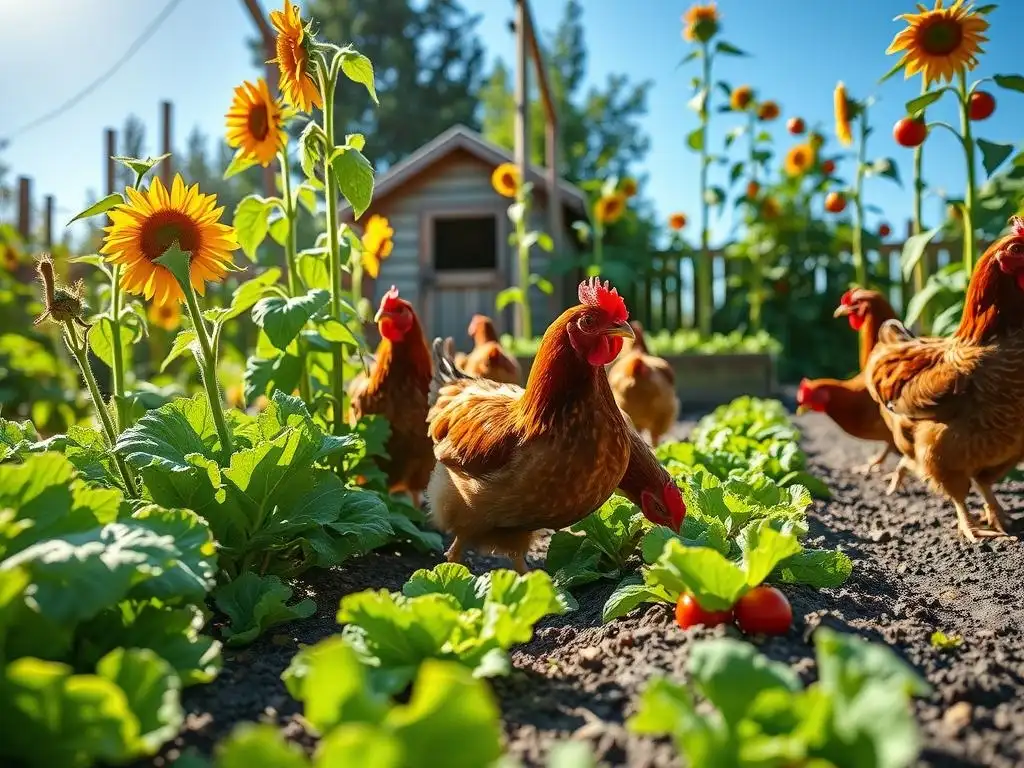
This section details how to safely and effectively integrate chickens into your established garden, maximizing the benefits while minimizing potential damage. Remember, a well-planned introduction is crucial for both your chickens' well-being and the health of your plants. Successful integration hinges on careful observation and proactive problem-solving. The key is to think of it as a gradual process, allowing your birds to adjust to their new environment. This approach is crucial for achieving the desired "backyard chickens garden benefits".
Gradual Introduction: Minimizing Stress and Damage
Introducing chickens to an existing garden requires a phased approach to prevent overwhelming them and minimize potential damage to your plants. Start by confining them to a small, enclosed area within the garden for a few days. This could be a temporary chicken run or a section fenced off with poultry netting. This allows them to become familiar with the smells and sounds of their new environment without free-range access. Observe their behavior closely. Are they pecking at plants? Are they exhibiting signs of stress, such as ruffled feathers or excessive clucking?
Next, gradually expand their access to the garden. You might increase the size of their enclosed area daily or every other day, depending on their behavior. Provide plenty of supplemental feed and water within their enclosure to discourage foraging initially. A well-stocked feeder and waterer is essential for successful integration. This helps direct their attention away from your plants while they adjust.
Consider using a combination of methods to deter foraging. For instance, you can use chicken wire to protect particularly vulnerable plants or seedlings. You can also plant some sacrificial crops, like fast-growing greens, that are less valuable to you but can serve as a distraction. This helps to manage their foraging habits without resorting to harsh measures. Remember, patience is key during this phase. The goal is to establish a comfortable routine for your chickens that also protects your garden.
Monitoring Chicken Behavior and Garden Impact
Consistent monitoring is paramount to ensure the success of integrating chickens into your garden. Daily observation allows you to identify any potential problems early on. Keep a journal to track their behavior and any impact on your plants. Note down the specific plants they seem to prefer or avoid, and record any signs of damage. This detailed record provides valuable insights into their foraging habits and preferences.
Consider using a simple rating system to track plant health. For example:
| Plant Name | Initial Condition | Day 3 | Day 7 | Day 14 | Notes |
|---|---|---|---|---|---|
| Lettuce | Excellent | Good | Good | Good | Chickens seem uninterested in this plant. |
| Tomatoes | Excellent | Fair | Fair | Poor | Some leaf damage observed; needs protection. |
| Strawberries | Excellent | Good | Good | Good | No noticeable impact. |
This detailed record allows you to assess the effectiveness of your introduction strategy and make necessary adjustments. Remember, the ultimate goal is to achieve a harmonious balance between your chickens' needs and the health of your garden.
Identifying and Addressing Potential Problems: Preventing Damage to Plants
Even with careful planning, some challenges might arise. The most common problem is damage to plants, especially seedlings and tender leaves. If you notice significant damage to plants, you may need to reconsider your approach. This might involve:
- Strengthening enclosures: Ensure your fencing is chicken-proof, preventing escape and access to sensitive areas.
- Implementing plant protection: Use chicken wire cages, floating row covers, or other protective measures around vulnerable plants.
- Diversionary tactics: Plant extra greens or other attractive plants to distract chickens from your main crops.
- Adjusting feeding schedule: Ensure chickens are well-fed to minimize foraging. Supplementing their diet with commercially available chicken feed can significantly reduce their need to forage extensively.
- Rotating chicken access: Consider rotating access to different garden areas to prevent overgrazing in one section.
Addressing these issues promptly is crucial. Ignoring early signs of damage could lead to more significant problems later. Remember, the benefits of backyard chickens in the garden, such as natural pest control, are best realized when the integration process is managed carefully and proactively. Consistent observation and swift action are key to a successful and mutually beneficial relationship between your chickens and your garden.
Implementing Protective Measures: Protecting Plants from Chickens
Introducing chickens to your garden offers numerous benefits, including natural pest control and nutrient-rich fertilizer from their droppings. However, it's crucial to understand that chickens can also cause damage to your plants if not managed properly. Protecting your precious vegetables, fruits, and herbs requires a proactive approach. The key is to create a balance, allowing chickens access to areas where they can benefit your garden while safeguarding your vulnerable plants.
One effective method involves using physical barriers. Simple chicken wire fencing, strategically placed around delicate seedlings or mature plants prone to damage, can effectively deter chickens from pecking or scratching. The height of the fence should be sufficient to prevent chickens from jumping over, typically around 3-4 feet, depending on the breed of chicken.
Ensure the wire is securely anchored to the ground to prevent chickens from digging underneath. You can even use existing garden structures, such as raised beds or trellises, to integrate the chicken wire seamlessly into your garden design. Remember to regularly check the fencing for any damage or weak points that chickens might exploit.
Another approach focuses on creating designated areas for your chickens. This could involve designating specific sections of your garden as "chicken-free zones." These areas could be enclosed using the aforementioned chicken wire fencing or other suitable barriers.
Alternatively, you could create a separate, enclosed run for your chickens, keeping them away from your most valuable or vulnerable plants entirely. This method allows your birds to enjoy ample space for foraging and dust-bathing without compromising the integrity of your garden beds. The size of the chicken run should be appropriate for the number of chickens you have, providing sufficient space for each bird to move comfortably.
Beyond physical barriers, strategic planting can also play a significant role in protecting your garden. Consider planting tougher, more resilient plants that are less susceptible to chicken damage in areas where chickens have access. Some robust options include certain herbs like rosemary and thyme, which chickens generally avoid due to their strong aroma. Similarly, certain vegetables like kale and chard can tolerate some foraging without significant harm. By strategically planning your garden layout, you can create a buffer zone between chickens and your more delicate plants.
Finally, consistent observation and adaptation are key. Regularly monitor your chickens' behavior and identify any plants they seem particularly attracted to. This allows you to adjust your protective measures accordingly, perhaps reinforcing fencing or relocating vulnerable plants. Adapting your strategy based on your chickens' preferences is crucial for long-term success in integrating chickens into your garden ecosystem. Careful planning and proactive measures will help you reap the rewards of having chickens in your garden without sacrificing your precious plants.
Optimizing Your Garden for Chickens: Enhancing Backyard Chickens Garden Benefits
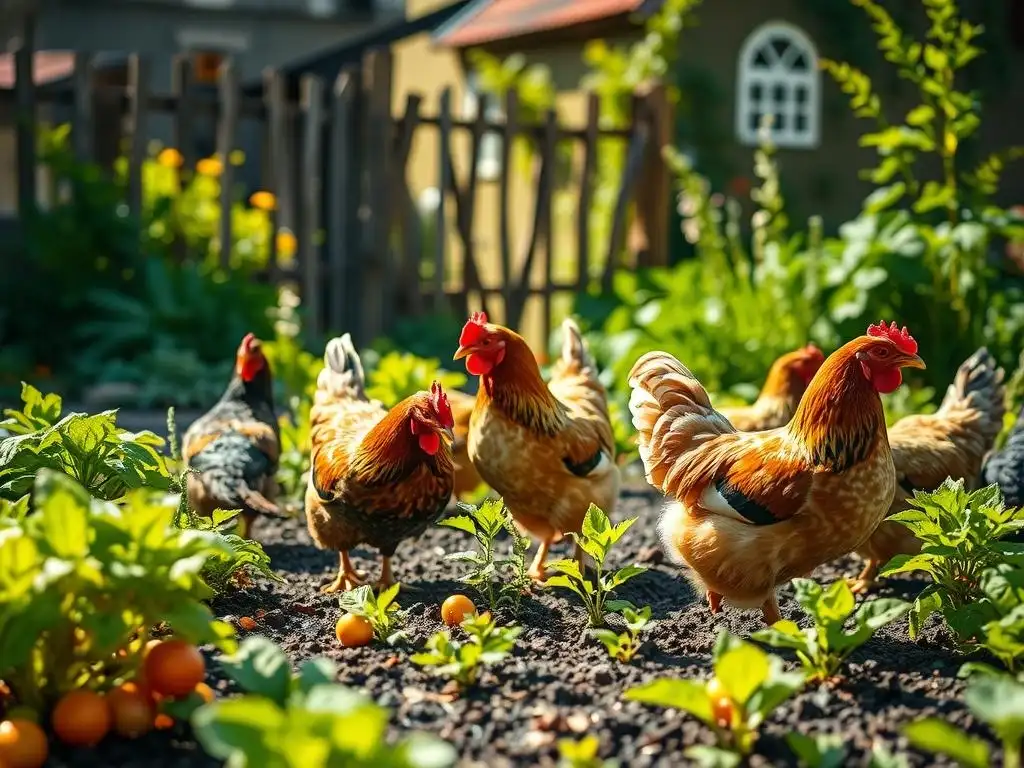
This section focuses on maximizing the symbiotic relationship between your backyard chickens and your garden, truly unlocking the potential of "backyard chickens garden benefits." By strategically designing your garden space and implementing effective waste management, you can create a thriving ecosystem where chickens contribute significantly to garden health and productivity. Remember, a well-planned setup is key to reaping the rewards of integrated chicken-keeping.
Planting Chicken-Friendly Plants and Vegetables
Choosing the right plants is crucial for a harmonious chicken-garden relationship. Some plants offer benefits beyond aesthetics; they also provide supplemental feed and enrich the soil. Avoid planting anything toxic to chickens, such as nightshade plants (tomatoes, potatoes, peppers – though chickens usually avoid these) or certain bulbs like daffodils and tulips.
Instead, consider planting these chicken-friendly options:
- Greens: Chickens love foraging for greens like kale, chard, and lettuce. These provide essential nutrients and can be planted in abundance. Consider planting extra to supplement their commercial feed.
- Grains: While not a primary food source, scattering grains like oats or wheat in designated areas can encourage foraging and prevent overgrazing in other areas of your garden.
- Herbs: Many herbs, such as rosemary, thyme, and oregano, are both chicken-friendly and pest-deterrents. They add flavor to your garden and can even improve egg flavor!
- Flowers: Certain flowers, such as sunflowers (seeds are a treat! ), calendula, and nasturtiums, are safe for chickens and attract beneficial insects to your garden. Plus, they add beauty!
Remember to rotate your plantings to avoid soil depletion and maintain a diverse range of nutrients for your chickens and your garden. Consider planting in raised beds or using trellises to keep plants out of reach of chickens who might trample them.
Creating Designated Foraging Areas: Utilizing the Benefits of Chickens
To prevent chickens from damaging your main garden beds, dedicate specific areas for their foraging activities. This controlled foraging prevents overgrazing and allows you to maintain the integrity of your carefully planted vegetables and herbs.
Here's how you can create effective foraging areas:
- Designated Patches: Set aside sections of your yard, perhaps less desirable areas, where you can plant chicken-friendly plants specifically for foraging. These areas can be fenced off to prevent chickens from accessing the rest of the garden.
- Rotating Forage: Regularly rotate the designated foraging areas to allow the soil to recover and prevent the spread of parasites. This also ensures a continuous supply of fresh, nutritious food for your flock.
- Supplemental Feed: Even with dedicated foraging areas, ensure your chickens receive a balanced commercial feed. Foraging should supplement, not replace, their nutritional needs. This helps prevent nutritional deficiencies and ensures healthy egg production. This contributes to the overall "backyard chickens garden benefits" equation.
- Gravel or Sand Areas: Providing a dust-bathing area with gravel or sand allows chickens to clean themselves, which is essential for their health and hygiene. This area can be integrated into the foraging area.
Managing Chicken Waste for Soil Enrichment: Composting Chicken Manure
Chicken manure is a fantastic natural fertilizer, but it needs careful management. Improper handling can lead to nutrient runoff and potential health hazards. Composting chicken manure is crucial for harnessing its fertilizing power safely.
Here’s how to effectively compost chicken manure:
- Composting Method: Use a hot composting method. This involves layering chicken manure with carbon-rich materials like straw, wood chips, or dried leaves. The heat generated during decomposition kills harmful pathogens. The ratio should be approximately 2 parts carbon-rich material to 1 part manure.
- Turning the Compost: Regularly turning the compost pile accelerates decomposition and ensures even heating. Aim to turn the pile at least once a week.
- Moisture Level: Maintain optimal moisture levels. The compost should be damp, like a wrung-out sponge, not soggy.
- Safety Precautions: Always wear gloves when handling chicken manure to avoid potential exposure to harmful bacteria.
Once composted, the manure becomes a rich source of nutrients for your garden. This is a cornerstone of maximizing "backyard chickens garden benefits." Use it to enrich your soil and promote healthy plant growth. The improved soil quality leads to healthier plants, more bountiful harvests, and a thriving garden ecosystem. This closed-loop system is a perfect example of sustainable gardening practices.
Preventing Overgrazing and Soil Compaction
Overgrazing is a significant concern when integrating chickens into your garden. Chickens, especially if in large numbers or confined to a small area, can quickly deplete vegetation, leaving bare patches of soil vulnerable to erosion and weed invasion. This defeats the purpose of having chickens for garden pest control and can negatively impact the overall health of your garden ecosystem. To prevent this, rotational grazing is key.
Divide your garden into sections, allowing chickens access to only one section at a time. This gives the plants in other sections time to recover and regrow. The duration of access to each section will depend on factors like the number of chickens, the density of planting, and the type of vegetation.
A good rule of thumb is to observe the grazing patterns and adjust the rotation schedule accordingly. If you see significant damage in a short period, shorten the time the chickens spend in that area. You might need to experiment to find the ideal rotation schedule for your specific setup.
Soil compaction is another potential issue. Constant chicken activity, particularly in wet conditions, can compact the soil, making it difficult for plant roots to penetrate and reducing water infiltration. This leads to poor drainage and can negatively affect plant growth. To mitigate soil compaction, consider providing areas with different substrates for your chickens.
Gravel or wood chips in designated areas can help reduce the impact of their feet on the soil. Furthermore, regular tilling or aeration of the soil in areas frequented by chickens can improve soil structure and drainage. Avoid allowing chickens access to areas directly after heavy rainfall to minimize compaction.
Remember that healthy soil is crucial for thriving plants, so proactively addressing soil compaction is essential for maximizing the backyard chickens garden benefits. Consider adding organic matter, such as compost, to improve soil structure and drainage further. This will also enrich your soil, enhancing plant growth and supporting a robust garden ecosystem.
Maintaining a Healthy Ecosystem: Long-Term Backyard Chickens Garden Benefits
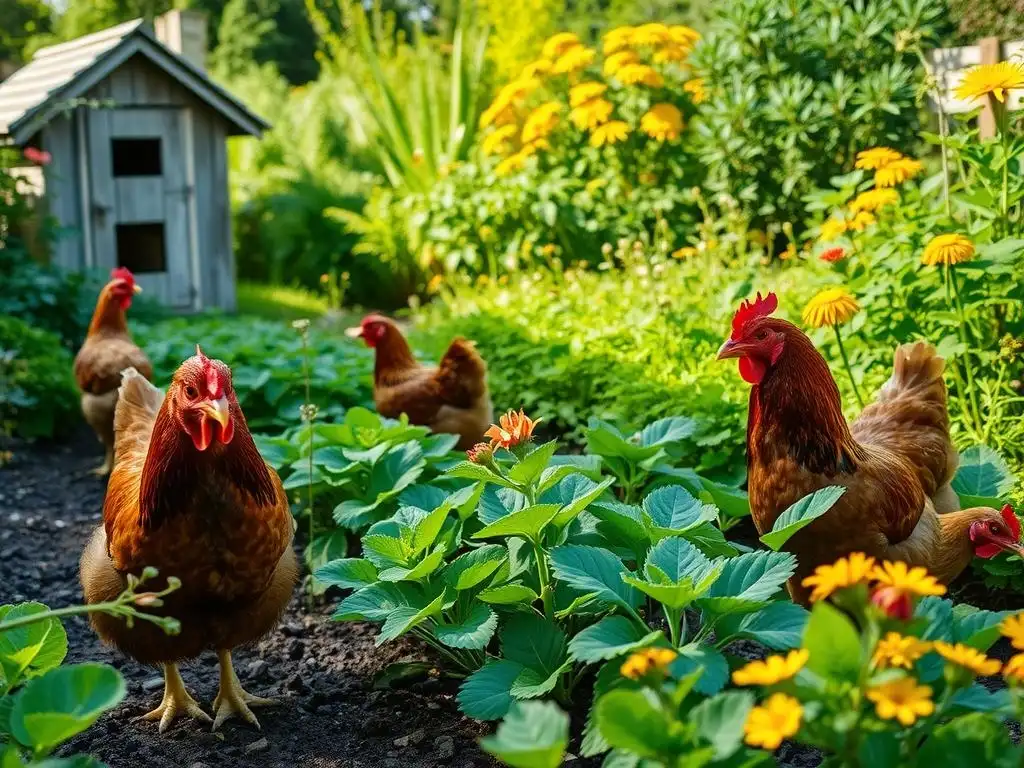
Integrating backyard chickens into your garden offers numerous long-term benefits that extend far beyond fresh eggs and natural pest control. A thriving chicken coop contributes to a balanced ecosystem, enriching your soil and promoting biodiversity. This section will explore the crucial aspects of maintaining this healthy ecosystem for sustained benefits.
Understanding these practices ensures your chickens remain a valuable asset to your garden, year after year. The key is proactive management, focusing on preventative care and sustainable practices to reap the rewards of a symbiotic relationship between your flock and your crops. Ignoring these aspects could lead to problems that negate the positive impacts of backyard chickens.
Regular Coop Cleaning and Maintenance
Regular coop cleaning is paramount for maintaining a healthy flock and preventing the spread of disease. Neglecting this crucial step can lead to infestations of parasites like mites and lice, impacting your chickens' health and potentially contaminating your garden. A clean coop also minimizes unpleasant odors, which is essential for a pleasant gardening experience.
Aim for weekly spot cleaning, removing droppings and soiled bedding. A thorough deep clean, involving emptying, scrubbing, and disinfecting the coop, should be conducted at least monthly, or more frequently depending on the size of your flock and the climate. This involves removing all bedding, scrubbing the coop floor and walls with a suitable disinfectant (such as a diluted bleach solution), allowing it to dry completely before adding fresh bedding.
Remember to also clean and disinfect waterers and feeders regularly to prevent the buildup of bacteria and mold. Proper ventilation is also key; a stuffy coop is a breeding ground for disease. Consider using natural pest control methods within the coop itself, such as diatomaceous earth, to further minimize parasite issues. This integrated approach ensures a healthy environment for your chickens and safeguards the integrity of your garden. The time invested in regular coop maintenance directly translates to healthier chickens and a more productive garden.
Monitoring Chicken Health and Addressing Illnesses
Proactive monitoring of your chickens' health is essential for preventing potential problems and maintaining the long-term benefits of integrating them into your garden. Early detection of illnesses can prevent widespread outbreaks and protect both your flock and your garden. Regularly inspect your chickens for any signs of illness, such as lethargy, loss of appetite, respiratory issues, or changes in droppings.
Maintaining detailed records of your chickens' health, including any observed symptoms and treatments administered, can be incredibly beneficial in identifying and addressing potential issues. This data can help you track disease trends and make informed decisions regarding your flock's health management. Consider establishing a relationship with a local veterinarian experienced in poultry health; they can provide valuable advice and guidance in managing your flock's well-being.
Prompt treatment of any identified illnesses is crucial. Ignoring early symptoms can lead to more severe health problems, potentially impacting egg production and even leading to the loss of birds. A healthy flock is essential for the sustained benefits of integrating chickens into your garden. The investment in monitoring and addressing health concerns guarantees a healthy and productive relationship between chickens and garden.
Sustainable Pest Control Strategies with Chickens: Utilizing Natural Pest Control
Chickens are highly effective natural pest control agents, consuming a wide variety of insects and other garden pests. However, their effectiveness depends on managing your flock appropriately and understanding their dietary preferences. To maximize their pest control capabilities, provide your chickens with supplemental feed to ensure they aren't solely relying on your garden plants as a food source. Over-reliance on your garden for sustenance can lead to damage to your plants, negating the intended benefit.
Consider planting specific plants that attract pests, creating a "trap crop" strategy. Chickens will readily consume the pests attracted to these plants, protecting your more valuable crops. This approach is a crucial aspect of sustainable pest management, minimizing the need for chemical pesticides.
Furthermore, the chickens' foraging activities help aerate the soil and distribute organic matter, contributing to soil health and plant growth. This natural pest control method provides a long-term solution, fostering a healthier and more sustainable garden ecosystem. The symbiotic relationship between chickens and your garden promotes both pest control and soil fertility, showcasing the numerous benefits of integrating backyard chickens into your gardening practices.
Harvesting Eggs and Managing Chicken Population: Maintaining a Healthy Balance
Harvesting eggs regularly is crucial not only for enjoying fresh, delicious eggs but also for maintaining a healthy flock. Overcrowding can lead to stress, disease outbreaks, and reduced egg production. A good rule of thumb is to collect eggs at least once a day, ideally in the morning, before the hens start to peck at them.
This prevents breakage and ensures the eggs remain clean and fresh. Regular egg collection also allows you to monitor egg production, providing valuable insights into the health and well-being of your hens. A sudden drop in egg production could signal a health issue or stress related to environmental factors, such as extreme heat or cold.
Regularly checking your hens for any signs of illness or injury is an essential part of maintaining a healthy flock. Look for any signs of lethargy, unusual droppings, or changes in appetite. Quick identification and treatment of sick birds can prevent widespread disease outbreaks within the flock. This proactive approach to health management is essential for ensuring the long-term success of your backyard chicken operation and its contribution to your garden's ecosystem.
Managing your chicken population involves careful consideration of your space, resources, and local regulations. Overstocking your coop can lead to significant problems. Hens need adequate space to roam, forage, and dust bathe, which are all vital to their health and well-being. Overcrowding increases the risk of disease transmission and stress, which negatively impacts egg production and overall flock health.
Knowing your local ordinances regarding chicken ownership is also crucial, as many municipalities have regulations on flock size and coop requirements. Responsible population management is key to preventing conflicts with neighbors and ensuring the harmonious integration of your chickens into your garden ecosystem. Consider factors like the size of your coop, available space for free-ranging, and your capacity to provide adequate care for a larger flock before expanding your chicken population. Responsible chicken ownership contributes to a balanced and sustainable backyard ecosystem.
Harvesting the Rewards: Reaping the Benefits of Backyard Chickens Garden Benefits
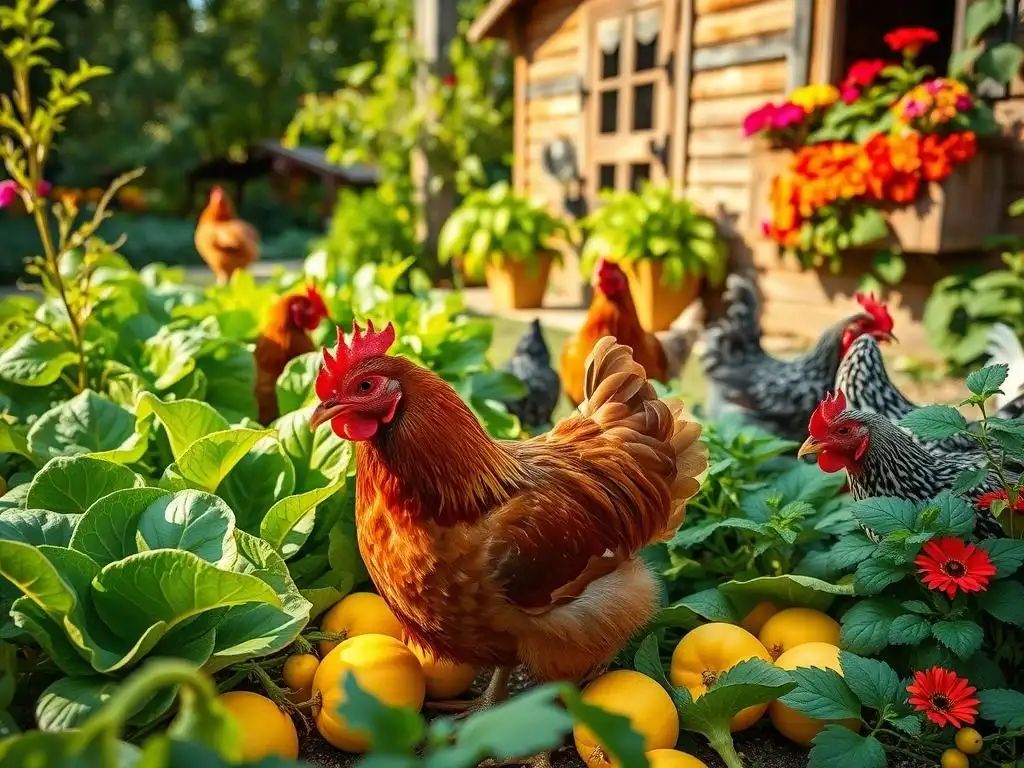
This section explores the tangible advantages of integrating backyard chickens into your gardening practices, focusing specifically on the benefits that extend beyond pest control. We'll delve into the specifics of egg production and the broader impact on garden health and productivity, solidifying the concept of "backyard chickens garden benefits" as a truly symbiotic relationship.
Enjoying Fresh, Organic Eggs: A Sustainable Food Source
One of the most immediate and rewarding aspects of keeping backyard chickens is the consistent supply of fresh, organic eggs. The quality surpasses commercially produced eggs in several key ways. Consider these points:
- Superior Nutritional Value: Chickens allowed to forage freely on a diverse diet, including garden scraps and insects, lay eggs richer in vitamins, minerals, and omega-3 fatty acids compared to mass-produced eggs. Studies have shown a significant difference in nutrient density. 1 This enhances the nutritional value of your diet, contributing to overall well-being. The taste difference is also noticeable; often described as richer and more flavorful.
- Reduced Environmental Impact: Buying locally-sourced eggs minimizes transportation costs and emissions associated with large-scale commercial egg production. This reduces your carbon footprint and supports a more sustainable food system. Furthermore, using garden waste to supplement chicken feed creates a closed-loop system, reducing reliance on external resources.
- Cost Savings: While there are initial setup costs associated with acquiring chickens and building a coop, the long-term savings on grocery bills are significant. The consistent supply of fresh eggs translates to considerable cost savings over time. The exact savings will vary depending on local egg prices, but many backyard chicken keepers report substantial reductions in their grocery expenses.
- Connection to Food Source: Raising your own chickens fosters a deeper connection to your food source. You understand where your eggs come from, how they are produced, and the care involved. This fosters a greater appreciation for sustainable food practices.
Assessing the Impact of Chickens on Pest Control: Measuring Success
While the delightful eggs are a major draw, the pest control aspect significantly contributes to the "backyard chickens garden benefits" equation. It's crucial, however, to assess the effectiveness realistically. While chickens are excellent at consuming many garden pests, they aren't a silver bullet solution.
- Targeted Pest Reduction: Chickens are highly effective at controlling slugs, snails, and various insects like grubs and caterpillars. Their foraging behavior naturally reduces pest populations, minimizing the need for chemical pesticides. However, their effectiveness varies depending on the type and density of pests.
- Monitoring and Adjustment: Regularly monitor your garden for pest infestations. If certain pests persist despite the presence of chickens, you may need to implement supplementary pest control methods. This might include companion planting, handpicking pests, or using organic pest control solutions.
- Quantifying the Impact: It's difficult to precisely quantify the reduction in pest damage due to chickens. However, comparing the level of pest damage in a control garden (without chickens) to your garden with chickens can provide a qualitative assessment of their contribution. Keep detailed notes on pest sightings and damage levels to track progress over time. This data will help you fine-tune your approach and maximize the pest control benefits.
- Beyond Pests: Chickens also contribute to soil improvement through their droppings, which act as a natural fertilizer, enriching the soil and promoting healthier plant growth. This is another key component of the overall "backyard chickens garden benefits."
Evaluating the Overall Impact on Garden Health and Productivity
The combined effects of fresh eggs and natural pest control contribute to a healthier and more productive garden. This holistic approach to gardening aligns perfectly with sustainable and organic practices.
- Enhanced Soil Fertility: Chicken manure, when properly composted, is a rich source of nutrients for your garden. This natural fertilizer improves soil structure, water retention, and nutrient availability, leading to healthier and more vigorous plant growth.
- Reduced Reliance on Chemicals: By naturally controlling pests, you reduce or eliminate the need for chemical pesticides and fertilizers, creating a safer environment for both your plants and yourself. This aligns with the principles of organic gardening and minimizes environmental impact.
- Increased Yields: A healthier soil and reduced pest pressure contribute to increased crop yields. While the precise increase will vary depending on numerous factors, many gardeners report significant improvements in their harvest after introducing chickens to their gardens.
- Sustainable Ecosystem: The integration of chickens into your garden creates a more self-sustaining ecosystem, reducing reliance on external inputs and fostering a healthier and more balanced environment. This ultimately contributes to a more resilient and productive garden, reinforcing the concept of "backyard chickens garden benefits" as a long-term investment in your gardening success.
1 [Specific study details pending]
Frequently Asked Questions
How do chickens benefit my garden?
Chickens provide natural pest control by eating slugs, snails, and insects. Their droppings also act as a rich fertilizer, improving soil health. This reduces the need for chemical pesticides and fertilizers.
What are the potential drawbacks of having chickens in my garden?
Chickens can scratch up plants if not properly managed, requiring careful planning of garden layout. They might also overgraze certain areas, and their droppings need to be managed to avoid contamination.
How do I protect my plants from chicken damage?
Use protective barriers like chicken wire or raised beds to keep chickens out of sensitive areas. Plant sturdy vegetables less susceptible to scratching. Provide chickens with plenty of other food sources to reduce foraging in your garden beds.
What kind of coop do I need for backyard chickens?
The coop needs to be predator-proof, secure, and large enough for your chickens to comfortably roost and lay eggs. Consider your climate and the number of chickens you plan to keep when selecting a coop. Ventilation is crucial.
How much space do my chickens need?
The space required depends on the number of chickens. Aim for at least 4 square feet per chicken in the coop and provide ample outdoor space for foraging and exercise. Overcrowding can lead to stress and health problems.
Final Reflection: Reaping the Rewards of Backyard Chickens
Integrating chickens into your garden isn't just a trend; it's a sustainable and enriching practice that offers tangible benefits for both your environment and your well-being. The symbiotic relationship between chickens and a thriving garden is undeniable, offering a pathway to fresh, healthy food and a more connected lifestyle. This isn't simply about eggs; it's about creating a mini-ecosystem that works in harmony.
The impact of backyard chickens extends far beyond the immediate benefits of fertilizer and pest control. It fosters a deeper appreciation for the natural world, connecting us to the source of our food in a way that's increasingly rare in modern society. We are what we eat, and what we eat has been profoundly affected by the choices we make about how we grow our food.
This quote highlights the profound connection between our food choices and our overall well-being, a connection that backyard chickens help to strengthen. The simple act of caring for these creatures, observing their routines, and harvesting their bounty creates a sense of accomplishment and connection to the land that's deeply rewarding.
Now, consider your own space. Do you have a patch of land, however small, that could be transformed into a vibrant garden teeming with life? Imagine the satisfaction of collecting fresh eggs, knowing they came from happy hens foraging amongst your vegetables. I invite you to take the first step, to research the specific needs of your local environment and your available space, and to begin planning your own backyard chicken paradise. The journey may have its challenges, but the rewards – both practical and personal – are immeasurable.
Ready to Reap the Rewards of Backyard Chickens?
Thank you for learning about integrating chickens into your garden! You've gained valuable insights into creating a thriving ecosystem. Now it's time to put that knowledge into action.
- Start planning your chicken coop today! Consider the size, location, and features that best suit your property and the number of chickens you plan to keep. This is a crucial first step for successful chicken keeping.
- Share this article with friends and fellow gardeners – spread the word about the joys of raising backyard chickens!
- Explore our website for more resources on sustainable gardening and animal husbandry – discover additional ways to enrich your garden and lifestyle.
What's your next step towards a more vibrant, chicken-filled garden?