
Chicken Health and Wellness: Essential Tips for Owners
Discover how integrating animals in the garden can create a healthier, more productive, and sustainable backyard ecosystem. Learn organic strategies for supporting pollination, improving soil fertility, managing pests naturally, and enjoying fresh homegrown food while caring responsibly for helpful garden animals. CultivateYourFood offers practical guidance for creating a thriving edible garden where nature works alongside you.
24 articles
Building a Chicken Coop: Essential Considerations for Pest Control
Honeybee Foraging Habits: Where Do They Find Their Food?
How to Find a Mentor for Beekeeping: Learning from the Experts
Chicken Breeds That Excel at Pest Control
Top Plants to Attract Bees to Your Garden: Create a Pollinator Paradise
Chickens and Compost: A Perfect Partnership for Garden Health
Backyard Chicken Laws: What You Need to Know
How to Encourage Bees to Pollinate Your Garden: Tips and Tricks
The Benefits of Beekeeping: Beyond Honey, a Boost for Your Garden
How to Read a Honeycomb: A Visual Guide to Colony Health
How to Introduce Chickens to Your Garden
Integrating Animals in the Garden: Sustainable Pollination, Pest Control, and Homesteading 🐝🐔
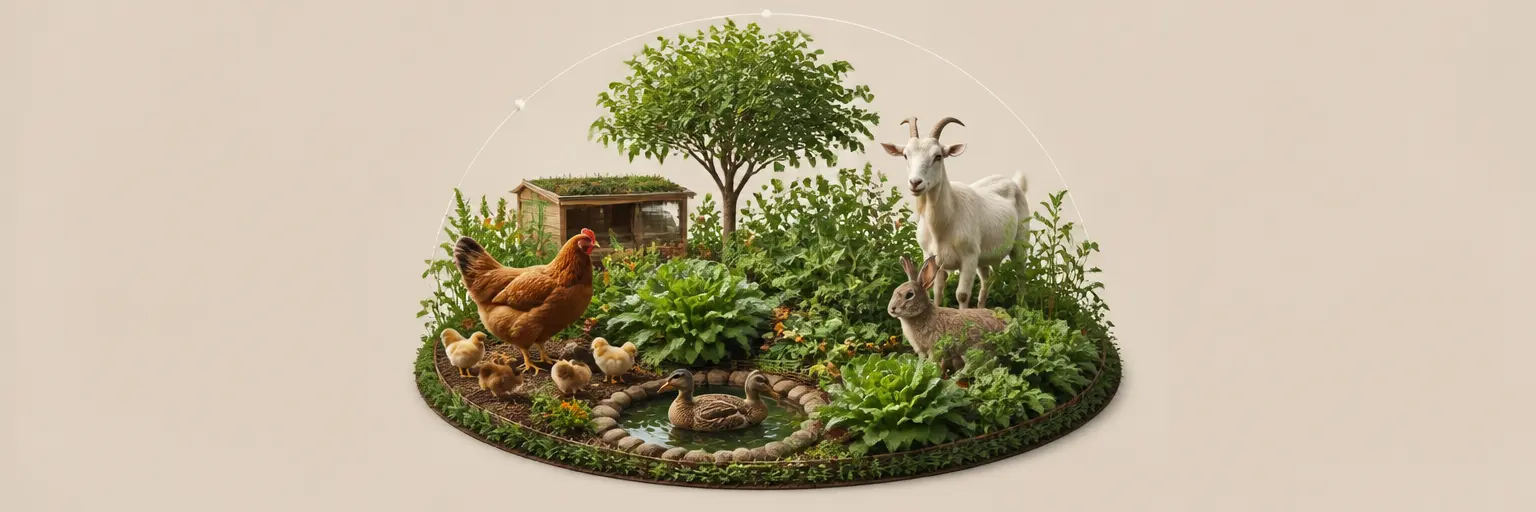
Integrating animals in the garden is a practical, sustainable way to improve soil health, support pollination, manage pests, and produce fresh food at home. At CultivateYourFood, this category explores responsible garden livestock and beneficial animals for organic gardening, including beekeeping for pollination and honey and backyard chickens for pest control and eggs.
Discover how carefully managed animals can complement fruit, vegetable, and herb gardens while reducing reliance on chemical pesticides and synthetic inputs. You will find guidance on animal welfare, garden safety, housing, feeding, seasonal care, composting, and responsible integration into a sustainable home food system.
🐝 Beekeeping for Pollination and Honey
Learn how honey bees can strengthen an organic garden by pollinating fruit trees, berries, squash, cucumbers, melons, and other flowering crops. This subcategory covers the fundamentals of backyard beekeeping, including hive placement, protective equipment, bee-friendly plants, seasonal hive inspections, and ways to create a safe environment for both bees and gardeners.
Readers can also explore sustainable honey production, swarm prevention, water sources, and common hive health concerns. Healthy pollinators can improve fruit set and garden productivity, while planting diverse nectar- and pollen-rich flowers helps support bees throughout the growing season.
🐔 Backyard Chickens for Pest Control and Eggs
Backyard chickens can provide fresh eggs, natural garden pest management, and nutrient-rich manure for composting. This subcategory explains how to choose suitable breeds, design a secure chicken coop, protect birds from predators, and provide balanced feed, clean water, dust-bathing areas, and appropriate shelter.
You will also learn how to use chickens responsibly around edible crops. Because chickens may scratch seedlings, eat beneficial insects, and disturb soil, managed access, fencing, and rotation are essential. Guidance includes composting chicken manure safely, maintaining hygiene, and creating a balanced system that supports both poultry health and productive organic gardening.
❓ Frequently Asked Questions About Animals in the Garden
Can animals improve the productivity of an organic garden?
Yes. Bees can improve pollination and fruit production, while chickens may help reduce certain insect pests and provide manure for compost. Animals should be integrated carefully so they support the garden without damaging plants, compacting soil, or disturbing beneficial wildlife.
Are backyard bees suitable for every garden?
Not always. Before keeping bees, check local regulations, available space, nearby neighbors, and access to flowering plants and clean water. Beginners should learn basic hive management and consider guidance from a local beekeeping association or experienced beekeeper.
Can chickens roam freely among vegetables?
Free-ranging chickens can damage seedlings, scratch around plant roots, eat crops, and disturb soil. It is usually better to use chicken runs, temporary fencing, or supervised access. Chickens can be allowed into garden beds after harvest or used in designated areas for pest control and soil preparation.
How should chicken manure be used in the garden?
Fresh chicken manure is high in nitrogen and may burn plants or contain pathogens. Compost it thoroughly with carbon-rich materials such as dry leaves, straw, or shredded cardboard before applying it to garden soil. Use finished compost according to crop and local food-safety recommendations.
What other ways can gardeners support beneficial animals?
Plant native flowers, provide shallow water sources, avoid broad-spectrum pesticides, preserve sheltered spaces, and grow plants that bloom across multiple seasons. These practices can support bees, butterflies, birds, predatory insects, and other helpful wildlife while strengthening a sustainable garden ecosystem.