
Attracting Wildlife: Enhancing Your Sensory Garden for Children

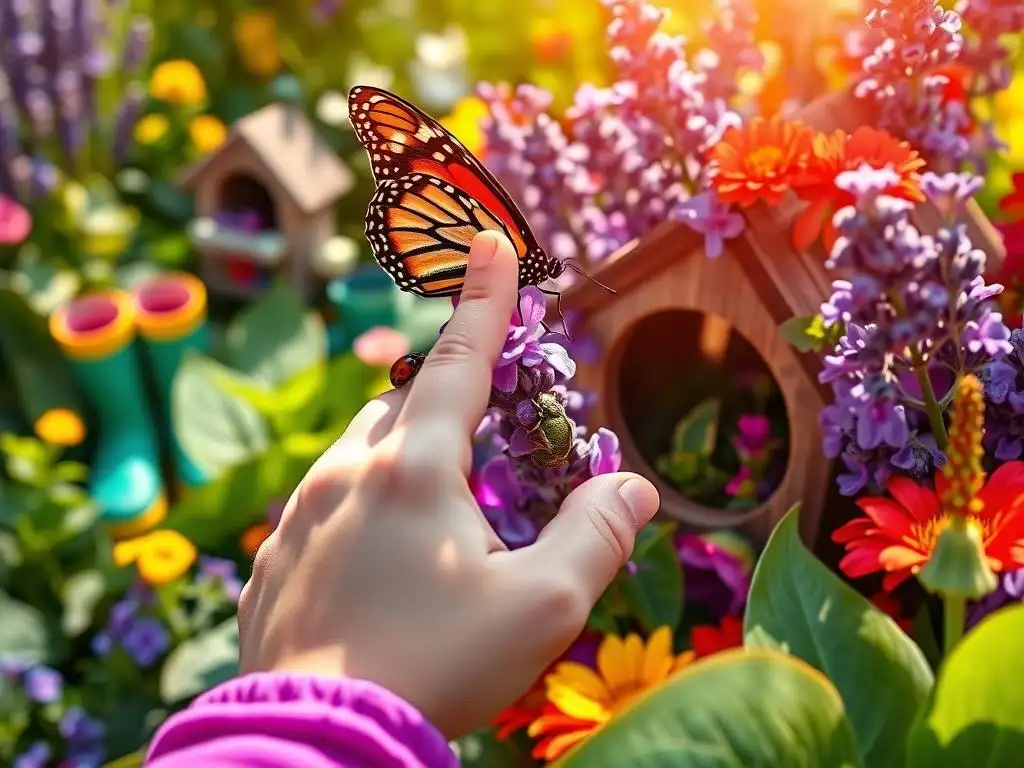
Ready to transform your backyard into a vibrant ecosystem teeming with life? At CultivateYourFood, we believe everyone can grow their own food sustainably. This article delves into the enchanting world of Kids' sensory garden wildlife, showing you how to create a haven for beneficial insects and animals while engaging your children in the wonder of nature. Discover simple, organic methods to attract wildlife and foster a deeper connection with the natural world – let's cultivate a garden that's both beautiful and buzzing with activity!
- Designing a Kids' Sensory Garden for Wildlife Attraction
- Enhancing Sensory Experiences to Attract Wildlife
- Safeguarding Children and Wildlife in the Sensory Garden
- Maintaining a Thriving Kids' Sensory Garden Ecosystem
- Expanding Your Kids' Sensory Garden Wildlife: Beyond the Basics
-
Frequently Asked Questions
- What kind of plants attract wildlife beneficial to a kids' sensory garden?
- How can I make my sensory garden safe for both children and wildlife?
- What are some easy-to-grow plants for a kids' sensory garden that also attract wildlife?
- How can I incorporate wildlife-friendly features into my sensory garden design?
- What are some ways to engage children in attracting wildlife to the sensory garden?
- Final Reflection: Nurturing Nature's Wonders in Our Children's Worlds
- Unleash Nature's Wonders: Create Your Child's Sensory Wildlife Haven
Designing a Kids' Sensory Garden for Wildlife Attraction
Creating a thriving sensory garden for children isn't just about stimulating their senses; it's also a fantastic opportunity to connect them with the natural world and foster a love for wildlife. This article explores how to design a sensory garden that not only delights children with its textures, smells, and sounds but also attracts beneficial wildlife, creating a vibrant and enriching ecosystem right in your backyard.
We'll delve into plant selection, habitat creation, and ensuring the safety of both children and the animals that visit your garden. This approach will help you build a space that's both engaging and ecologically sound, teaching children about biodiversity and responsible environmental stewardship.
Learning about the interconnectedness of plants and animals in a hands-on environment is a powerful way to instill a lifelong appreciation for nature, making your garden a valuable educational tool for the whole family. Let's transform your garden into a haven for both kids and wildlife!
Choosing Wildlife-Friendly Plants for a Children's Sensory Garden
Selecting the right plants is crucial for attracting a diverse range of wildlife. Think beyond just visual appeal; consider the plants' ability to provide food and shelter for local animals. For example, sunflowers 🌻 offer seeds for birds, while butterfly bushes attract, well, butterflies! 🦋 Consider including native plants, as these are best adapted to your local climate and provide the most benefit to local wildlife. A diverse range of plant heights and textures will also attract a wider variety of creatures. Here's a sample plant list to get you started:
| Plant Type | Wildlife Attracted | Sensory Qualities | Notes |
|---|---|---|---|
| Lavender | Bees, butterflies | Fragrant, soft texture | Drought-tolerant, attracts pollinators |
| Coneflowers | Bees, butterflies, birds | Vibrant colors, interesting seed heads | Long blooming period, attracts beneficial insects |
| Milkweed | Monarch butterflies | Interesting pods, milky sap (handle with care) | Essential for monarch butterfly lifecycle |
| Goldenrod | Bees, butterflies, birds | Bright yellow flowers, tall stems | Native plant, provides late-season nectar |
| Berry bushes (e.g., raspberries, blueberries) | Birds, small mammals | Edible berries, interesting foliage | Provide food source, consider thorny varieties for protection |
Remember to research plants native to your region for optimal results. Avoid using pesticides or herbicides, as these can harm wildlife.
Incorporating Natural Habitats: Creating Shelter and Nesting Sites for Wildlife
Attracting wildlife goes beyond planting flowers; it's about providing suitable habitats. Creating diverse microhabitats within your sensory garden is key. This might involve:
- Building a small rock pile: Provides shelter for insects, lizards, and small mammals.
- Installing a birdhouse or bird feeder: Attracts various bird species.
- Creating a small pond or water feature (if space allows): Attracts amphibians, birds, and beneficial insects.
- Leaving some areas slightly unkempt: Provides cover for insects and other small creatures. Think "messy" but managed.
- Adding a log pile: This provides shelter and a home for a multitude of insects, amphibians and small animals.
Remember to make sure any structures are safe and sturdy, especially if children will be playing nearby.
Selecting Safe and Engaging Plants for Children's Interaction with Wildlife
While encouraging wildlife interaction is beneficial, safety is paramount. Choose plants that are non-toxic to children and avoid those with thorns or poisonous berries. Opt for plants with interesting textures, like fuzzy lamb's ear or soft grasses, to engage children's tactile senses. Consider adding a small, shallow birdbath where children can observe birds drinking and bathing.
Always supervise children when they are interacting with wildlife or exploring the garden. Teach them to observe animals from a distance and respect their space. A well-designed sensory garden can be a beautiful and educational experience for children, fostering a connection with nature and a lifelong appreciation for wildlife. Remember that patience is key; it may take some time for wildlife to discover and inhabit your newly created haven.
Enhancing Sensory Experiences to Attract Wildlife
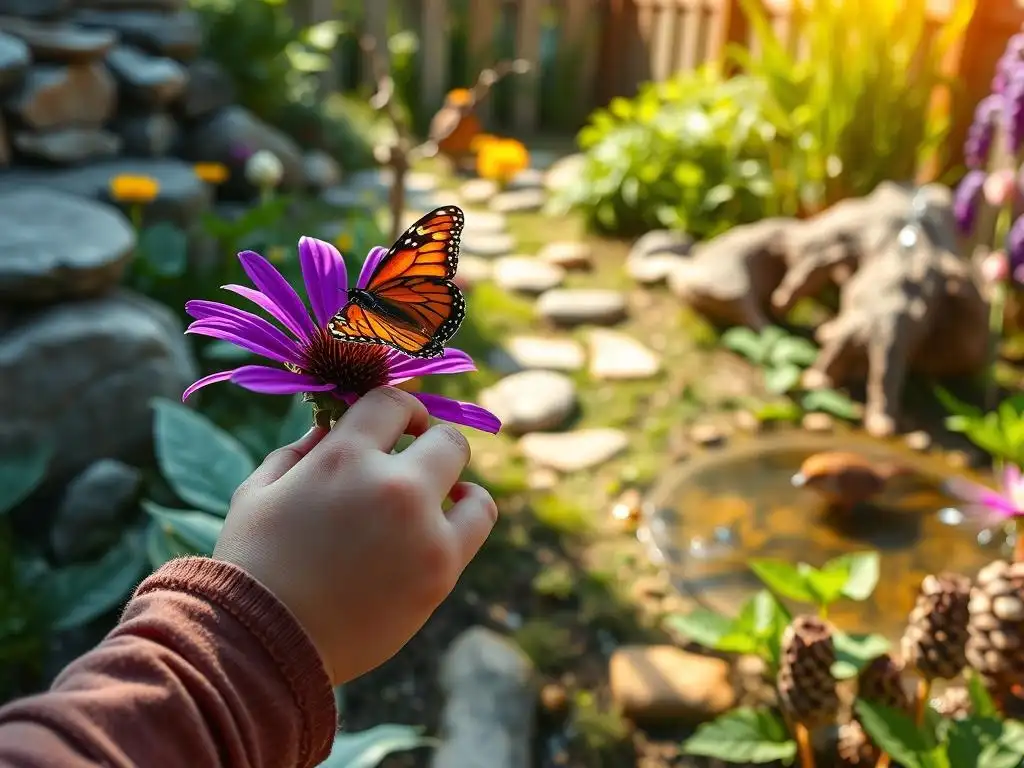
This section focuses on designing a kids' sensory garden that not only delights children but also attracts beneficial wildlife, creating a vibrant and enriching ecosystem. By strategically incorporating elements that appeal to various senses, we can foster a haven for creatures like butterflies, bees, ladybugs, and birds, all while providing an engaging experience for young gardeners. Remember, a thriving ecosystem is a healthy ecosystem, and a healthy ecosystem is a happy one for both kids and wildlife! This approach to a "Kids' sensory garden wildlife" project promotes biodiversity and teaches children about the interconnectedness of nature.
Engaging the Sense of Sight: Colorful Flowers and Dynamic Movement
Visual stimulation is key to attracting wildlife and captivating children. Brightly colored flowers are irresistible to pollinators like bees and butterflies. Consider planting a diverse range of blooms in varying heights and colors. Think vibrant sunflowers, cheerful zinnias, and delicate cosmos – each offering a unique visual appeal.
Beyond flowers, incorporate plants with dynamic movement. Grasses that sway gently in the breeze, or plants with fluttering leaves, add an element of intrigue. These moving elements can attract insects and birds searching for food or shelter. The visual diversity will keep children entertained and engaged, fostering a deeper appreciation for the natural world.
Consider adding a small bird bath; the shimmering water adds another captivating visual element and provides a vital water source for birds. Remember, the goal is to create a visually rich environment that is both aesthetically pleasing and ecologically sound. Data from studies on pollinator attraction show that a higher diversity of flower colors correlates with higher pollinator visitation rates. This means a wider variety of colors in your garden will contribute to a more thriving ecosystem.
Stimulating the Sense of Sound: Water Features and Wildlife Sounds
The soundscape of your garden plays a crucial role in attracting wildlife and creating a sensory-rich experience for children. A small, gently trickling water feature, such as a birdbath or a small fountain, introduces a soothing and captivating sound. The sound of running water attracts birds and other animals seeking a drink, while also providing a calming and meditative atmosphere for children.
Beyond water features, consider planting plants that attract birds known for their melodious songs. For example, berry bushes can attract birds like robins and thrushes, providing both food and delightful sounds. The gentle rustling of leaves in the breeze, the buzzing of bees, and the chirping of crickets all contribute to a vibrant soundscape that enhances the overall sensory experience. Remember that the sounds of nature are incredibly calming and stimulating for children, contributing to a peaceful and engaging play environment. This approach helps build an understanding of the sounds associated with a healthy, thriving ecosystem.
Appealing to the Sense of Smell: Fragrant Herbs and Flowers
Fragrant plants are a wonderful way to engage the sense of smell, both for children and wildlife. Herbs like lavender, rosemary, and mint offer delightful aromas and attract beneficial insects. These herbs also have practical uses, providing opportunities for children to participate in cooking and crafting activities, further enhancing their connection to the garden.
Similarly, flowers with strong scents, such as roses, honeysuckle, and jasmine, attract pollinators and add a delightful olfactory dimension to the garden. Consider planting these fragrant plants near seating areas so children and adults can enjoy their scents more fully. Remember that the sense of smell is strongly linked to memory and emotion, making fragrant plants a powerful tool for creating positive associations with the garden.
The scent of herbs and flowers can also help attract beneficial insects that act as natural pest control, reducing the need for harmful chemicals. This approach aligns with sustainable and organic gardening practices, teaching children about environmentally friendly methods.
Textures and Tactile Exploration: Diverse Plant Choices for Children
Creating a sensory garden for kids that also attracts wildlife necessitates careful plant selection. Children are naturally drawn to diverse textures, and incorporating plants with varying tactile qualities enhances their engagement and learning experience. This, in turn, makes the garden a more inviting habitat for beneficial insects and small animals.
Consider including plants with fuzzy leaves, like lamb's ear ( Stachys byzantina), which offer a soft, comforting texture perfect for gentle stroking. Children will love running their fingers over the velvety surface, while pollinators like bees appreciate the dense hairs that provide protection and warmth. Conversely, plants with smooth, waxy leaves, such as succulents or certain hostas, offer a contrasting tactile experience. The coolness and smoothness of these leaves provide a different sensory input.
Beyond leaves, think about incorporating plants with interesting stems. Plants with prickly or thorny stems, like raspberries or roses (carefully chosen and placed to avoid injury), can be fascinating to observe from a safe distance, introducing children to the concept of plant defense mechanisms. The presence of these plants can also attract birds and other wildlife that might feed on the berries or nectar. Alternatively, plants with smooth, sturdy stems, like sunflowers, offer a different textural experience and provide vertical elements attractive to climbing insects.
Remember to consider the height and arrangement of the plants. Low-growing plants allow for easy access and exploration for younger children, encouraging direct interaction. Taller plants, strategically placed, can provide shelter and nesting sites for beneficial insects and small animals, further enhancing the biodiversity of your kids' sensory garden. This careful consideration of plant selection and placement creates a rich tapestry of textures and a welcoming environment for both children and wildlife.
The diverse textures also help to engage children’s sense of touch, increasing their overall appreciation and understanding of the natural world. This approach fosters a deeper connection with nature, encouraging environmental stewardship from a young age. The interplay of textures also enhances the aesthetic appeal of the garden, making it a visually stimulating and engaging space for everyone.
Safeguarding Children and Wildlife in the Sensory Garden
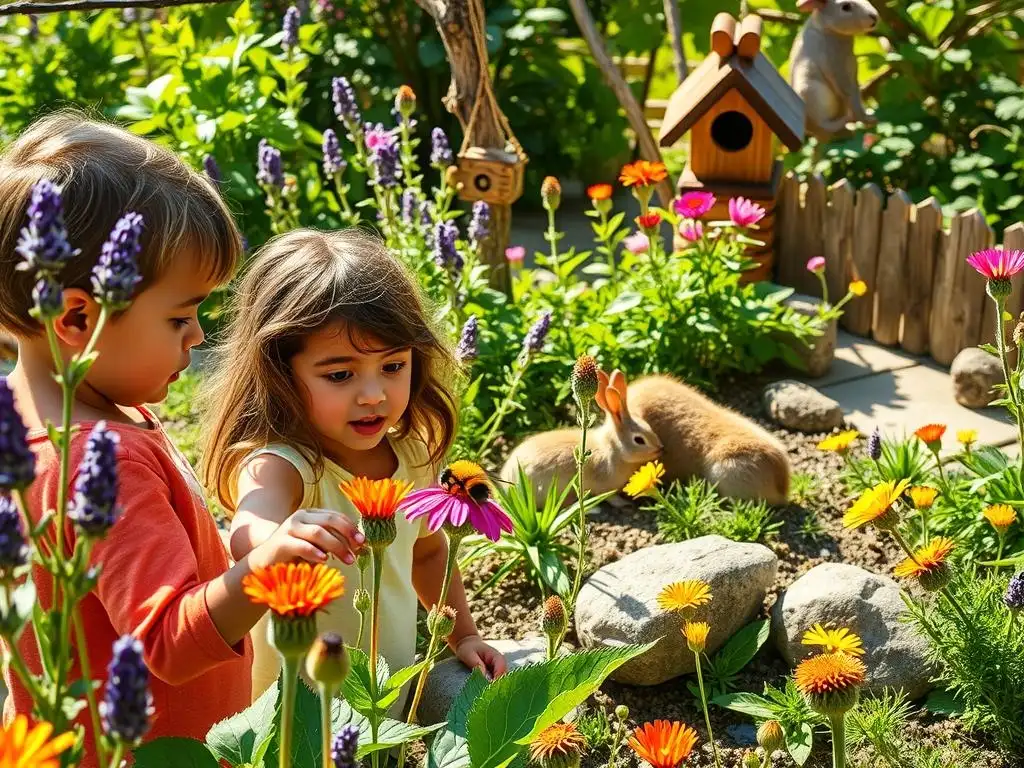
Creating a vibrant kids' sensory garden that attracts wildlife requires careful planning to ensure the safety of both children and animals. This section focuses on practical strategies to minimize risks and maximize the educational benefits of wildlife encounters. A successful sensory garden for kids balances wonder with responsible stewardship.
Non-Toxic Plants and Pest Control Methods for Children's Safety
Choosing non-toxic plants is paramount in a children's sensory garden. Many common garden plants, while beautiful, can be harmful if ingested. Prioritize species known for their low toxicity. For example, instead of potentially harmful nightshades, consider planting sunflowers, zinnias, and marigolds – all visually appealing and safe for little ones to touch and even (in moderation) taste.
Remember that even non-toxic plants can cause allergic reactions in some children. Always supervise young children closely in the garden and encourage handwashing after playtime.
Pest control presents another crucial safety consideration. Avoid harsh chemical pesticides that can harm children, pets, and beneficial insects. Instead, opt for natural pest control methods. These include:
- Beneficial insects: Introducing ladybugs, lacewings, and praying mantises can help control aphid and other pest populations naturally.
- Companion planting: Strategically planting herbs like basil, mint, and rosemary alongside vulnerable plants can deter pests.
- Diatomaceous earth: This natural powder is effective against many common garden pests and is generally considered safe for humans and pets when used as directed.
- Neem oil: A natural insecticide derived from the neem tree, effective against a wide range of insects. Always follow label instructions carefully.
Implementing these techniques reduces the need for potentially harmful chemicals, creating a healthier and safer environment for everyone. Regular monitoring for pests is crucial, allowing for early intervention with natural methods. Remember to always keep pesticides, even natural ones, out of children's reach.
Creating Safe Boundaries and Observation Areas
Establishing clear boundaries and designated observation areas is essential for both child and wildlife safety. This involves creating physical barriers that prevent children from accidentally disturbing wildlife nests or habitats while also providing safe spaces for observation.
- Fencing: Consider using low fences around particularly sensitive areas, such as bird feeders or nesting sites, to keep children at a safe distance. Choose child-safe materials that won't cause injury.
- Designated viewing areas: Create small, sheltered areas with benches or low walls where children can comfortably observe wildlife from a distance. This encourages respectful observation rather than intrusive interaction.
- Signage: Simple, child-friendly signs can reinforce safe practices. For instance, a sign indicating "Quiet Zone: Observe the birds!" can encourage calm behavior near sensitive areas.
- Supervision: Constant supervision, especially with younger children, is vital. Adults should always be present to guide children's interactions with wildlife and ensure their safety.
By thoughtfully designing these spaces, you establish a harmonious balance between providing children with exciting wildlife encounters and protecting both the children and the animals. Remember, the goal is to foster appreciation and respect for nature, not to encourage disruptive contact.
Educating Children about Responsible Wildlife Interaction
A kids' sensory garden provides a unique opportunity for environmental education. Teaching children about responsible wildlife interaction is crucial to ensuring the long-term health of the ecosystem and the safety of both children and animals.
- Observation, not interaction: Emphasize the importance of observing wildlife from a distance. Explain that disturbing animals, their nests, or their habitats can cause stress and harm.
- Leave no trace: Teach children to leave the garden exactly as they found it. This includes not disturbing plants, leaving food scraps behind, or taking anything from the natural environment.
- Respect for habitats: Explain the importance of maintaining a healthy habitat for wildlife. This includes providing food and water sources, creating shelter, and avoiding the use of harmful chemicals.
- Wildlife identification: Encourage children to learn about the different plants and animals in the garden through books, online resources, or guided nature walks. This fosters a sense of connection and respect for the natural world.
By incorporating these educational elements into your sensory garden experience, you're not just creating a beautiful space; you're cultivating responsible environmental stewards. The garden becomes a living classroom, fostering a lifelong appreciation for nature and its inhabitants. This approach helps establish a positive relationship between children and wildlife, promoting conservation awareness from a young age.
Minimizing Disturbances to Nesting Areas and Habitats
Creating a haven for wildlife in your children's sensory garden requires careful consideration of nesting birds, insects, and other creatures. Avoid disturbing potential nesting sites during the crucial breeding season, typically spring and early summer. This means minimizing activity near bushes, trees, and ground cover where animals might be nesting. For example, if you notice a bird actively building a nest in a shrub, avoid pruning or trimming that specific area until after the young have fledged. Similarly, avoid using loud machinery or making excessive noise near potential nesting areas.
The sudden disruption can cause stress and even lead to the abandonment of nests, endangering the young. Remember, a quiet and undisturbed environment is key to fostering a thriving wildlife population. Observe your garden regularly to identify potential nesting areas and plan activities accordingly. Consider creating visual barriers, such as strategically placed plants, to subtly discourage children from approaching sensitive areas without completely restricting access to the garden. Education is also key; teach children about the importance of respecting wildlife habitats and the delicate balance of the ecosystem.
This gentle approach will not only protect wildlife but also instill in children a deep appreciation for nature and responsibility towards its preservation. Remember that even seemingly harmless activities, such as frequent weeding or digging, can disrupt delicate ecosystems. Therefore, careful planning and mindful engagement with the garden are paramount for both children and wildlife. A well-planned sensory garden should prioritize the well-being of all its inhabitants, fostering a harmonious coexistence between children and nature.
Maintaining a Thriving Kids' Sensory Garden Ecosystem
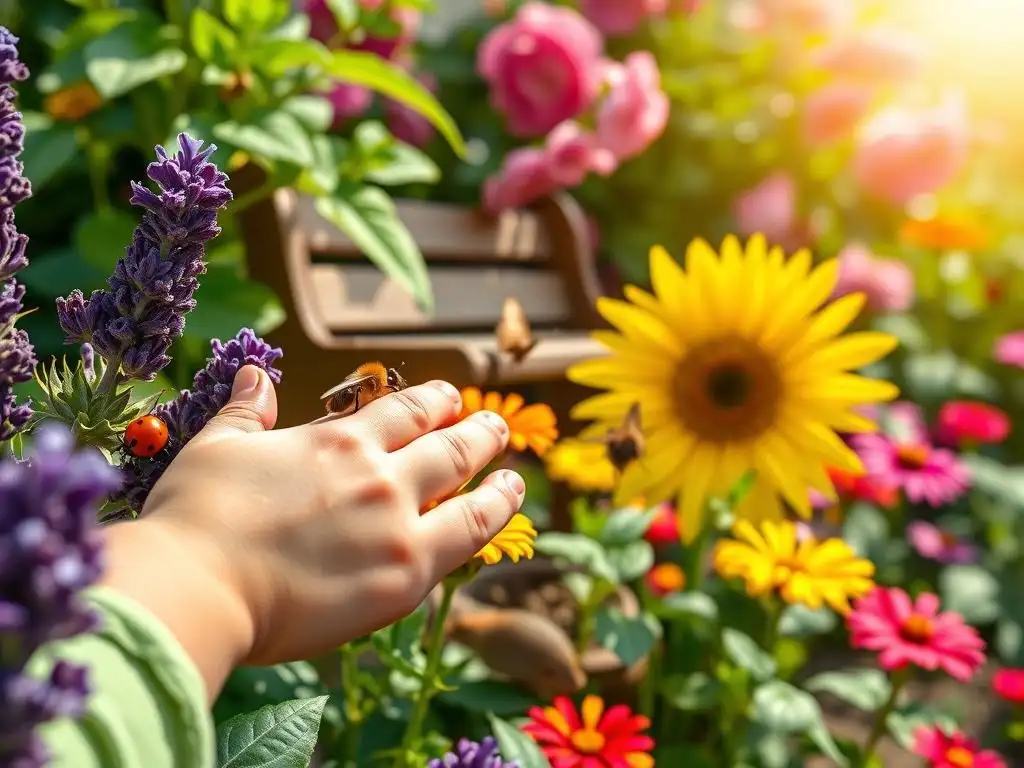
Creating a vibrant and engaging kids' sensory garden that also supports local wildlife requires careful planning and consistent maintenance. This section focuses on practical strategies to ensure your garden flourishes, providing both sensory stimulation for children and a healthy habitat for beneficial insects, birds, and other animals. Remember, a thriving ecosystem is a self-regulating one, minimizing your need for harsh chemicals and maximizing the natural beauty of your space. This approach aligns perfectly with the principles of organic gardening and provides a safe and enriching environment for your children.
Sustainable Watering Practices for Wildlife and Plants
Water conservation is crucial for a healthy garden and for supporting local wildlife. Overwatering can lead to fungal diseases and attract pests, while underwatering stresses plants, making them vulnerable. Implementing smart watering techniques benefits both your plants and the creatures that depend on them.
Consider using a drip irrigation system or soaker hoses. These methods deliver water directly to the roots, minimizing evaporation and reducing water waste. This is especially important during hot and dry periods. Remember to water deeply but less frequently, encouraging deep root growth for drought tolerance. Observe your plants; they'll tell you when they need a drink! Wilting leaves are a clear sign of thirst.
For wildlife, providing a clean water source is essential. A shallow bird bath or a small pond (even a repurposed container) can attract beneficial birds and insects. Ensure the water source is regularly cleaned to prevent the breeding of mosquitoes. Think about the placement too; provide some cover nearby to protect visiting animals from predators. A bird bath in a shady spot will stay cooler and cleaner for longer. Think of this as part of your overall “Kids' sensory garden wildlife” strategy.
Natural Pest Control Strategies in the Children's Sensory Garden
Creating a balanced ecosystem is key to deterring pests naturally. Instead of relying on harmful pesticides, attract beneficial insects like ladybugs and lacewings, which prey on common garden pests like aphids. You can do this by planting nectar-rich flowers that attract these beneficial insects. Think of it as creating a mini-food web within your sensory garden!
- Planting Marigolds: These vibrant flowers repel many common garden pests.
- Introducing Companion Plants: Certain plants, when grown together, can protect each other from pests. For example, basil planted near tomatoes helps repel tomato hornworms.
- Handpicking Pests: For small infestations, handpicking pests is a simple and effective method, especially engaging for children. It's a great learning opportunity!
- Diatomaceous Earth: This natural powder is a safe and effective way to control many crawling insects. Sprinkle it lightly around the base of vulnerable plants.
Remember, a healthy, diverse garden is less susceptible to pest infestations. Avoid monocultures – planting many of the same species together – as this can make your garden more vulnerable to widespread pest attacks. A diverse garden provides a more balanced ecosystem.
Regular Garden Maintenance for a Healthy Ecosystem
Regular maintenance is key to a thriving sensory garden for kids. This includes weeding, mulching, and composting, all crucial aspects of organic gardening.
Weeding prevents competition for resources, ensuring your plants get the nutrients they need. Mulching helps retain moisture, suppresses weeds, and improves soil health. Composting provides a natural and sustainable way to enrich your soil, reducing the need for chemical fertilizers. It's also a fantastic educational opportunity for kids – showing them the magic of nature's recycling system!
Regularly inspect your plants for signs of disease or pests. Early detection allows for timely intervention, preventing minor problems from escalating. Pruning overgrown plants helps improve air circulation and sunlight penetration, reducing the risk of fungal diseases. Regularly inspecting and cleaning your water sources will also prevent problems. Remember, a little bit of consistent care goes a long way in ensuring the long-term health and vibrancy of your "Kids' sensory garden wildlife" haven. This consistent care will create a positive experience for your children and the wildlife that visits your garden.
Encouraging Children's Participation in Garden Care
Children are naturally curious and eager to explore the world around them. A sensory garden provides the perfect opportunity to engage their innate interest and foster a love for nature. However, simply creating the garden isn't enough; active participation in its care is crucial for developing a sense of responsibility and appreciation for the ecosystem. This doesn't require complex tasks; rather, age-appropriate activities are key.
For younger children (ages 3-5), simple tasks like watering plants with small watering cans, weeding with tiny hands (supervised, of course! ), and collecting fallen leaves for composting can be incredibly rewarding. Make it a game! "Let's see who can water the most thirsty sunflowers!" or "Let's find all the sneaky weeds hiding amongst the herbs!" These playful approaches transform chores into fun adventures.
Older children (ages 6-10) can handle more complex tasks. They can assist in planting seeds, transplanting seedlings, and even learning basic pest control methods. Involving them in the decision-making process—choosing which plants to grow, designing the layout of the garden—further enhances their engagement and ownership. Consider creating a simple chart to track plant growth, recording measurements and observations. This introduces basic scientific principles while nurturing their observational skills.
For teenagers, the opportunities expand further. They can take on more responsibility for maintaining the garden, including more advanced composting techniques, designing and implementing irrigation systems, and researching and implementing natural pest control strategies. This fosters independence and problem-solving abilities, while also providing a valuable learning experience. This hands-on involvement teaches them the importance of sustainability and environmental stewardship, preparing them to become responsible gardeners and global citizens. Remember to always emphasize safety and supervise younger children closely during any gardening activity.
Providing age-appropriate tools and clear instructions ensures a positive and productive experience for everyone. The goal is to create a fun and engaging experience, not a chore. Celebrate successes together, and don't be afraid to embrace occasional setbacks as learning opportunities. The focus should be on the joy of nurturing life and connecting with nature.
Expanding Your Kids' Sensory Garden Wildlife: Beyond the Basics
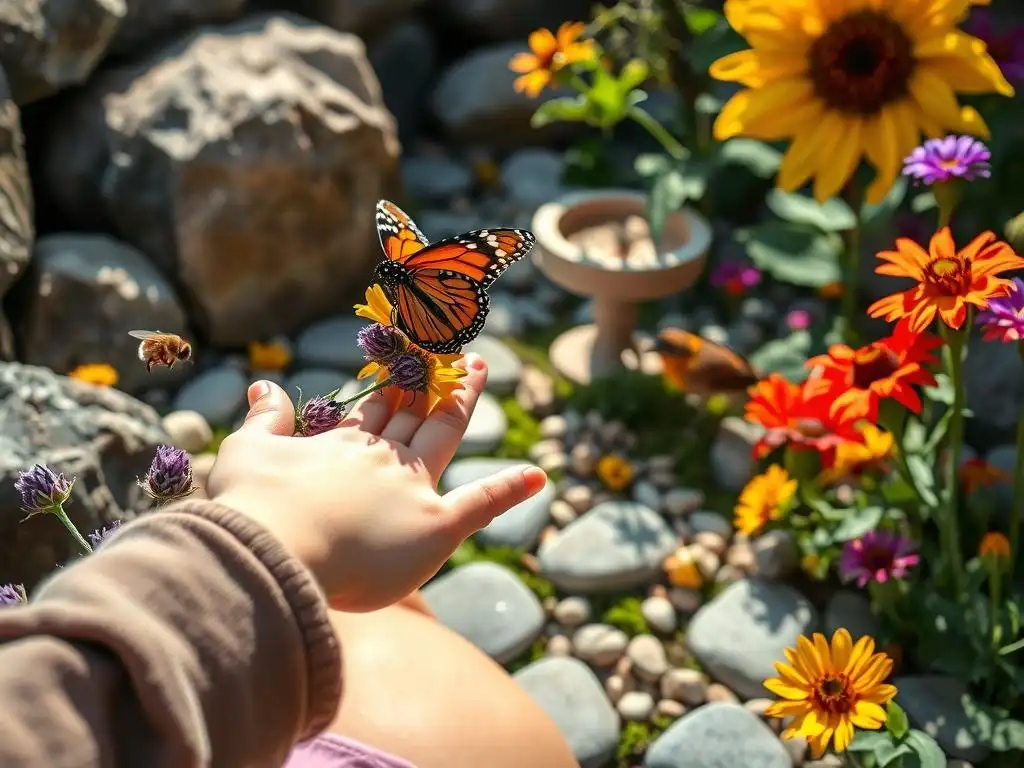
This section delves into strategies for attracting a wider variety of wildlife to your children's sensory garden, transforming it into a vibrant ecosystem teeming with life. Remember, a truly engaging sensory garden for kids isn't just about stimulating their senses; it's about fostering a connection with nature and understanding the intricate web of life within it. We'll explore specific, practical steps to attract birds, butterflies, amphibians, and beneficial insects, all while maintaining a safe and enriching environment for children.
The key is to create a diverse habitat that caters to a variety of needs and preferences. Let's explore some exciting additions to enrich your kids' sensory garden wildlife experience.
Adding a Bird Bath or Feeder to Attract Avian Life
A simple bird bath and feeder can significantly increase the avian life in your kids' sensory garden. The gentle splashing of water in a bird bath provides a vital source of hydration, especially during hot summer months. Choose a shallow, stable bath to prevent accidents. Consider adding rocks or pebbles to provide perching spots for smaller birds. 🐦
A feeder, strategically placed away from direct sunlight and potential predators, offers a consistent food source. Sunflower seeds are a popular choice, attracting a wide variety of birds. You can also offer suet cakes or fruit pieces, depending on the bird species you hope to attract. Remember to clean the feeder regularly to prevent the spread of disease. Observe the birds that visit your garden!
Keep a journal with your kids to track the different species you see. This simple activity strengthens their observational skills and fosters a deeper appreciation for nature. You might be surprised at the variety of feathered friends that visit! This simple addition boosts your "Kids' sensory garden wildlife" experience considerably.
Creating a Butterfly Garden to Enhance Biodiversity
Butterflies are not only beautiful but also crucial pollinators. Creating a butterfly garden involves planting nectar-rich flowers that provide sustenance for adult butterflies. Consider incorporating a variety of bloom times to ensure a continuous food source throughout the growing season. Milkweed is essential for Monarch butterflies, as it's the only plant their caterpillars will eat. 🦋
Here’s a sample planting plan:
| Plant Name | Bloom Time | Butterfly Attraction | Notes |
|---|---|---|---|
| Lavender | Summer | Wide variety | Drought-tolerant, fragrant |
| Coneflowers | Summer/Autumn | Many butterflies | Attracts beneficial insects as well |
| Butterfly Bush (Buddleja) | Summer/Autumn | Wide variety | Can become invasive in some regions |
| Milkweed | Summer | Monarch butterflies | Essential for Monarch caterpillar survival |
| Zinnia | Summer/Autumn | Many butterflies | Easy to grow, comes in many colors |
Remember to avoid using pesticides, as they can harm butterflies and other beneficial insects. Creating a butterfly garden is a fantastic way to increase biodiversity within your kids' sensory garden wildlife haven and provides a wonderful learning opportunity about the butterfly life cycle.
Building a Small Pond or Water Feature to Attract Amphibians and Insects
A small pond or even a simple water feature can dramatically increase the biodiversity of your sensory garden. This will attract a range of amphibians like frogs and toads, as well as beneficial insects like dragonflies and damselflies. 🐸 These creatures help control pest populations naturally, reducing the need for chemical interventions.
Consider these factors when designing your water feature:
- Size: Even a small, shallow pond can attract wildlife.
- Depth: Varying depths provide habitat for different species.
- Plants: Submerged and emergent plants provide shelter and oxygen.
- Location: Place it in a sunny spot, but away from strong winds.
- Safety: Ensure the edges are shallow and accessible for children to observe safely, preventing accidental falls.
The addition of a pond or water feature brings a whole new dimension to your kids' sensory garden wildlife, adding movement, sound, and fascinating creatures to observe. It's a fantastic way to teach children about the interconnectedness of different species and the importance of water in a healthy ecosystem. Remember to research local amphibian species and ensure your water feature provides a suitable habitat for them. This addition significantly enhances the educational value of your "Kids' sensory garden wildlife" project.
Monitoring Wildlife and Documenting Observations
Creating a kids' sensory garden that attracts wildlife is a fantastic way to teach children about nature and ecology. But simply attracting animals isn't enough; actively monitoring and documenting what you see transforms the experience into a valuable learning opportunity. This involves regular observation and meticulous record-keeping, turning your garden into a living classroom. Children can participate in this process, developing their observation skills and scientific thinking.
One effective method is to create a wildlife journal. This can be a simple notebook, a dedicated folder, or even a digital document. Encourage children to record their observations with drawings, descriptions, and even timestamps. For example, they might note "Saw a robin at 8:00 AM near the sunflowers, eating a worm!" accompanied by a quick sketch of the bird. This detailed approach allows for tracking changes in wildlife populations over time and identifying patterns in animal behavior related to the garden's features.
Beyond simple notes, consider using a more structured approach. A table is an excellent visual aid for tracking different species. Columns could include the date, time, species observed, location within the garden (e.g., near the compost bin, under the apple tree), number of animals seen, and any notable behaviors. This organized approach helps children analyze their data, fostering critical thinking skills. For instance, they might notice that more butterflies are present when certain flowers are in bloom, leading to discussions about pollination and the interconnectedness of the ecosystem.
Remember, the key is consistency. Regular observations, even if just for a few minutes each day, will yield the most comprehensive data. Encourage children to take photos or videos of the wildlife they observe, adding another dimension to their documentation.
These visuals can be incorporated into their journals or used to create presentations or posters to share their findings with others. By actively engaging in monitoring and documentation, children develop a deeper understanding and appreciation for the biodiversity thriving in their own backyard, transforming the simple act of observing into a meaningful scientific endeavor.
This fosters a sense of responsibility and stewardship towards the environment, making them active participants in preserving the delicate balance of nature. The data collected can even be used to make informed decisions about garden management, such as planting more flowers to attract specific pollinators or adjusting the garden design to provide better habitat for the animals.
Frequently Asked Questions
What kind of plants attract wildlife beneficial to a kids' sensory garden?
Many plants attract beneficial wildlife! Consider planting native wildflowers, flowering herbs like lavender and mint (which also engage the senses!), and plants with berries to attract birds and insects. These provide food and shelter.
How can I make my sensory garden safe for both children and wildlife?
Prioritize non-toxic pest control methods, avoiding chemicals. Choose plants that are not poisonous if ingested and supervise children closely, especially around potentially prickly plants or nesting areas. Educate children about respecting wildlife.
What are some easy-to-grow plants for a kids' sensory garden that also attract wildlife?
Sunflowers are great for height and seed-eating birds. Nasturtiums offer edible flowers and attract pollinators. Dill and fennel attract beneficial insects like ladybugs. These are all relatively low-maintenance.
How can I incorporate wildlife-friendly features into my sensory garden design?
Include a small bird bath, a rock pile for insects and reptiles, and perhaps a small, shallow water feature (supervised). Leave some areas unkempt to provide natural shelter. Think about layering plants for different wildlife needs.
What are some ways to engage children in attracting wildlife to the sensory garden?
Build a bird feeder together, create a bug hotel, or keep a wildlife journal to track sightings. Learning about the local ecosystem and the interconnectedness of plants and animals can be a rewarding experience.
Final Reflection: Nurturing Nature's Wonders in Our Children's Worlds
Creating sensory gardens for children isn't just about stimulating their senses; it's about fostering a deep and lasting connection with the natural world, a connection urgently needed in our increasingly digital age. These vibrant spaces offer a unique opportunity to witness the magic of wildlife up close, sparking curiosity and a lifelong appreciation for biodiversity. The impact extends far beyond the garden itself, shaping future generations of environmental stewards.
The joy of watching a child's face light up as a butterfly lands on their hand, or the quiet wonder as they discover a ladybug crawling on a leaf, is truly priceless. These experiences are formative, shaping their understanding of the interconnectedness of life. As renowned naturalist Rachel Carson eloquently stated, Those who contemplate the beauty of the earth find reserves of strength that will endure as long as life lasts.
This sentiment perfectly encapsulates the enduring power of connecting children with nature through sensory gardens designed to attract wildlife. The ripple effect of this connection—a deeper understanding of ecological balance, a heightened sense of responsibility towards the environment, and a greater appreciation for the beauty of the natural world—is immeasurable.
Now, consider your own space. Do you have a balcony, a small yard, or even just a window box? Think about how you can incorporate elements that attract wildlife—native plants, a small water feature, a bird feeder—to create a haven for nature, no matter how small. You are not just creating a garden; you are cultivating a future where children understand, appreciate, and protect the wonders of the natural world. Let's inspire the next generation of nature lovers, one sensory garden at a time.
Unleash Nature's Wonders: Create Your Child's Sensory Wildlife Haven
Thanks for exploring the joy of creating a sensory garden that attracts wildlife! You've learned how to bring nature's magic closer to your children. Now it's time to put your knowledge into action.
Here's how to take the next steps:
- Design and plant your dream wildlife garden: Start with plants attractive to butterflies, birds, and beneficial insects, tailoring the design to your space and your child's interests. This is the most important step!
- Share your progress with our community: Post pictures of your garden's transformation on CultivateYourFood's social media. Let's inspire each other!
- Create a nature journal with your child: Record your wildlife sightings and the plants that attract them. This is a wonderful way to learn and bond.
What wildlife are you most excited to welcome into your sensory garden?