
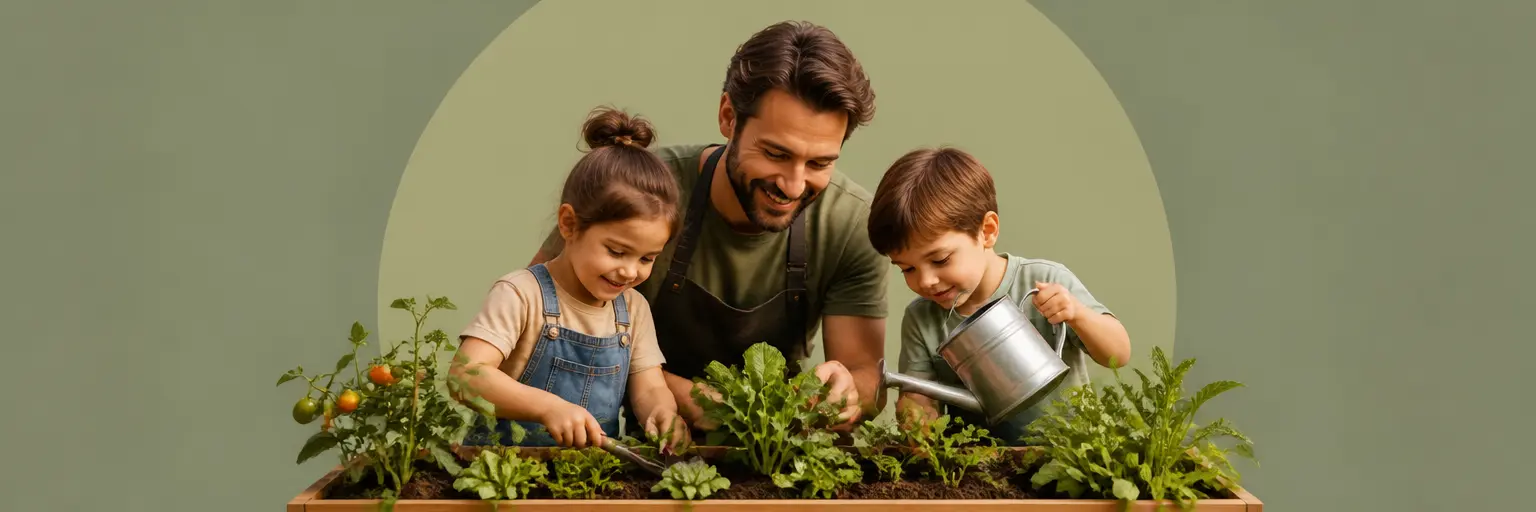
Veggie Faces: Planting and Decorating Seedlings with Kids
Gardening with Children makes growing food a fun, hands-on learning experience for the whole family 🌱👩🌾👨🌾. Discover creative ways to introduce kids to organic gardening, sustainable growing, plant science, and healthy eating while building confidence and curiosity. From planting seeds and caring for vegetables to exploring nature, harvesting homegrown produce, and enjoying simple garden-to-table activities, children can learn where food comes from and develop lifelong gardening skills. Cultivate connection, creativity, and delicious results together with practical family gardening ideas from CultivateYourFood!
58 articles
From Garden to Plate: Discovering the Magic of Homegrown Food
The Taste of Success: Cooking Up Delicious Meals with Your Child's Harvest
Nature Scavenger Hunt: A Fun Way to Explore the Garden with Kids
Harvesting with Children: Making the Most of Garden Bounty
Gardening Safety Tips for Kids: Keeping Little Ones Safe
The Story of Food: Engaging Kids with the Journey from Garden to Plate
The Power of Touch: Exploring Textures in a Sensory Garden for Kids
Bottle Greenhouse: A Fun Way to Start Seeds Indoors with Kids
The Plant Life Cycle: Inspiring a Love for Nature in Children
The Plant Life Cycle in Your Garden: A Child's Guide to Observation
Planting a Sensory Experience: Choosing the Right Plants for a Child's Garden
The Adventure of Harvesting: Making Gardening Fun for Kids of All Ages
The Plant Life Cycle: A StepbyStep Guide for Young Learners
Composting with Kids: Turning Kitchen Scraps into Garden Gold
Harvest Time Adventures: Turning Garden Work into Play for Kids
Engaging SchoolAge Children in the Garden: Advanced Projects
From Sprout to StirFry: Cooking with Kids Using Homegrown Produce
The Plant Life Cycle: Exploring Plant Diversity with Children
Miniature Gardens: Building a Fairy Garden in a Pot with Your Children
The Great Garden Detectives: Exploring Plant Life Cycles Together
The Plant Life Cycle: Fun and Engaging Projects for Children
The Thrill of the Harvest: Engaging Kids with HandsOn Gardening
Bug Buddies & Garden Pests: A KidFriendly Guide to Garden Critters
Worm Composting: A Fun and Educational Project for Kids
Engaging All Senses: Designing a KidFriendly Sensory Garden at Home
The Future of Food: Inspiring Kids to Become Sustainable Gardeners
The Language of Food: Expanding Kids' Palates with Garden Flavors
Attracting Wildlife: Enhancing Your Sensory Garden for Children
🌱 Gardening with Children: Grow, Learn, and Explore Together
Gardening with children is a rewarding way to connect young learners with nature, healthy food, and sustainable living. At CultivateYourFood, families can discover practical ideas for growing fruits, vegetables, and herbs at home while helping children build confidence through hands-on learning. From planting seeds and caring for seedlings to harvesting fresh produce, gardening teaches responsibility, patience, observation, and environmental awareness.
Our children’s gardening resources are designed for families, educators, and beginner gardeners looking for fun, organic, and age-appropriate activities. Explore sensory garden ideas, child-friendly garden layouts, plant life cycle lessons, creative gardening projects, and simple recipes made with homegrown produce. With safe tools, natural pest control, composting activities, and easy planting tips, every child can enjoy meaningful outdoor learning and discover where food comes from.
🌸 Creating a Sensory Garden for Children
A sensory garden for children encourages discovery through touch, smell, sight, sound, and taste. Learn how to choose safe, non-toxic plants with interesting textures, bright flowers, fragrant leaves, edible herbs, and gentle natural sounds. These gardens can include lavender, mint, rosemary, strawberries, marigolds, ornamental grasses, and other child-friendly plants that invite exploration.
Readers can also find ideas for creating accessible sensory pathways, textured planting areas, water features, wind chimes, and raised beds. Sensory gardening supports curiosity, creativity, and outdoor education while helping children develop an appreciation for biodiversity and the natural world.
🏡 Creating a Children's Garden Space
Designing a children’s garden space makes it easier and more exciting for young gardeners to participate. Discover how to create safe, manageable garden beds using raised planters, containers, recycled materials, and child-sized tools. Simple layouts can include dedicated areas for vegetables, herbs, flowers, composting, and wildlife-friendly plants.
This subcategory provides practical guidance on choosing a sunny location, preparing organic soil, labeling plants, and making garden tasks accessible for different ages. A well-planned children’s garden gives kids ownership of their growing space and transforms everyday plant care into an engaging family activity.
🌿 Teaching Children About the Life Cycle of Plants
Plant life cycle activities help children understand how seeds develop into seedlings, mature plants, flowers, fruits, and new seeds. Learn how to demonstrate germination with clear jars, paper towels, or transparent containers, then track growth through simple garden journals, drawings, measurements, and photographs.
Families and teachers can explore lessons about roots, stems, leaves, pollination, seed production, and seasonal changes. Hands-on plant science makes biology easier to understand and encourages children to observe carefully, ask questions, and recognize the importance of sunlight, water, healthy soil, and pollinators.
🧤 Fun Gardening Projects for Kids
Fun gardening projects for kids turn sustainable gardening into creative play. Find ideas such as decorating plant pots, making seed bombs with native flowers, building simple trellises, creating recycled garden markers, growing bean experiments, and starting a small compost container. These activities use accessible materials and can be adapted for indoor or outdoor gardening.
Children can also make wildlife shelters, butterfly puddling stations, bird feeders, and natural pest-control habitats that support beneficial insects. Creative garden projects help children learn by doing while introducing important concepts such as recycling, composting, organic growing, water conservation, and wildlife protection.
🥕 Harvesting and Cooking with Kids
Harvesting homegrown produce teaches children when fruits, vegetables, and herbs are ready to pick. Explore safe harvesting techniques, gentle handling methods, and age-appropriate garden jobs such as picking peas, gathering tomatoes, cutting herbs, or digging potatoes. Children can learn how weather, plant variety, and growing conditions influence harvest time.
After harvesting, families can prepare simple, healthy recipes together, including herb butter, vegetable wraps, fresh salsa, salads, smoothies, and roasted garden vegetables. Cooking with homegrown food builds healthy eating habits and helps children appreciate the effort involved in producing fresh, organic ingredients.
🌍 Teaching Kids About Where Food Comes From
Teaching children where food comes from helps them understand the journey from seed and soil to plate. Discover activities that compare garden-grown produce with packaged foods, explain farming seasons, and introduce the roles of soil, water, sunlight, farmers, pollinators, and compost in food production.
Children can grow a “pizza garden,” map the origins of common foods, visit local farms, save seeds, or create a food journey chart. These lessons build food literacy and environmental responsibility while encouraging children to value fresh produce, reduce food waste, and make more sustainable choices.
❓ Frequently Asked Questions About Gardening with Children
🌱 What are the best plants for children to grow?
Fast-growing and easy-care plants are ideal for children. Try radishes, lettuce, peas, beans, sunflowers, cherry tomatoes, strawberries, basil, mint, and marigolds. Choose plants that offer quick results, interesting textures, bright colors, or edible harvests so children remain engaged.
🧤 What gardening tools are safe for kids?
Children can use lightweight hand trowels, small watering cans, soft gardening gloves, child-sized rakes, and blunt-ended tools under adult supervision. Teach children to carry tools safely, avoid sharp edges, and wash their hands after gardening. Store tools securely when activities are finished.
🌿 How can I make gardening educational?
Use gardening to teach science, mathematics, nutrition, and environmental studies. Children can measure plant growth, count seeds, record weather, identify insects, draw plant diagrams, and calculate harvest quantities. Keeping a garden journal is a simple way to combine observation, writing, and plant science.
🐝 Is organic gardening safe and beneficial for children?
Organic gardening avoids synthetic pesticides and focuses on healthy soil, compost, crop diversity, mulching, and natural pest control. Use child-safe materials, identify plants carefully, and never allow children to taste unknown plants. Encourage beneficial insects such as bees and ladybugs while avoiding harmful chemical treatments.
🍅 What can children learn from harvesting and cooking garden produce?
Harvesting and cooking teach children about seasonality, nutrition, food preparation, and the effort required to grow food. They also encourage children to try new vegetables and herbs. Begin with simple tasks such as washing produce, tearing lettuce, mixing ingredients, or adding fresh herbs under adult supervision.