
The Vertical Gardener's Guide: Harvesting Vegetables Up High

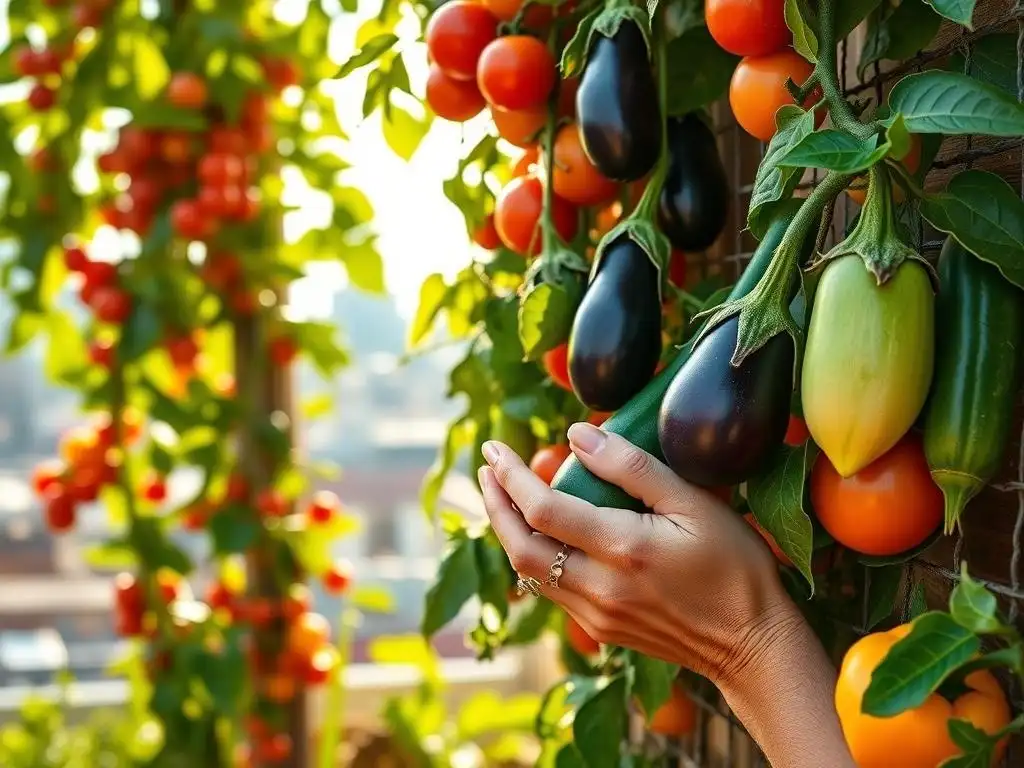
Ready to unlock the secrets of a bountiful harvest, even in the smallest of spaces? At CultivateYourFood, we empower you to grow your own delicious fruits, vegetables, and herbs organically. Learn the art of maximizing your yield with our expert guide on vertical vegetable garden harvesting, a technique that transforms your gardening potential. Discover the surprising ease and efficiency of harvesting from your vertical garden—and prepare to be amazed by what you can grow!
- Understanding Vertical Vegetable Garden Harvesting
-
Harvesting Specific Vertically Grown Vegetables
- Harvesting Tomatoes in a Vertical Garden: Techniques and Timing
- Harvesting Climbing Beans and Peas: A Step-by-Step Guide
- Harvesting Cucumbers and Melons Vertically: Maximizing Space and Yield
- Harvesting Leafy Greens from Vertical Systems: From Seedling to Salad
- Harvesting Root Vegetables in Vertical Towers and Bags: Considerations and Methods
-
Maximizing Your Vertical Harvest: Tips and Tricks
- Preventing Overripe Vegetables in Vertical Gardens: Early Detection and Harvest
- Proper Storage Techniques for Vertically Harvested Produce: Maintaining Freshness
- Dealing with Pests and Diseases in a Vertical Vegetable Garden: Prevention and Treatment
- Extending Your Vertical Growing Season: Techniques for Year-Round Harvesting
- Planning Your Next Vertical Harvest: Seasonal Considerations
- Advanced Vertical Gardening Techniques for Increased Yields
-
Frequently Asked Questions
- What is the best time to harvest vegetables from a vertical garden?
- How do I safely harvest vegetables from a tall vertical garden?
- Can I harvest all my vertical garden vegetables at once?
- What should I do with harvested vegetables from my vertical garden?
- What special considerations are there for harvesting from a vertical garden compared to a traditional garden?
- Final Reflection: Reaching New Heights in Sustainable Gardening
- Unleash Your Vertical Garden: Grow Higher, Yield More!
Understanding Vertical Vegetable Garden Harvesting
Vertical gardening offers a space-saving and efficient way to cultivate a bountiful harvest, even in limited areas. This guide focuses specifically on the crucial aspect of harvesting vegetables grown vertically, a process that differs slightly from traditional ground-level gardening. We'll explore the optimal timing for harvesting, how to identify mature vegetables in vertical systems, and the best techniques for various vertical gardening setups. Mastering these techniques ensures you reap the rewards of your labor with healthy, delicious produce and maximizes the yield from your vertical garden.
Successfully harvesting your vertical vegetable garden is key to enjoying the fruits (and vegetables!) of your sustainable gardening efforts. This guide provides a comprehensive approach to optimizing your harvest, focusing on the unique challenges and opportunities presented by vertical growing methods. Understanding the nuances of vertical harvesting will elevate your gardening experience and lead to a more abundant and satisfying yield.
Timing Your Vertical Harvest: Key Considerations for Optimal Yield
The timing of your harvest is paramount in vertical gardening. Unlike ground-level plants, those in vertical systems may experience slightly different growing conditions, affecting maturity rates. Several factors influence optimal harvest time:
- Sunlight Exposure: Plants higher up in a vertical system might receive more direct sunlight, potentially leading to faster maturation. Conversely, those lower down might experience some shading. Regular observation is crucial to gauge the individual plant's progress.
- Water Availability: Vertical systems often rely on drip irrigation or self-watering techniques. Ensure consistent moisture levels to avoid stunted growth or premature ripening. Irregular watering can significantly impact harvest timing.
- Plant Variety: Different vegetable varieties have varying maturity periods. Always check the seed packet or plant tag for estimated harvest times, adjusting your expectations based on your vertical garden's specific conditions.
- Temperature Fluctuations: Vertical systems can be more susceptible to temperature variations. Extreme heat or cold can accelerate or delay ripening. Monitoring weather patterns and providing shade or protection when necessary can help maintain consistent growth.
A well-maintained vertical garden with consistent monitoring will yield the best results. Remember that even within the same system, individual plants may ripen at slightly different rates. Harvesting frequently, checking for ripeness individually, allows you to maximize the yield and quality of your produce. Don't wait for all the vegetables to be ready at once; harvest as they mature for the best flavor and nutritional value.
Recognizing Maturity in Vertically Grown Vegetables: A Visual Guide
Identifying mature vegetables in a vertical garden requires keen observation and a good understanding of each plant's characteristics. Here's a visual guide to help you determine ripeness:
| Vegetable | Maturity Indicators |
|---|---|
| Tomatoes | Deep red color (for most varieties), firm texture, slight give when gently squeezed. |
| Peppers | Vibrant color (depending on variety), firm skin, fully developed size. |
| Cucumbers | Firm skin, dark green color (for most varieties), full size. |
| Leafy Greens (e.g., Lettuce) | Deep green color, crisp leaves, fully developed size. |
| Strawberries | Bright red color, slightly soft texture. |
Remember that these are general guidelines. The specific appearance of mature vegetables can vary based on the variety and growing conditions. Always refer to reliable gardening resources or seed packets for precise information on your chosen plant varieties. Pay close attention to subtle color changes, size increases, and texture shifts. A slight give when gently squeezed is often a good indicator of ripeness for many fruits and vegetables, but avoid excessive squeezing which can damage the plant.
Harvesting Techniques for Different Vertical Gardening Systems
The method of harvesting will vary depending on your vertical gardening system. Consider these techniques for common vertical gardening setups:
- Vertical Trellises: Carefully support the plants while harvesting to avoid damaging them or the trellis structure. Use sharp, clean pruning shears or knives to avoid bruising.
- Hanging Baskets: Access the plants from below or the sides, taking care not to uproot them. Use a small, lightweight harvesting tool to avoid damaging the basket or the plants.
- Tower Gardens: Access the plants from the sides or top of the tower, carefully removing mature vegetables. Use a harvesting tool appropriate for the size and type of vegetable.
- Wall-Mounted Planters: Harvest from the front or sides, ensuring stability while removing vegetables.
Regardless of the system, always use clean and sharp tools to minimize the risk of disease transmission and ensure a clean cut. Harvesting regularly, even if it's just a few vegetables at a time, will encourage further growth and maximize your overall yield. Remember to always prioritize the health and well-being of your plants during the harvesting process. A gentle approach will ensure a bountiful harvest for weeks to come.
Harvesting Specific Vertically Grown Vegetables
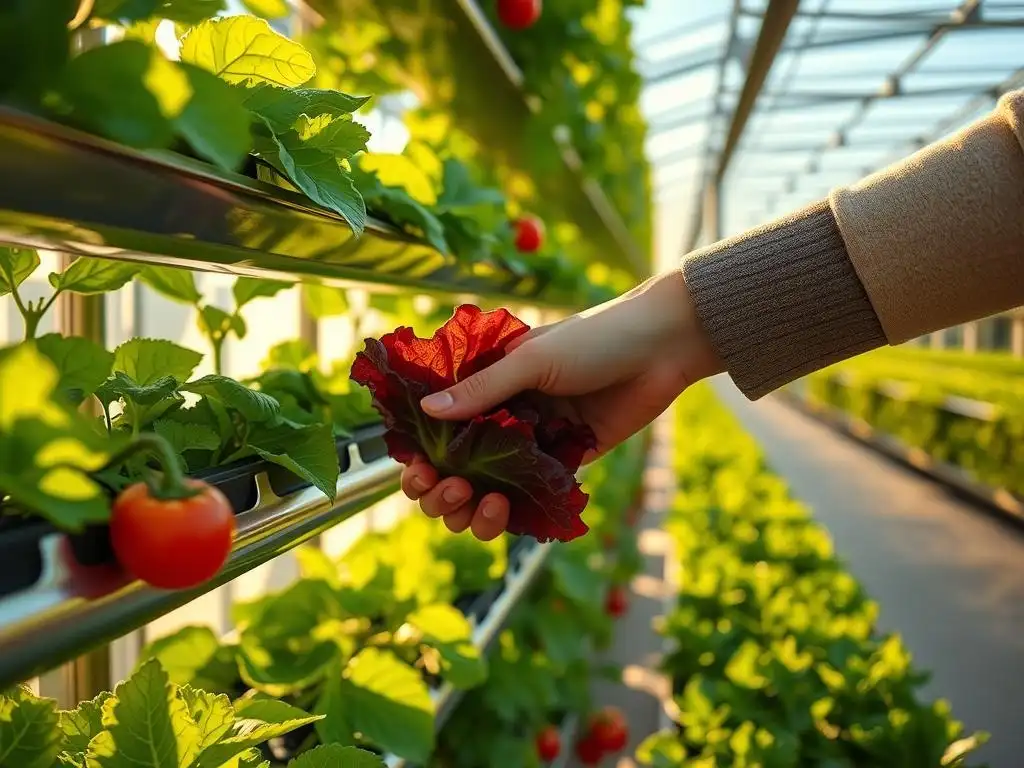
This section delves into the specifics of harvesting various vegetables commonly grown in vertical gardens. Mastering the timing and technique for each vegetable ensures you get the best flavor and maximizes your yield from your vertical setup. Remember, patience and observation are key to successful vertical vegetable gardening and harvesting. Proper harvesting techniques also contribute to the overall health and productivity of your plants.
Harvesting Tomatoes in a Vertical Garden: Techniques and Timing
Tomatoes, whether cherry, grape, or larger varieties, grown vertically require a slightly different harvesting approach than those grown in the ground. The key is to identify ripeness accurately, as even slightly underripe tomatoes won't fully ripen after picking.
Several factors influence optimal harvest timing:
- Color: Most tomato varieties will change color as they ripen. Look for deep reds (or the appropriate color for your specific variety – yellow, orange, etc.). A slight give when gently squeezed indicates ripeness.
- Aroma: A ripe tomato will have a sweet, slightly tangy aroma. Sniffing the tomato is a helpful indicator, especially for varieties that don't change color dramatically.
- Firmness: While a slight give is good, avoid harvesting tomatoes that are too soft or mushy. This suggests over-ripeness or potential rot.
Techniques:
- Use sharp pruning shears or a small knife to gently snip the tomato from the vine. Avoid pulling or twisting, which can damage the plant or nearby fruit.
- Harvest tomatoes regularly. This encourages the plant to produce more fruit and prevents over-ripening and potential rot.
- Consider using a small, lightweight harvesting basket to prevent bruising.
Timing: Optimal harvest time for most tomato varieties is in the morning after the dew has dried. This allows for better handling and prevents spreading diseases.
Harvesting Climbing Beans and Peas: A Step-by-Step Guide
Climbing beans and peas, with their vining nature, are perfectly suited to vertical gardening. Harvesting these crops involves a few key steps to ensure you maximize your yield and maintain the health of the plants.
Beans:
- Regular Harvesting: Harvest beans regularly, ideally every other day, or as soon as the pods are full-sized but still tender. Delaying harvesting will result in tough, stringy beans.
- Snap Harvesting: Snap the beans from the vine at the stem, leaving the blossom end intact to encourage further growth.
- Identify Ripeness: Look for pods that are plump and firm, with a vibrant green color (or the appropriate color for your variety). Avoid harvesting pods that are shriveled or yellowing.
Peas:
- Timing: Harvest peas when the pods are full and firm, but before they become too large and start to turn yellow. The peas inside should be plump and sweet.
- Shelling vs. Snap Peas: Some pea varieties are "snap peas," meaning the entire pod is edible. Others require shelling; the peas are harvested from inside the pod.
- Gentle Harvesting: Gently twist or snap the pods from the vine, taking care not to damage the plant.
Harvesting Cucumbers and Melons Vertically: Maximizing Space and Yield
Vertical gardening is particularly effective for maximizing space when growing cucumbers and melons. Their sprawling vines can easily climb trellises or other vertical supports. Knowing when and how to harvest these fruits is crucial.
Cucumbers:
- Size and Firmness: Harvest cucumbers when they reach the desired size and are firm to the touch. Allowing them to over-ripen will result in bitter, seedy cucumbers.
- Regular Harvesting: Harvest cucumbers regularly to encourage the plant to produce more fruit. Leaving cucumbers on the vine too long will also reduce production.
- Cutting vs. Pulling: Use a sharp knife or pruning shears to cut cucumbers from the vine, leaving a small portion of the stem attached. Pulling can damage the plant.
Melons:
- Color and Aroma: Melons are usually ready to harvest when their skin color is fully developed and they have a sweet aroma. A gentle squeeze should reveal slight give, but not excessive softness.
- Separation from Vine: The stem near the melon will often separate easily from the vine when the melon is ripe. This is a good indication it's time to harvest.
- Handle with Care: Melons are delicate, so handle them gently to prevent bruising.
This guide provides a foundation for successful vertical vegetable garden harvesting. Remember that specific varieties may have slightly different requirements, so always consult the seed packet or plant tag for detailed instructions. Happy harvesting! 🍅🌱
Harvesting Leafy Greens from Vertical Systems: From Seedling to Salad
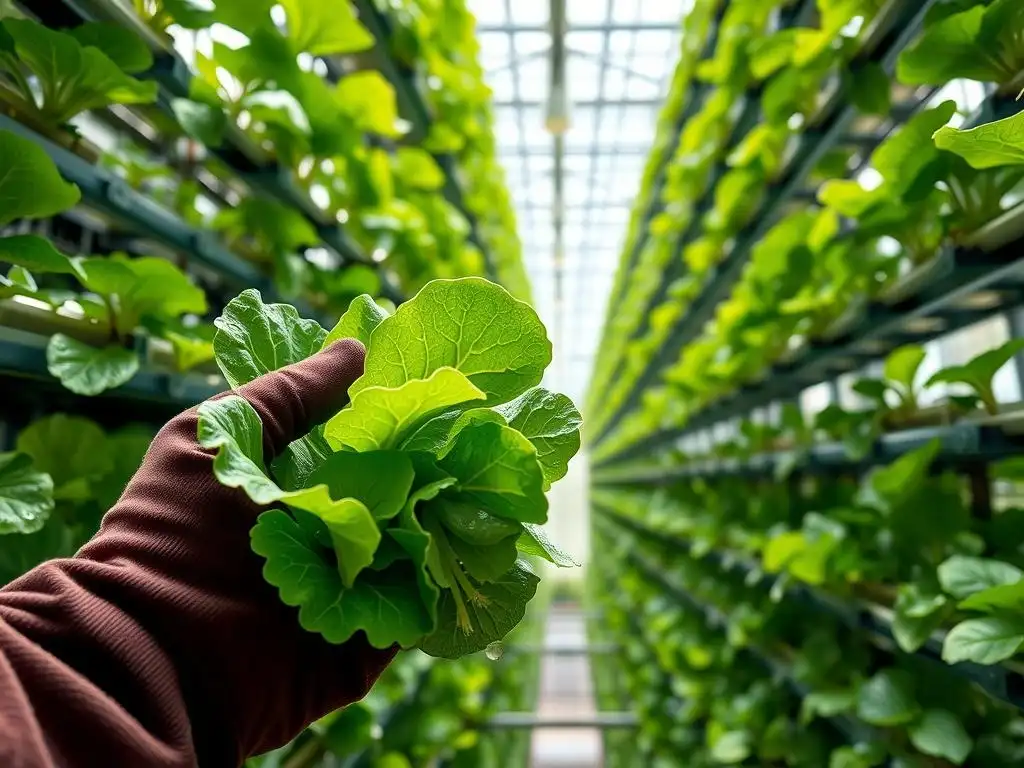
Harvesting leafy greens from a vertical garden offers a unique set of considerations. Unlike ground-level gardening, access to your crops is often more convenient, but the close proximity of plants can sometimes make harvesting more delicate. The key is to harvest regularly, promoting continuous growth and preventing overcrowding. This ensures optimal flavor and prevents bolting (going to seed), which makes the leaves bitter.
For most leafy greens like lettuce, spinach, and kale, the best time to harvest is when the leaves are young and tender. This usually means harvesting outer leaves first, leaving the inner leaves to continue growing. You can start harvesting individual leaves as soon as they are large enough, typically around 4-6 weeks after planting, depending on the variety and growing conditions. For example, baby spinach can be harvested continuously by simply snipping off individual leaves as they mature. This "cut-and-come-again" method maximizes yield and extends the harvest period.
With larger leafy greens like kale or collard greens, you might opt to harvest entire plants once they reach a desired size, typically 8-12 weeks after planting. However, even with these, you can still harvest individual leaves throughout their growth cycle. Always use clean, sharp scissors or knives to avoid damaging the plants.
Remember to inspect the leaves for pests or diseases before consuming them. A quick rinse under cool water is usually sufficient to clean them before enjoying your homegrown salad. Proper spacing during planting is crucial for ease of harvesting in vertical systems; overcrowded plants make harvesting difficult and can promote disease.
Harvesting Root Vegetables in Vertical Towers and Bags: Considerations and Methods
Harvesting root vegetables from vertical systems requires a slightly different approach than traditional in-ground gardening. The confined space and often unusual growing medium necessitate careful consideration. The method will vary depending on whether you're using a vertical tower system, grow bags, or other vertical structures.
In vertical towers, the process usually involves carefully removing the entire plant. This can be challenging, especially with larger root vegetables like carrots or beets. You will likely need to gently loosen the soil around the roots before carefully pulling the plant out. Avoid pulling too hard, as this can damage the roots and the surrounding plants. Sometimes, using a small trowel or gardening fork to help loosen the root system can be beneficial. The soil in vertical towers tends to be drier than in ground beds, so careful watering before harvest can make the process easier.
Grow bags present a different challenge. Because the roots are often confined within the bag, you will need to carefully cut or tear the bag open, making sure not to damage the roots more than necessary. Smaller root vegetables, such as radishes or turnips, might be easily harvested by simply pulling them out. However, for larger vegetables, you will likely need to carefully remove the soil around the roots to extract them without breaking them.
Always remember to check the maturity of your root vegetables before harvesting. Under-ripe vegetables lack flavor and texture, while over-ripe vegetables can become woody or tough. Proper harvesting techniques are essential for maximizing yield and ensuring a delicious harvest from your vertical garden. Different root vegetables have different maturity periods; research the specific requirements of each variety you are growing.
Maximizing Your Vertical Harvest: Tips and Tricks
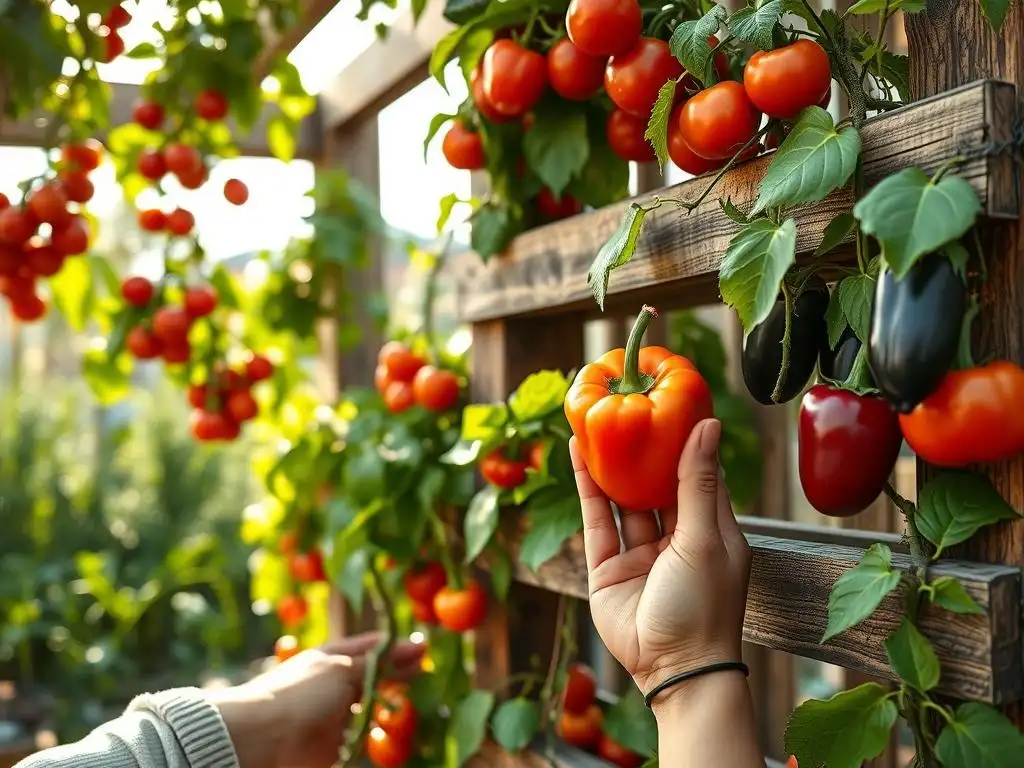
Vertical vegetable gardening presents unique challenges and opportunities when it comes to harvesting. Unlike traditional ground-level gardens, accessing your produce requires careful planning and technique to avoid damage to plants and maximize yield. This section will provide practical advice to help you efficiently and effectively harvest your vertically grown vegetables.
Preventing Overripe Vegetables in Vertical Gardens: Early Detection and Harvest
One of the biggest challenges in vertical gardening is recognizing when vegetables are ready for harvest, especially when they're less accessible than in a traditional garden. Overripe vegetables can quickly spoil, impacting your overall yield and potentially attracting pests. Early detection is key.
Regular visual inspections are crucial. Aim for at least daily checks during peak growing seasons, focusing on the lower levels of your vertical garden first, as these tend to mature faster due to increased shade and humidity. Look for color changes indicative of ripeness – for example, the transition from green to deep red in tomatoes or the change in firmness in peppers. Also, pay attention to the size and shape of your vegetables; many will reach their ideal size just before becoming overripe.
Consider using a harvest chart or journal to track planting dates and estimated harvest times for each vegetable variety. This helps you anticipate peak harvest periods and schedule your checks accordingly. Remember that the microclimate within your vertical garden can vary significantly based on location and sunlight exposure. Some vegetables might ripen faster in warmer, sunnier sections. Adjust your harvest schedule accordingly. Don't hesitate to harvest slightly underripe vegetables if you foresee an impending weather event, like a heatwave, that could quickly spoil your produce.
Proper Storage Techniques for Vertically Harvested Produce: Maintaining Freshness
Harvesting from a vertical garden doesn't end with picking the vegetables. Proper storage is essential to maintain freshness and extend the shelf life of your hard-earned produce. The delicate nature of vertically grown vegetables makes appropriate storage even more critical.
Gentle handling is paramount. Avoid bruising or damaging the vegetables during harvest and transport. Use soft containers, such as baskets lined with fabric, to minimize impact. After harvesting, immediately cool your vegetables to slow down enzymatic processes that lead to spoilage. For leafy greens, a quick rinse in cold water followed by gentle patting dry is recommended before storage.
Optimal storage conditions vary depending on the vegetable. For example, tomatoes should be stored at room temperature, while leafy greens thrive in a cool, slightly humid environment. Store root vegetables like carrots and radishes in a cool, dark place, ideally in a slightly damp environment to prevent wilting. Consider using airtight containers or reusable produce bags to maintain moisture and prevent spoilage. Properly stored vegetables maintain their flavor, texture, and nutritional value, making your vertical gardening efforts even more rewarding.
Dealing with Pests and Diseases in a Vertical Vegetable Garden: Prevention and Treatment
Vertical gardens, due to their close proximity of plants, can be particularly susceptible to pest and disease outbreaks. Early detection and preventative measures are key to maintaining a healthy, productive harvest.
Regular monitoring is crucial. Daily inspections allow for early detection of infestations or disease symptoms. Look for signs of insect damage, unusual discoloration, wilting, or fungal growth. Early intervention can prevent widespread problems.
Preventative measures are essential. Choose disease-resistant vegetable varieties whenever possible. Ensure proper spacing between plants to promote airflow and reduce humidity, which can foster fungal growth. Consider using natural pest control methods, such as companion planting (e.g., planting basil near tomatoes to repel pests) and introducing beneficial insects like ladybugs.
If pests or diseases do appear, promptly remove affected plants or parts of plants to prevent further spread. Consider using organic pesticides or neem oil as a last resort, always following label instructions carefully. A proactive approach to pest and disease management will significantly improve the success of your vertical vegetable garden and ensure a plentiful harvest.
Extending Your Vertical Growing Season: Techniques for Year-Round Harvesting
Extending your vertical vegetable garden's harvest season beyond the typical growing months requires strategic planning and the implementation of specific techniques. The goal is to create a microclimate that protects your plants from harsh weather conditions and allows for continuous growth. This can significantly increase your overall yield and provide fresh produce throughout the year.
One effective method is utilizing a cold frame. A cold frame acts as a miniature greenhouse, trapping solar heat and protecting plants from frost and cold winds. This is particularly beneficial for extending the growing season into early spring and late autumn.
By strategically placing your cold frame in a sunny location and utilizing appropriate ventilation techniques, you can create an ideal environment for delicate seedlings and extend the lifespan of mature plants. Remember to monitor temperature and humidity levels regularly to prevent overheating or excessive moisture. Different cold frame designs offer varying levels of insulation; choose one appropriate for your climate and the plants you wish to cultivate.
Another crucial aspect of year-round harvesting is the selection of appropriate plant varieties. Certain vegetables are inherently more cold-hardy than others. For example, varieties of kale, spinach, and lettuce are known for their tolerance to cooler temperatures and can thrive even in mild frosts. Similarly, some root vegetables like carrots and parsnips can remain in the ground throughout the winter, providing a harvest even during colder months. Researching and choosing these varieties is vital for maximizing your harvest throughout the year. Consider consulting seed catalogs or local gardening experts for recommendations tailored to your specific region and climate.
Furthermore, the use of row covers can offer significant protection against unexpected frost or cold snaps. These lightweight fabrics act as a barrier, preventing temperature fluctuations and providing a layer of insulation. Row covers are particularly useful for protecting newly transplanted seedlings or extending the life of plants nearing the end of their growing season. They are relatively inexpensive and easy to install, making them a practical addition to any vertical gardening setup. However, remember to remove row covers on warmer days to ensure proper ventilation and prevent overheating.
Finally, consider employing the technique of succession planting. This involves planting new crops at regular intervals throughout the growing season to ensure a continuous harvest. By staggering planting times, you can harvest different crops at different stages of maturity, preventing gaps in your produce supply. Planning your succession planting carefully requires understanding the growth cycles of different vegetables and coordinating planting times accordingly. A well-planned succession planting strategy can significantly contribute to your ability to harvest fresh vegetables throughout the year. Careful record-keeping is essential for optimizing this method.
Planning Your Next Vertical Harvest: Seasonal Considerations
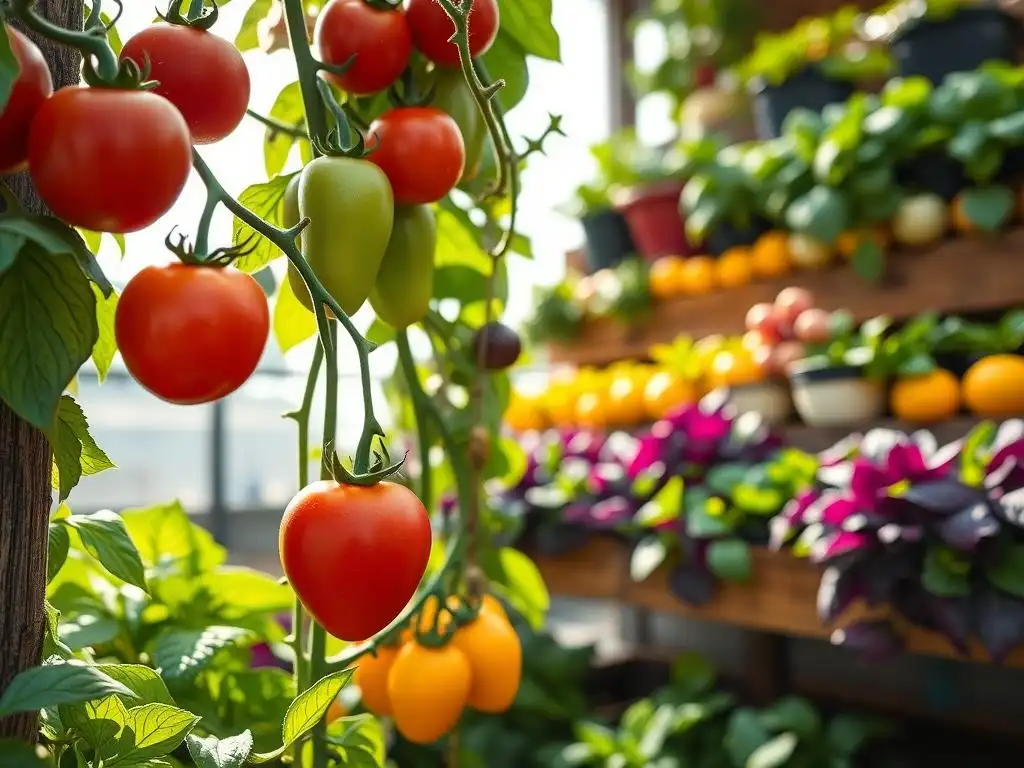
Vertical vegetable garden harvesting requires careful planning to maximize yield and ensure a continuous supply of fresh produce. Understanding the seasonal nuances of your region is paramount. This means considering not only the length of your growing season but also the specific microclimate of your vertical garden setup. A south-facing wall, for example, will receive significantly more sunlight than a north-facing one, impacting the growth rate and maturity of your plants.
Choosing the Right Vegetables for Vertical Gardening: A Seasonal Guide
The success of your vertical vegetable garden hinges on selecting the right vegetables for each season. Certain crops thrive in cooler temperatures, while others demand the warmth of summer. Planning your planting schedule around these seasonal preferences is crucial for optimizing your harvest.
Here's a seasonal guide to help you choose:
Spring (Cool Season):
- Leafy Greens: Lettuce, spinach, kale, and arugula are ideal for spring planting in a vertical garden. Their relatively quick growth cycle allows for multiple harvests before summer heat sets in.
- Root Vegetables: Radishes and carrots can be successfully grown vertically using hanging planters or stacked containers. However, ensure adequate soil depth.
- Herbs: Many herbs, such as parsley, chives, and mint, tolerate cooler temperatures and can thrive in a vertical setup.
Summer (Warm Season):
- Vining Vegetables: Tomatoes, cucumbers, and beans are excellent choices for summer vertical gardening. Their vining nature allows them to climb upwards, maximizing space utilization. Consider using trellises or other support systems.
- Peppers and Eggplants: These heat-loving plants need ample sunlight and warmth to produce a bountiful harvest. A vertical setup can provide excellent sun exposure.
- Squash (certain varieties): Some bush squash varieties are suitable for vertical gardening, but you'll need to select compact varieties to avoid overcrowding.
Fall (Cool Season):
- Leafy Greens (again!): Many leafy greens can be replanted in the fall for a second harvest before the first frost.
- Root Vegetables (again!): Some root vegetables like radishes can be grown successfully in the fall.
- Cold-hardy Vegetables: Kale, collard greens, and other cold-hardy vegetables can extend your harvest well into autumn.
Consider creating a planting schedule that accounts for the specific needs of each plant and your local climate. This will help you ensure a continuous supply of fresh vegetables throughout the year. Remember to consult your local frost dates to determine the optimal planting and harvesting times.
Preparing Your Vertical Garden for the Next Season: Cleaning and Maintenance
Proper cleaning and maintenance are essential for a healthy and productive vertical garden. Neglecting this crucial step can lead to disease, pest infestations, and reduced yields in subsequent seasons.
- Cleaning: Thoroughly remove all plant debris, including spent plants, leaves, and fruits. This prevents the buildup of pathogens and pests that could overwinter in your garden. Use a mild soap solution to clean the containers and support structures. Allow everything to thoroughly dry before storing or replanting.
- Soil Management: Remove and discard the old soil. Old soil can harbor diseases and pests. Replace it with fresh, nutrient-rich soil specifically formulated for vegetables. Consider adding compost to enrich the soil and improve drainage.
- Pest and Disease Control: Inspect your vertical garden carefully for signs of pests or diseases. If any are found, take appropriate measures to eradicate them before replanting. This may involve using organic pest control methods or treating the containers with a suitable solution.
- Structural Maintenance: Check the integrity of your vertical garden structure. Repair or replace any damaged components, such as trellises, stakes, or containers. Ensure that everything is sturdy and capable of supporting the weight of the plants.
Regular maintenance is key to maximizing the lifespan and productivity of your vertical garden. By following these steps, you can ensure a successful harvest year after year. Careful attention to detail in this phase directly impacts the quality of your future harvests.
Optimizing Your Vertical Garden Setup for Maximum Yield
Optimizing your vertical garden setup is key to maximizing your harvest. This involves considering several factors, including sunlight exposure, plant spacing, and watering techniques.
- Sunlight: Vertical gardens need ample sunlight, typically at least 6-8 hours per day. Choose a location that receives maximum sun exposure. South-facing walls are generally ideal.
- Plant Spacing: Proper spacing is crucial to prevent overcrowding and ensure that each plant receives adequate sunlight, water, and nutrients. Follow the recommended spacing guidelines for each vegetable variety. Overcrowding can lead to reduced yields and increased susceptibility to diseases.
- Watering: Vertical gardens can dry out quickly, especially during hot weather. Implement a watering system that provides consistent moisture without overwatering. Consider using drip irrigation or self-watering containers.
- Soil and Nutrients: Use a high-quality potting mix specifically designed for vegetables. Supplement with organic fertilizers or compost tea to provide essential nutrients throughout the growing season. Regular soil testing can help you monitor nutrient levels and adjust accordingly.
By carefully considering these factors and adapting your setup to the specific needs of your chosen vegetables, you can significantly increase the yield of your vertical garden and enjoy a bountiful harvest of fresh, homegrown produce. Regular monitoring and adjustments will further enhance your success.
Advanced Vertical Gardening Techniques for Increased Yields
This section delves into advanced techniques to maximize your vertical vegetable garden's productivity, focusing on strategies to optimize harvesting and yield. We'll explore methods beyond basic vertical gardening, targeting efficient space utilization and enhanced plant health for a bountiful harvest. Mastering these techniques will elevate your "vertical vegetable garden harvesting" experience to a new level.
Hydroponic and Aeroponic Vertical Gardening: Harvesting High-Yield Crops
Hydroponics and aeroponics represent cutting-edge approaches to vertical gardening, offering significantly increased yields compared to traditional soil-based methods. These soilless systems allow for precise nutrient delivery and optimized environmental control, leading to faster growth and larger harvests.
Hydroponic systems use a nutrient-rich water solution to nourish plants, typically through inert media like clay pebbles or coconut coir. This eliminates soil-borne diseases and allows for better control over water and nutrient levels. Harvesting in a hydroponic system is often easier due to the accessibility of the plants. For instance, a vertical tower system allows for easy access to mature produce from multiple levels.
Aeroponics, a more advanced technique, suspends plant roots in the air while periodically misting them with a nutrient solution. This method maximizes oxygen availability to the roots, resulting in exceptionally rapid growth and high yields. Aeroponic systems are particularly well-suited to vertical designs, as they require less space than soil-based methods and can be easily stacked vertically. However, aeroponic systems require more technical expertise and careful monitoring to ensure optimal nutrient delivery and prevent root desiccation. Careful observation during harvesting is crucial to avoid damage to the delicate root systems.
Vertical Trellising Systems: Optimizing Space and Support for Climbing Plants
Efficient trellising is paramount for successful vertical vegetable garden harvesting. Selecting and implementing the right trellising system is critical for maximizing space and supporting the weight of climbing plants like tomatoes, cucumbers, and beans. Poorly designed trellises can lead to overcrowding, reduced yields, and difficulty in harvesting.
Several trellising options exist, each with its advantages and disadvantages. Simple stake-and-tie methods are suitable for small plants, but more robust systems are needed for heavier crops. A-frame trellises offer excellent support and airflow, while vertical netting systems are ideal for sprawling plants. The choice depends on the specific plants being grown, the available space, and personal preference.
Regular inspection and adjustment of the trellis are necessary as plants grow to ensure optimal support and prevent damage during harvesting. Consider using sturdy materials like cedar or treated lumber to ensure longevity and support the weight of mature plants. Proper spacing between plants on the trellis is vital to ensure sufficient sunlight and air circulation, improving overall yield and ease of harvesting.
Integrating Companion Planting into Vertical Gardens: Enhancing Growth and Yield
Companion planting, the strategic placement of plants to enhance each other's growth, offers significant benefits in vertical gardens. By carefully selecting compatible plant pairings, you can improve yields, deter pests, and attract beneficial insects. This approach minimizes the need for chemical pesticides and fertilizers, aligning with sustainable and organic gardening practices.
For example, basil planted near tomatoes is known to repel tomato hornworms and improve tomato flavor. Marigolds planted amongst vegetables can deter many common garden pests. Similarly, incorporating flowering plants like nasturtiums can attract beneficial pollinators, increasing fruit and vegetable set. Careful planning is crucial to ensure that companion plants don't compete for resources.
Consider the mature size of each plant and ensure sufficient space for each to thrive. Careful observation during harvesting will allow you to assess the success of your companion planting strategy and make adjustments for future plantings. Documenting your successes and failures will help refine your approach over time, resulting in a more productive and sustainable vertical garden. This meticulous approach to companion planting directly contributes to maximizing your "vertical vegetable garden harvesting".
Frequently Asked Questions
What is the best time to harvest vegetables from a vertical garden?
The optimal harvesting time depends on the specific vegetable and its maturity. Check individual plant guides for details, but generally, harvest when fruits or vegetables reach their peak size and color.
How do I safely harvest vegetables from a tall vertical garden?
Use a stable ladder or step stool for safe access to higher levels. Always maintain three points of contact and be mindful of your balance. Consider using harvesting tools with long handles to reach further.
Can I harvest all my vertical garden vegetables at once?
No, different vegetables mature at different rates. You'll be harvesting continuously throughout the growing season, with some plants ready earlier than others. Stagger planting to ensure a consistent harvest.
What should I do with harvested vegetables from my vertical garden?
Immediately clean and store your harvest to maintain freshness. Some vegetables are best eaten fresh, while others can be preserved by canning, freezing, or drying.
What special considerations are there for harvesting from a vertical garden compared to a traditional garden?
Vertical gardens often require more careful planning and access. Consider the height and structure of your garden when choosing plants and designing your harvesting strategy. Using appropriate tools is crucial for safe and efficient harvesting.
Final Reflection: Reaching New Heights in Sustainable Gardening
The future of food production lies in innovative solutions, and vertical gardening offers a powerful pathway towards sustainable and efficient harvests. This guide has explored the practicalities of cultivating vegetables upwards, highlighting the benefits from space-saving techniques to increased yields in limited areas. The methods discussed are not merely trends; they represent a crucial shift in how we approach food security in an increasingly urbanized world.
The impact of vertical gardening extends beyond the individual plot; it speaks to a broader cultural shift towards mindful consumption and environmental responsibility. We are witnessing a growing awareness of the need for sustainable practices, and vertical gardening embodies this ethos perfectly. The earth provides enough to satisfy every man's needs but not every man's greed.
– Mahatma Gandhi. This quote underscores the importance of efficient resource utilization, a core principle underlying the vertical gardening approach. The movement towards vertical farming is a testament to our collective desire to cultivate a healthier relationship with our planet and its resources.
Now, consider your own space. Do you have a balcony, a small backyard, or even just a sunny windowsill? Imagine the possibilities: fresh, homegrown vegetables thriving in a vertical system, enriching your diet and connecting you more deeply with the natural world. Take the knowledge gained from this guide and begin your own vertical gardening journey. Start small, experiment with different techniques, and savor the rewards of your labor. The journey to a more sustainable future begins with a single seed, planted upwards.
Unleash Your Vertical Garden: Grow Higher, Yield More!
Thank you for exploring the world of vertical gardening with us! We hope you've gained valuable insights into maximizing your space and harvest. Now it's time to put your knowledge into practice.
- Design your dream vertical garden: Sketch out a plan, considering the available space, sunlight, and your preferred vegetables. Get creative with your design and don't hesitate to repurpose materials you already have!
- Share your vertical gardening journey: Inspire others by posting pictures of your progress on social media using #CultivateYourFood. Let's build a thriving community of vertical gardeners!
- Choose the right vertical gardening method: Research different techniques such as using trellises, hanging baskets, or vertical towers to find the best fit for your needs and available space.
Ready to transform your growing space? What will you plant first in your vertical garden?