
Oven Drying Rosemary: A Simple Guide for Preserving Aroma


Ready to unlock the secrets of a bountiful home garden? At CultivateYourFood, we believe everyone can experience the joy of growing their own food, sustainably. Learn how to transform your harvest with simple, effective techniques like our guide on "Dry rosemary oven preserve aroma", a perfect example of how to preserve the vibrant flavors of your herbs. Discover the art of organic gardening and unlock the potential of your own backyard—explore our wealth of resources on planting, harvesting, composting, and pest control to begin your journey today!
- Why Oven Dry Rosemary to Preserve its Aroma?
- Preparing Rosemary for Oven Drying
- The Oven Drying Process: Step-by-Step Guide
- Storing Your Dried Rosemary to Maintain Aroma
- Using Your Oven-Dried Rosemary: Recipes and Ideas
- Troubleshooting Common Oven Drying Problems
- Frequently Asked Questions
- Final Reflection: The Enduring Fragrance of Rosemary, Preserved
- Unlock the Aromatic Power of Homemade Rosemary!
Why Oven Dry Rosemary to Preserve its Aroma?
Rosemary, with its distinctive piney fragrance and robust flavor, is a culinary herb prized by chefs and home cooks alike. However, fresh rosemary has a relatively short shelf life. To enjoy its delightful taste and aroma throughout the year, preserving it through drying is essential.
Among various drying methods, oven drying stands out as a particularly effective technique for retaining rosemary's precious essential oils, the very compounds responsible for its unique character. This guide will walk you through the simple process of oven drying rosemary, ensuring you capture and preserve its vibrant aroma for months to come. We'll explore the advantages of oven drying compared to other methods, and highlight the culinary benefits of using oven-dried rosemary in your favorite recipes.
By following these steps, you'll be able to enjoy the full, rich flavor of your homegrown rosemary long after the harvest season ends. This method is perfect for preserving the intense aroma that makes rosemary so special, and allows you to easily incorporate it into your cooking all year round. Let's delve into the specifics of oven drying to maximize aroma retention.
Retaining Rosemary's Essential Oils Through Oven Drying
The key to successfully oven-drying rosemary and preserving its potent aroma lies in controlling the temperature and drying time. High heat can damage the essential oils, resulting in a less flavorful and fragrant end product. Conversely, drying at too low a temperature can lead to mold growth. The ideal temperature range is between 170°F (77°C) and 200°F (93°C).
Drying times vary depending on the thickness of the rosemary sprigs and the humidity levels. Thin sprigs may only require 30-45 minutes, while thicker ones might need up to 1-2 hours. Regularly checking the rosemary during the drying process is vital to prevent over-drying and burning. The rosemary is ready when the leaves are completely brittle and crumble easily.
Properly oven-dried rosemary should retain its deep green color, although some slight browning is acceptable. The aroma should be as intense, if not more concentrated, than the fresh herb. This method minimizes the loss of volatile compounds, making it a superior choice for preserving the full sensory experience of rosemary. Remember to always monitor the oven temperature closely to avoid scorching and ruining your harvest.
Comparing Oven Drying to Other Rosemary Drying Methods
Several methods exist for drying rosemary, each with its own advantages and disadvantages regarding aroma retention. Air drying, for example, is a slow process that can take several days to weeks, potentially leading to greater loss of essential oils due to oxidation. The risk of mold and mildew is also higher with air drying, especially in humid environments. Dehydrator drying offers better control over temperature and airflow compared to air drying, but it can be more expensive and requires specialized equipment.
Oven drying, however, provides a balance between speed, control, and aroma preservation. It's faster than air drying, offers more precise temperature control than air drying, and is generally more accessible than using a dehydrator. The result is a superior product in terms of aroma retention and overall quality when compared to other methods. The table below summarizes the key differences:
| Drying Method | Speed | Temperature Control | Aroma Retention | Equipment Needed | Risk of Mold/Mildew |
|---|---|---|---|---|---|
| Air Drying | Slow | Low | Lower | None | Higher |
| Dehydrator Drying | Moderate | High | Moderate | Dehydrator | Lower |
| Oven Drying | Moderate | High | High | Oven | Lower |
Benefits of Oven-Dried Rosemary for Culinary Use
Oven-dried rosemary retains its intense flavor and aroma, making it a versatile ingredient in various culinary applications. Its concentrated flavor adds a depth and complexity to dishes that fresh rosemary might not achieve. It's perfect for adding to soups, stews, roasts, and sauces. The dried leaves can also be finely ground and used as a seasoning for meats, vegetables, and breads. Moreover, oven-dried rosemary can be stored for extended periods, providing a convenient and flavorful addition to your cooking throughout the year.
The process helps to concentrate the herb's flavor profile, making it a powerful addition to your spice rack. The ease of storage and long shelf life makes it a practical choice for those who want to enjoy the benefits of homegrown rosemary year-round. Enjoy the convenience and intense flavor of your perfectly preserved rosemary! 🎉
Preparing Rosemary for Oven Drying
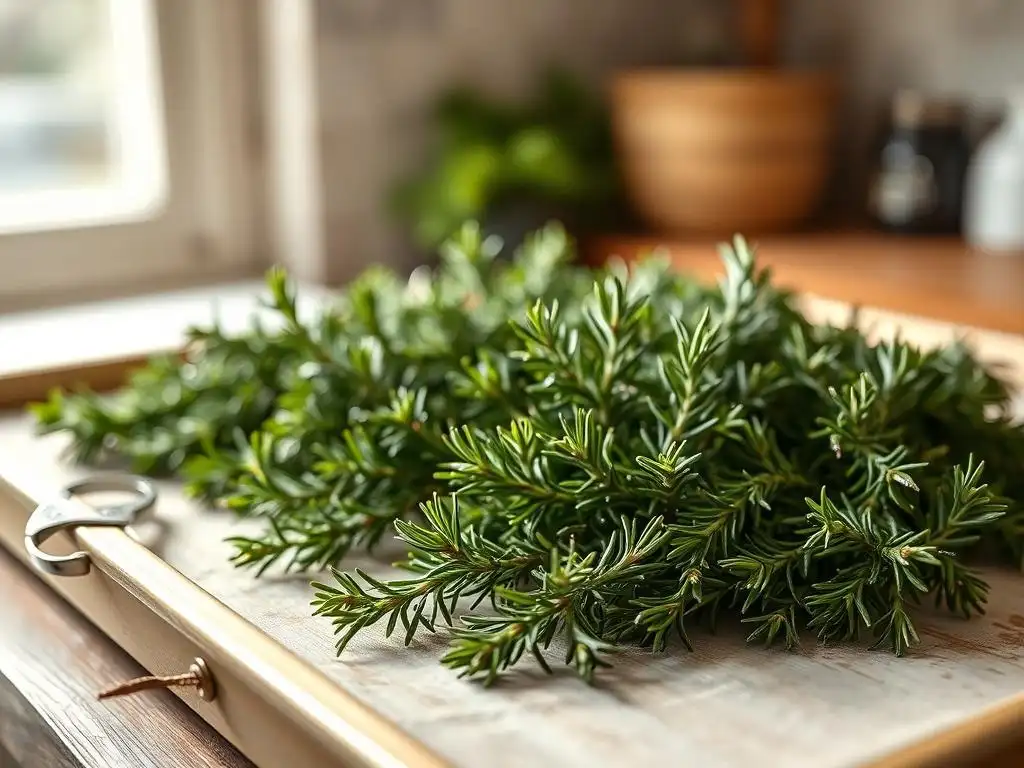
This section details the crucial first steps in preserving the vibrant aroma of your rosemary through oven drying. Proper preparation significantly impacts the final quality of your dried rosemary, ensuring a potent and flavorful result for culinary use throughout the year. We'll cover harvesting at the optimal time, cleaning the sprigs meticulously, and gathering the necessary tools. Mastering these preliminary steps is key to successfully drying rosemary in your oven, preserving its distinctive aroma for months to come.
Harvesting Rosemary at its Peak Aroma
The timing of your rosemary harvest directly influences the intensity of its aroma once dried. The ideal time is when the rosemary is in full bloom, typically during the summer months. However, the exact timing can vary depending on your climate and specific rosemary variety. Look for sprigs that are robust and have a deep, rich fragrance.
Avoid harvesting after extended periods of rain or excessive heat, as this can compromise the essential oils responsible for the plant's unique aroma. The best time to harvest is usually in the morning after the dew has dried, as the essential oil concentration is typically highest at this time. Remember, the goal is to capture the peak of the plant's aromatic potential. Harvesting too early can result in a weaker aroma, while harvesting too late may lead to woody stems and a less intense flavor.
Pinch or cut sprigs with sharp shears, leaving about a third of the stem to promote continued growth. This sustainable harvesting practice ensures a plentiful supply of rosemary for years to come. Carefully inspect each sprig before selecting it for drying, ensuring it is free from pests or diseases.
Cleaning and Prepping Rosemary Sprigs for Drying
Once harvested, cleaning your rosemary sprigs is essential for optimal drying and aroma preservation. Thoroughly rinse the sprigs under cool, running water to remove any dirt, debris, or insects. Gently shake off excess water and lay the sprigs on a clean kitchen towel to air dry for about 15-20 minutes. This step prevents excess moisture from interfering with the drying process and potentially leading to mold or mildew.
After air drying, carefully inspect each sprig one last time, removing any damaged leaves or stems. This meticulous cleaning ensures that only the highest-quality rosemary makes it to the oven, maximizing the aroma retention during the drying process. The goal is to achieve sprigs that are clean, dry, and free of any impurities that could negatively affect the final product. The cleaner your rosemary, the better the aroma will be preserved.
Essential Tools for Oven Drying Rosemary
Having the right tools readily available simplifies the oven-drying process and ensures a successful outcome. You'll need a few key items: a baking sheet, parchment paper, and kitchen shears or a sharp knife. A baking sheet provides a stable and even surface for drying the rosemary sprigs. Parchment paper is crucial; it prevents the rosemary from sticking to the baking sheet and allows for even airflow around the sprigs.
Using parchment paper is a key factor in preventing burning or uneven drying and is especially important for preserving aroma and preventing sticking. Kitchen shears or a sharp knife are necessary for harvesting and trimming the rosemary sprigs to a uniform size. This ensures consistent drying and a more aesthetically pleasing final product.
While optional, a thermometer can be helpful for monitoring the oven temperature precisely, guaranteeing optimal drying conditions. These simple tools, readily available in most kitchens, are all you need to embark on your rosemary-drying adventure. Remember, proper preparation is half the battle in preserving the aroma of your homegrown herbs.
The Oven Drying Process: Step-by-Step Guide
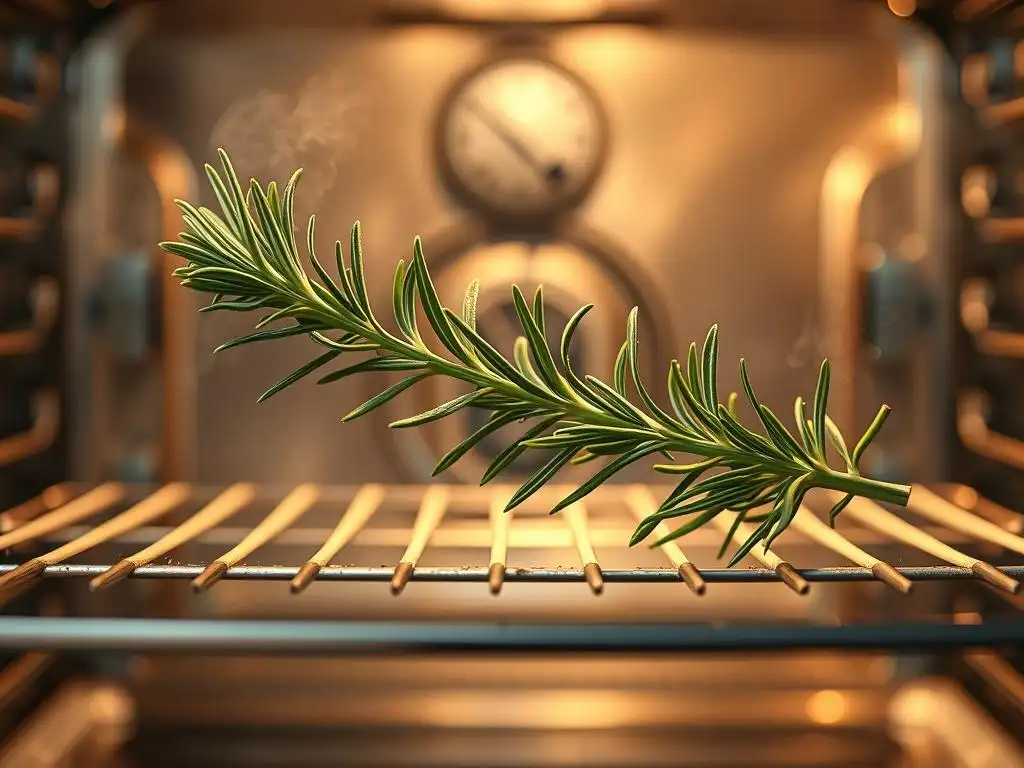
This section details the oven-drying process for rosemary, focusing on preserving its potent aroma. Successfully drying rosemary in the oven requires careful attention to temperature and airflow to prevent burning and maintain the herb's essential oils, responsible for its characteristic fragrance. This method is efficient and allows for larger batches compared to air drying, making it ideal for those with abundant rosemary harvests. Remember, the goal is to gently dehydrate the leaves, not cook them.
Setting the Oven Temperature for Optimal Rosemary Drying
The key to oven-drying rosemary and retaining its aroma lies in the temperature. Too high, and you'll scorch the leaves, losing the volatile aromatic compounds. Too low, and the drying process will take excessively long, increasing the risk of mold growth. The ideal temperature range is between 170°F (77°C) and 200°F (93°C). We recommend starting at the lower end of this range (170°F/77°C) to minimize the risk of burning.
Use an oven thermometer for accuracy, as oven temperatures can vary. Remember to always check your oven's manual for specific instructions and temperature calibration. Consistent monitoring is crucial; you might need to slightly adjust the temperature based on your oven and the rosemary's moisture content. This ensures even drying and maximum aroma retention. Think of it as a slow, gentle dehydration process, not baking.
Arranging Rosemary Sprigs on Baking Sheets for Even Drying
Even drying is paramount to preserving the rosemary's aroma and preventing uneven browning. Avoid overcrowding the baking sheets; a single layer is best. This allows for proper air circulation, crucial for consistent drying. If you have a large amount of rosemary, use multiple baking sheets. Arrange the sprigs in a single layer, ensuring that they are not touching each other.
This spacing prevents steaming and ensures that all surfaces are exposed to the warm air. You can use parchment paper or silicone baking mats to prevent sticking. For optimal results, consider trimming the thicker rosemary stems to ensure even drying throughout the sprig. This ensures all parts dry at a similar rate, preserving the overall quality and aroma.
Monitoring the Drying Process and Adjusting Oven Temperature
Regular monitoring is critical during the oven-drying process. The drying time will vary depending on the amount of rosemary, the thickness of the stems, and your oven's efficiency. It typically takes between 1-3 hours. However, you should check the rosemary every 30 minutes.
The rosemary is completely dry when the leaves are brittle and crumble easily. If you notice any browning or burning, immediately reduce the oven temperature. If the rosemary is drying too slowly, you can slightly increase the temperature, but stay within the recommended range. Remember that the oven door should remain slightly ajar to allow moisture to escape.
This improves air circulation and prevents excessive steam build-up, which can negatively affect the drying process and aroma retention. Using a wooden spoon or similar to prop the door slightly open is a simple and effective method. Once dry, remove the rosemary from the oven and allow it to cool completely before storing. Proper storage is essential for preserving the aroma and extending the shelf life of your dried rosemary.
Determining When Rosemary is Perfectly Dried
Knowing when your rosemary is perfectly dried is crucial for preserving its vibrant aroma and preventing mold growth. Over-drying will result in brittle, flavorless sprigs, while under-drying leaves the door open for spoilage. The ideal dryness is achieved when the leaves crumble easily between your fingers, but still retain a hint of flexibility. Avoid the temptation to rush the process; patience is key to achieving optimal results.
The texture is the best indicator. Gently touch a few leaves. They should feel dry and slightly leathery, not stiff and brittle. If you bend a sprig, it should show some slight flexibility, not snap immediately. A good test is to try to crumble a leaf between your fingers. If it crumbles easily into a fine powder, it's perfectly dried. If it bends or resists crumbling, it needs more time in the oven.
Remember, the leaves should be completely dry throughout, not just on the surface. This is especially important for thicker rosemary stems, which might retain moisture longer. Inspect the leaves thoroughly, paying close attention to the inner parts of the sprigs. If you find any dampness, return the rosemary to the oven for a short period, checking regularly until completely dry. This careful attention to detail will ensure that your dried rosemary retains its full aromatic potential for months to come. The reward for careful drying is the intense, fragrant rosemary you'll enjoy in your cooking all year round.
Storing Your Dried Rosemary to Maintain Aroma
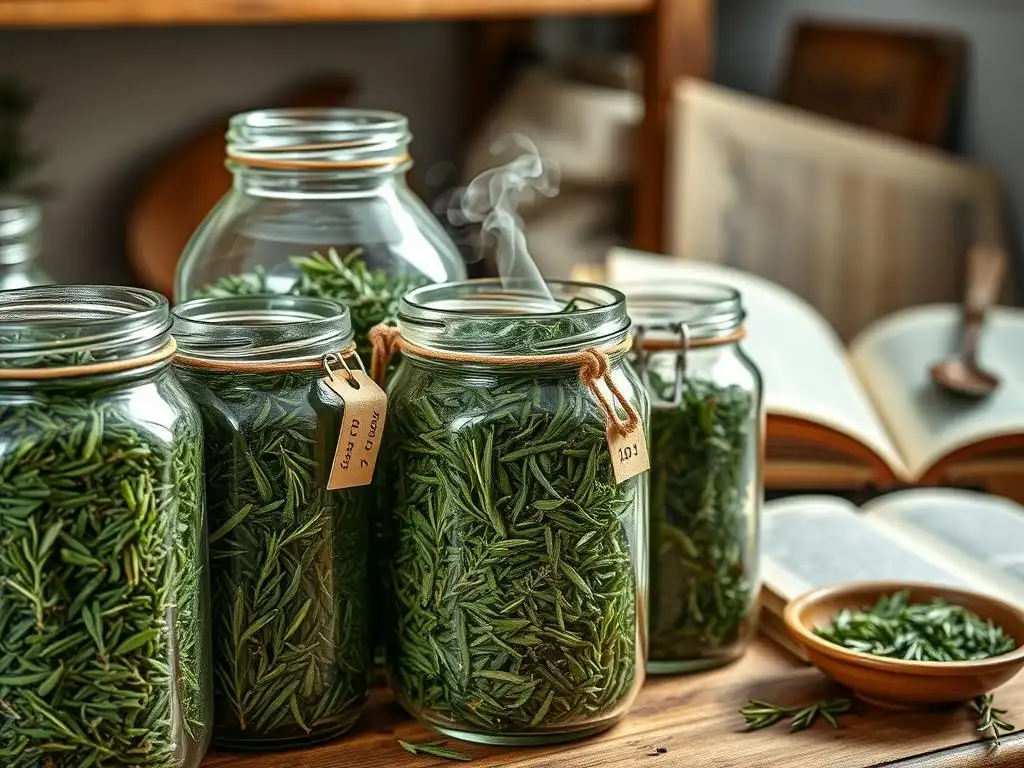
Preserving the vibrant aroma of your homegrown rosemary is just as crucial as the drying process itself. Proper storage is key to preventing the loss of those essential oils responsible for rosemary's distinctive fragrance and flavor. Improper storage can lead to a significant decline in quality, resulting in dull, flavorless herbs.
This section will guide you through optimal storage techniques to ensure your dried rosemary retains its potent aroma for months to come. We'll explore the importance of airtight containers and the ideal storage environment to maximize the shelf life and quality of your dried rosemary. Remember, even with careful drying, subpar storage can quickly diminish the value of your hard work.
Proper Storage Techniques for Dried Rosemary
The success of preserving your rosemary's aroma hinges on employing the correct storage techniques. Think of it as safeguarding a precious ingredient – the more care you take, the longer you'll enjoy its benefits. Here's a breakdown of best practices:
- Immediate Storage: Once your rosemary sprigs are completely dry and brittle, immediately transfer them to your chosen storage container. Delaying this step exposes the herbs to moisture in the air, potentially leading to mold growth and aroma degradation.
- Choosing the Right Container: Avoid porous containers like cardboard boxes, which allow moisture and air to penetrate, affecting the quality of your dried rosemary. Opt for airtight containers made of glass or food-grade plastic.
- Labeling: Label your containers with the date of drying. This helps you track the age of your rosemary and ensure you use the oldest batches first. This simple step contributes to minimizing waste and maximizing the enjoyment of your homegrown herbs.
- Regular Checks: Even with proper storage, it's advisable to check your dried rosemary periodically for any signs of moisture, discoloration, or pest infestation. Addressing issues early can prevent larger problems down the line. Discard any rosemary showing signs of deterioration.
Using Airtight Containers to Preserve Rosemary's Fragrance
Airtight containers are paramount in maintaining the aroma of dried rosemary. Exposure to air leads to oxidation, which diminishes the potency of the essential oils responsible for the herb's fragrance. The goal is to create an environment that minimizes contact with oxygen.
Here are some container options:
| Container Type | Pros | Cons |
|---|---|---|
| Glass Jars | Excellent air seal, reusable, visually appealing | Can be fragile, may require more space |
| Food-Grade Plastic Containers | Lightweight, durable, often stackable | May not be as aesthetically pleasing as glass |
| Vacuum-Sealed Bags | Superior air removal, excellent for long-term storage | Requires a vacuum sealer, single-use bags often less eco-friendly |
The best option depends on your preference and available resources. Regardless of your choice, ensure the container seals tightly to prevent air from entering.
Storing Dried Rosemary in a Cool, Dark Place to Maintain Quality
Temperature and light exposure significantly impact the quality of dried rosemary. Storing your precious herbs in a cool, dark place extends their shelf life and preserves their aroma.
- Temperature: A cool, consistent temperature is ideal. Avoid areas subject to extreme temperature fluctuations, such as near a stove or direct sunlight. A pantry or cupboard away from heat sources is perfect.
- Light: Direct sunlight accelerates the degradation of essential oils. Store your rosemary in a dark or dimly lit area. This simple precaution can greatly extend the life of your herbs.
- Humidity: High humidity is detrimental to dried herbs. Ensure your storage area is well-ventilated to prevent moisture buildup. Consider using silica gel packets in your container to absorb excess moisture—a great technique for long-term storage of your dry rosemary oven preserve aroma.
By following these simple yet effective storage techniques, you can significantly extend the shelf life of your dried rosemary and enjoy its wonderful aroma for many months to come. Remember, proper storage is the final, crucial step in the process of successfully drying and preserving your homegrown herbs. 🌿
Using Your Oven-Dried Rosemary: Recipes and Ideas

Now that you've successfully oven-dried your rosemary, preserving its vibrant aroma, let's explore the delightful ways you can use it in your culinary creations. Oven-dried rosemary retains much of its essential oils, resulting in a potent flavor that elevates dishes from simple to sophisticated. Remember, less is often more with dried herbs; their flavor is more concentrated than fresh.
Culinary Applications of Oven-Dried Rosemary
Dried rosemary is incredibly versatile. Its robust, slightly piney flavor pairs beautifully with a wide array of ingredients. Here are some ideas to inspire your culinary adventures:
- Roasted Vegetables: Toss your favorite vegetables (potatoes, carrots, Brussels sprouts) with olive oil, salt, pepper, and a generous sprinkle of dried rosemary before roasting. The heat intensifies the rosemary's flavor, creating a wonderfully aromatic dish. Experiment with different vegetable combinations for unique flavor profiles. For example, a combination of roasted butternut squash and rosemary is a fall favorite.
- Meat Dishes: Rosemary is a classic companion to lamb, chicken, and pork. Rub your chosen meat with a mixture of dried rosemary, garlic powder, salt, and pepper before roasting or grilling. The rosemary will infuse the meat with its distinctive flavor, leaving it tender and fragrant. For a richer flavor, consider adding a touch of dried thyme or oregano to the rub.
- Soups and Stews: Add a teaspoon or two of dried rosemary to your favorite soups and stews during the last 15-20 minutes of cooking. This will allow the flavor to infuse the broth without becoming overpowering. Consider adding rosemary to hearty lentil soup or a classic beef stew for an extra layer of depth.
- Bread and Baked Goods: Incorporate dried rosemary into bread dough, focaccia, or even muffins for a unique savory twist. The aroma of rosemary baking in the oven is truly captivating. A rosemary-infused sourdough loaf is a particularly impressive culinary achievement.
- Pasta Dishes: A sprinkle of dried rosemary adds a surprising yet delightful dimension to pasta dishes. Consider adding it to a simple tomato sauce, a creamy pesto, or even a hearty pasta bake.
Infusing Oils and Vinegars with Dried Rosemary
Infusing oils and vinegars with dried rosemary is a simple yet elegant way to preserve its flavor and create unique culinary ingredients. This process allows the rosemary's aroma and flavor to gently permeate the oil or vinegar, resulting in a deeply flavorful condiment.
The process is straightforward: Place a generous amount of dried rosemary sprigs in a clean, dry bottle. Fill the bottle with high-quality extra virgin olive oil or a good quality vinegar (like balsamic). Seal tightly and store in a cool, dark place for at least 2-4 weeks, shaking occasionally. After this time, strain the oil or vinegar through a fine-mesh sieve or cheesecloth to remove the rosemary. The resulting infused oil or vinegar can be used to dress salads, marinate meats, or add a finishing touch to various dishes. Remember to label your bottles with the date of infusion.
Making Rosemary-Infused Salts and Seasonings
Creating rosemary-infused salts and seasonings is another excellent way to preserve and utilize your oven-dried rosemary. This process is incredibly easy and allows for creative customization to suit your taste preferences.
To make rosemary salt, simply combine coarsely ground sea salt with your dried rosemary in a ratio of approximately 4:1 (salt to rosemary). You can adjust this ratio to your preference. Store the mixture in an airtight container. This rosemary salt can then be used to season a wide variety of dishes, adding both flavor and visual appeal.
For a more complex seasoning blend, consider combining your rosemary salt with other dried herbs, spices, and even citrus zest. A blend of rosemary, garlic powder, onion powder, and black pepper makes an excellent all-purpose seasoning for meats and vegetables. The possibilities are endless! Experiment with different combinations to discover your favorite custom seasoning blends. Remember to always label your containers with the contents and date. 😊
Troubleshooting Common Oven Drying Problems
Oven drying rosemary, while generally straightforward, can present a few challenges. Understanding these potential problems and implementing preventative measures is key to preserving the herb's vibrant aroma and ensuring a successful drying process. This section will address three common issues: uneven drying, burning, and mold or spoilage. By carefully following these guidelines, you can significantly reduce the risk of encountering these problems and maximize the yield of high-quality dried rosemary. Remember, patience and attention to detail are crucial for optimal results when oven drying this aromatic herb.
Addressing Issues with Uneven Drying of Rosemary
Uneven drying is a frequent problem when oven drying rosemary. This occurs when some sprigs dry faster than others, resulting in some being brittle and dry while others remain damp and potentially prone to mold. Several factors contribute to this:
- Overcrowding the baking sheet: If the rosemary sprigs are packed too tightly, air circulation is restricted, leading to uneven drying. Ensure adequate spacing between sprigs for optimal airflow. A good rule of thumb is to leave at least ½ inch between each sprig.
- Inconsistent oven temperature: Fluctuations in oven temperature can also cause uneven drying. Using an oven thermometer to monitor the temperature and ensuring your oven maintains a consistent low heat is vital. Modern ovens often have temperature inconsistencies; monitoring ensures even drying.
- Uneven sprig size and thickness: Thicker rosemary stems take longer to dry than thinner ones. For more consistent drying, try to select sprigs of similar size and thickness before placing them in the oven. Pre-trimming the sprigs to a uniform length can also help.
- Insufficient drying time: Drying rosemary requires patience. Insufficient drying time leads to a higher moisture content and increased susceptibility to mold or spoilage. Always ensure the sprigs are completely dry before removing them from the oven.
To mitigate uneven drying, consider using multiple thinner layers on separate baking sheets, ensuring even spacing throughout. Regularly rotate the baking sheets during the drying process to ensure even exposure to heat. This careful approach will significantly improve the consistency of your dried rosemary.
Preventing Rosemary from Burning During Oven Drying
Burning is another common issue, often caused by excessive heat or insufficient monitoring. Rosemary, with its delicate oils, is particularly susceptible to burning at high temperatures. Here's how to prevent this:
- Maintaining a low oven temperature: The optimal temperature for oven drying rosemary is between 170°F (77°C) and 200°F (93°C). Exceeding this temperature significantly increases the risk of burning.
- Frequent monitoring: Regularly check the rosemary sprigs during the drying process. The aroma will change as the rosemary dries; a burnt smell indicates immediate action is needed. Open the oven door carefully to avoid temperature fluctuations.
- Using a baking sheet with ventilation: A baking sheet with holes or perforations improves airflow and helps prevent burning by ensuring even heat distribution.
- Turning off the oven early: If the rosemary is almost dry but you notice slight browning, turn off the oven and leave the rosemary inside with the door slightly ajar to finish drying with residual heat. This prevents over-drying and burning.
Remember to always prioritize low and consistent heat. This careful approach, combined with frequent monitoring, will help you avoid burning your precious rosemary and preserve its rich, aromatic qualities. The key is patience and careful observation.
Dealing with Mold or Spoilage in Dried Rosemary
Mold or spoilage in dried rosemary is usually a result of insufficient drying or improper storage. Here's how to prevent and address this:
- Ensuring complete dryness: Thoroughly dry the rosemary sprigs until they are completely brittle and crumble easily. Any remaining moisture creates a breeding ground for mold.
- Proper storage: Store the dried rosemary in an airtight container in a cool, dark, and dry place. This helps prevent moisture absorption and the growth of mold. Consider using airtight glass jars or vacuum-sealed bags.
- Inspecting regularly: Regularly inspect your dried rosemary for signs of mold, such as discoloration, musty odor, or slimy texture. Discard any affected sprigs immediately to prevent contamination. Early detection is crucial.
- Using desiccant packets: Adding small silica gel desiccant packets to the storage container can help absorb excess moisture and further reduce the risk of mold growth. These packets are inexpensive and readily available.
Proper drying and storage are vital for preventing mold and spoilage. By following these guidelines, you can enjoy your homegrown, oven-dried rosemary for a longer period, preserving its flavor and aroma. Remember, prevention is always better than cure when it comes to preserving your herbs.
Frequently Asked Questions
How long does it take to oven-dry rosemary to retain its aroma?
Oven drying rosemary typically takes 1-3 hours, depending on your oven temperature and the thickness of the stems. Check frequently to prevent burning.
What temperature should I use for oven drying rosemary?
The ideal temperature is between 170-200°F (77-93°C). Lower temperatures take longer but preserve more aroma.
Can I use any type of rosemary for oven drying?
Yes, you can use any type of rosemary, but freshly harvested sprigs will yield the best results and retain the most aroma.
How do I know when my rosemary is properly dried?
The rosemary is ready when the leaves are crisp and easily crumble. The leaves should be completely dry and not pliable.
How can I best store my oven-dried rosemary to maintain its aroma?
Store your dried rosemary in an airtight container in a cool, dark, and dry place. This will help preserve its aroma and flavor for longer.
Final Reflection: The Enduring Fragrance of Rosemary, Preserved
The simple act of oven-drying rosemary, as detailed in this guide, is more than just a preservation technique; it's a connection to culinary history and a celebration of nature's enduring gifts. The ability to capture the vibrant aroma of fresh rosemary, locking it away for future use, speaks to a deeper human desire to connect with the seasons and to savor the bounty of the earth long after harvest. This simple process allows us to extend the life and enjoyment of this powerful herb, making it accessible throughout the year.
The influence of preserving herbs like rosemary extends far beyond the kitchen; it's a reflection of our innate human desire to connect with nature and to make the most of its gifts. This practice, passed down through generations, speaks to our resourcefulness and our appreciation for the simple pleasures in life. The earth laughs in flowers.
– Ralph Waldo Emerson. This quote beautifully captures the joy and abundance that preserving herbs, like rosemary, allows us to experience, even in the depths of winter. The act of preserving is a testament to our appreciation for the ephemeral beauty of nature.
Consider, then, the rosemary you might dry using the techniques outlined in this article. Imagine the comforting aroma filling your kitchen as you prepare a winter stew or roast chicken, a fragrant reminder of summer's warmth. Take the time to engage in this simple act of preservation, not just for the practical benefits, but for the deeper connection it fosters with the natural world and with the culinary traditions of the past. Let the scent of dried rosemary transport you, reminding you of the beauty and bounty that surrounds us, waiting to be savored.
Unlock the Aromatic Power of Homemade Rosemary!
Thank you for learning how to preserve the delightful aroma of rosemary! You now have the skills to easily dry your own herbs, ensuring a constant supply of fresh flavor for your cooking. Ready to explore more?
- Craft Your Own Rosemary-Infused Oil: Elevate your cooking with the rich aroma of homemade rosemary oil. Imagine the delicious scent and flavor it will add to your next dish!
- Share Your Drying Success: Join our community of herb enthusiasts! Share your rosemary drying experience, including photos or tips, with other readers in the comments below.
- Experiment with Other Herbs: Now that you've mastered drying rosemary, try using the same technique to dry other fragrant herbs like thyme, oregano, or lavender.
What culinary creations will your freshly dried rosemary inspire?