
The Language of Food: Expanding Kids' Palates with Garden Flavors

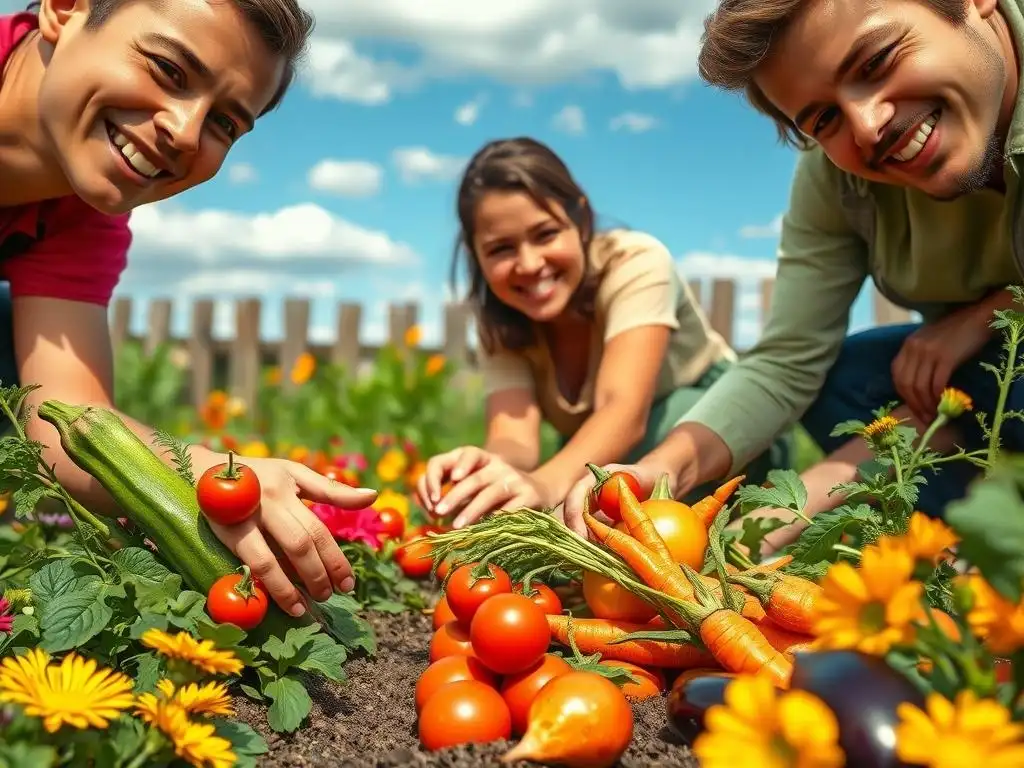
Welcome to CultivateYourFood, your guide to a greener, more flavorful life! Are you ready to watch your children's eyes light up as they discover the magic of growing their own food? We believe that nurturing a connection with nature starts with planting a seed – literally. Learn how to transform your backyard into a vibrant, organic oasis and engage your kids in the rewarding process with our article on Kids gardening organic vegetables. Discover the secrets to successful harvests and delicious, homegrown meals together – the journey starts now!
- Introducing Kids to Organic Vegetable Gardening: A Sensory Experience
- From Garden to Table: Cooking with Freshly Harvested Organic Produce
- Expanding Kids' Palates: Exploring Diverse Organic Vegetable Flavors
- Making it a Family Affair: The Benefits of Shared Gardening and Cooking Experiences
- Resources for Kids Gardening Organic Vegetables
-
Frequently Asked Questions
- How can I get my kids involved in organic vegetable gardening?
- What are some organic pest control methods safe for kids?
- Which organic vegetables are best for beginner gardeners (and kids)?
- How can I make gardening fun and educational for children?
- Where can I find organic seeds and seedlings suitable for kids?
- Final Reflection: Cultivating a Lifetime of Flavor
- Unleash Your Little Gardener's Culinary Adventure!
Introducing Kids to Organic Vegetable Gardening: A Sensory Experience
Cultivating a love for fresh, organic produce starts young. This article explores the incredible benefits of involving children in the entire process of growing their own food, from planting the seeds to savoring the harvest. We'll delve into practical strategies for engaging children of different ages in organic vegetable gardening, transforming a potentially tedious chore into a fun, educational, and rewarding family experience.
Learning about where food comes from fosters healthy eating habits, appreciation for nature, and a deeper understanding of sustainable living – all crucial elements in raising well-rounded and environmentally conscious individuals. This guide focuses on making organic vegetable gardening accessible and enjoyable for kids, emphasizing hands-on learning and age-appropriate tasks to ensure a positive and enriching experience for the whole family. We'll cover everything from selecting easy-to-grow vegetables to safely harvesting and preparing the bounty of your shared efforts.
Get ready to sow the seeds of healthy habits and a lifelong appreciation for organic food! 🥕
The Power of Hands-On Learning: Growing Your Own Organic Vegetables
There's a magic in watching a tiny seed sprout into a vibrant plant, eventually yielding delicious, homegrown vegetables. For children, this transformation is nothing short of miraculous. Getting kids involved in the process of growing their own organic vegetables offers a multitude of benefits beyond just a tasty harvest.
It provides a unique hands-on learning experience that connects them directly to the source of their food. They learn about the life cycle of plants, the importance of soil health, the need for sunlight and water, and the patience required for nurturing growth. This hands-on approach significantly increases their appreciation for the effort involved in producing food, often leading to a reduction in food waste and a greater willingness to try new vegetables.
Furthermore, working in the garden fosters a sense of responsibility and accomplishment, boosting their self-esteem and confidence. Consider starting with easy-to-grow vegetables like radishes, lettuce, or zucchini, which offer quick results and immediate gratification. The satisfaction of picking a ripe, homegrown vegetable is unparalleled and will motivate them to continue gardening.
Engaging Young Gardeners: Age-Appropriate Tasks and Responsibilities
Involving children in organic vegetable gardening should be tailored to their age and abilities. Younger children (ages 3-5) can participate in simpler tasks like watering plants with a small watering can, weeding (under supervision), or helping to prepare the soil. They can also learn to identify different plants and vegetables through sensory exploration—touching leaves, smelling flowers, and observing the growth process.
Older children (ages 6-8) can handle more responsibility, such as planting seeds, transplanting seedlings, and assisting with harvesting. They can also learn about composting and pest control methods, understanding the importance of sustainable practices. Teenagers can take on more advanced tasks, including planning the garden layout, researching different vegetables, and managing the overall garden maintenance.
Remember to make it fun! Engage their creativity by letting them decorate plant markers or create a garden journal to document their progress. Positive reinforcement and encouragement are key to keeping them motivated and involved.
Harvesting Organic Vegetables with Kids: A Fun Family Activity
Harvesting the fruits (and vegetables!) of your labor is the most rewarding part of the gardening experience. Make it a family affair! Involving children in the harvesting process is a fantastic opportunity to teach them about recognizing when vegetables are ripe and ready to pick.
This hands-on experience allows them to connect the process of growth with the final product, fostering a deeper appreciation for the food they consume. Explain the different stages of growth and how to identify signs of ripeness. For example, show them how to check the firmness of a tomato or the color of a zucchini. Let them carefully pick the vegetables, emphasizing gentle handling to avoid damaging the plants.
This is also a great time to discuss food waste and the importance of using all parts of the harvested vegetables. Turn the harvesting experience into a fun family activity by making it a picnic in the garden or using the freshly picked vegetables in a family meal together. The shared experience of growing, harvesting, and enjoying organic vegetables together will create lasting memories and instill a lifelong love for healthy eating.
From Garden to Table: Cooking with Freshly Harvested Organic Produce
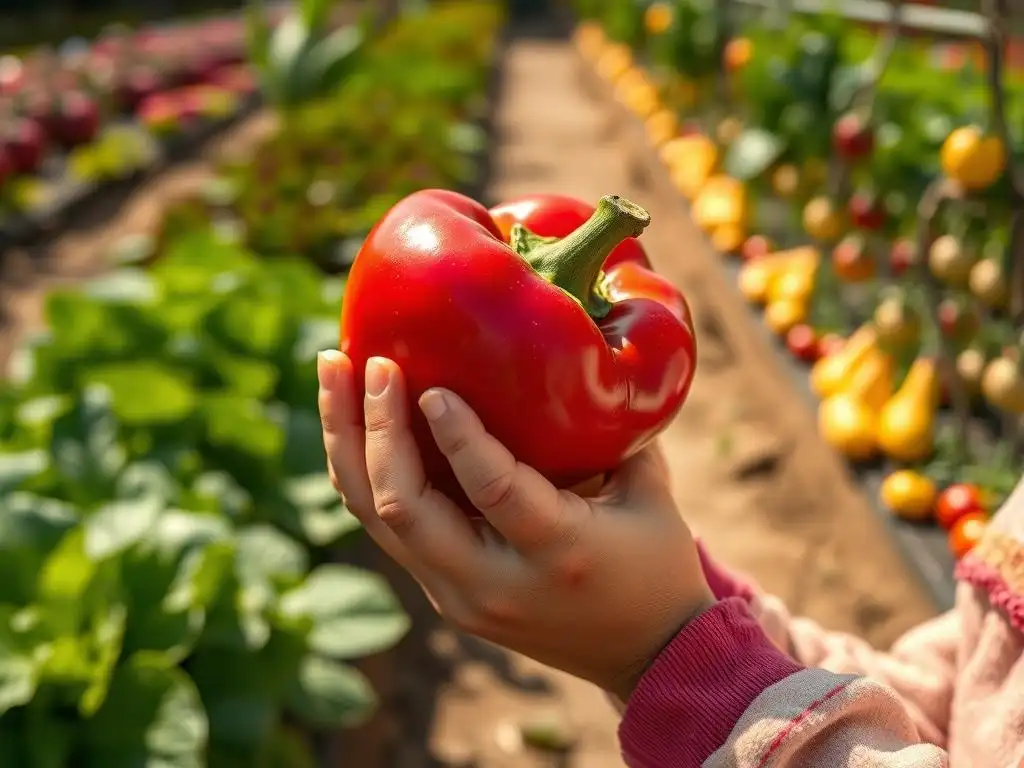
This section focuses on the crucial transition from harvesting organic vegetables to preparing them for consumption, particularly with children involved. The process should be safe, engaging, and educational, reinforcing the connection between the garden and the plate. Successfully navigating this stage significantly impacts children's willingness to try new foods and appreciate the effort involved in growing their own food. We'll explore practical techniques to make this experience both fun and fruitful.
Preparing Organic Vegetables for Little Chefs: Safe and Simple Techniques
Involving children in the preparation of organic vegetables is a fantastic way to foster a love for healthy eating. However, safety must always be the top priority. Begin with age-appropriate tasks. Young children can help wash vegetables (under supervision! ), while older kids can assist with simple chopping (using child-safe knives) and other preparation methods.
Here's a breakdown of safe and simple techniques:
- Washing: Thoroughly wash all vegetables under cold running water. Use a vegetable brush to scrub away any dirt or debris. For leafy greens, consider soaking them in a bowl of cold water for a few minutes to remove any hidden insects. This is a great task for even the youngest helpers! 🥕💦
- Chopping: Always supervise children when using knives. Start with softer vegetables like zucchini or bell peppers, which are easier to cut. Use child-safe knives with rounded tips and teach proper cutting techniques. Consider using pre-cut vegetables for younger children.
- Peeling: Peeling can be a fun activity, but always ensure children use a peeler correctly and safely. Start with easy-to-peel vegetables like carrots or potatoes.
- Other Preparations: Older children can be involved in more complex tasks, such as grating cheese, mixing ingredients, or measuring spices. Remember to emphasize the importance of handwashing before and after handling food. This reinforces good hygiene practices and contributes to a safe cooking environment.
Kid-Friendly Recipes Featuring Homegrown Organic Vegetables
The most effective way to encourage children to eat their vegetables is to make them delicious and fun! Here are some kid-friendly recipe ideas using homegrown organic vegetables:
| Recipe Name | Main Ingredients | Notes |
|---|---|---|
| Rainbow Veggie Skewers | Cherry tomatoes, cucumber, bell peppers | Great for picky eaters! Let kids choose their favorite colors. |
| Mini Veggie Pizzas | Whole wheat pita bread, tomato sauce, cheese, veggies | Customize with your garden's bounty! |
| Sweet Potato Fries | Sweet potatoes, olive oil, herbs | Baked, not fried, for a healthier option. |
| Simple Green Salad | Lettuce, cucumber, carrots, simple vinaigrette | Add colorful toppings like sunflower seeds or dried cranberries. |
| Zucchini Noodles (Zoodles) | Zucchini, pesto, parmesan cheese | A fun and healthy alternative to traditional pasta. |
Remember to adjust recipes based on your children's preferences and ages. Involving them in the cooking process makes them more likely to enjoy the final product. The joy of eating something they helped grow and prepare is invaluable!
Encouraging Healthy Eating Habits: The Taste of Homegrown Organic Food
Growing and eating organic vegetables is a powerful way to instill healthy eating habits in children. The experience connects them to the source of their food, fostering appreciation for the effort involved in producing healthy meals. This understanding can lead to a greater willingness to try new foods and make healthier choices.
Here are some key strategies:
- Involve children in every step: From planting seeds to harvesting and cooking, let children participate in the entire process. This hands-on experience creates a sense of ownership and pride.
- Make it fun: Gardening and cooking should be enjoyable activities. Use games, songs, and storytelling to make the experience more engaging.
- Be patient: It takes time to develop healthy eating habits. Don't get discouraged if your children don't immediately embrace every new vegetable. Keep offering a variety of options and celebrate small successes.
- Lead by example: Children learn by observing their parents. Show them that you enjoy eating healthy foods and make healthy eating a normal part of your family's routine. The taste of homegrown organic food is a powerful incentive, demonstrating the superior flavor and freshness resulting from sustainable practices. This positive reinforcement strengthens the connection between healthy eating and positive experiences. 🍅😋
Expanding Kids' Palates: Exploring Diverse Organic Vegetable Flavors
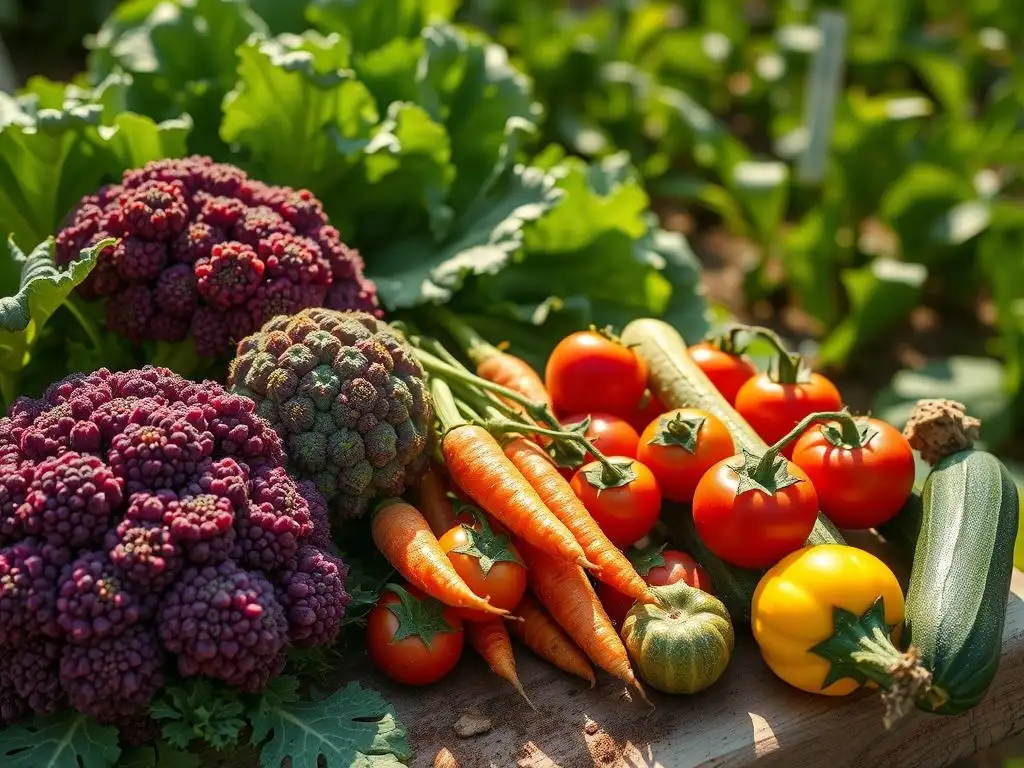
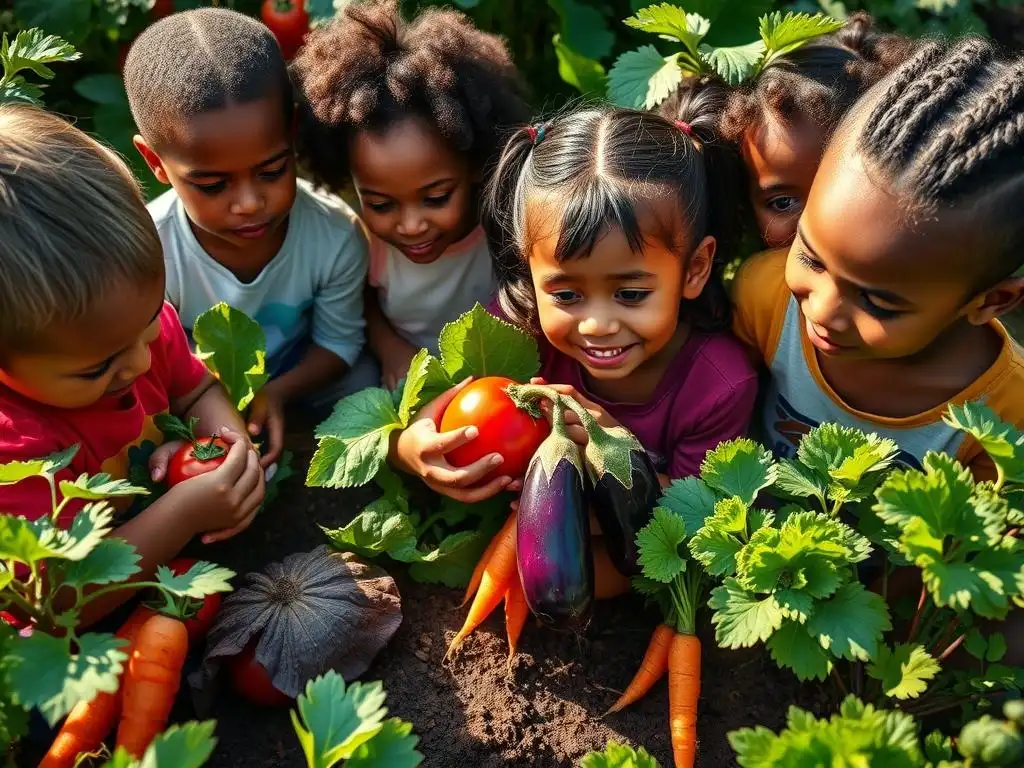
This section focuses on introducing children to a wide variety of organic vegetable flavors, a crucial step in fostering healthy eating habits and appreciating the fruits (and vegetables!) of their gardening labor. Successfully cultivating organic vegetables with children isn't just about growing food; it's about cultivating a lifelong love for healthy eating. The key lies in a gradual introduction of new flavors and textures, combined with engaging presentation and a positive, encouraging approach.
Introducing New Organic Vegetables: Strategies for Success
Introducing new organic vegetables to children requires patience and a strategic approach. Avoid overwhelming them with too many unfamiliar flavors at once. Start with vegetables that are visually appealing and have relatively mild flavors. Sweet potatoes, carrots, and bell peppers are excellent starting points. Here's a phased approach:
- Phase 1: Familiar Favorites: Begin with vegetables your child already enjoys, perhaps in a new preparation. If they like carrots raw, try roasted carrots with a touch of honey. This builds confidence and positive associations.
- Phase 2: Gradual Introduction: Introduce one new vegetable per week. Prepare it in a way that complements its natural flavor. For example, lightly steamed broccoli with a sprinkle of parmesan cheese, or cherry tomatoes served with hummus.
- Phase 3: Involvement in the Process: Involve children in the harvesting and preparation of the vegetables. This creates a sense of ownership and pride, making them more likely to try the food they helped grow. Let them wash the produce, help chop (with supervision! ), or even create a simple salad dressing.
- Phase 4: Positive Reinforcement: Avoid pressure or forcing. Praise their efforts and celebrate small victories, even if they only take a tiny bite. Focus on the positive experience of gardening and cooking together.
Consider creating a "Taste Test Chart" where kids can track the vegetables they've tried, rating them with happy faces or stars. This gamifies the experience and encourages exploration. Remember, consistency is key. Repeated exposure to new flavors is crucial for acceptance.
Overcoming Picky Eating: Creative Presentation and Taste Testing
Picky eating is a common challenge, but creative presentation can make a significant difference. The way food is presented visually can greatly influence a child's willingness to try it. Here are some fun and engaging strategies:
- Fun Shapes and Cuts: Use cookie cutters to create fun shapes from vegetables. Turning a carrot into a star or a cucumber into a flower can make it more appealing.
- Dipping Fun: Offer healthy dips like hummus, guacamole, or yogurt to accompany vegetables. This adds flavor and texture, making the experience more enjoyable.
- Rainbow Veggie Platter: Create a colorful platter with a variety of organic vegetables, arranged attractively. This visual appeal can encourage children to try different options.
- Incorporate into Familiar Dishes: Sneak finely chopped vegetables into familiar dishes like pasta sauce, meatballs, or scrambled eggs. This allows children to enjoy the flavors without noticing the added vegetables.
Remember to involve children in the taste-testing process. Make it a fun, non-judgmental experience. Let them express their opinions honestly, without pressure to eat everything.
The Importance of Organic Gardening for Children's Health and Development
Growing organic vegetables with children offers numerous benefits beyond expanding their palates. Organic gardening promotes healthy eating habits, teaches valuable life skills, and connects children to nature.
- Healthier Eating Habits: Children are more likely to eat vegetables they've grown themselves. This fosters a greater appreciation for fresh, healthy food and reduces reliance on processed snacks.
- Improved Nutrition: Organic vegetables, free from pesticides and herbicides, offer higher nutritional value. This contributes to children's overall health and development.
- Life Skills Development: Gardening teaches responsibility, patience, and problem-solving skills. Children learn about the life cycle of plants, the importance of caring for the environment, and the rewards of hard work.
- Connection with Nature: Spending time outdoors in a garden provides opportunities for physical activity, stress reduction, and a deeper connection with nature. This contributes to their overall well-being and appreciation for the environment. The experience of nurturing a plant from seed to harvest fosters a sense of accomplishment and self-esteem.
Cultivating a garden with your children is an investment in their health, well-being, and future. It’s a journey of discovery, learning, and delicious rewards. The positive impact extends far beyond the garden itself, nurturing a lifelong appreciation for healthy eating and sustainable living. This holistic approach to "Kids gardening organic vegetables" creates a powerful and lasting impact on their lives.
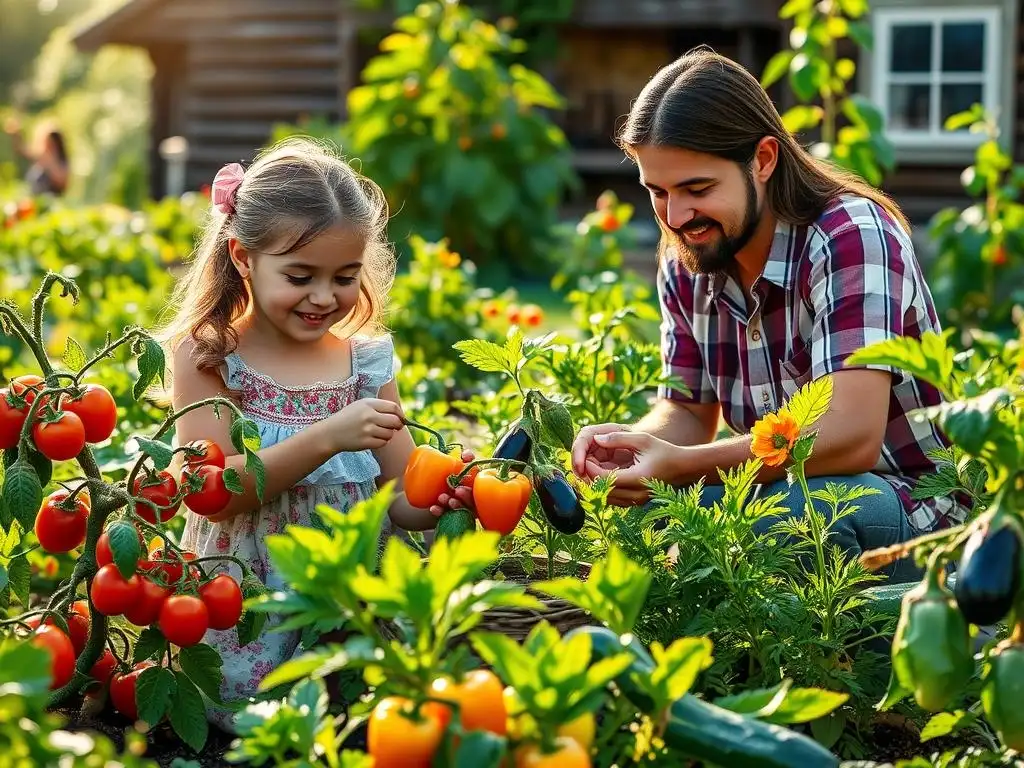
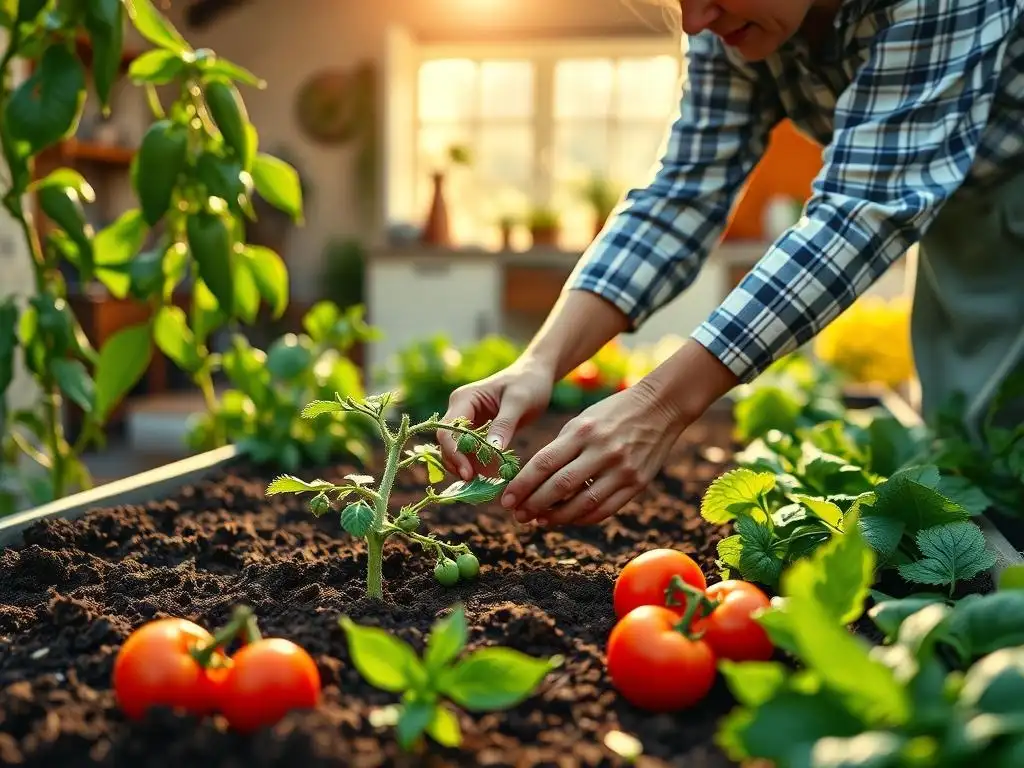
Growing organic vegetables with kids isn't just about producing healthy food; it's about fostering strong family bonds and creating lasting memories. Engaging children in the entire process, from planting seeds to harvesting and finally, cooking and enjoying the fruits (and vegetables!) of their labor, offers a multitude of benefits that extend far beyond the dinner table. This shared experience cultivates a deeper appreciation for nature, healthy eating, and the value of teamwork.
The simple act of working together in the garden—planting seeds, weeding, watering—builds teamwork and communication skills. Children learn patience, responsibility, and the importance of contributing to a shared goal. The shared effort of preparing a meal using homegrown ingredients further strengthens these bonds. Imagine the pride on a child's face as they proudly present a dish made with vegetables they helped cultivate!
This shared experience creates a sense of accomplishment and belonging, strengthening family ties in a meaningful way. Studies have shown that family activities like gardening significantly reduce stress and improve overall family well-being. The positive interactions and shared laughter during these activities create a positive feedback loop, fostering a stronger and more resilient family unit. Even simple tasks, like washing freshly picked vegetables together, can become opportunities for connection and conversation.
Creating Lasting Memories: The Joy of Growing and Sharing Organic Food
The experience of nurturing a plant from seed to harvest is an incredible journey for children. They witness firsthand the miracle of growth, learning about the life cycle of plants and the importance of patience and care. The taste of a sun-ripened tomato, freshly picked from the garden, is an unparalleled sensory experience that stays with them long after the meal is finished. These memories are not just about the food; they're about shared experiences, laughter, and the feeling of accomplishment.
These memories will be cherished for years to come, creating a rich tapestry of family history built on shared experiences and a connection to nature. Consider documenting these moments—photos, videos, or even a family gardening journal—to preserve these precious memories for generations. The joy of sharing homegrown, organic food with loved ones adds another layer to these cherished moments.
Teaching Sustainability: The Importance of Organic Practices for Future Generations
Kids gardening organic vegetables instills a deep appreciation for sustainable practices from a young age. By avoiding pesticides and herbicides, children learn about the importance of protecting the environment and preserving natural resources. They understand the impact of their choices on the planet and develop a sense of responsibility towards the environment.
Composting becomes a tangible lesson in recycling and reducing waste, demonstrating the circularity of nature. This hands-on experience translates into a deeper understanding of the interconnectedness of the food system and the environment. Teaching children about organic gardening practices empowers them to become environmentally conscious adults, contributing to a more sustainable future.
The knowledge gained extends beyond the garden, influencing their choices as consumers and shaping their perspectives on food production and environmental stewardship. This early exposure to sustainable practices can have a profound and lasting impact on their future actions and decisions. Moreover, understanding the benefits of organic food for their health and the environment enhances their overall well-being and understanding of the world around them.
Resources for Kids Gardening Organic Vegetables
This section provides a curated list of resources to help you engage children in the exciting world of organic vegetable gardening. We've focused on materials specifically designed to capture their interest and foster a lifelong love of growing and eating healthy food. Remember, making gardening fun is key to successful "Kids gardening organic vegetables" initiatives!
Recommended Children's Books About Gardening and Cooking
Inspiring young minds starts with captivating stories. These books blend engaging narratives with practical gardening and cooking tips, making learning a delightful experience. They're perfect for reading aloud or independent exploration, sparking curiosity about the origins of food and the joy of growing your own.
-
"The Giving Tree" by Shel Silverstein: While not explicitly about gardening, this classic teaches children about the cycle of giving and receiving, mirroring the relationship between gardener and garden. It beautifully illustrates the nurturing aspect of growing plants.
-
"From Seed to Supper" by Vicki Cobb: This book provides a clear and simple guide to growing vegetables from seed to harvest, with accompanying recipes to use the bounty. It uses age-appropriate language and engaging illustrations, making it perfect for younger children.
-
"The Gardener" by Sarah Stewart: This beautifully illustrated book follows a young girl's journey through a year in her garden, showcasing the different stages of growth and the rewards of tending to plants. It's a wonderful story to spark a child's imagination and appreciation for nature's cycles.
-
"The Curious Garden" by Peter Brown: A magical story about a boy who discovers a hidden garden and brings it back to life. This book fosters a sense of wonder and responsibility towards the environment, encouraging children to appreciate the beauty and importance of plants.
A table summarizing these books, with links to where they might be found (information pending) would be useful here:
| Book Title | Author | Age Range | Focus |
|---|---|---|---|
| The Giving Tree | Shel Silverstein | 4+ | Nurturing, cycle of giving and receiving |
| From Seed to Supper | Vicki Cobb | 5-8 | Growing vegetables, simple recipes |
| The Gardener | Sarah Stewart | 4-7 | Year in the garden, stages of plant growth |
| The Curious Garden | Peter Brown | 5-9 | Environmental responsibility, wonder |
Online Resources and Educational Websites for Young Gardeners
The digital world offers a wealth of engaging resources for young gardeners. These websites and platforms provide interactive learning experiences, making "Kids gardening organic vegetables" both fun and educational.
Many websites offer downloadable activity sheets, printable gardening guides, and videos demonstrating age-appropriate gardening techniques. Consider using these platforms to supplement hands-on gardening activities.
- Educational Video Channels: Numerous YouTube channels are dedicated to kids' gardening. Look for channels that focus on organic practices and age-appropriate demonstrations. These videos can be an excellent complement to hands-on activities, showing children how to plant seeds, care for plants, and harvest their crops.
- Interactive Games and Apps: Several apps and online games make learning about plants and gardening fun. Search for apps that focus on plant identification, growing cycles, and basic gardening skills. These can be a great way to engage children in a screen-based activity that complements their outdoor gardening experience.
- Gardening Blogs and Websites for Families: Many blogs and websites are specifically designed for families who want to garden together. These resources often include project ideas, tips, and advice tailored to different age groups, making them invaluable tools for parents and educators.
Remember to always supervise children while they are using online resources and ensure that the content is appropriate for their age and understanding. The internet offers a vast landscape of learning opportunities, making it essential to curate a safe and engaging experience for your young gardeners. 🌱
Frequently Asked Questions
How can I get my kids involved in organic vegetable gardening?
Start small! Choose easy-to-grow vegetables like radishes or lettuce. Let them help with age-appropriate tasks like watering and weeding, fostering a sense of ownership and accomplishment.
What are some organic pest control methods safe for kids?
Use natural deterrents like ladybugs for aphids or companion planting. Diatomaceous earth is another safe and effective option. Avoid harsh chemicals entirely.
Which organic vegetables are best for beginner gardeners (and kids)?
Fast-growing vegetables like beans, zucchini, and sunflowers are great choices. These provide quick results and encourage continued engagement.
How can I make gardening fun and educational for children?
Incorporate learning activities like measuring plant growth or identifying insects. Make it a family affair, and celebrate successes together. Consider keeping a gardening journal.
Where can I find organic seeds and seedlings suitable for kids?
Many local nurseries and online retailers offer organic options. Look for seed packets with kid-friendly images or varieties known for ease of growth.
Final Reflection: Cultivating a Lifetime of Flavor
The connection between children, gardening, and healthy eating is not merely a trend; it's a vital pathway to a brighter future. Our exploration of how gardening organic vegetables expands children's palates highlights a critical need for reconnecting kids with their food sources, fostering a deeper appreciation for nature, and combating the rise of processed food consumption. This isn't just about eating better; it's about building a healthier relationship with the environment and ourselves.
The impact of this simple act—planting a seed and watching it grow into something delicious—resonates far beyond the dinner table. It cultivates curiosity, patience, and a sense of accomplishment that extends to other areas of life. We must cultivate our garden, not only to feed our bodies, but also to nourish our souls.
This quote, though not directly about children and gardening, perfectly encapsulates the holistic benefits we've discussed. The experience fosters a deeper understanding of where food comes from, reducing food waste and promoting mindful consumption. It's a powerful lesson in sustainability and responsibility that will shape future generations.
Now, consider your own relationship with food. Do you remember a time when you connected with nature and the process of growing your own food? If not, what steps can you take, even in a small space, to introduce yourself or your children to the joy of gardening? Perhaps a single herb pot on a windowsill, a small community garden plot, or even just visiting a local farmer's market. Start small, plant a seed, and watch the magic unfold. The rewards extend far beyond a delicious meal; they nurture a healthier planet and a healthier you.
Unleash Your Little Gardener's Culinary Adventure!
Thank you for joining us on this journey into the delicious world of expanding your children's palates with garden-fresh flavors! We hope you've found valuable insights and inspiration. Now, let's put those ideas into action!
- Start small: Begin with a simple herb or vegetable that's easy to grow. Even a small pot of basil on a sunny windowsill can spark a lifelong love of fresh flavors.
- Get creative: Incorporate your homegrown produce into simple, kid-friendly recipes. Pesto pasta, a vibrant salad, or even a pizza topped with homegrown tomatoes are all delicious options. Share your culinary creations on social media using #CultivateYourFoodKids.
- Explore further: Discover even more kid-friendly garden-to-table recipes and gardening tips on our website.
Ready to transform mealtimes and create lasting family memories through the magic of homegrown food? What will you and your child plant together first?