
Designing Your Dream Fragrant Herb Garden: Layout and Placement Tips

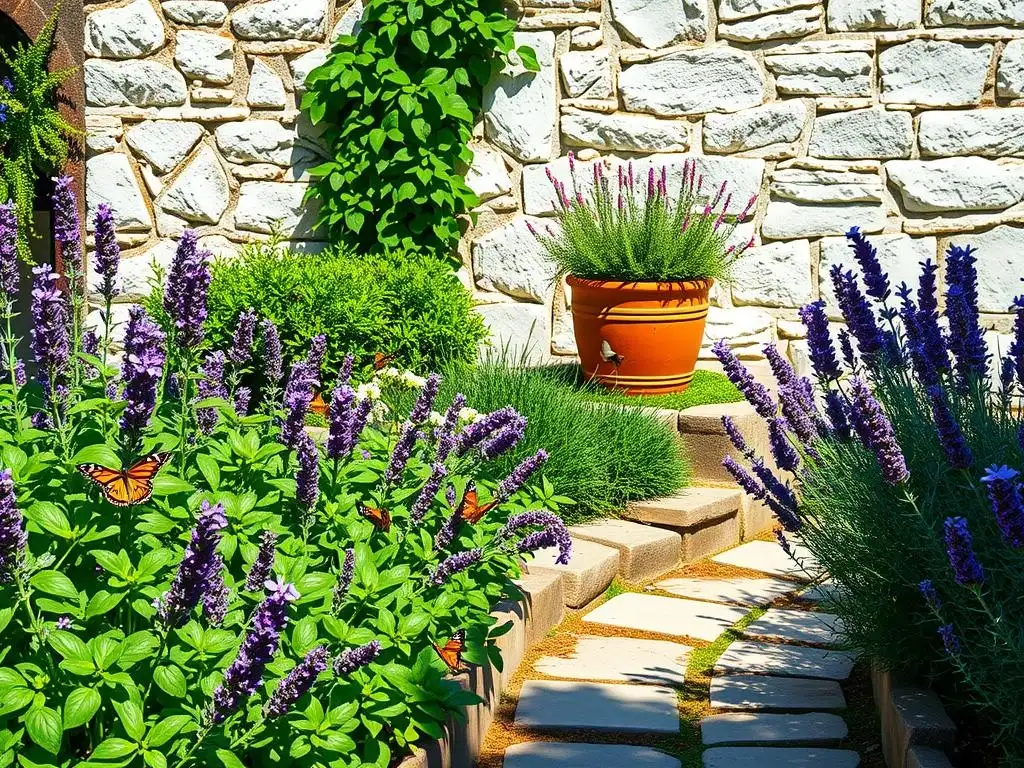
Welcome to CultivateYourFood, your guide to a thriving, sustainable garden! Are you dreaming of fresh, fragrant herbs at your fingertips? Then you've come to the right place. This website is dedicated to helping you grow your own fruits, vegetables, and herbs organically, and we're starting with the essential question: what's the best herb garden layout for your space and needs? Discover the secrets to designing your dream herb garden and unlock the joy of homegrown flavor – read on to learn more!
- Planning Your Best Herb Garden Layout: Site Selection and Soil Preparation
- Designing an Efficient and Aesthetic Herb Garden Layout
- Best Herb Garden Layout: Incorporating Paths and Features
- Choosing the Right Fragrant Herbs for Your Garden Layout
- Maintaining Your Fragrant Herb Garden: A Sustainable Approach
- Expanding Your Fragrant Herb Garden: Ideas for Future Growth
- Frequently Asked Questions
- Final Reflection: Cultivating a Life Rich with Scent and Purpose
- Unleash Your Inner Gardener: Grow Your Dream Herb Garden Today!
Planning Your Best Herb Garden Layout: Site Selection and Soil Preparation
Designing the best herb garden layout requires careful consideration of several key factors to ensure your fragrant herbs thrive. This guide will walk you through the essential steps, from selecting the ideal location to preparing the soil for optimal growth. Creating a successful and beautiful herb garden hinges on understanding the specific needs of your chosen plants and providing them with the right environment.
We’ll explore sunlight requirements, soil composition, and soil preparation techniques to help you cultivate a flourishing and aromatic herb garden, maximizing your yield and enjoyment. This comprehensive approach will ensure your herb garden is not just productive, but also aesthetically pleasing, adding a touch of natural beauty to your outdoor space. Let's embark on this journey towards creating your dream fragrant herb garden, focusing on achieving the best herb garden layout possible.
Choosing the Perfect Sunny Spot for Optimal Herb Growth
Most herbs crave ample sunlight – at least 6-8 hours a day – to flourish. Sunlight is crucial for photosynthesis, the process by which herbs produce their essential oils, contributing to their flavor and aroma. When choosing a location for your herb garden, prioritize a sunny spot, ideally facing south (in the Northern Hemisphere) or north (in the Southern Hemisphere) to maximize sun exposure.
Observe your yard throughout the day to identify areas that receive the most sunlight. Consider the presence of nearby trees or buildings that may cast shadows, impacting sunlight duration. Remember that even slight variations in sunlight exposure can significantly affect herb growth.
A south-facing location generally provides the most consistent and intense sunlight, boosting essential oil production and resulting in more flavorful herbs. For example, rosemary, thyme, and lavender are particularly sun-loving and will benefit greatly from this optimal placement. Conversely, herbs like mint and parsley tolerate slightly more shade but still need at least 4-6 hours of direct sunlight.
Assessing Your Soil's Health and Nutrient Content
Before planting, understanding your soil's composition is paramount for a successful herb garden. Healthy soil is well-draining, rich in organic matter, and provides the necessary nutrients for robust growth. You can assess your soil's health by performing a simple soil test.
This involves collecting soil samples from different areas of your chosen location and submitting them to a local agricultural extension office or garden center for analysis. The test will reveal your soil's pH level, nutrient content (such as nitrogen, phosphorus, and potassium), and texture. Knowing this information allows you to amend your soil accordingly, ensuring it provides the ideal environment for your herbs.
For instance, sandy soil drains too quickly, while clay soil retains too much water, potentially leading to root rot. Ideal soil for herbs is generally a loam, a balanced mix of sand, silt, and clay, providing excellent drainage and aeration. A soil test will give you specific recommendations tailored to your soil's unique characteristics.
Preparing the Soil: Amending for Drainage and Fertility
Once you've assessed your soil, you can begin preparing it for planting. Improving drainage and fertility is crucial for healthy herb growth. If your soil is heavy clay, adding organic matter such as compost, well-rotted manure, or peat moss will improve drainage and aeration. These amendments also enhance soil fertility by providing essential nutrients.
For sandy soil, which drains too quickly, incorporating organic matter will help retain moisture and nutrients. The amount of amendment needed depends on your soil's composition, as determined by your soil test. As a general guideline, aim to incorporate at least 2-4 inches of organic matter into the top 6-8 inches of soil. Before planting, thoroughly mix the amendments into the soil using a garden fork or tiller.
This ensures even distribution of nutrients and creates a suitable growing medium for your herbs. Remember, well-prepared soil is the foundation of a thriving herb garden, contributing significantly to the overall success of your best herb garden layout. This process ensures your herbs have the best possible start, leading to a more abundant and flavorful harvest.
Designing an Efficient and Aesthetic Herb Garden Layout
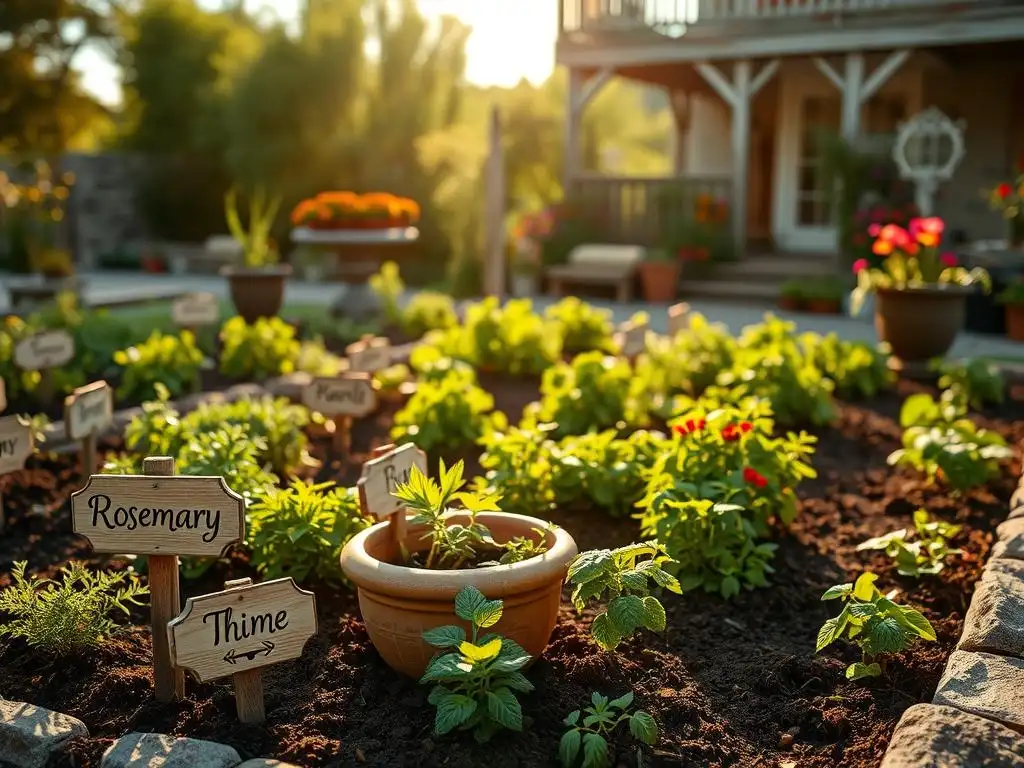
This section focuses on achieving the best herb garden layout for maximizing fragrance and yield while minimizing effort. We'll explore key design principles to create a thriving and beautiful herb garden, even in small spaces. Remember, a well-planned layout is crucial for successful herb gardening, contributing significantly to your overall harvest and enjoyment. The best layout considers not only aesthetics but also the practical needs of your chosen herbs.
Optimal Herb Garden Design for Fragrant Varieties
Fragrant herbs, such as lavender, rosemary, and mint, release their potent aromas under specific conditions. Optimal design for fragrance involves maximizing sun exposure and airflow. Consider these points:
- Sunlight: Most fragrant herbs thrive in at least 6 hours of direct sunlight daily. Orient your garden bed to receive maximum sun during the peak hours. South-facing (in the Northern Hemisphere) or North-facing (in the Southern Hemisphere) locations are often ideal. Observe your property throughout the day to determine the sunniest spots.
- Air Circulation: Good air circulation prevents fungal diseases and helps release the fragrant oils of your herbs. Avoid planting herbs too densely. Leave sufficient space between plants for airflow. Consider incorporating trellises or other structures to encourage upward growth and improve air circulation. A gentle breeze will enhance the release of aromatic compounds.
- Plant Placement: Strategically place fragrant herbs near walkways or seating areas to fully appreciate their aroma. Consider planting particularly strong-smelling herbs, such as lemon verbena or lemon balm, near areas where you'll spend time outdoors. This allows you to enjoy their fragrance as you work in your garden or relax in the surrounding space.
Grouping Herbs by Similar Needs: Sun, Water, and Soil Preferences
Successful herb gardening involves understanding individual plant requirements. Grouping herbs with similar needs simplifies care and maximizes their growth. Here's a breakdown of grouping strategies:
| Herb Group | Sun Requirements | Water Requirements | Soil Preferences | Example Herbs |
|---|---|---|---|---|
| Sun-Loving Herbs | 6+ hours direct sun | Well-drained soil | Well-drained, slightly alkaline | Rosemary, Thyme, Lavender, Oregano |
| Partial Shade Herbs | 4-6 hours direct sun | Moderate watering | Well-drained, fertile | Mint, Chives, Parsley |
| Moisture-Loving Herbs | 4-6 hours indirect sun | Consistent moisture | Moist, well-drained | Basil, Cilantro |
This table provides a general guideline. Always research the specific needs of your chosen herb varieties for optimal results. Remember that even within these groups, individual plant needs can vary slightly. Always refer to specific plant care guides for the most accurate information. Careful observation and adaptation are key to success.
Creating Visual Appeal: Designing for Height, Color, and Texture
Beyond functionality, a visually appealing herb garden enhances your outdoor space. Consider these design elements:
- Height Variation: Create visual interest by incorporating herbs of varying heights. Taller herbs, such as rosemary or lavender, can serve as backdrops for shorter herbs like thyme or oregano. This layered approach adds depth and dimension. Experiment with different heights to create a dynamic and visually appealing garden.
- Color Coordination: Incorporate herbs with different foliage colors for a vibrant display. The silvery-green leaves of lavender contrast beautifully with the deep green of rosemary. Consider adding herbs with variegated leaves for extra visual interest. A well-planned color palette can transform your herb garden into a stunning focal point.
- Textural Contrast: Combine herbs with different leaf textures. The soft, feathery leaves of dill contrast beautifully with the needle-like leaves of rosemary. This contrast adds depth and visual richness to your garden. The interplay of textures creates a more dynamic and engaging planting scheme. Consider the overall texture of your plants to create a visually pleasing effect.
By carefully considering these aspects, you can create a best herb garden layout that is both productive and aesthetically pleasing, maximizing the fragrance and beauty of your herb garden. Remember, flexibility and adaptation are key to achieving the perfect balance between functionality and visual appeal. Enjoy the process of designing and cultivating your dream fragrant herb garden!
Best Herb Garden Layout: Incorporating Paths and Features
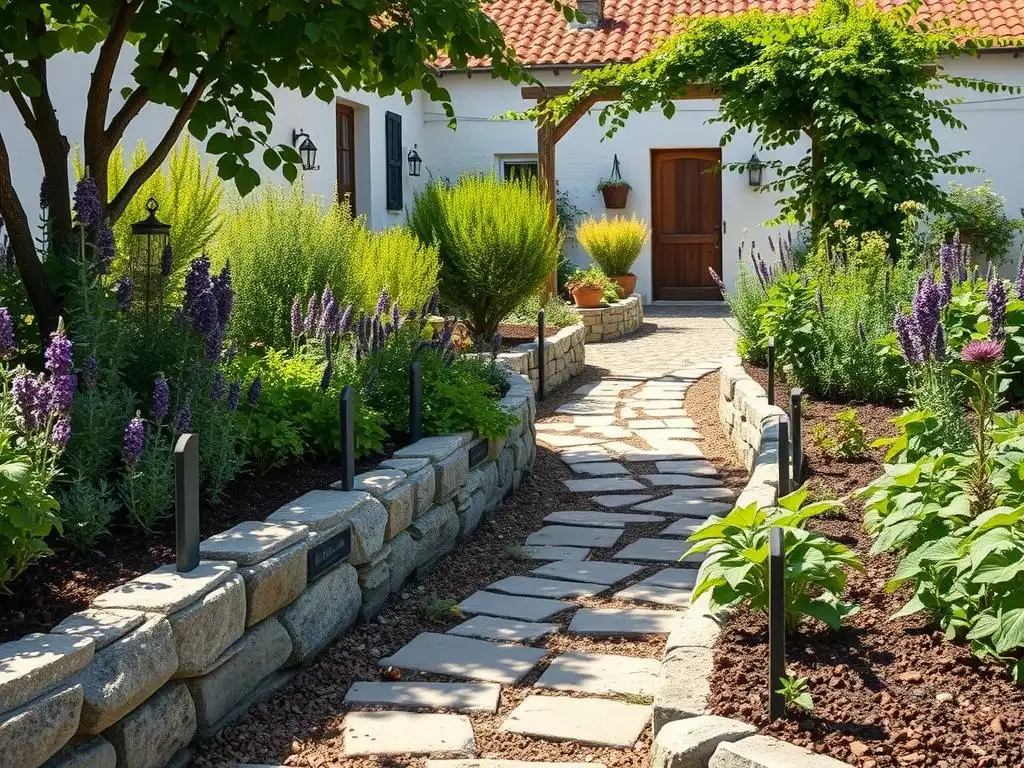
Designing a thriving and fragrant herb garden requires careful consideration of its layout. A well-planned design not only maximizes space and sunlight but also ensures ease of access for maintenance and harvesting. The "best herb garden layout" isn't a one-size-fits-all solution; it depends on factors like your available space, the types of herbs you're growing, and your personal aesthetic preferences. However, incorporating thoughtful pathways and attractive features can elevate your herb garden from functional to truly delightful. Optimal herb garden design emphasizes both practicality and beauty, creating a space you'll enjoy spending time in.
Designing Functional Pathways for Easy Access and Maintenance
The pathways in your herb garden are more than just walkways; they're crucial for efficient gardening. Consider these points when designing yours:
- Width: Aim for pathways at least 2-3 feet wide to allow for easy passage, even when carrying tools or harvesting. Narrower paths can work in smaller gardens, but prioritize comfortable movement. Remember to account for wheelbarrows or other equipment if you'll be using them.
- Materials: Choose durable and weed-resistant materials. Gravel, stepping stones, pavers, and even mulch can create beautiful and functional pathways. Gravel paths are excellent for drainage, preventing waterlogging around your plants. Stepping stones offer a rustic charm, while pavers provide a more formal look. Mulch is a budget-friendly option, but requires more frequent replenishment.
- Curving Paths: Instead of straight lines, consider incorporating gentle curves. Curving pathways not only add visual interest but also make the garden feel larger and more inviting. They can also guide you through different sections, highlighting specific herb groupings.
- Accessibility: If you have mobility limitations, ensure the pathways are level and wide enough for easy access with a wheelchair or other mobility aids. Consider using less slippery materials in areas prone to moisture.
- Maintenance: Regular sweeping or weeding is essential to keep pathways clear and attractive. Select materials that are easy to clean and maintain.
Adding Water Features to Enhance the Ambiance and Provide Moisture
Water features add a touch of serenity and elegance to any garden, and an herb garden is no exception. A small fountain, a birdbath, or even a simple pond can dramatically improve the ambiance. Beyond aesthetics, water features offer practical benefits:
- Humidity: Herbs like rosemary, thyme, and lavender thrive in dry conditions, but many others, such as mint and basil, appreciate increased humidity. A water feature can help maintain a more humid microclimate, particularly beneficial in hot, dry climates.
- Attracting Beneficial Insects: The sound of running water and the presence of moisture can attract beneficial insects such as ladybugs and lacewings, which help control pests naturally. This reduces the need for harmful chemical pesticides, aligning with the sustainable and organic practices emphasized on CultivateYourFood.
- Design Considerations: The size and style of your water feature should complement the overall design of your herb garden. A small, elegant fountain might suit a formal garden, while a rustic birdbath might be more appropriate for a cottage-style garden. Remember to choose a water feature that is easy to maintain and clean. Regular cleaning is crucial to prevent mosquito breeding.
Incorporating Seating Areas for Relaxation and Enjoyment
A well-designed herb garden isn't just about growing herbs; it's about creating a relaxing and enjoyable space. Incorporating seating areas allows you to fully appreciate the beauty and fragrance of your garden.
- Location: Choose a sunny spot with a pleasant view of your herb garden. Consider placing seating near a water feature or other focal point to maximize relaxation.
- Style: The style of your seating should complement the overall design of your garden. A simple bench made of natural wood or stone would be ideal for a rustic garden. A more ornate chair might suit a more formal setting.
- Comfort: Prioritize comfort when choosing seating. Consider adding cushions or pillows for extra comfort. The seating should be sturdy and weather-resistant.
- Practicality: Think about the practicality of your seating choice. Will it be easy to maintain? Will it withstand the elements? Consider a material that is easy to clean and requires minimal upkeep. A simple, durable bench is often the best option.
By carefully considering these aspects, you can design a "best herb garden layout" that is both functional and aesthetically pleasing, a space where you can cultivate your herbs and enjoy the fruits (and herbs!) of your labor. 🌿
Choosing the Right Fragrant Herbs for Your Garden Layout
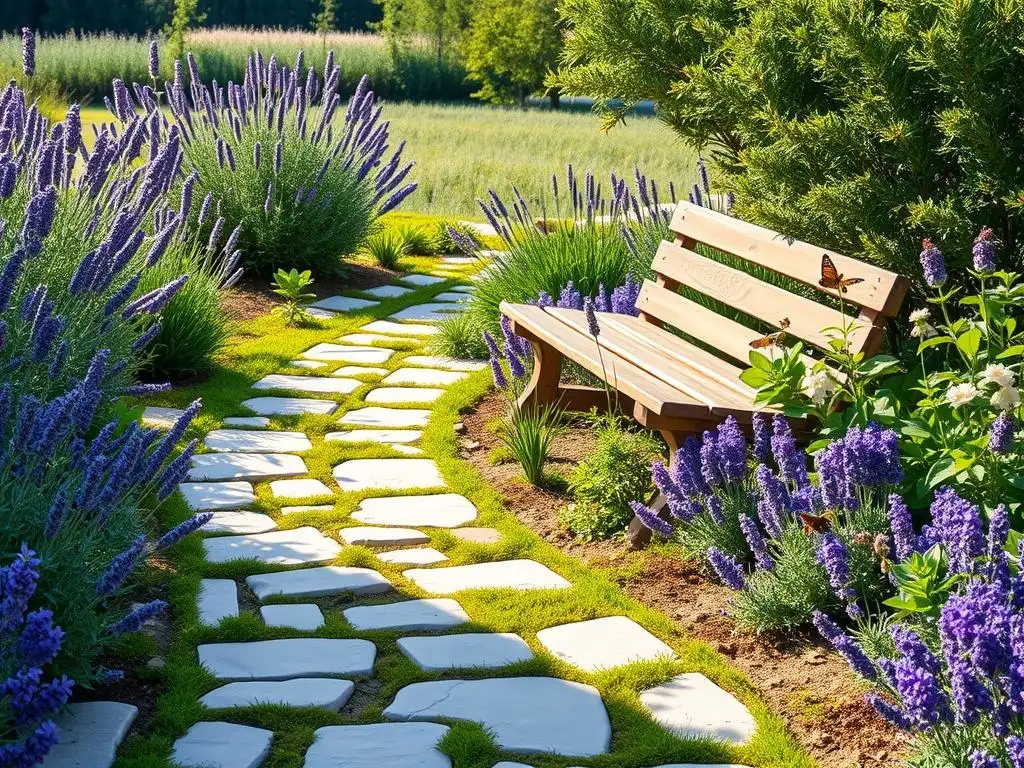
Designing the best herb garden layout requires careful consideration of the herbs themselves. Not all herbs thrive in the same conditions, and their scent profiles can dramatically impact the overall sensory experience of your garden. This section focuses on selecting the right fragrant herbs to ensure a successful and aromatic garden.
Selecting Herbs Based on Your Climate and Growing Conditions
Understanding your local climate is paramount to a thriving herb garden. Sunlight exposure, average rainfall, and temperature fluctuations all play a crucial role in herb growth. For example, Mediterranean herbs like rosemary, thyme, and lavender flourish in hot, sunny climates with well-drained soil. They're drought-tolerant and prefer full sun (at least 6 hours daily). Conversely, herbs like mint and basil prefer partial shade and consistently moist soil. They thrive in milder climates and can wilt easily under intense heat. Consider these factors when planning your layout:
- Sunny Locations: Reserve the sunniest spots for sun-loving herbs like rosemary, oregano, thyme, and lavender. These herbs will reward you with abundant growth and intense fragrance.
- Partially Shaded Areas: Mint, chives, parsley, and basil appreciate some shade during the hottest parts of the day. This prevents leaf scorch and encourages lush growth.
- Well-Drained Soil: Most herbs dislike soggy soil, which can lead to root rot. Amend heavy clay soils with compost to improve drainage. Raised beds are also a great solution for areas with poor drainage.
- Soil pH: Different herbs have varying soil pH preferences. Conduct a soil test to determine your soil's pH and amend as needed to create optimal conditions for your chosen herbs. For example, rosemary prefers slightly alkaline soil, while basil prefers slightly acidic soil.
Combining Herbs with Complementary Scents and Flavors
The artful arrangement of herbs can create a symphony of scents. Consider the interplay of aromas when designing your best herb garden layout. Pairing herbs with complementary scents enhances the overall fragrance, creating a more layered and sophisticated sensory experience. For instance, the strong, piney scent of rosemary pairs beautifully with the sweeter, floral notes of lavender. Similarly, the earthy scent of thyme complements the citrusy notes of lemon balm.
Here are some complementary herb pairings to inspire your garden design:
| Herb 1 | Herb 2 | Scent Profile Combination |
|---|---|---|
| Rosemary | Lavender | Woody, piney & floral, sweet |
| Thyme | Lemon Balm | Earthy & citrusy, refreshing |
| Basil | Oregano | Sweet, peppery & slightly bitter, savory |
| Mint | Chives | Cool, refreshing & slightly oniony, versatile |
Conversely, avoid placing herbs with clashing scents next to each other. For example, placing strong-smelling herbs like sage near delicate herbs like chamomile might overpower the subtler fragrance.
Choosing Herbs with Different Heights and Growth Habits for Visual Interest
A visually appealing herb garden considers the diverse growth habits of different herbs. Incorporating a variety of heights and textures adds depth and interest to your garden design. Taller herbs can serve as backdrops for shorter, bushier varieties, creating a layered effect. Consider these factors:
- Tall Herbs: Rosemary, lavender, and oregano can grow quite tall, providing a beautiful backdrop for shorter herbs.
- Medium Herbs: Thyme, sage, and chives offer a good medium height, filling in spaces between taller and shorter plants.
- Short Herbs: Parsley, basil (some varieties), and creeping thyme provide ground cover and add texture to your garden.
By strategically planting herbs with varying heights, you can create a visually stunning and fragrant garden. Remember to account for mature plant sizes when spacing your herbs to prevent overcrowding. This planning will help you achieve the best herb garden layout for your space. Consider creating a layered effect, with taller herbs at the back and shorter herbs in the front, for a visually appealing and functional garden. The right combination of heights and scents will contribute to the overall success and aesthetic appeal of your fragrant herb garden. 🌱
Maintaining Your Fragrant Herb Garden: A Sustainable Approach
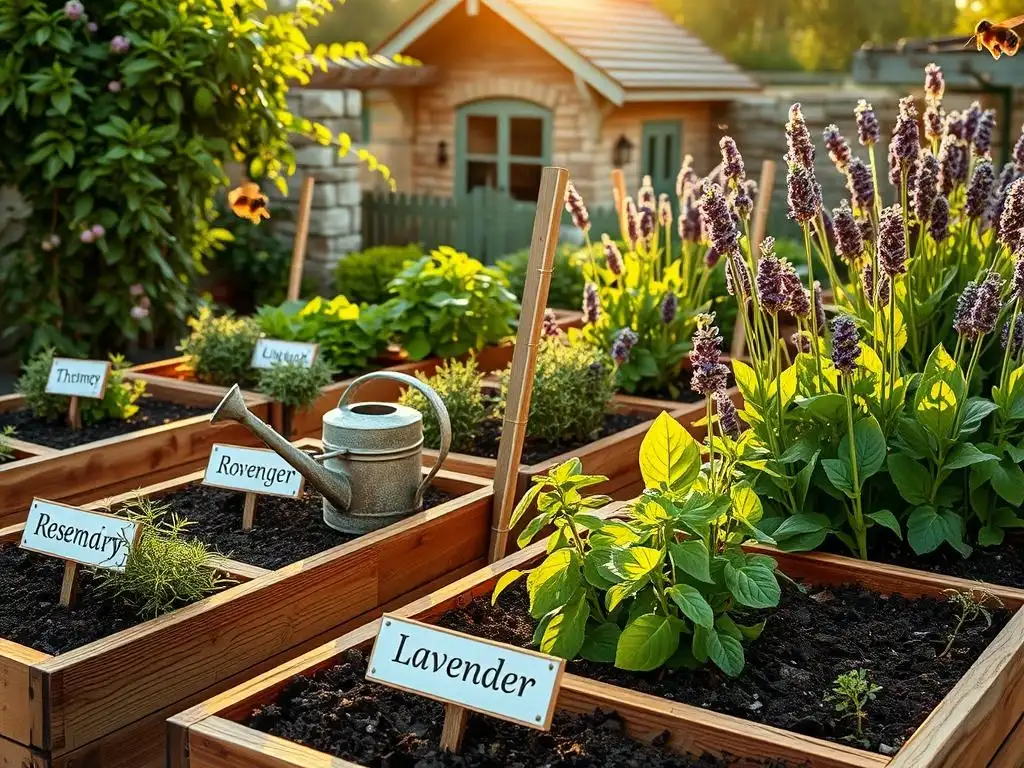
Maintaining a thriving and fragrant herb garden requires a dedicated approach that prioritizes sustainable practices. This section delves into key aspects of upkeep, focusing on optimal watering techniques, natural pest control, and efficient harvesting and pruning methods to maximize your herb yields and their aromatic qualities. Following these strategies will help you achieve the best herb garden layout and ensure a bountiful harvest year after year.
Watering Strategies for Optimal Herb Growth and Fragrance
Proper watering is crucial for the health and fragrance of your herbs. Overwatering can lead to root rot and fungal diseases, while underwatering results in stunted growth and diminished aroma. The best approach is to water deeply but infrequently, allowing the soil to dry slightly between waterings. The frequency will depend on factors such as climate, soil type, and plant species.
Here's a helpful guide:
- Clay Soil: Retains moisture longer, requiring less frequent watering.
- Sandy Soil: Drains quickly, needing more frequent but less deep watering.
- Loamy Soil: Offers a good balance, requiring moderate watering.
Consider using a moisture meter to check soil moisture levels before watering. Avoid overhead watering, which can promote fungal diseases. Instead, opt for drip irrigation or watering at the base of the plants. Early morning watering allows leaves to dry before nightfall, reducing the risk of fungal growth. Remember, consistent moisture is key, but avoid soggy conditions. The goal is to provide the right amount of water to promote vibrant growth and strong essential oil production, resulting in intensely fragrant herbs.
Natural Pest Control Methods for a Healthy Herb Garden
A sustainable herb garden prioritizes natural pest control methods over harmful chemicals. These methods are not only safer for the environment and your family but also often more effective in the long run. Many herbs themselves possess insecticidal properties, creating a natural defense mechanism within your garden.
Here are some effective natural pest control strategies:
- Companion Planting: Strategically planting certain herbs together can deter pests. For instance, basil repels aphids and whiteflies, while rosemary deters cabbage moths. This synergistic approach is a cornerstone of a healthy, biodiverse herb garden.
- Beneficial Insects: Attract beneficial insects like ladybugs and lacewings, which prey on common herb pests. Provide habitat for these insects by including flowering plants in your garden.
- Homemade Sprays: Create natural pest sprays using ingredients like neem oil, insecticidal soap, or diluted solutions of garlic and chili peppers. These offer a safe and effective way to control infestations.
- Handpicking: Regularly inspect your plants and handpick any visible pests. This is particularly effective for smaller infestations and helps monitor pest activity.
Implementing these techniques will minimize the need for harmful pesticides while maintaining a healthy and vibrant herb garden, contributing to the overall success of your best herb garden layout. 🌿
Harvesting and Pruning for Continuous Growth and Abundant Yields
Regular harvesting and pruning are crucial for maximizing yields and promoting continuous growth in your herb garden. These practices encourage bushier growth and prevent the plants from bolting (going to seed), which can diminish their flavor and aroma.
Here are some harvesting and pruning tips:
| Herb | Harvesting Method | Pruning Tips |
|---|---|---|
| Basil | Pinch off leaves regularly; harvest stems as needed | Pinch back growing tips to encourage bushier growth |
| Rosemary | Snip stems; harvest sparingly | Prune after flowering to maintain shape |
| Thyme | Snip stems; harvest sparingly | Trim after flowering to encourage new growth |
| Mint | Harvest stems frequently | Cut back aggressively to maintain control |
| Chives | Cut back leaves as needed | Cut back to encourage new growth |
Remember to harvest in the morning after the dew has dried, ensuring the essential oils are at their most potent. Proper harvesting and pruning are essential for maintaining a healthy and productive herb garden, leading to an abundant supply of flavorful and fragrant herbs. This attention to detail contributes significantly to achieving your vision of the best herb garden layout.
Expanding Your Fragrant Herb Garden: Ideas for Future Growth
This section focuses on strategies for expanding your herb garden beyond its initial design, ensuring continued fragrance and productivity. Planning for growth from the outset allows for a more cohesive and aesthetically pleasing herb garden in the long run. We'll explore adding new varieties, creating a dedicated drying area, and integrating your herb garden seamlessly into your existing landscape. Achieving the best herb garden layout involves thoughtful consideration of future expansion.
Adding More Herb Varieties to Enhance Fragrance and Diversity
Expanding your herb garden's fragrance profile is a rewarding process. Consider adding herbs with complementary scents to create a layered and dynamic olfactory experience. For instance, the strong, pungent aroma of rosemary pairs beautifully with the sweeter, more delicate fragrance of lavender. Similarly, the citrusy notes of lemon balm can be balanced by the earthy undertones of thyme.
To ensure successful integration, research the specific needs of each new herb variety. Consider factors such as sunlight requirements, soil preferences, and water needs. A well-planned expansion considers these individual needs, preventing competition for resources and promoting overall health. Here's a sample table to aid your planning:
| Herb Variety | Sunlight Requirement | Soil Preference | Water Needs | Fragrance Profile |
|---|---|---|---|---|
| Rosemary | Full Sun | Well-draining | Moderate | Strong, piney, camphoraceous |
| Lavender | Full Sun | Well-draining, alkaline | Moderate | Floral, sweet, slightly woody |
| Lemon Balm | Partial Shade | Moist, well-draining | Moderate | Citrusy, lemony |
| Thyme | Full Sun | Well-draining | Moderate | Earthy, slightly lemony |
| Mint (various types) | Full Sun to Partial Shade | Moist, well-draining | Moderate to High | Varies greatly – minty, spearminty, chocolatey |
Remember to group herbs with similar needs together for easier management. This strategic approach to planting contributes significantly to achieving the best herb garden layout. Careful planning minimizes conflicts and maximizes the potential of each herb.
Creating a Dedicated Drying Area for Preserving Your Herbs
Preserving your harvest is crucial for enjoying your herbs year-round. A dedicated drying area within or near your herb garden simplifies this process. A well-designed drying area protects your herbs from the elements while allowing for optimal air circulation.
Consider these options:
- A shaded, well-ventilated area: A sheltered porch or a section of your garden shaded by taller plants can serve as a natural drying area. Ensure good airflow to prevent mold and mildew.
- A dedicated drying rack: These racks are specifically designed to hold bunches of herbs, allowing for even air circulation. They’re easily stored when not in use.
- A screen or mesh enclosure: This method provides protection from insects and animals while maintaining good air circulation.
Proper drying techniques are essential for preserving the flavor and aroma of your herbs. Bundle herbs loosely and hang them upside down in a cool, dark, and well-ventilated area. Avoid direct sunlight, which can bleach the color and diminish the flavor. Once dried, store your herbs in airtight containers in a cool, dark, and dry place to maintain their quality. This efficient drying process is a key component of a successful and productive herb garden, contributing to an overall best herb garden layout.
Integrating Your Herb Garden with Other Landscape Elements
Integrating your herb garden into your wider landscape design elevates its aesthetic appeal and functionality. Consider these ideas to create a cohesive and visually stunning space:
- Pathway integration: A winding pathway leading through your herb garden allows for closer examination and interaction with the plants. This intimate design enhances the sensory experience of your herb garden.
- Border planting: Use herbs as a border for flowerbeds or walkways. This creates a visually appealing transition between different areas of your garden. The varied heights and textures of different herbs add depth and visual interest.
- Container gardening: Incorporate herbs into containers of varying sizes and materials. This approach adds flexibility and allows you to move your herbs around as needed, adapting to changing light conditions and other factors. It also provides a beautiful and functional design.
- Vertical gardening: Utilize trellises or walls to grow climbing herbs like rosemary or thyme. This maximizes space and creates a visually interesting vertical element in your garden. Vertical gardening is a space-saving solution that contributes to the best herb garden layout, especially for smaller gardens.
By thoughtfully integrating your herb garden with other landscape elements, you create a harmonious and beautiful space that enhances both the aesthetic and practical aspects of your outdoor living area. The best herb garden layout is one that is both functional and aesthetically pleasing, reflecting your personal style and maximizing the potential of your herbs.
Frequently Asked Questions
What is the best layout for a small herb garden?
A square or rectangular layout is often best for small spaces, maximizing planting area and ease of access. Consider raised beds or containers for even better organization.
How much space do herbs need between each other?
Spacing depends on the mature size of each herb. Generally, allow 6-12 inches between herbs, giving them room to grow without overcrowding. Refer to individual plant needs for more precise spacing.
Which herbs should I place together in my herb garden?
Consider planting companion herbs together! For example, basil and tomatoes thrive together. Research companion planting to optimize growth and deter pests.
How important is sunlight for an herb garden?
Sunlight is crucial! Most herbs need at least 6 hours of direct sunlight daily. Choose a location in your yard that receives ample sunlight. South-facing areas are often ideal.
What is the best way to design my herb garden layout for easy harvesting?
Design with accessibility in mind. Use raised beds or containers of manageable height, and arrange herbs based on frequency of use. Place frequently used herbs at easy reach.
Final Reflection: Cultivating a Life Rich with Scent and Purpose
Designing the perfect herb garden isn't just about aesthetics; it's about cultivating a connection with nature that nourishes both body and soul. The careful consideration of sunlight, soil, and plant placement, as detailed throughout this article, translates directly into a thriving, fragrant haven—a testament to the power of mindful design. This isn't merely about achieving the "best herb garden layout," but about creating a space that reflects your personal values and enhances your daily life.
The impact of a thoughtfully designed herb garden extends far beyond its physical boundaries. It fosters a sense of accomplishment, a deeper appreciation for the natural world, and a renewed connection to the simple pleasures of growing your own food. The act of nurturing these plants, watching them flourish, and then using their bounty in your cooking is deeply rewarding. As the poet Mary Oliver so eloquently put it: Pay attention. Be astonished. Tell about it.
This is precisely the experience a well-designed herb garden invites us to embrace.
Now, consider your own space. What possibilities exist for creating your own fragrant sanctuary? Perhaps a small window box, a sunny corner of your balcony, or even a dedicated plot in your backyard. Don't let the scale intimidate you; even the smallest herb garden can offer immense rewards. Embrace the process, experiment with different layouts, and most importantly, enjoy the journey of cultivating your dream fragrant herb garden. The scent of fresh herbs, the satisfaction of harvesting your own bounty—these are the gifts that await you.
Unleash Your Inner Gardener: Grow Your Dream Herb Garden Today!
Thank you for exploring the art of designing a fragrant herb garden! We hope you've gained valuable insights into creating the perfect layout and placement for a thriving herb patch. Now, let's put that knowledge into practice.
- Start designing your dream herb garden today! Grab a pen and paper, or use your favorite design app, and plan the perfect layout for your sunny space. Consider sunlight, soil type, and the herbs you most want to grow.
- Share your garden design with our community! Post a picture or sketch on our CultivateYourFood social media channels – we'd love to see your vision. Let's inspire each other!
- Consider planting fast-growing herbs like basil or cilantro to enjoy fresh flavors quickly. Early success will build your confidence and encourage you to continue.
Ready to transform your garden dreams into fragrant reality? What's the first herb you'll plant?