
CultivateYourFood: How to Use Cold Frames for YearRound Harvesting

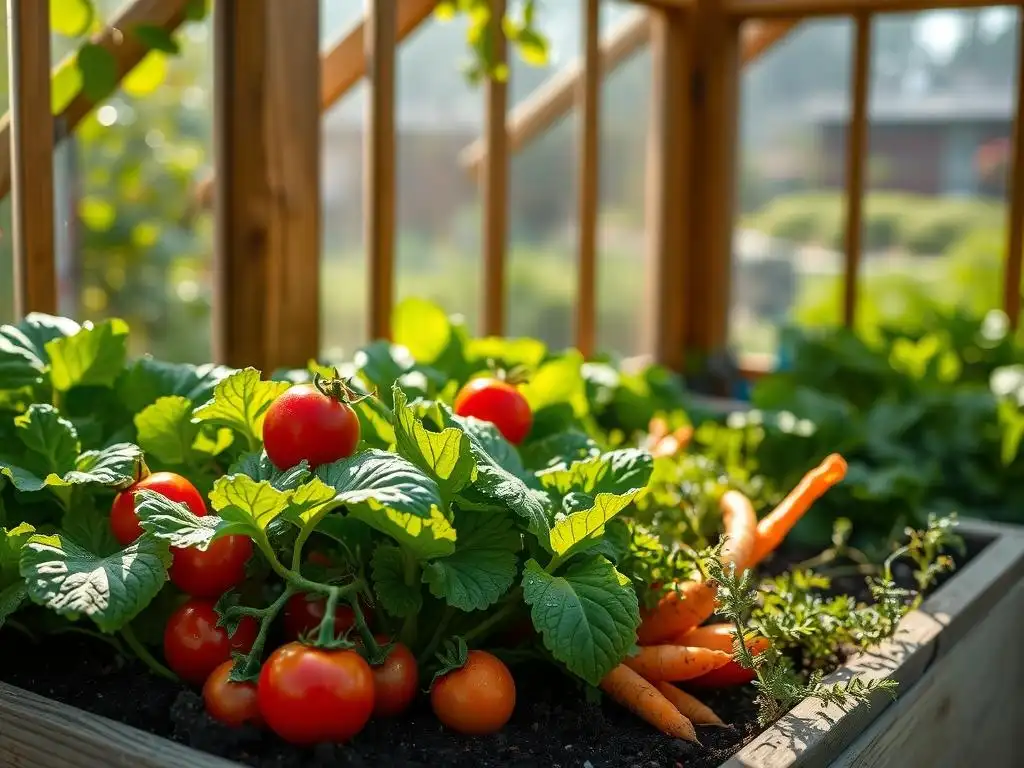
Welcome to CultivateYourFood, your guide to a greener, more bountiful life! Are you dreaming of fresh, homegrown produce all year round? Then discover the secrets to maximizing your harvest with our expert advice on year-round cold frame harvesting. Learn how sustainable and organic practices can transform your garden into a thriving ecosystem, providing you with an abundance of fruits, vegetables, and herbs. Let's explore the possibilities together and unlock the potential of your own backyard garden!
- Understanding the Benefits of Cold Frames for Extended Harvesting
- Planning Your Year-Round Cold Frame Harvest Schedule
- Preparing Your Cold Frame for Year-Round Use
- Techniques for Year-Round Cold Frame Harvesting
- Cold Frame Harvesting Throughout the Seasons
- Troubleshooting Common Cold Frame Harvesting Challenges
- Advanced Cold Frame Techniques for Year-Round Harvesting
-
Frequently Asked Questions
- What is a cold frame, and how does it help with year-round harvesting?
- Can I grow all vegetables and herbs in a cold frame year-round?
- What are the benefits of using a cold frame for year-round harvesting compared to indoor growing?
- What kind of maintenance is required for a cold frame used for year-round harvesting?
- How do I prepare my cold frame for year-round harvesting in different seasons?
- Final Reflection: The Enduring Bounty of the Cold Frame
- Unlock Your Year-Round Harvest: Get Growing!
Understanding the Benefits of Cold Frames for Extended Harvesting
Cold frames are a gardener's secret weapon for achieving a year-round harvest, even in climates with harsh winters or short growing seasons. This simple yet effective structure allows you to extend your growing season significantly, providing a protected environment for delicate seedlings, extending the life of your fall crops, and even starting seeds for spring planting well in advance. By utilizing a cold frame, you effectively create a microclimate that moderates temperature fluctuations, protects plants from frost and harsh weather conditions, and promotes faster growth.
This article will explore how to leverage cold frames for year-round harvesting, maximizing your yields and enjoying fresh, homegrown produce throughout the year. Mastering the art of year-round cold frame harvesting will unlock a new level of self-sufficiency in your gardening journey, allowing you to cultivate a diverse range of fruits, vegetables, and herbs regardless of the season.
We'll cover everything from selecting the right cold frame to optimizing its placement for maximum sunlight exposure, ensuring you reap the rewards of extended growing seasons. 🥕
Maximizing Your Growing Season with Cold Frame Protection
The primary benefit of using a cold frame for year-round harvesting lies in its ability to extend the growing season. In spring, cold frames provide a safe haven for starting seeds weeks before the last frost. This head start gives your plants a significant advantage, resulting in earlier harvests and a longer overall growing period.
During the fall, cold frames protect maturing crops from early frosts and chilling winds, allowing you to harvest vegetables and herbs well into late autumn. Even during winter, certain hardy vegetables and greens can thrive within the protected microclimate of a cold frame, providing a continuous supply of fresh produce. Consider the following benefits:
- Extended planting season: Start seeds earlier in the spring and extend your planting season well into the fall.
- Frost protection: Shield vulnerable plants from damaging frosts and freezing temperatures.
- Improved germination rates: The consistent warmth and humidity inside a cold frame significantly improve seed germination rates.
- Faster growth: The controlled environment fosters faster and healthier plant growth.
- Year-round harvest potential: With careful planning and selection of appropriate plants, you can enjoy a continuous harvest throughout the year.
Cold Frame Basics: Types and Construction
Cold frames come in a variety of designs, materials, and sizes, each with its own advantages and disadvantages. The most common types include:
- Wooden cold frames: These are often built from readily available lumber and can be customized to any size or shape. They offer excellent insulation and durability.
- Metal cold frames: These are typically more affordable and lightweight than wooden frames, but may not offer as much insulation.
- Plastic cold frames: These are often the most affordable option, but may not be as durable as wooden or metal frames. They are lightweight and easy to move.
Regardless of the material, a successful cold frame should have:
- A transparent covering (glass or plastic) to allow sunlight to penetrate.
- A well-ventilated design to prevent overheating and moisture buildup. This can be achieved through vents or adjustable lids.
- Adequate drainage to prevent waterlogging.
- A sturdy frame to withstand the elements.
Choosing the right type and construction depends on your budget, available space, and gardening skills. Detailed plans for building your own cold frame are readily available online, catering to various skill levels and material preferences. Remember to carefully consider insulation levels and ventilation capabilities when selecting or constructing your cold frame.
Choosing the Right Cold Frame Location for Optimal Sunlight
The location of your cold frame is crucial for maximizing its effectiveness. Choose a spot that receives at least six hours of direct sunlight per day, ideally facing south (in the Northern Hemisphere). This ensures optimal warmth and promotes healthy plant growth. Consider the following factors:
- Sunlight exposure: Prioritize areas with maximum sunlight exposure throughout the day.
- Protection from wind: A sheltered location will help to minimize temperature fluctuations and protect plants from strong winds.
- Accessibility: Select a location that is easily accessible for planting, watering, and harvesting.
- Drainage: Ensure that the area has good drainage to prevent waterlogging and root rot. Slightly elevated locations are ideal.
- Proximity to water source: Easy access to a water source will simplify watering tasks, especially during dry periods.
Proper placement is essential for year-round cold frame harvesting. By carefully selecting a location that optimizes sunlight and protection, you'll dramatically increase the chances of success and maximize the benefits of your cold frame. Remember to monitor temperature and adjust ventilation accordingly throughout the year to maintain optimal growing conditions.
Planning Your Year-Round Cold Frame Harvest Schedule
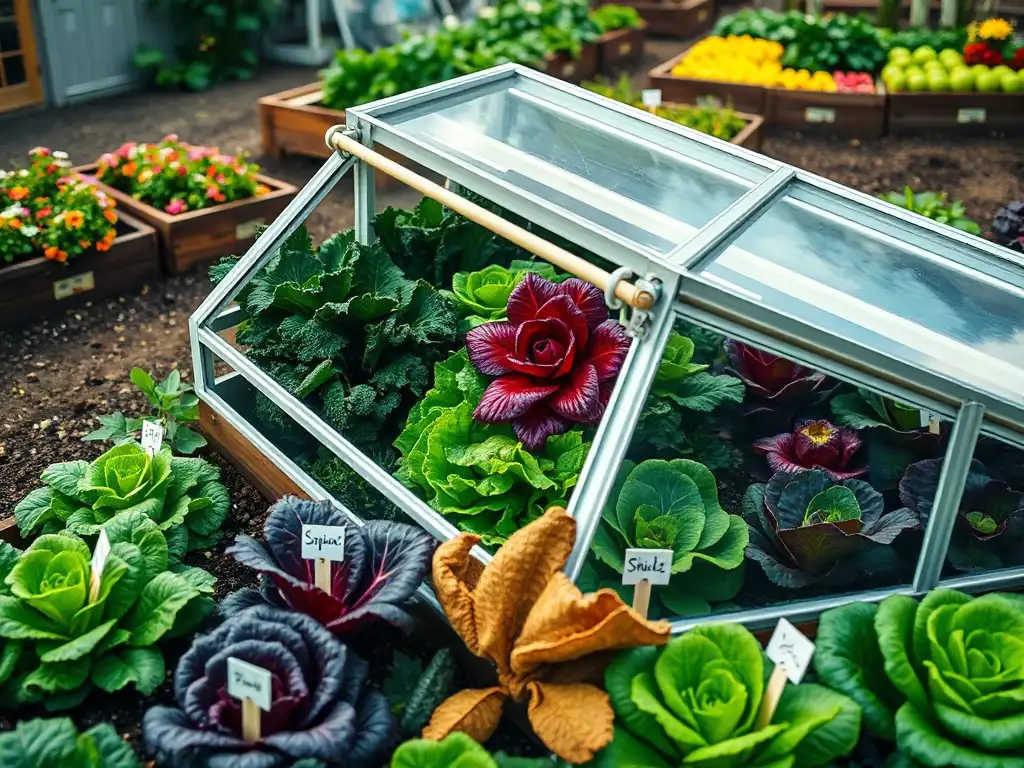
This section details how to strategically plan your cold frame usage to maximize year-round harvesting. Successful year-round cold frame harvesting requires careful consideration of several key factors, including crop selection, planting schedules, and environmental conditions. Let's delve into the specifics to ensure a bountiful harvest throughout the year.
Selecting Suitable Crops for Cold Frame Cultivation
Choosing the right crops is paramount for successful year-round cold frame harvesting. Not all plants thrive in the somewhat protected environment of a cold frame. Some vegetables and herbs are particularly well-suited to extend the growing season, both in spring and fall.
Consider these factors when selecting your crops:
- Cold Hardiness: Opt for varieties known for their tolerance to cooler temperatures and even light frosts. Examples include kale, spinach, lettuce (certain varieties), chard, and many root vegetables like carrots and radishes.
- Maturity Time: Select fast-maturing varieties to maximize harvests within the cold frame's limited growing season. Slow-growing plants might not reach maturity before conditions change.
- Light Requirements: Ensure the crops you choose receive adequate sunlight within the cold frame. Some crops require more light than others. Consider the orientation of your cold frame and the amount of sunlight it receives throughout the year.
- Spacing: Proper spacing is crucial for optimal growth and air circulation within the cold frame. Overcrowding can lead to disease and reduced yields.
Here's a table illustrating suitable crops for different seasons within a cold frame:
| Season | Suitable Crops | Notes |
|---|---|---|
| Early Spring | Lettuce, Spinach, Radishes, Kale, Chard | Start seeds indoors several weeks before transplanting into the cold frame. |
| Late Spring/Summer | Tomatoes (dwarf varieties), Peppers (early varieties), Cucumbers (bush varieties) | May require supplemental watering and ventilation. |
| Fall | Kale, Spinach, Lettuce, Brussel sprouts, Carrots | Harvest before the first hard frost. |
| Winter | Hardy greens (e.g., winter spinach), root vegetables | Requires careful monitoring of temperatures and protection from extreme cold. |
Remember to always check the seed packet or plant tag for specific requirements and expected maturity times.
Succession Planting for Continuous Harvesting
Succession planting is the key to maintaining a continuous harvest from your cold frame throughout the year. This involves planting new crops at regular intervals to replace those that have been harvested. The timing of your succession planting will depend on the growth rate of your chosen crops and the prevailing weather conditions.
For example, you could plant a fast-maturing lettuce variety, followed by a slower-growing kale variety, ensuring a constant supply of leafy greens. Similarly, you could plant successive batches of radishes, harvesting one batch before planting the next.
Consider these points for effective succession planting:
- Crop Rotation: Rotate your crops to prevent the buildup of soilborne diseases and pests.
- Soil Fertility: Maintain soil fertility through composting or the use of organic fertilizers.
- Record Keeping: Maintain a detailed record of your planting schedule to track your progress and plan for future plantings.
A well-planned succession planting strategy ensures a continuous flow of fresh produce from your cold frame, regardless of the season. Think of it like a relay race, where one crop finishes its harvest and passes the baton to the next.
Creating a Cold Frame Planting Calendar for Year-Round Production
A detailed planting calendar is essential for successful year-round cold frame harvesting. This calendar should account for the specific needs of each crop, including planting dates, expected harvest dates, and any necessary adjustments based on weather conditions. It's a personalized roadmap to your cold frame's productivity.
To create your calendar:
- Identify your hardiness zone: This determines the average minimum temperatures in your area, which is crucial for selecting appropriate crops.
- Choose your crops: Based on your hardiness zone and personal preferences, select suitable cold-hardy crops for each season.
- Determine planting dates: Use seed packets or online resources to determine the ideal planting dates for each crop. Consider the average last frost date and the first frost date in your area.
- Plan for succession planting: Schedule successive plantings to ensure a continuous harvest.
- Monitor weather conditions: Adjust your planting schedule as needed based on unusual weather patterns. Cold frames offer protection, but unpredictable weather can still impact growth.
Creating a visual calendar, perhaps a spreadsheet or a whiteboard, will allow you to easily track your progress and make necessary adjustments. This calendar is your best friend for year-round cold frame harvesting success! Remember to celebrate your harvests – the fruits (and vegetables!) of your labor are well-deserved. 🥕🥬🍅
Preparing Your Cold Frame for Year-Round Use
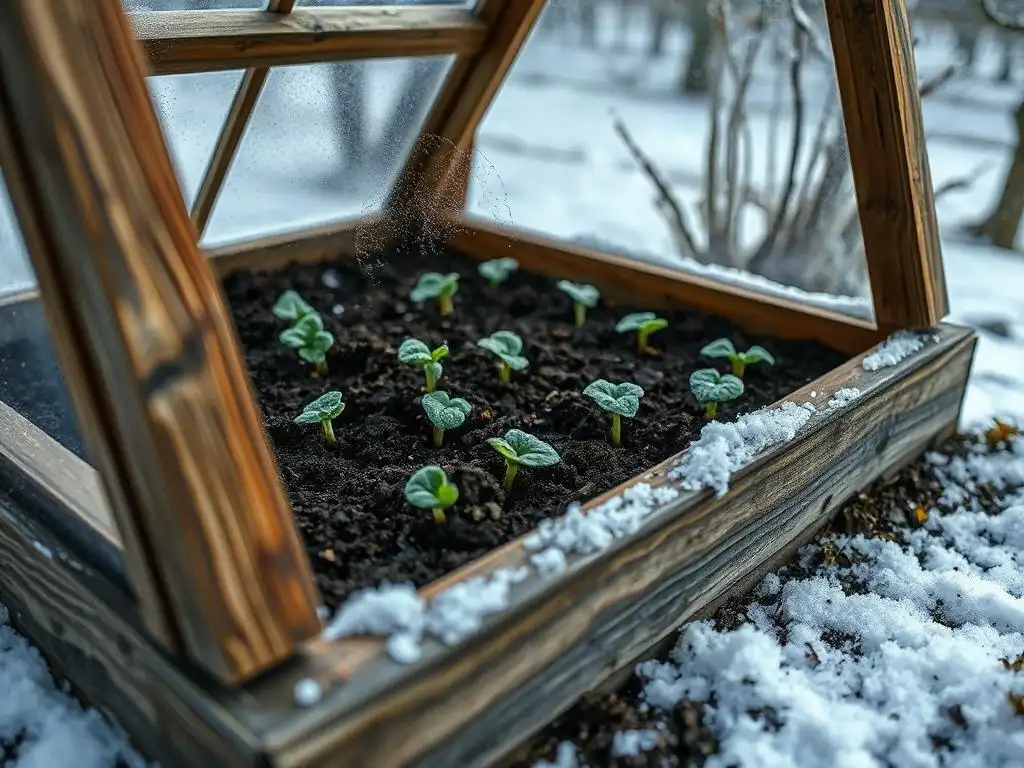
This section details the crucial steps to prepare your cold frame for year-round vegetable, fruit, and herb cultivation. Optimizing your cold frame for all seasons ensures a consistent harvest, maximizing your self-sufficiency efforts and achieving true yearround cold frame harvesting. We'll focus on soil preparation, maintenance, and weather protection, key factors for success.
Soil Preparation and Amendment for Cold Frame Gardening
Successful year-round cold frame harvesting hinges on healthy soil. Poor soil quality limits plant growth, regardless of the season. Before planting, assess your cold frame's soil. Is it compacted? Does it lack nutrients? Addressing these issues is paramount.
First, remove any existing soil and debris. Then, fill the frame with a high-quality, well-draining soil mix. A blend of topsoil, compost, and perlite or vermiculite is ideal. Compost significantly improves soil structure, aeration, and nutrient content. Perlite or vermiculite enhances drainage, preventing waterlogging which can kill plants, especially during colder months.
The ideal soil pH for most vegetables and herbs lies between 6.0 and 7.0. You can test your soil's pH using a home testing kit readily available at most garden centers. If adjustments are needed, amend the soil with lime to raise the pH or sulfur to lower it. Remember, achieving the right pH is essential for nutrient uptake and optimal plant growth, vital for yearround cold frame harvesting success.
Consider incorporating organic matter such as well-rotted manure or leaf mold to further enrich the soil. This boosts its fertility and water retention capacity, especially beneficial during dry spells. Regular soil testing and amendment throughout the year are crucial for maintaining optimal conditions for continuous planting and harvesting. Think of it as providing a continuous feast for your plants! 🥕
Essential Cold Frame Maintenance for Optimal Growth
Maintaining your cold frame is crucial for year-round productivity. Regular cleaning prevents disease and pest infestations, while proper ventilation helps regulate temperature and humidity. Neglecting these aspects can significantly impact your yield.
Regularly inspect the cold frame for cracks or damage in the glazing or frame itself. Repair any damage promptly to maintain a suitable environment for your plants. Cleaning should be done at least twice a year, more frequently if necessary. Remove all weeds, dead plants, and debris. This will prevent the buildup of pests and diseases that can hinder growth. 🐛
Ventilation is key. Cold frames need adequate airflow to prevent the buildup of moisture, which can lead to fungal diseases. Use vents or adjustable lids to regulate airflow based on weather conditions. During warmer months, ensure good ventilation to prevent overheating. In colder months, reduce ventilation to retain heat. This careful balance is essential for year-round cold frame harvesting.
Proper watering is equally important. Avoid overwatering, which can lead to root rot, especially during colder months. Water deeply but infrequently, allowing the soil to dry slightly between waterings. Consider using a drip irrigation system for efficient and consistent watering, minimizing water waste and ensuring even moisture distribution. This will support a healthy root system, crucial for successful yearround cold frame harvesting.
Protecting Your Cold Frame from Extreme Weather Conditions
Protecting your cold frame from extreme weather is vital for year-round harvesting. Extreme temperatures, heavy rainfall, and strong winds can damage plants and reduce yields. Therefore, proactive measures are necessary.
During winter, consider adding extra insulation to your cold frame. This can involve using bubble wrap, straw bales, or even old blankets to help retain heat and protect plants from frost. A layer of mulch on the soil surface can also provide additional insulation and moisture retention. These measures will help keep your plants thriving even during the coldest months, contributing to consistent yearround cold frame harvesting. ❄️
During summer, shade cloth can be used to protect plants from intense sunlight and prevent overheating. Good ventilation is also critical to prevent moisture buildup and fungal diseases. Monitor the temperature inside the cold frame regularly and adjust ventilation accordingly. On particularly hot days, you might need to provide additional shade or even mist the plants to keep them cool.
Heavy rainfall can lead to waterlogging, harming your plants. Ensure adequate drainage is in place around the cold frame. If necessary, elevate the cold frame slightly to improve drainage. You might also consider covering the cold frame during periods of heavy rain to prevent water damage. Protecting your cold frame from the elements will extend your growing season and ensure a successful yearround cold frame harvesting experience. ☔️
Techniques for Year-Round Cold Frame Harvesting
This section delves into the practical techniques for maximizing your cold frame's potential and achieving a year-round harvest. We'll explore different planting methods and crucial environmental controls to ensure optimal plant growth throughout the year. Remember, consistent monitoring and adjustments are key to success in year-round cold frame harvesting. Even with careful planning, unexpected weather events can impact your crops, so flexibility is vital.
Sowing Seeds Directly in the Cold Frame
Direct sowing seeds within the cold frame offers a simple and effective method, especially for hardy vegetables and fast-growing herbs. Success hinges on selecting the right seeds for the season and providing appropriate conditions. For example, spring sowing might include lettuce, spinach, and radishes, while autumn could see the planting of winter greens like kale and chard.
Crucially, soil temperature is paramount. Before sowing, ensure the soil within the cold frame is adequately warmed (or cooled, depending on the season). A soil thermometer is invaluable here. You should also consider using seed starting mix for improved germination rates. This mix usually offers better drainage and aeration than garden soil, crucial for preventing damping-off – a fungal disease common in cold, damp conditions.
Furthermore, proper seed depth is critical. Follow the instructions on the seed packet diligently. Too shallow, and the seeds may dry out; too deep, and they may struggle to germinate. After sowing, gently cover the seeds with soil and water lightly. Consistent moisture is essential, but avoid overwatering, which can lead to root rot. Regularly check for germination and thin seedlings as needed to prevent overcrowding. This ensures each plant has enough space to thrive, maximizing your yield and preventing competition for resources.
Transplanting Seedlings into Your Cold Frame
Transplanting seedlings offers more control over the growing process, particularly for delicate or slower-germinating plants. Start seedlings indoors, under grow lights or in a sunny windowsill, several weeks before the intended transplanting date. This gives them a head start and increases the chance of a successful harvest.
When transplanting, choose healthy seedlings with strong root systems. Gently remove them from their pots, taking care not to damage the roots. Prepare the cold frame soil by loosening it and incorporating compost for improved drainage and nutrient content. Create small holes for each seedling, ensuring adequate spacing. After transplanting, water gently and provide some shade for a few days to allow the seedlings to acclimate to their new environment.
The benefits of transplanting are numerous. You have greater control over the growing conditions in the early stages, reducing the risk of seedling loss from harsh weather or pests. Furthermore, transplanting allows for greater precision in spacing, optimizing the use of available space within your cold frame and maximizing your yield. Remember to monitor the seedlings closely after transplanting and adjust watering and ventilation as needed.
Optimizing Cold Frame Ventilation for Healthy Growth
Ventilation is crucial for maintaining a healthy environment within the cold frame. Insufficient ventilation can lead to excessive humidity and temperature fluctuations, increasing the risk of fungal diseases and stressing your plants. Conversely, excessive ventilation can expose plants to extreme weather conditions, hindering growth.
The optimal level of ventilation varies greatly depending on the season, weather conditions, and the specific plants you are growing. On warm sunny days, open the vents widely to allow for adequate airflow and prevent overheating. Conversely, on cold nights or during harsh weather, close the vents to retain heat and protect your plants from frost or strong winds.
Consider using a thermometer and hygrometer inside the cold frame to monitor temperature and humidity levels. This allows for more precise adjustments to ventilation, ensuring optimal growing conditions. Regularly inspect your plants for signs of stress, such as wilting or discoloration, which can indicate a need for ventilation adjustments. By carefully monitoring and adjusting ventilation, you can create a thriving environment for your plants, leading to a bountiful year-round harvest. This meticulous approach is essential for maximizing your success with year-round cold frame harvesting.
Pest and Disease Management in a Cold Frame Environment
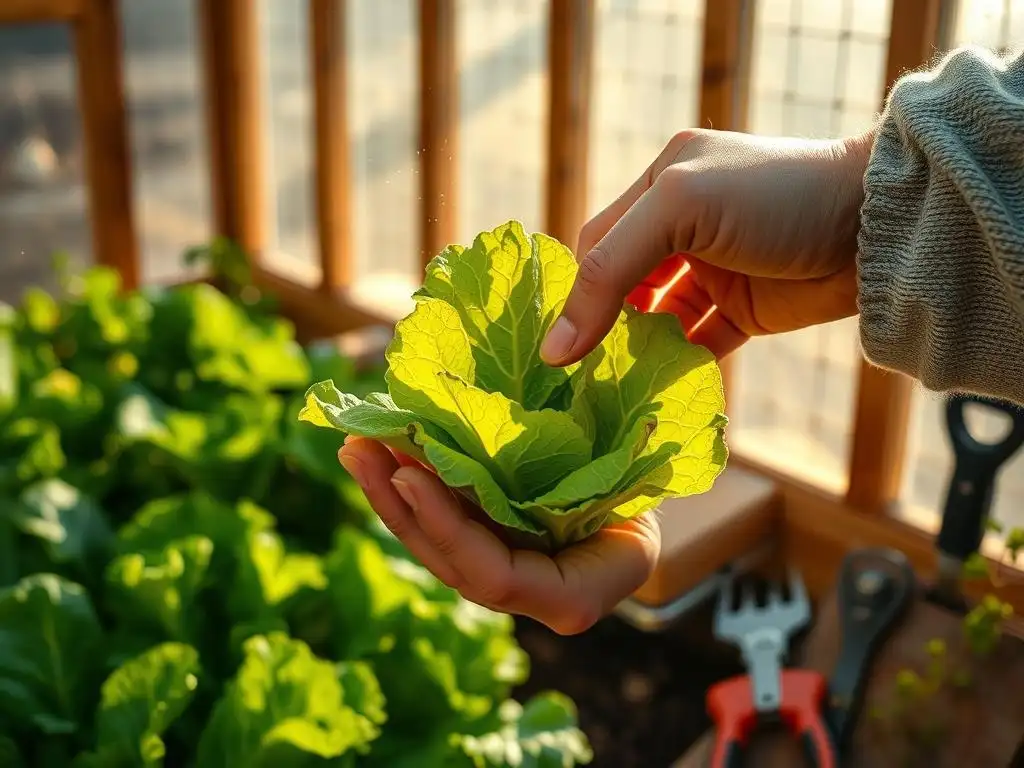
Maintaining a healthy environment within your cold frame is crucial for successful year-round harvesting. Pest and disease pressure can be significantly higher in a confined space, so proactive measures are essential. Regular inspection is your first line of defense. Look carefully for any signs of pests – aphids, spider mites, slugs, or caterpillars – and diseases like powdery mildew or fungal blights. Early detection allows for swift intervention, minimizing damage.
One effective strategy is to use beneficial insects. Introducing ladybugs, lacewings, or praying mantises can help control aphid and other pest populations naturally. These beneficial insects prey on common cold frame pests, reducing the need for chemical interventions. Remember to source these insects from reputable suppliers to ensure they are beneficial species appropriate for your region and crops.
Another crucial aspect is sanitation. Remove any diseased or infested plants immediately and dispose of them properly, away from your garden to prevent re-infestation. Regularly clean the cold frame itself, removing any debris or plant matter that could harbor pests or diseases. A simple cleaning with soapy water can make a significant difference. Consider rotating your crops annually to break pest and disease cycles. Different plant families have different pest and disease susceptibilities, so rotation helps prevent the buildup of specific pathogens or pests in the soil.
Furthermore, proper ventilation is key. Good airflow helps to prevent the build-up of humidity, which can encourage fungal diseases. Ensure your cold frame has adequate ventilation openings that you can adjust according to weather conditions. Avoid overcrowding plants, as this can also increase humidity and make it easier for diseases to spread. Finally, while avoiding harsh chemicals is ideal, organic pest control methods like neem oil or insecticidal soap can be used as a last resort for severe infestations, always following label instructions carefully.
Harvesting Techniques to Preserve Crop Quality
Harvesting at the optimal time is paramount for maximizing yield and flavor, and for ensuring long-term storage. For leafy greens, harvest in the morning after the dew has dried to minimize leaf damage and bacterial growth. Cut leaves cleanly at the base of the stem, leaving some leaves behind to encourage further growth. For root crops like carrots or radishes, carefully loosen the soil around the plant before gently pulling them out, avoiding damage to the roots.
Proper handling is equally important. Avoid bruising or damaging the produce during harvesting. Use clean containers and handle the harvested crops gently to prevent damage. Immediate cooling is also crucial for preserving freshness. Place harvested produce in a cool, dark place or a refrigerator as soon as possible. For many crops, this will significantly extend their shelf life.
Different preservation techniques can further enhance the lifespan of your harvest. Blanching vegetables before freezing helps to retain their color, texture, and nutrients. Pickling, canning, or drying are also excellent methods for preserving surplus produce, allowing you to enjoy your cold frame bounty throughout the year.
Consider the specific needs of each crop – some are better suited for freezing, while others are ideal for drying or pickling. Research the best preservation methods for the particular vegetables, herbs, or fruits you're growing in your cold frame to ensure optimal quality and longevity. Careful planning and execution of your harvesting and preservation strategies will greatly enhance the benefits of your year-round cold frame harvesting.
Cold Frame Harvesting Throughout the Seasons
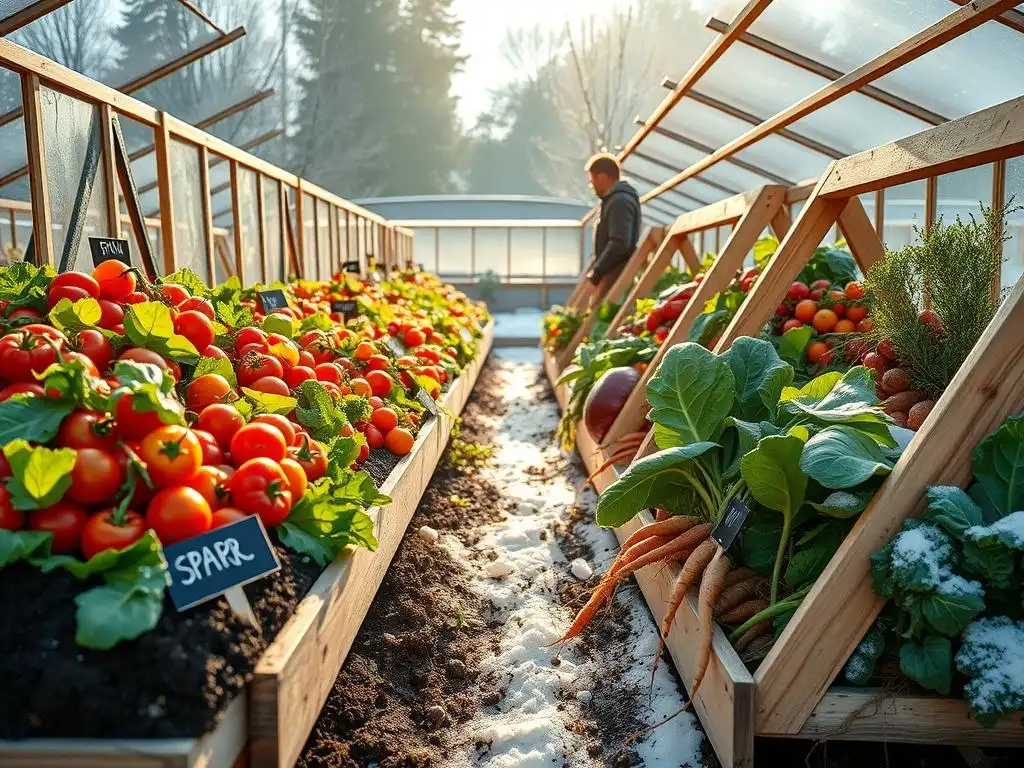
This section details how to maximize your cold frame's potential for year-round cold frame harvesting, offering strategies for each season. Understanding the nuances of each season's light, temperature, and moisture levels is crucial for successful cultivation. We'll explore techniques to extend your harvest well beyond the typical growing season, ensuring a consistent supply of fresh produce. Remember that successful year-round harvesting depends heavily on your specific climate and microclimate within your cold frame.
Winter Harvesting Strategies using Cold Frames
Winter presents unique challenges, but with the right approach, your cold frame can provide a continuous supply of greens and hardy vegetables. The key is to protect your plants from freezing temperatures and provide supplemental light when necessary.
Several strategies can improve your winter cold frame harvest:
- Choosing the right crops: Opt for cold-hardy varieties like kale, spinach, lettuce (certain types), and root vegetables like carrots and radishes. These plants can tolerate freezing temperatures and continue to grow even under low light conditions. Avoid delicate plants that are not suited to the cold.
- Insulation: Enhance your cold frame's insulation using additional layers of covering, such as bubble wrap or old blankets. This creates a thermal barrier, preventing excessive heat loss during cold snaps. Consider adding a layer of straw or leaves on top of the soil for additional insulation at the ground level.
- Supplemental lighting: Short winter days mean less sunlight. Supplementing natural light with grow lights, especially during the darkest months, significantly boosts plant growth and yield. Aim for at least 12 hours of light per day for optimal results.
- Moisture management: Winter air tends to be drier. Monitor the moisture levels in your cold frame closely and water as needed, avoiding overwatering which can lead to root rot. Consider using a humidity gauge to maintain optimal levels.
- Ventilation: Even in winter, ventilation is important to prevent condensation buildup and fungal diseases. Open vents on milder days, but be sure to close them promptly when temperatures drop.
Spring Cold Frame Harvesting and Crop Rotation
Spring offers a transition period, allowing you to begin harvesting from plants started in the fall or winter and prepare for the summer growing season. Smart crop rotation is key to maximizing yields and maintaining soil health.
Here's how to optimize your spring harvest:
- Hardening off: Gradually acclimate seedlings started indoors to the outdoor conditions within the cold frame. This process, known as hardening off, prepares them for the fluctuating temperatures and sunlight.
- Succession planting: Plant seeds or seedlings at intervals to ensure a continuous supply of produce throughout the spring. Stagger planting times by a few weeks for a consistent harvest of crops like lettuce, radishes, and spinach.
- Crop rotation planning: Plan your crop rotation carefully to avoid depleting the soil of essential nutrients. Rotate crops that have different nutrient requirements to maintain soil fertility and prevent pest and disease buildup. For example, follow heavy feeders like brassicas (cabbage, broccoli) with legumes (peas, beans) to replenish nitrogen.
- Pest and disease management: Spring brings warmer temperatures, which can encourage pest and disease activity. Monitor your plants carefully and address any issues promptly using organic pest control methods.
Summer Cold Frame Use for Extending the Season
While summer may seem like the time to let the cold frame rest, it's actually a valuable tool for extending the growing season for heat-sensitive crops. Clever techniques allow you to use your cold frame to protect plants from intense heat and provide shade.
Summer cold frame strategies include:
- Shade cloth: Utilize shade cloth to reduce the intensity of the summer sun, preventing overheating and sunscald, especially for seedlings or newly transplanted plants.
- Ventilation: Maximize ventilation to promote airflow and reduce humidity, preventing fungal diseases. Keep vents open during the day and close them at night to maintain a more stable temperature.
- Watering: Frequent watering is crucial during the summer months. Water deeply but avoid overwatering, which can lead to root rot. Consider using a soaker hose or drip irrigation to conserve water and minimize water stress.
- Nighttime protection: Even in summer, nighttime temperatures can drop significantly. Covering the cold frame with a lightweight fabric, such as row cover, can protect plants from frost or chilling temperatures, especially during early summer or late summer. This helps extend the season further. This helps extend the growing season for tender plants such as basil or peppers.
By employing these seasonal strategies, you can achieve a significant increase in your year-round cold frame harvesting, providing yourself with fresh, homegrown produce throughout the entire year. Remember to adapt these techniques to your specific climate and the types of crops you're growing.
Autumn Cold Frame Harvesting and Overwintering Crops
Autumn presents a unique opportunity for extending the harvest season using cold frames. As temperatures begin to drop, many plants are still producing, and a cold frame offers crucial protection against early frosts and chilly nights. This allows you to enjoy a longer harvest of late-season vegetables like kale, spinach, chard, and even some lettuces. The key is to choose hardy varieties specifically bred for cooler temperatures. These varieties often boast a more robust structure and better tolerance to fluctuating temperatures than their more delicate counterparts. Careful selection is crucial for successful overwintering.
Beyond extending the harvest, autumn is the ideal time to sow seeds for overwintering crops. These crops are designed to withstand cold temperatures and even light frosts, providing an early spring harvest before the outdoor growing season fully begins. Popular choices include hardy greens like spinach and lettuce, as well as root vegetables like carrots and radishes.
Sowing these seeds in your cold frame during autumn allows them to germinate and establish a strong root system before the harshest winter weather arrives. Remember to protect the seedlings from harsh weather with a layer of mulch or row cover inside the frame.
Proper soil preparation is paramount for successful overwintering. Ensure your soil is well-drained to prevent waterlogging, a common problem during the wetter autumn and winter months. Amend the soil with compost to improve its structure and fertility, providing the nutrients necessary for healthy growth through the winter.
A well-prepared soil will help your plants survive the challenges of fluctuating temperatures and limited sunlight. This step ensures a healthy start for your spring harvest. Consider adding a layer of aged compost or well-rotted manure to the soil before planting your overwintering crops; this will provide a slow-release of nutrients throughout the winter months.
Another vital aspect of autumn cold frame management is ventilation. While protection from the cold is essential, sufficient ventilation is crucial to prevent the build-up of moisture and condensation, which can lead to fungal diseases. Regularly monitor the temperature and humidity inside the frame, adjusting the vents accordingly to maintain optimal growing conditions. On milder days, open the vents to allow for good air circulation, while closing them on colder nights to retain heat.
This careful management of ventilation is key to preventing issues and maximizing your harvest. Regularly checking for pests and diseases is also important; early detection allows for prompt action and prevents larger problems later in the season. A watchful eye ensures a healthy and productive cold frame throughout the autumn and winter months.
Troubleshooting Common Cold Frame Harvesting Challenges
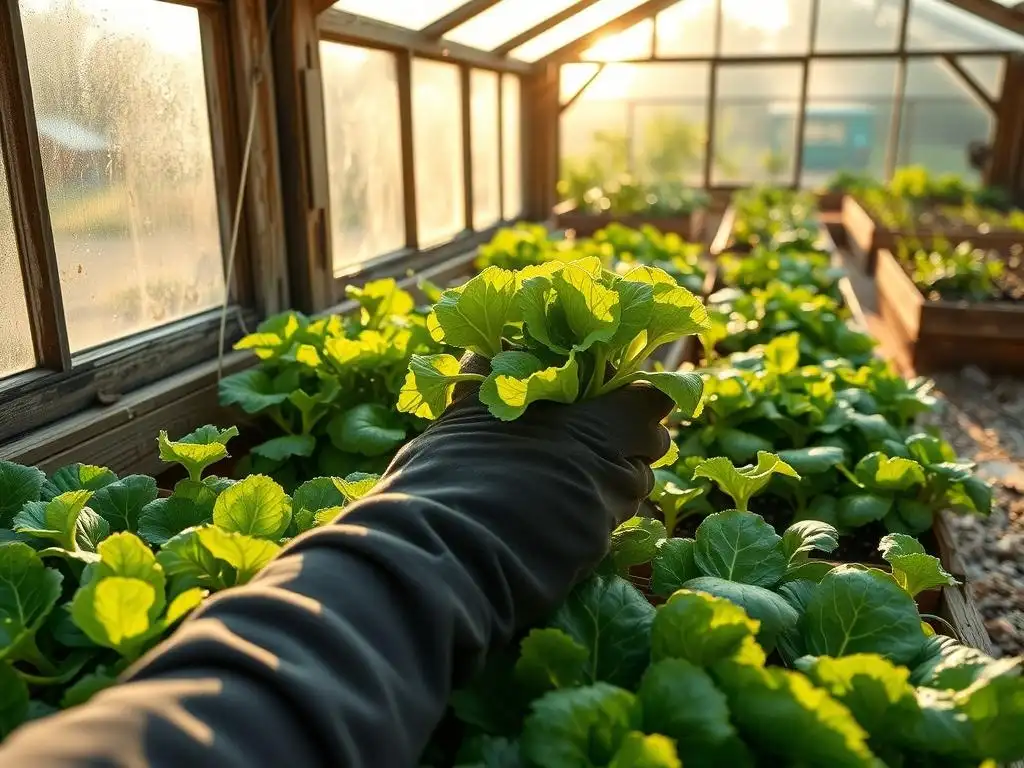
Successfully achieving year-round cold frame harvesting requires proactive problem-solving. While cold frames offer significant advantages for extending the growing season, several challenges can hinder optimal yields. Understanding these potential issues and implementing preventative measures is crucial for maximizing your harvest. This section focuses on three key areas where issues frequently arise: temperature regulation, pest and disease management, and soil health.
Dealing with Temperature Fluctuations in Your Cold Frame
Maintaining a consistent temperature inside your cold frame is paramount for healthy plant growth. Extreme temperature swings, whether too hot or too cold, can severely impact your plants, leading to stunted growth, reduced yields, and even plant death. Several factors contribute to temperature fluctuations:
- Direct Sunlight: Intense sunlight can quickly overheat a cold frame, especially during the summer months. Employ shading techniques such as using shade cloth or strategically positioning the cold frame to minimize direct sun exposure during peak hours. Monitoring the internal temperature with a thermometer is key. Aim for temperatures between 60-75°F (15-24°C) during the day and slightly cooler at night.
- Nighttime Temperatures: Conversely, nighttime temperatures can drop significantly, particularly in colder climates. Employing insulating materials like straw bales around the base of the cold frame, or using a layer of bubble wrap inside the frame on cold nights, can help retain heat. Consider adding a small heater on exceptionally cold nights, but monitor carefully to prevent overheating.
- Ventilation: Adequate ventilation is crucial for regulating temperature and preventing humidity build-up, which can lead to fungal diseases. Open vents on warmer days and close them at night to trap heat. Experiment with different ventilation strategies to find the optimal balance for your climate and the specific plants you are growing. Proper ventilation is particularly important for year-round cold frame harvesting, as the needs vary across seasons.
Maintaining optimal temperatures requires consistent monitoring and adjustments. Regularly check the temperature inside your cold frame and make necessary adjustments to your shading, insulation, and ventilation strategies. This proactive approach is vital for year-round cold frame harvesting success.
Addressing Common Cold Frame Pests and Diseases
Cold frames, while protective, are not immune to pests and diseases. Their enclosed environment can sometimes exacerbate pest infestations and disease outbreaks if not properly managed. Proactive measures are essential to prevent problems before they arise.
- Pest Control: Common pests include aphids, slugs, and whiteflies. Regularly inspect your plants for signs of infestation. Implementing preventative measures, such as using row covers or sticky traps, can significantly reduce pest populations. Consider introducing beneficial insects, such as ladybugs, to control aphid populations naturally. For slugs, barriers of copper tape or diatomaceous earth can be effective.
- Disease Prevention: Fungal diseases, such as powdery mildew and damping-off, thrive in humid conditions. Ensure adequate ventilation to reduce humidity levels. Avoid overcrowding plants to promote good air circulation. Practice crop rotation to prevent the buildup of soilborne pathogens. Using disease-resistant plant varieties can also reduce the risk of disease outbreaks.
- Integrated Pest Management (IPM): A holistic approach to pest and disease management is crucial for sustainable year-round cold frame harvesting. IPM emphasizes preventative measures, monitoring, and targeted interventions, minimizing the use of harmful pesticides. This approach protects both your plants and the environment.
Overcoming Cold Frame Soil Issues for Optimal Plant Health
The soil within your cold frame is the foundation for successful plant growth. Maintaining healthy soil is essential for year-round cold frame harvesting. Several factors can impact soil health:
- Soil Drainage: Poor drainage can lead to waterlogged soil, which suffocates plant roots and promotes fungal diseases. Ensure your cold frame has adequate drainage holes. Amend heavy clay soils with organic matter, such as compost, to improve drainage and aeration.
- Soil Fertility: Depleted soil lacks essential nutrients, leading to stunted plant growth and reduced yields. Regularly amend your soil with compost or other organic matter to replenish nutrients. Consider soil testing to determine specific nutrient deficiencies and address them with appropriate fertilizers. Compost tea is a particularly beneficial organic fertilizer.
- Soil pH: The soil pH level affects nutrient availability. Most plants prefer a slightly acidic to neutral pH (6.0-7.0). Regular soil testing is recommended to monitor and adjust pH levels as needed. Amendments such as lime (to raise pH) or sulfur (to lower pH) can be used to correct imbalances.
By addressing these potential soil issues proactively, you can create a thriving environment for your plants, resulting in a more abundant and successful year-round cold frame harvest. Remember that consistent monitoring and adjustments are key to maintaining healthy soil and optimizing plant growth.
Advanced Cold Frame Techniques for Year-Round Harvesting
This section delves into advanced techniques to maximize the potential of your cold frame for year-round harvesting, going beyond the basics to achieve optimal yields and extend your growing season significantly. We'll explore strategies to ensure a continuous supply of fresh produce, regardless of the external climate. Mastering these techniques will elevate your "yearround cold frame harvesting" capabilities.
Utilizing Cold Frames for Seed Starting
Starting seeds indoors is a common practice, but cold frames offer a unique advantage: they provide a natural, gradual hardening-off process for seedlings. This reduces transplant shock and increases survival rates. Instead of transitioning seedlings directly from a warm, indoor environment to the unpredictable outdoor conditions, the cold frame acts as a buffer zone. You can gradually acclimate your seedlings to outdoor temperatures and light levels by carefully managing ventilation and covering materials.
For example, you might start seeds indoors under grow lights in early spring. Once they have developed their first true leaves, carefully transplant them into seed trays filled with a well-draining seed-starting mix within your cold frame. Initially, keep the cold frame fully covered during the day and night, gradually increasing ventilation as the weather warms.
On warmer days, you could even remove the covering completely for a few hours, allowing the seedlings to experience direct sunlight. This controlled introduction to the outdoor environment strengthens the plants and prepares them for eventual transplanting into the garden. This process is particularly beneficial for heat-sensitive crops like lettuce, peppers, and tomatoes, ensuring better establishment and higher yields for your "yearround cold frame harvesting."
Cold Frame Propagation Techniques for Increased Yields
Maximizing yield from your cold frame requires understanding propagation techniques beyond simple seed starting. Techniques like layering and cuttings can significantly increase the number of plants you can cultivate within a limited space. These methods are particularly useful for propagating herbs and fruiting plants.
- Layering: This involves bending a stem to the ground, burying a portion of it, and encouraging root development before separating it from the parent plant. This is particularly effective for plants like raspberries and strawberries, allowing you to rapidly expand your stock.
- Cuttings: Taking stem cuttings from healthy plants and rooting them in a moist medium within your cold frame can produce numerous clones. This is ideal for herbs like rosemary and mint, ensuring a continuous supply of fresh produce throughout the year. Properly prepared cuttings, using a sharp, clean blade and rooting hormone, dramatically improve success rates.
By strategically combining seed starting with layering and cuttings, you can create a diverse and productive cold frame ecosystem, supporting your goal of "yearround cold frame harvesting." Experiment with different propagation methods to find what works best for the plants you want to cultivate. Careful observation and record-keeping are crucial for optimizing your approach. Detailed notes on success and failure rates for each propagation method will help you refine your techniques over time.
Integrating Cold Frames into a Larger Permaculture System
A cold frame isn't just a standalone unit; it's a powerful tool that integrates seamlessly into a larger permaculture system. Its strategic placement and integration with other elements can further enhance its effectiveness and contribute to a more sustainable gardening approach.
Consider these aspects:
| Element | Integration Strategy | Benefits |
|---|---|---|
| Compost Pile | Locate the cold frame near a compost pile for easy access to nutrient-rich compost. | Provides readily available organic matter for enriching the soil within the cold frame. |
| Water Collection System | Position the frame to collect rainwater runoff for irrigation. | Reduces reliance on external water sources, promoting water conservation. |
| Windbreaks | Use the cold frame’s structure to create a microclimate sheltered from harsh winds. | Protects delicate seedlings and plants from wind damage. |
By thoughtfully integrating your cold frame into the broader permaculture design, you create a synergistic system where each element supports the others. This holistic approach optimizes resource utilization, minimizes waste, and contributes to a more resilient and productive garden, supporting your efforts for "yearround cold frame harvesting" while practicing sustainable gardening. Remember that planning and observation are key to successful permaculture design.
Frequently Asked Questions
What is a cold frame, and how does it help with year-round harvesting?
A cold frame is a low-cost, simple structure used to extend the growing season. It provides protection from frost and harsh weather, allowing you to harvest crops earlier in spring and later into autumn, and even potentially throughout the winter in milder climates. This leads to a longer harvest period.
Can I grow all vegetables and herbs in a cold frame year-round?
No, the success depends on your climate and the hardiness of the plants. Some crops thrive in cold frames year-round, while others are better suited for specific seasons. Research your local climate and plant choices carefully.
What are the benefits of using a cold frame for year-round harvesting compared to indoor growing?
Cold frames offer a natural, low-maintenance approach compared to indoor growing. They provide natural sunlight and temperature fluctuations, promoting hardier plants and better flavor compared to indoor-grown crops. Costs are also significantly lower.
What kind of maintenance is required for a cold frame used for year-round harvesting?
Regular maintenance includes monitoring temperature and humidity, providing ventilation as needed, and protecting against pests and diseases. You'll also need to water appropriately, considering the weather and the plants' needs.
How do I prepare my cold frame for year-round harvesting in different seasons?
Preparation involves choosing cold-hardy plants suited to the season, adjusting ventilation according to the temperature, and adding extra insulation or heating (if necessary) during colder months. Soil preparation is also crucial for successful planting.
Final Reflection: The Enduring Bounty of the Cold Frame
The ability to harvest fresh, homegrown food year-round is no longer a luxury, but a vital step towards sustainable living and food security. This is especially crucial in a world facing increasing climate instability and supply chain vulnerabilities. The simple, yet powerful, cold frame offers a tangible solution, empowering individuals to take control of their food sources and connect more deeply with the natural rhythms of the seasons.
The impact of embracing techniques like cold frame gardening extends far beyond the immediate harvest. It fosters a deeper appreciation for the land, encourages mindful consumption, and strengthens our connection to the natural world. The glory of gardening: hands in the dirt, head in the sun, heart with nature. To nurture a garden is to feed not just the body, but the soul.
This quote perfectly encapsulates the transformative power of cultivating your own food, a power amplified by the year-round potential of the cold frame. It's a journey of learning, adaptation, and ultimately, profound satisfaction.
Now, consider your own space, your own potential. Imagine the vibrant greens of winter lettuce, the sweet taste of early spring radishes, all grown within reach. This isn't just about growing food; it's about cultivating resilience, self-sufficiency, and a deeper connection to the earth. Take the first step. Build your cold frame, plant your seeds, and experience the enduring bounty of year-round harvesting. The journey awaits.
Unlock Your Year-Round Harvest: Get Growing!
Thank you for exploring the world of cold frames and their potential for extending your harvest! You've gained valuable insights into maximizing your gardening year-round. Ready to put this knowledge into action?
- Start planning your cold frame today! Consider the ideal location in your garden and gather the necessary materials. This is the first step towards bountiful harvests, regardless of the season.
- Share your gardening experiences with our community! Join our forum and connect with fellow enthusiasts – exchanging tips, successes, and challenges is a rewarding part of the gardening journey.
- Explore different varieties of cold-hardy plants that thrive in a cold frame environment. Discover exciting new additions for your next planting season!
Ready to transform your garden and enjoy fresh produce throughout the year? What's your first step towards establishing your cold frame?