
Engaging All Senses: Designing a KidFriendly Sensory Garden at Home

Ready to transform your backyard into a vibrant, kid-friendly paradise? CultivateYourFood is your guide to creating thriving gardens bursting with life, using sustainable methods. Discover how to engage your children's senses with our inspiring article on kidfriendly sensory garden ideas, unlocking a world of fun, learning, and delicious homegrown goodness. Let's get growing!
- Planning Your Kid-Friendly Sensory Garden Design
- Creating a Multi-Sensory Experience in Your Garden
- Adding Interactive Elements for Children
- Maintaining Your Kid-Friendly Sensory Garden
- Kid-Friendly Sensory Garden Design Ideas
- Resources for Creating a Successful Kid-Friendly Sensory Garden
- Frequently Asked Questions
- Final Reflection: Cultivating Wonder: The Lasting Impact of Sensory Gardens
- Unleash Your Inner Gardener: Create a Sensory Oasis Today!
Planning Your Kid-Friendly Sensory Garden Design
Creating a sensory garden specifically designed for children is a fantastic way to engage their curiosity about the natural world while fostering a love for gardening and sustainable practices. This isn't just about planting pretty flowers; it's about crafting an interactive, stimulating space that appeals to all five senses – sight, smell, touch, taste (with safe, edible options! ), and even sound.
This guide will walk you through the essential steps of designing and implementing a kid-friendly sensory garden bursting with vibrant colors, intriguing textures, delightful aromas, and exciting sounds, all while emphasizing organic and sustainable gardening techniques. We'll explore plant selection, location considerations, and ways to make the garden both engaging and safe for your little ones, ensuring a fun and educational experience for the whole family. Remember, the goal is to create a space where children can explore, learn, and connect with nature in a meaningful way, transforming your backyard into a vibrant learning environment.
Let's get started on cultivating a garden that truly delights the senses! 🎉
Choosing the Perfect Location: Sunlight, Safety, and Accessibility for Little Hands
The location of your sensory garden is crucial for its success. Consider these key factors when choosing a spot:
- Sunlight: Most plants need at least six hours of sunlight per day. Observe your yard throughout the day to find an area that receives ample sunlight. However, avoid areas that are in direct, scorching sun all day, especially during the hottest part of the summer. Partial shade in the afternoon can be beneficial.
- Safety: Select a location away from hazards such as busy streets, sharp objects, or potentially harmful plants. Ensure the area is fenced or otherwise secured to prevent accidental access by pets or unsupervised children. Consider the ground surface; a soft, level area is preferable to avoid falls.
- Accessibility: The garden should be easily accessible for your children. Avoid placing it too far from the house or in a difficult-to-reach area. Consider pathways that are wide enough for little ones to navigate comfortably. Low-growing plants are ideal for easy access and exploration. Think about incorporating a small, child-sized bench or a few stepping stones for added convenience.
Remember to involve your children in the location selection process. Their input is valuable and will make them feel more invested in the project.
Selecting Sensory Plants for Kids: Textures, Scents, and Colors
Choosing the right plants is key to creating a truly engaging sensory experience. Think about incorporating a variety of textures, scents, and colors to stimulate different senses. Prioritize plants that are non-toxic and safe for children to touch and (with supervision) even taste.
Fragrant Herbs and Flowers for a Delightful Aroma
Aromatic plants add a delightful dimension to the sensory garden. Consider including:
- Lavender: Known for its calming scent and beautiful purple flowers.
- Rosemary: Its strong, piney fragrance is invigorating.
- Mint: Refreshing and vibrant, perfect for adding a cool touch to the garden.
- Chamomile: Gentle and soothing, with a subtly sweet aroma.
- Nasturtiums: These edible flowers have a peppery taste and a slightly spicy aroma.
Plants with Interesting Textures: Fuzzy, Spiky, and Smooth Leaves
Different textures provide tactile stimulation for children. Include a mix of:
- Lamb's Ear: Soft, velvety leaves are perfect for gentle stroking.
- Bear's Breeches: Unique, spiky leaves offer a contrasting texture.
- Coleus: These plants have a variety of leaf shapes and textures, from smooth to slightly bumpy.
- Succulents: Their smooth, fleshy leaves are fun to touch and observe.
Vibrant Colors to Capture Young Eyes
Bright colors attract children's attention and add a visual feast to the garden. Choose plants with a range of colors:
- Sunflowers: Large, bright yellow flowers are always a hit with kids.
- Zinnias: Available in a wide array of colors, these cheerful flowers are easy to grow.
- Marigolds: Bright orange and yellow flowers add a cheerful touch.
- Pansies: Their cheerful faces and diverse colors are appealing to young eyes.
Remember to research the specific needs of each plant to ensure they thrive in your chosen location and climate. Consider creating labeled plant markers with the plant's name and a small drawing, to help your children learn about each plant. This will turn your sensory garden into a fun, educational experience! 🪴
Creating a Multi-Sensory Experience in Your Garden
This section delves into the practical aspects of designing a truly multi-sensory garden experience for children, focusing on tactile exploration and olfactory stimulation. We'll explore specific plant choices and garden design elements that cater to children's natural curiosity and desire to engage with their environment through all their senses. Remember, a successful kid-friendly sensory garden prioritizes accessibility and safety while maximizing the sensory richness of the experience.
Tactile Exploration: Designing for Touch
Children learn best through hands-on exploration. A sensory garden should prioritize tactile experiences, allowing children to touch, feel, and interact with a variety of textures. This encourages physical exploration and enhances their understanding of the natural world. Consider incorporating diverse textures to stimulate their sense of touch.
Building a Sensory Path with Different Materials
A sensory path is a fantastic addition to any kid-friendly sensory garden. This path isn't just for walking; it's an opportunity for tactile exploration. Consider using a variety of materials to create different textural sensations underfoot.
- Smooth River Stones: Offer a cool, smooth surface.
- Rough Bark Chips: Provide a contrasting, slightly bumpy texture.
- Soft Grass: Allows for barefoot walking and a soft, yielding sensation.
- Textured Paving Stones: Explore various shapes and patterns for added interest.
- Wooden Planks: Offer a firm, slightly rough surface.
Remember to ensure the materials chosen are safe and free of sharp edges or splinters. The path should be wide enough for children to comfortably walk alongside each other, fostering social interaction and shared sensory experiences. Layering materials can also create interesting textural contrasts. For example, a section of smooth pebbles followed by a patch of soft grass creates a dynamic sensory experience.
Incorporating Raised Beds for Easy Access
Raised garden beds are invaluable in a kid-friendly sensory garden. They offer several advantages:
- Easy Access: Children can easily reach plants without bending or stretching, encouraging interaction.
- Improved Accessibility: Raised beds are ideal for children using wheelchairs or other mobility aids.
- Better Drainage: This prevents waterlogged soil, which can be unpleasant to touch.
- Enhanced Control: You can more easily control the soil composition and ensure it's suitable for sensitive skin.
The design of the raised beds themselves can also contribute to the sensory experience. Consider using different materials for the sides of the beds – perhaps smooth painted wood, rough-hewn timber, or even recycled materials like pallets (ensure they are treated and safe). The height of the beds should be appropriate for the age range of the children using the garden.
Engaging the Sense of Smell: Aromatic Plants and Flowers
Fragrant plants are essential for creating a truly multi-sensory experience. The sense of smell is strongly linked to memory and emotion, making it a powerful tool in creating a positive and engaging garden environment for children.
Planting Herbs with Strong and Pleasant Scents
Herbs offer a wide range of scents, appealing to different preferences. Consider including:
- Lavender: Known for its calming and relaxing fragrance.
- Rosemary: Possesses a strong, slightly piney aroma.
- Mint: Offers a refreshing, invigorating scent.
- Basil: Has a sweet, slightly peppery fragrance.
- Lemon Balm: Provides a bright, citrusy scent.
Planting herbs in accessible containers or within easy reach of the children allows them to safely interact with the plants, brushing against their leaves and inhaling their aromas. Labeling each herb with its name and a brief description of its scent can enhance the educational aspect of the garden.
Choosing Flowers with Delicate and Enticing Fragrances
Flowers add beauty and fragrance to the sensory garden. Select varieties known for their captivating scents:
- Roses: Offer a wide range of fragrances, from sweet and fruity to spicy and musky.
- Sweet Peas: Possess a delicate, sweet fragrance.
- Jasmine: Emits a strong, intoxicating aroma, particularly at night.
- Lilacs: Known for their intensely fragrant blossoms.
- Marigolds: Offer a slightly spicy, earthy scent.
Consider planting flowers in clusters to intensify their fragrance. Planting them near seating areas allows children to enjoy their scents while resting or playing. Remember to choose flower varieties that are safe for children to touch and are not toxic. Consider adding a small sign indicating which flowers are safe to touch and smell, and which should be admired from a distance.
Visual Stimulation: Colors, Patterns, and Shapes
Creating a visually appealing sensory garden for kids involves much more than just planting pretty flowers. We need to think about the interplay of colors, patterns, and shapes to capture young imaginations and stimulate their visual senses. Consider the impact of vibrant hues on a child's mood and development. Bright reds, oranges, and yellows can be incredibly stimulating, while calming blues and purples offer a different kind of sensory experience. The key is balance and variety.
Using a Variety of Plant Heights and Colors
The strategic use of plant height adds another layer of visual interest. Combine low-growing groundcovers with taller flowering plants and even small shrubs or trees to create visual depth and texture. This variation in height allows children to experience the garden from different perspectives, fostering a sense of exploration and discovery. Think about incorporating plants with variegated leaves, offering interesting patterns and contrasts.
For example, a combination of deep purple petunias, bright yellow sunflowers, and silver-leaved artemisia creates a visually stunning and engaging landscape for children. Remember to consider the overall color scheme; a monochromatic garden might be visually calming, while a rainbow of colors could be more stimulating. The goal is to create a visually rich and dynamic environment that appeals to children's natural curiosity. Planting in drifts of color, rather than single specimens, can create impactful visual sweeps across the garden beds.
Including Decorative Elements to Spark Curiosity
Beyond plants, decorative elements can significantly enhance the visual appeal and engagement of a child-friendly sensory garden. These elements shouldn't just be visually appealing; they should also spark curiosity and encourage exploration. Consider incorporating elements with different textures, such as smooth stones, rough bark, or brightly colored mosaic tiles.
These can be integrated into pathways, borders, or even as part of small, child-safe art installations within the garden. Adding whimsical sculptures, such as brightly painted garden gnomes or miniature animals, can also add a touch of magic and wonder. Remember, safety is paramount; ensure all decorative elements are non-toxic, durable, and securely fixed to prevent accidents.
A well-placed bird bath can also be a delightful addition, providing both visual interest and a chance to observe wildlife. The key is to use decorative elements thoughtfully, integrating them seamlessly into the overall design to create a cohesive and engaging sensory experience for children. Think about using recycled materials, too; repurposed containers or painted stones can add an eco-friendly touch and teach children about sustainability.
Adding Interactive Elements for Children
This section focuses on enhancing your kid-friendly sensory garden with interactive elements that stimulate multiple senses and encourage exploration. Remember, the goal is to create a space where children can learn, play, and connect with nature in a fun and engaging way. We'll explore several ideas to transform your garden into a captivating and educational experience, fostering a love for gardening and the environment from a young age. These interactive elements are key to making your sensory garden truly shine and provide lasting "kidfriendly sensory garden ideas."
Building a Miniature Bug Hotel: Observing Nature Up Close
A miniature bug hotel offers a fantastic opportunity for children to observe insects and learn about their vital role in the ecosystem. Building one is a simple yet rewarding project that combines creativity and environmental awareness. You can construct it using readily available materials such as:
- Recycled wood pallets (cleaned thoroughly)
- Hollow bamboo stalks
- Pine cones
- Dry leaves and twigs
- Small stones and pebbles
The design is flexible; you can create different compartments using these materials, offering diverse habitats for various insects. For example, a section filled with pine cones provides a cozy shelter for ladybugs, while hollow bamboo stalks attract solitary bees. Remember to place the bug hotel in a sunny, sheltered spot and avoid using pesticides nearby.
Providing a small water source nearby can further enhance the hotel's attractiveness. Children can regularly check the hotel for its inhabitants, documenting their observations in a journal, fostering their appreciation for biodiversity and the interconnectedness of nature. This hands-on experience transforms insect observation from a passive activity into an engaging exploration, enriching their understanding of the natural world and providing valuable “kidfriendly sensory garden ideas”.
Creating a Water Feature: The Sounds and Sights of Running Water
The gentle sounds and mesmerizing sight of running water can be incredibly calming and stimulating for children. A small water feature, such as a simple fountain or a recirculating stream, adds another dimension to the sensory garden. The sound of trickling water engages their auditory senses, while the movement of the water provides visual stimulation. Consider the following options:
- A small fountain: A solar-powered fountain is an eco-friendly and easy-to-maintain option.
- A recirculating stream: This can be created using a small pump and a series of rocks and pebbles to guide the water's flow.
- A shallow birdbath: This provides a water source for birds and offers children the opportunity to observe them up close.
Remember to ensure the water feature is shallow and safe for children to access, preventing accidental falls or drowning. The gentle sounds and visual appeal create a tranquil space for relaxation and observation, adding a unique sensory experience to the garden. The calming effect of water is often underestimated, and it significantly contributes to the overall sensory richness of the space, providing valuable “kidfriendly sensory garden ideas”.
Incorporating a Sand or Gravel Pit: Sensory Play for Little Ones
A dedicated sand or gravel pit provides a wonderful opportunity for tactile exploration. The different textures and temperatures of sand and gravel stimulate children's sense of touch. This simple yet effective addition provides hours of fun and encourages imaginative play.
- Sand Pit: Choose a play sand specifically designed for children's use; it's typically cleaner and less likely to contain harmful substances. Ensure the pit is appropriately sized and easily accessible for little ones. Consider adding some small shovels, buckets, and molds for even more creative play.
- Gravel Pit: A gravel pit offers a different tactile experience compared to sand. The varied sizes and textures of the gravel stones provide a unique sensory input. Ensure the gravel is smooth and rounded to avoid causing injuries.
Both sand and gravel pits are excellent for developing fine motor skills and encouraging creativity. Children can build castles, dig tunnels, and create various structures, fostering their imagination and problem-solving abilities. These tactile experiences are essential components of a well-rounded sensory garden, providing valuable “kidfriendly sensory garden ideas”. Remember to regularly clean the pits and ensure they are safe and accessible for children of all ages and abilities.
Maintaining Your Kid-Friendly Sensory Garden
Creating a vibrant and engaging sensory garden for children is only half the battle. Maintaining its beauty and health requires a thoughtful approach that balances the needs of the plants with the safety and involvement of young gardeners. This section provides practical tips and strategies to ensure your kid-friendly sensory garden thrives, season after season. We'll explore simple pest control, easy-to-maintain plants, and ways to involve children in the ongoing care of their garden, fostering a lifelong appreciation for nature.
Simple and Safe Pest Control Methods for Young Gardeners
Protecting your sensory garden from pests is crucial, but using harsh chemicals is a definite no-no, especially with children involved. Fortunately, many effective and safe pest control methods exist that are perfectly suitable for a kid-friendly environment. Here are a few kid-approved strategies:
- Handpicking: This is a great activity for children! Encourage them to gently remove pests like aphids or caterpillars from plants. It's a fun way to learn about garden inhabitants and their impact on plants. Make it a game – see who can find the most! 🐛
- Beneficial Insects: Introduce ladybugs, lacewings, and praying mantises to your garden. These insects are natural predators of many common garden pests, providing a biological control method that’s both safe and effective. You can purchase these beneficial insects online or at some garden centers.
- Water Spray: A strong spray of water from a hose can dislodge many soft-bodied insects like aphids. This is a simple and effective method, especially for younger children who can participate under supervision.
- Companion Planting: Certain plants naturally repel pests. Consider planting marigolds, basil, or mint amongst your other plants. These fragrant herbs and flowers can deter many common garden pests, creating a naturally pest-resistant environment.
- Diatomaceous Earth: This natural powder is a non-toxic insecticide that dehydrates and kills many soft-bodied insects. Apply it sparingly around the base of plants, avoiding direct contact with children's skin.
Easy-to-Maintain Plants for Busy Families
Choosing the right plants is key to a low-maintenance sensory garden. Opt for varieties known for their resilience and ability to tolerate some neglect. Here are some excellent choices for busy families:
| Plant Type | Easy-to-Maintain Qualities | Sensory Attributes |
|---|---|---|
| Lavender | Drought-tolerant, requires minimal watering | Fragrant, soft to touch |
| Sunflowers | Fast-growing, relatively pest-resistant | Tall and visually striking, seed heads for texture |
| Mint | Spreads easily, requires little attention | Strong scent, interesting texture |
| Calendula | Attracts pollinators, relatively pest-resistant | Bright colors, soft petals |
| Lamb's Ear | Drought-tolerant, fuzzy leaves | Soft, velvety texture |
Remember to select plants appropriate for your climate and sun exposure. Consider creating different zones within your garden to accommodate varied plant needs.
Involving Children in Garden Care: Fostering Responsibility and Appreciation for Nature
Turning garden maintenance into a family affair is a fantastic way to teach children responsibility and cultivate an appreciation for nature. Here’s how to get started:
- Create a Garden Chore Chart: Assign age-appropriate tasks, such as watering, weeding, or harvesting. Use stickers or small rewards to incentivize participation. This fosters a sense of ownership and accomplishment.
- Keep a Garden Journal: Encourage children to document their observations – plant growth, insect sightings, weather patterns. This promotes scientific curiosity and observation skills.
- Celebrate Successes: Harvest together and enjoy the fruits (and vegetables!) of your labor. Cooking with homegrown produce is a rewarding experience that connects children to the entire food cycle.
- Learn Together: Research plants together, identify insects, and learn about composting. Turning garden maintenance into a learning opportunity makes the experience more enriching for everyone.
By incorporating these strategies, you can create a thriving sensory garden that not only delights the senses but also instills a love for gardening and nature in young minds. Remember to adapt these suggestions to your family's needs and preferences – the most important element is having fun and creating lasting memories together!
Kid-Friendly Sensory Garden Design Ideas
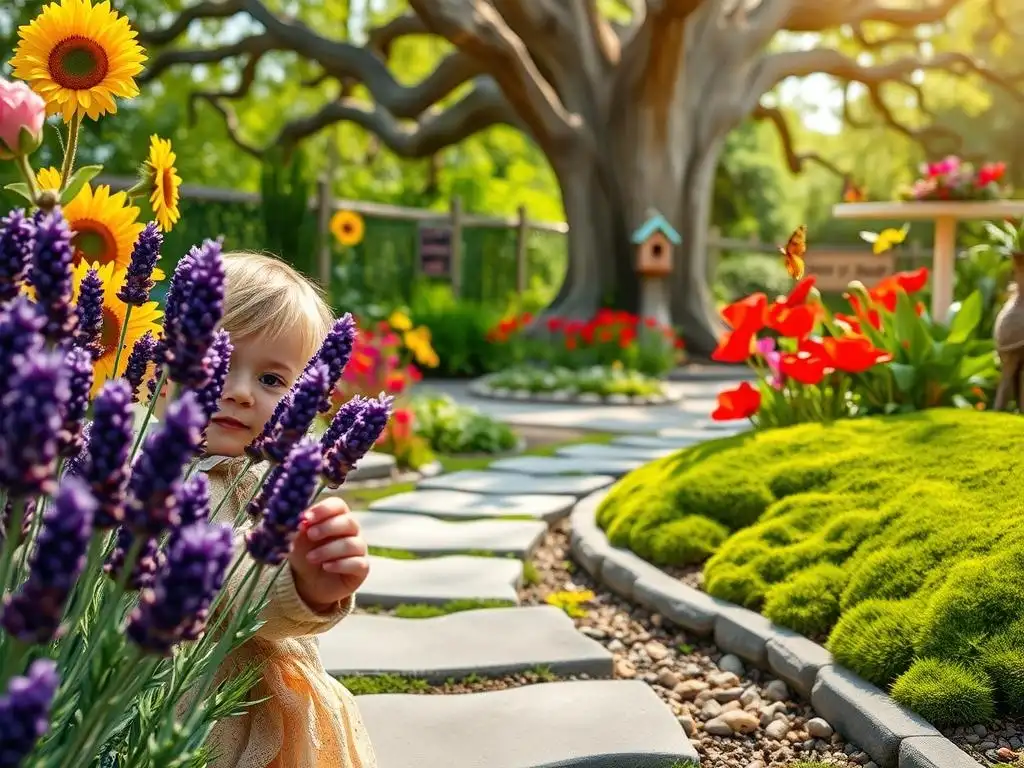
This section dives into practical, kid-friendly sensory garden design ideas, focusing on creating engaging and stimulating spaces for children to explore the wonders of nature. We'll explore several themed garden options, emphasizing tactile, visual, olfactory, and auditory experiences. Remember, the goal is to foster a love for gardening and the natural world while providing a safe and enriching environment for young explorers. The key is to make it fun and accessible, sparking their curiosity and encouraging hands-on learning.
Designing a Themed Sensory Garden: A Butterfly Garden
Creating a butterfly garden is a fantastic way to introduce children to the beauty and lifecycle of these fascinating insects. The focus here is on vibrant colors, attractive nectar sources, and elements that provide shelter and encourage butterfly visits.
This design emphasizes visual stimulation through a riot of color. Consider planting a variety of flowers in shades of purple, orange, yellow, and pink—colors known to attract butterflies. Examples include:
- Milkweed: Essential for Monarch butterfly larvae. It's also a visually interesting plant with unique seed pods.
- Zinnia: These cheerful annuals come in a dazzling array of colors and are butterfly magnets.
- Coneflower: These sturdy perennials offer long-lasting blooms and attract a wide range of pollinators.
- Butterfly Bush: A true showstopper, this shrub provides a feast of nectar for butterflies.
Beyond visual appeal, consider adding elements that cater to other senses:
- Tactile: Include plants with interesting textures, such as fuzzy lamb's ear or velvety petunias.
- Auditory: A small water feature, like a birdbath or a gently trickling fountain, adds a soothing soundscape. The gentle sound of water is incredibly calming and engaging for children.
- Olfactory: Incorporate fragrant plants like lavender or lemon balm, allowing children to experience the delightful smells of nature.
Remember to provide areas for butterflies to rest and lay eggs. Include flat stones or branches for them to perch on. A small, shallow dish of water with pebbles (to prevent drowning) is also a thoughtful addition. Creating a butterfly garden offers a unique opportunity to teach children about the importance of biodiversity and the interconnectedness of the ecosystem. It’s a visually stunning and engaging project that will keep kids coming back for more!
Designing a Themed Sensory Garden: An Herb and Spice Garden
An herb and spice garden provides a multi-sensory experience, engaging sight, smell, and even taste (with adult supervision, of course!). This type of garden is ideal for teaching children about culinary herbs and their uses.
This garden design prioritizes aromatic plants. Think of the vibrant greens of basil, the feathery texture of dill, and the pungent scent of rosemary.
Here are some kid-friendly herb choices:
- Basil: Easy to grow and with a wonderful aroma, basil is a great introduction to herb gardening.
- Mint: Its refreshing scent and cool texture are appealing to children. (Note: Mint can be invasive, so consider planting it in a container).
- Chives: These delicate, onion-flavored herbs offer a gentle taste and interesting texture.
- Rosemary: The woody stems and fragrant needles offer a tactile and olfactory experience.
To enhance the sensory experience:
- Tactile: Include herbs with varying textures – the smooth leaves of parsley, the rough texture of oregano.
- Olfactory: Encourage children to gently rub the leaves of different herbs to release their aromas. This helps them learn to associate the scent with the plant.
- Visual: Use colorful containers or labels to make the garden visually appealing.
- Auditory: The rustling of leaves in the breeze adds a gentle auditory element.
This garden can be integrated into the kitchen garden, making it easy to access fresh herbs for cooking. Growing herbs provides a hands-on learning opportunity, allowing children to understand the connection between the plant and the food they eat. It's a fantastic way to encourage healthy eating habits and appreciate the natural world.
Designing a Themed Sensory Garden: A Miniature Woodland
A miniature woodland garden offers a magical and enchanting experience for children. This design uses a variety of textures, colors, and sounds to create a miniature forest environment.
The focus here is on creating a sense of immersion and discovery. Think about using different heights and textures to mimic a real woodland setting.
Key elements for a miniature woodland:
- Varying heights: Use a combination of low-growing groundcovers, shrubs, and small trees to create layers of interest.
- Natural materials: Incorporate natural materials like bark chips, pebbles, and logs to create a naturalistic feel.
- Shade-tolerant plants: Choose plants that thrive in shady conditions, mirroring a woodland environment. Examples include hostas, ferns, and woodland wildflowers.
- Tactile elements: Include plants with interesting textures, such as mossy rocks or ferns with delicate fronds.
- Auditory elements: Add a small water feature, like a bird bath or a miniature fountain, to add a soothing soundscape.
Consider adding:
- Small birdhouses or feeders: To attract birds and add another layer of interest.
- Miniature fairy houses or gnomes: To add a touch of whimsy and magic.
This garden design promotes imaginative play and encourages children to explore and interact with nature in a creative way. The miniature woodland provides a sense of wonder and escapism, transforming a small space into a magical realm of discovery. The combination of textures, sounds, and sights creates a rich and immersive sensory experience, making it a truly memorable addition to any kid-friendly garden.
Resources for Creating a Successful Kid-Friendly Sensory Garden
This section provides essential resources to help you build a thriving and engaging sensory garden for children. We'll explore plant choices, material suppliers, and additional learning resources to ensure your project's success. Remember, a well-planned sensory garden caters to multiple senses, fostering a love for nature and gardening in young minds. The key is to select plants and materials that are not only stimulating but also safe and easy for children to interact with.
Recommended Plant Varieties for Sensory Gardens
Selecting the right plants is crucial for a successful kid-friendly sensory garden. Prioritize plants that offer diverse textures, scents, and colors, while considering safety and ease of care. Avoid poisonous plants and opt for those with child-friendly features like vibrant flowers, interesting leaves, or fragrant blooms.
Here's a list of plant varieties that are particularly well-suited for sensory gardens:
- For Touch:
- Lamb's Ear ( Stachys byzantina): Soft, velvety leaves are irresistible to touch.
- Dusty Miller (Jacobaea maritima): Silvery-grey foliage provides a delightful textural contrast.
- Rosemary: Needle-like leaves offer a unique tactile experience.
- Mint (various types): Offers a range of textures and delightful scents.
- For Smell:
- Lavender: Calming and fragrant, a classic choice for sensory gardens.
- Chamomile: Delicate and sweet-smelling flowers.
- Lemon Balm: Citrusy scent that's appealing to children.
- Nasturtiums: Peppery scent in both the leaves and flowers.
- For Sight:
- Sunflowers: Tall and bright, a visual delight for children.
- Zinnias: Come in a wide array of colors and shapes.
- Marigolds: Vibrant colors and a strong scent.
- Snapdragons: Their unique flower shape is fascinating for children.
Consider the age range of the children using the garden when making your selections. For toddlers, prioritize robust, non-toxic plants that can withstand some rough handling. Older children might enjoy more delicate plants and those with interesting features like climbing vines or unusual flower shapes. Remember to always supervise children in the garden.
Suppliers of Sensory Garden Materials
Finding the right materials is key to building a stimulating and safe environment. Here are some avenues to explore for sourcing the materials you’ll need:
- Local Garden Centers: Often carry a wide variety of plants, soil, and other gardening supplies. They can provide personalized advice based on your local climate and conditions. Look for centers specializing in organic and sustainable gardening practices.
- Online Retailers: Offer a vast selection of seeds, plants, and gardening tools, often with detailed descriptions and customer reviews. Carefully compare prices and shipping costs before ordering.
- Recycling Centers and Reuse Shops: Repurpose materials like old tires, pallets, and containers to create unique garden features, promoting sustainability and reducing waste. This is a fantastic way to incorporate creativity and environmentally-friendly practices into your garden design.
- Craft Stores: Can provide materials for creating sensory pathways, such as smooth stones, textured fabrics, or colorful ribbons.
Remember to choose materials that are non-toxic, durable, and suitable for outdoor use. Prioritize natural and sustainable materials whenever possible. Consider the overall aesthetic you want to achieve and select materials that complement your garden's design.
Books and Websites for Further Inspiration
Numerous resources offer further inspiration and guidance on creating kid-friendly sensory gardens. Exploring these resources can provide valuable insights and ideas to enhance your project.
- Books: Search for titles focusing on sensory gardens, child-friendly gardening, and creating outdoor play spaces. Look for books with detailed instructions, visual aids, and practical tips. [Specific book titles and authors pending]
- Websites: Many gardening websites and blogs offer articles, tutorials, and project ideas related to sensory gardens. Look for sites that focus on sustainable and organic gardening practices. [Specific website examples pending]
Remember to adapt and personalize your sensory garden to suit your children's ages, interests, and abilities. The most important aspect is to create a fun, engaging, and safe space where children can connect with nature and develop a lifelong appreciation for gardening. 🪴
Frequently Asked Questions
What are the benefits of a sensory garden for children?
A sensory garden offers multiple developmental benefits for children. It stimulates their senses, encouraging exploration and learning through hands-on experiences with nature. It also promotes fine and gross motor skills development.
What types of plants are best for a kid-friendly sensory garden?
Choose plants with interesting textures, like fuzzy lamb's ear or prickly succulents. Include fragrant herbs like rosemary and lavender, and brightly colored flowers to attract attention. Consider edible plants for added engagement.
How can I make my sensory garden safe for children?
Prioritize non-toxic plants and avoid anything poisonous. Ensure the area is fenced or enclosed to prevent wandering. Use natural, child-safe materials for pathways and structures, avoiding sharp objects or splinters.
What are some engaging activities for a sensory garden?
Encourage children to touch, smell, and taste the plants (with supervision). Create a nature journal for drawings and observations. Use the herbs and flowers for arts and crafts projects.
How can I maintain a kid-friendly sensory garden sustainably?
Use organic pest control methods and composting to enrich the soil naturally. Teach children about water conservation and responsible gardening practices. Choose native plants that require less water and maintenance.
Final Reflection: Cultivating Wonder: The Lasting Impact of Sensory Gardens
Creating a kid-friendly sensory garden isn't just about planting pretty flowers; it's about nurturing a lifelong connection with nature and fostering a deeper understanding of the world around us. The benefits extend far beyond the aesthetic, impacting children's development, creativity, and overall well-being in profound ways. These gardens offer a unique opportunity to engage all five senses, sparking curiosity and igniting a passion for learning that can last a lifetime.
The impact of sensory experiences on child development is undeniable. It's not just about seeing vibrant colors or smelling fragrant blooms; it's about the tactile exploration of different textures, the sounds of buzzing bees and rustling leaves, and even the taste of homegrown herbs. The best things in life are unseen, they are felt with the heart.
This quote, while not directly about sensory gardens, perfectly encapsulates the emotional connection children forge with nature through these immersive experiences. These gardens become spaces of wonder, fostering creativity and a sense of calm amidst the often-chaotic pace of modern life.
Now, I invite you to consider how you can incorporate these principles into your own life. Perhaps you'll plant a small herb garden with your child, encouraging them to touch the soft leaves of mint or smell the pungent aroma of rosemary. Or maybe you'll create a miniature sensory path in your backyard, filled with varied textures and sounds. No matter the scale, the act of creating a sensory-rich environment for your child—or even for yourself—is an act of cultivating wonder, fostering connection, and nurturing a deeper appreciation for the natural world. Let's plant the seeds of discovery together.
Unleash Your Inner Gardener: Create a Sensory Oasis Today!
Thank you for exploring the joys of creating a child-friendly sensory garden! We hope you're inspired to transform your outdoor space into a vibrant and engaging haven for your children. Now, let's turn that inspiration into action.
- Start designing your sensory garden now! Grab a pen and paper, or use a digital design tool, and begin sketching your vision. Consider textures, colors, and scents—what will most engage your children's senses?
- Share your garden plans or progress photos on social media using #CultivateYourSensoryGarden. Let's build a community of gardening enthusiasts and inspire others!
- Explore our website for more resources on child-friendly plants and gardening tips. You might even discover a new favorite flower or vegetable!
What exciting sensory elements will you include in your garden design to maximize the fun for your kids?