
Winterizing Your Chicken Garden: ColdWeather Tips for Fowl and Plants

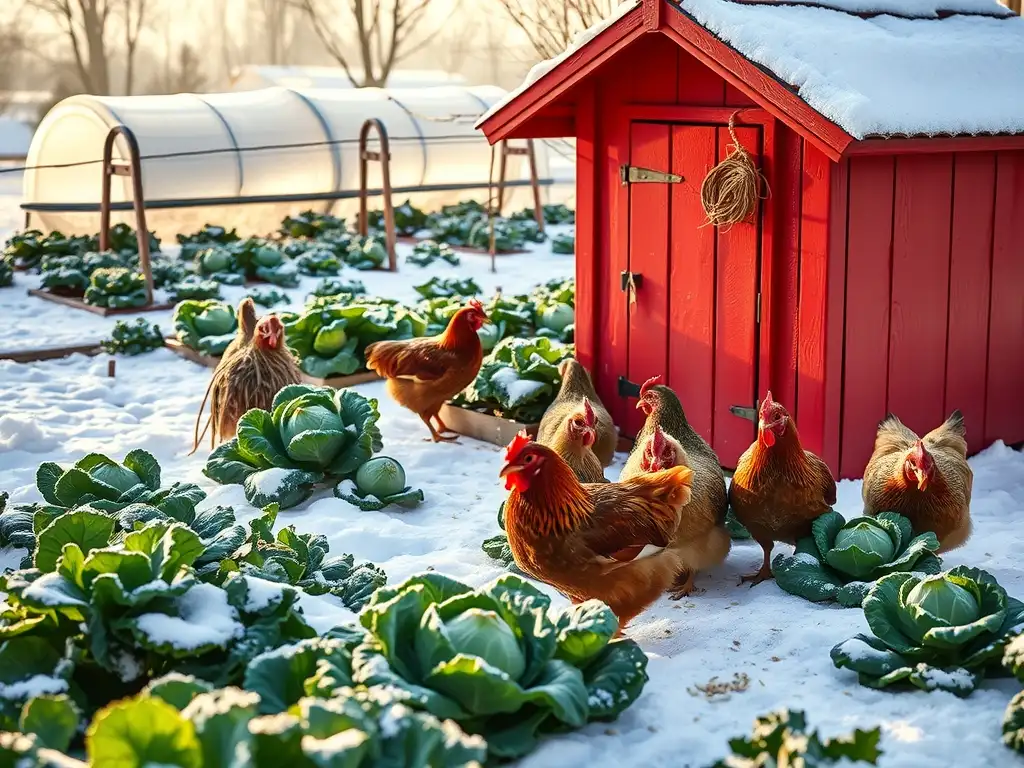
Welcome to CultivateYourFood, your guide to a thriving, sustainable home garden! Are you ready to unlock the secrets to bountiful harvests, even during the harshest winter months? This season, learn how to protect your precious chicken garden with our expert advice on Winter Chicken Garden Protection. Discover innovative techniques for safeguarding both your feathered friends and flourishing plants, ensuring a fruitful year-round experience. Let's dive into the essential strategies for maintaining a vibrant garden, regardless of the weather—your journey towards self-sufficiency starts now!
- Protecting Your Chickens from Winter's Chill
- Winterizing Your Garden for Chicken-Friendly Foraging
- Integrating Winter Chicken Care with Garden Maintenance
- Essential Tools and Resources for Winter Chicken Garden Protection
- Frequently Asked Questions
- Final Reflection: Nurturing Life Through Winter's Embrace
- Unleash Your Flock's Winter Bounty!
Protecting Your Chickens from Winter's Chill
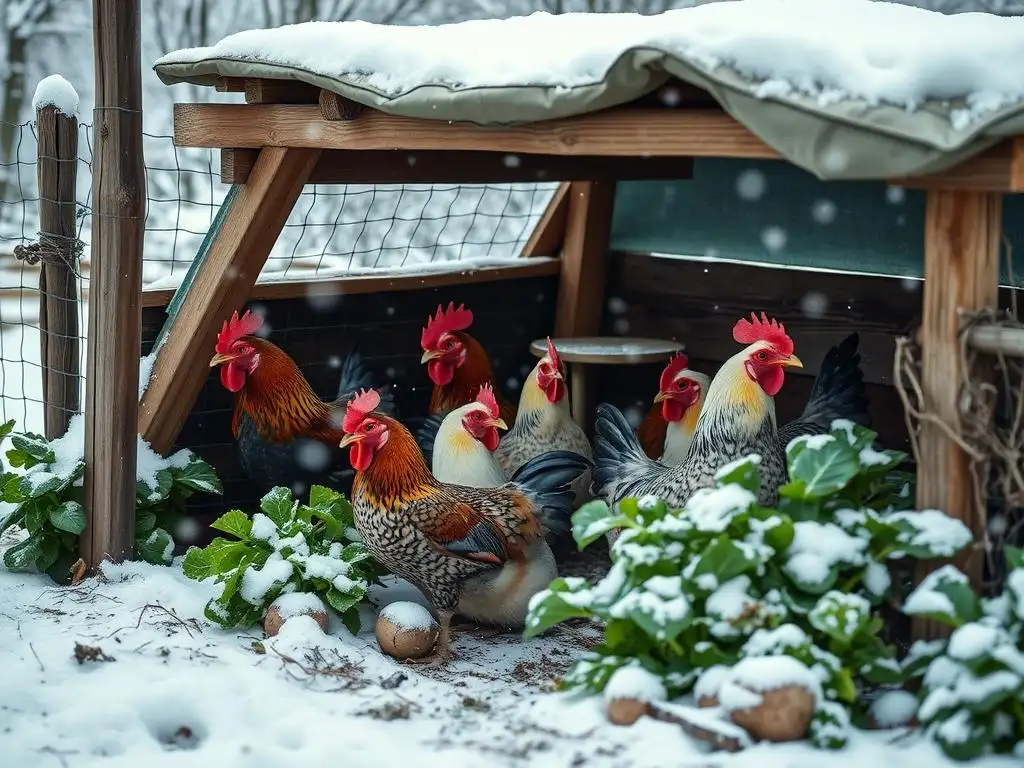
Winter can be a challenging season for both your chickens and your garden. Successfully navigating the cold months requires careful planning and proactive measures to ensure the health and well-being of your feathered friends and the continued productivity of your garden. This comprehensive guide offers practical strategies for winterizing your chicken garden, focusing on protecting your flock from harsh weather while maintaining a thriving garden ecosystem. We'll explore essential upgrades for cold-weather housing, address nutritional needs during winter, and delve into effective strategies to keep your chickens warm and healthy throughout the colder months.
This holistic approach to winter chicken garden protection will help you achieve a successful and sustainable integrated farming system, even when temperatures plummet. Proper winter preparation ensures your chickens remain productive and your garden continues to flourish, maximizing your self-sufficiency efforts. Let's delve into the specifics of keeping your flock thriving throughout the winter.
Cold Weather Housing for Chickens: Essential Upgrades for Winter
Winterizing your chicken coop is paramount to protecting your flock from harsh weather conditions. Simply having a coop isn't enough; it needs to be properly insulated and weatherproof to withstand freezing temperatures, snow, and wind. Several key upgrades are necessary to ensure your chickens stay warm and dry:
- Improved Insulation: Adding extra insulation to the walls and ceiling of your coop is crucial. Consider using materials like straw bales, rigid foam insulation, or even recycled denim insulation. Proper insulation minimizes heat loss and maintains a consistent temperature inside the coop. Remember to seal any gaps or cracks to prevent drafts.
- Wind Protection: Strong winds can significantly lower the perceived temperature, making your chickens more susceptible to hypothermia. Adding windbreaks around the coop, such as strategically placed evergreen trees or burlap screens, can dramatically reduce wind chill.
- Enhanced Ventilation: While keeping the coop warm is essential, adequate ventilation is equally crucial to prevent the buildup of ammonia and moisture, which can lead to respiratory problems in your chickens. Ensure your coop has vents that can be adjusted to regulate airflow, even in cold weather. Proper ventilation prevents the build-up of moisture while maintaining warmth.
- Deep Litter: A deep layer of bedding within the coop provides insulation and helps regulate temperature. Use a combination of straw, wood shavings, or other suitable bedding materials. This deep litter also absorbs moisture and helps maintain a cleaner and drier environment for your chickens. Regularly adding fresh bedding helps maintain a comfortable layer of insulation throughout the winter.
Providing Ample Food and Water: Nutritional Needs in Cold Weather
Maintaining your chickens' nutritional needs during winter is crucial for their health and egg production. Cold weather increases their metabolic rate, requiring a higher caloric intake to maintain body temperature. Here's how to adjust their diet:
- Increased Feed: Increase the amount of feed you provide to compensate for the increased energy expenditure. Consider adding supplemental fats and oils to their diet, such as flaxseed or sunflower seeds. These provide additional calories to help them stay warm and maintain egg production.
- Warm Water: Frozen water is a major concern in winter. Ensure your chickens always have access to fresh, unfrozen water. Use heated waterers or regularly change the water to prevent freezing. You can also add a few drops of apple cider vinegar to the water to aid digestion.
- Nutrient-Rich Feed: Supplement their regular feed with nutrient-rich options like cooked sweet potatoes, squash, or other vegetables. These provide essential vitamins and minerals to support their immune system during the cold months. Avoid feeding moldy or spoiled food.
Keeping Chickens Warm: Strategies for Cold Climate Chicken Keeping
Beyond providing adequate housing and food, several additional strategies can help keep your chickens warm and comfortable during winter:
- Supplemental Heat: In extremely cold climates, supplemental heating may be necessary. Consider using a thermostat-controlled heater designed for chicken coops. Always ensure safety precautions are followed to prevent fire hazards.
- Roosts: Providing multiple roosting bars at varying heights allows chickens to huddle together for warmth. This natural behavior helps them conserve body heat. Make sure the roosts are sufficiently high off the ground to prevent drafts.
- Chicken-Friendly Coverings: Adding extra coverings to the coop, such as old blankets or tarps, can help retain heat. However, ensure sufficient ventilation is maintained to avoid moisture buildup.
- Monitoring: Regularly monitor your chickens' health and behavior. Look for signs of stress, such as lethargy or decreased egg production. If you notice any problems, consult a veterinarian. Early detection and intervention are crucial for preventing serious health issues.
By implementing these strategies, you can effectively protect your chickens and your garden from the harsh conditions of winter, ensuring a productive and healthy integrated farming system throughout the year. Remember, proactive measures are key to successful winter chicken garden protection. 🐔❄️
Disease Prevention in Winter: Protecting Your Flock's Health
Winter presents unique challenges to poultry health. The colder temperatures, coupled with often increased humidity and reduced sunlight, can weaken your flock's immune systems, making them more susceptible to various diseases. Proactive disease prevention is crucial for ensuring your chickens remain healthy and productive throughout the winter months. This involves a multi-pronged approach encompassing several key strategies.
One of the most effective ways to prevent disease is to maintain impeccable hygiene in your chicken coop and run. Regular cleaning is essential, removing accumulated droppings and soiled bedding frequently. Aim for at least a weekly cleaning of the coop, paying close attention to areas where moisture tends to accumulate.
Using a good quality, absorbent bedding material, like pine shavings or straw, helps absorb moisture and reduce the risk of bacterial and fungal growth. Replacing the bedding regularly is vital – consider doing so every 2-3 weeks depending on the size of your flock and the level of moisture in the coop. Proper ventilation is also key; a poorly ventilated coop can lead to a buildup of ammonia and other harmful gases, suppressing the immune system and increasing the risk of respiratory diseases.
Nutrition plays a pivotal role in bolstering your chickens' immune systems during winter. Ensuring your flock receives a balanced diet rich in essential vitamins and minerals is critical. You may consider supplementing their regular feed with additional protein sources, such as mealworms or cooked scraps of vegetables, to help them maintain body weight and energy levels in the colder months.
Providing access to grit is also important, as it aids in the digestive process. Consider offering a vitamin and mineral supplement formulated specifically for poultry, especially during periods of reduced sunlight, which can impact vitamin D production. Always consult with a veterinarian or experienced poultry keeper to determine the appropriate supplementation for your specific flock.
Finally, regular observation of your flock is paramount. Pay close attention to changes in behavior, appetite, or physical condition. Any signs of illness, such as lethargy, ruffled feathers, respiratory distress, or unusual droppings, should prompt immediate action. Early detection and treatment are crucial in preventing the spread of disease within the flock.
Consult with a veterinarian familiar with poultry health for diagnosis and appropriate treatment. Isolation of sick birds is also necessary to prevent the spread of infection to the rest of the flock. Implementing these preventative measures will significantly reduce the risk of disease outbreaks and contribute to a healthy and thriving flock throughout the winter. Remember, a proactive approach to disease prevention is far more effective and less stressful than dealing with an outbreak.
Winterizing Your Garden for Chicken-Friendly Foraging
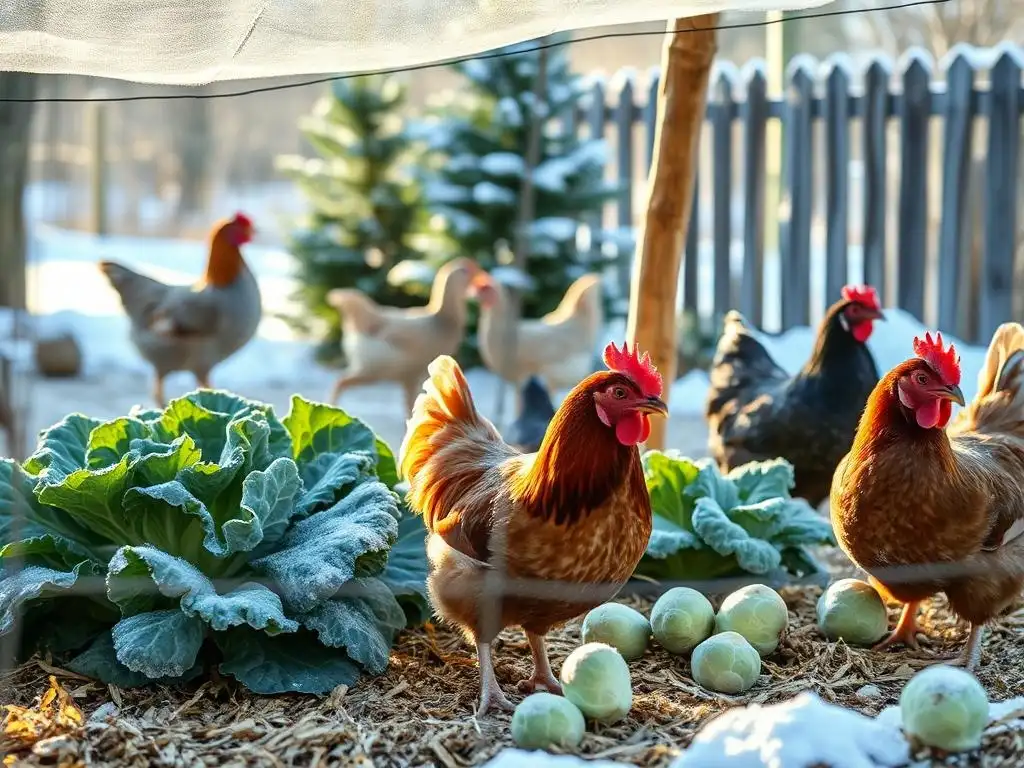
This section focuses on preparing your garden for the winter months while ensuring your chickens continue to benefit from foraging opportunities, even in the cold. Successful winter chicken garden protection hinges on a multi-pronged approach, combining proactive plant selection and protection with strategic pest and disease management. Remember, a thriving winter garden enhances your self-sufficiency and provides supplemental nutrition for your flock.
Protecting Vulnerable Plants from Freezing Temperatures
Freezing temperatures pose a significant threat to many garden plants, impacting both their ability to provide forage for your chickens and their overall health. Certain plants are more resilient than others; however, even hardy varieties can benefit from protection during extreme cold snaps.
Several methods can be employed to safeguard your plants:
- Row Covers: Lightweight, breathable fabrics draped over plants create a microclimate, preventing frost damage. Choose a material that allows some sunlight penetration. Consider using hoops or stakes to keep the fabric elevated above the plants.
- Cold Frames: Cold frames provide a more substantial level of protection. These structures typically consist of a frame with a transparent covering, such as glass or plastic. They trap solar heat during the day and minimize heat loss at night. Cold frames are particularly effective for protecting delicate seedlings or plants that are particularly susceptible to frost.
- Mulching: Applying a thick layer of mulch, such as straw or wood chips, around the base of plants helps insulate the soil and protect roots from freezing. This is crucial for perennials and root vegetables. The mulch layer should be several inches deep, depending on the severity of your winter climate.
- Plant Selection: Choosing cold-hardy varieties is paramount. Research plants that thrive in your specific USDA hardiness zone. Consider planting winter greens like kale, spinach, and arugula, which are generally more tolerant of cold weather.
Winter Cover Crops for Chicken Gardens: Benefits and Selection
Integrating winter cover crops offers numerous advantages for your chicken garden. These crops improve soil health, prevent erosion, suppress weeds, and provide additional forage for your chickens during the lean winter months.
Choosing appropriate cover crops depends on your climate and soil conditions. Here are some popular choices:
| Cover Crop | Benefits | Cold Hardiness | Chicken Palatability |
|---|---|---|---|
| Rye | Excellent erosion control, improves soil structure | High | Moderate |
| Winter Wheat | Provides good ground cover, attracts beneficial insects | High | Moderate |
| Vetch | Nitrogen fixer, improves soil fertility | Moderate | High |
| Clover (Crimson or Red) | Nitrogen fixer, attractive to pollinators | Moderate | High |
Remember to plant cover crops in the fall, allowing them to establish themselves before winter sets in. You can let chickens forage on these crops lightly, allowing some to remain for soil improvement come spring. Overgrazing should be avoided to allow sufficient regrowth.
Managing Winter Pests and Diseases in the Garden
Winter, while seemingly dormant, can still harbor pests and diseases that can impact your garden and your chickens' health. Proactive management is key to minimizing issues.
- Clean Up: Remove all fallen leaves, dead plants, and debris from your garden. These materials can harbor pests and disease-causing organisms. Proper sanitation reduces overwintering sites for many pests.
- Pest Monitoring: Regularly inspect your plants for signs of pests or diseases. Early detection allows for prompt intervention, preventing widespread infestation or infection.
- Natural Pest Control: Consider using natural pest control methods, such as introducing beneficial insects or employing organic sprays. Avoid harsh chemicals, which can harm your chickens and the environment.
- Poultry Health: Ensure your chickens are healthy and have a strong immune system. A well-nourished flock is better equipped to resist disease. Regular veterinary checkups are recommended. 🐔 A healthy flock is a happy flock!
By implementing these strategies, you can effectively protect your garden and ensure your chickens have access to nutritious forage throughout the winter months, contributing significantly to your winter chicken garden protection strategy. This proactive approach safeguards both your plants and your feathered friends, ensuring a productive and healthy garden even in the depths of winter.
Maintaining Soil Health During Winter Months for Spring Foraging
Maintaining healthy soil is crucial for a thriving spring garden, especially when integrating chickens into your system. Winter presents unique challenges, as the cold temperatures and reduced sunlight can impact soil microbial activity and overall fertility. However, with proactive measures, you can ensure your soil remains fertile and ready for planting when the warmer weather arrives. This is particularly important for providing nutritious foraging opportunities for your chickens in the spring.
One key strategy is to avoid compacting the soil. Heavy foot traffic, especially in wet conditions, can damage soil structure and reduce aeration. Consider creating designated pathways to minimize soil disturbance. If you need to access your garden during winter, use boards or other materials to distribute your weight evenly.
Adding organic matter is another critical step. While composting may slow down during winter, you can still incorporate finished compost into your garden beds. This improves soil drainage, retains moisture, and provides essential nutrients for plants and beneficial soil organisms. A layer of mulch, such as straw or wood chips, will not only protect the soil from erosion and temperature fluctuations but also suppress weeds, reducing competition for resources in the spring. This is especially beneficial in areas where your chickens forage.
Consider cover cropping. Planting winter hardy cover crops like rye or clover helps to prevent soil erosion, add organic matter, and fix nitrogen in the soil. These crops will improve the soil structure and provide a healthy base for your spring planting.
Allowing the cover crops to grow over winter and then tilling them under in the early spring provides a valuable source of nutrients for your plants and contributes to the overall soil health, making it even more productive for chicken foraging. The chickens can even enjoy pecking at the cover crops, providing them with a winter snack and improving soil aeration in the process! Remember to choose cover crops appropriate to your climate and soil conditions.
Finally, avoid tilling the soil when it is frozen or excessively wet, as this can damage the soil structure and harm beneficial microbes. Patience is key; wait for the soil to thaw completely before carrying out any soil preparation work. This careful approach to soil management will ensure your garden is flourishing and ready to provide delicious, nutritious foraging for your flock in the spring.
Integrating Winter Chicken Care with Garden Maintenance
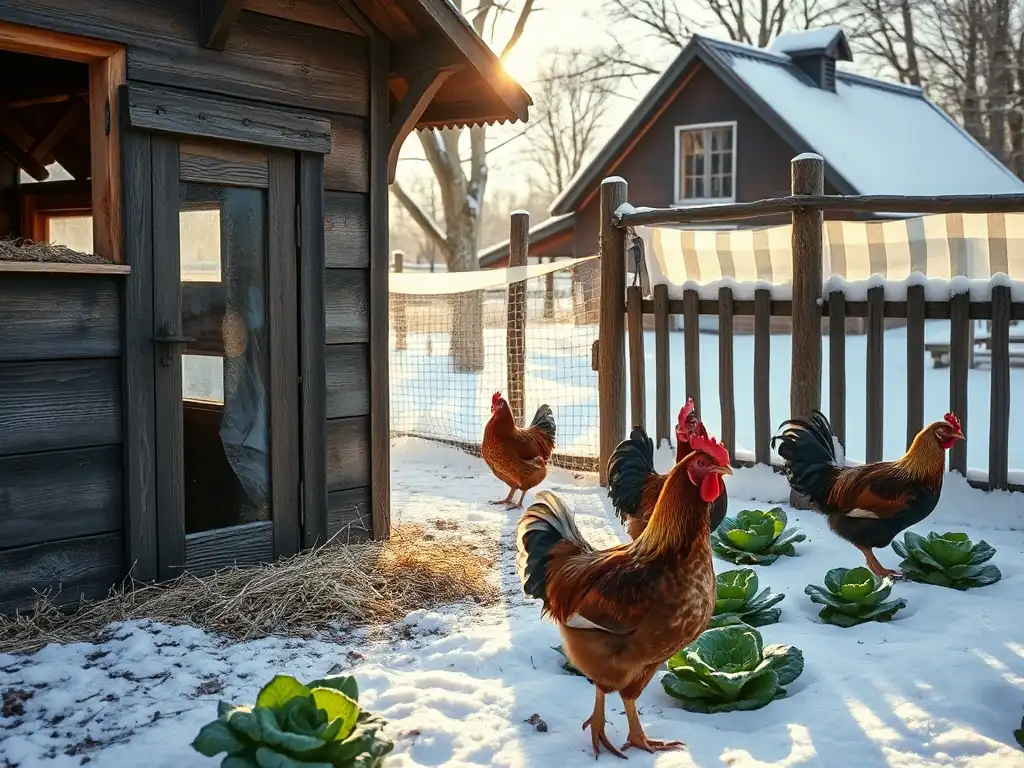
This section focuses on seamlessly integrating the care of your chickens with the preparation of your garden for the winter months. Effective winter chicken garden protection isn't just about shielding your plants; it's about leveraging your flock's contributions to improve your garden's health and productivity for the following spring. By thoughtfully managing chicken waste and integrating it into your winter garden preparations, you can create a virtuous cycle of sustainable gardening and poultry keeping. This synergistic approach minimizes waste, enriches your soil, and prepares your garden for a bountiful harvest. Let's explore some key strategies:
Composting Chicken Manure for Winter Garden Preparation
Chicken manure is a goldmine of nutrients for your garden, but it needs careful management, especially during winter. Improper handling can lead to nutrient runoff and potential environmental issues. Composting is the key to harnessing its power safely and effectively. Instead of directly applying fresh manure to your garden beds in winter, begin composting it immediately. This process not only eliminates harmful pathogens but also transforms the raw manure into a rich, slow-release fertilizer.
The ideal winter composting method involves layering chicken manure with carbon-rich materials like dried leaves, straw, or shredded wood. This creates a balanced compost pile that prevents overheating and ensures proper decomposition. Aim for a ratio of approximately 1 part manure to 2-3 parts carbon material. Regularly turning the pile helps maintain aeration and speeds up the decomposition process.
Consider building a three-bin composting system. One bin is for active composting, one for curing (allowing the compost to mature), and one for storing finished compost. This system allows for a continuous cycle of composting throughout the year. By spring, you will have a valuable nutrient-rich amendment ready to enrich your garden beds, providing a natural boost for your spring planting.
Utilizing Chicken Waste for Winter Mulching and Soil Enrichment
Beyond composting, chicken waste can be directly utilized to improve your garden's winter resilience. Using aged chicken manure as a winter mulch offers several benefits. It protects delicate plants from harsh winter conditions, retains soil moisture, and slowly releases nutrients as it decomposes throughout the winter months.
However, it's crucial to use aged manure for mulching. Fresh manure can burn plant roots. Ensure your manure has been properly composted or aged for at least several months. Apply a thin layer around sensitive plants, taking care not to bury the base of the plants. This approach protects them from frost and cold winds while gradually enriching the soil. This is a vital element of winter chicken garden protection, as it safeguards your plants while simultaneously improving soil health. The improved soil structure resulting from the added organic matter will also benefit your plants in the spring.
Planning for Spring Planting: Utilizing Winter Prep for a Bountiful Harvest
The winter months are a crucial time for planning your spring garden. The meticulous work of composting and enriching your soil with chicken waste now will significantly impact the success of your spring planting. Analyzing your previous year’s harvest and noting any deficiencies or pest problems will guide your decisions on soil amendments and crop rotation.
By using the nutrient-rich compost created from your chicken manure, you’ll be providing your spring plants with a head start. This organic fertilizer is gentler on the environment compared to chemical fertilizers and promotes healthier, more resilient plants. Your winter chicken garden protection efforts will have paid off handsomely by spring, resulting in a thriving and bountiful garden. Consider creating a detailed planting schedule that takes into account the specific needs of each plant and the expected climate conditions. This proactive approach, informed by your winter preparations, will set the stage for a successful and abundant harvest.
Creating a Sustainable Winter Chicken Garden Ecosystem
Creating a thriving winter chicken garden requires a holistic approach, focusing on the symbiotic relationship between your chickens and your plants. The key is to minimize disruption to the ecosystem while ensuring both your flock and your plants are adequately protected from the harsh winter elements. This involves strategic planning and careful management of resources.
For instance, consider the placement of your chicken run in relation to prevailing winds and sunlight. A south-facing run will maximize sunlight exposure, providing warmth for your chickens and promoting plant growth even during shorter winter days. Furthermore, windbreaks, such as strategically planted evergreens or constructed barriers, can significantly reduce wind chill and protect delicate plants.
Effective winter chicken garden management also centers around composting. The chickens provide a constant supply of organic matter through their droppings, which can be efficiently composted and later used to enrich the soil. This closed-loop system minimizes waste and creates a rich, nutrient-dense environment ideal for winter vegetables like kale, spinach, and root crops. Regularly turning the compost pile ensures proper decomposition and prevents the buildup of harmful bacteria.
It's crucial to monitor the moisture levels in the compost, adding water as needed to maintain the ideal consistency for decomposition. By incorporating the compost into your garden beds, you're not only enriching the soil but also improving drainage and aeration—essential factors for healthy plant growth during winter. Furthermore, the warmth generated by decomposition can help mitigate frost damage to plant roots. This symbiotic relationship between chicken waste and soil enrichment is fundamental to a sustainable winter chicken garden ecosystem.
Careful management of this process is crucial for success. Remember to avoid over-fertilizing, as this can damage plants. A balanced approach, utilizing compost in moderation, is key.
Essential Tools and Resources for Winter Chicken Garden Protection
Protecting your chicken garden during winter requires careful planning and the right tools. Effective winter chicken garden protection hinges on mitigating the impact of cold temperatures, snow, and potential predators. This section outlines essential resources to ensure your feathered friends and your plants thrive even in the harshest winter conditions.
Cold-Hardy Vegetable Choices for Winter Chicken Gardens
Not all vegetables can withstand the frigid temperatures of winter. Choosing cold-hardy varieties is crucial for maintaining a productive chicken garden throughout the colder months. These resilient plants can tolerate frost and light snow, providing a continuous source of foraging opportunities for your chickens and extending your harvest season.
Here are a few examples of cold-hardy vegetables suitable for winter chicken gardens:
- Kale: This leafy green thrives in cooler temperatures and can even benefit from a light frost, developing a sweeter flavor. Different kale varieties offer varying degrees of cold hardiness, so choose a variety known for its winter resilience.
- Spinach: Similar to kale, spinach tolerates cold weather well and continues to produce leaves even when temperatures drop below freezing. However, heavy snow cover can hinder its growth, so consider providing some protection.
- Chard: Another robust leafy green, chard boasts a similar cold tolerance to kale and spinach. Its thick stalks provide extra protection against light frosts.
- Root Vegetables (e.g., carrots, parsnips, turnips): These vegetables are naturally well-equipped to survive winter's cold. The cold actually sweetens their flavor and makes them more palatable to both you and your chickens. Harvesting can be staggered throughout the winter.
- Brussels sprouts: These miniature cabbages can withstand freezing temperatures. They offer a delicious treat for both you and your flock.
Remember to consider your specific climate zone when selecting vegetable varieties. Local nurseries can provide expert advice on the best options for your region. Proper soil preparation, including adequate drainage and organic matter, is also critical for successful winter gardening.
Winter Chicken Coop Supplies Checklist: Essential Items for Cold Weather
A well-prepared chicken coop is essential for protecting your flock from harsh winter conditions. Neglecting proper winterization can lead to health problems and decreased egg production. This checklist highlights the key supplies needed to ensure your chickens stay warm, dry, and healthy throughout the winter months.
| Item | Description | Importance |
|---|---|---|
| Deep Litter Method Materials | Straw, wood shavings, or other suitable bedding materials in ample quantities. | Maintains warmth, absorbs moisture, and reduces ammonia buildup. |
| Coop Insulation | Insulating materials (e.g., straw bales, foam insulation) to seal drafts and gaps. | Prevents heat loss and protects chickens from extreme cold. |
| Draft Stoppers | Fabric or other materials to block drafts around windows and doors. | Reduces cold air infiltration and provides a warmer environment for the chickens. |
| Waterer Protection | Heated waterers or insulated containers to prevent water from freezing. | Provides access to fresh, unfrozen water, essential for chicken health, especially in freezing temperatures. |
| Thermometer | To monitor the temperature inside the coop. | Essential for ensuring the coop stays within an appropriate temperature range. |
| Extra Bedding | Additional bedding to add as needed throughout the winter. | Maintains warmth and dryness as existing bedding becomes soiled or compressed. |
Remember to regularly check the coop for any signs of damage or drafts that need to be addressed promptly.
Recommended Winter Chicken Feed Supplements
Winter presents unique challenges to chicken nutrition, as the colder temperatures and reduced foraging opportunities can compromise their immune systems. Supplementing their regular diet with specific nutrients can help maintain their health and egg production during the colder months.
Consider adding the following supplements to your chickens' winter feed:
- Fat Sources: Adding healthy fats, such as rendered poultry fat or coconut oil, can help chickens stay warm and maintain energy levels. These also increase the nutritional value of the feed.
- Protein Boost: Chickens need more protein in winter to maintain body heat and egg production. Consider adding cooked grains such as cracked corn or oats to their diet.
- Probiotics: Probiotics help maintain a healthy gut microbiome, essential for optimal immune function during winter's cold and wet conditions.
- Electrolytes: Electrolytes can help prevent dehydration, particularly important in cold weather when chickens may drink less water.
Always introduce new supplements gradually to avoid digestive upset. Consult with a veterinarian or experienced poultry keeper for tailored advice on appropriate supplementation for your flock's specific needs and the local climate conditions. Proper nutrition is a key component of effective winter chicken garden protection, as healthy chickens are better equipped to withstand the cold.
Resources for Winter Chicken and Garden Care
Protecting your chicken garden during winter requires careful planning and the right resources. Accessing reliable information and having the necessary materials on hand can significantly reduce stress and ensure the well-being of both your flock and your plants. This section outlines key resources to consider for successful winter chicken garden management.
One crucial resource is a comprehensive guide on winter chicken care. Many books and online articles detail specific breeds' cold hardiness, appropriate shelter modifications for extreme temperatures, and dietary adjustments to support immune systems during the colder months. Look for resources that address specific challenges like frostbite prevention, maintaining water access in freezing conditions, and recognizing signs of illness in winter.
A well-informed approach to winter chicken care is fundamental to their survival and productivity, even within a garden environment. Consider consulting local agricultural extension offices or experienced poultry keepers for personalized advice tailored to your region's climate and specific chicken breeds. They often possess invaluable, region-specific knowledge crucial for successful winter management.
Beyond chicken care, accessing resources focused on winter gardening is equally important. This includes understanding the specific cold hardiness of your chosen plant varieties. Some vegetables, like kale and spinach, thrive in cooler temperatures, while others require significant protection. Understanding the specific needs of each plant will guide your winter protection strategies.
This information is readily available online, in gardening books, and at local nurseries. Remember to consult resources that focus on organic and sustainable practices to align with the CultivateYourFood ethos. These resources will often provide advice on techniques like cold frames, row covers, and other protective measures for your crops.
Finally, consider building a network of local resources. Connecting with fellow gardeners and chicken keepers in your area can provide invaluable support and shared knowledge. Local gardening clubs, farmers' markets, and online forums can serve as excellent platforms for exchanging tips, tricks, and solutions to common winter challenges.
Sharing experiences and learning from others is a powerful tool for navigating the complexities of winter chicken garden protection. This collaborative approach fosters a sense of community and can significantly enhance your chances of success. Don't underestimate the power of collective knowledge and local expertise when facing the unique challenges of winter.
Frequently Asked Questions
How can I protect my chicken garden from freezing temperatures?
Several methods offer winter protection. These include using row covers, cold frames, or even simply mulching heavily around plants. Consider moving sensitive plants indoors if temperatures plummet significantly.
What are the best plants to grow in a winter chicken garden?
Hardy greens like kale, spinach, and chards thrive in cooler weather. Root vegetables such as carrots and radishes can also tolerate frost. Always choose winter-hardy varieties.
How do I protect my chickens from the cold in winter?
Ensure your chickens have access to a warm, dry coop with adequate ventilation. Provide extra bedding for warmth, and consider adding heat lamps in extremely cold conditions. Supplying extra feed is vital to help them stay warm.
Will my chickens damage my winter garden plants?
While chickens are less active in winter, they can still cause damage. Use protective netting or fencing to keep them out of vulnerable areas. Regular monitoring is essential to identify and repair any damage promptly.
What kind of mulch is best for protecting my winter chicken garden?
Straw is an excellent choice as it provides insulation and is readily available. Wood chips can also work well, but avoid using freshly cut wood which can sometimes harm plants. Ensure the mulch is thick enough to provide adequate protection.
Final Reflection: Nurturing Life Through Winter's Embrace
Protecting your chicken garden isn't just about safeguarding plants and poultry; it's about fostering resilience in the face of nature's harshest challenges. The strategies outlined in this article – from windbreaks and protective coverings to supplemental feeding and coop modifications – are crucial for ensuring the continued health and productivity of your integrated system throughout the winter months. The rewards extend far beyond simply surviving the cold; they encompass a deeper understanding of the interconnectedness of life and the satisfaction of nurturing thriving ecosystems even when conditions are most demanding.
The impact of winter on both chickens and garden plants is a powerful reminder of the delicate balance in nature. We often overlook the subtle ways in which seemingly disparate elements rely on each other for survival. The earth laughs in flowers.
This quote, while seemingly simple, speaks volumes about the resilience and beauty that can emerge even from the harshest conditions. My own experience in winterizing my chicken garden has underscored this truth, highlighting the importance of careful planning and observation to ensure the well-being of both my feathered friends and my vegetable patch.
Now, consider your own space, your own garden, your own flock. What measures can you take to ensure their well-being this winter? What small acts of preparation can translate into a bountiful harvest and happy, healthy chickens come springtime? Don't let the cold weather discourage you; instead, embrace the challenge as an opportunity to deepen your connection with nature and to celebrate the enduring power of life's resilience. Let this winter be a testament to your commitment to sustainable and harmonious living.
Unleash Your Flock's Winter Bounty!
Thank you for joining us on this journey to a thriving winter chicken garden! We hope you've gained valuable insights into keeping your chickens and plants happy throughout the colder months. Now it's time to put that knowledge into action!
- Prioritize your coop's insulation: Provide your chickens with a warm, draft-free environment to ensure healthy egg production all winter long. This might involve adding extra bedding, sealing any gaps, or even installing a supplemental heat source if needed.
- Grow winter-hardy greens: Plant kale, spinach, or chard; your chickens will enjoy the fresh greens, and you'll have healthy food too! Share your experiences and results in the comments.
- Share your winter chicken-keeping wisdom: Do you have a unique tip or trick? Let's build a community resource by sharing your expertise with other CultivateYourFood readers!
What's one simple change you'll make today to better prepare your chicken garden for winter?