
How to Identify Beneficial Insects in Your Garden

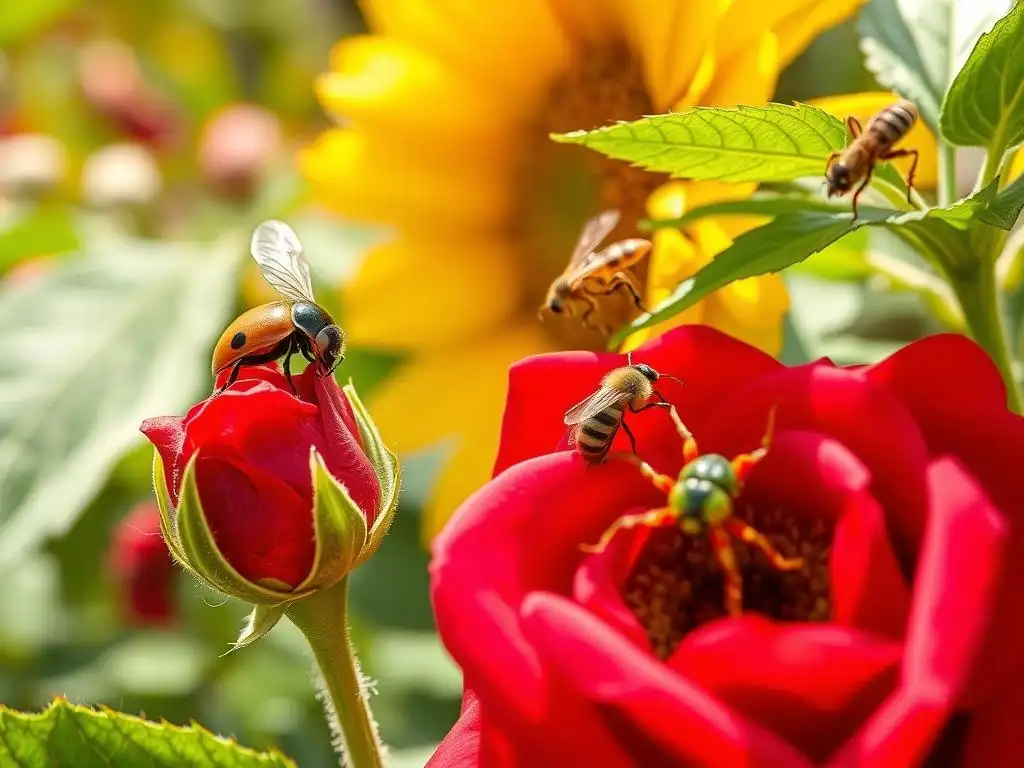
Ready to transform your backyard into a thriving ecosystem? At CultivateYourFood, we empower you to grow your own delicious and healthy produce using sustainable methods. But did you know that some tiny creatures are your secret weapons in the fight against pests? Discover the fascinating world of beneficial garden insects and learn how to identify your allies in the quest for a bountiful harvest. Let's dive into the details and unlock the secrets to a truly flourishing garden!
- Recognizing Helpful Insects in Your Vegetable Garden
- Beneficial Insects for Specific Pests: A Detailed Guide
- Attracting and Supporting Beneficial Insects in Your Garden
- Common Mistakes to Avoid When Identifying Beneficial Insects
-
Frequently Asked Questions
- How can I tell the difference between beneficial and harmful insects?
- What are some common beneficial insects I might find in my garden?
- Why are beneficial insects important for my garden's health?
- How can I attract more beneficial insects to my garden?
- What should I do if I find a large number of harmful insects despite having beneficial insects?
- Final Reflection: Cultivating a Thriving Ecosystem, One Insect at a Time
- Unleash Your Inner Gardener: Attract More Beneficial Bugs!
Recognizing Helpful Insects in Your Vegetable Garden
Cultivating a thriving, organic garden often involves a delicate balancing act. While pests can wreak havoc on your precious plants, a surprising number of beneficial insects work tirelessly to keep your crops healthy and productive. Learning to identify these natural allies is crucial for successful, sustainable gardening. This article will equip you with the knowledge to spot some key beneficial insects, empowering you to foster a vibrant ecosystem in your garden and minimize the need for harmful pesticides.
We'll explore the characteristics of several common helpful insects, highlighting their roles in natural pest control and providing tips on how to encourage their presence in your garden. By understanding the vital role these insects play, you can significantly improve the health and yield of your fruits, vegetables, and herbs, all while adhering to organic and sustainable practices. Identifying beneficial garden insects is a cornerstone of effective, eco-friendly pest management.
Identifying Ladybugs and Their Larvae: Nature's Aphid Control
Ladybugs, those cheerful red and black beetles, are iconic beneficial insects. But did you know their larvae are just as effective, if not more so, at controlling aphids? Adult ladybugs are dome-shaped, with varying colors and spot patterns depending on the species. They're voracious aphid eaters, consuming dozens daily throughout their adult lives. However, it’s their larvae that truly shine in aphid control. Ladybug larvae are alligator-shaped, dark-colored, and often have spiny protrusions. They are far less discerning than adults and will devour any aphids they encounter.
To attract ladybugs to your garden, plant flowers that provide nectar and pollen, such as dill, fennel, yarrow, and cosmos. Avoid using broad-spectrum insecticides, as these will harm ladybugs along with the pests. Providing shelter, such as leaf litter or small piles of rocks, can also encourage them to stay. Remember, even if you don't see many adult ladybugs, the presence of their larvae indicates a thriving ladybug population working hard to protect your plants. The more aphids you see, the more effective the ladybugs are!
Recognizing Lacewings: Masters of Aphid and Mealybug Control
Lacewings, with their delicate, lacy wings and golden eyes, are another powerful ally in the fight against garden pests. Both adult and larval lacewings are effective predators, although their hunting styles differ. Adult lacewings primarily feed on nectar and pollen, but they also consume small insects such as aphids. However, their larvae are the real aphid-munching machines. These small, dark-colored larvae are often called "aphid lions" due to their voracious appetite for aphids and mealybugs. They have prominent, sickle-shaped mandibles that they use to pierce and suck the fluids from their prey.
Attracting lacewings involves providing a similar habitat to that of ladybugs: plant flowers rich in nectar and pollen, and avoid using harmful pesticides. Lacewings are also attracted to plants with a high density of prey like aphids and mealybugs, so focusing on preventative measures for these pests will indirectly attract lacewings. They also appreciate shelter, similar to ladybugs. Observing the presence of lacewing eggs, which are small, white, and oval, on the undersides of leaves is a strong indicator of a healthy lacewing population in your garden.
Identifying Hoverflies: Effective Aphid Predators
Hoverflies, also known as flower flies or syrphid flies, are often mistaken for bees or wasps due to their similar coloration. However, they are harmless to humans and are incredibly beneficial to your garden. Adult hoverflies feed on nectar and pollen, contributing to pollination, while their larvae are voracious aphid predators. Hoverfly larvae are small, elongated, and often legless, resembling small slugs. They move slowly, blending into the foliage, making them effective ambush predators. They consume large numbers of aphids throughout their larval stage.
To attract hoverflies, plant a variety of flowering plants, particularly those that bloom throughout the growing season. Umbellifers like dill and fennel are particularly attractive, as are daisies and other flowering herbs. Maintaining a diverse and healthy garden environment is key to attracting and supporting hoverfly populations. The presence of both adult hoverflies and their larvae indicates a successful strategy in attracting these beneficial insects to your garden. Their effectiveness at controlling aphids can be a significant boost to your organic gardening efforts.
Recognizing Ground Beetles: Nighttime Garden Guardians
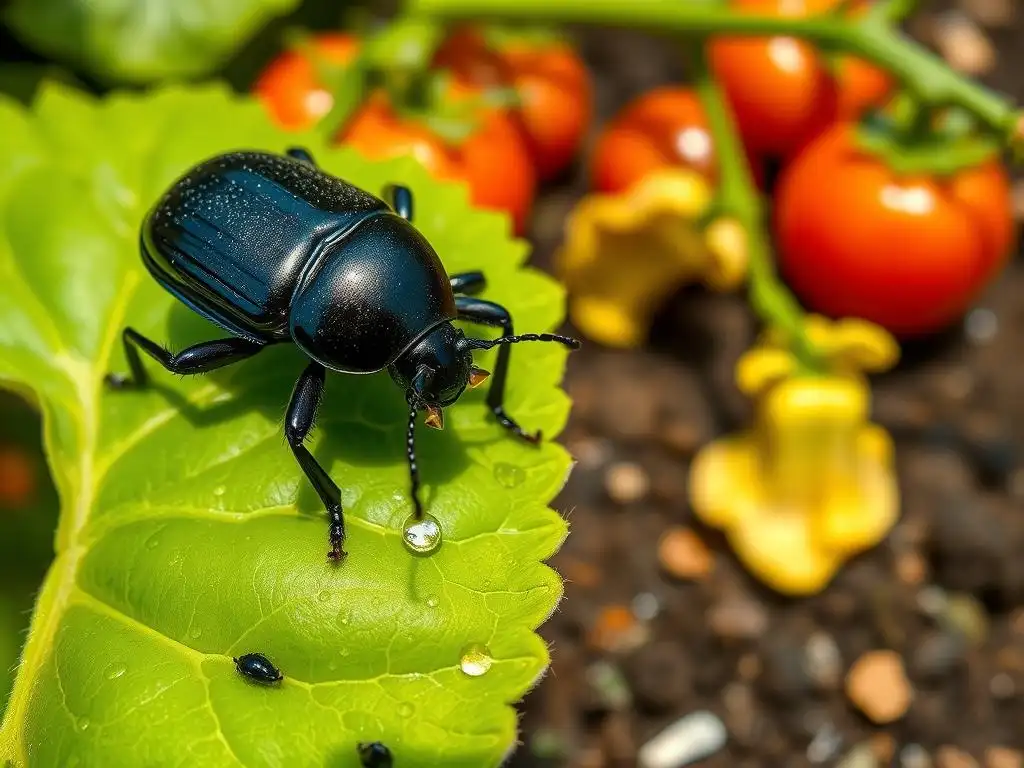
Ground beetles are often overlooked allies in the fight against garden pests. These nocturnal hunters are easily identified by their shiny, dark bodies, typically black or dark brown, and their relatively large size, ranging from 1/2 inch to over an inch in length. They have long legs, allowing them to move quickly across the ground, and powerful mandibles perfect for seizing and consuming their prey. While there are many species of ground beetles, most are beneficial in the garden.
One key characteristic that sets beneficial ground beetles apart is their predatory behavior. They actively hunt for a variety of garden pests, including slugs, snails, caterpillars, and insect larvae. Their diet contributes significantly to natural pest control, reducing the need for chemical interventions. You'll rarely see them during the day; they prefer to hunt under the cover of darkness. Look for them under rocks, leaf litter, or mulch in the evening or early morning.
Providing these hiding places can encourage their presence in your garden. Remember, ground beetles don't harm plants directly; they’re purely predatory. Therefore, encouraging their presence is a sustainable and environmentally friendly way to manage pests. Enhancing their habitat with leaf mulch and avoiding the use of broad-spectrum insecticides is crucial for their survival and your garden's health.
Identifying Praying Mantises: Ambush Predators for Various Pests
Praying mantises are unmistakable with their characteristic triangular heads, large forelegs held up in a "praying" position, and their generally striking appearance. They can vary in color, from green to brown, providing excellent camouflage amongst foliage. These fascinating insects are voracious predators, patiently waiting to ambush their prey. Their size can vary depending on the species, but they are typically several inches long.
Praying mantises are highly effective at controlling a wide range of garden pests. Their diet includes aphids, caterpillars, grasshoppers, flies, and even some larger insects. Their ambush predation strategy allows them to catch a significant number of pests, contributing greatly to natural pest control.
Attracting praying mantises to your garden is a simple and effective way to reduce pest populations without resorting to harmful chemicals. Avoid using pesticides, as these can inadvertently kill the mantises. Instead, consider planting a diverse range of flowering plants to attract pollinators, which in turn can attract these beneficial insects.
Leaving some areas of your garden slightly unkempt, with tall grasses and shrubs, can also provide ideal hunting grounds and shelter for them. Observing a praying mantis patiently waiting for its next meal is a rewarding experience for any gardener committed to sustainable practices. Their presence is a clear sign of a thriving and healthy garden ecosystem.
Beneficial Insects for Specific Pests: A Detailed Guide
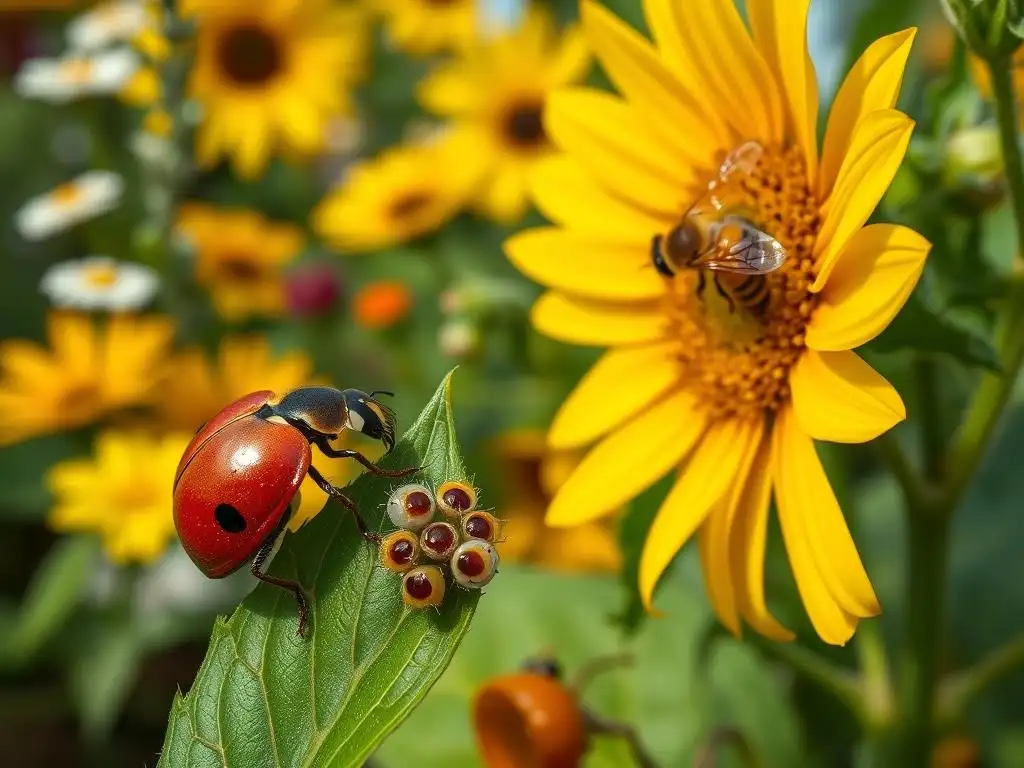
This section delves into the fascinating world of beneficial insects and their crucial role in natural pest control within your home garden. Understanding which insects target specific pests is key to building a thriving, healthy ecosystem that minimizes the need for harmful chemical interventions. Learning to Identify beneficial garden insects is a fundamental skill for any organic gardener. We'll explore several common garden pests and the beneficial insects that prey upon them, providing you with the knowledge to cultivate a vibrant and pest-resistant garden. Remember, attracting these helpful creatures requires creating a welcoming habitat through sustainable practices.
Beneficial Ladybugs 🐞 for Aphid Control: A Comprehensive List
Aphids, those tiny sap-sucking pests, are a common nemesis for many gardeners. Luckily, several beneficial insects readily consume them. The most well-known is the ladybug ( Coccinellidae family). Different ladybug species target different aphid species, so diversifying your garden's plant life can attract a wider range of these helpful predators. A single ladybug larva can consume up to 50 aphids per day! Adult ladybugs are equally voracious, consuming hundreds of aphids throughout their lifespan.
Beyond ladybugs, other beneficial insects that effectively control aphid populations include:
- Lacewings: Both the adult lacewings and their larvae are aphid predators. Lacewing larvae are particularly effective, possessing powerful mandibles to pierce and suck the aphids dry.
- Syrphid Flies (Hoverflies): The larvae of hoverflies are voracious aphid eaters, often resembling small, harmless caterpillars. Adult hoverflies are beneficial pollinators, adding another layer of ecological benefit to your garden.
- Minute Pirate Bugs: These tiny but mighty insects are generalist predators, feeding on a variety of small insects, including aphids.
The key to attracting these aphid-control specialists is to provide a habitat rich in nectar-producing plants and avoid the use of broad-spectrum insecticides that could harm them. Consider planting flowering herbs like dill, fennel, and yarrow to attract these beneficial insects.
Beneficial Insects Targeting Whiteflies and Mealybugs
Whiteflies and mealybugs, both sucking insects, can cause significant damage to plants by sucking the sap and transmitting diseases. However, several beneficial insects effectively control these pests.
- Ladybugs (again!): Certain ladybug species are highly effective against whiteflies and mealybugs.
- Lacewings (again!): Similar to their aphid-control prowess, lacewings are also effective predators of whiteflies and mealybugs.
- Parasitic Wasps: Several species of tiny parasitic wasps lay their eggs inside whiteflies and mealybugs, ultimately killing them. These wasps are incredibly important but often overlooked components of a healthy garden ecosystem. They are tiny and generally not harmful to humans.
- Predatory Mites: Certain species of predatory mites feed on whiteflies and mealybugs, particularly in greenhouses or enclosed spaces.
To attract these beneficial insects, maintain a healthy, diverse garden environment. Avoid using harsh chemicals, as they will harm both the pests and their natural predators.
Beneficial Insects for Controlling Caterpillars and Other Larvae
Caterpillars, the larval stage of moths and butterflies, can be devastating to garden plants. However, several beneficial insects specialize in controlling these voracious eaters.
- Braconid Wasps: These tiny wasps parasitize caterpillars, laying their eggs inside the caterpillar's body. The wasp larvae then consume the caterpillar from the inside out, eventually killing it.
- Tachinid Flies: Similar to braconid wasps, tachinid flies lay their eggs on or near caterpillars. The fly larvae then burrow into the caterpillar and consume it.
- Birds: While not insects, birds are incredibly important natural predators of caterpillars. Attracting birds to your garden with bird feeders and nesting boxes can significantly reduce caterpillar populations. This highlights the importance of a holistic approach to pest control, encompassing a wide array of beneficial organisms.
- Praying Mantises: These iconic insects are ambush predators, catching and consuming a wide variety of insects, including caterpillars and other larvae. They are a welcome addition to any garden, acting as a generalist predator.
Successfully identifying beneficial garden insects is a crucial step towards sustainable gardening. By understanding the roles of these beneficial creatures and creating a welcoming habitat, you can significantly reduce your reliance on chemical pesticides and create a thriving, healthy garden ecosystem. Remember to observe your garden carefully – learning to recognize these beneficial insects is a rewarding and essential part of organic gardening.
Beneficial Insects to Combat Spider Mites
Spider mites, those tiny arachnids that suck the life out of your plants, are a common garden nuisance. Fortunately, several beneficial insects can help keep their populations under control, acting as natural predators and reducing the need for harsh chemical pesticides. Understanding which insects are your allies in this fight is crucial for effective pest management.
One of the most effective predators of spider mites is the predatory mite, specifically species within the Phytoseiidae family. These tiny mites are voracious feeders, actively seeking out and consuming spider mites in all their life stages – eggs, larvae, and adults. Their efficiency is remarkable; a single predatory mite can consume dozens of spider mites during its lifespan.
Introducing predatory mites into your garden is a highly effective biological control method. You can often purchase them commercially from gardening supply companies specializing in beneficial insects. Successful integration depends on maintaining the right environmental conditions; predatory mites thrive in slightly humid environments, so avoid overly dry conditions.
Another helpful ally in the fight against spider mites is the minute pirate bug ( Orius species). These tiny insects are generalist predators, meaning they feed on a wide range of small insects and mites. While not exclusively targeting spider mites, their presence in your garden significantly contributes to population suppression.
They are particularly effective in integrated pest management strategies, working alongside other beneficial insects and contributing to a balanced ecosystem. Attracting them to your garden involves planting a diverse range of flowering plants that provide them with nectar and pollen, their primary food sources. This highlights the importance of companion planting in sustainable pest control.
Lacewings, specifically the larvae of green lacewings ( Chrysoperla species), are also known to prey on spider mites. While their diet is more diverse, including aphids and other small insects, they will readily consume spider mites when available. Their larvae are particularly effective hunters, equipped with strong mandibles to capture and consume their prey. Encouraging lacewings involves providing suitable habitat and food sources, including flowering plants and other insects that they can feed on.
Avoid using broad-spectrum insecticides, as these will harm lacewings as well as the pests they help to control. A healthy, balanced garden ecosystem is key to successful biological pest control. This requires careful consideration of planting choices and the avoidance of harmful chemicals.
Finally, certain species of ladybugs also feed on spider mites, although they are generally more effective against other pests like aphids. While not their primary food source, their presence can still contribute to a reduction in spider mite populations. Attracting ladybugs involves planting flowers that provide nectar and pollen, particularly those with umbel-shaped flower heads. Remember that the most effective approach is often a multi-pronged strategy that combines several beneficial insects to achieve optimal pest control. This is a more sustainable and environmentally friendly approach than relying solely on chemical pesticides.
Attracting and Supporting Beneficial Insects in Your Garden
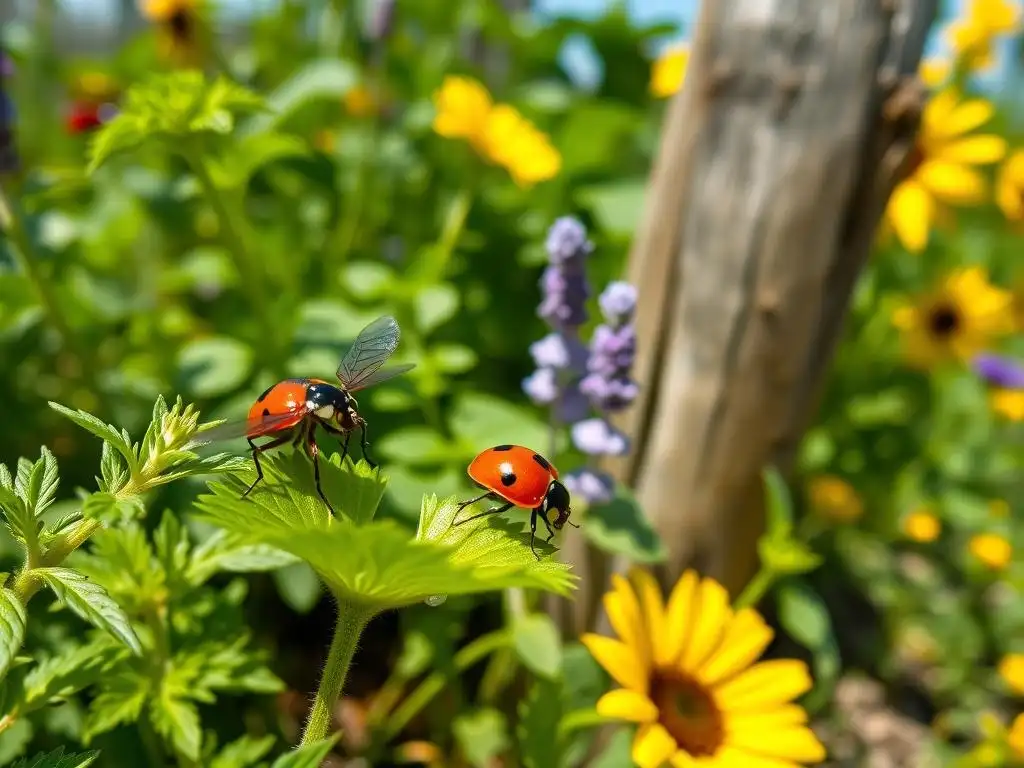
Creating a diverse and thriving garden ecosystem is crucial for successfully attracting and supporting beneficial insects. These natural predators play a vital role in keeping pest populations under control, reducing or eliminating the need for harmful chemical pesticides. By understanding their needs and providing a welcoming habitat, you can significantly improve your garden's resilience and productivity. This section focuses on practical steps you can take to encourage beneficial insects to make your garden their home. Successfully identifying beneficial garden insects is the first step towards a thriving, naturally protected garden.
Creating a Habitat for Beneficial Insects: Planting for Pollinators and Predators
A key strategy in attracting beneficial insects is creating a diverse planting scheme that caters to both their dietary and nesting requirements. Many beneficial insects, like ladybugs and lacewings, are predatory in their larval and adult stages, feeding on aphids, mealybugs, and other common garden pests. However, even predators need nectar and pollen sources for energy. Therefore, including a variety of flowering plants is essential.
Consider incorporating plants that bloom at different times throughout the growing season to provide a continuous food source. This ensures a consistent supply of nectar and pollen for adult beneficial insects, supporting their populations and encouraging them to stay in your garden. Examples of excellent plants to attract beneficial insects include:
- Dill: Attracts beneficial insects like lacewings and hoverflies.
- Yarrow: Supports various beneficial insects, including parasitic wasps.
- Calendula: Provides nectar and pollen, attracting many pollinators and predators.
- Chamomile: A beautiful addition to any garden, attracting hoverflies and other beneficial insects.
- Sunflower: Provides large quantities of pollen and nectar, particularly attractive to bees and other pollinators.
Planting a variety of herbs and flowers, including those with different heights and bloom times, creates a more complex and inviting habitat. Furthermore, leaving some areas of your garden slightly wilder – with some untended vegetation – provides shelter and nesting sites for beneficial insects. This "messy" look is actually beneficial for biodiversity. Think of it as creating mini-habitats within your garden.
Providing Water Sources for Beneficial Insects
Access to a reliable water source is just as important as food for beneficial insects. These insects, like many other creatures, need water for hydration and survival. However, you don't need a large pond; small, shallow sources are often sufficient.
Here are some simple ways to provide water for your beneficial insects:
- Shallow Dishes: Place shallow dishes filled with water and pebbles or small stones. The stones provide a place for insects to land and drink without drowning.
- Drippers: A slow-dripping hose or a simple dripper system can create a moist area that attracts beneficial insects.
- Bird Baths: While primarily for birds, shallow bird baths can also attract beneficial insects.
- Misting: Regular misting of plants, especially during dry periods, can help keep insects hydrated.
Remember to change the water frequently to prevent the growth of harmful bacteria or mosquitos. Providing a consistent water supply helps ensure the survival and prosperity of beneficial insect populations in your garden. Clean water sources are key to attracting and supporting these beneficial insects, fostering a healthier garden ecosystem.
Avoiding Harmful Pesticides: Protecting Beneficial Insects
The use of broad-spectrum pesticides is detrimental to beneficial insects, often killing them alongside the target pests. This disrupts the natural balance of your garden ecosystem and can lead to a resurgence of pest problems in the long run.
To successfully identify beneficial garden insects and protect them, prioritize integrated pest management (IPM) techniques. This involves employing a combination of strategies to control pests, including:
- Monitoring: Regularly inspect your plants for signs of pests and diseases. Early detection allows for quicker intervention with less harmful methods.
- Handpicking: Manually removing pests from your plants is a simple, effective, and environmentally friendly control method.
- Natural Predators: Encourage beneficial insects by creating a favorable habitat, as discussed above.
- Biological Controls: Introduce beneficial nematodes or other biological control agents to target specific pests.
- Resistant Varieties: Choose plant varieties that are known to be more resistant to common pests and diseases.
By avoiding harmful pesticides and employing these IPM strategies, you create a safe haven for beneficial insects, allowing them to effectively control pest populations naturally. This approach leads to a healthier, more sustainable, and productive garden in the long run. Remember that choosing organic methods is crucial in protecting beneficial insects and promoting a balanced garden ecosystem.
Using Companion Planting to Attract Beneficial Insects
Companion planting is a powerful tool in attracting beneficial insects to your garden. The strategic placement of certain plants alongside others creates a synergistic environment, benefiting both the plants and the insects. This method leverages the natural relationships between plants and insects to improve overall garden health and reduce pest populations. For example, planting basil near tomatoes not only improves tomato flavor but also attracts beneficial insects like parasitic wasps that prey on tomato hornworms. The strong scent of basil acts as a beacon, guiding these helpful insects to the area.
Understanding the specific relationships is key. Some plants, like marigolds, produce chemicals that repel certain pests while simultaneously attracting beneficial insects like ladybugs. These ladybugs then feed on aphids and other harmful insects present on neighboring plants, such as roses or beans. This natural pest control reduces the need for harmful pesticides, aligning with the sustainable practices championed by CultivateYourFood.
Careful planning is essential for successful companion planting. Consider the growth habits and spacing needs of each plant. Overcrowding can negate the benefits, while proper spacing allows for optimal airflow and sunlight, further enhancing the attraction of beneficial insects. Researching plant pairings specifically suited to your region and the types of pests you commonly encounter will maximize the effectiveness of this technique. For instance, dill and fennel attract beneficial insects that prey on common garden pests like aphids and spider mites, providing natural control for crops like carrots and lettuce. This holistic approach to pest management is crucial for maintaining a thriving and healthy garden. Remember to consult resources specific to your local climate and the plants you intend to cultivate for the most effective companion planting strategy. By understanding the symbiotic relationships between plants and insects, you can create a thriving ecosystem that supports both plant health and biodiversity.
Common Mistakes to Avoid When Identifying Beneficial Insects
Identifying beneficial garden insects is crucial for effective, sustainable pest control. However, even experienced gardeners can make mistakes. Understanding these common pitfalls can significantly improve your ability to identify and protect these helpful creatures. Let's delve into some frequent errors and how to avoid them.
Misidentifying Harmful Insects as Beneficial Ones
Many beneficial insects share similar characteristics with their harmful counterparts. For example, certain hoverflies ( Syrphidae) mimic the appearance of wasps or bees, leading to accidental elimination. Similarly, some ladybird beetles ( Coccinellidae), while generally beneficial, have a few species that can be harmful to crops. Careful observation is key to accurate identification.
The most effective way to avoid misidentification is to learn the key distinguishing features of both beneficial and harmful insects. This includes examining their size, shape, color patterns, and behaviors. For example, while both aphids and lacewings are small, green insects, aphids are sap-suckers with pear-shaped bodies, whereas lacewings have delicate, lacy wings and elongated antennae. Using field guides or reputable online resources with high-quality images can greatly assist in this process. Remember, a quick glance isn't enough; take your time and compare your observations to verified sources.
A helpful tip is to photograph any insect you are unsure about. This allows for later comparison with detailed reference materials and even consultation with experienced entomologists or gardening communities online.
Failing to Recognize the Life Cycles of Beneficial Insects
Beneficial insects go through various life stages, often looking drastically different at each stage. For example, ladybug larvae are alligator-shaped and dark-colored, quite unlike their familiar adult counterparts. Similarly, lacewing larvae are voracious predators, but their adult forms primarily feed on nectar and pollen. This metamorphosis can lead to accidental removal of beneficial insects in their larval or pupal stages, if you're not aware of their appearance at each life stage.
Understanding the life cycle of common beneficial insects in your region is vital. This knowledge will help you avoid mistakenly identifying the immature stages as pests. It's also important to understand that different life stages may require different habitats and food sources. For instance, while adult ladybugs might feed on pollen, their larvae need a steady supply of aphids to survive.
Overlooking the Importance of Habitat Preservation
Attracting and maintaining a population of beneficial insects requires more than just identifying them. Providing a suitable habitat is equally, if not more, crucial. Without proper habitat, even identified beneficial insects will struggle to thrive and control pest populations effectively. Neglecting this aspect undermines the effectiveness of your pest control strategy.
Creating a thriving habitat involves a multi-pronged approach. This includes planting diverse flowering plants to provide nectar and pollen sources for adult beneficial insects. Additionally, providing shelter such as leaf litter, brush piles, or artificial shelters like bee hotels can offer crucial overwintering sites and protection from predators. Avoid the use of broad-spectrum insecticides, as these will kill both beneficial and harmful insects.
Instead, focus on targeted, organic pest control methods when necessary. Finally, consider creating a compost pile, which provides habitat for many beneficial insects and their prey. A healthy, diverse ecosystem is the cornerstone of successful natural pest control. Remember, a balanced garden ecosystem is a resilient garden ecosystem.
Frequently Asked Questions
How can I tell the difference between beneficial and harmful insects?
Beneficial insects like ladybugs and lacewings are predators that eat pests. Harmful insects, such as aphids and whiteflies, directly damage plants. Look for physical characteristics and feeding habits to differentiate them.
What are some common beneficial insects I might find in my garden?
Common beneficial insects include ladybugs, lacewings, praying mantises, and ground beetles. These insects prey on various garden pests, helping to keep your plants healthy.
Why are beneficial insects important for my garden's health?
Beneficial insects are crucial for natural pest control, reducing or eliminating the need for harmful pesticides. They help maintain a balanced ecosystem in your garden, promoting healthy plant growth.
How can I attract more beneficial insects to my garden?
Plant flowering plants that provide nectar and pollen, create habitat with leaf litter and rocks, and avoid using harmful pesticides. These actions will encourage beneficial insects to live and thrive in your garden.
What should I do if I find a large number of harmful insects despite having beneficial insects?
While beneficial insects help control pests, a large infestation might require additional intervention. Consider using organic pest control methods, such as insecticidal soap or neem oil, as a supplemental approach.
Final Reflection: Cultivating a Thriving Ecosystem, One Insect at a Time
Understanding the intricate world of beneficial insects is not merely a hobby; it's a crucial step towards creating a truly sustainable and productive garden. Ignoring the silent helpers buzzing and crawling around our plants means missing out on a powerful, natural pest control system and a healthier ecosystem overall. The knowledge gained from identifying these tiny allies empowers us to nurture a garden that thrives naturally, reducing our reliance on harmful chemicals.
The impact of this knowledge extends far beyond the individual garden; it fosters a deeper appreciation for the interconnectedness of nature. We begin to see the garden not as a collection of individual plants, but as a vibrant ecosystem teeming with life, each element playing a vital role. This shift in perspective is profoundly rewarding. The more closely we look at the world, the more we see how much we have to learn.
This quote resonates deeply as we uncover the hidden wonders within our own backyards.
Now, I invite you to take what you've learned and apply it to your own green space. Observe your garden with a new eye, seeking out the beneficial insects that are already there, waiting to be discovered. By understanding their roles and providing them with the habitat they need, you'll not only create a healthier, more productive garden, but you'll also contribute to a larger movement towards environmentally conscious gardening practices. Let's cultivate a future where our gardens flourish in harmony with nature.
Unleash Your Inner Gardener: Attract More Beneficial Bugs!
Thank you for learning about beneficial insects! You're now ready to create a thriving, pest-resistant garden ecosystem. Ready to put your knowledge into action?
- Plant a diverse range of flowering plants to attract beneficial insects. Consider adding dill, yarrow, or sunflowers to your garden. A variety of plants will support a wider range of beneficial insects.
- Share this article with fellow gardening enthusiasts – let's build a community of bug-loving gardeners!
- Take a photo of any interesting insects you find and post it to our CultivateYourFood community forum – we can help identify it and explain its role in your garden!
What beneficial insect will you welcome to your garden first?