
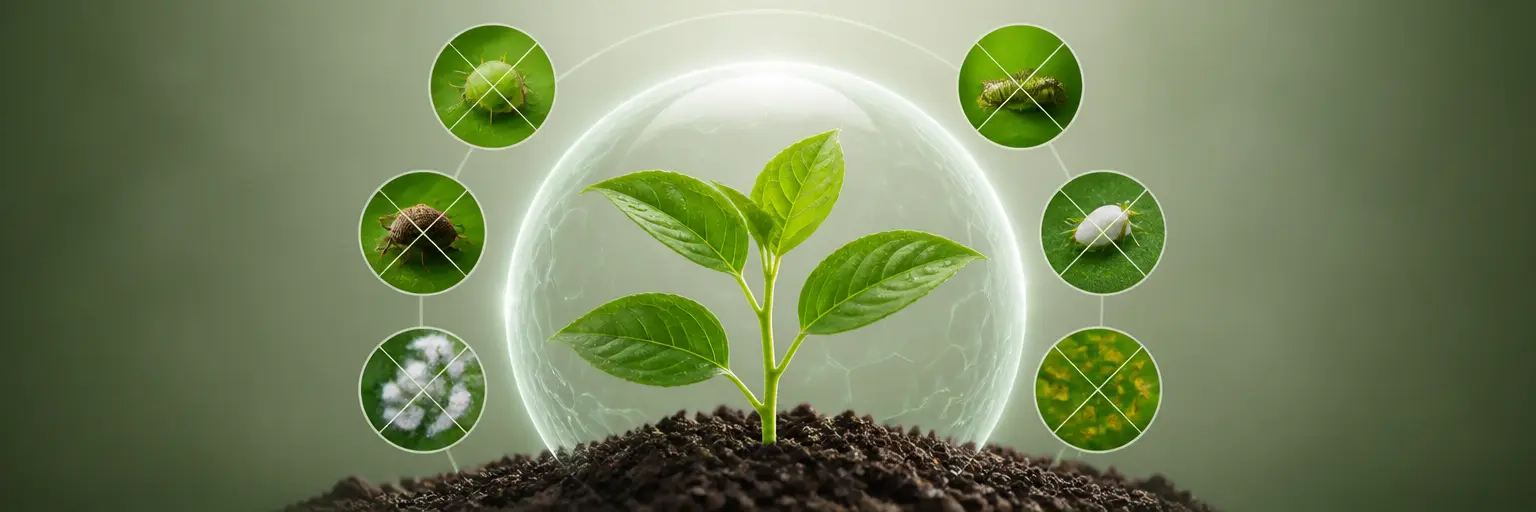
Identifying Aphids: A Gardener's Guide to Recognizing These Tiny Pests
Discover effective pest and disease control solutions for a thriving home garden 🌿 Learn how to identify common garden pests and plant diseases, manage fungal problems, and protect fruits, vegetables, and herbs with organic pest control strategies and natural remedies. Explore eco-friendly ways to attract beneficial predators, prevent infestations, and maintain healthy plants without harsh chemicals—helping you cultivate a productive, sustainable garden naturally.
104 articles
Organic Pest Control: Using Garlic to Repel Garden Pests
The Power of Vinegar: An Organic Pest Control Solution
How to Store Your Harvest to Prevent PostHarvest Fungal Decay
Root Maggot Damage: Recognizing the Underground Signs
Neem Oil for Fungal Control: A Complete Guide
Natural Remedies for Chlorosis: Addressing Iron and Nutrient Deficiencies
Organic Pest Control: Preventing Pests Through Garden Hygiene
Nematodes: Biological Control for Root Maggots
Fusarium Wilt: Recognizing This SoilBorne Disease
Organic Caterpillar Control: Safe Methods for Your Garden
Dealing with Sooty Mold: Causes and Control
Organic Pest Control: The Dos and Don'ts for a Healthy Garden
Spider Mite Life Cycle: How They Multiply Quickly
How to Encourage Natural Pest Control Through Observation
Natural Remedies for Sooty Mold: How to Clean and Protect Your Plants
How to Test Your Soil for Fungal Pathogens
Organic Pest Control: Monitoring Your Garden for Pest Activity
The Use of Trichoderma Fungi for Disease Suppression
Identifying Common Plant Diseases by Leaf Color Changes
DIY Insecticidal Soap: A Simple Recipe for Pest Control
Natural Solutions for Fruit Tree Diseases: Specific Solutions for Fruit Trees
Natural Solutions for Fruit Rot: How to Protect Your Harvest
Natural Treatments for Mosaic Virus: Managing Viral Infections in Plants
Natural Solutions for Oedema in Plants: Preventing and Treating Water Issues
Differentiating Between Cabbage Worms and Loopers
Choosing PestResistant Varieties for Your Organic Garden
Mulching Techniques to Prevent Fungal Problems in Your Garden
Understanding the Food Web: How Predators Control Pests
Natural Pest Control: A ChemicalFree Approach
Pest and Disease Control for a Healthy Organic Garden
Protecting homegrown vegetables, fruits, and herbs starts with understanding the causes of garden damage and choosing solutions that support healthy soil, beneficial insects, and long-term plant growth. The Pest and Disease Control resources at CultivateYourFood provide practical, sustainable guidance for preventing, identifying, and managing common garden pests and plant diseases without relying on harsh synthetic chemicals.
Explore organic pest control methods, natural remedies for plant diseases, fungal disease prevention, and helpful techniques for recognizing insect damage early. You will also learn how to encourage natural predators, improve garden hygiene, strengthen plant health, and use integrated pest management strategies for a productive and resilient garden. Early identification and preventative care can help reduce crop loss while protecting pollinators, soil life, and the wider garden ecosystem.
🌿 Natural Remedies for Plant Diseases
This subcategory explains how to manage common plant diseases with gentle, natural approaches suitable for organic gardening. Learn about practical remedies involving improved airflow, proper watering, soil care, sanitation, resistant plant varieties, and carefully selected organic treatments. These methods can help gardeners respond to disease symptoms while minimizing harm to beneficial organisms.
Readers can expect guidance on distinguishing nutrient deficiencies, environmental stress, and infectious diseases. Prevention is a central focus, with advice on removing affected leaves, disinfecting tools, improving drainage, and creating growing conditions that help fruits, vegetables, and herbs remain strong.
🐞 Organic Pest Control Strategies
Discover effective organic pest control strategies designed to manage unwanted insects and garden pests without compromising sustainable growing practices. This section covers integrated pest management, crop rotation, companion planting, physical barriers, hand-picking, traps, and responsible use of approved organic products.
Readers will learn how to choose the least disruptive solution for each situation rather than applying pesticides automatically. Monitoring plants regularly, identifying the pest accurately, and treating only when necessary can protect harvests while preserving pollinators and beneficial soil organisms.
🔍 Identifying Common Garden Pests
Correct pest identification is the first step toward effective garden protection. This subcategory helps readers recognize common garden pests by examining leaf holes, curling leaves, sticky residue, chewed stems, tunnels, discoloration, and other visible signs of damage.
Expect practical information about where pests hide, when they are most active, and which crops they commonly attack. Understanding the difference between minor damage and a serious infestation helps gardeners select targeted, organic solutions and avoid harming harmless insects.
🦋 Identifying and Managing Common Garden Insects
This section focuses on identifying common garden insects, including aphids, whiteflies, caterpillars, beetles, thrips, scale insects, and leafhoppers. Readers can learn how to recognize insects at different life stages and distinguish damaging species from helpful pollinators and predators.
Management advice includes monitoring leaves and stems, washing pests away with water, using insect-proof covers, encouraging biodiversity, and applying suitable organic controls when needed. Targeted insect management helps reduce crop damage while maintaining a balanced garden ecosystem.
🍄 Dealing with Fungal Diseases in the Garden
Fungal diseases can spread quickly in warm, humid, or poorly ventilated conditions. This subcategory explains how to recognize problems such as powdery mildew, downy mildew, damping-off, leaf spot, rust, blight, and root rot by their common symptoms and patterns.
Readers will find preventative and management techniques, including watering at the soil line, spacing plants correctly, removing infected material, improving air circulation, and avoiding excessive moisture. Good garden sanitation and moisture management are essential for reducing fungal spores and protecting future crops.
🕷️ Natural Predators and How to Attract Them
Beneficial predators are valuable allies in organic pest control. This section introduces helpful garden creatures such as ladybirds, lacewings, hoverflies, praying mantises, ground beetles, spiders, birds, and predatory wasps that naturally feed on damaging insects.
Learn how to attract and protect these natural pest controllers by planting nectar-rich flowers, providing shelter, avoiding broad-spectrum pesticides, and maintaining diverse habitats. Encouraging beneficial wildlife can create a more self-regulating garden and reduce the need for repeated treatments.
🌱 Recognizing Common Plant Diseases
Recognizing common plant diseases early can make the difference between a manageable problem and a widespread outbreak. This subcategory covers visible symptoms such as yellowing leaves, wilting, spots, lesions, distorted growth, rotting roots, stunted plants, and unusual coatings on foliage.
Readers can expect practical guidance for comparing symptoms, considering environmental causes, and determining whether a problem is caused by fungi, bacteria, viruses, pests, poor nutrition, or watering mistakes. Accurate diagnosis supports more effective treatment and helps prevent unnecessary removal of healthy plants.
❓ Frequently Asked Questions About Pest and Disease Control
What is the best way to prevent pests and diseases in an organic garden?
Start with healthy soil, disease-resistant varieties, proper spacing, crop rotation, balanced watering, and regular plant inspections. Removing weeds and diseased plant material, cleaning tools, and encouraging beneficial insects also reduce the risk of pest infestations and plant diseases.
How can I tell whether a plant problem is caused by a pest or a disease?
Look for insects, eggs, webbing, sticky honeydew, chewing marks, or tunnels when investigating pests. Diseases more often cause spreading spots, wilting, mildew, rotting, or discoloration without visible insects. However, pests and diseases can occur together, so examining leaves, stems, roots, and surrounding soil is important.
Are homemade pest control sprays safe for vegetables and herbs?
Some homemade solutions can be useful, but safety depends on the ingredients, concentration, and plant species. Always test a small area first, avoid spraying during intense heat or when pollinators are active, and wash edible crops thoroughly. Use only properly researched ingredients and follow organic product label directions.
Should diseased leaves be removed from garden plants?
Removing severely infected leaves can slow the spread of many diseases, especially fungal problems. Place infected material in the appropriate waste system rather than adding it to a cold compost pile, and disinfect pruning tools between plants. Do not remove so much foliage that the plant loses its ability to photosynthesize.
How do I attract beneficial insects and natural predators?
Grow a variety of flowering plants that provide nectar and pollen throughout the season, including native species where possible. Provide shelter such as dense vegetation, leaf litter, or insect habitats, and avoid broad-spectrum pesticides. A diverse, chemical-conscious garden gives beneficial predators food and protection.