
Seed Germination Tech: Speeding Up the Process with Innovation

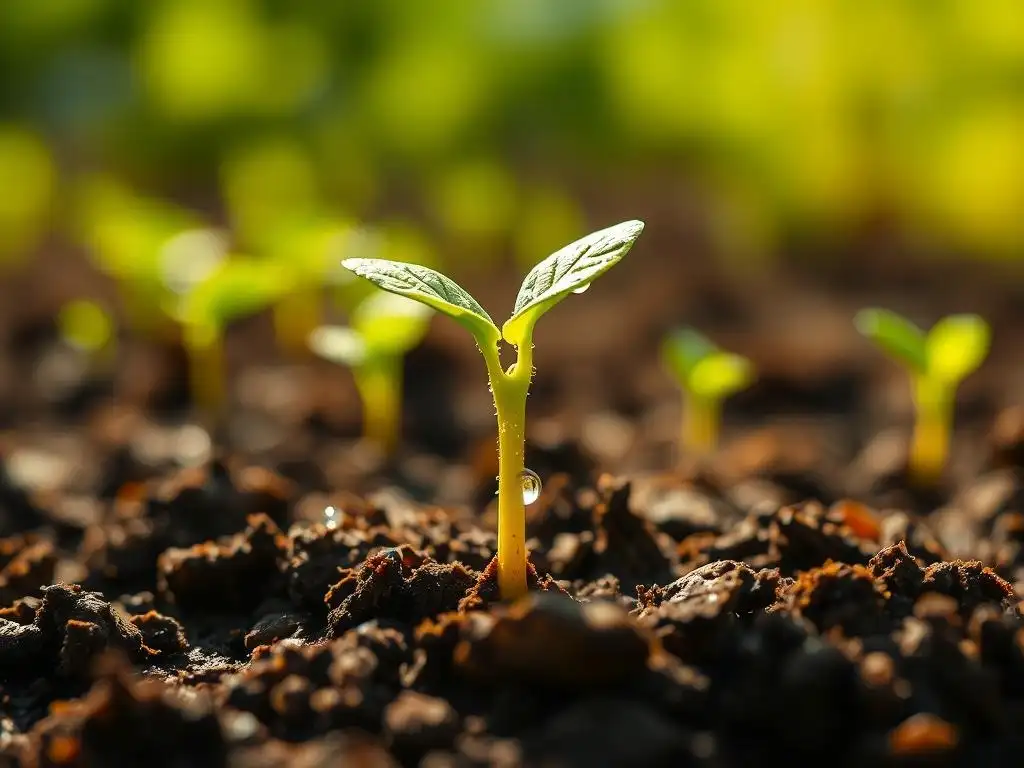
Ready to unlock the secrets to a bountiful harvest? At CultivateYourFood, we're passionate about empowering you to grow your own delicious and healthy food using sustainable methods. Discover the future of home gardening and learn how to dramatically accelerate your success with our in-depth exploration of fast seed germination techniques. Prepare to be amazed by how quickly you can nurture life from seed to sprout—let's get growing!
- Accelerating Seed Germination: Innovative Techniques for Home Gardeners
- Fast Seed Germination Techniques: A Deep Dive into Modern Methods
- Advanced Techniques for Rapid Seed Germination
- Comparing Traditional vs. Modern Seed Germination Methods: Efficiency and Sustainability
- Frequently Asked Questions
- Final Reflection: Harvesting the Future of Faster Seed Germination
- Unleash Your Inner Gardener: Grow Faster, Smarter!
Accelerating Seed Germination: Innovative Techniques for Home Gardeners
The quest for a bountiful harvest often begins with a tiny seed. While the traditional methods of seed germination are tried and true, advancements in technology are offering home gardeners exciting new ways to speed up the process, leading to earlier harvests and increased yields. This article delves into the world of fast seed germination techniques, exploring the science behind germination and showcasing innovative methods to optimize conditions for rapid and successful sprouting.
We'll explore how understanding the fundamental factors influencing germination, combined with the application of cutting-edge techniques, can significantly reduce germination time and boost your gardening success. From optimizing moisture levels and temperature control to harnessing the power of light, we'll equip you with the knowledge and strategies to cultivate a thriving garden, faster than ever before.
This guide focuses on sustainable and organic practices, aligning perfectly with the CultivateYourFood ethos of environmentally conscious home gardening. Let's dive into the future of home gardening, one rapidly germinating seed at a time!
Understanding the Seed Germination Process: From Dormancy to Sprout
Seed germination is a complex biological process that involves the transition of a seed from a dormant state to an actively growing seedling. This intricate sequence begins with imbibition – the absorption of water by the seed. Water uptake triggers enzymatic activity, initiating metabolic processes essential for growth.
The seed then undergoes a series of carefully orchestrated stages, including the rupture of the seed coat, the emergence of the radicle (embryonic root), and finally, the development of the plumule (embryonic shoot). The duration of this process varies significantly depending on several factors, including seed species, environmental conditions, and the seed's inherent vigor. Understanding these factors is key to mastering fast seed germination techniques.
For instance, some seeds require a period of stratification (cold treatment) to break dormancy, while others benefit from scarification (physical abrasion of the seed coat) to facilitate water uptake. The timing and successful completion of these stages are critical to the overall speed and success of germination. Optimal conditions are paramount in ensuring this process unfolds efficiently.
Essential Factors Influencing Germination Speed: Moisture, Temperature, and Light
Several key environmental factors significantly influence the speed of seed germination. Maintaining the optimal balance of these factors is crucial for accelerating the process.
- Moisture: Adequate moisture is essential for imbibition and the activation of metabolic processes within the seed. However, excessive moisture can lead to fungal growth and seed rot, hindering germination. The ideal moisture level varies depending on the seed type, but generally, the germination medium should be consistently moist but not waterlogged. Innovative technologies, such as automated watering systems with moisture sensors, can help maintain the precise moisture levels needed for optimal germination.
- Temperature: Temperature plays a critical role in enzymatic activity and metabolic processes during germination. Each seed species has an optimal temperature range for germination. Deviating from this range can significantly slow down or even halt the process. Using heated germination mats or placing seed trays in warm locations can accelerate germination, especially for seeds that prefer warmer temperatures.
- Light: While some seeds germinate equally well in the dark or light, others require light for successful germination. Providing appropriate light exposure, either natural or artificial, can significantly impact germination speed. Using grow lights with specific wavelengths optimized for seed germination can further enhance the process. For example, red and blue light are particularly effective in promoting early seedling growth.
Optimizing Germination Conditions for Faster Results: A Practical Guide
Optimizing germination conditions involves carefully managing moisture, temperature, and light to create an environment conducive to rapid seed sprouting. This requires a multi-faceted approach, combining traditional techniques with innovative technologies. Here’s a practical guide to achieving faster germination:
| Technique | Description | Benefits |
|---|---|---|
| Soaking Seeds | Submerging seeds in water for a specific period before planting. | Soften seed coats, accelerate imbibition, and speed up germination. |
| Seed Priming | Treating seeds with a controlled hydration process before planting. | Improves germination uniformity and speed. |
| Using a Germination Mat | Employing a heated mat to maintain optimal temperature for germination. | Provides consistent warmth, particularly beneficial for temperature-sensitive seeds. |
| Automated Watering Systems | Utilizing systems with sensors to maintain consistent moisture levels. | Prevents overwatering or underwatering, leading to improved germination rates. |
| Grow Lights | Employing grow lights with specific wavelengths to stimulate germination and early seedling growth. | Accelerates germination and promotes healthy seedling development. |
By employing these techniques and carefully monitoring environmental conditions, home gardeners can significantly accelerate the seed germination process, paving the way for a more abundant and timely harvest. Remember that each seed type may have specific needs, so research the optimal conditions for the seeds you are using. Happy gardening!
Fast Seed Germination Techniques: A Deep Dive into Modern Methods
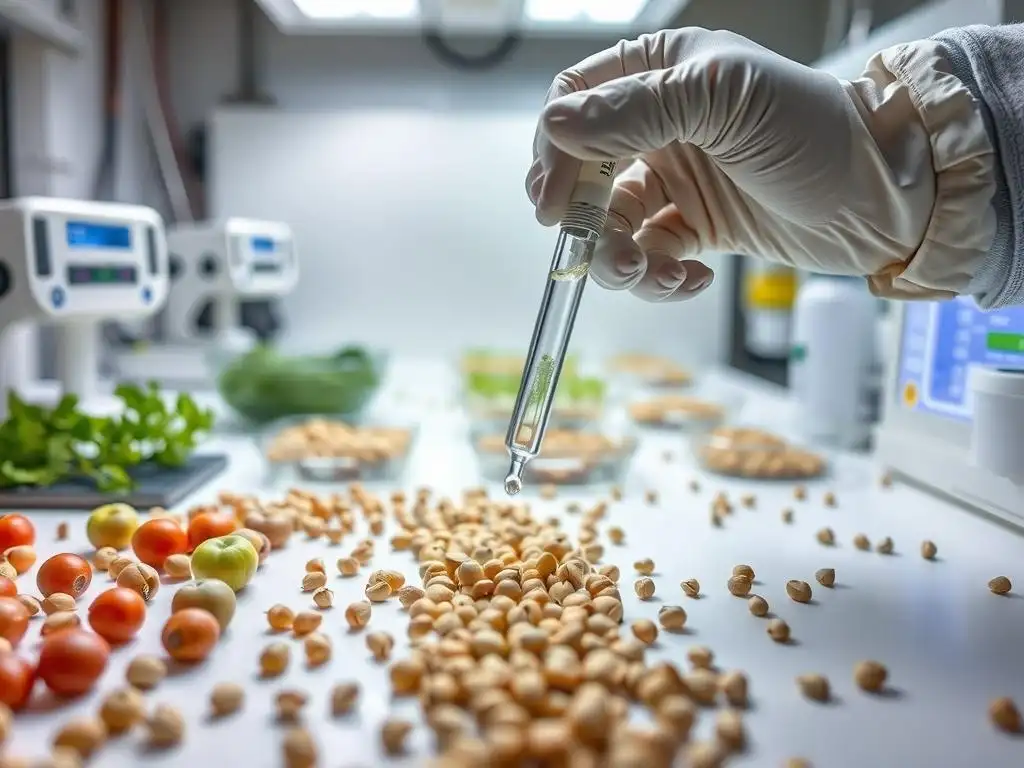
This section explores advanced techniques to accelerate seed germination, significantly reducing the time it takes for your seeds to sprout and ultimately boosting your harvest. We'll delve into methods that leverage modern technology and scientific understanding to optimize the germination process, helping you achieve faster and more successful results in your home garden, even during less-than-ideal conditions. The techniques discussed below are designed to complement sustainable and organic gardening practices.
Utilizing Seed Starting Trays & Heat Mats for Accelerated Germination
Seed starting trays and heat mats represent a simple yet highly effective method for speeding up seed germination. These readily available tools create a controlled environment mimicking optimal germination conditions. The trays provide individual cells, preventing root tangling and promoting healthy seedling development. This is particularly crucial for delicate seedlings that might struggle in less-controlled settings.
The heat mat, placed beneath the tray, gently warms the soil, significantly increasing germination rates. Many seeds require warmer soil temperatures than the ambient air to germinate successfully. A heat mat maintains a consistent temperature, circumventing the fluctuations of outdoor or even indoor environments. This consistent warmth encourages faster enzyme activity within the seed, leading to quicker sprouting.
Consider this example: Lettuce seeds, typically slow to germinate at room temperature, can sprout in as little as 3-5 days with the assistance of a heat mat set to 70-75°F (21-24°C). Without the mat, under less ideal conditions, germination could take 10-14 days or even longer. The difference is substantial, especially when aiming for an early harvest. Moreover, consistent warmth minimizes the risk of fungal diseases that often thrive in cold, damp conditions.
To further enhance germination, consider using a humidity dome over the seed starting tray. This creates a humid microclimate, preventing the soil from drying out too quickly, a crucial factor for successful germination. Remember to regularly check moisture levels and ventilate the dome to prevent the build-up of condensation, which can lead to damping-off disease.
The Power of Hydroponics & Aeroponics in Speeding Up Seed Sprouting
Hydroponics and aeroponics represent cutting-edge techniques that significantly accelerate seed germination and seedling growth. These soilless methods offer precise control over nutrient delivery and environmental factors, leading to faster and more vigorous growth compared to traditional soil-based methods.
- Hydroponics: In hydroponic systems, seeds are germinated in a nutrient-rich solution, providing constant access to water and essential nutrients. This eliminates the need for soil, reducing the risk of seed rot and disease. The consistent moisture and nutrient supply dramatically accelerates germination. Various hydroponic systems exist, from simple wick systems to more complex deep water culture (DWC) setups. Each offers different levels of control and complexity.
- Aeroponics: Aeroponics takes soilless cultivation a step further. Seeds are suspended in the air, and their roots are periodically misted with a nutrient solution. This method maximizes oxygen availability to the roots, fostering rapid growth and leading to exceptionally fast germination rates. Aeroponics requires specialized equipment but offers the potential for extraordinarily fast seed sprouting.
The benefits of both systems extend beyond speed. They also offer increased yields, reduced water consumption, and the ability to grow plants year-round, regardless of outdoor conditions. While requiring a higher initial investment, hydroponics and aeroponics are increasingly accessible and represent a powerful approach to fast seed germination techniques for the serious home gardener.
Employing Bio-Stimulants for Enhanced Seed Germination Rates
Bio-stimulants are natural substances that enhance various aspects of plant growth, including seed germination. These products, often derived from seaweed extracts, humic acids, or other natural sources, contain growth-promoting compounds that can significantly improve germination rates and seedling vigor.
Bio-stimulants work by:
- Improving seed hydration: They help seeds absorb water more efficiently, a crucial first step in the germination process.
- Enhancing enzyme activity: They stimulate the production of enzymes essential for seed metabolism and growth.
- Boosting root development: They promote the formation of strong, healthy root systems, leading to faster and more robust seedling establishment.
- Increasing stress tolerance: They help seedlings withstand environmental stresses such as temperature fluctuations or nutrient deficiencies.
Using bio-stimulants is straightforward. Many are available as seed treatments, applied directly to the seeds before planting. Others can be added to the irrigation water or incorporated into the growing medium. Always follow the manufacturer's instructions for proper application.
While the exact improvement in germination rates will vary depending on the specific bio-stimulant and plant species, studies have shown improvements ranging from 10% to 50% or more in germination rates and seedling vigor. This translates to a faster and more successful start for your plants, ultimately contributing to a higher yield. The use of bio-stimulants represents a sustainable and environmentally friendly way to optimize fast seed germination techniques.
Advanced Techniques for Rapid Seed Germination
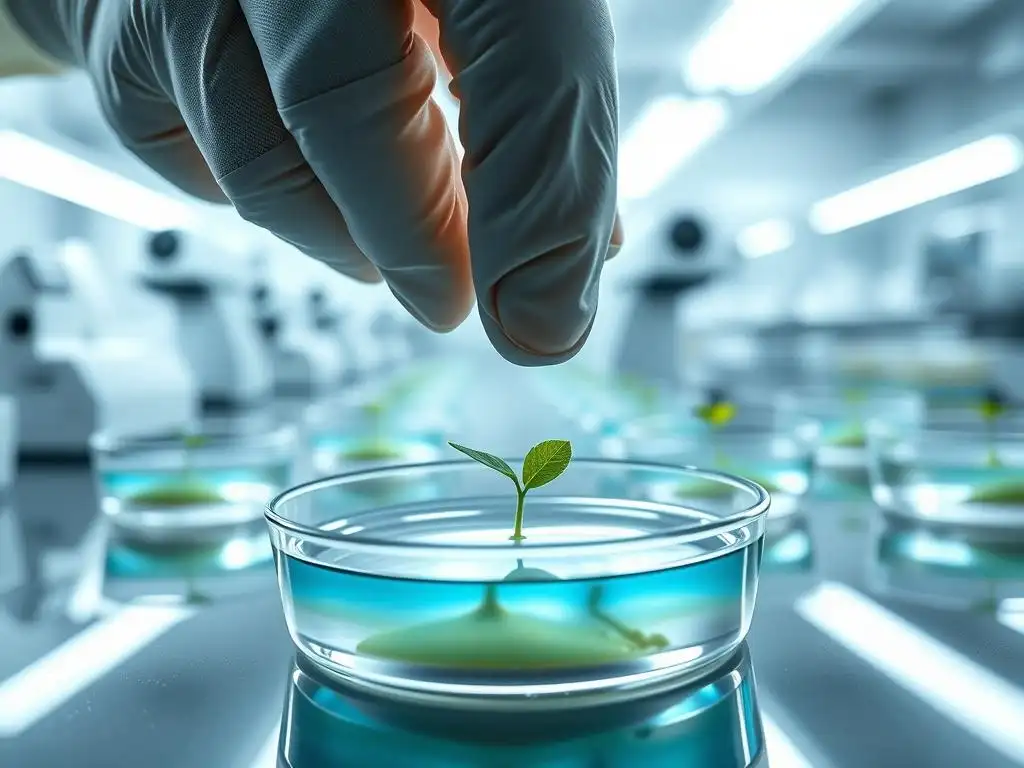
This section delves into sophisticated methods to accelerate seed germination, focusing on techniques that significantly reduce the time it takes for seeds to sprout, ultimately boosting your homegrown harvest. We'll explore methods beyond the basics, targeting the needs of the modern, efficiency-minded gardener seeking to maximize yield and minimize wait times. These fast seed germination techniques are key to a thriving garden, especially in shorter growing seasons.
Implementing Soaking and Scarification Methods for Faster Sprouting
Soaking and scarification are two crucial pre-sowing treatments that can dramatically improve germination rates and speed. Soaking hydrates the seed, softening the seed coat and initiating the germination process. This is especially beneficial for seeds with hard or impermeable coats. Different seeds require different soaking times; some might only need a few hours, while others may benefit from 24 hours or even longer. Over-soaking, however, can lead to rotting, so careful attention to specific seed requirements is paramount.
For example, let's consider the common bean. Soaking lima bean seeds for 12-24 hours in lukewarm water significantly reduces germination time. This simple technique allows the seeds to absorb water more effectively, leading to quicker and more uniform sprouting. Conversely, smaller seeds like lettuce may only need a few hours of soaking.
Scarification, on the other hand, involves weakening or breaking the seed coat to facilitate water absorption and gas exchange. This is particularly important for seeds with tough outer layers, such as some legumes and wildflowers. Methods include gently nicking the seed coat with a file or sandpaper, or using a commercially available scarification machine for larger batches. Always be gentle to avoid damaging the embryo inside.
Here's a table summarizing suitable soaking and scarification techniques for some common seeds:
| Seed Type | Soaking Time (hours) | Scarification Method | Notes |
|---|---|---|---|
| Lima Beans | 12-24 | None or light nicking | Monitor for rot after 24 hours |
| Tomatoes | 4-6 | None | Improves germination uniformity |
| Sunflower Seeds | 8-12 | Light sanding | Be careful not to damage the seed itself |
| Hard-shelled seeds | 24+ (variable) | Nicking, filing, acid soak | Requires careful monitoring and research |
Remember, improper scarification can harm the seed, so research your specific seed type before attempting this method. Combining soaking and scarification can often yield the best results, leading to significantly faster and more successful germination.
Leveraging LED Grow Lights to Optimize Germination Conditions
The use of LED grow lights represents a significant advancement in fast seed germination techniques. Unlike traditional incandescent or fluorescent lights, LEDs produce minimal heat, allowing for precise control over temperature and light exposure during germination. This is crucial because excessive heat can damage delicate seedlings. Furthermore, LEDs are energy-efficient and offer a wide spectrum of light, including wavelengths crucial for photosynthesis.
Specific wavelengths of light influence different stages of plant growth. Red and blue light are particularly important for germination, promoting chlorophyll production and seedling development. LED grow lights allow you to customize the light spectrum and intensity, optimizing conditions for fast and healthy germination. For instance, a higher intensity of blue light can encourage stronger root development, while red light promotes faster above-ground growth. The optimal light cycle for germination usually involves 12-16 hours of light per day.
Experimentation is key to determining the perfect light intensity and spectrum for your specific seeds. Observe the seedlings closely and adjust the light settings as needed. Using a light meter can help ensure consistent light levels across the germination area. Remember, monitoring your seedlings carefully is crucial for success, ensuring that they receive the ideal conditions for rapid and healthy growth. This precision control afforded by LED grow lights contributes significantly to fast seed germination techniques.
Utilizing Smart Technology for Automated Seed Germination Control
The latest advancements in home gardening technology incorporate smart devices and sensors to automate and optimize seed germination. Smart germination systems often include features such as:
- Automated watering: Sensors monitor soil moisture levels and automatically adjust watering schedules, preventing overwatering or underwatering.
- Temperature control: Systems maintain optimal temperature ranges for germination, preventing extreme fluctuations that can hinder growth.
- Light control: Smart systems can precisely control light intensity and duration, optimizing light exposure for different seed types.
- Data logging and analysis: Many systems track environmental conditions and seedling growth, providing valuable insights for improved germination strategies in the future.
These automated systems ensure consistent and optimal conditions, significantly increasing the speed and success of germination. Data logging capabilities allow gardeners to fine-tune their techniques, leading to improved results over time. The precision and automation offered by smart technology represents a new era in home gardening, making fast seed germination techniques more accessible and effective than ever before. While the initial investment might be higher, the long-term benefits in terms of time saved and increased yields often outweigh the cost, especially for serious home gardeners.
Comparing Traditional vs. Modern Seed Germination Methods: Efficiency and Sustainability
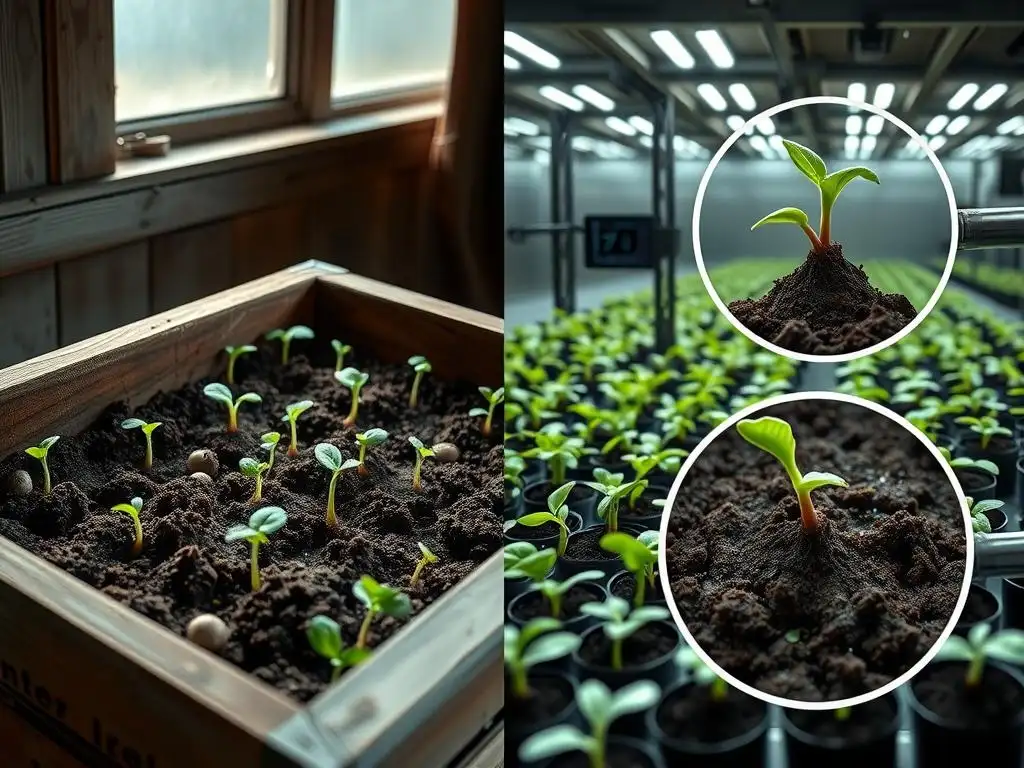
This section delves into the comparative analysis of traditional and modern seed germination methods, focusing on their efficiency, speed, and environmental impact. We'll examine how advancements in technology have revolutionized the process, leading to faster germination times and potentially higher yields while considering sustainability. The goal is to provide you with a clear understanding of the benefits and drawbacks of each approach, allowing you to choose the best method for your home gardening needs.
Traditional Methods: Their Advantages and Limitations in Speed and Yield
Traditional seed germination methods, often passed down through generations, rely on basic principles and readily available materials. These methods typically involve using simple containers, soil, and water. While undeniably effective, they often present limitations regarding speed and yield consistency.
One common traditional method involves planting seeds directly into the ground. This approach, while simple and cost-effective, is heavily reliant on environmental factors like temperature and moisture levels. Germination times can be unpredictable, often taking weeks, and success rates can vary significantly. Furthermore, this method is susceptible to pest infestations and unpredictable weather conditions which might negatively impact the germination rate.
Another traditional method utilizes seed trays or pots filled with soil. This offers slightly more control over the environment, allowing for better moisture regulation. However, even with careful monitoring, germination still depends on factors like soil quality and ambient temperature. While faster than direct sowing, germination often still takes several days to a couple of weeks, depending on the seed type.
| Method | Speed of Germination | Yield Consistency | Sustainability | Cost |
|---|---|---|---|---|
| Direct Sowing | Slow (weeks) | Low | High | Very Low |
| Seed Trays/Pots (Soil) | Moderate (days-weeks) | Moderate | Moderate | Low |
The advantages of traditional methods lie primarily in their simplicity, low cost, and minimal environmental impact. However, their limitations in speed and yield consistency make them less appealing for gardeners seeking faster results and higher production. The inherent unpredictability associated with these methods can be frustrating, particularly for beginners.
Modern Techniques: Analyzing their Efficiency, Speed, and Environmental Impact
Modern seed germination techniques leverage technological advancements to optimize the process. These techniques aim for faster germination rates, higher yield consistency, and improved control over environmental factors. Let's explore some prominent examples:
- Seed Starting Mats: These mats provide consistent moisture and warmth, creating an ideal environment for germination. They significantly reduce the time it takes for seeds to sprout, often resulting in germination within days, compared to weeks with traditional methods. Their efficiency comes from the controlled environment they provide, minimizing the impact of external factors. However, they might not be as sustainable as some other methods if they are not reusable or made from biodegradable materials.
- Germination Chambers/Incubators: These controlled-environment devices maintain optimal temperature, humidity, and light levels, significantly accelerating the germination process. They offer precise control and consistent results, leading to faster and more uniform germination. The high level of control, however, comes at the cost of higher energy consumption. It's crucial to consider the energy efficiency of the device to minimize the environmental footprint.
- Aeroponics and Hydroponics: These soilless methods involve growing seeds in a nutrient-rich solution or mist. While primarily used for seedling growth after germination, they can significantly accelerate the initial process by providing constant access to moisture and nutrients. The speed and efficiency are unmatched, but these techniques require specialized equipment and knowledge, making them more expensive and complex than traditional methods.
| Method | Speed of Germination | Yield Consistency | Sustainability | Cost | Energy Consumption |
|---|---|---|---|---|---|
| Seed Starting Mats | Fast (days) | High | Moderate | Moderate | Low |
| Germination Chambers | Very Fast (days) | Very High | Moderate to Low | High | Moderate to High |
| Aeroponics/Hydroponics | Very Fast (days) | Very High | Moderate to Low | High | Moderate to High |
The use of these modern techniques significantly improves the speed and consistency of seed germination. However, it's important to weigh the increased efficiency against the higher costs and potential environmental impact associated with electricity consumption and specialized equipment. The choice depends on the gardener's priorities, budget, and available resources. Careful consideration of the sustainability aspects of each method is crucial for environmentally conscious home gardeners.
Frequently Asked Questions
What are some innovative techniques for fast seed germination?
Several methods can speed up germination. Soaking seeds in water before planting, using a heat mat to increase soil temperature, and employing seed starting mixes with excellent drainage are all effective.
How does soaking seeds improve germination rates?
Soaking seeds helps to soften the seed coat, allowing water and oxygen to penetrate more easily. This jumpstarts the germination process, leading to faster sprouting.
What is the ideal temperature for fast seed germination?
The optimal temperature varies by seed type, but generally, a range between 70-80°F (21-27°C) is ideal for many common vegetables and herbs. Using a heat mat can help maintain this temperature.
What role does the seed starting mix play in fast germination?
A well-draining seed starting mix is crucial. It provides adequate aeration and prevents damping off, a fungal disease that can kill seedlings. Look for mixes specifically designed for seed starting.
How can I ensure proper moisture levels for fast germination?
Maintain consistent moisture without overwatering. Regular misting or using a bottom-watering technique helps prevent the soil from becoming waterlogged, which can hinder germination.
Final Reflection: Harvesting the Future of Faster Seed Germination
The quest for faster seed germination isn't just about quicker harvests; it's about securing our food future. In a world facing increasing climate instability and population growth, the ability to rapidly and reliably germinate seeds holds the key to sustainable agriculture and food security on a global scale. The innovations discussed throughout this article represent a critical step towards achieving this vital goal.
The impact of advanced seed germination techniques extends far beyond the farm; it touches upon our entire relationship with the natural world. We are witnessing a shift in how we interact with the life cycle of plants, moving from passive observation to active participation in its acceleration. This proactive approach is not only improving yields but also fostering a deeper understanding of plant biology and its potential. The greatest discovery of all time is that a person can change his future by merely changing his attitude.
– Oprah Winfrey. This sentiment rings true for our approach to agriculture; by changing our techniques, we change the potential of our harvests.
Consider the implications of these advancements. What new possibilities do faster germination techniques unlock for you? Perhaps you're a home gardener dreaming of earlier harvests, a farmer seeking to optimize yields, or a researcher exploring the frontiers of plant science. Regardless of your background, I encourage you to explore the methods discussed here and consider how you can integrate these innovations into your own life and work. Let us collectively cultivate a future where food security is not a distant dream, but a tangible reality, achieved through the power of innovation and a shared commitment to sustainable practices.
Unleash Your Inner Gardener: Grow Faster, Smarter!
Thank you for exploring the exciting world of accelerated seed germination! We hope you've gained valuable insights into how technology can boost your gardening success. Now it's time to put your knowledge into practice.
- Conduct your own germination experiment: Choose a seed variety, such as tomatoes or basil, and try one of the methods discussed, meticulously tracking your results. Document your progress—you might be surprised by what you discover!
- Share your experience: Let's build a community of innovative gardeners! Post your results, questions, or tips in the comments section below. We'd love to hear about your successes and challenges.
- Consider exploring other innovative gardening techniques, such as hydroponics or vertical gardening, to further optimize your yield.
Ready to transform your gardening journey? Which seed germination method are you most excited to try first?