
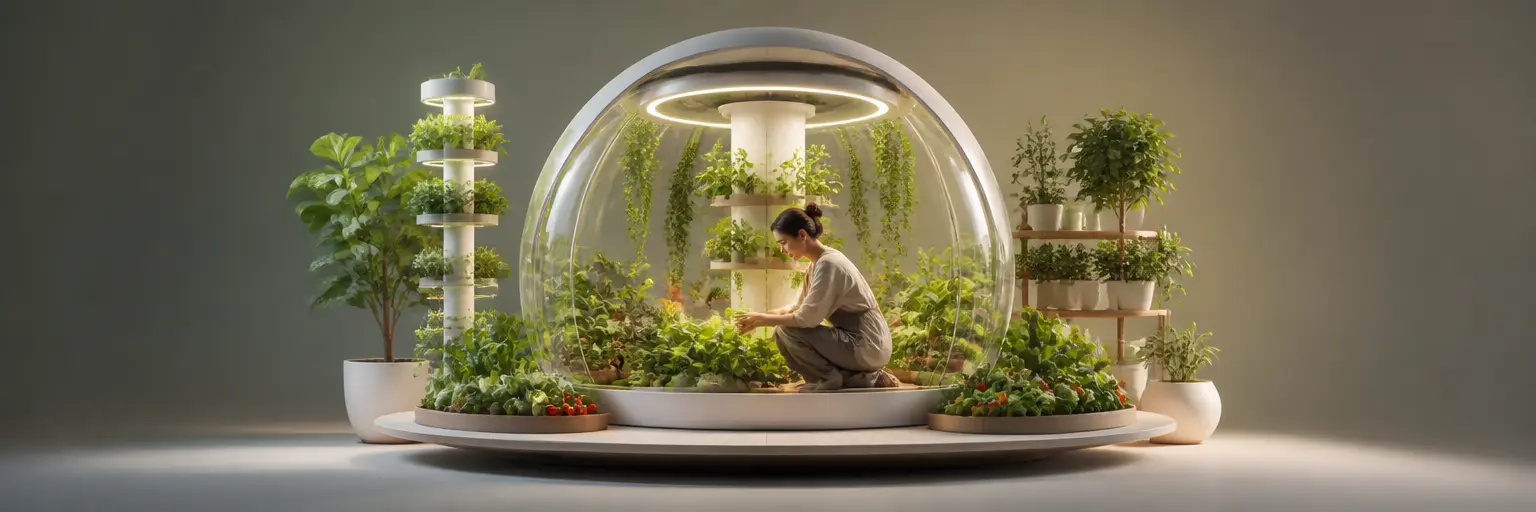
Robotic Gardeners: Automating Tasks for Effortless Home Cultivation
Discover the future of home gardening with CultivateYourFood 🌱 Explore how sustainable growing practices, smart gardening technology, composting, and organic pest control can help households produce fresh fruits, vegetables, and herbs year-round. Learn how home gardens support food security, conserve resources, and make healthy, locally grown food more accessible—whether you have a backyard, balcony, or windowsill.
24 articles
Garden Security Systems: Protecting Your Crops from Pests and Thieves
How Home Gardens Contribute to a More Equitable and Secure Food System
How Home Gardens Promote Food Security and Environmental Sustainability
Home Gardening: A Grassroots Approach to Tackling Food Insecurity
Bioprinting for Plants: Creating Custom Plants at Home
Why Home Gardens Are More Important Than Ever for Food Security
3D Printing for Garden Tools: Customizing Your Gardening Gear
How Home Gardens Can Help Ensure Food Access for All
Seed Germination Tech: Speeding Up the Process with Innovation
Growing Your Own Food: A Powerful Step Towards Food Security
Disease Detection Tech: Early Warning Systems for Plant Health
The Future of Home Gardening is transforming how people grow fresh, healthy food at home. As concerns about food security, climate change, rising grocery costs, and sustainable living continue to grow, home gardeners are adopting smarter and more environmentally friendly ways to cultivate fruits, vegetables, and herbs.
At CultivateYourFood, this category explores the future of sustainable home gardening, from organic growing methods and water conservation to composting, urban gardening, automation, and emerging garden technology. Whether you have a backyard, balcony, rooftop, or indoor growing space, you can discover practical ideas for producing nutritious food while reducing waste and protecting natural resources.
Learn how home food production can support household resilience, strengthen local food systems, and improve access to fresh produce. Explore innovative tools such as smart irrigation systems, soil sensors, LED grow lights, hydroponics, vertical gardens, and garden-planning apps. Our guides are designed to help beginners and experienced gardeners make informed decisions and create productive, sustainable gardens for the future.
🌱 The Role of Home Gardening in Food Security
Home gardening plays an increasingly important role in food security by helping households grow fresh fruits, vegetables, and herbs close to where they live. This subcategory explains how even a small garden can supplement grocery shopping, improve access to nutritious food, and provide greater control over how produce is grown. Readers can learn about resilient food systems, seasonal planting, seed saving, and selecting productive crops for limited spaces.
Expect practical guidance on using organic soil-building methods, composting kitchen scraps, conserving water, and protecting plants with natural pest control. These approaches can reduce dependence on long supply chains while supporting biodiversity and healthier soil. The section also explores community gardens, urban agriculture, food-sharing initiatives, and other ways home growers can contribute to stronger local food networks.
🤖 Technological Innovations in Home Gardening
Technology is making home gardening more efficient, accessible, and precise. This subcategory covers innovations such as smart garden sensors, automated watering systems, weather-monitoring devices, hydroponic gardens, aquaponics, vertical growing systems, and energy-efficient grow lights. Readers can discover how digital tools help monitor moisture, temperature, light, nutrients, and plant health, making it easier to grow food successfully in both indoor and outdoor environments.
These guides also explain how to choose useful garden technology without losing sight of sustainable practices. You can learn how automation may reduce water waste, how mobile apps can support planting schedules, and how controlled-environment gardening can extend the growing season. Smart gardening tools are presented alongside organic methods so gardeners can combine innovation with composting, natural fertilizers, responsible energy use, and ecological pest management.
❓ Frequently Asked Questions About the Future of Home Gardening
What is the future of home gardening?
The future of home gardening combines sustainable growing practices with practical technology. Trends include vertical gardening, indoor food production, water-saving irrigation, soil monitoring, hydroponics, composting, and climate-resilient crop selection. These methods can help gardeners grow more food in smaller spaces while using fewer resources.
How can home gardening improve food security?
Home gardening improves food security by providing a local source of fresh produce and reducing reliance on distant supply chains. Growing herbs, leafy greens, tomatoes, beans, and other productive crops can supplement household food supplies. Seed saving, food preservation, and community gardening can further increase resilience.
Which technologies are useful for home gardeners?
Useful technologies include soil-moisture sensors, automated drip irrigation, weather stations, grow lights, hydroponic systems, vertical planters, and garden-planning applications. The best choice depends on your space, budget, climate, and gardening goals. Start with tools that solve a specific problem, such as inconsistent watering or limited sunlight.
Is smart gardening environmentally friendly?
Smart gardening can be environmentally friendly when technology is used to conserve resources. Moisture sensors and drip irrigation can reduce water waste, while efficient LED grow lights may support indoor growing with lower energy consumption. Sustainable results also depend on responsible product use, repair, recycling, and combining technology with organic gardening practices.
How can beginners prepare for the future of gardening?
Beginners can start by building healthy soil with compost, choosing crops suited to their climate, collecting rainwater where permitted, and learning natural pest-control methods. Keep a simple planting record and add technology gradually. A productive garden depends more on consistent observation and good growing practices than on expensive equipment.