
The Secret Language of Soil: How to Interpret Your Soil Test Results


Ready to unlock the secrets hidden within your soil? At CultivateYourFood, we believe everyone can grow their own delicious and healthy food. This journey begins with understanding the very foundation of your garden: the soil. Learning to interpret your soil test results is key to thriving harvests, and in this "Advanced Topics in Soil Science" article, we'll decode the complex language of your soil, revealing the path to a bountiful and sustainable garden. Let's dive in and uncover the true potential of your land!
- Understanding Soil Test Results: A Beginner's Guide
- Interpreting Your Soil Test Report: Key Indicators and Values
- Improving Soil Health Based on Your Test Results
- Optimizing Your Garden Based on Soil Test Data
- Advanced Soil Testing and Interpretation Techniques
- Frequently Asked Questions
- Final Reflection: Unlocking the Earth's Whispers
- Unlock Your Garden's Potential: Take Action Now!
Understanding Soil Test Results: A Beginner's Guide
Understanding your soil is the cornerstone of successful gardening. A soil test provides a crucial window into the health and composition of your garden's foundation, revealing vital information about its pH levels, nutrient content, and potential deficiencies. This guide will demystify the often-confusing world of soil test results, empowering you to interpret the data accurately and make informed decisions to cultivate thriving, healthy plants using sustainable practices.
Learning to interpret these results is key to understanding what your plants need to flourish and will help you avoid unnecessary chemical interventions, aligning with our commitment to organic and sustainable gardening. This knowledge will allow you to cultivate your food more effectively, ultimately leading to a bountiful and eco-friendly harvest. Let's delve into the secrets your soil is trying to tell you.
Deciphering the Basics: pH Levels and Their Significance for Plant Growth
Soil pH, measured on a scale of 0 to 14, indicates the acidity or alkalinity of your soil. A pH of 7 is neutral; below 7 is acidic, and above 7 is alkaline. The ideal pH range varies depending on the specific plants you're growing, but most vegetables and herbs prefer a slightly acidic to neutral pH between 6.0 and 7.0. Understanding your soil's pH is crucial because it directly impacts nutrient availability.
For example, a soil that's too acidic (pH below 6.0) can hinder the uptake of essential nutrients like phosphorus and molybdenum, leading to stunted growth and yellowing leaves. Conversely, a highly alkaline soil (pH above 7.5) can reduce the availability of iron, manganese, and zinc, resulting in similar symptoms.
Here's a simplified table illustrating the impact of pH on nutrient availability:
| pH Level | Nutrient Availability | Potential Problems |
|---|---|---|
| Below 5.5 | Reduced availability of phosphorus, molybdenum, calcium | Stunted growth, chlorosis (yellowing leaves) |
| 6.0 - 7.0 | Optimal availability of most nutrients | Generally healthy plant growth |
| Above 7.5 | Reduced availability of iron, manganese, zinc | Chlorosis, poor growth, reduced yields |
Knowing your soil's pH allows you to amend it accordingly. Acidic soils can be improved by adding lime, while alkaline soils may benefit from the addition of organic matter like compost or sulfur. Regular soil testing and pH adjustments are essential for maintaining optimal growing conditions.
Essential Macronutrients: Nitrogen (N), Phosphorus (P), and Potassium (K) Levels Explained
Nitrogen (N), phosphorus (P), and potassium (K) are the "big three" macronutrients, essential for plant growth and development. Your soil test will report these levels in parts per million (ppm) or pounds per acre (lbs/acre). Understanding these values is vital for healthy plant growth.
- Nitrogen (N): Crucial for leaf growth and overall plant vigor. Nitrogen deficiency manifests as pale green or yellow leaves, stunted growth, and reduced yields. Excess nitrogen can lead to excessive vegetative growth at the expense of flowering and fruiting.
- Phosphorus (P): Essential for root development, flowering, and fruiting. Phosphorus deficiency results in stunted growth, dark green or purplish leaves, and delayed maturity.
- Potassium (K): Important for disease resistance, water regulation, and overall plant health. Potassium deficiency can cause weak stems, leaf scorch (brown edges), and reduced fruit quality.
Interpreting NPK levels requires understanding the context. For instance, a high nitrogen level might indicate the need for less nitrogen fertilizer in the next growing season. Conversely, low phosphorus might signal the necessity of adding phosphorus-rich compost or fertilizer. Always refer to the specific recommendations provided with your soil test report for tailored amendments. Remember, achieving a balance is key – avoid over-fertilizing, as this can harm your plants and the environment.
Micronutrient Analysis: Understanding the Role of Secondary and Trace Elements
Besides the macronutrients, your soil test might also analyze secondary and trace elements like calcium (Ca), magnesium (Mg), sulfur (S), iron (Fe), manganese (Mn), zinc (Zn), copper (Cu), boron (B), molybdenum (Mo), and chlorine (Cl). These elements, while needed in smaller amounts, are crucial for various plant functions. Deficiencies can manifest in various ways, including chlorosis, stunted growth, and reduced yields.
For example, iron deficiency (iron chlorosis) is a common problem, particularly in alkaline soils. It leads to yellowing leaves, especially in younger growth. Similarly, deficiencies in other micronutrients can cause specific symptoms.
Interpreting micronutrient levels requires careful consideration of the specific plant's requirements and the potential interactions between nutrients. Amendments should be carefully chosen and applied based on specific deficiencies identified in the test results. Always follow the recommendations provided with your soil test report to avoid unintended consequences. Remember that organic amendments, such as compost, can often naturally supply many of these micronutrients. Always prioritize sustainable practices in soil amendment. 🌱
Interpreting Your Soil Test Report: Key Indicators and Values
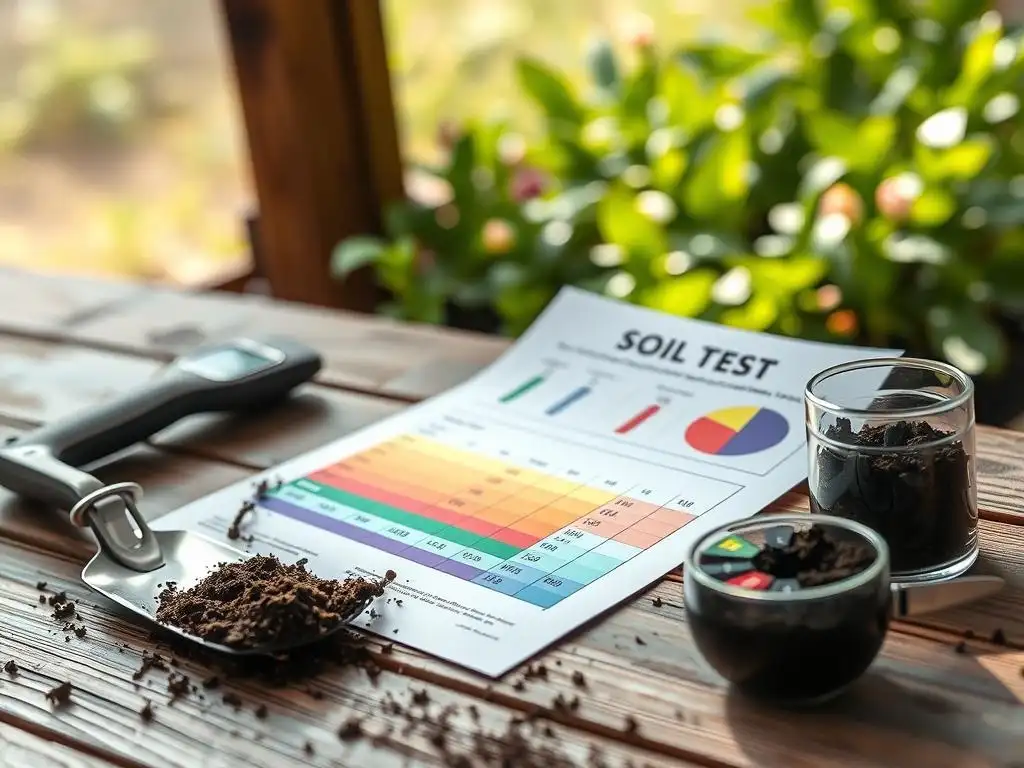
Understanding soil test results is crucial for successful gardening. A comprehensive soil test report provides a wealth of information, allowing you to tailor your gardening practices to your specific soil's needs. This section focuses on interpreting the key indicators and values you'll find in a typical report, empowering you to make informed decisions about amending your soil and maximizing your harvest. Don't be intimidated by the numbers; with a little guidance, you can unlock the secrets your soil is trying to tell you. The key is to understand what the data means in relation to your plants' requirements.
Identifying Nutrient Deficiencies: Recognizing Symptoms and their Corresponding Nutrient Needs
Nutrient deficiencies manifest in various ways, often appearing as visible symptoms on your plants. Learning to recognize these symptoms is critical for accurate diagnosis and effective treatment. For example, nitrogen (N) deficiency often presents as yellowing of older leaves, while phosphorus (P) deficiency can cause stunted growth and dark green or purplish leaves. Potassium (K) deficiency may result in browning leaf margins and tips.
Here's a table summarizing common nutrient deficiencies and their corresponding visual symptoms:
| Nutrient | Deficiency Symptoms | Impact on Plant Growth |
|---|---|---|
| Nitrogen (N) | Yellowing of older leaves, stunted growth | Reduced growth, weak stems, pale green foliage |
| Phosphorus (P) | Stunted growth, dark green or purplish leaves, poor flowering | Delayed maturity, reduced root development, weak stems |
| Potassium (K) | Browning leaf margins and tips, wilting | Reduced fruit and flower production, weak stems |
| Magnesium (Mg) | Yellowing between leaf veins (interveinal chlorosis) | Reduced chlorophyll production, leaf curling |
| Calcium (Ca) | Blossom-end rot in fruits, stunted growth | Weak stems, distorted growth |
| Sulfur (S) | Yellowing of younger leaves | Stunted growth, pale green foliage |
Remember, the severity of symptoms depends on the degree of deficiency. A mild deficiency might only show subtle signs, while a severe deficiency can lead to significant plant damage or even death. Your soil test report will quantify the levels of these essential nutrients, allowing you to address any imbalances proactively. The report may use various units (e.g., ppm, lbs/acre), so familiarize yourself with the units used in your specific report.
Understanding Soil Texture and its Impact on Water Retention and Drainage
Soil texture, referring to the proportions of sand, silt, and clay particles, significantly influences water retention and drainage. A sandy soil drains quickly, offering poor water retention but good aeration. Conversely, a clay soil retains water well but can become waterlogged and poorly aerated. Loamy soil, a balanced mix of sand, silt, and clay, provides a good compromise, offering both adequate water retention and drainage.
Understanding your soil's texture is vital for proper irrigation management. A soil test report may classify your soil texture (e.g., sandy loam, silty clay loam) or provide the percentages of sand, silt, and clay. This information allows you to adjust your watering schedule and techniques accordingly.
For example, sandy soils require more frequent, but lighter watering, while clay soils need less frequent, but deeper watering. Proper water management is essential for healthy plant growth and prevents problems like root rot or drought stress. The optimal soil texture for most plants is considered to be a loam, but this varies depending on the specific plant.
Organic Matter Content: Assessing Soil Health and Fertility
Organic matter is the lifeblood of healthy soil. It improves soil structure, water retention, nutrient availability, and microbial activity. A soil test report will indicate the percentage of organic matter present in your soil. Generally, a higher percentage is better, indicating a more fertile and healthier soil.
Low organic matter levels often lead to poor soil structure, reduced water retention, and nutrient deficiencies. Increasing organic matter through practices like composting and cover cropping is essential for sustainable soil management. The specific recommendations for increasing organic matter will depend on your soil's current level and your gardening goals. For instance, adding compost, aged manure, or other organic amendments can significantly boost organic matter content over time.
Regular soil testing allows you to monitor the effectiveness of these amendments and adjust your practices as needed. Aim for a healthy organic matter percentage, typically around 5% or higher, for optimal soil health and plant growth. This helps improve the overall structure and fertility of your soil, leading to healthier and more productive plants.
Improving Soil Health Based on Your Test Results
Understanding soil test results is the cornerstone of successful gardening. A comprehensive soil test provides a snapshot of your soil's composition, revealing crucial information about its pH, nutrient levels, and organic matter content. Armed with this knowledge, you can tailor your gardening practices to optimize plant growth and yield, fostering a thriving ecosystem in your garden. This section will guide you through interpreting common soil test results and implementing effective strategies to improve your soil's health, ultimately leading to bountiful harvests. This process is vital for understanding soil test results and achieving optimal plant health.
Addressing Low pH Levels: Lime Application and Soil Amendment Techniques
Low pH, indicating high soil acidity, can hinder nutrient uptake by your plants. Many plants thrive in a slightly acidic to neutral pH range (6.0-7.0), so understanding how to interpret your soil test results regarding pH is essential. If your soil test reveals a pH below this ideal range, you'll need to raise it through liming.
Lime, primarily calcium carbonate (CaCO₃), neutralizes soil acidity. The amount of lime needed depends on several factors, including your soil's current pH, texture (clay soils require more lime than sandy soils), and the type of lime used. Your soil test report should provide recommendations, but it's crucial to follow the instructions carefully. Over-liming can be just as detrimental as under-liming.
Beyond lime, other soil amendments can help improve soil structure and buffer pH changes. Organic matter, such as compost, plays a crucial role in soil health. It increases the soil's cation exchange capacity (CEC), improving its ability to retain nutrients and resist pH fluctuations. Adding organic matter alongside lime creates a synergistic effect, leading to more sustainable pH adjustments.
For instance, a soil test might indicate a pH of 5.0. The recommended lime application could be 2 pounds per 100 square feet. However, if the soil is primarily clay, you might need to increase the application rate slightly, perhaps to 2.5 pounds per 100 square feet. Regular soil testing after liming is essential to monitor the pH levels and ensure they remain within the optimal range for your plants. Consistent monitoring is key to understanding soil test results over time.
Correcting Nutrient Deficiencies: Choosing the Right Fertilizer for Your Needs
Your soil test will also reveal the levels of essential nutrients, such as nitrogen (N), phosphorus (P), and potassium (K), often represented as NPK ratios. Deficiencies in these macronutrients, as well as micronutrients like iron, zinc, and manganese, can significantly impact plant growth and yield. Interpreting these results accurately is vital to understanding soil test results and addressing specific nutritional needs.
Nutrient deficiencies manifest in various ways, depending on the deficient nutrient. For example, nitrogen deficiency often results in pale green or yellow leaves, while phosphorus deficiency can lead to stunted growth and dark green leaves. Understanding these visual cues, combined with your soil test results, will help you diagnose and address the problem effectively.
Choosing the right fertilizer involves matching the nutrient ratios in the fertilizer to your soil's needs. For example, if your soil test shows low phosphorus, you would choose a fertilizer with a higher phosphorus number in its NPK ratio (e.g., 10-20-10). However, avoid over-fertilizing, as this can harm plants and pollute the environment. Always follow the fertilizer label instructions and consider using slow-release fertilizers to minimize nutrient runoff. Organic fertilizers, such as compost and manure, provide a more sustainable and environmentally friendly approach to nutrient replenishment.
Enhancing Organic Matter: Composting and Mulching Strategies for Soil Improvement
Organic matter is the lifeblood of healthy soil. It improves soil structure, water retention, nutrient availability, and microbial activity. A soil test might not directly measure organic matter content, but its impact on other parameters is evident. Low organic matter often correlates with poor soil structure, low nutrient levels, and poor water retention. Therefore, understanding soil test results indirectly informs the need for organic matter enhancement.
Composting is a crucial strategy for increasing organic matter. By breaking down organic waste, you create a nutrient-rich soil amendment that improves soil structure, fertility, and water retention. Home composting is relatively easy to implement, and the resulting compost can significantly improve your soil's overall health.
Mulching is another effective technique. Organic mulches, such as shredded leaves, straw, or wood chips, suppress weeds, conserve soil moisture, moderate soil temperature, and gradually decompose, adding organic matter to the soil. Mulching protects the soil surface from erosion and improves its overall structure. Regular application of compost and mulch will noticeably improve your soil's health over time, leading to healthier, more productive plants. The combination of these techniques is a sustainable approach to improving soil health and ensuring long-term success in your garden.
Optimizing Your Garden Based on Soil Test Data
Understanding soil test results is crucial for maximizing your garden's yield and minimizing environmental impact. A comprehensive soil test provides a snapshot of your soil's composition, revealing vital information about its pH level, nutrient content (macro and micronutrients), and organic matter. Armed with this data, you can make informed decisions to optimize your garden's health and productivity. This section focuses on how to translate your soil test results into actionable steps for improving your soil and choosing the right plants.
Choosing the Right Plants for Your Soil Type: Matching Plants to Nutrient Requirements
Soil test results directly influence plant selection. Different plants have varying nutrient needs and pH preferences. For example, blueberries thrive in acidic soil (pH 4.5-5.5), while most vegetables prefer a slightly acidic to neutral pH (6.0-7.0). Ignoring these preferences can lead to poor growth, reduced yields, and increased susceptibility to pests and diseases.
Let's consider a hypothetical soil test showing a pH of 8.0 and low levels of phosphorus and iron. This alkaline soil, deficient in phosphorus and iron, would be unsuitable for many plants. However, certain vegetables like asparagus and spinach can tolerate higher pH levels. To successfully grow other plants, you'd need to amend the soil to lower its pH and increase phosphorus and iron levels. This might involve incorporating organic matter like compost, using acidifying fertilizers, and applying chelated iron.
Conversely, a soil test revealing a highly acidic pH (e.g., 4.0) and high levels of nitrogen might suggest a need for liming to raise the pH and potentially adjusting nitrogen inputs to prevent excessive vegetative growth at the expense of fruiting.
| Plant Type | Ideal pH Range | Nutrient Needs (Examples) | Notes |
|---|---|---|---|
| Tomatoes | 6.0 - 6.8 | Phosphorus, Potassium | Sensitive to low phosphorus |
| Blueberries | 4.5 - 5.5 | Nitrogen, Phosphorus | Requires acidic soil |
| Leafy Greens (Spinach) | 6.0 - 7.0 | Nitrogen, Magnesium | Tolerant of a range of pH levels |
| Potatoes | 5.0 - 6.5 | Potassium, Phosphorus | Well-drained soil is essential |
Remember, careful plant selection, guided by your soil test results, significantly improves your chances of a bountiful and healthy harvest. Understanding these specific needs allows for targeted interventions, promoting sustainable gardening practices.
Developing a Sustainable Soil Management Plan: Long-term strategies for soil health
Sustainable soil management goes beyond addressing immediate deficiencies. It's about building healthy soil over the long term, improving its structure, water retention, and nutrient-holding capacity. Your soil test provides the baseline data to create a tailored plan.
A soil test might reveal low organic matter content, a common problem in many gardens. Low organic matter negatively impacts soil structure, water infiltration, and nutrient availability. To improve organic matter, consider regular additions of compost, cover crops, and other organic amendments. These additions not only improve nutrient levels but also enhance soil structure, promoting better aeration and drainage. The aim is to create a soil ecosystem rich in beneficial microorganisms that contribute to nutrient cycling and overall soil health.
For example, a soil test indicating low levels of potassium could be addressed by incorporating potassium-rich materials like wood ash (after testing for appropriate pH) or using a potassium-based fertilizer. However, the long-term solution involves building soil health through the addition of organic matter, which improves the soil's ability to retain potassium and other essential nutrients. This holistic approach ensures sustained fertility and minimizes reliance on synthetic inputs, aligning with the principles of sustainable and organic gardening.
Regular soil testing (at least annually) allows you to monitor the effectiveness of your management plan and make adjustments as needed, ensuring the long-term health and productivity of your soil. This continuous monitoring and adjustment are key to understanding soil test results and their implications for long-term soil health.
Advanced Soil Testing and Interpretation Techniques
This section delves into sophisticated soil testing methods that go beyond the standard pH and nutrient analyses, providing a more comprehensive understanding of your soil's health and potential. Understanding these advanced techniques allows for a more precise diagnosis of soil problems and facilitates the implementation of targeted solutions for optimal plant growth. Successfully understanding soil test results hinges on mastering both basic and advanced analysis.
Beyond the Basics: Advanced Soil Analysis Methods and Their Applications
Standard soil tests offer a snapshot of readily available nutrients. However, a complete picture requires exploring the soil's physical and biological characteristics. Advanced techniques provide this deeper insight. For example, particle size analysis determines the soil texture (sand, silt, clay), crucial for understanding water retention and aeration. A soil with predominantly clay particles will retain more water but may have poor drainage, potentially leading to root rot. Conversely, sandy soils drain quickly, requiring more frequent watering.
Another important advanced test is soil organic matter analysis. Organic matter is vital for soil structure, nutrient availability, and water retention. A low organic matter content indicates a need for soil amendment with compost or other organic materials. The quantification of organic matter isn't just about the total amount; understanding its composition – the ratio of different organic compounds – offers even more granular insights into soil health. This can be determined through techniques like spectroscopy, providing a detailed profile of the organic matter fractions.
Furthermore, assessing the soil microbial community is increasingly recognized as a key indicator of soil health. Various methods, including DNA sequencing, can quantify and identify the diverse microorganisms present. A thriving microbial community is essential for nutrient cycling and disease suppression. A low microbial diversity might signal the need for practices that enhance microbial activity, such as cover cropping or reduced tillage. Understanding the composition of your soil's microbial community can significantly improve your ability to understand soil test results and tailor your cultivation practices accordingly.
Interpreting Complex Soil Test Results: Understanding Interactions Between Nutrients
Nutrient deficiencies are often straightforward to address, but understanding nutrient interactions is crucial for optimal plant health. For instance, high levels of phosphorus can interfere with the uptake of zinc and iron. Similarly, excessive potassium can hinder magnesium absorption. A simple nutrient analysis might show a deficiency in one element, but ignoring the interplay with other nutrients can lead to ineffective remediation.
Consider this example: a soil test reveals low levels of iron. However, a more in-depth analysis reveals high levels of phosphorus. Simply adding iron might not solve the problem, as the high phosphorus levels are hindering its uptake. In this case, managing phosphorus levels (perhaps through reduced fertilizer application or soil amendments that bind phosphorus) is necessary before addressing the iron deficiency. This highlights the importance of considering the synergistic and antagonistic effects of different nutrients when interpreting soil test results.
The following table summarizes some key nutrient interactions:
| Nutrient | Positive Interactions | Negative Interactions |
|---|---|---|
| Phosphorus (P) | Mycorrhizae, Nitrogen (N) | Zinc (Zn), Iron (Fe), Calcium (Ca) at high concentrations |
| Potassium (K) | Calcium (Ca), Magnesium (Mg) | Magnesium (Mg), Nitrogen (N) at high concentrations |
| Nitrogen (N) | Phosphorus (P), Potassium (K) | Potassium (K) at high concentrations |
| Calcium (Ca) | Magnesium (Mg), Potassium (K) | Phosphorus (P), Zinc (Zn) at high concentrations |
| Magnesium (Mg) | Calcium (Ca), Potassium (K) | Potassium (K) at high concentrations |
Effective interpretation of soil test results requires a holistic approach, considering not only individual nutrient levels but also their complex interactions. Ignoring these interactions can lead to inefficient fertilizer use and potentially harm plant growth. By understanding these interactions, you can develop a more precise and effective nutrient management strategy, maximizing your yield and promoting sustainable cultivation practices. Understanding these interactions is key to successfully understanding soil test results and improving your cultivation techniques.
Frequently Asked Questions
What exactly does a soil test measure?
A soil test analyzes the composition of your soil, revealing key information about its nutrient levels, such as nitrogen, phosphorus, and potassium (NPK), as well as its pH and potential contaminants. This helps determine what your plants need to thrive.
How do I interpret the pH level in my soil test results?
The pH scale ranges from 0-14, with 7 being neutral. A pH below 7 is acidic, while above 7 is alkaline. Most plants prefer a slightly acidic to neutral pH (around 6.0-7.0), but this varies depending on the specific plant. Adjusting your soil pH might be necessary for optimal growth.
My soil test shows low nitrogen. What should I do?
Low nitrogen often leads to stunted growth and pale green leaves. You can amend your soil with nitrogen-rich organic fertilizers, like compost or manure, or use a nitrogen-based liquid feed. Always follow product instructions carefully.
What are the important nutrients to look for in my soil test results?
The "Big Three" – nitrogen (N), phosphorus (P), and potassium (K) – are crucial for plant growth. Nitrogen promotes leaf growth, phosphorus aids root development and flowering, and potassium enhances overall plant health and disease resistance. Pay close attention to their levels.
My soil test revealed high levels of salinity. How can I fix this?
High salinity indicates excessive salt buildup, which can hinder plant growth. Improve drainage, flush the soil with plenty of water, and consider using salt-tolerant plants. Amendments like gypsum can also help.
Final Reflection: Unlocking the Earth's Whispers
Understanding your soil test results isn't just about numbers; it's about unlocking the secret language of the earth itself, a language that speaks directly to the health of our planet and the food we grow. Ignoring this vital communication means missing crucial opportunities to nurture thriving ecosystems and cultivate abundant harvests. The implications for sustainable agriculture and environmental stewardship are profound.
The journey of learning to interpret soil test results is a deeply rewarding one. It's a process of connecting with the natural world on a fundamental level, understanding the intricate web of life beneath our feet. The land is what gives us our identity; it is what we are made of.
This quote, while not directly about soil testing, perfectly encapsulates the profound connection we share with the earth, a connection made stronger through understanding its needs. The more we understand our soil, the more we understand ourselves and our place within the larger ecosystem.
Now, it's your turn. Take the knowledge you've gained here and apply it to your own garden, your own land. Don't just passively receive information; actively engage with your soil. Order a test, analyze the results, and use that information to make informed decisions about your planting, fertilization, and overall land management. The health of your soil is a reflection of your own stewardship, and the rewards – both environmental and personal – are immeasurable. Let's cultivate a future where understanding the earth's whispers becomes commonplace, leading to a healthier planet for all.
Unlock Your Garden's Potential: Take Action Now!
Thanks for exploring the fascinating world of soil! You now have the knowledge to significantly improve your garden's health. Ready to put that knowledge into practice? Here's how:
- Amend your soil based on your test results: This is the most crucial step. Don't just read your soil test; act on it! Use the results to choose the best soil amendments to improve your garden's health and vitality.
- Share your gardening journey: Tell us (or your gardening friends!) about your soil type and the changes you're making. Inspire others to improve their soil health!
- Document your garden's transformation: Take "before & after" photos to track your success over time. This is a fun way to visualize the impact of your soil improvement efforts.
Now, what's the first soil amendment you'll be using, and what's your best gardening tip to share with fellow gardeners? Let's discuss in the comments below!