
Bug Buddies & Garden Pests: A KidFriendly Guide to Garden Critters

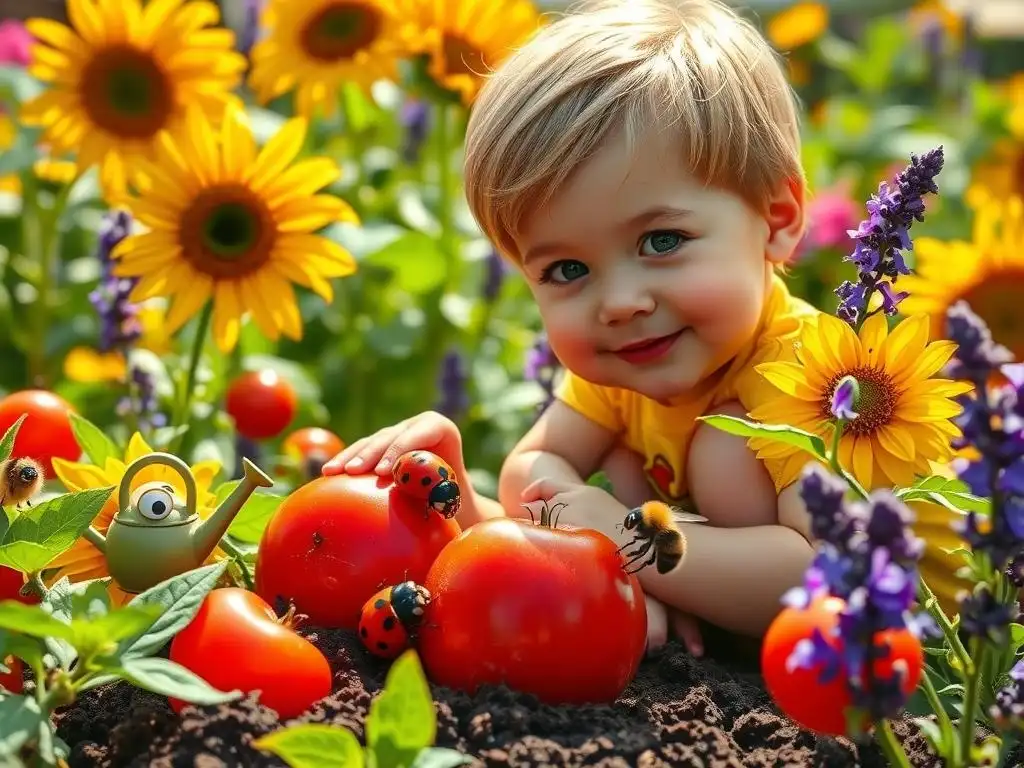
Welcome to CultivateYourFood, your guide to nurturing a thriving, sustainable garden! Are you ready to empower your children while growing delicious, organic produce? Then delve into our kid-friendly guide on organic gardening pest control, where we explore the fascinating world of garden critters—discovering which are friends and which need a little… managing. Uncover simple, effective strategies to protect your plants without harmful chemicals, and get ready to enjoy the fruits (and vegetables!) of your labor together. Let's cultivate a love for nature, one seed at a time!
- Understanding Garden Friends and Foes: Organic Gardening Pest Control for Kids
- Organic Gardening Pest Control Methods for Kids
- Fun Activities to Teach Kids About Garden Pests
- Resources for Learning More About Organic Gardening Pest Control
- Frequently Asked Questions
- Final Reflection: Cultivating a Kinder Garden, One Critter at a Time
- Unleash Your Inner Gardener: Grow with Nature!
Understanding Garden Friends and Foes: Organic Gardening Pest Control for Kids
Gardening is a fantastic way to connect with nature and learn where our food comes from! But sometimes, unwelcome guests show up in our vegetable patches and herb gardens. This kid-friendly guide will help you understand the difference between helpful garden critters and pesky pests, teaching you how to practice organic gardening pest control in a fun and effective way. We'll explore the fascinating world of beneficial insects, learn how to identify common garden enemies, and discover the importance of biodiversity in keeping our plants healthy and thriving without harmful chemicals.
This guide is perfect for young gardeners eager to cultivate their own fruits, vegetables, and herbs using sustainable and organic practices. Learning about organic gardening pest control is crucial for ensuring a healthy and productive garden, and this guide makes it an engaging adventure for kids of all ages! 🐛🌱
Beneficial Insects: The Garden's Helpers
Many insects aren't garden villains at all! In fact, some are vital for a healthy ecosystem. These "bug buddies" help control pest populations naturally, acting as a crucial part of organic gardening pest control. Think of them as the garden's tiny superheroes!
Here are a few examples:
- Ladybugs: These adorable beetles are voracious eaters of aphids, mealybugs, and other small, plant-munching insects. A single ladybug can consume hundreds of aphids in its lifetime!
- Lacewings: Lacewing larvae, also known as aphid lions, are incredibly effective aphid predators. Their adult forms also help pollinate plants.
- Praying Mantises: These masters of camouflage are ambush predators, snatching up a wide variety of insects, including grasshoppers and caterpillars.
- Ground Beetles: These nocturnal hunters patrol the soil, feeding on slugs, snails, and other ground-dwelling pests.
Let's look at how these helpful insects contribute to a balanced ecosystem in your garden and reduce the need for chemical pesticides. Their presence is a great indicator of a healthy, thriving garden environment, a cornerstone of successful organic gardening pest control. Encourage their presence by planting a diverse range of flowers and providing shelter such as leaf litter or small rock piles.
Identifying Common Garden Pests: Pest Identification Chart
Not all insects are beneficial. Some can cause significant damage to your plants. Learning to identify common garden pests is the first step in effective organic gardening pest control.
| Pest Name | Description | Damage Caused | Organic Control Methods |
|---|---|---|---|
| Aphids | Tiny, pear-shaped insects; often clustered on leaves | Sap sucking; leaf curling; stunted growth | Ladybugs, lacewings, insecticidal soap |
| Cabbage White Butterfly | White butterfly with black spots; caterpillars are green | Chewing damage to leaves; defoliation | Handpicking caterpillars; netting plants |
| Slugs & Snails | Soft-bodied mollusks; leave silvery slime trails | Chewing damage to leaves and stems; holes in plants | Diatomaceous earth; beer traps; handpicking |
| Spider Mites | Tiny arachnids; difficult to see with the naked eye | Stippling on leaves; yellowing; web formation | Strong water spray; neem oil |
| Colorado Potato Beetle | Yellowish-orange beetle with black stripes; larvae are orange | Chewing damage to potato leaves; defoliation | Handpicking beetles and larvae; Bacillus thuringiensis |
Remember, early detection is key! Regularly inspect your plants for signs of damage or pest activity.
The Importance of Biodiversity in Organic Pest Control
A diverse garden is a healthy garden! The more variety of plants and insects you have, the less likely you are to experience significant pest problems. This is because a balanced ecosystem naturally regulates pest populations. Beneficial insects prey on pests, keeping their numbers in check. Planting a variety of flowers alongside your vegetables and herbs provides food and habitat for these helpful insects, enhancing organic gardening pest control strategies.
Think of it like this: A garden with only tomatoes is like a buffet for tomato hornworms! But a garden with tomatoes, herbs, and flowers offers a wider variety of food sources, reducing the concentration of pests on any single plant. This approach to organic gardening pest control is environmentally friendly and promotes a thriving garden ecosystem. It also teaches children valuable lessons about the interconnectedness of nature. Encourage kids to participate in creating a diverse and vibrant garden environment – it's a fun and educational experience! 🎉
Organic Gardening Pest Control Methods for Kids
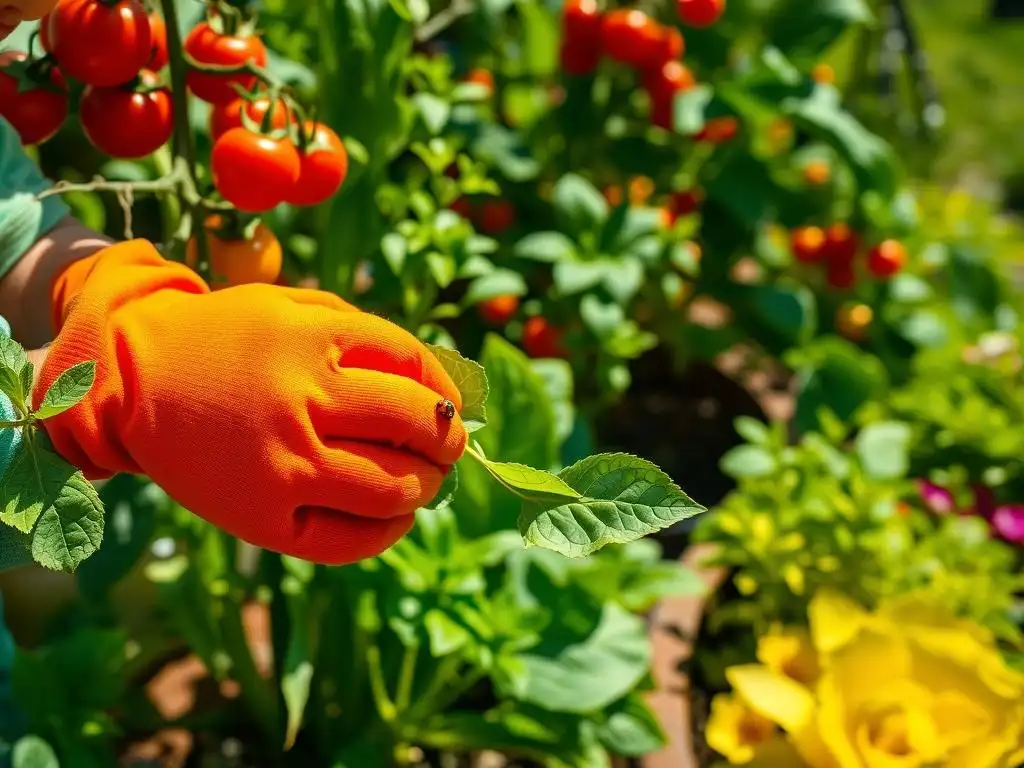
This section explores safe and effective organic gardening pest control strategies perfect for involving children in the process. We'll focus on methods that are both environmentally friendly and teach young gardeners about the delicate balance of the garden ecosystem. Remember, the goal isn't to eliminate all insects, but to manage populations of those that harm plants while encouraging beneficial insects. This approach is key to successful organic gardening pest control for kids.
Safe and Effective Pest Control Strategies: Natural Pest Control Techniques
Organic gardening relies on natural methods to control pests. These methods are safer for children, pets, and the environment than chemical pesticides. Here are some effective strategies:
- Handpicking: This is a great activity for kids! Early morning or late evening are the best times to handpick pests like slugs, caterpillars, and aphids from plants. Simply drop them into a bucket of soapy water. This direct approach teaches children about the pests directly impacting their plants.
- Water Spray: A strong spray of water from a hose can dislodge many soft-bodied insects like aphids and spider mites. This is a gentle but effective method, especially when combined with regular plant inspections. Kids can help operate the hose under adult supervision, learning about the power of water pressure.
- Neem Oil: Neem oil is a natural insecticide derived from the neem tree. It's effective against a wide range of pests and is relatively safe when used as directed. Always follow the instructions carefully and ensure adult supervision when handling and applying neem oil.
- Diatomaceous Earth: Diatomaceous earth is a natural powder made from fossilized algae. It works by abrading the exoskeletons of insects, causing them to dehydrate and die. It's safe for humans and pets but should be applied carefully to avoid inhalation. Kids can help with the application (under adult supervision) learning about the microscopic creatures involved.
- Beneficial Insects: Introducing beneficial insects like ladybugs, lacewings, and praying mantises into your garden can help control pest populations naturally. These insects prey on many common garden pests, offering a biological control method. Learning to identify these beneficial insects is a valuable skill for young gardeners.
Building a Bug Hotel: Attracting Beneficial Insects
Creating a bug hotel provides shelter and habitat for beneficial insects, encouraging them to stay in your garden and help control pests. This is a fun and educational project for kids.
Here's what you'll need:
- A sturdy container (e.g., a wooden box, a repurposed planter)
- Various materials for filling the container: twigs, straw, pine cones, hollow stems, bamboo, cork pieces, etc. The variety attracts different beneficial insects.
- Drill (for adults to create holes in wood)
- Gloves (for safety)
Instructions:
- Drill holes of varying sizes in the wood to create different sized spaces for different insects.
- Layer the materials inside the container, creating different compartments.
- Place the bug hotel in a sunny, sheltered spot in your garden.
- Observe the insects that move in! This provides a wonderful opportunity for learning and observation.
This project teaches children about biodiversity and the importance of habitat for insects. It's a hands-on experience that combines creativity with practical pest control. They'll learn to appreciate the role of beneficial insects in maintaining a healthy garden.
Making Homemade Pest Repellents: DIY Pest Repellent Recipes
Homemade pest repellents are a safe and effective way to deter pests without harming beneficial insects or the environment. These are simple recipes that kids can help make under adult supervision, learning about the properties of different ingredients.
- Garlic Spray: Combine crushed garlic cloves with water and let it steep for a few hours. Strain the mixture and spray it on plants. The strong smell repels many insects.
- Peppermint Oil Spray: Mix a few drops of peppermint oil with water and spray on plants. Peppermint oil is known for its pest-repelling properties.
- Soap Spray: A simple solution of dish soap and water can be effective against soft-bodied insects. Mix a small amount of dish soap (avoid harsh detergents) with water and spray directly onto the pests.
Remember to always test any homemade repellent on a small area of the plant first to ensure it doesn't damage the foliage. Adult supervision is crucial when handling and applying these solutions. This process teaches children about natural ingredients and their diverse applications in organic gardening, reinforcing the concept of organic gardening pest control kids. The act of making and applying these repellents fosters a deeper connection with the garden and its inhabitants.
Fun Activities to Teach Kids About Garden Pests
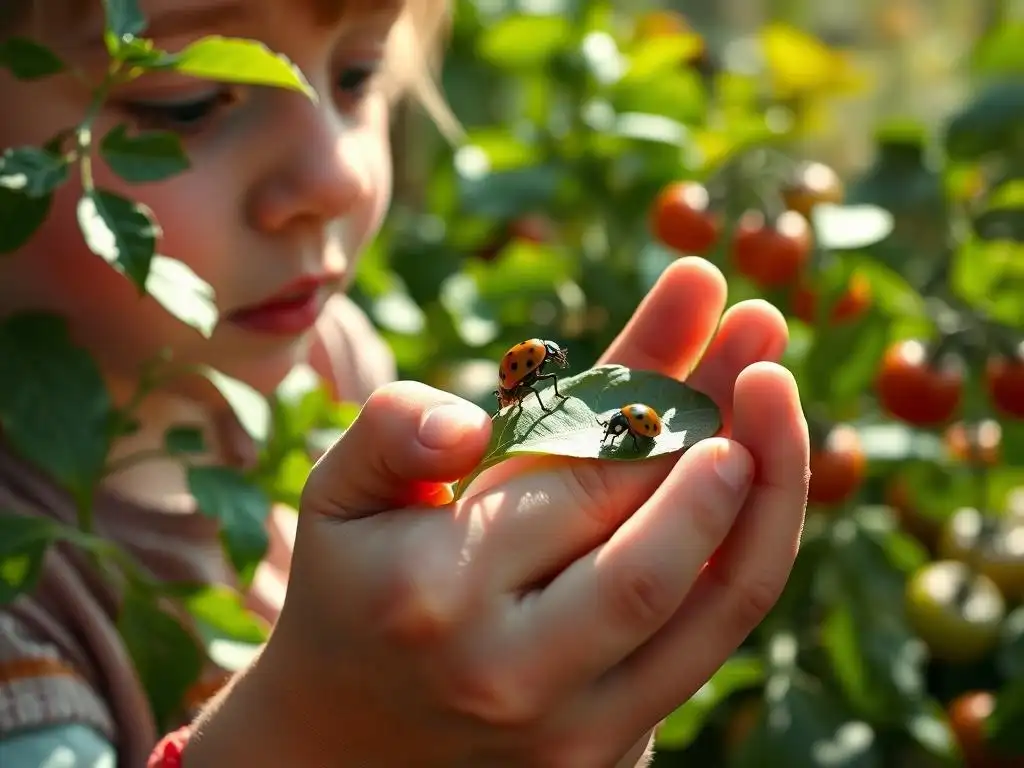
Learning about garden pests doesn't have to be boring! Transforming pest control education into engaging activities can spark a child's curiosity and foster a love for organic gardening. By making it fun, we can help kids understand the delicate balance of the garden ecosystem and the importance of sustainable pest management. This section outlines several interactive activities designed to teach children about beneficial insects and harmful pests in a kid-friendly and memorable way, all while promoting organic gardening pest control practices.
Bug Hunts and Nature Walks: Exploring the Garden Ecosystem
Turn your garden into a thrilling adventure! Organize regular "bug hunts" where children use magnifying glasses to observe different insects. Emphasize identifying both beneficial insects (like ladybugs 🐞, praying mantises 螳螂, and lacewings ✨) and potential pests (aphids 🐜, caterpillars🐛, and slugs🐌). These organic gardening pest control kids activities help them understand the roles each insect plays.
Before the hunt, prepare a simple checklist or chart with pictures of common garden insects. This visual aid will help children identify the bugs they find and record their observations. For example:
| Insect | Beneficial/Harmful | Notes |
|---|---|---|
| Ladybug | Beneficial | Eats aphids |
| Aphid | Harmful | Damages plant leaves |
| Praying Mantis | Beneficial | Hunts other insects |
| Caterpillar | Mostly Harmful | Some are beneficial, others eat plants |
| Earthworm | Beneficial | Improves soil health |
During nature walks, discuss the garden's ecosystem. Point out how different plants and insects interact, emphasizing the importance of biodiversity for a healthy garden. Explain how beneficial insects help control pest populations naturally, reducing the need for harmful chemicals – a key element of organic gardening pest control for kids. Remember to stress the importance of gentle handling and returning insects to their habitats after observation. This fosters respect for nature and promotes environmentally conscious behavior. This approach to organic gardening pest control for kids is both educational and enjoyable.
Creating a Garden Journal: Tracking Insect Activity
Encourage children to keep a garden journal to document their observations. This is a fantastic way to track insect activity over time, allowing them to see patterns and understand how pest populations fluctuate. The journal can include drawings, descriptions, and even small samples (pressed leaves or dried insects – with adult supervision, of course! ).
Suggest including the following information in their journal entries:
- Date and time of observation
- Location in the garden
- Type of insect observed (with a drawing if possible)
- Number of insects observed
- Description of the insect's behavior (e.g., eating, mating, moving)
- Any signs of plant damage caused by insects
- Any actions taken to manage pests (e.g., handpicking aphids, introducing beneficial insects)
This activity enhances their observational skills and scientific thinking, promoting a deeper understanding of the garden's dynamics. By recording their findings, they develop a sense of responsibility towards their garden and learn about the long-term impact of their actions, solidifying their understanding of organic gardening pest control for kids. The journal becomes a valuable record of their learning journey.
Drawing and Painting Garden Critters: Creative Nature Art Projects
Unleash children's creativity with art projects focusing on garden insects. They can draw, paint, or sculpt their observations from bug hunts. Encourage them to create detailed representations of both beneficial and harmful insects, paying attention to their colors, shapes, and textures. This promotes artistic expression while reinforcing the learning about garden biodiversity and pest management.
Consider these ideas:
- Insect collages: Using natural materials like leaves, twigs, and seeds to create insect mosaics.
- Realistic insect drawings: Focusing on accurate depictions of the insects' physical features.
- Cartoon insect characters: Letting their imaginations run wild with fun and whimsical designs.
- Nature-inspired masks: Creating masks of their favorite garden creatures.
These creative activities provide an alternative learning method, making the learning process more engaging and memorable. By expressing their understanding through art, children retain knowledge more effectively, deepening their understanding of organic gardening pest control principles within a fun, creative framework. These projects can be displayed proudly, showcasing their newfound knowledge about the fascinating world of garden insects.
Resources for Learning More About Organic Gardening Pest Control
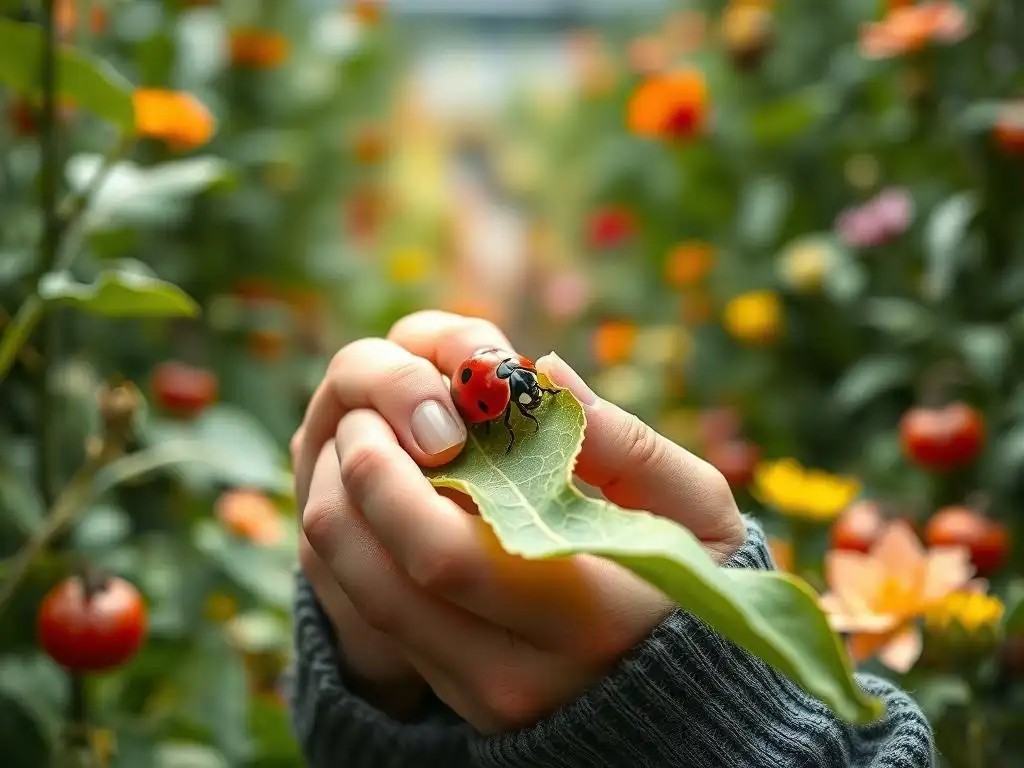
This section provides valuable resources to further your understanding of organic gardening pest control, specifically tailored for kids and families. Learning about beneficial insects and responsible pest management is crucial for successful and sustainable gardening. We'll explore both digital and physical resources to make learning fun and engaging for young gardeners.
Books and Websites for Kids: Recommended Resources
Finding age-appropriate resources can significantly impact a child's understanding and enthusiasm for organic gardening pest control. Here are some recommendations to get you started:
- Picture Books: Look for brightly illustrated books that introduce basic concepts like the life cycle of insects, the difference between beneficial and harmful insects, and simple organic pest control methods. Keywords to search for include "garden bugs for kids," "friendly insects," and "organic gardening for children." These books often use engaging storytelling to teach valuable lessons.
- Interactive Websites: Many websites offer games, quizzes, and videos designed to educate children about nature and gardening. Search for websites specifically designed for kids that focus on topics such as composting, identifying insects, and using natural pest control methods. Look for sites with interactive elements to keep children engaged and learning.
- Activity Books: Activity books offer hands-on learning experiences. Look for books with coloring pages featuring insects, puzzles that test knowledge of beneficial insects, and simple experiments related to organic pest control. These books can reinforce learning in a fun and interactive way.
The key is to find resources that are visually appealing, easy to understand, and age-appropriate. Remember to involve children in the selection process to ensure their engagement and interest. Consider their reading level and preferred learning styles when choosing resources. Don't hesitate to adapt or simplify information to make it more accessible.
Local Gardening Organizations: Finding Local Support
Connecting with local gardening organizations can provide invaluable hands-on learning experiences and support for kids interested in organic gardening pest control. These groups often offer workshops, field trips, and volunteer opportunities that allow children to engage directly with the subject matter.
- Master Gardener Programs: Many regions have Master Gardener programs run by universities or agricultural extension services. These programs often offer educational resources and workshops for children, focusing on topics such as identifying beneficial insects, composting, and integrated pest management (IPM). These programs frequently incorporate hands-on activities, making learning more engaging and memorable for young gardeners.
- Community Gardens: Community gardens provide a fantastic opportunity for kids to participate in the entire gardening process, from planting to harvesting. Participating in a community garden exposes children to the challenges of pest control in a real-world setting. They can learn about various organic pest control methods firsthand and observe the results.
- Nature Centers and Environmental Organizations: Many nature centers and environmental organizations offer educational programs related to gardening and pest control. They often organize activities like insect identification walks, nature journaling, and workshops on creating habitats to attract beneficial insects. These programs can broaden children’s understanding of the ecosystem and its role in organic pest control.
Engaging with local organizations provides a unique opportunity for children to learn from experienced gardeners, share their knowledge with others, and contribute to their community. The social aspect of these activities can significantly boost a child's interest in organic gardening and sustainable practices. Remember to check for age appropriateness and parental supervision requirements before enrolling children in any program.
Frequently Asked Questions
What are some common garden pests that kids might encounter?
Common garden pests include aphids, slugs, caterpillars, and spider mites. These can damage plants, but many are easily controlled with organic methods.
How can I teach kids about beneficial insects?
Introduce them to ladybugs, lacewings, and praying mantises, explaining their role in natural pest control. Let them observe these insects in the garden and learn how they help.
What are some kid-friendly organic pest control methods?
Handpicking pests, using water sprays, and introducing beneficial insects are all safe and effective methods. Creating a habitat for these helpful insects is also key.
Are there any dangers to consider when involving kids in pest control?
Always supervise children closely and teach them to identify potentially harmful insects (like stinging insects). Avoid using harmful chemicals and opt for organic methods.
How can I make organic gardening pest control fun for kids?
Turn pest control into a game! Make it a scavenger hunt to find pests or create a chart to track the beneficial insects. Reward their efforts with a small prize or garden treat.
Final Reflection: Cultivating a Kinder Garden, One Critter at a Time
Understanding the intricate web of life in our gardens is not just crucial for successful organic gardening, it's essential for fostering a healthy planet. The seemingly simple act of pest control takes on a whole new dimension when we consider the interconnectedness of all living things. We've explored how even the "pests" play vital roles in the ecosystem, and how a child's understanding of this can shape their future relationship with nature.
Learning to appreciate the diverse creatures that share our gardens has profoundly impacted my own approach to gardening. It's shifted from a battle against unwanted guests to a collaborative effort, a delicate dance between humans and nature. The more we learn about the natural world, the more we understand how much we need to protect it.
This quote perfectly encapsulates the shift in perspective that this exploration has fostered, not just for me, but hopefully for young readers as well.
Now, it's your turn. Consider the next time you encounter a "pest" in your garden. Instead of reaching for harsh chemicals, take a moment to observe. Identify the creature, understand its role, and explore non-toxic solutions. By teaching our children to appreciate the beauty and complexity of the natural world, we empower them to become responsible stewards of the environment, cultivating not just thriving gardens, but a thriving planet for generations to come.
Unleash Your Inner Gardener: Grow with Nature!
Thank you for joining us on this exciting journey into the world of garden creatures! We hope you've learned some fascinating facts about beneficial insects and how to appreciate their role in a thriving garden. Ready to put your new knowledge to the test?
- Build a mini-bug hotel: Create a simple habitat in your garden to attract beneficial insects like ladybugs and lacewings. This is a great way to support biodiversity and observe these fascinating creatures up close!
- Share your garden discoveries: Take photos of the insects and plants you find and share them with us in the comments below! Let's build a vibrant community of young nature enthusiasts.
- Continue your exploration: Research the specific insects you've encountered and learn more about their role in your garden's ecosystem. Discover how they interact with plants and other creatures, and how you can support their populations.
What amazing creature will you discover in your garden next?